Why Fall Is The Best Time To Soil Test A Virginia Lawn Not Spring
Most Virginia homeowners hang up the rake in October and start daydreaming about spring. Bold of them to assume the lawn is taking a vacation too.
Meanwhile, there is a tiny, cheap chore that decides how lush your grass looks next May. All it takes is a trowel, a bucket, and about twenty minutes.
No fancy gear, no gym membership required.
The sneaky part? Most folks wait for the first warm weekend of spring to do it, which leaves a hungry lawn sitting at the dinner table with nothing served yet.
Awkward for everyone, especially the grass.
Skip the spring scramble and get ahead of it now. Your future lawn might reward you with thicker, richer turf, and your neighbors may start asking what you did.
1. Virginia Cool-Season Grass Grows Best In Fall
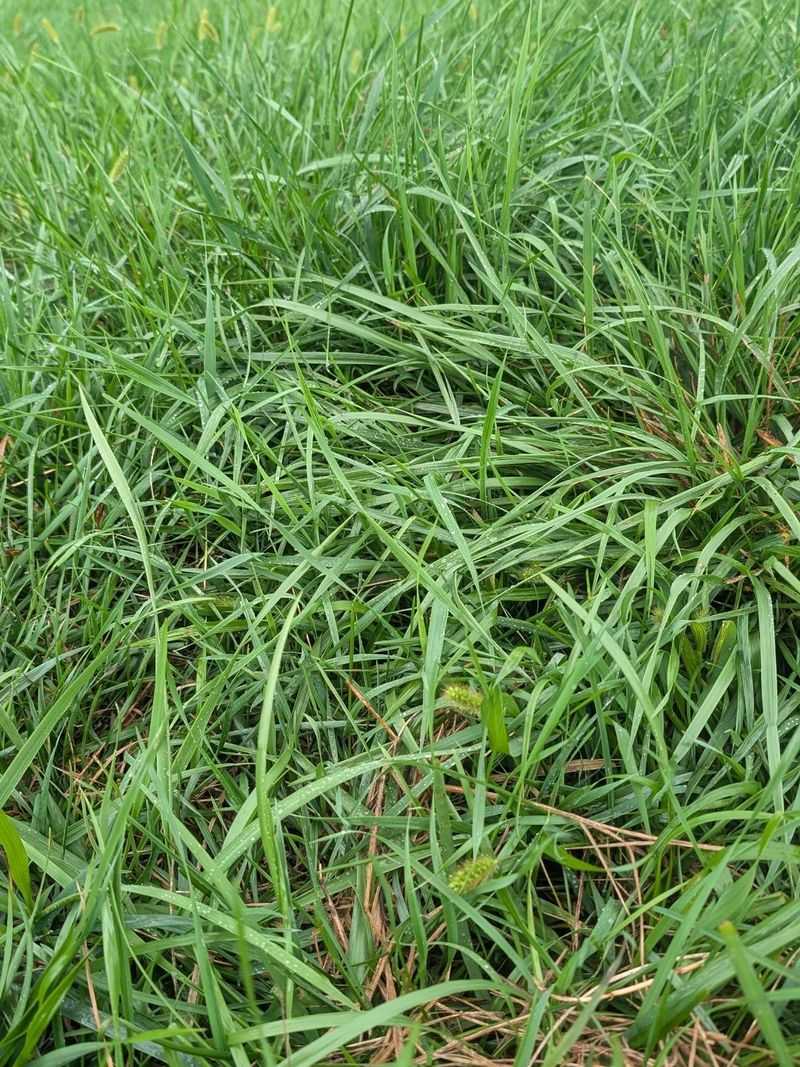
Tall fescue is the grass you see in most yards, and it loves cool weather. It does its biggest growing in September and October.
A soil test in early fall tells you what that grass needs at the exact moment it is ready to use it. You can add lime or fertilizer while the roots are busy and hungry.
Spring is a different story for cool-season turf. The grass puts energy into blades and seed heads, not deep roots.
Feeding it then can push fast top growth that struggles once summer heat arrives.
Fall roots are like a savings account. Nutrients you add now get stored and help the lawn wake up strong after winter.
Many lawn experts call autumn the main event for fescue, bluegrass, and ryegrass care.
Here is a simple plan to follow. Take your soil samples in late August or early September.
Mail them right away, then apply what the report suggests before mid-October.
That timing lines up with overseeding season too. You can fix the soil and plant new seed in the same few weeks.
One trip to the garden center covers both jobs, and the new seedlings get off to a healthy start in balanced soil.
Working with the grass instead of against it makes every bag of product go further. Your lawn spends less time recovering and more time looking good.
2. Lime Needs Months To Work In Clay
Ever notice that red, sticky dirt across much of the state? That clay soil tends to be acidic, and acidic soil locks up nutrients your grass wants.
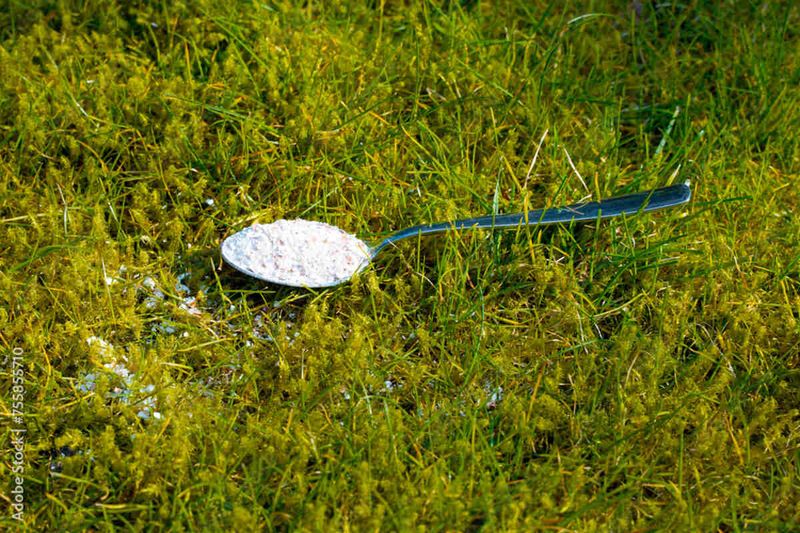
Lime is the fix, but it is slow. Virginia Cooperative Extension says it takes weeks to months to fully see the benefit, which is why fall and winter are considered ideal times to apply it.
Test in spring, and your lime may still be catching up when summer heat arrives. You lose valuable time waiting.
Test in fall, and the lime works through the cool months while you sit by the fire.
Winter rain helps too. Lime moves very little once it lands on the surface, so steady moisture over several months gives it the time it needs to dissolve and start working.
Your Virginia Garden Changes Every Week. Your Plan Should Too.
Gardening in Virginia changes quickly throughout the season. Every Friday you’ll receive a simple weekly plan showing exactly what to plant, prune, fertilize, harvest, and protect so you never miss the right timing.
By the time spring rolls around, the pH is closer to where lawns like it, around 6.5. Fertilizer you add later has a better chance of reaching the roots instead of getting stuck.
A quick tip for success: Use pelletized lime for easy spreading. Soils can only take in about 50 pounds of lime per 1,000 square feet at a time, so if your report calls for a heavy rate, split it into separate passes and wait at least 30 days between them.
Farmers in the Shenandoah Valley have spread lime on fields for generations. They learned long ago that patience with pH pays off in better crops and pastures, and your lawn follows the same rules.
3. Virginia Soil Labs Are Less Crowded In Autumn
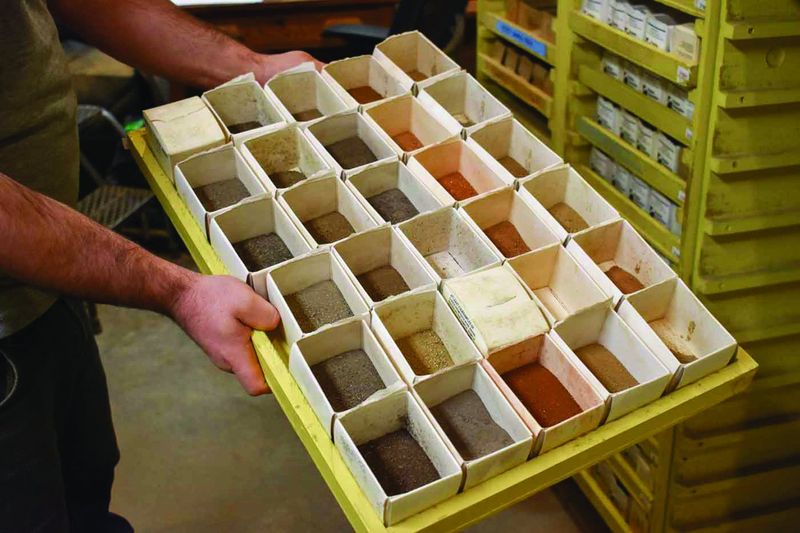
Spring at a soil lab looks a lot like a grocery store before a snowstorm. Everyone shows up at once with their little boxes of dirt.
Virginia Tech runs the soil testing lab many residents use through their local Extension office. In early spring, the lab gets flooded with samples, and results can take longer to come back.
Fall is calmer. The lab usually analyzes samples within about a week of receiving them, and your report arrives by email.
That gives you plenty of time to plan and shop.
Fast results matter more than people expect. A slow report in spring can arrive after the best window for treatment has passed.
Then you are guessing, which is the very thing a test is meant to stop.
Getting started is easy. Pick up a free sample box at your county Extension office or at many garden centers, then enter your sample information online at the Virginia Tech soil lab website.
The site also lists mailing directions and current fees.
The cost is low, with a routine test running $10 for residents. That is cheaper than one bag of the wrong fertilizer.
When filling out the form, list your grass type clearly. The lab uses that detail to tailor its advice, so a fescue lawn gets fescue tips instead of general garden suggestions that may not fit.
4. Fall Soil Gives Homeowners More Accurate Readings
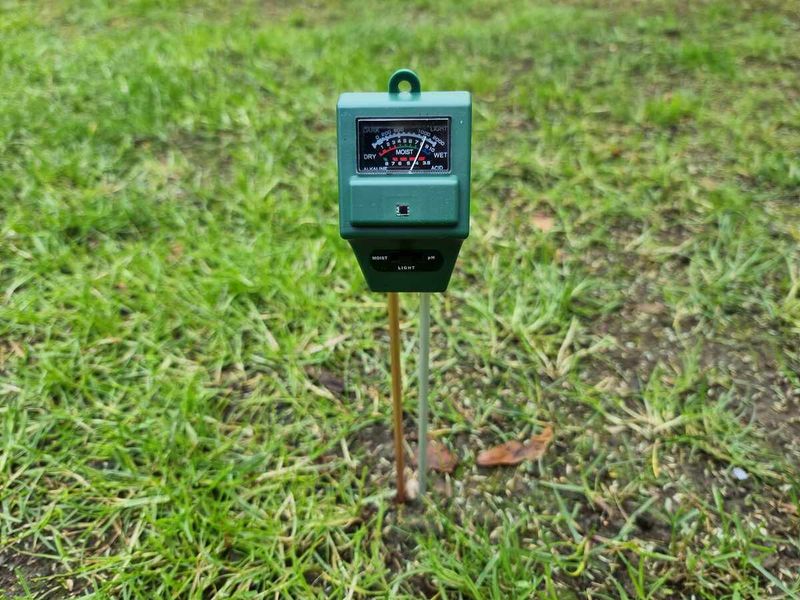
Soil is a bit like a mood ring. Its readings can shift with weather, moisture, and recent feeding.
In spring, many yards have just been fertilized or treated with weed and feed products. Those fresh additions can throw off results and make nutrient levels look higher than they really are.
By late summer and early fall, most of those spring products have been used up or washed through. The soil settles into its true, everyday state.
A sample taken then gives a more honest snapshot.
Moisture plays a role too. Very soggy spring soil is tough to sample and mix well.
Early fall soil in Virginia is often just damp enough to probe easily without turning into mud.
For the best sample, follow these steps:
Collect ten or more small cores from around the lawn, each about four inches deep and without any thatch. Mix them in a clean plastic bucket, then fill the sample box from that blend.
Skip spots near driveways, mulch beds, lawn edges, or where the dog likes to visit. Those areas can skew results.
Also wait at least six to eight weeks after your last fertilizer or lime application before sampling.
A good sample is the base of good advice. If the dirt you send is mixed with leftover products, the report may lead you in the wrong direction.
5. Virginia Weather In Fall Makes Yard Work Pleasant
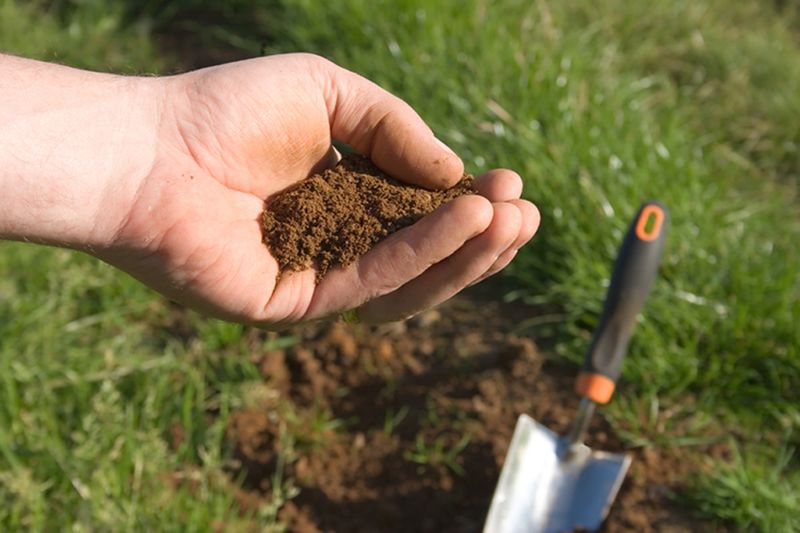
Nobody enjoys sweating through a shirt while digging holes in the yard. Fall offers crisp mornings and mild afternoons that make outdoor chores feel almost relaxing.
Spring can be a gamble. One week brings frost, the next brings pouring rain, and suddenly your weekend plans wash away.
October tends to be one of the drier, steadier months across much of the state. September can still bring heavy rain from tropical systems, so keep an eye on the forecast.
Either way, fall gives you plenty of comfortable days to collect samples, spread lime, and seed bare patches.
Comfortable weather also means you are more likely to do the job right. When you are not rushing to escape the heat, you take enough cores and mix them well.
Small details like that lead to a better report.
Try turning it into a fun family task. Kids can help label bags, count cores, or push the spreader.
A warm cup of cider afterward makes the whole thing feel like a seasonal tradition.
Plan your weekend like this:
Saturday morning, pull samples and drop them at the Extension office. The following weekend, review the results and buy what you need.
Spring calendars fill up fast with sports, graduations, and planting flower beds. Knocking out the lawn testing in autumn frees those busy months for other fun.
6. Virginia Lawns Avoid Wasted Spring Fertilizer
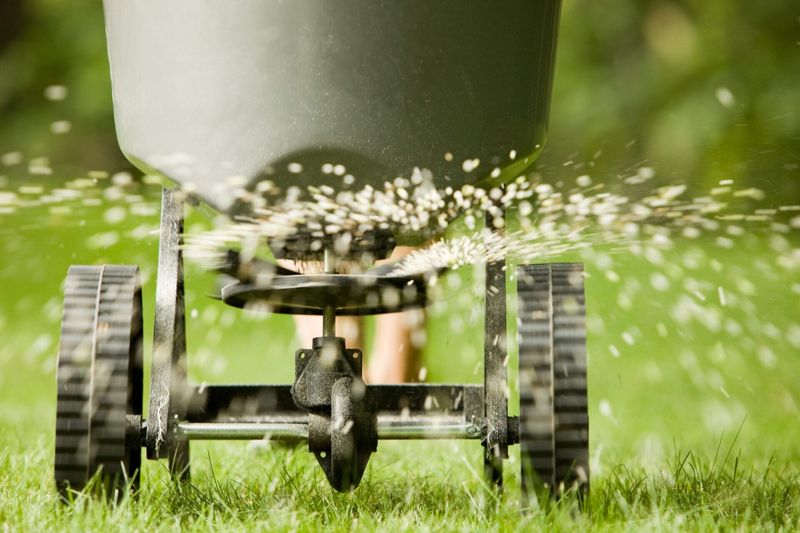
Here is a truth that stings a little: plenty of homeowners pour money onto their lawns that the grass cannot even use.
Without a test, people grab a popular bag and spread it by habit. If your soil already has plenty of phosphorus, adding more does nothing good.
The state has rules about phosphorus in lawn fertilizer to protect the Chesapeake Bay. Extra nutrients can run off into streams and feed algae blooms downstream.
A soil test helps you add phosphorus only when your yard truly needs it.
Testing in fall gives you the full picture before spring shopping season starts. You walk into the store with a list instead of a guess.
That saves cash and keeps local waterways cleaner.
Check the three numbers on any fertilizer bag. They stand for nitrogen, phosphorus, and potassium.
Your soil report tells you which of those numbers should be high and which can be zero.
Many fall test results show that a lawn only needs nitrogen and maybe potassium. That opens the door to cheaper products with no phosphorus at all.
Think of the report as a shopping coach. It keeps you from buying the shiny bag on the end cap and steers you toward what actually helps your grass grow thick.
7. Fall Fixes Help Grass Beat Summer Stress
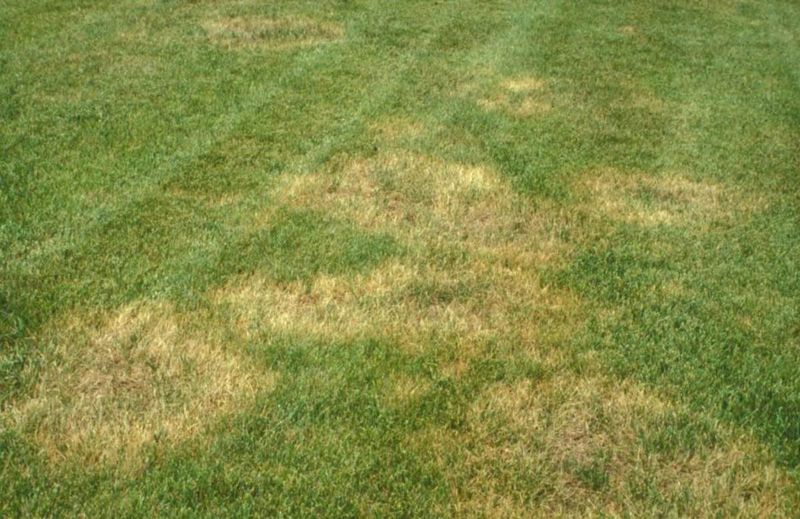
July can feel like living inside a steamy bathroom. Heat and humidity push cool-season grass to its limits.
Lawns with balanced soil handle that stress much better. Deep roots built during fall and winter reach water that shallow roots miss.
When you test in fall and correct problems early, the grass gets two full seasons to strengthen before summer. A spring test only gives it a few short weeks.
That gap often shows up as brown patches by August.
Potassium is a quiet hero here. It helps grass manage heat, drought, and foot traffic.
A fall report will show if your soil is low, so you can add it in time to make a difference.
Good soil also helps grass fight off disease. Brown patch fungus loves hot, humid nights, and weak turf gives it an easy target.
Healthy, well-fed grass bounces back faster.
A few extra summer survival tips:
Mow tall fescue at three to four inches. Water deeply once or twice a week instead of a light sprinkle every day.
These habits work best when the soil underneath is in good shape. Fall testing sets up that foundation, so your summer lawn looks less tired and more like a soft green carpet.
8. Overseeding Season Pairs With Soil Testing
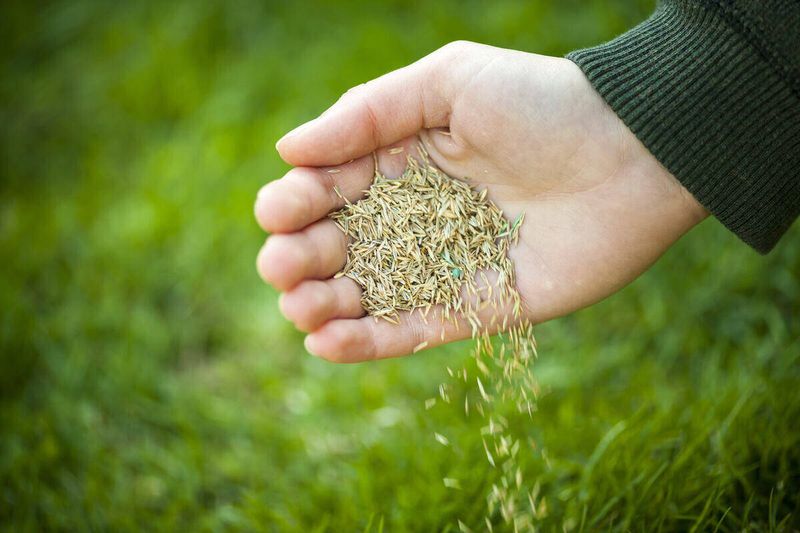
Two birds, one stone. Fall is already prime time for overseeding thin lawns, so pairing it with a soil test just makes sense.
Grass seed sprouts best when soil is warm and air is cool. Across most of Virginia, that sweet spot lands between late August and early October.
New seedlings are picky babies. They need the right pH and enough nutrients to grow strong roots before winter.
Knowing your soil numbers means you can give them exactly that from day one.
Spring seeding is possible, but it is a rough ride. Young grass has little time to mature before summer heat hits.
Crabgrass also pops up in spring and competes for space.
For a smooth fall project, try this order:
Test the soil first and wait for results. Then aerate the lawn, spread seed, and add a starter fertilizer or lime based on the report.
Core aeration pulls up little plugs of soil and opens room for seed and amendments to settle in. It also loosens packed clay, which is common in many neighborhoods.
Keep the seedbed lightly moist for a few weeks. Once the new grass reaches mowing height, you will see why autumn has become the favorite season for lawn lovers who plan ahead.
9. A Virginia Lawn Plan For The Whole Year
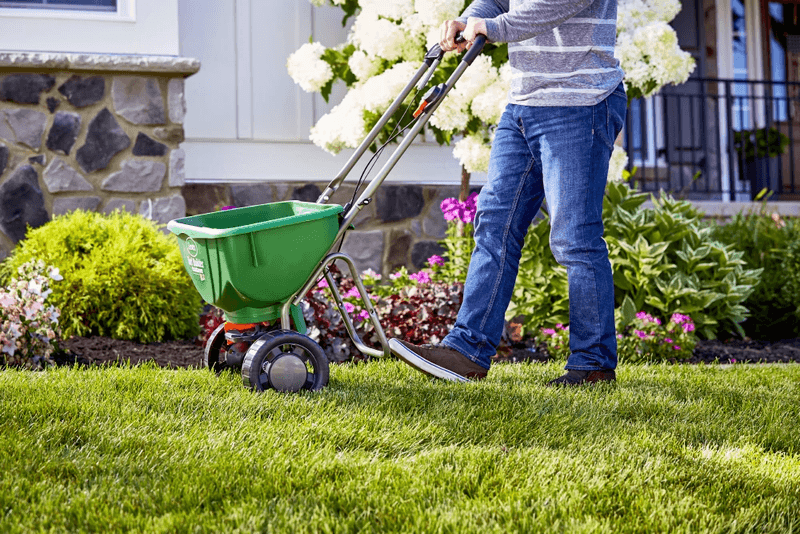
Some people love a good checklist, and soil reports are basically a roadmap for your yard. A fall test lets you sketch out lawn care for the next twelve months.
Most reports suggest how much lime and fertilizer to use, plus when to apply it. You can mark those dates on a calendar right away.
A simple yearly plan for cool-season grass might look like this. Apply lime and fertilizer in September, add another feeding in November, then go light in spring.
Skip heavy feeding during summer heat.
Planning ahead takes the guesswork out of busy seasons. When spring arrives, you already know what to do and what to skip.
No more wandering the garden aisle hoping for a miracle bag.
Keep your old reports in a folder too. Comparing one test to the next shows whether your soil is improving.
It is a little like checking a growth chart for your kids.
Quick reminder: you do not need to test every year. Virginia Cooperative Extension suggests every three to four years for most lawns, every two to three years for sandy Coastal Plain soils, and every three to five years in the Piedmont and Mountain regions.
Starting that habit in fall gives you a head start. Your yard gets steady care, your wallet stays happier, and your grass has its best shot at looking great.