When Can You Stop Watering New Fescue Several Times a Day in North Carolina?

A single fescue seed can sit in warm, damp soil for a week or more before it shows any sign of life. Let that top layer dry out for one sunny afternoon, and the sprouting process can stall.
I learned the hard way that new grass seed is a needy little guest. Here in North Carolina, fall seeding season had me dragging hoses around three or four times a day, sometimes before breakfast.
Truth is, that routine wears thin fast. You start wondering if the sprinkler has become a permanent lawn ornament.
The real puzzle is that the same frequent misting that helps seeds sprout can later hold young roots back. Shallow sips keep them lazy near the surface. So how do you know the moment has arrived to ease off, and what should the new schedule look like?
Those Tiny Green Fescue Sprouts Are Sending You a Signal
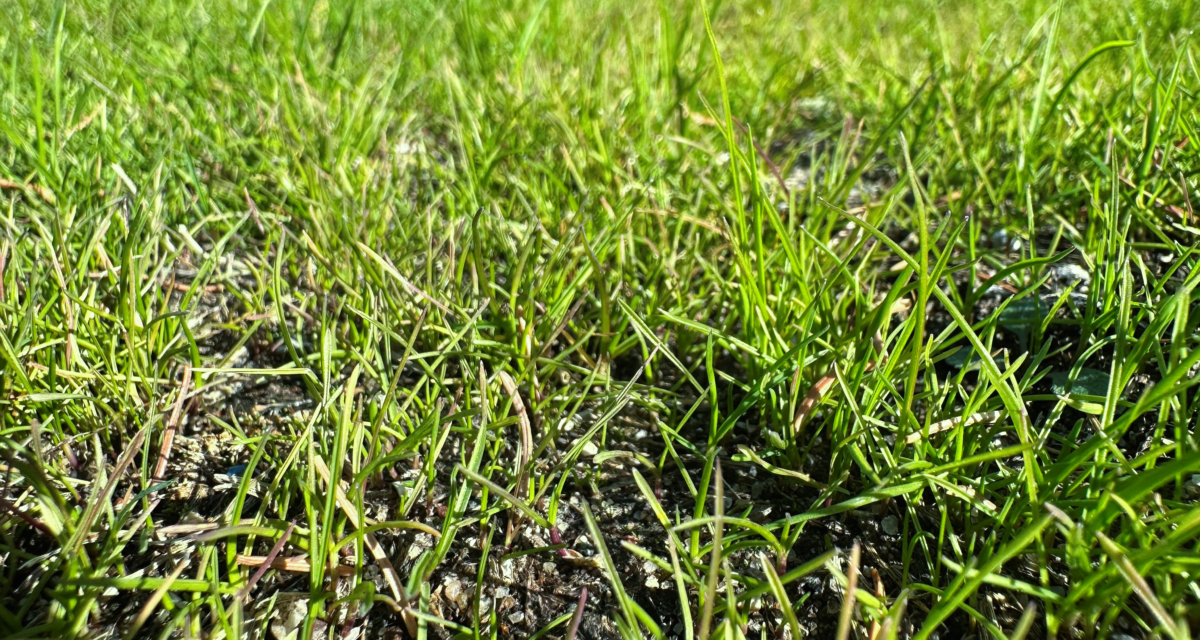
Nobody hands you a calendar alert when it is time to relax the watering. Your lawn does the talking instead, mostly through the look of those first thin blades.
In North Carolina, tall fescue usually germinates in about 7 to 14 days when fall soil temperatures sit in the 50s to 60s. During that stretch, the seed needs the top half-inch of soil kept damp, which often means three or four short watering sessions a day.
The signal to watch for is even coverage. A few early sprouts in a sunny spot do not count. You want a fairly uniform haze of green across most of the seeded area, not just patches here and there.
Fescue seed does not all wake up on the same day. Some seeds are slow starters, and cutting back too soon can leave bare spots that need reseeding later.
I like to kneel down and look across the lawn at ground level. If most of the soil surface shows little blades poking through, the first big milestone has arrived.
At that point, the multiple daily sessions have done their job. The next phase is about building roots rather than waking up seeds, and the watering plan shifts to match.
Two Weeks of Even Green Coverage Means You Can Ease Off the Sprinkler
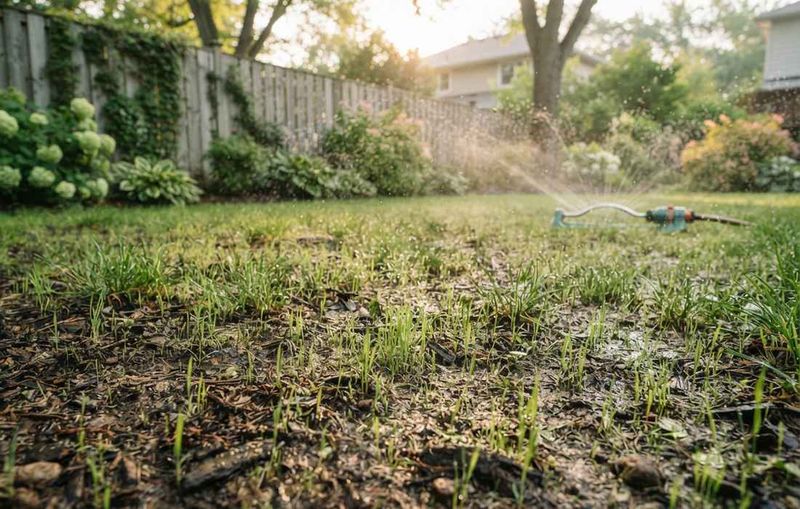
Most North Carolina homeowners get permission to slow down somewhere around the two-week mark. Once your fescue shows steady, even germination, you can drop from several daily sessions to one or two.
The trick is to make each watering a little longer. Instead of a quick three-minute sprinkle, aim for a session that soaks the soil an inch or two deep.
Many lawn pros suggest running rotary heads for about 12 to 15 minutes and pop-up spray heads for 5 to 7 minutes during this stage. Your exact times depend on your system, so a quick test helps.
Push a screwdriver into the soil an hour after watering. If it slides in easily to about two inches, you are on target.
This middle stretch usually runs from roughly day 15 to day 28. Young roots are stretching out, and they follow moisture wherever it goes.
Keep an eye on hot or windy afternoons in this window. Seedlings with short roots can still wilt quickly, so a brief midday spritz is fine on a scorcher.
Think of this phase as a gentle handoff, not a hard stop. You are slowly teaching your grass to reach a little deeper each week.
Deep Soakings Train Fescue Roots to Dig Down
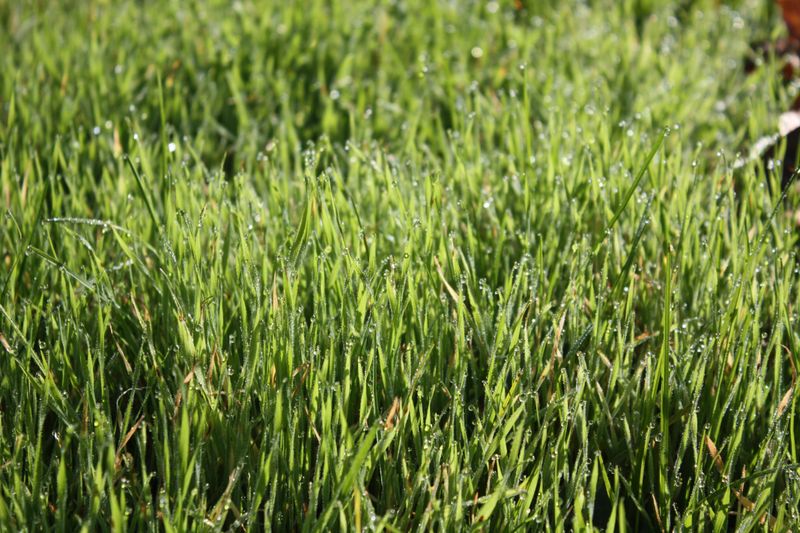
Here comes my favorite part of the whole process. Around four to eight weeks after seeding, when your fescue reaches a few inches tall, it can move toward an established lawn schedule.
That means watering deeply and less often. North Carolina extension specialists generally recommend about one inch of water per week for tall fescue, counting rainfall, spread over one or two sessions.
Why does this matter so much? Roots grow where water lives. Light daily watering keeps moisture near the surface, so roots stay shallow and the grass struggles in the first dry spell.
Deep, occasional watering pushes moisture several inches down. Roots chase it, and that deeper system helps fescue handle summer heat far better.
A tuna can trick works wonders here. Set a few empty cans around the lawn, run the sprinkler, and time how long it takes to collect an inch.
Fun fact for curious gardeners: tall fescue roots can reach well beyond a foot deep in good soil. That root depth is a big reason it holds up across much of the Piedmont.
Patience pays off in this phase. The lawn you build now shapes how it looks next July.
Spongy Turf and Mushrooms Mean Your New Grass Is Too Wet
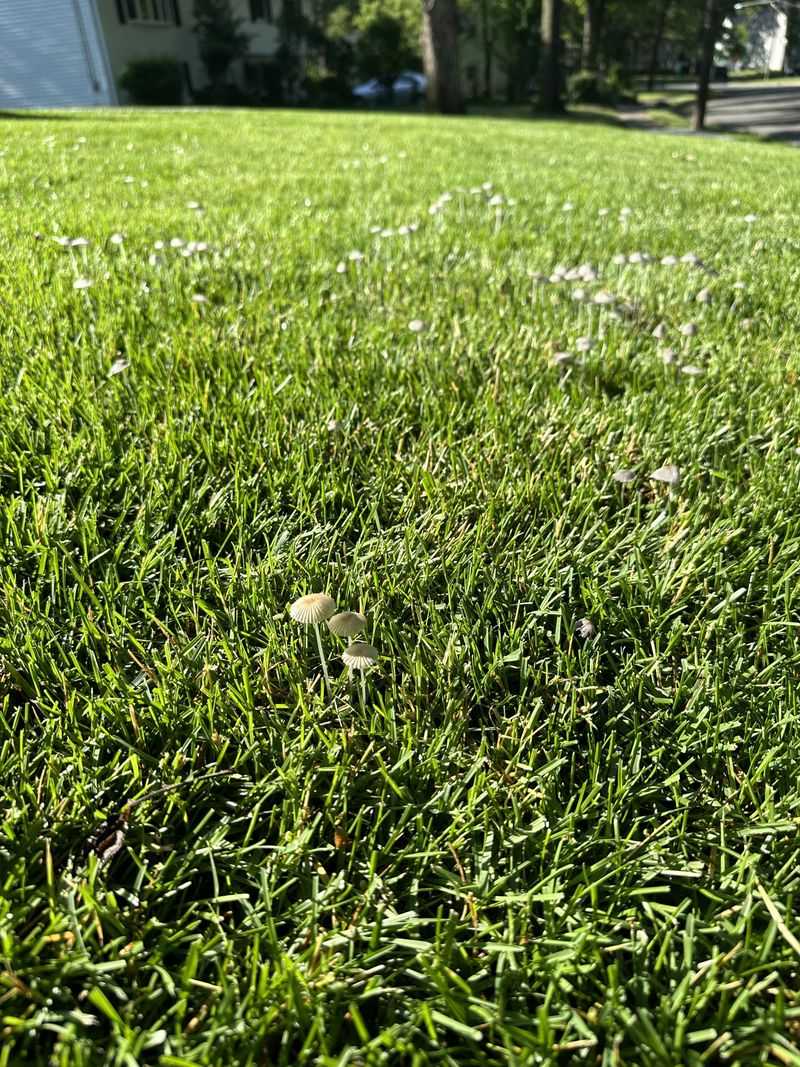
Guilty as charged, I once overwatered a fresh patch of fescue until it squished like a kitchen sponge. The grass looked pale, and little mushrooms popped up overnight.
Too much water is a common trap with new lawns. Soggy soil pushes out the air roots need, and seedlings turn yellow or limp.
Watch for these clues:
Pale or yellowing blades, a spongy feel underfoot, mushrooms, green algae on bare soil, or slimy patches near low spots.
Wet, crowded seedlings are also prone to damping-off and other fungal problems. Brown, collapsing clusters of young grass are a warning to cut back right away.
Clay soil, common across much of North Carolina, makes this worse because it drains slowly. Puddles that linger for hours mean the water is going on faster than the ground can soak it up.
The fix is simple. Skip a session or two, let the surface dry slightly, and shorten run times.
Breaking one long watering into two shorter cycles, spaced an hour apart, also helps clay soil absorb water without runoff. Your seedlings will thank you with sturdier, greener growth.
Footprints That Linger on Fescue Blades Show the Grass Is Thirsty

Walk across your young lawn and then turn around. If your footprints stay pressed into the grass for several minutes, the blades are low on water.
Healthy, well-watered fescue springs back quickly. Thirsty grass lacks the moisture to bounce up, so the trail stays visible.
Color offers another clue. Drought-stressed fescue often takes on a dull bluish-gray tint, and the blades may fold or curl lengthwise to save water.
Not going to lie, I find this test oddly satisfying. It takes ten seconds and tells you more than any app.
During the transition weeks, underwatering is the bigger danger for seedlings with short roots. A couple of hot, breezy days can stress them fast.
If you spot these signs, water deeply that morning rather than adding several quick sprinkles. A good soak helps the grass recover and keeps roots heading downward.
Older, established fescue can handle short dry periods better. In midsummer heat it may even slow down and turn tan for a while, which is a natural survival response.
For brand new grass, though, react quickly. Young plants have less in reserve and need steady support.
Morning Sprinkler Sessions Keep Fescue Lawns Healthier

Early birds have the advantage with lawn care. Watering before about 10 a.m. gives grass blades time to dry during the day.
That drying time matters a lot for fescue. Brown patch, a common fungal disease of tall fescue in North Carolina and the rest of the Southeast, thrives when blades stay wet through warm nights.
Evening watering leaves turf damp for many hours. Combine that with humid fall or late spring weather, and you have created a cozy home for fungus.
Morning also brings calmer winds and cooler air. Less water drifts away or evaporates, so more of it reaches the roots.
During the germination stage, you will still need a midday or afternoon spritz to keep seeds moist. Keep those later sessions short, and finish before late afternoon when possible.
Once your grass moves to deep weekly watering, put every session in the morning. A simple timer makes this easy, even for those of us who are not morning people.
Trust me on this one: a timer set for 5 or 6 a.m. beats remembering to run outside with a hose. Your lawn gets consistent care, and you get to sleep in.
Weather, Soil, and Slope Keep Rewriting Your Fescue Watering Plan

Every fall, I tape a little schedule to the garage wall. And every fall, the weather tosses it aside within a week.
No watering plan stays fixed. Rainy spells may let you skip sessions entirely, while sunny, breezy stretches dry out seedbeds fast.
A simple rain gauge is one of the best tools for new lawns. It tells you how much water nature already delivered, so you only fill the gap.
Soil type changes the math too. Sandy soils in the eastern part of North Carolina drain quickly and may need more frequent watering, while mountain and Piedmont clay holds moisture longer.
Slopes add another twist. Water runs downhill, so the top of a slope dries faster and the bottom can stay soggy.
Shorter cycles with breaks in between help water soak in on slopes. Covering seed with a thin layer of straw also reduces drying and erosion.
The big takeaway is simple. Use the calendar as a rough guide, but let your eyes, feet, and a screwdriver probe make the final call.
By the time cool weather settles in, your fescue should be rooted, sturdy, and ready for a much easier routine.