What It Really Means When Your Texas Crape Myrtles Turn Black This Summer
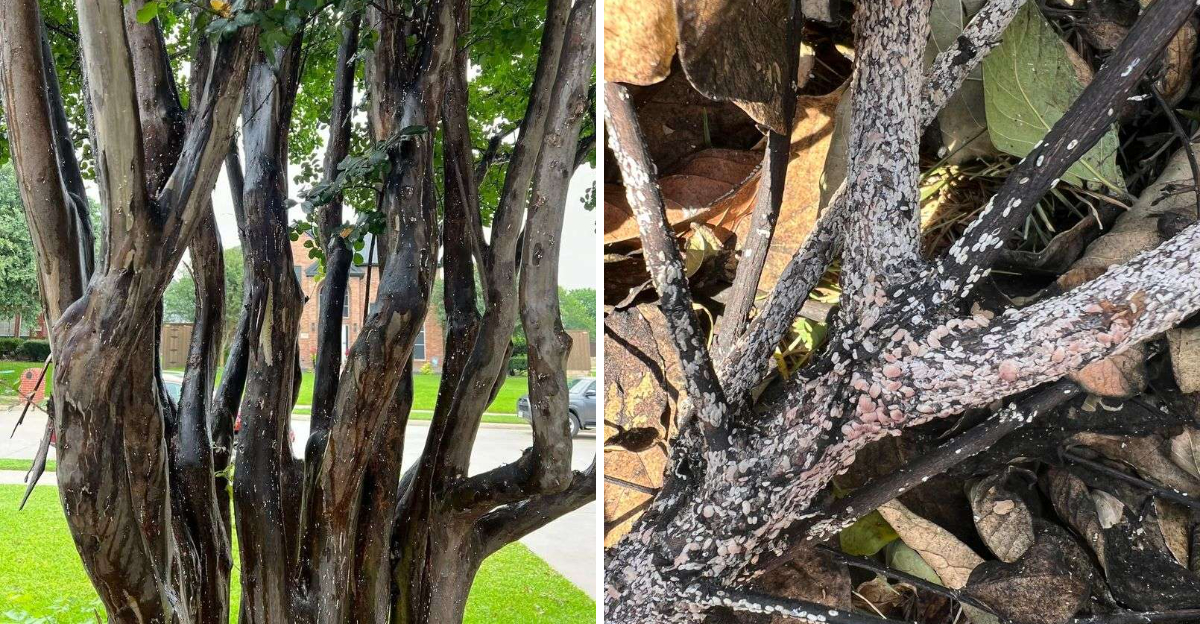
Something dark has quietly spread across your crape myrtle bark overnight. Concern rises when black soot coats your healthy branches.
Texas summers push this exact problem into countless suburban home landscapes every single year. Sticky residue attracts insects long before you notice anything wrong.
Aphids feed quietly, leaving sugary honeydew that fungus loves instantly. Sooty mold thrives easily on that sweetness, spreading fast across your leaves. Nothing about this coating means your tree is failing.
Every Texas gardener faces this yearly, yet solutions remain refreshingly simple. Bark darkens, blooms visibly struggle, and your entire tree looks completely neglected suddenly.
Insects work invisibly while the damage becomes impossible for you to ignore. Timing matters now more than ever, because early action prevents lasting cosmetic damage entirely.
Treatment exists, recovery happens fast, and beauty returns quicker than you expect. You need answers now, because your crape myrtle refuses to wait any longer.
Sooty Mold Is The Usual Culprit
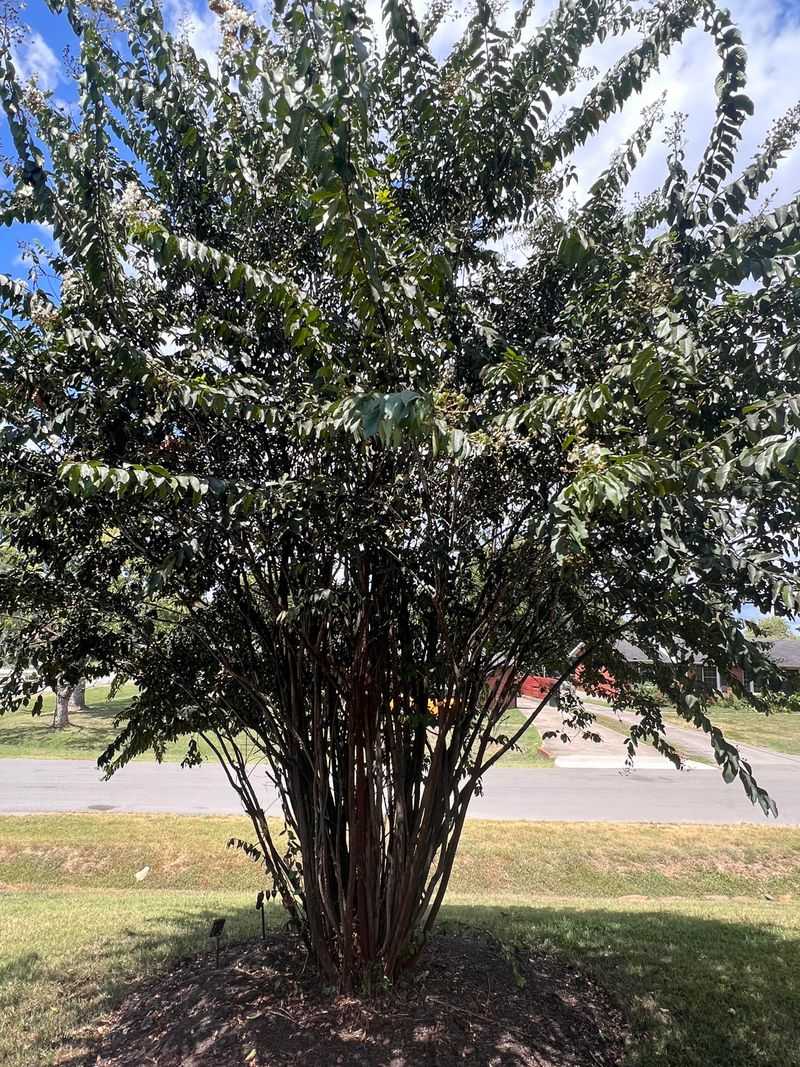
Black powder on your crape myrtles is not paint, and it is not rot. That dark, dusty coating is almost certainly sooty mold, a fungus that grows on top of sticky residue left behind by insects.
Sooty mold does not actually infect the plant’s tissue. It sits on the surface like a gritty film, blocking sunlight from reaching the leaves underneath.
When leaves cannot absorb sunlight properly, they cannot make food for the tree. Over time, this slows growth and reduces flowering, which is exactly what no one wants from a crape myrtle in full summer bloom.
The mold itself is dark gray to black and can spread across leaves, stems, and even the trunk. It looks alarming, but the fungus is not the root problem, it is a symptom of something crawling around your tree.
Touching the coating often leaves a smudgy residue on your fingers. That is a quick way to confirm sooty mold versus actual bark discoloration or sunscald damage.
The fungus thrives in warm, humid conditions, which makes a Texas summer an ideal environment for it. Identifying sooty mold early gives you a head start on stopping the insect source before the whole canopy goes dark.
Once you cut off the insect food supply, the mold slowly dries out and flakes away on its own. Your crape myrtles can absolutely bounce back, and faster than you might expect.
Crape Myrtle Bark Scale Behind The Sticky Residue
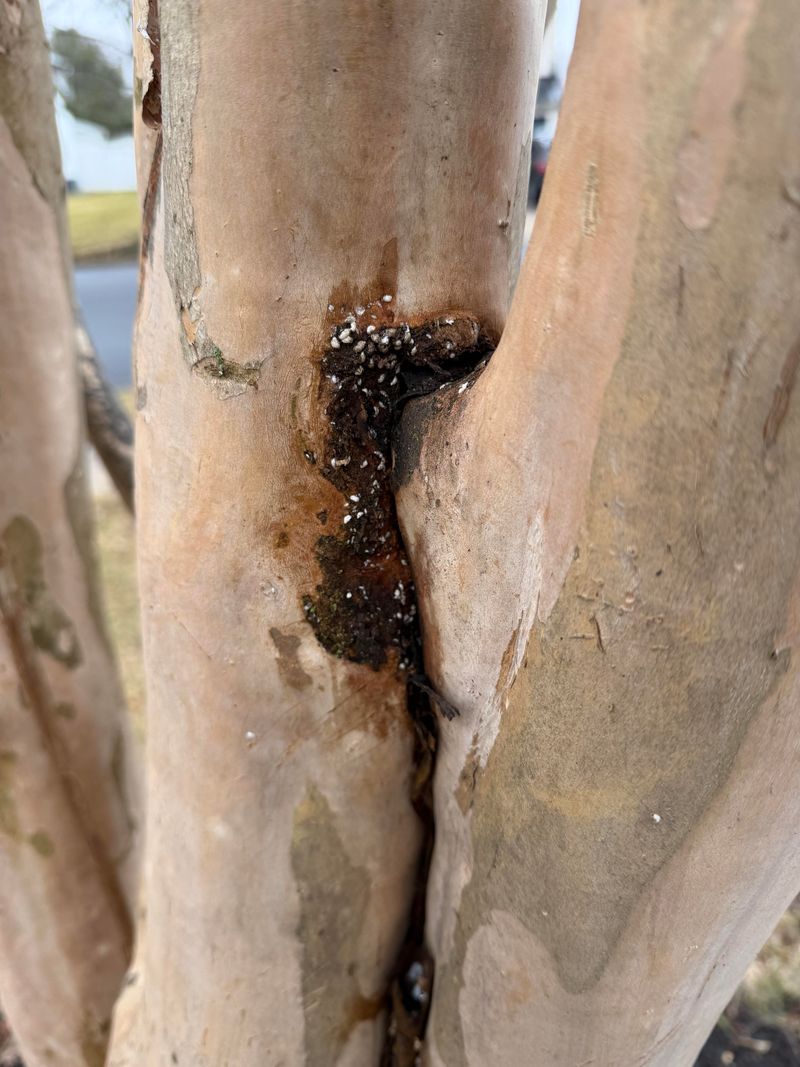
Crape myrtle bark scale is one of the more damaging pests introduced to Southern landscapes in recent decades. This small, white, crusty insect latches onto branches and trunks, sucking sap right out of the tree.
As it feeds, it releases a sweet, sticky liquid called honeydew. That honeydew coats everything below it, and sooty mold moves in fast to feed on that sugary mess.
Bark scale looks like tiny white or gray bumps clustered along stems and branches. Scrape one off and you will find a pink or red body underneath, which is a telltale sign that separates it from other pests.
Your Texas Garden Changes Every Week. Your Plan Should Too.
Gardening in Texas changes quickly throughout the season. Every Friday you’ll receive a simple weekly plan showing exactly what to plant, prune, fertilize, harvest, and protect so you never miss the right timing.
This pest spreads quickly through a yard because pruning tools, contact between branches, and nearby wildlife can carry it from one tree to another. Heavy infestations can weaken a crape myrtle significantly over multiple seasons.
Crape myrtle bark scale was first identified in Texas in the mid-2000s and has been spreading steadily ever since. If your trees turn black this summer, checking for these crusty white bumps should be your first move.
The good news is that bark scale responds well to treatment when caught early. Horticultural oil sprays and soil-applied systemic insecticides are both proven options that give solid results.
Starting treatment before populations grow out of control makes the whole process faster and less expensive. Catching it in spring or early summer puts you way ahead of the problem.
Aphids And Their Sticky Honeydew
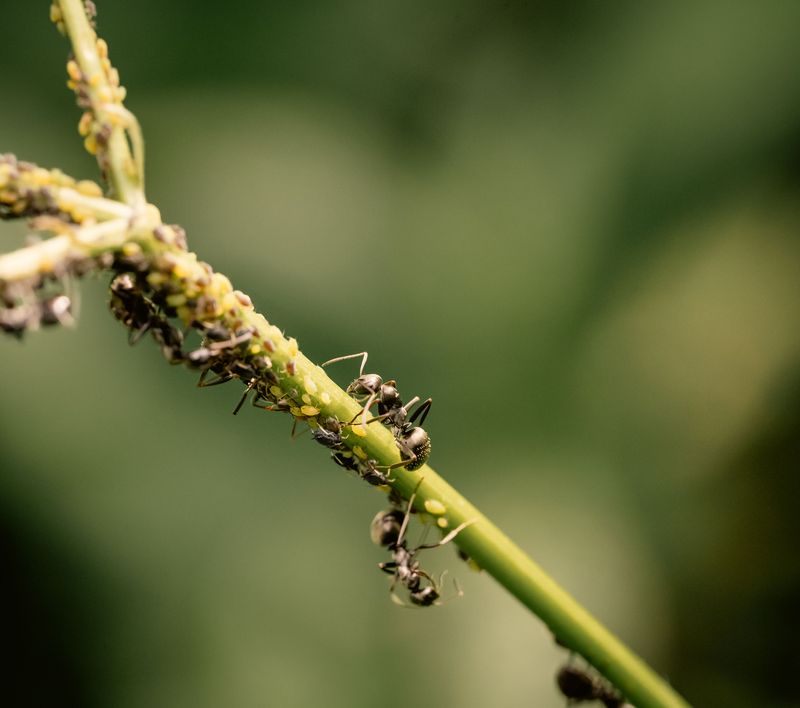
Tiny, pear-shaped, and surprisingly destructive, aphids are one of the most common reasons crape myrtles turn black each summer. These soft-bodied insects gather in large colonies on new growth, flower buds, and the undersides of leaves.
Like bark scale, aphids feed by piercing plant tissue and sucking out sap. They excrete honeydew constantly, and that sugary liquid drips down onto lower leaves and branches, setting the stage for sooty mold.
A single aphid does not cause much damage on its own. The problem is that aphid populations can multiply rapidly under warm conditions, and a crape myrtle can host large colonies before you even notice.
You might spot them first by seeing ants running up and down the trunk. Ants actually farm aphids for their honeydew, protecting them from predators in exchange for that sweet liquid reward.
Crape myrtle aphids are usually pale yellow or green, making them blend in with new foliage. Flipping a leaf over and spotting a cluster of tiny bugs is a clear confirmation of an infestation.
A strong blast of water from a garden hose can knock large numbers off branches quickly. For bigger problems, insecticidal soap or neem oil applied in the early morning works well without harming beneficial insects nearby.
Keeping aphid numbers low early in the season prevents the honeydew buildup that feeds sooty mold later. A little attention in late spring saves a lot of scrubbing in August.
Why Texas Heat And Humidity Make It Worse
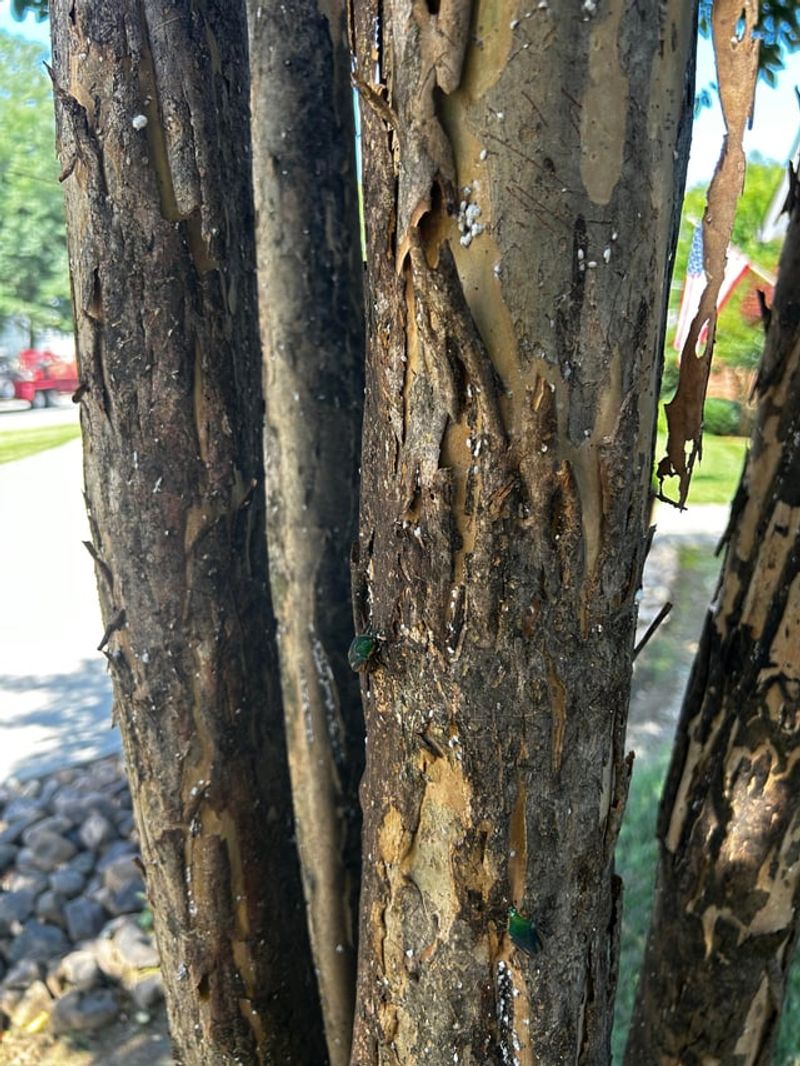
Texas summers are intense, and your crape myrtles are directly affected by the heat. The combination of intense heat and sticky humidity creates the perfect breeding ground for both sap-sucking insects and the mold that follows them.
Sooty mold fungi love warm, moist air because it helps their spores spread and stick. When temperatures stay above 90 degrees and humidity climbs, the mold can spread across a tree more quickly, though the exact timeline varies by conditions.
Insect populations also increase rapidly in summer heat. Aphids and scale insects reproduce faster in warm weather, meaning a small problem in June can become a significant infestation by July.
Poor air circulation around densely planted trees makes everything worse. When branches are crowded and air cannot move freely, moisture lingers on leaves longer, giving mold more time to establish itself.
Watering habits also play a role that many homeowners overlook. Overhead sprinklers that wet the foliage create damp conditions that help mold spread, while drip irrigation keeps moisture at the roots where it belongs.
Drought stress weakens trees and makes them more attractive to insects looking for easy feeding targets. Keeping crape myrtles properly watered during dry spells actually helps them resist pest pressure more effectively.
Understanding how your local climate works against you helps you plan smarter, not harder. Timing treatments for early morning and choosing the right products for high-heat conditions makes every effort more effective.
How To Treat And Remove The Black Coating
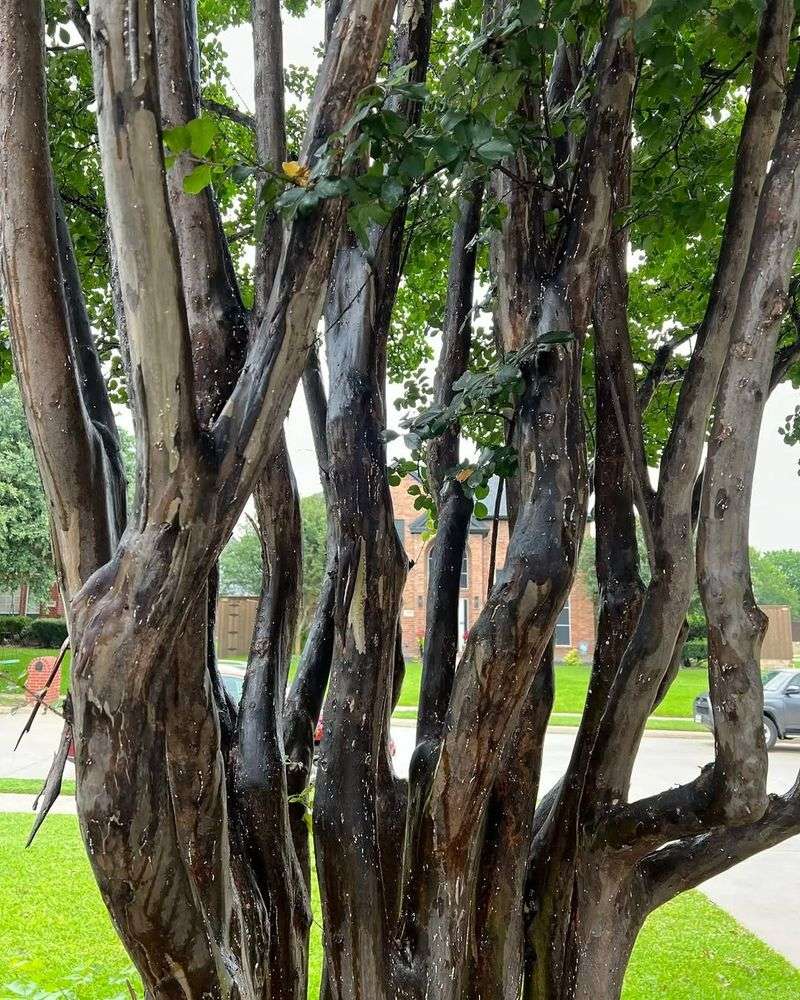
Seeing all that black on your crape myrtles can feel overwhelming, but treatment is straightforward once you tackle the insects first. Spraying sooty mold without addressing the pest underneath is like mopping a floor while the faucet is still running.
Start by identifying which pest is causing the honeydew buildup. Bark scale and aphids each respond to slightly different treatment approaches, so a correct identification saves time and money.
For aphids, a strong water spray followed by insecticidal soap or neem oil applied on a regular schedule handles most infestations. Focus on new growth and leaf undersides where colonies concentrate.
Bark scale requires a bit more effort because of its protective outer coating. Horticultural oil smothers the insects effectively, and soil-applied systemic treatments like imidacloprid work from the inside out over several weeks.
Once the insects are under control, the sooty mold will begin drying out on its own within a few weeks. You can speed up removal by gently washing affected branches with a mild dish soap solution and a soft brush.
Avoid scrubbing too hard on young or thin bark, since aggressive cleaning can cause additional stress. Rinsing with clean water after washing prevents soap residue from building up on the surface.
Repeat inspections every two weeks through the rest of summer to catch any reinfestation early. Staying consistent with follow-up is what separates a one-time fix from a lasting solution that keeps your crape myrtles clean.
Prevention Tips For Next Season
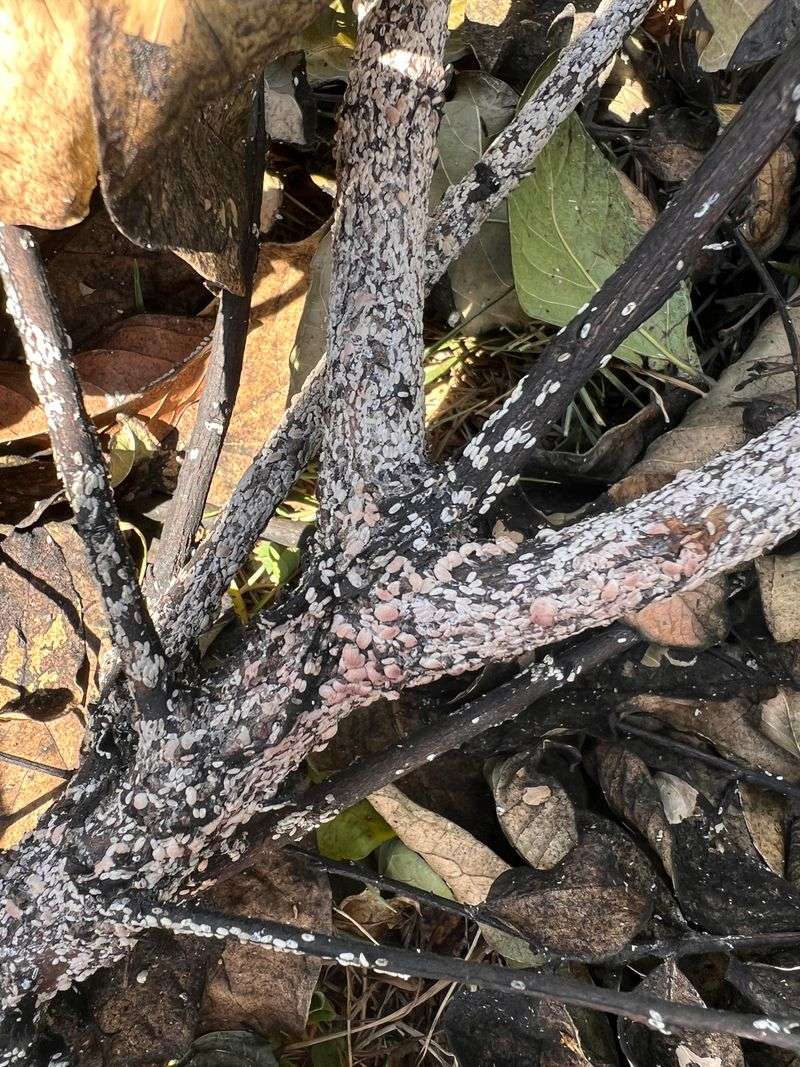
The best time to fight sooty mold on crape myrtles is before it ever shows up. A few smart habits during late winter and early spring can keep your trees clean and blooming all season long.
Applying a dormant oil spray in late February or early March targets overwintering scale insects before they become active. This one step alone can meaningfully reduce bark scale populations throughout the entire growing season.
Pruning out crowded or crossing branches improves airflow through the canopy. Better air circulation means leaves dry faster after rain, which gives mold fewer opportunities to take hold.
Fertilizing correctly matters more than most people realize. Too much nitrogen pushes out lots of soft new growth, which is exactly what aphids find most attractive and easiest to feed on.
Encouraging natural predators in your yard is one of the most effective long-term strategies available. Ladybugs, lacewings, and parasitic wasps all feed on aphids and scale insects, keeping populations naturally balanced without any spraying required.
Avoid planting crape myrtles too close together or too close to structures that block airflow. Spacing trees at least eight to ten feet apart gives each one room to breathe and reduces pest pressure significantly.
Checking trees monthly from March through September lets you spot problems when they are still small and manageable.
Keeping your Texas crape myrtles black-free is absolutely achievable with a consistent, season-long approach that starts well before summer heat arrives.