Florida Container Plants That Help Keep Rats Away From Porches And Patios
A Florida porch should be one of the best spots in the yard. Warm evenings, good light, somewhere to actually sit and enjoy what you have built outside.
Rats have a way of ruining that fast, and once they get comfortable around a patio, convincing them otherwise takes real effort. Most people reach for traps or call pest control.
Both are reactive. They deal with a problem that has already settled in rather than making the space less attractive from the start.
Certain container plants have scents and characteristics that rats find genuinely off-putting. A few pots placed thoughtfully around a porch or patio add beauty and work with Florida’s climate without complaint.
They also make the space a little less inviting to animals you never wanted there in the first place. No guarantees, no miracle solutions.
Just a practical, low-effort layer worth adding to a porch that deserves better.
1. Rosemary Keeps Patio Pots Sharp And Aromatic
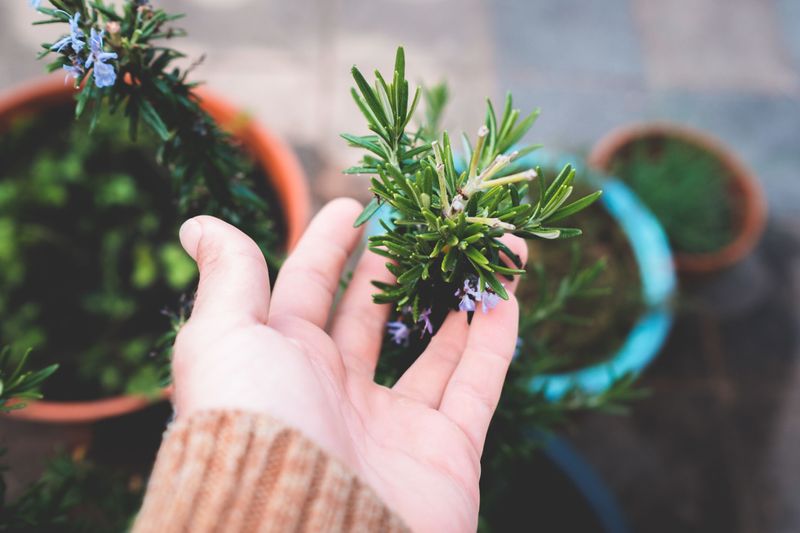
Few patio herbs hold their shape, scent, and usefulness quite like rosemary. Botanically known as Salvia rosmarinus, this woody Mediterranean herb thrives in sunny, well-drained conditions.
Florida patios and porch edges often deliver those conditions in abundance. A container near a south- or west-facing wall gives it the direct light it craves.
Rosemary’s needle-like leaves release a sharp, resinous fragrance whenever brushed or trimmed. That aromatic quality makes it a pleasant neighbor for outdoor seating areas, grills, and kitchen patios.
Its dense, upright or trailing form stays tidy when pruned regularly. It produces very little fallen debris that might attract pests or create clutter around the base of the pot.
Growing rosemary in a container also gives you full control over drainage, which matters greatly in this state’s rainy season. Use a well-draining potting mix, choose a pot with drainage holes, and avoid overwatering.
Soggy roots are the fastest way to lose this plant in humid conditions.
No claim is made here that rosemary alone will send rats running. What it does offer is a clean, aromatic, low-debris pot that fits naturally into a tidy porch setup.
Harvest sprigs regularly for cooking, and keep the container elevated if possible. Pair it with sealed trash and clean surfaces for a genuinely less rat-friendly outdoor space.
2. Lavender Adds Clean Scent Without Messy Debris
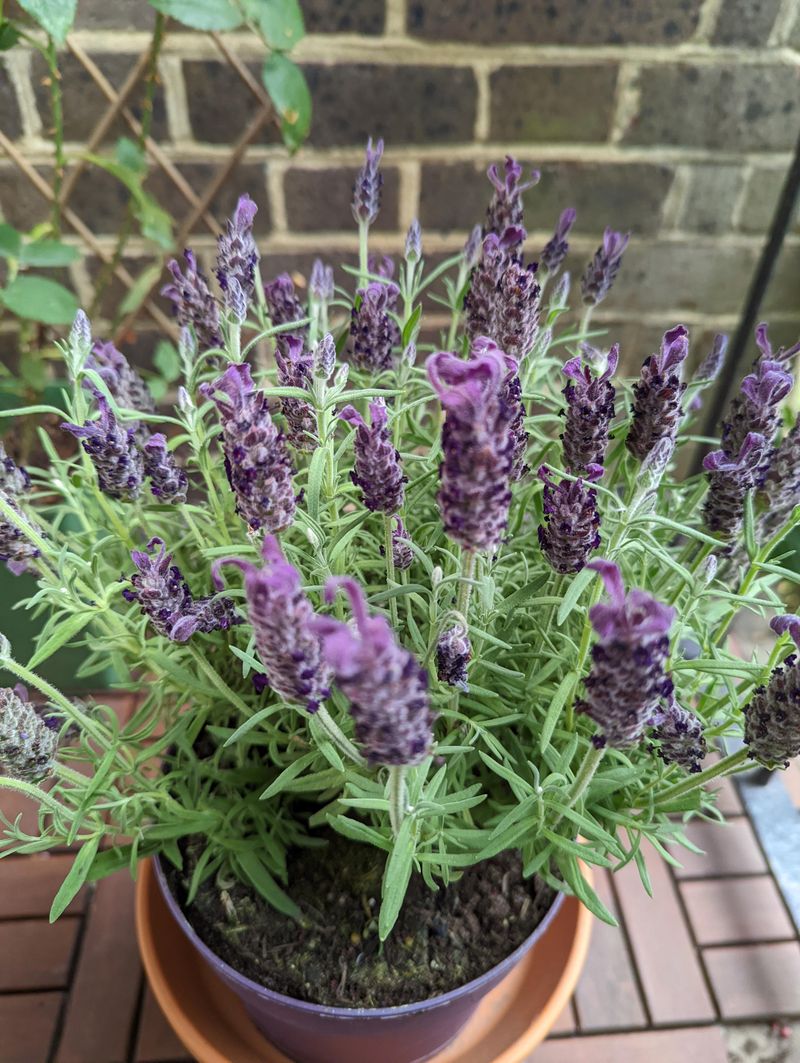
Lavender has a reputation that arrives before it does. The sweet, herbal fragrance that drifts from a healthy pot of Lavandula species is one of the more pleasant scents a porch garden can offer.
The plant also earns its place through tidy, upright growth that leaves very little mess behind. Spent flower spikes are easy to snip, and the silvery-green foliage stays compact between trims.
Growing lavender successfully in this state takes some honest attention to drainage. It dislikes soggy soil intensely, and the combination of heavy summer rains and high humidity can stress plants quickly if containers hold water.
Raised pots, gritty or sandy potting mix, and unglazed terracotta containers that breathe all improve its odds. Spanish lavender tends to handle heat and humidity better than English varieties in warmer regions.
Your Florida Garden Changes Every Week. Your Plan Should Too.
Gardening in Florida changes quickly throughout the season. Every Friday you’ll receive a simple weekly plan showing exactly what to plant, prune, fertilize, harvest, and protect so you never miss the right timing.
Placement on a sunny porch edge or open patio spot works well. Avoid tucking lavender into crowded corners where air circulation is poor, as that invites fungal issues rather than fragrance.
Trim spent blooms consistently to keep the pot looking sharp and reduce any organic buildup at the base.
Lavender is not a proven barrier against rats. Its value here is a fragrant, low-debris container that supports a cleaner porch environment when maintained well.
It works best when combined with solid sanitation habits around trash, compost, and outdoor food sources.
3. Mint Belongs In Pots Where Spreading Stays Contained
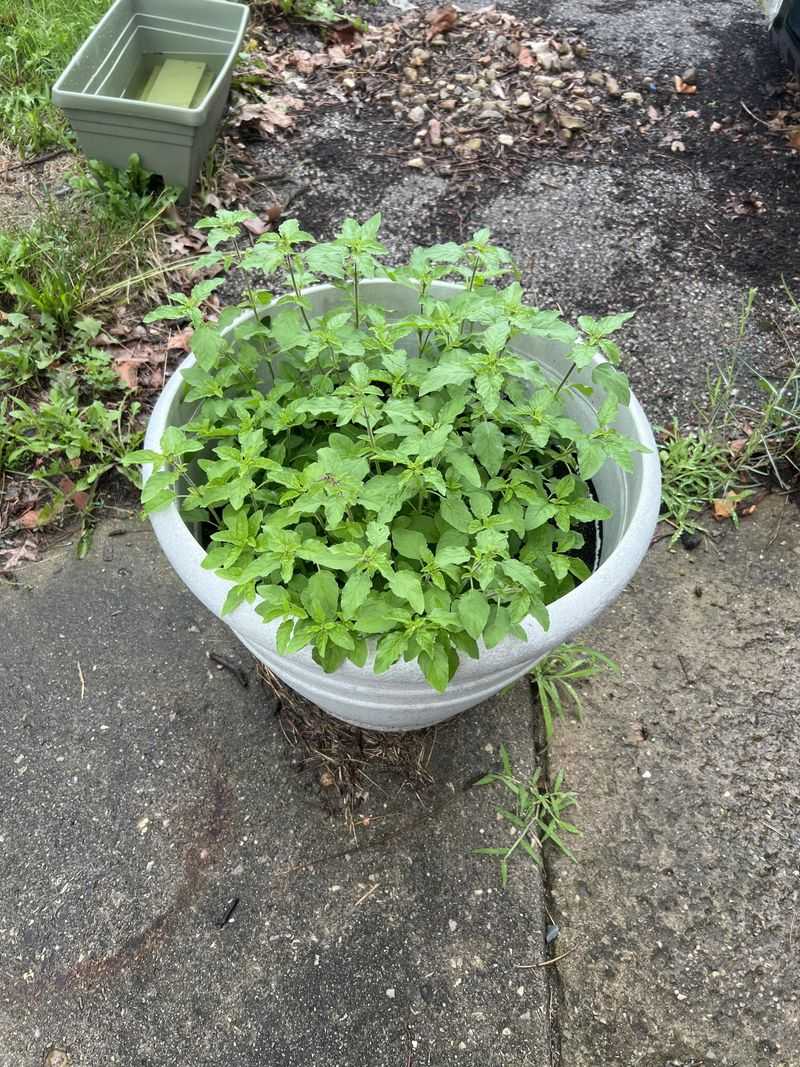
Anyone who has planted mint directly in the ground knows what happens next. It spreads, aggressively and without apology, swallowing nearby beds within a single growing season.
Container growing solves that problem entirely and gives you a fragrant, edible herb right where you want it near outdoor seating, porch steps, or a patio table.
Mentha species release a sharp, cooling scent that most people find refreshing outdoors. Peppermint and spearmint are the most widely grown, and both do reasonably well in containers with consistent moisture and partial to full sun.
Regular harvesting keeps plants bushy and productive rather than leggy and overgrown.
The maintenance side matters more than most gardeners expect. An overgrown mint pot becomes a tangle of stems and decaying leaf debris at the base.
That is exactly the kind of clutter and organic matter that makes a patio less sanitary. Trim plants back regularly, empty and refresh pots every season, and avoid letting roots circle and crack containers.
Mint is not a rat solution. Its strong scent is one quality that fits into a broader porch-care routine, but sealed trash, removed pet food, and clean surfaces do far more heavy lifting.
Grow mint for its culinary value, its lively fragrance, and the simple pleasure of a productive container herb. With a proper pot, it stays exactly where you put it.
4. Lemongrass Brings Citrus Scent To Sunny Containers
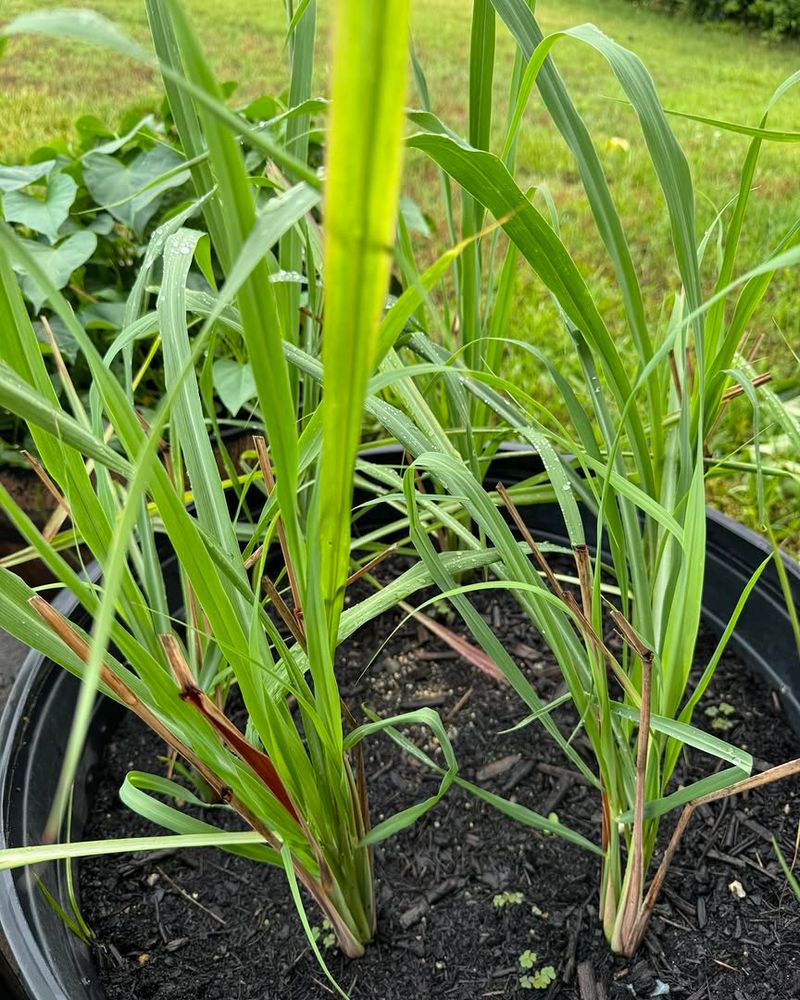
There is something almost architectural about a well-grown lemongrass clump. Cymbopogon citratus pushes up tall, pale green blades that catch the breeze and release a bright citrus scent when touched or trimmed.
In large sunny containers, it makes a strong visual statement while staying practical for cooks who use the stalks in soups, curries, and teas.
Warm, humid conditions suit lemongrass well, which makes this state a natural fit. It needs full sun and a large container with excellent drainage to perform its best.
A five-gallon pot or larger gives the roots room to establish, and a well-draining potting mix prevents waterlogging during heavy summer rains. Clumps can grow quickly, so dividing them every year or two keeps containers manageable.
Maintenance is straightforward but important for keeping pots tidy. Remove old, dried outer leaves regularly, as accumulated withered blades at the base create exactly the kind of debris and cover that makes a patio feel less clean.
Trim the clump back if it starts flopping outward, and avoid letting fallen leaves collect around the container base.
Lemongrass is not a guaranteed deterrent against rats. Its citrus scent, culinary usefulness, and upright form make it a strong candidate for a tidy, aromatic patio container.
Pair it with clean grills, sealed bins, and trimmed surrounding vegetation for a porch environment that simply offers less reason for rodents to explore.
5. Marigolds Add Bright Color Without Hiding Spots
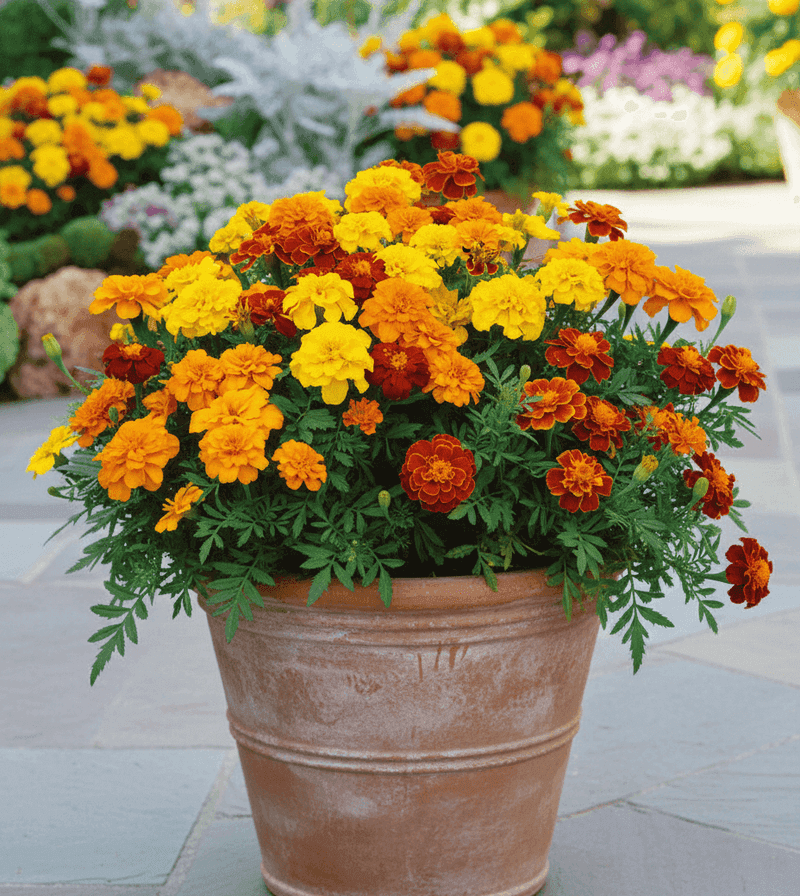
Bold, cheerful, and unapologetically bright, marigolds are one of the most reliable seasonal container plants for sunny Florida patios and porch edges.
Tagetes species come in compact forms that stay low and tidy when trimmed consistently, making them a strong choice for gardeners who want color without clutter.
Their dense, pungent scent is noticeable up close and adds an aromatic quality to any porch arrangement.
Marigolds do not create the kind of heavy cover or dense foliage that gives small animals a reason to linger. A well-maintained pot stays open and trim, with spent blooms removed before they drop and decompose at the base.
That habit alone keeps containers cleaner and reduces the organic debris that can accumulate in neglected pots.
In this state, marigolds perform best during the cooler months of fall and spring. Summer heat and heavy rain can shorten their display, so timing plantings for the right season keeps pots looking sharp rather than struggling.
Choose compact varieties, use quality potting mix with good drainage, and place containers in spots that get at least six hours of direct sun.
No one should expect marigolds to solve a rat problem. Their value here is practical: a bright, low-shelter, aromatic container plant that keeps porch pots tidy and visually appealing.
Combined with sealed food sources and clean surfaces, a well-kept marigold pot is a simple and pleasant addition to a thoughtful patio setup.
6. Chives Keep Small Pots Useful And Fragrant
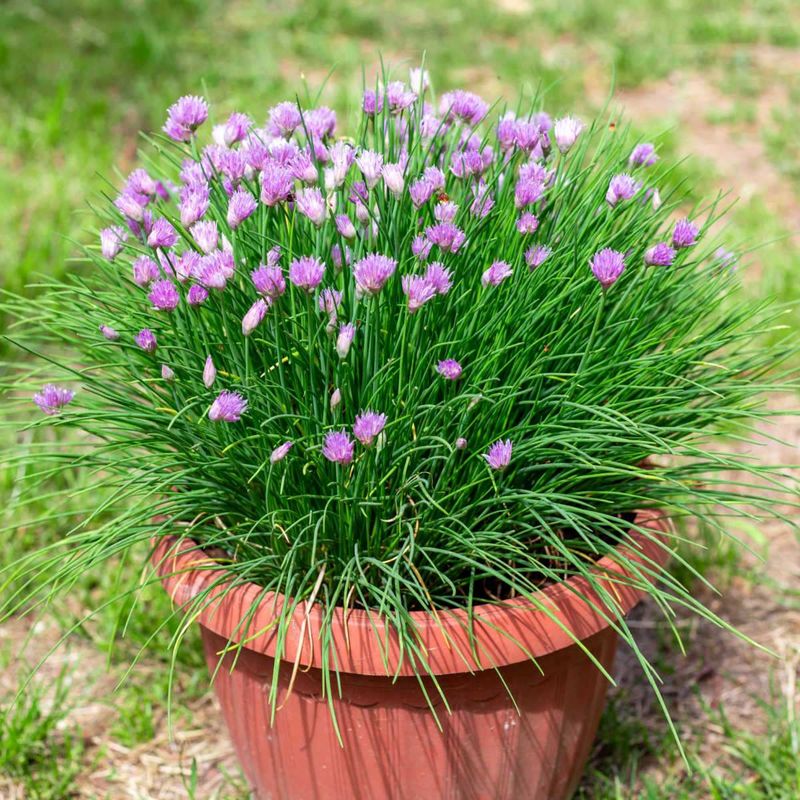
Compact, productive, and quietly fragrant, chives punch above their weight as a container herb for porch steps, patio edges, and spots near outdoor kitchens.
Allium schoenoprasum forms neat, upright clumps of slender green stalks that smell pleasantly of onion when cut.
Purple globe flowers appear in spring and attract pollinators, adding a small burst of color to container arrangements.
One practical quality that makes chives worth including is what they do not do. Unlike sprawling herbs or fruit-bearing plants, a well-kept chive pot produces no fallen fruit or heavy leaf litter.
It also avoids the dense canopy that could provide shelter or hiding spots. The clumping habit stays controlled, and regular harvesting for cooking keeps the plant tidy and productive at the same time.
Chives grow well in containers with at least four to six hours of sun and consistent moisture. Avoid letting pots dry out completely, but also avoid waterlogged conditions.
Dividing clumps every year or two refreshes growth and prevents the center from going hollow and woody. Snip leaves from the outside of the clump to encourage continued production.
Chives will not keep rats away by themselves, and no reasonable claim suggests otherwise. Their strength here is a fragrant, edible, low-debris container plant that fits naturally into a clean porch or patio setup.
Snip them into eggs, salads, or dips and enjoy a pot that earns its space in more ways than one.
7. Tropical Sage Brings Native Color To Tidy Containers
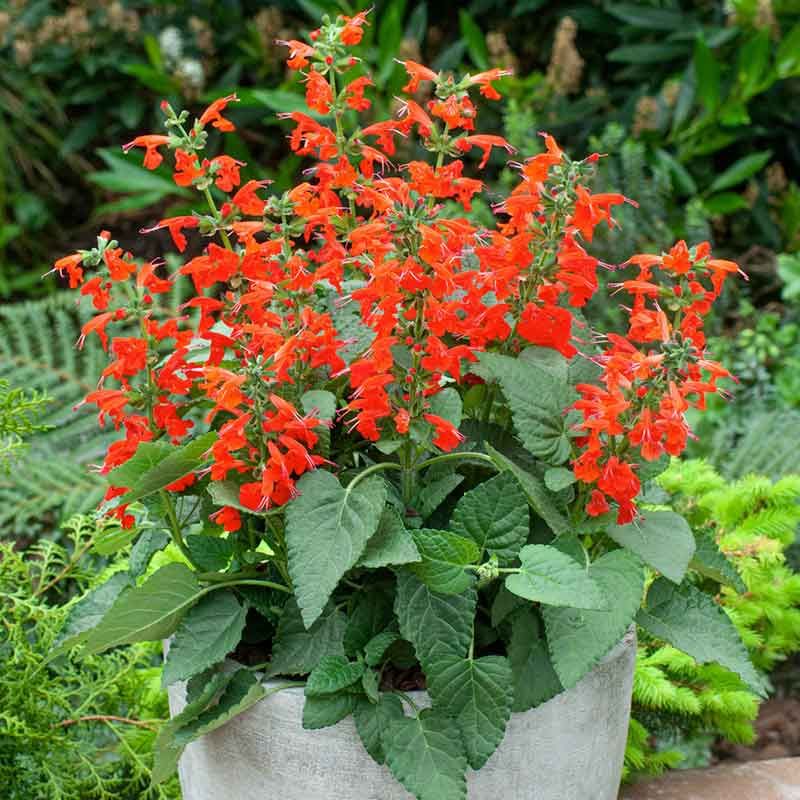
Native wildflowers do not always get enough credit in container gardening conversations, but Salvia coccinea deserves a spot on any porch or patio list in this state.
Tropical sage pushes up slender, upright stems topped with bright red tubular flowers that hummingbirds and butterflies find irresistible.
That pollinator value adds genuine life and movement to a patio arrangement without any extra effort.
The plant’s upright, open habit is one of its most container-friendly qualities. It does not sprawl, mat, or create dense cover at soil level.
That keeps pots visually clean and reduces the kind of ground-level clutter that makes a patio feel less tidy. Tropical sage handles full sun to partial shade and tolerates this state’s heat reasonably well once established in a well-draining container.
Maintenance is simple but worth doing consistently. Remove spent flower stems as they finish blooming, and thin out any self-seeded volunteers that appear in nearby pots or cracks in paving.
Left unchecked, tropical sage can reseed enthusiastically, which creates more organic matter and crowding than a tidy porch setup benefits from.
No container plant repels rats by itself, and tropical sage is no exception. Its value here is a clean, upright, native-friendly container plant that attracts pollinators.
It stays manageable with light pruning and contributes to a well-kept patio aesthetic. Pair it with good sanitation habits and it fits right into a thoughtful outdoor space.
8. Society Garlic Adds Strong Scent Near Porch Edges
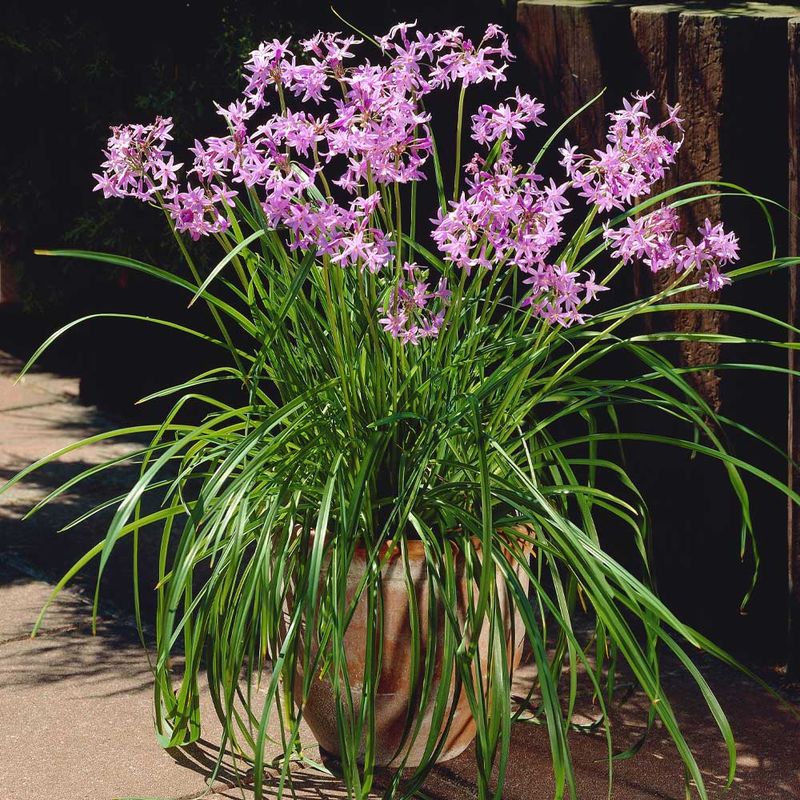
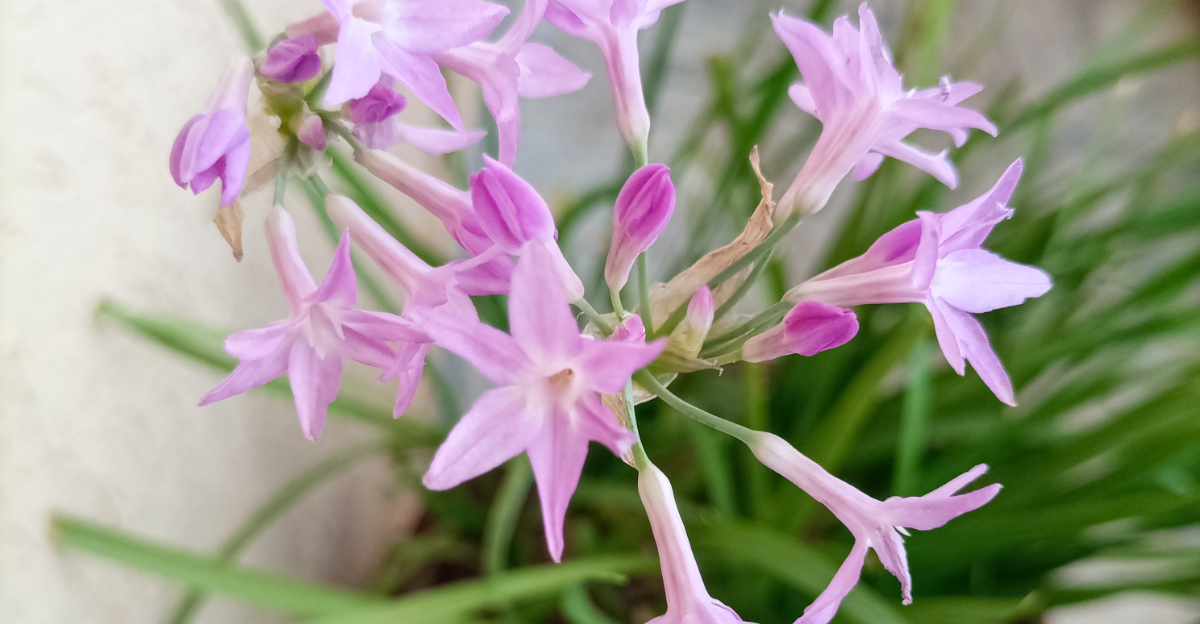
Walk past a pot of society garlic and you will notice it immediately. Tulbaghia violacea earns its name from the unmistakable garlic-like scent that rises from its strappy foliage, particularly when leaves are brushed or bruised.
Despite the name, it is an ornamental plant from South Africa, not a true culinary garlic, and it brings a different kind of value to a porch container setup.
Slender, blue-green leaves form a neat clump that stays tidy with minimal fuss. Clusters of soft purple flowers appear on tall stems through much of the warmer months, adding delicate color that complements the bold scent.
The plant handles full sun to partial shade and performs reliably in well-draining containers. That makes it a practical choice for porch edges and patio borders throughout this state.
Keep containers clean and avoid letting old foliage accumulate at the base of the clump. Society garlic is generally low-maintenance, but a buildup of withered leaves around the pot creates unnecessary debris.
Divide clumps every few years to keep growth vigorous and containers from becoming overcrowded.
Society garlic is not a guaranteed barrier against rats. Its strong scent, tidy form, and purple blooms make it a genuinely useful and attractive container plant for porch edges.
Combine it with sealed entry points, clean trash storage, and reduced outdoor food sources for a patio setup that rats simply find less worth visiting.