Why You Should Never Leave Delicate Fall Seedlings Unshaded In Ohio Today
Your seedlings can survive a hard frost and still collapse by noon. Weeks of your steady care and patience can unravel inside a strange Ohio afternoon.
Warm sun bursts feel harmless enough right up until your plants start bending hard. Nothing about that sudden shift ever really warns you before the real damage begins.
Young roots in your raised beds barely settle before rising heat turns hard against them. Temperatures swing hard around you, sliding from frosty mornings straight into blazing afternoons.
Most gardeners like you rarely notice the added stress until leaves already curl inward. Any quiet assumption you make about gentler fall days can cost real plants fast.
Ohio weather can turn on you fast the moment you miss this narrow window. Protection now decides if your plants push forward or simply fold.
The Real Risk Hot Afternoons Still Pose To Young Plants
Afternoon sun in October still packs a punch. Many gardeners are shocked when seedlings wilt after a warm fall day.
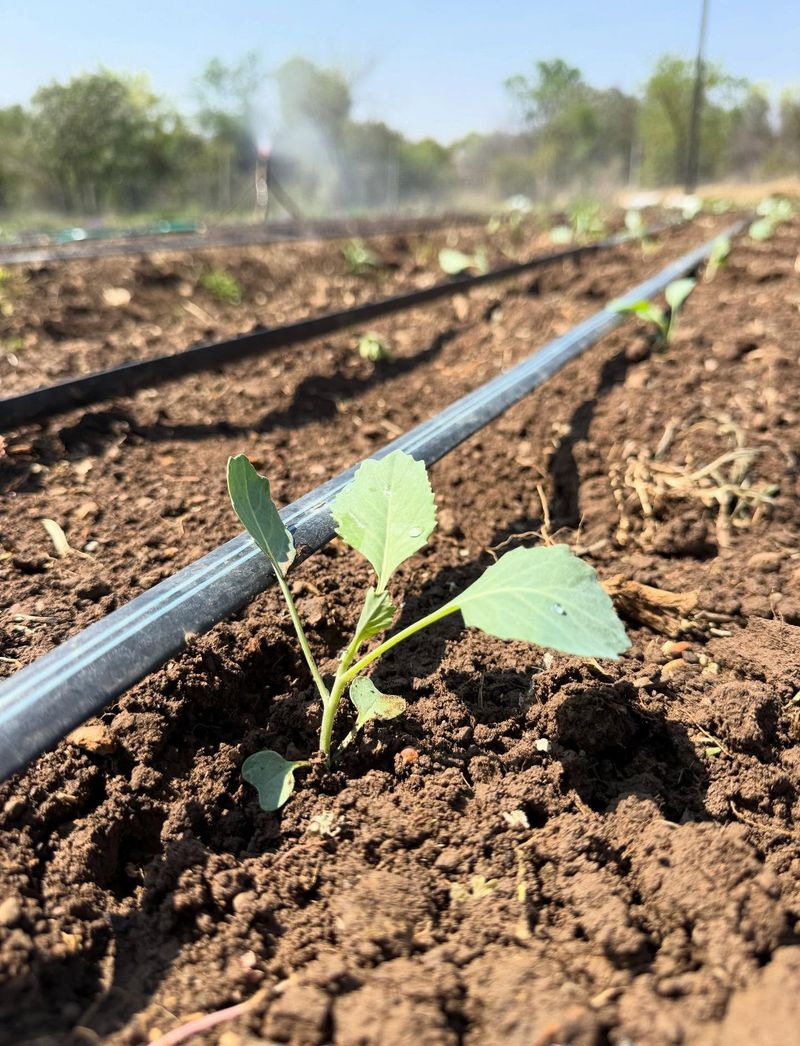
Soil temperatures near the surface can spike well above air temperature. That hidden heat stresses root systems before you even notice a problem above ground.
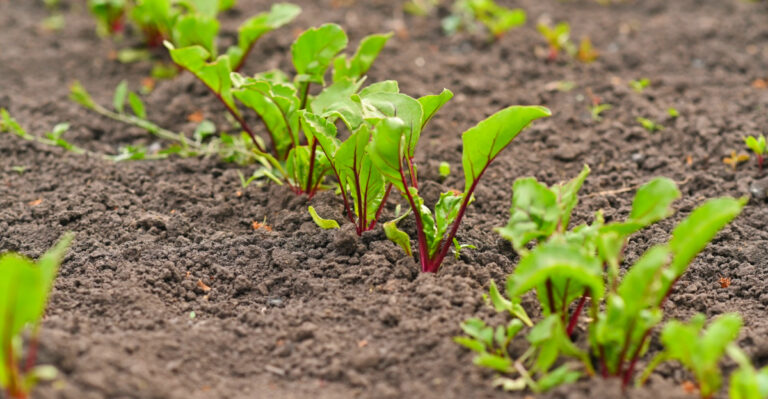
Delicate fall seedlings have shallow roots that cannot pull moisture fast enough. The gap between water loss and water intake causes visible wilting within hours.
UV intensity drops in fall, but reflected heat from dry soil stays high. Young transplants have no waxy cuticle layer to slow that moisture loss.
Afternoon temperatures in Ohio can still climb into the 70s during warmer early fall stretches. A seedling sitting in full sun during those hours cannot keep up with the heat.
Shade cloth or a simple row cover can noticeably reduce surface heat. That small change gives roots time to settle without the added pressure of heat stress.
Unshaded seedlings also lose water faster than their roots can replace it. Their tiny leaves release moisture quicker than the plant can pull it back in.
Your fall garden depends on managing afternoon heat for tender starts. Give those seedlings real protection, and they will reward you with strong, steady growth before frost arrives.
Fall Planting Timing Catches Many Gardeners Off Guard
Most people think of fall as cool, forgiving gardening weather. That assumption trips up even experienced growers every single year.
Ohio fall days can swing sharply between a chilly morning and a surprisingly warm afternoon. A seedling planted in cool early morning temperatures may face a much hotter stretch just hours later.
That temperature swing is brutal for young plants with no established root system. Roots need stability, not a daily rollercoaster of heat and chill.
Many Ohio gardeners base their planting schedule on the calendar alone. They count back from the first frost date without factoring in afternoon sun intensity.
The problem is that September and early October still deliver strong solar radiation. Cloud cover can be inconsistent in early fall, leaving seedlings exposed for long stretches.
Delicate fall seedlings planted without shade protection often stall in growth. Stress from heat exposure diverts energy away from root development and into survival mode.
Your Ohio Garden Changes Every Week. Your Plan Should Too.
Gardening in Ohio changes quickly throughout the season. Every Friday you’ll receive a simple weekly plan showing exactly what to plant, prune, fertilize, harvest, and protect so you never miss the right timing.
Timing your transplants for late afternoon is one smart workaround. Seedlings then get a full night to settle before facing their first warm day.
Smart timing paired with shade cloth gives your plants a real head start. Get the timing right, and your garden will actually thrive before the cold sets in.
Signs Your Seedlings Are Already Under Stress
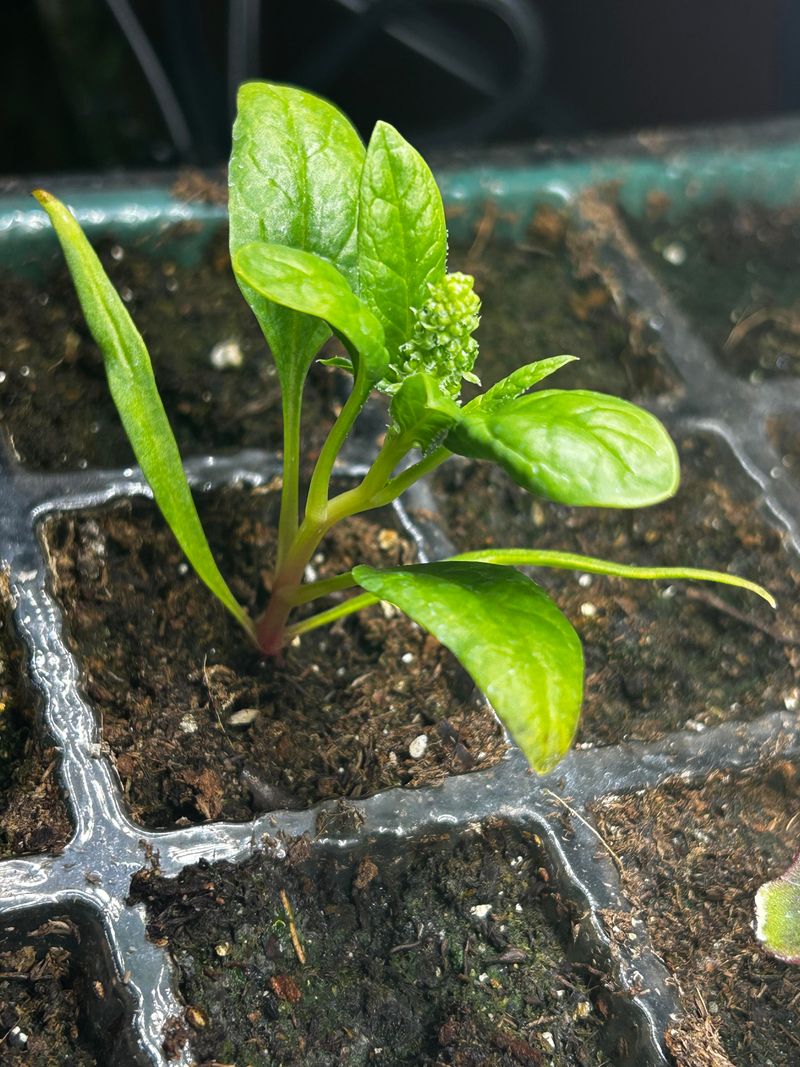
Curling leaves are the first red flag most Ohio gardeners miss. By the time leaves curl, the plant has already been struggling for hours.
Look for a dull, grayish-green color instead of bright, healthy green. That color shift means the seedling is pulling water from leaf cells to survive.
Wilting before noon is another clear warning sign. Healthy, established plants might droop slightly at peak heat, but seedlings should not wilt before lunch.
Check the soil surface around the stem base. If it feels dry and warm to the touch, the seedling is working overtime just to stay upright.
Scorched leaf edges that look papery or brown signal sun damage. Once leaf tissue burns, that damage is permanent and the plant must redirect energy to grow new leaves.
Stunted growth over several days is a subtler sign. A seedling that has not put out any new leaves after a week is likely stressed, not just slow.
Sometimes the stem near the soil line looks pinched or pale. That is a sign the plant is struggling to move water and nutrients up through its system.
Early attention to stress means you can still turn things around with quick shade coverage. Catch these warning signs fast, and you separate a seedling that recovers from one that does not.
Simple Shading Methods That Protect Without Extra Cost
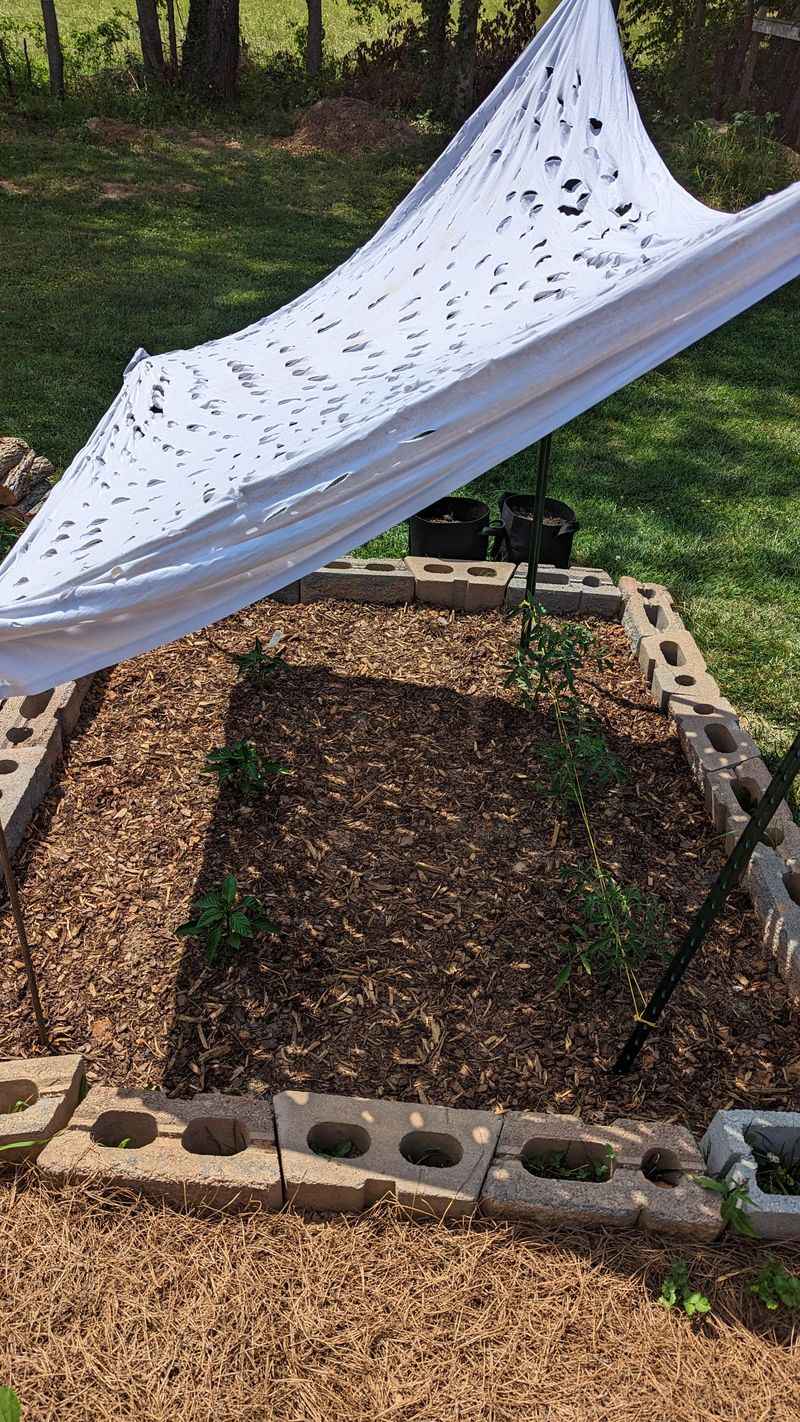
You do not need to spend money to protect your seedlings from harsh sun. Some of the most effective shading solutions are already sitting in your garage or closet.
Old bedsheets draped over short stakes create instant shade coverage. They block enough light to reduce heat stress without cutting off airflow around tender plants.
Cardboard propped at an angle on the west side of a bed works surprisingly well. It blocks the hottest afternoon sun while still letting morning light reach the seedlings.
Wooden pallets laid flat across two sawhorses create a shaded canopy above a bed. The gaps between slats allow filtered light through, which is ideal for most fall transplants.
Shade cloth is the gold standard, but even light coverage goes a long way. You can find it at most garden centers or order it online for a few dollars per yard.
Tall potted plants placed strategically near a bed also create natural shadow coverage. Sunflowers or large ornamental grasses work great for this purpose in early fall.
Floating row covers serve double duty by blocking sun and retaining some warmth at night. That warmth buffer helps seedlings avoid temperature shock as nights cool down.
Delicate fall seedlings do not need complicated or expensive protection. A little creativity with what you already own can make a huge difference in seedling survival rates.
How Long Seedlings Actually Need Protection Before Hardening Off
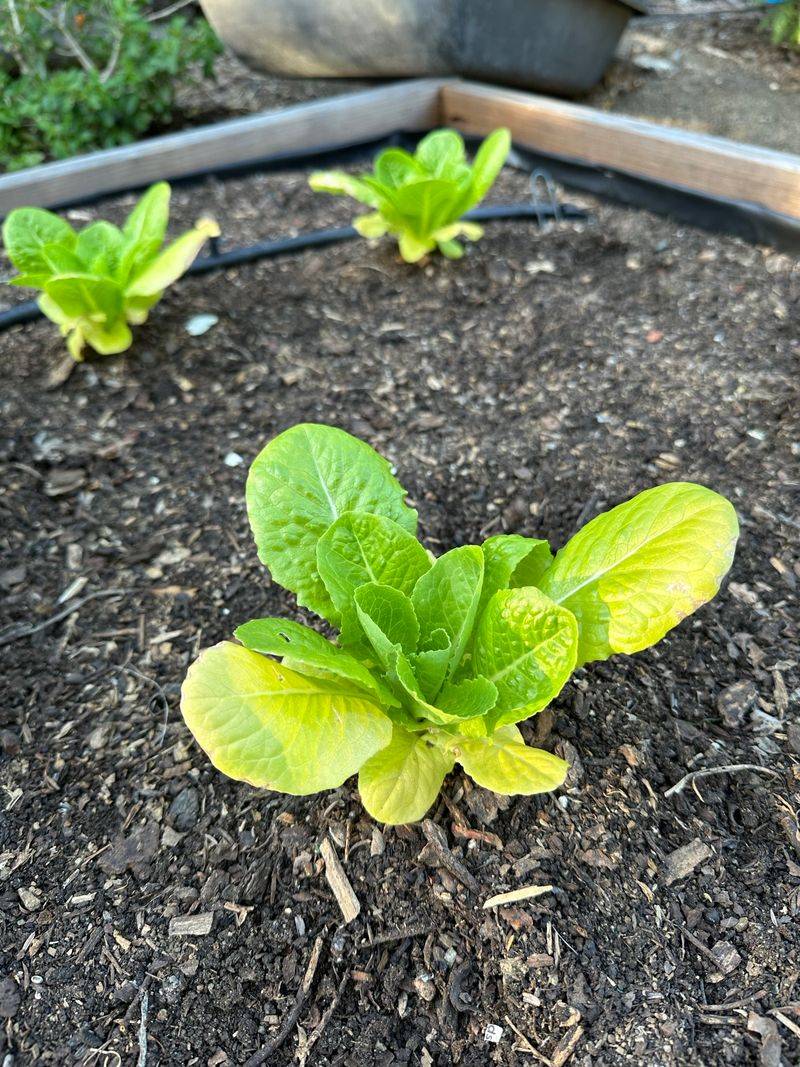
Most gardeners rush the hardening-off process because they are excited to see their plants stand on their own. That impatience often undoes weeks of careful work.
Newly transplanted seedlings typically need shade protection for one to two weeks. The exact length depends on the plant variety and how hot the afternoons run that week.
During that window, roots are actively spreading into new soil. Shade reduces the workload on the plant so it can focus energy underground rather than coping with sun stress.
After the first week, start pulling shade back gradually during morning hours. Let seedlings experience two to three hours of direct sun before moving the cover back into place.
Watch for signs of stress during those exposure windows. If leaves curl or the color dulls, pull the shade back and wait another two or three days before trying again.
By the end of the second week, most seedlings can handle half-day sun exposure without visible stress. That is a good indicator they are ready for full outdoor conditions.
Hardening off is not a single event but a slow, steady process. Rushing it by removing shade all at once is one of the most common fall gardening mistakes.
Patience during this phase pays off in stronger, more resilient plants. Seedlings that harden off properly handle early frosts and temperature swings far better than those rushed into full sun.
Mistakes That Undo Even The Best Shading Efforts
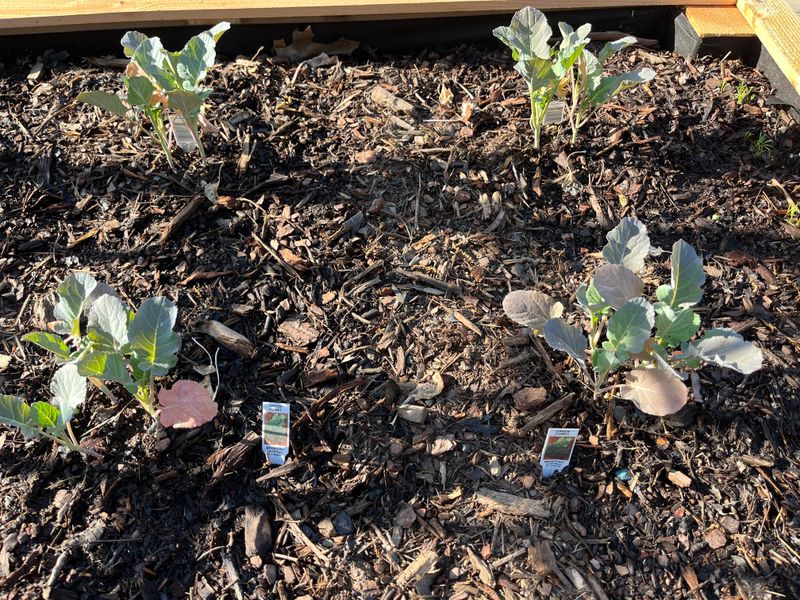
Shade cloth that is not secured properly is almost worse than no shade at all. Wind can flip it back and expose seedlings during the hottest part of the day.
Anchor shade covers with stakes, clips, or weights along every edge. A single gust can undo your setup in seconds if the edges are left loose.
Watering at the wrong time is another mistake that cancels out shade benefits. Watering in the afternoon on a warm day can actually scorch leaves when water droplets act like tiny magnifying glasses.
Water your seedlings in the early morning so leaves dry before peak sun hours. That simple schedule shift reduces fungal risk and prevents accidental leaf burn.
Using black plastic as a shade cover traps heat instead of blocking it. Black materials absorb and radiate warmth, turning your shade setup into a mini oven over the seedlings.
Choose light-colored or white covers when improvising shade solutions. White fabric reflects sunlight and keeps the air beneath it significantly cooler than darker alternatives.
Forgetting to check the shade angle as the sun shifts is a sneaky problem. A cover that works at noon may leave seedlings fully exposed by mid-afternoon as the sun moves west.
A well-protected fall garden still needs your setup checked more than once a day. Even the best shading plan fails without consistent attention and small adjustments throughout the season.