The One Thing California Plumeria Owners Skip In July That Weakens Summer Blooms
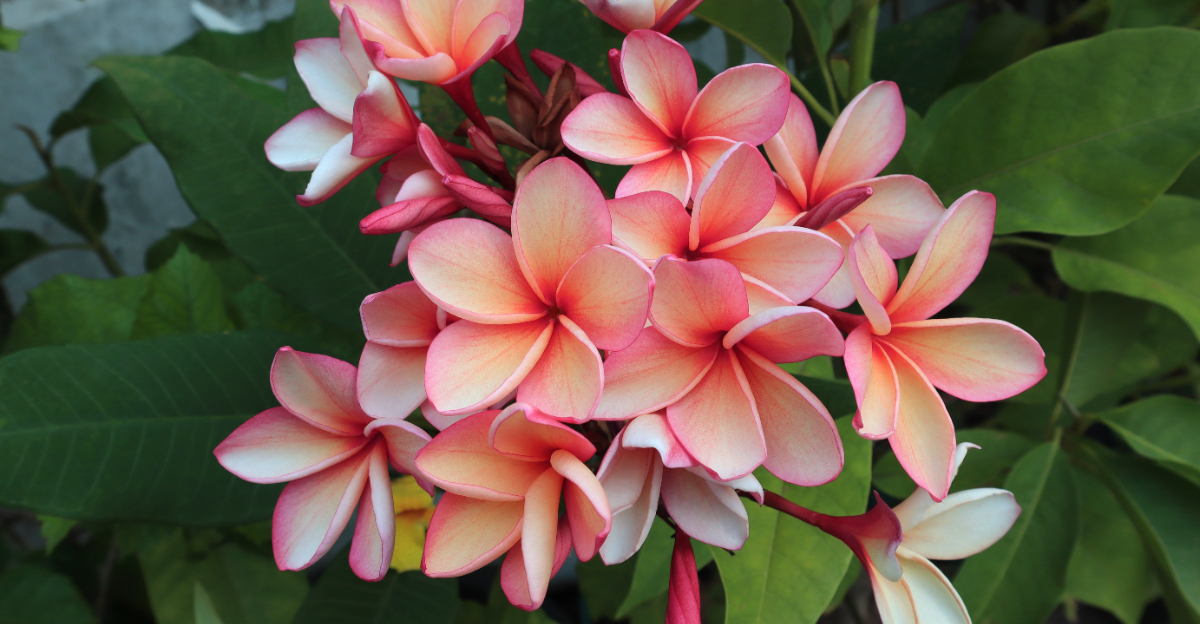
July can feel like the big show for plumeria lovers across our state. Warm days, bright patios, and long evenings can bring out flowers with rich color and a sweet tropical scent.
Yet many growers watch their plants slow down right when they should be putting on their best display. The reason is often simple.
Feeding gets skipped during July. It happens easily because the plant may look green, full, and healthy from a quick glance.
Leaves can fool you, though. Blooms need steady support during peak summer growth, especially when heat and frequent watering move nutrients through the soil faster.
A plumeria that went into spring with stored strength can still run low by midsummer. That is true for garden plants, and it is even more true for pots on sunny decks, balconies, and patios.
July care does not need to be complicated. The goal is to feed with the right fertilizer, water wisely, and avoid soggy roots.
A little attention now can help flower clusters keep opening through the warmest part of the season. With the right routine, your plant can stay strong, balanced, and ready to keep pushing out buds instead of only leaves.
1. July Feeding Keeps Plumeria Blooms Coming
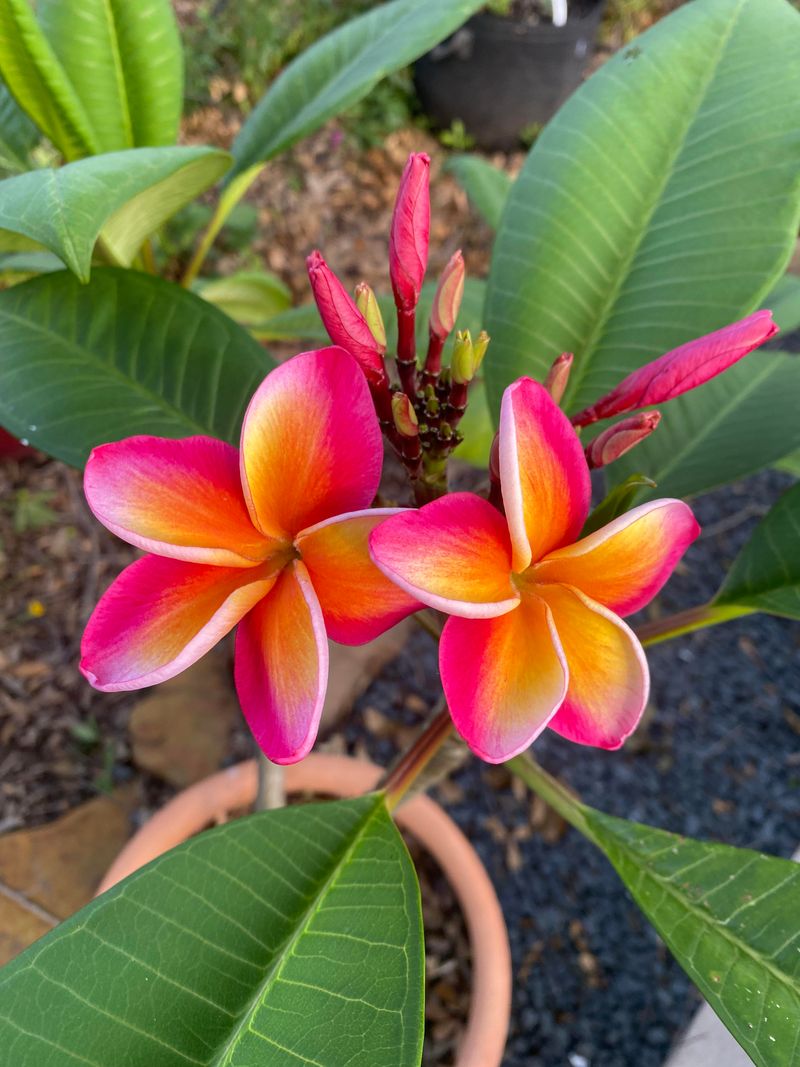
By midsummer, many owners assume the hard work is already done. The plant has leafed out, buds may have formed, and the weather seems perfect.
Yet July is when steady feeding can matter most. Warm days push active growth, and active growth uses energy fast.
Each flower cluster needs nutrients to keep developing. Without a July feeding, the plant may still look fine for a while.
The change can be slow. Buds may open smaller, flower color may seem less strong, or new clusters may stall before they show off.
In warmer coastal areas and inland valleys, growth can keep moving quickly through this month. Northern regions may have a shorter season, so each feeding window matters even more.
Use a fertilizer made for blooming tropical plants, and follow the label rate. More is not better in hot weather.
A light but steady plan is safer than a heavy dose that shocks the roots. Feed early in the day when the plant is not under the hardest heat.
Keep notes on the date, product, and amount used. A simple calendar reminder can save the bloom season from fading too early.
July feeding is not a fancy trick. It is basic support at the exact time flowers are asking for it.
2. Skipped Fertilizer Can Weaken Summer Flowering
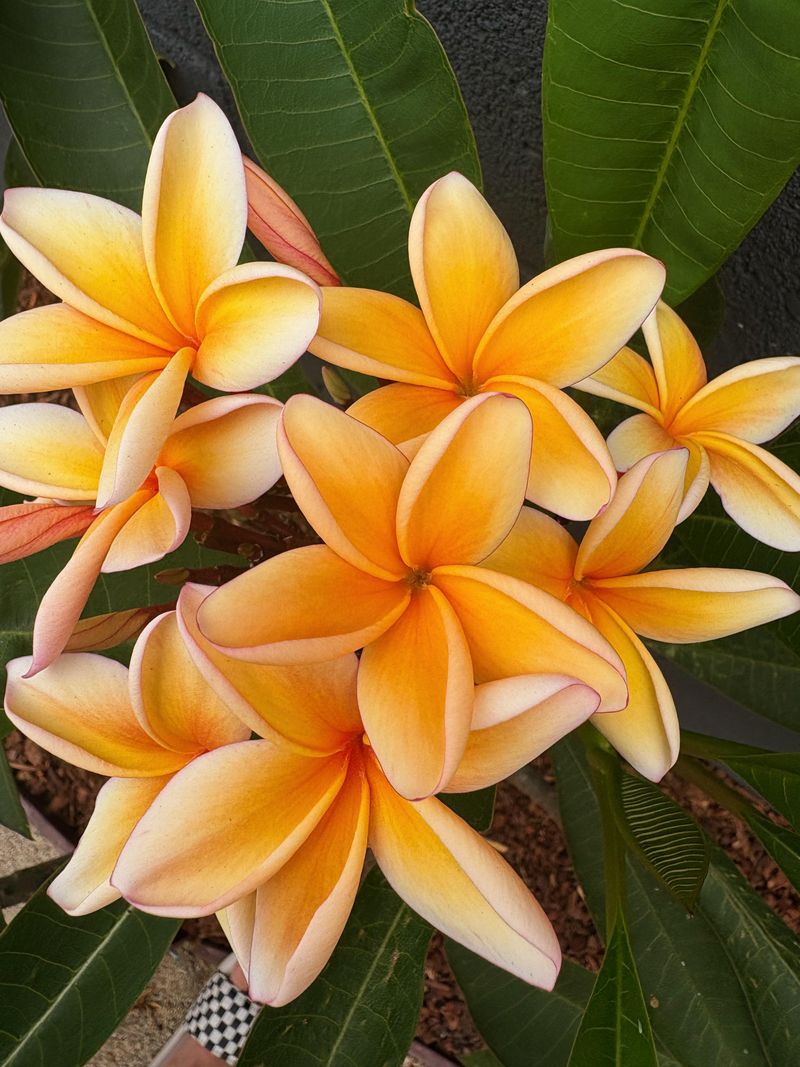
A common mistake starts with good intentions. Some owners avoid fertilizer because they do not want to push too much growth in summer.
Others forget after a busy June, then assume plain water is enough. The trouble is that water alone cannot replace the nutrients used to build flowers.
Each watering can also wash some nutrients deeper into the pot or soil. By July, the plant may be running on less than you think.
Weak flowering often shows up as fewer buds, thin flower stems, or clusters that stop expanding. Leaves may still stay green, which makes the problem harder to spot.
Your California Garden Changes Every Week. Your Plan Should Too.
Gardening in California changes quickly throughout the season. Every Friday you’ll receive a simple weekly plan showing exactly what to plant, prune, fertilize, harvest, and protect so you never miss the right timing.
In California, July heat can add pressure because the plant needs water more often. More water can mean faster nutrient loss, especially in sandy mixes and containers.
A balanced routine helps avoid that slump. Choose a bloom-supporting fertilizer and use it on a schedule that matches the product label.
Many growers do well with feeding every two to four weeks during active growth. Always adjust for plant size, pot size, and weather.
A young plant needs a gentler approach than a large, established one. Skipping one feeding is not a disaster, but skipping the whole month can reduce the show you waited all year to enjoy.
3. Too Much Nitrogen Pushes Leaves Instead Of Blooms
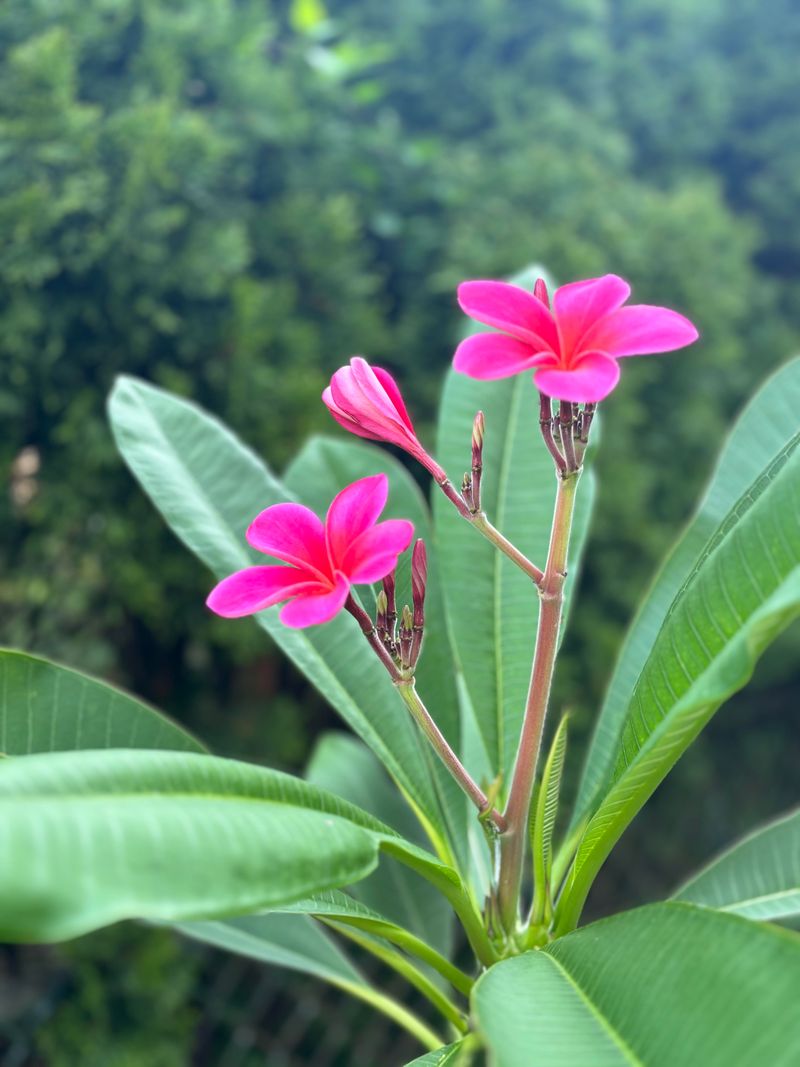
It may seem helpful to grab any plant food from the garage, but the formula matters. Fertilizers high in nitrogen can make the plant look lush and leafy.
That sounds good until you notice fewer flowers. Nitrogen supports green growth, while phosphorus helps with roots and bloom production.
A plant that gets too much nitrogen may spend July making big leaves instead of strong flower clusters. The result can be a healthy-looking plant that refuses to perform.
Lawn fertilizer is one product to avoid near pots and planting beds. It is usually made to push grass blades, not fragrant blooms.
Some all-purpose feeds can also be too leafy for the goal. Read the three numbers on the package before using anything.
The first number shows nitrogen, the second shows phosphorus, and the third shows potassium. For flowering support, many growers look for a lower first number and a higher middle number.
Do not chase extreme formulas without reading the label directions. Strong products can burn roots if used too often or too heavily.
Watch the plant after feeding. If leaves are huge and deep green but bloom tips are quiet, the nitrogen may be too high.
Changing the fertilizer now can help shift the plant back toward flower production.
4. A High-Phosphorus Fertilizer Can Support Better Flowers
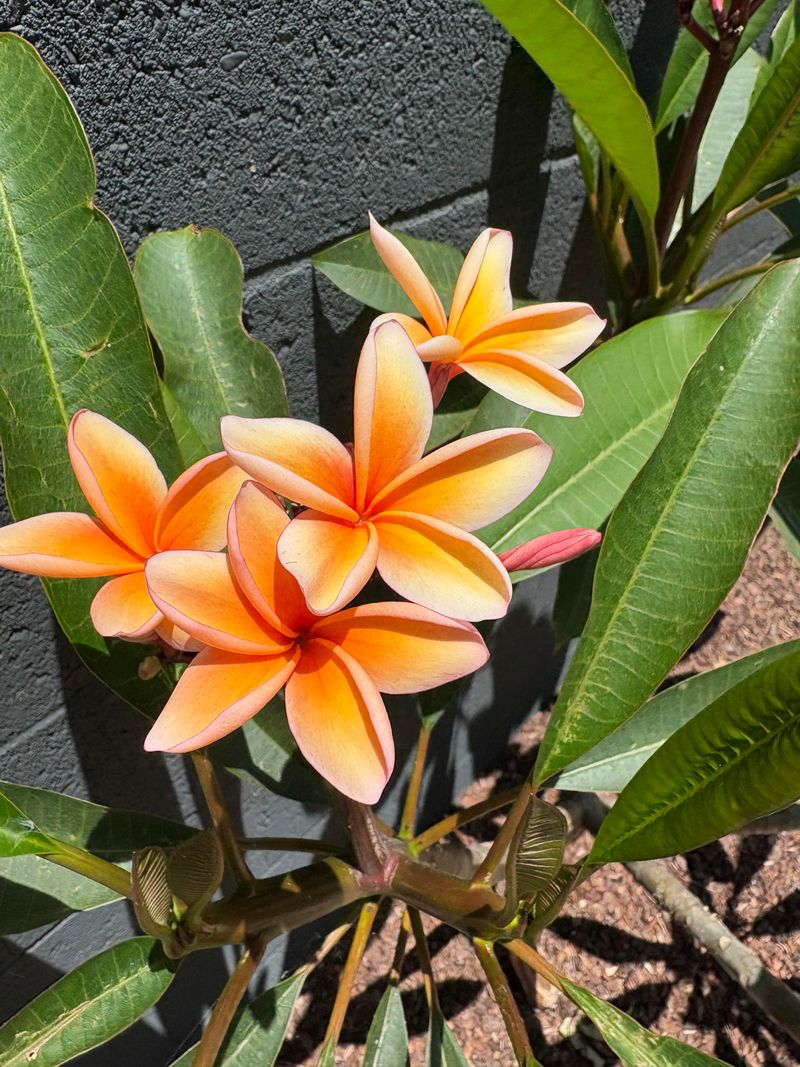
For a stronger California summer display, the middle number on the fertilizer label deserves attention. That number stands for phosphorus, a nutrient tied to root strength and flower formation.
A high-phosphorus fertilizer can help support buds as they develop into open blooms. Many plumeria growers use bloom booster products during active growth for that reason.
The key is to use them carefully. A good product will not fix every problem overnight, but it can support a plant that is already getting sun, warmth, and proper watering.
Look for a fertilizer labeled for flowering plants or tropical bloomers. Follow the mixing rate exactly, especially for potted plants.
In hot inland areas, a half-strength feeding may be a smart choice if the plant is stressed. Apply it to moist soil, not bone-dry soil.
Dry roots can take up fertilizer unevenly, which may cause leaf edge browning or stress. A high-phosphorus feed works best as part of a full care plan.
The plant still needs enough potassium, trace minerals, drainage, and sunlight. It also needs time.
Buds that form after a July feeding may take days or weeks to open. Be patient and consistent.
The best results often come from small, steady care moves, not one dramatic feeding.
5. Container Plumerias Run Out Of Nutrients Faster
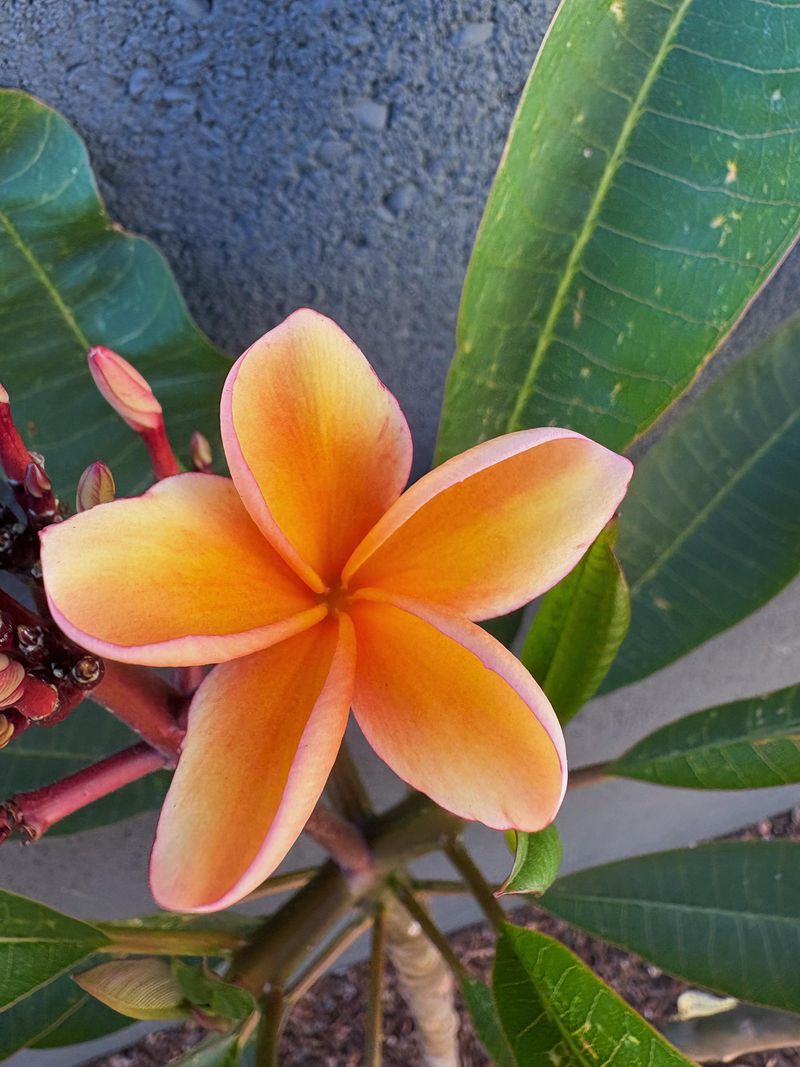
On California patios and balconies, potted plants face a different challenge than those in the ground. A container has only a limited amount of soil, so it has a limited nutrient bank.
Every watering moves minerals through that mix. During hot spells, watering may happen often, and nutrients can leave the root zone faster.
A plant in a black nursery pot on a sunny surface can also heat up quickly. That extra heat can make moisture disappear fast.
By July, a container plant may need closer attention than one planted in a warm, protected bed. Check the potting mix before feeding.
If water runs straight through, the mix may be dry, old, or pulled away from the pot edge. Rewet it slowly so fertilizer can spread through the soil instead of racing out the bottom.
Use a fertilizer dose that fits the container size. A small pot does not need the same amount as a large tub.
Repotting may also help if the plant has been in the same mix for several seasons. Fresh, fast-draining mix gives roots more air and better access to nutrients.
Containers can bloom beautifully, but they depend on you for almost everything. In July, that includes steady feeding, smart watering, and good drainage.
6. Water Deeply Before Feeding In Hot Weather
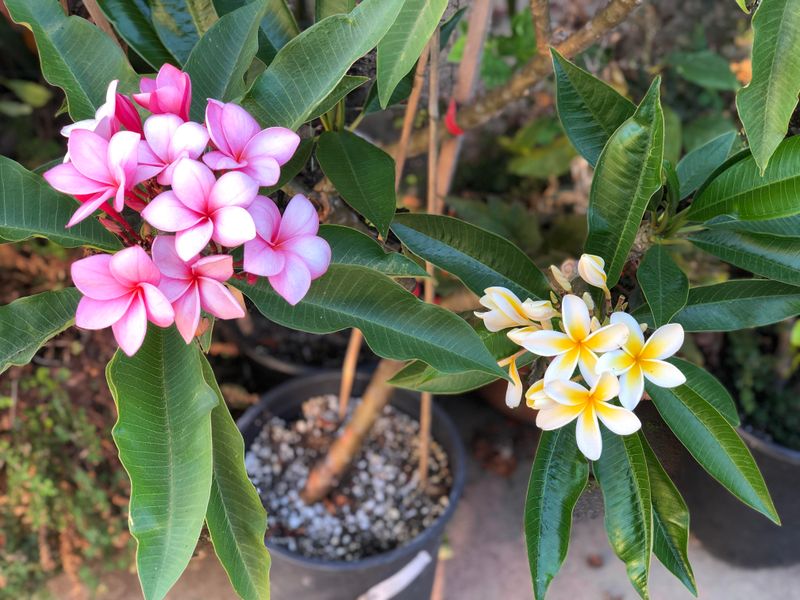
Before reaching for fertilizer, think about moisture first. Feeding a thirsty plant in July can create stress instead of helping blooms.
Dry soil can pull fertilizer salts close to the roots in a harsh way. Deep watering before feeding helps protect the root zone and prepares the plant to use nutrients better.
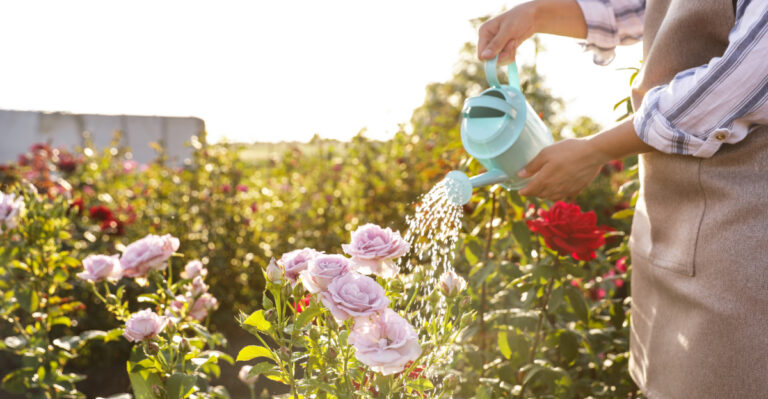
Start by watering slowly until moisture reaches the bottom of the pot or the deeper part of the bed. For containers, look for water draining from the bottom holes.
For in-ground plants, water around the root area instead of only near the trunk. Wait a little while, then apply fertilizer according to the label.
Early morning is usually the safest time because the plant has not spent the whole day in heat. Avoid feeding during the hottest part of the afternoon.
If a heat wave is intense, it may be better to water well and delay feeding until conditions ease. A plant that looks wilted from heat may not be ready for fertilizer that day.
Deep watering also encourages stronger roots, which helps the plant handle dry spells. Shallow splashes can keep roots near the surface, where heat is tougher.
A slow, deep drink sets the stage for a better feeding and steadier summer blooms.
7. Let The Soil Dry Slightly Between Waterings
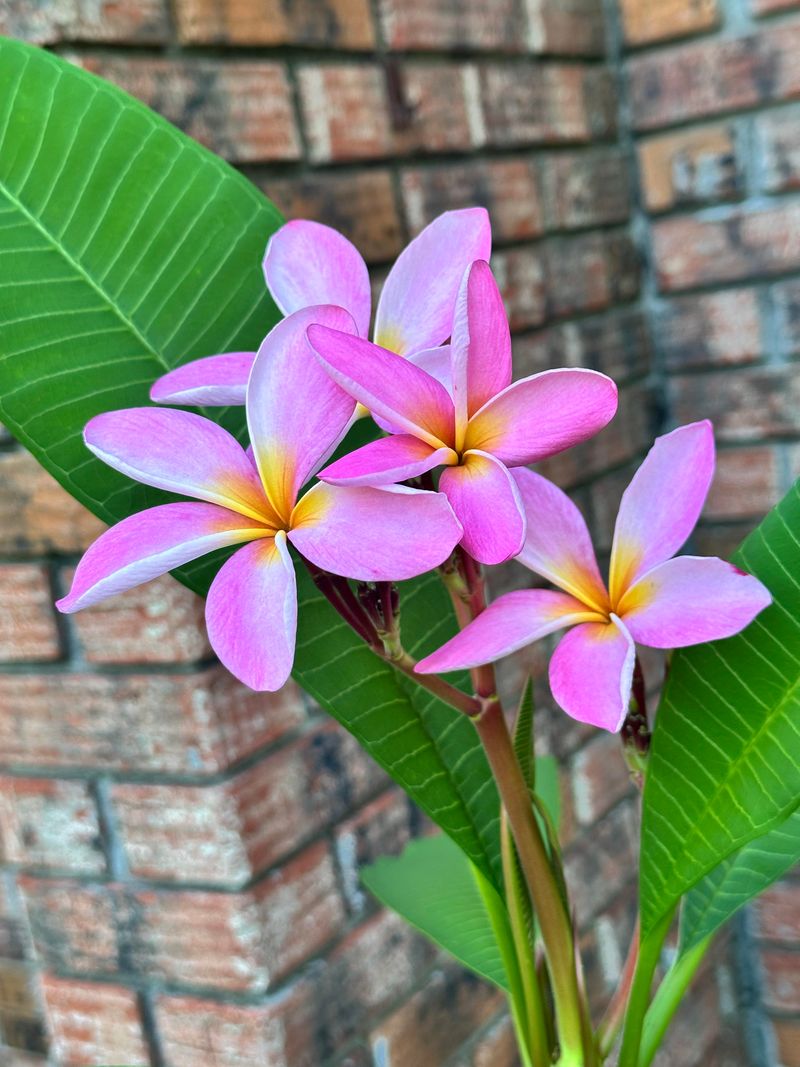
Good summer care in California is not only about adding water. It is also about knowing when to pause.
The soil should dry slightly between waterings so roots can get oxygen. Constantly wet soil can leave roots stressed and less able to support blooms.
In July, that balance can feel tricky because heat dries pots fast. Use your finger as a simple guide.
Push it about two inches into the soil. If it still feels wet, wait before watering again.
If it feels barely moist or dry at that depth, it is usually time to water. Containers may need checks every day during hot, windy weather.
In-ground plants may go longer, especially if mulch helps protect the soil. Avoid watering on a fixed schedule without checking conditions.
A plant in a clay pot may dry faster than one in plastic. A plant under a roof edge may get less natural moisture than one in the open.
Northern regions with cooler nights may need less water than hot inland spots. Slight drying helps the plant breathe, take up nutrients, and keep growth balanced.
Too much dryness can cause stress, but nonstop moisture causes its own problems. Aim for a rhythm of deep watering, slight drying, and then watering again.
8. Do Not Let Potted Plumerias Sit In Standing Water
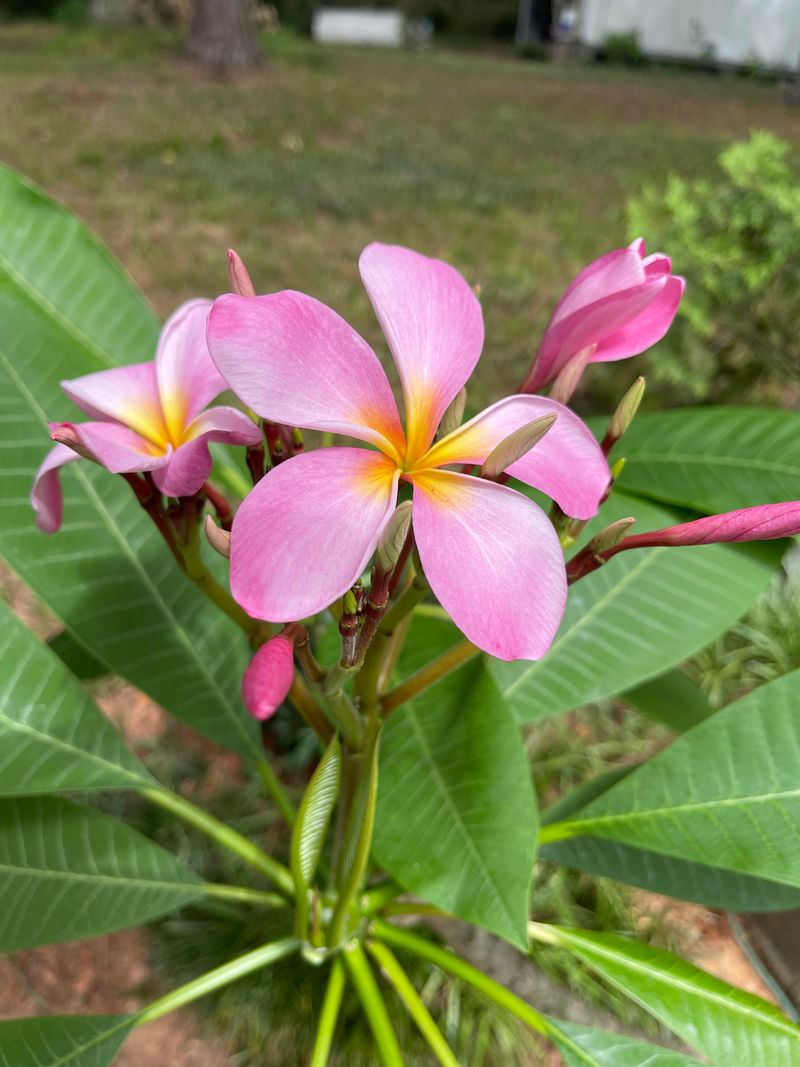
After watering, the saucer under the pot deserves a quick look. Standing water around the base can undo much of your careful July care.
Roots need air as well as moisture, and a full saucer keeps the lower mix too wet. That can reduce nutrient uptake and weaken the plant during bloom season.
Empty saucers after water drains through. If the pot sits inside a decorative cachepot, check that hidden space too.
Water can collect there without being noticed. Raise the container on pot feet, small blocks, or a plant stand so air can move under it.
Make sure every pot has open drainage holes. If soil plugs the holes, clear them gently.
A fast-draining mix is also important. Heavy garden soil in a pot can stay wet too long, especially after deep watering.
During July, many California owners water more often because the weather is hot. That makes drainage even more important.
A pot that drains well can be watered deeply without trapping moisture around the roots. Watch for warning signs, such as limp leaves after watering or a sour smell from the mix.
Fixing drainage is one of the easiest ways to protect summer flowers. Feed well, water wisely, and let extra water leave the pot every time.