Florida Yard Tasks Worth Doing Before Every Summer Storm That Save Hours
Florida summer storms do not give much warning. The sky shifts, the wind picks up, and what was a calm afternoon becomes a serious situation in under an hour.
Most Florida homeowners think about storm prep in terms of windows and doors. The yard rarely gets a thought until after the damage is already done.
A few targeted tasks before a storm rolls in make a real difference in what the yard looks like on the other side. Not hours of work.
Thirty minutes at most, focused on the right things in the right order. The time saved in cleanup afterward is not even the main argument.
Some storm damage to plants, structures, and yard features is genuinely preventable with steps that take almost no time when the forecast gives enough notice. Florida summer means storms.
Getting ahead of them by even thirty minutes is a habit worth building fast.
1. Clear Palm Fronds Before Wind Throws Them Around
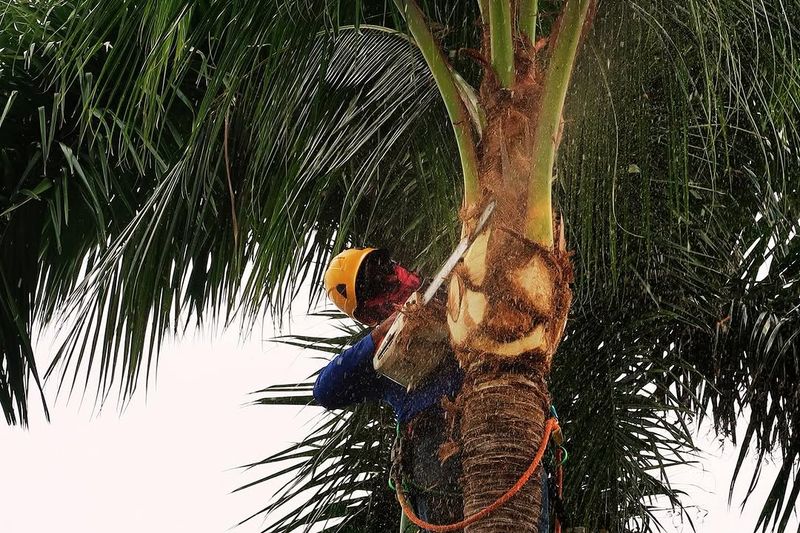
Palm fronds lying near the driveway before a storm are easy to ignore, but they rarely stay put once wind picks up. Loose fronds, dry seed stalks, and fallen branch pieces can scatter across mulch beds, driveways, and patios during gusty afternoon storms.
Collecting them before rain starts saves a lot of soggy, muddy cleanup later.
Focus on what you can safely reach from the ground. Pick up any fronds that have already fallen, gather dry palm debris near beds or walkways, and check for small loose twigs or lightweight pieces that could blow around.
Keep a yard waste bag nearby so the job stays quick and organized.
Do not climb trees, work near power lines, or cut large limbs. Over-pruning palms before a storm does not make them safer.
UF/IFAS Extension is clear that removing healthy green fronds can actually stress palms and reduce their ability to handle wind. Stick to collecting what has already fallen.
A few minutes of ground-level cleanup can prevent fronds from landing in gutters, clogging drains, or blowing into neighboring yards. Make this a quick habit before rainy-season storms roll in.
If a palm has large hanging fronds or structural concerns high in the canopy, contact a qualified arborist rather than attempting to handle it yourself.
2. Move Empty Pots Before They Roll Into Beds
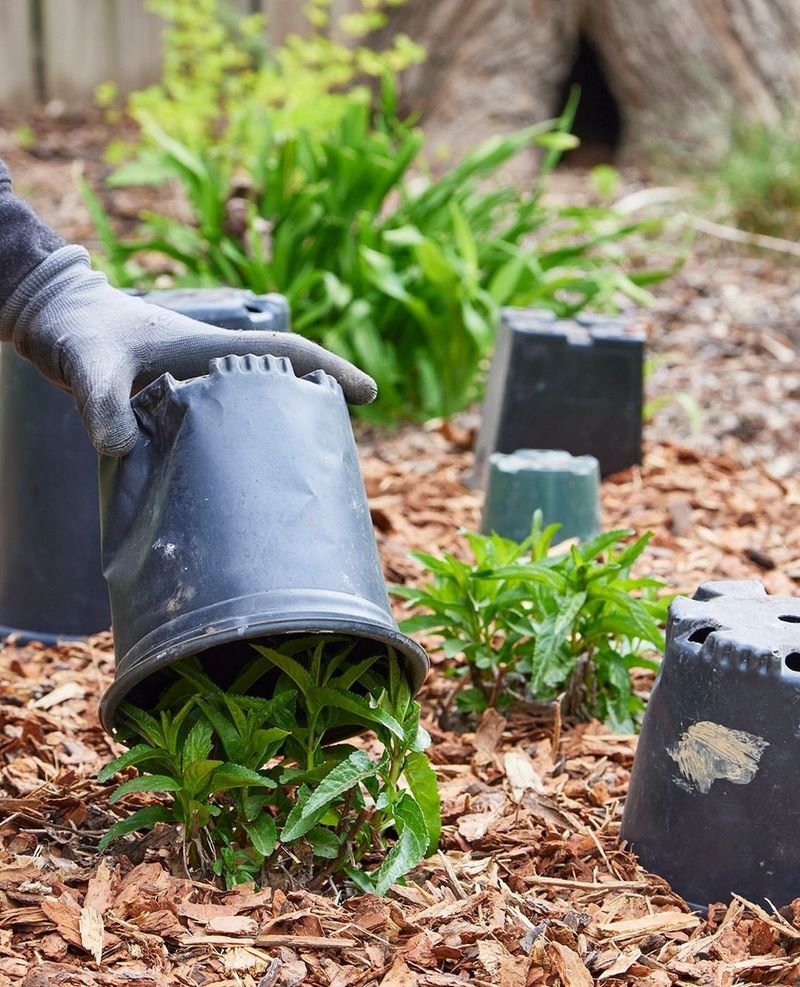
An empty pot rolling across the patio during a gusty storm might seem harmless. It can snap plant stems, crack decorative containers, and scatter debris across freshly mulched beds.
Lightweight nursery pots, plastic saucers, hanging baskets, and small decorative planters are all surprisingly easy for wind to move around.
Before rain begins, walk your patio, porch, and driveway edges and gather any empty or lightweight containers. Move them against a sheltered wall, stack them inside a garage or shed, or group them in a corner where they are less exposed to open wind.
Taking down hanging baskets before a storm is also a smart move when gusts are expected.
Empty saucers are worth checking too. Saucers that have collected standing water can tip and send that water directly into beds or onto surfaces where you do not want pooling.
Your Florida Garden Changes Every Week. Your Plan Should Too.
Gardening in Florida changes quickly throughout the season. Every Friday you’ll receive a simple weekly plan showing exactly what to plant, prune, fertilize, harvest, and protect so you never miss the right timing.
Dump them out before the rain adds more.
Heavier containers with established plants can usually stay in place, but move them away from bed edges if they sit on unstable ground or sloped surfaces. Do not rush to move large heavy pots at the last minute, especially if thunder is already nearby.
Go inside when conditions become unsafe. This whole task takes only a few minutes on a calm afternoon.
It can prevent cracked pots, bent stems, and scattered soil from turning into a longer job after the storm passes.
3. Pull Loose Debris Away From Storm Drains
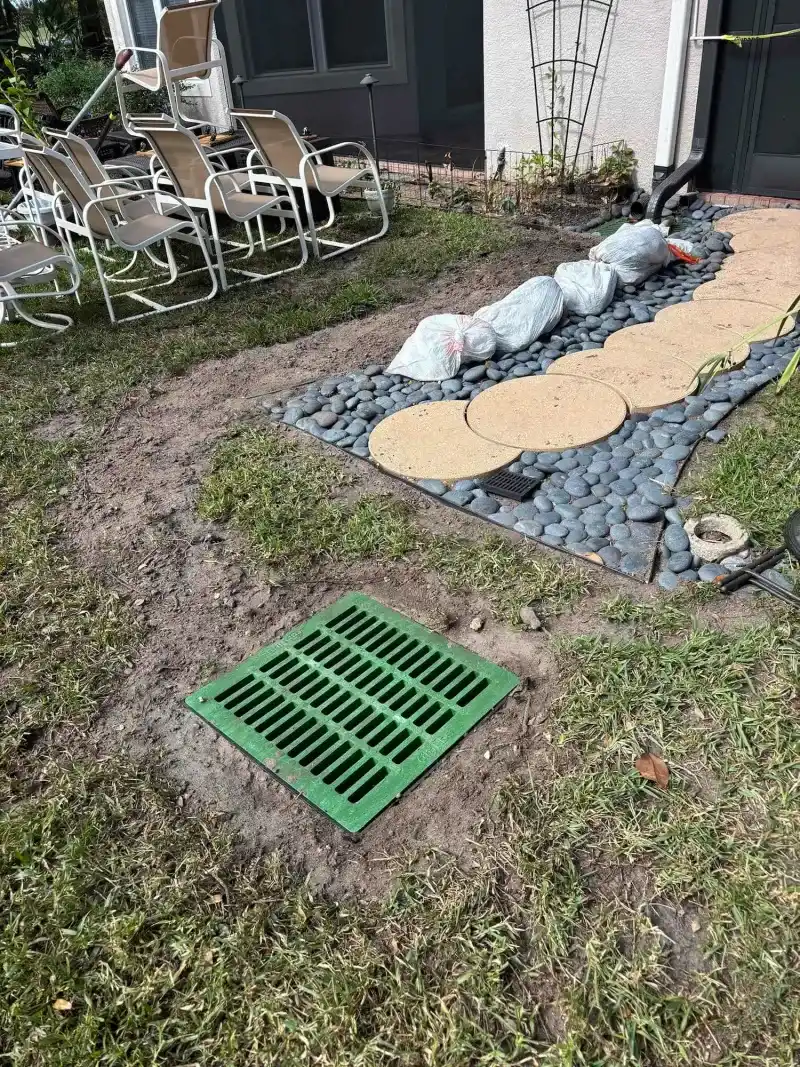
Mulch creeping toward a curb drain or a pile of pine needles sitting over a swale inlet can seem like a minor issue until a heavy downpour arrives. Leaves, grass clippings, palm debris, and loose trash can block water flow surprisingly fast once rain starts falling hard.
Keep them away from storm drains, driveway drains, and swale inlets.
Before a summer storm, check the drains and drainage paths around your property. Gently rake or sweep debris away from drain openings, curb inlets, and swale channels so water has a clear path to move.
This simple step can prevent water from backing up across driveways, patios, sidewalks, and low lawn areas.
Sandy soil in many parts of this state can shift and carry mulch toward drains quickly during heavy rain. Keeping those pathways clear ahead of time reduces the chance of standing water forming where you do not want it.
Stay safe while doing this. Do not enter a flooded street, do not lift municipal drain covers, and never work near drains during active lightning, flooding, or dangerous wind.
Clearing debris from your own property’s drainage paths is the task here, not stormwater infrastructure work. If a public drain near your home is consistently blocked, contact your local stormwater or public works department.
A quick sweep around your own Florida yard drains before rain can save a long cleanup and keep runoff moving the way it should.
4. Check Gutters Before Rain Overflows Into Beds
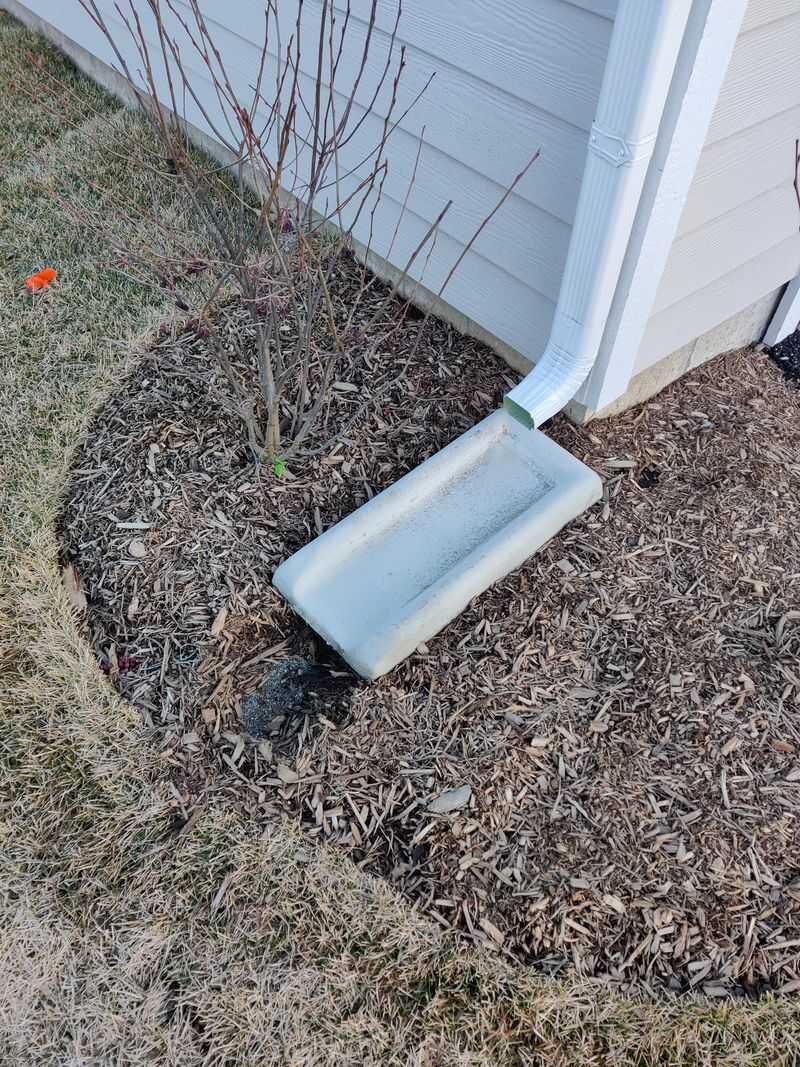
Clogged gutters during a summer downpour do not just overflow quietly. Water spills over the edge, hits mulch beds hard, and can wash soil away from foundation plantings or send runoff across patios in sheets.
Leaves on roof edges, blocked downspout openings, and debris at splash blocks all make this worse.
Before storm season gets active, check the visible parts of your gutter system from the ground. Look at where downspouts exit at the bottom.
Make sure splash blocks are in place and aimed away from beds and the foundation. Check that downspout extensions are connected and not crushed or shifted out of position from previous rain events.
If you can safely see gutter outlets from ground level, look for obvious blockages at the opening. Leaves and palm debris tend to collect at corners and downspout tops.
Clearing those spots when conditions are calm and dry can prevent a lot of bed washout during storms.
Do not climb a ladder when a storm is approaching, and never work on a wet roof under any circumstances. If your gutters need hands-on cleaning or repairs and you cannot do it safely from the ground, contact a professional gutter service.
Keeping your gutter system clear before the rainy season ramps up is one of those quiet habits that protects beds, hardscapes, and your home’s foundation. It prevents repeated water damage caused by redirected roof runoff.
5. Secure Trellises Before Vines Get Twisted
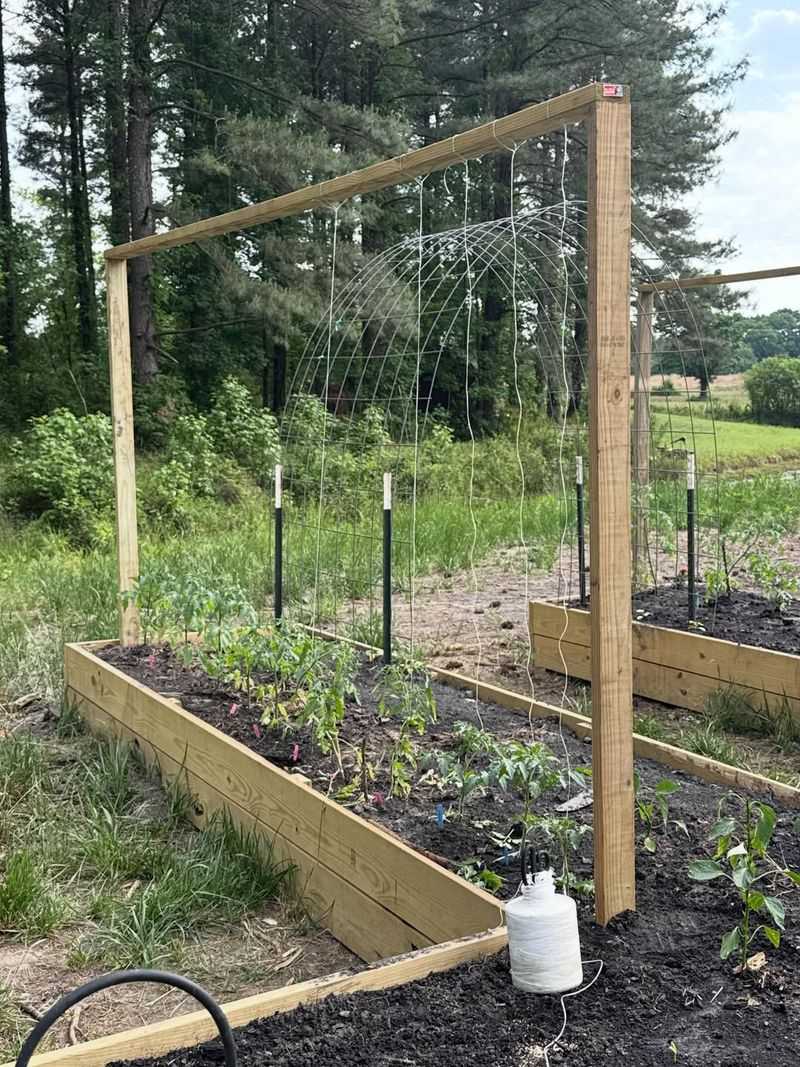
A vine-covered trellis that looks solid on a calm day can act like a sail when wind and rain arrive together. Loose stakes, brittle twine, and unsecured arbors can lean or collapse under the weight of wet foliage catching a gust.
Common climbers like coral honeysuckle, passionflower, jasmine, and climbing vegetables are all capable of pulling a weak support sideways.
Before a storm, spend a few minutes walking your trellis and support structures. Press stakes firmly into the soil if they have loosened.
Replace any twine that looks brittle or frayed with fresh, soft garden ties. Check that horizontal bars and vertical posts are still connected at their joints and have not shifted since the last rain.
Guide any long, loose stems back toward the support and gently secure them. Do not tie stems so tightly that you pinch or restrict them.
A snug but gentle loop is enough to keep a stem from whipping around in the wind without causing damage to the plant itself.
Tomato cages and smaller plant supports deserve a quick check too. Push them deeper into the soil if they feel wobbly.
Heavy fruit or dense foliage makes them top-heavy, and that weight becomes a problem during a storm. A short walk through your garden before rain begins can keep your climbing plants upright.
It can also save you from untangling a collapsed trellis from wet soil and torn foliage after the storm moves through.
6. Trim Weak Branch Tips Before They Snap Lower
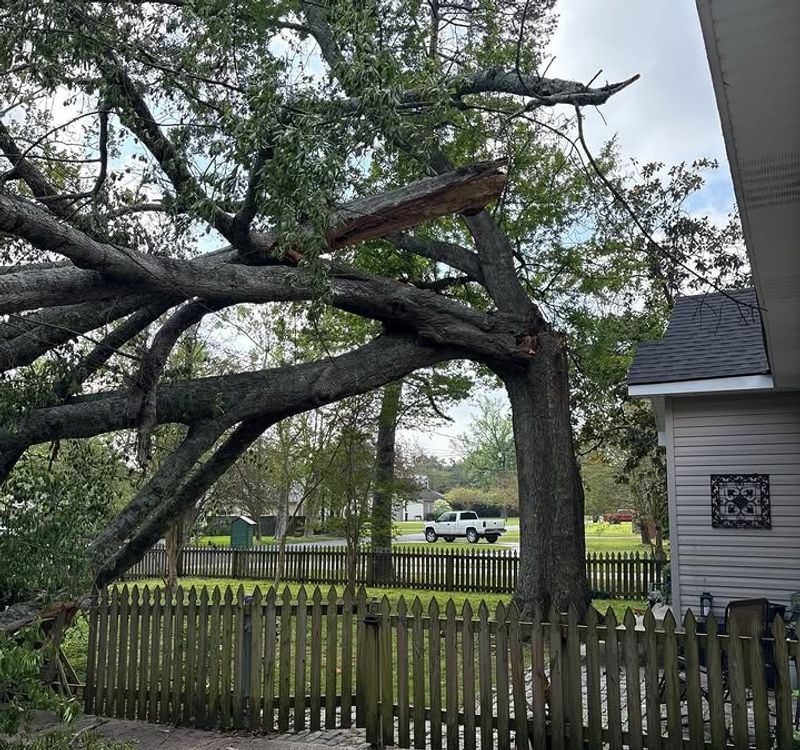
A small cracked branch hanging low over a path is easy to walk past on a sunny morning. After a summer storm rolls through, that same branch can snap off and land across a bed, snap a nearby stem, or add to a larger pile of debris you now have to haul away.
Small broken tips and weak water sprouts tend to get messier after each repeated storm if left alone.
Before rain, look for obvious candidates: cracked twigs, small dangling branches, withered tips on shrubs, and thin water sprouts growing at odd angles from main stems. Use clean, sharp hand pruners and cut only what you can safely reach without stretching or climbing.
Make clean cuts just above a healthy node or branch junction.
Keep this task small and focused. Removing a few weak tips from a shrub or ornamental tree is very different from cutting large limbs or making major canopy changes.
Do not attempt large pruning cuts, do not use a chainsaw near a storm, and never work near power lines. Trees with large weak limbs, cracks in major branches, or leaning issues should be evaluated by a certified arborist well ahead of storm season.
They should not be addressed with a quick cut right before rain.
Clean your tools after pruning and put them away before the storm arrives. Leaving sharp tools outside during a storm creates another cleanup problem you can easily avoid with one extra step.
7. Reset Downspouts Before Water Cuts Through Mulch
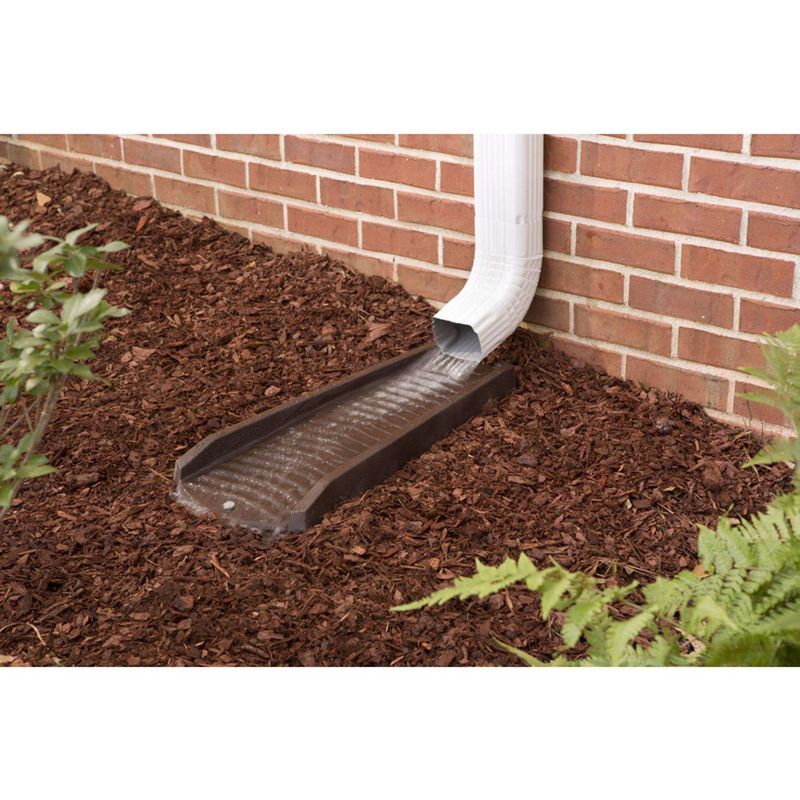
A downspout extension kicked sideways by a lawn mower or shifted by a previous storm might not seem urgent. That changes when the next heavy rain carves a channel straight through a mulch bed.
Roof water carries a lot of force when it exits a downspout. Without proper direction, it can wash mulch into driveways, expose plant roots, and push soil away from foundation edges.
Before a storm, walk each downspout on your home and check where the water actually lands. Make sure extensions are fully connected and pointed toward a safe drainage area like a lawn, a swale, or a planted slope away from the foundation.
Check that splash blocks sit flat and have not sunk or shifted out of position.
If you use a corrugated drain pipe to carry water away from the house, check that it has not collapsed or become crushed where it runs under mulch or across a lawn edge. A pinched pipe can back water up toward the foundation during a hard rain event.
When redirecting water, keep it away from neighbors’ property, your home’s foundation, septic areas, sidewalks, and any structure that could be harmed by extra runoff. Municipal stormwater rules in many areas prohibit directing roof runoff onto neighboring lots.
A few minutes spent resetting downspouts before the rainy season peaks can protect mulch beds, plant roots, and foundation edges from repeated washout damage.
8. Pick Up Tools Before They Disappear In The Grass
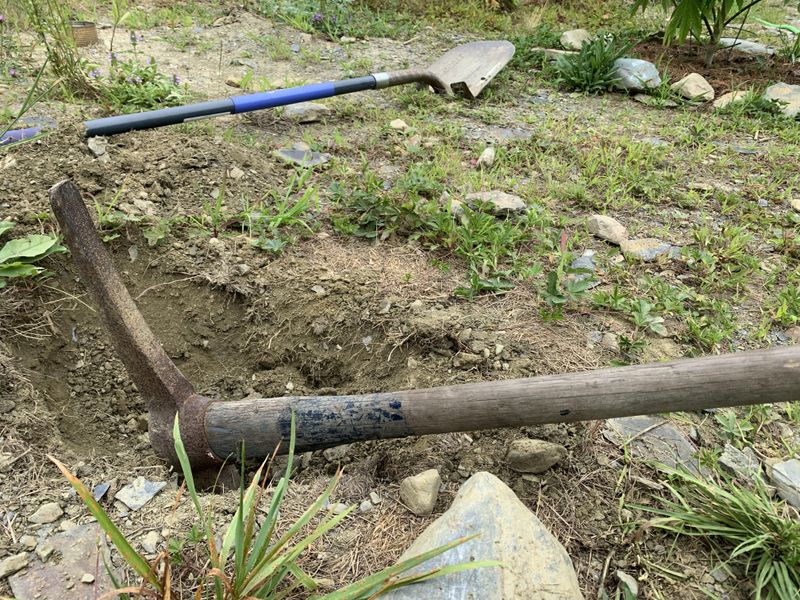
Pruners left in the grass after a quick trimming session are surprisingly hard to find once rain flattens the blades around them. Hand tools, hoses, gloves, buckets, plant labels, fertilizer bags, seed packets, and garden stakes all have a way of vanishing.
After a summer storm passes through, they can disappear into wet grass or muddy beds.
Rain speeds up rust on metal tools left outside. Wet gloves and fabric items take much longer to dry in humid conditions and can develop mildew quickly.
Beyond the mess, tools left in a lawn can become a hazard for anyone mowing or walking through the yard after a Florida storm, especially if they sink into soft, saturated soil.
Before rain arrives, do a quick sweep of your porch, patio, driveway edges, lawn edges, and bed borders. Collect anything that does not belong outside in a storm.
Put tools in a shed, garage, or covered storage area. Coil hoses and hang them or lay them flat in a sheltered spot.
Toss empty bags and packaging into a bin before wind carries them across the yard or into a neighbor’s space.
Five calm minutes before a storm can genuinely save a much longer cleanup afterward. Building this sweep into your pre-storm routine means you spend less time hunting for buried tools and scrubbing rust.
It also means less time picking up scattered debris once the rain stops and the sun comes back out.