The Pennsylvania Garden Plants Monarch Butterflies Are Looking For During September Migration
September is when monarch butterflies move through Pennsylvania in some of the most concentrated numbers of the entire year.
The annual migration from summer breeding grounds toward overwintering sites in central Mexico carries millions of monarchs along routes that pass directly through Pennsylvania’s landscapes, and what those butterflies find here, or don’t find, has real consequences for how many complete the journey successfully.
Your garden is part of that corridor. Monarchs passing through Pennsylvania in September need two things above almost everything else.
Nectar to fuel the thousands of miles that still lie ahead of them, and in some cases, the specific host plants that any remaining late season breeding activity requires.
The gardens that provide these resources reliably become meaningful rest and refueling stops along one of the most remarkable migrations in the natural world.
Not every flower qualifies. Monarchs have clear preferences, and certain Pennsylvania garden plants draw them in with a consistency that most other options don’t come close to matching during the September window.
Here’s exactly what monarch butterflies are looking for in Pennsylvania gardens this September.
1. New England Aster
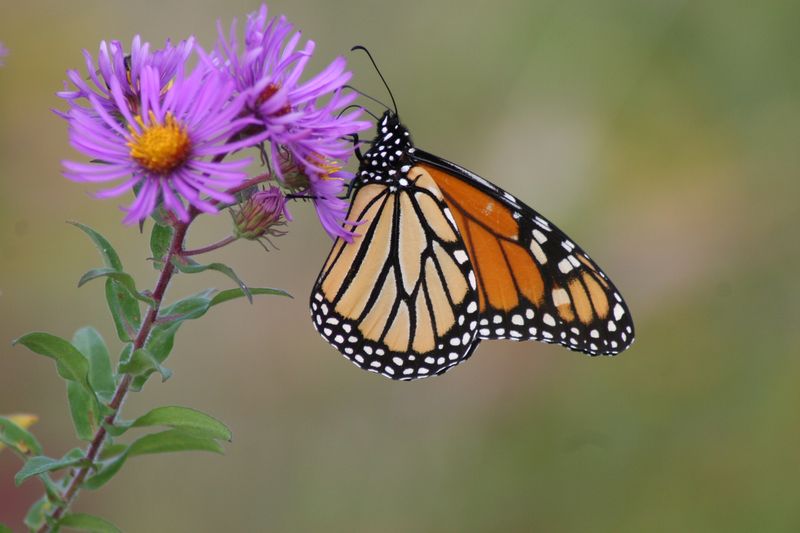
Few plants light up a fall garden quite like the New England Aster. Its bold purple blooms seem almost perfectly timed for monarch migration season, bursting open just as the butterflies begin moving through Pennsylvania in September.
Gardeners who plant it often notice monarchs landing within days of the first flowers opening.
The New England Aster is native to the eastern United States, which means it evolved right alongside the insects that depend on it. Its bright purple petals with golden yellow centers act like a landing signal for passing monarchs.
The flower produces a generous supply of nectar, giving butterflies the energy they need to continue their long flight south toward Mexico.
Planting New England Aster is straightforward, even for beginners. It thrives in full sun and tolerates a range of soil types, which makes it adaptable to most Pennsylvania yards.
It can grow between three and six feet tall, so it works well toward the back of a garden bed. Water it regularly during dry spells to keep blooms coming strong through the whole month of September.
One of the best things about this plant is how little maintenance it needs once established. Cut it back in early spring to encourage bushier growth and more flowers come fall.
Planting it in groups of three or more creates a bigger visual target for monarchs flying overhead. Native plant nurseries across Pennsylvania carry it, and it pairs beautifully with goldenrod for a powerful monarch-friendly combination.
2. Goldenrod
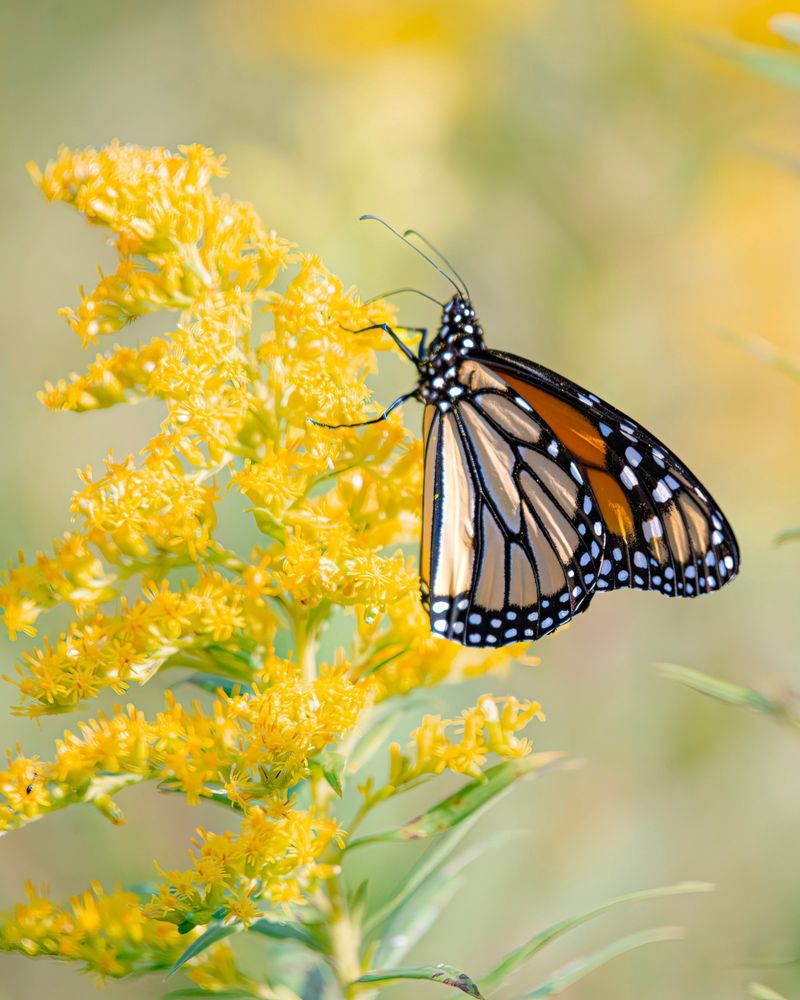
Goldenrod has a bit of an unfair reputation. Many people blame it for fall allergies, but the real culprit is ragweed, which blooms at the same time.
Goldenrod actually has heavy, sticky pollen that does not blow through the air. Insects carry it from flower to flower, and monarch butterflies are among its most enthusiastic visitors every September.
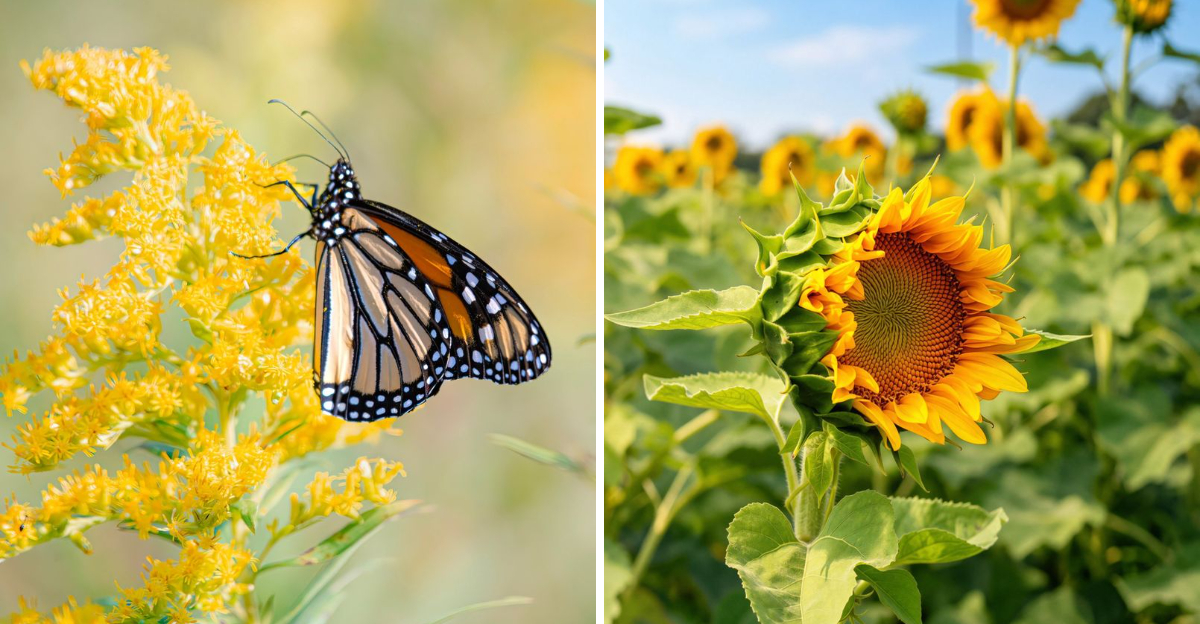
Native goldenrods are some of the most ecologically valuable plants you can grow in Pennsylvania. Their masses of tiny bright yellow flowers produce an enormous amount of nectar, giving migrating monarchs a rich and reliable fuel source.
Your Pennsylvania Garden Changes Every Week. Your Plan Should Too.
Gardening in Pennsylvania changes quickly throughout the season. Every Friday you’ll receive a simple weekly plan showing exactly what to plant, prune, fertilize, harvest, and protect so you never miss the right timing.
A single large goldenrod patch can attract dozens of butterflies on a warm September afternoon, turning your yard into a genuine rest stop along the migration highway.
There are several native goldenrod species to choose from, including Solidago rugosa and Solidago canadensis. Both grow well in Pennsylvania gardens with full to partial sun.
They spread by rhizomes, so planting them in a defined bed or container helps keep them from taking over neighboring plants. Cutting them back after they finish blooming also encourages healthy regrowth the following year.
Goldenrod works especially well when combined with other fall-blooming native plants. Pairing it with New England Aster creates a stunning yellow-and-purple combination that is practically irresistible to monarchs.
Beyond butterflies, goldenrod supports over 100 species of bees and countless other beneficial insects. Adding even a small patch to your Pennsylvania garden can have a surprisingly big impact on local pollinator populations throughout the fall season.
3. Joe-Pye Weed
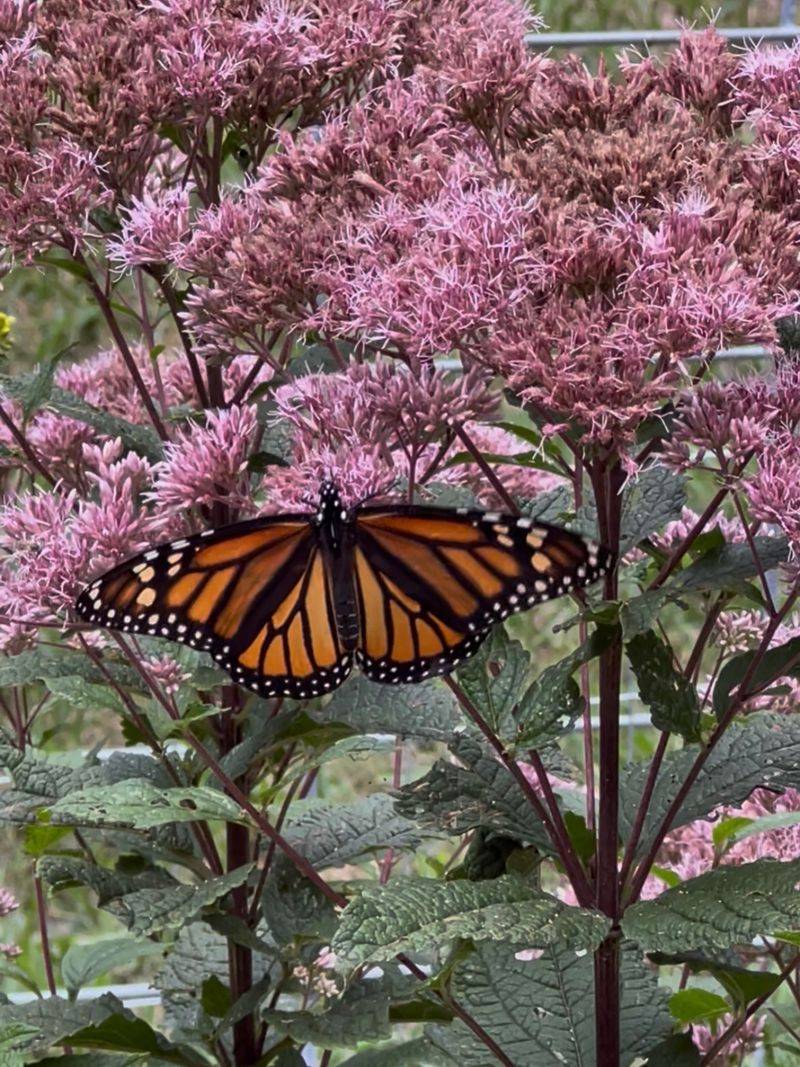
Joe-Pye Weed sounds like something you would pull out of a garden, but experienced Pennsylvania gardeners know better.
Named after a legendary Native American healer, this tall native plant produces enormous clusters of dusty pink-purple flowers that monarchs find absolutely irresistible. It is one of those plants that earns its space the moment the butterflies show up.
The flower clusters on Joe-Pye Weed are wide and flat, which makes them easy landing pads for large butterflies like monarchs. A monarch can perch comfortably on the bloom and feed without struggling to balance.
That ease of access matters a lot for tired butterflies that have already flown hundreds of miles and need to refuel quickly before pushing further south through Pennsylvania.
Joe-Pye Weed blooms from mid-summer into early fall, and in cooler years, some clusters can still be going strong well into September. Planting it in a spot with full sun and moist, rich soil gives you the best results.
It can grow quite tall, sometimes reaching seven feet, so give it room toward the back of a border or along a fence line where it can spread out comfortably.
Because it blooms a bit earlier than some other fall plants, Joe-Pye Weed is a great bridge plant. It starts drawing in monarchs before New England Aster and goldenrod fully take over.
Cutting spent flower heads back slightly can encourage fresh growth and extend the blooming window. Growing it alongside native grasses adds texture and creates a habitat that feels welcoming to both monarchs and other pollinators passing through.
4. Boneset
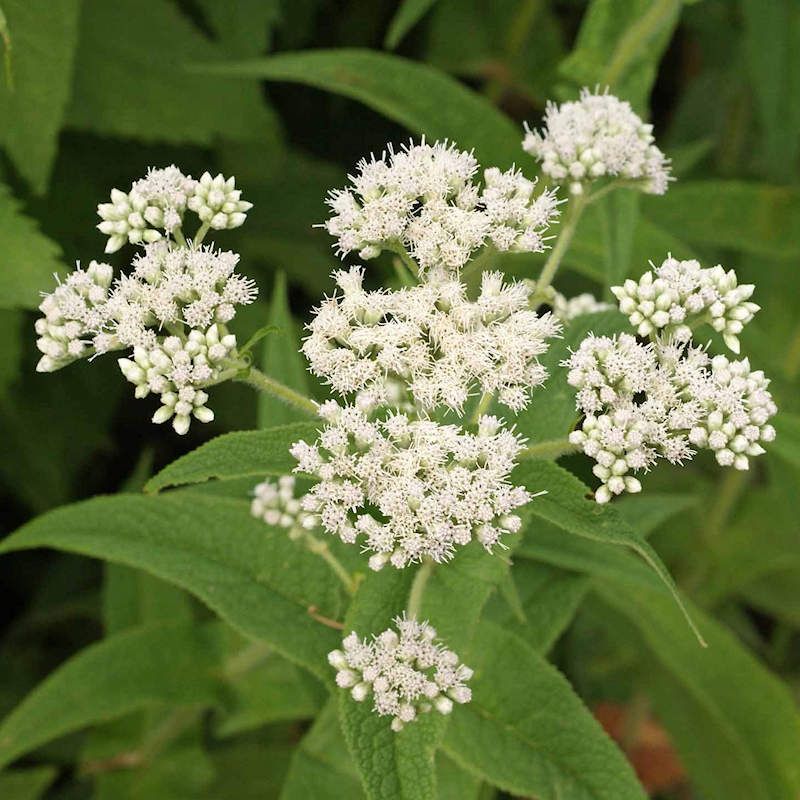
Boneset is one of those quietly powerful native plants that does not get nearly enough credit.
Its flat-topped clusters of tiny white flowers might look modest compared to the bold purples and yellows of its garden neighbors, but pollinators, including monarch butterflies, recognize it immediately as a valuable food source.
Early September is when boneset really hits its stride in Pennsylvania. The flower structure of boneset is part of what makes it so useful.
The flat clusters give butterflies a stable place to land, and the dense arrangement of tiny florets means a monarch can feed from dozens of individual flowers without moving very far.
That efficiency is important for a butterfly on a long migration. Every calorie counts when you are traveling thousands of miles on wings no bigger than your hand.
Boneset grows naturally in moist areas like meadow edges, stream banks, and low-lying spots in fields. In a garden setting, it does best with consistent moisture and partial to full sun.
It is a tough plant that handles Pennsylvania’s variable fall weather without much fuss. Once established, it comes back reliably each year and slowly spreads to form a fuller clump over time.
One interesting thing about boneset is that it attracts an impressive variety of insects beyond just monarchs. Bees, wasps, beetles, and other butterfly species all visit the blooms.
Planting boneset in a mixed native plant garden creates a lively, buzzing scene throughout early fall. It is a plant that quietly holds a whole ecosystem together, and monarchs passing through Pennsylvania are glad it is there.
5. Mountain Mint
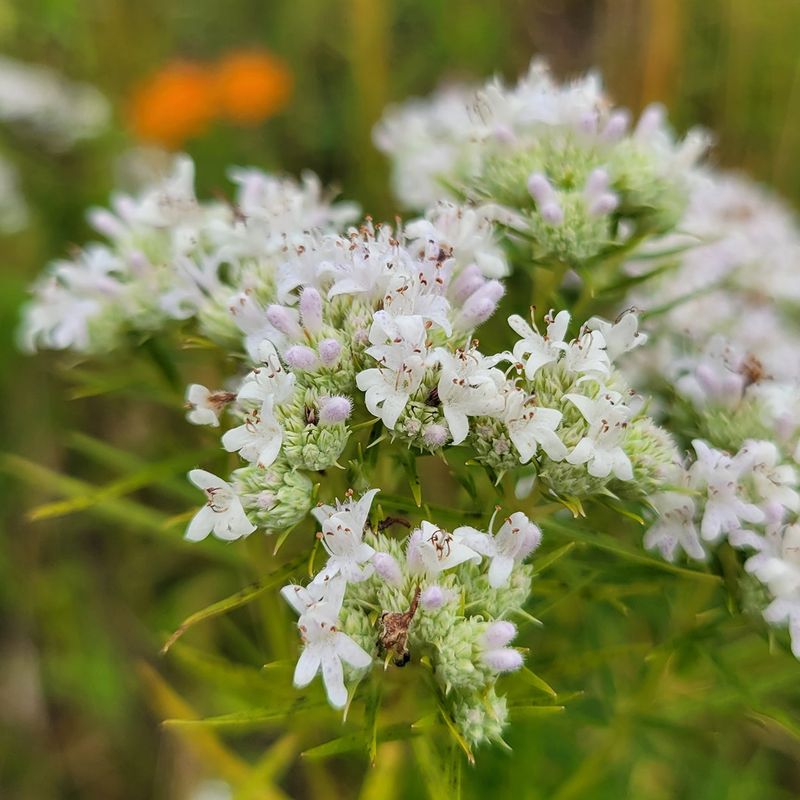
Walk past a patch of mountain mint on a warm September day and you will understand why pollinators go absolutely wild for it.
The plant releases a clean, refreshing minty scent that carries on the breeze, and that aroma seems to act like a beacon for every bee, butterfly, and beneficial insect in the neighborhood. Monarchs passing through Pennsylvania pick up on it quickly.
Mountain mint produces dense clusters of tiny flowers that are packed with nectar. The blooms are small but mighty, and a single plant in full flower can host an astonishing number of visitors at once.
Research from pollinator scientists has shown that mountain mint attracts more insect species per hour than almost any other native plant.
For a monarch trying to find a reliable refueling spot in a sea of suburban lawns, a patch of mountain mint stands out like a bright green welcome sign.
Growing mountain mint in Pennsylvania is easy. It prefers full sun but tolerates some shade, and it handles dry spells better than many other native plants.
It spreads by underground rhizomes, so planting it in a contained bed or raised planter keeps it from expanding into areas where you do not want it. Dividing clumps every few years keeps the plant vigorous and productive.
Mountain mint works beautifully as part of a layered pollinator garden. Plant it alongside taller natives like Joe-Pye Weed or goldenrod to create a range of heights and bloom times.
Its silvery-green foliage also adds nice texture to garden beds even when it is not in full bloom. For Pennsylvania gardeners serious about supporting monarch migration, mountain mint is a must-have addition.
6. Sunflowers
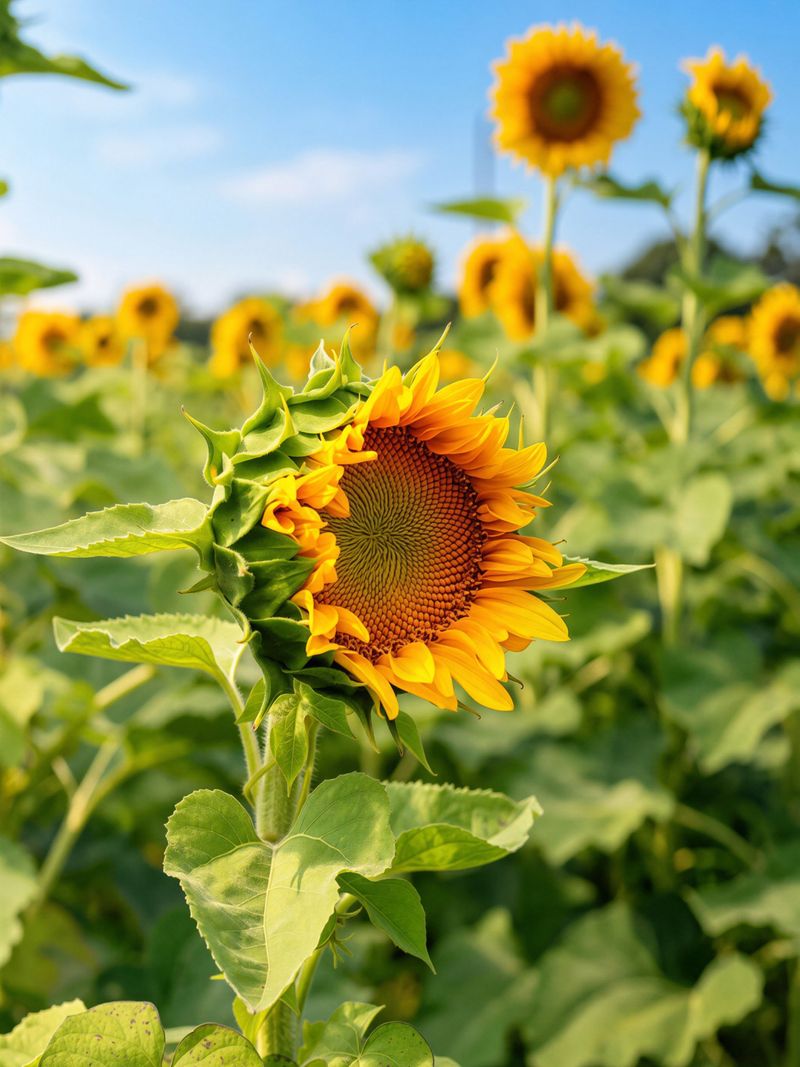
Sunflowers are one of the most cheerful sights in any garden, and it turns out monarchs agree. While sunflowers are famous for their big, bold appearance, what matters most to a migrating butterfly is what is happening at the center of those blooms.
The disk flowers packed into the center of each sunflower head are filled with nectar, and monarchs know exactly how to access it.
Timing is everything when it comes to sunflowers and monarch migration. Early-blooming varieties may be past their peak by the time September arrives, so choosing late-blooming types is the smart move for Pennsylvania gardeners who want to support migrating monarchs.
Varieties like Maximilian Sunflower, which is also a native perennial, bloom right in the September window and keep producing flowers for several weeks.
Sunflowers grow best in full sun with well-drained soil, and they are surprisingly drought-tolerant once established. Planting them in groups rather than single rows creates a more visible cluster that attracts more butterfly traffic.
Leaving spent flower heads standing after blooming also benefits birds like goldfinches, who rely on the seeds as a fall food source. Your garden becomes a resource for multiple species at once.
One fun detail that many gardeners do not realize is that native sunflower species are even more valuable than cultivated hybrids for pollinators. Native types produce more accessible nectar and pollen because they have not been bred for appearance at the expense of function.
Mixing native sunflower species into your Pennsylvania garden alongside other late-season bloomers gives monarchs an extra reliable stop on their long journey south.
7. Zinnias
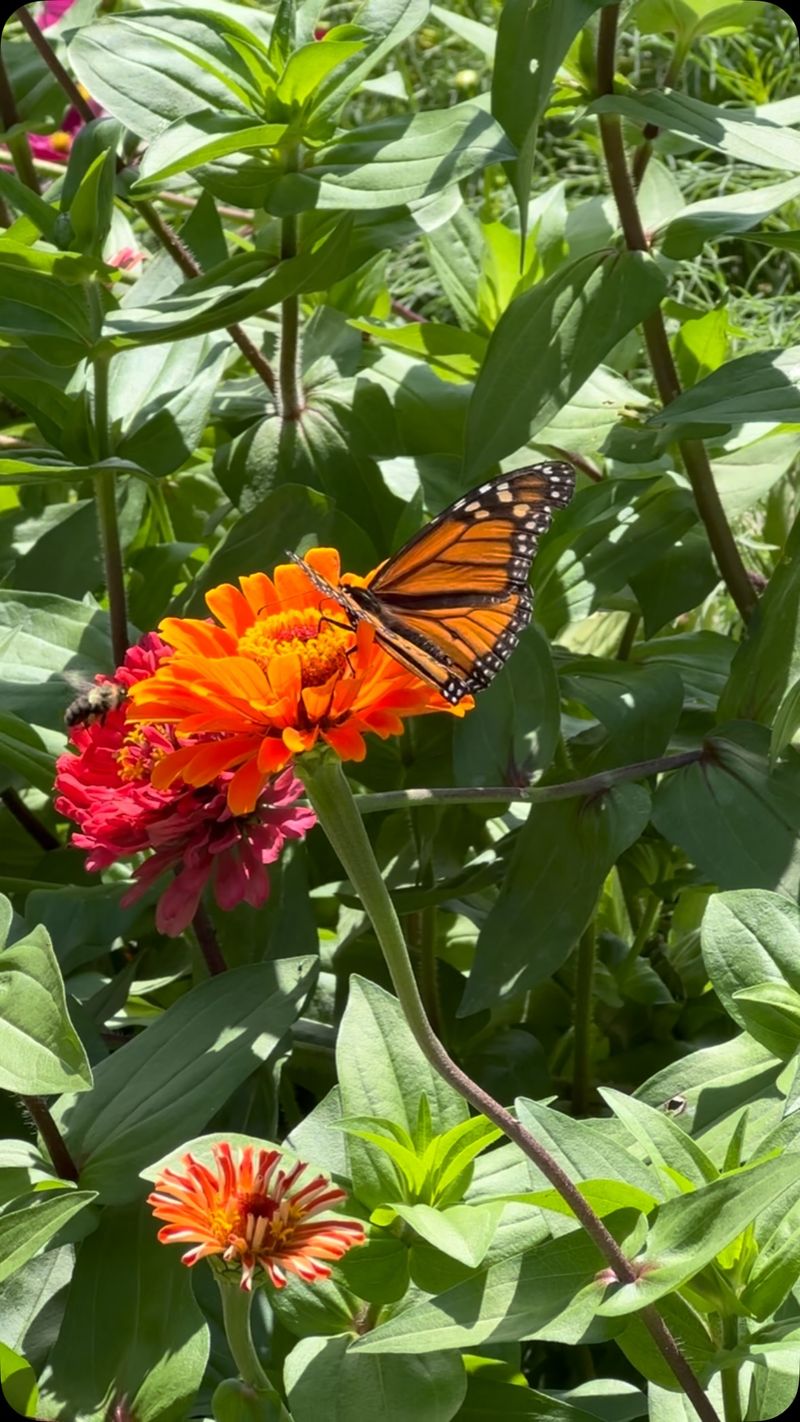
Zinnias are the kind of plant that makes gardening feel rewarding from the very first season. They grow fast, bloom in vivid colors, and keep producing flowers right up until the first hard frost.
For Pennsylvania gardeners, that frost-resistant blooming habit is exactly what makes zinnias such a valuable tool for supporting monarch migration throughout September.
Not all zinnias are equally useful for monarchs, and this is a detail worth knowing before you plant. Double-flowered varieties, with their tightly packed petals, make it difficult for butterflies to reach the nectar in the center.
Single-flowered zinnias, with open centers and one ring of petals, give monarchs easy access to the food they need. Look for varieties labeled as single-flowered or pollinator-friendly when shopping at your local Pennsylvania garden center.
Zinnias thrive in full sun and warm soil, and they handle Pennsylvania summers well. Direct sowing seeds after the last frost date gives you strong plants by midsummer, and those plants will still be blooming strong when monarchs start moving through in September.
Deadheading spent flowers regularly keeps new buds coming and extends the bloom season as far into fall as possible.
Bright orange and red zinnias seem to be especially attractive to monarchs, possibly because those colors stand out against green foliage and signal a rich nectar source.
Planting zinnias in large blocks rather than scattered single plants creates a more visible patch from above, where butterflies are scanning the landscape for food.
Combined with native plants like goldenrod and New England Aster, a zinnia patch helps turn your Pennsylvania garden into a genuine monarch waystation every September.