The Pennsylvania Native Perennial That Outworks Every Other Plant You Own
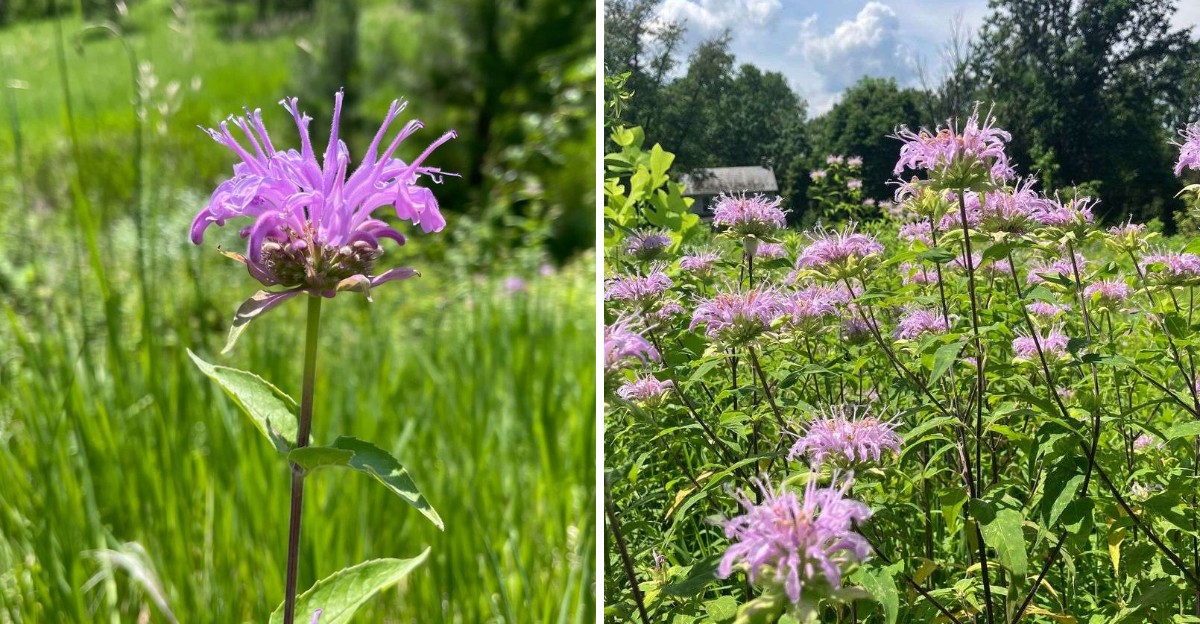
If garden plants had résumés, this one would need an extra page. It feeds bees, butterflies, and hummingbirds all summer with clusters of shaggy lavender blooms.
Its leaves smell like a mix of mint and oregano, which helps keep deer and rabbits away. Generations of people even brewed those leaves into tea.
Once the flowers fade, the seed heads become a snack for goldfinches heading into fall and winter.
That’s a lot of work for one plant, and it does it all with very little help. This Pennsylvania native shrugs off heat, dry spells, and poor soil. It spreads at a steady pace, filling empty spaces without much effort on your part.
Most plants in the garden do one or two things well. This one seems to do everything. Once you add it to your yard, you’ll wonder how your garden ever got by without it.
The Native That Does It All
Long before anyone planted it in a garden bed, wild bergamot was already thriving on its own.
It grew in open meadows, old fields, and along dusty roadsides all over Pennsylvania. Nobody watered it, and it still bloomed every summer.
Its scientific name is Monarda fistulosa. It belongs to the mint family, so it shares a few traits with plants like spearmint and oregano. Rub a leaf between your fingers, and you will smell a spicy, herbal scent right away.
Many people call it bee balm. That name fits well, because bees love it. You might also hear it called horsemint. Different names, same friendly plant.
Here is a fun bit of history. Native American groups used wild bergamot for teas and home remedies. Early settlers learned from them and brewed it too. Some folks still make a mild tea from the leaves today.
So why does it matter that it is native? Plants that grow naturally in an area are matched to the local weather and soil.
They also fit the needs of local insects and birds. When you plant a native, you are giving wildlife a food they already know and trust.
Wild bergamot also gives you a lot for very little. It adds color, scent, and life to your yard. It comes back every year without replanting. It handles tough conditions that would wear out fancier flowers.
If you are new to native plants, start here. Buy a few small plants from a local nursery that sells native species.
Look for the true wild form rather than a hybrid, since wildlife tends to prefer the original. Then give it sun and step back. It truly knows what to do.
Weeks Of Summer Blooms
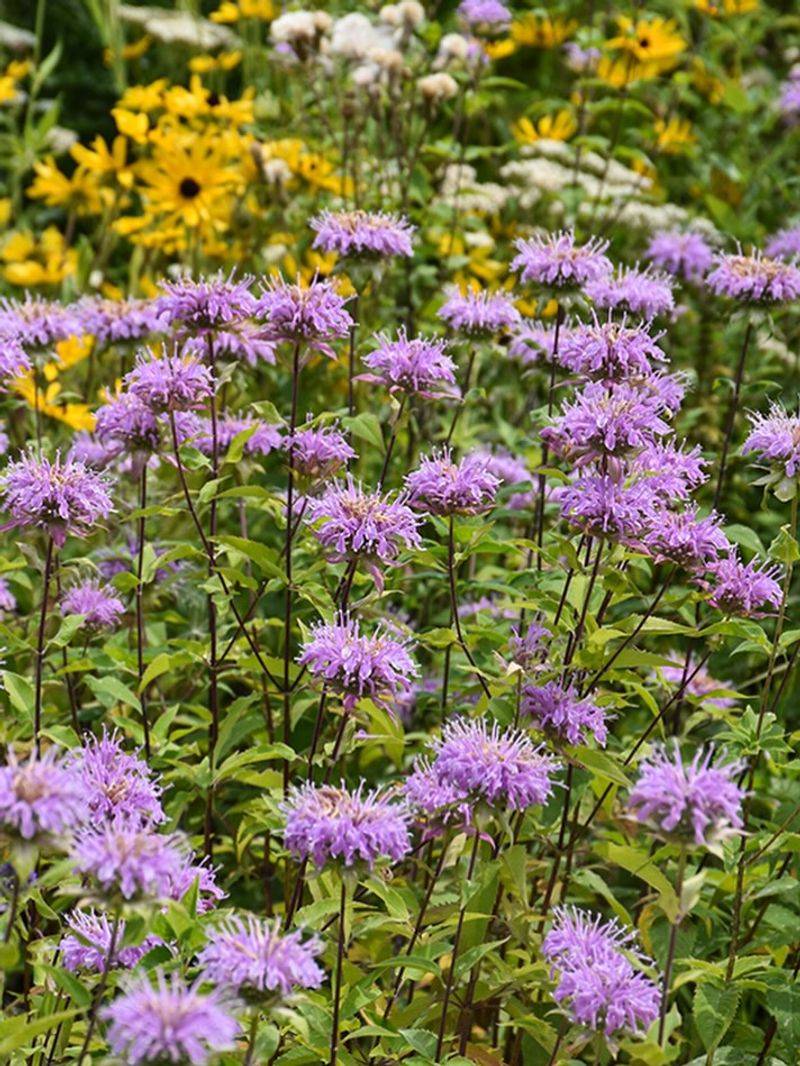
Every gardener knows the July slump. The tulips are long gone. The peonies have dropped their petals. Suddenly, your flower bed looks tired and green.
That is exactly when wild bergamot steps up. It starts blooming in midsummer and keeps going into late summer.
In many Pennsylvania yards, that means color from early July well into August. Some years, a few flowers hang on even longer.
Your Pennsylvania Garden Changes Every Week. Your Plan Should Too.
Gardening in Pennsylvania changes quickly throughout the season. Every Friday you’ll receive a simple weekly plan showing exactly what to plant, prune, fertilize, harvest, and protect so you never miss the right timing.
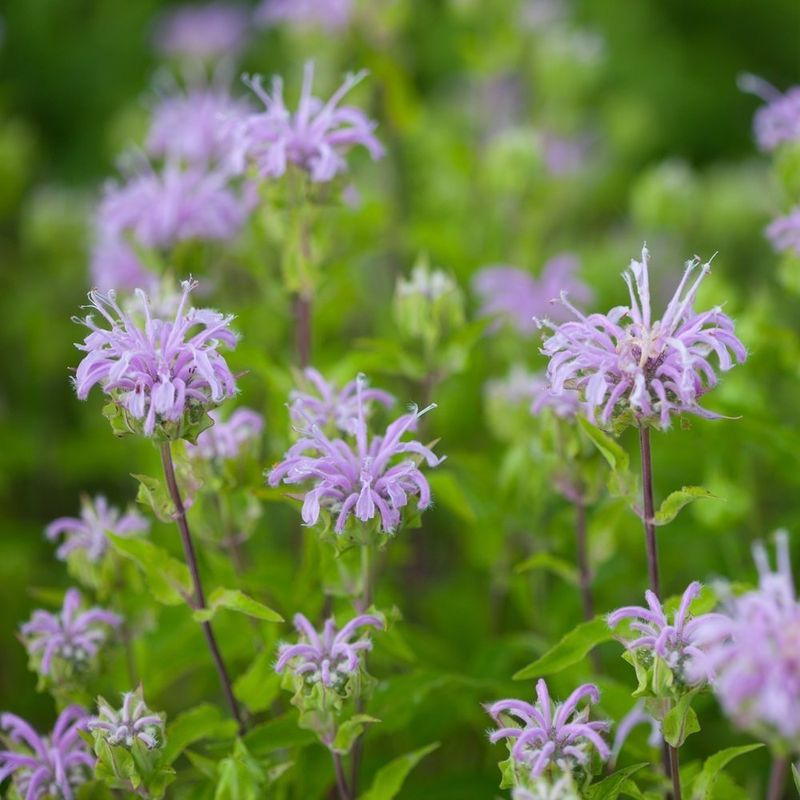
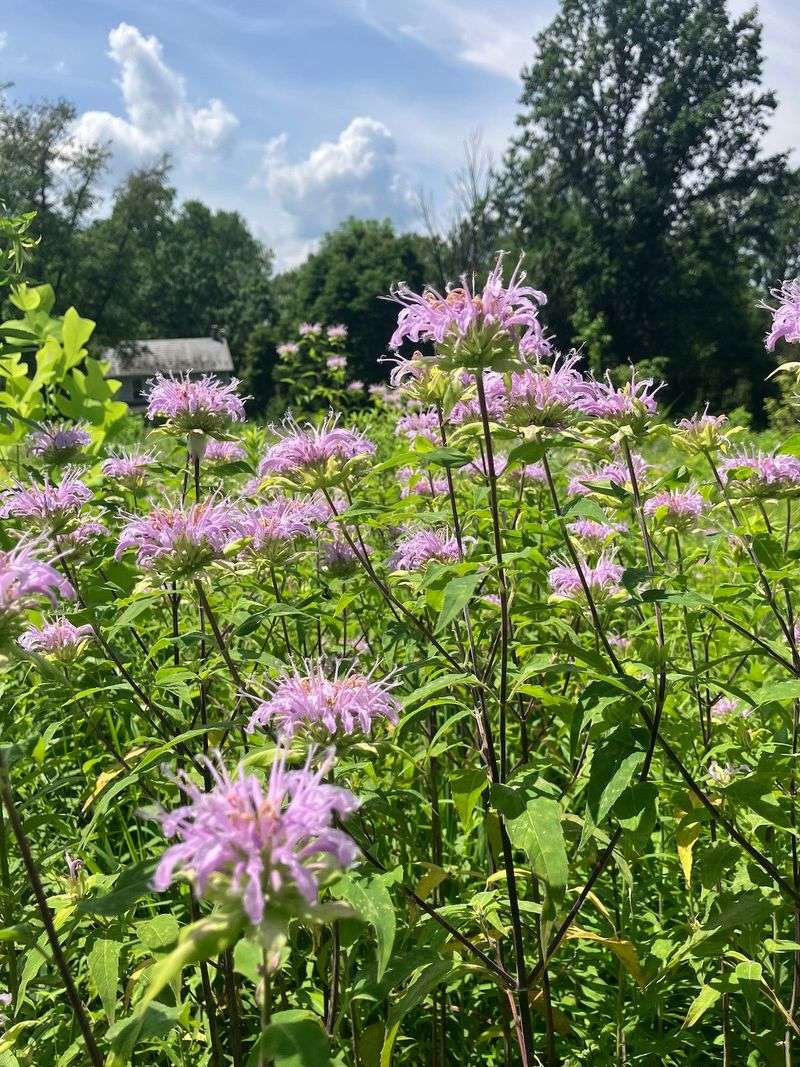
The blooms are worth a close look. Each flower head is a round cluster made of many small, tube-shaped flowers.
They come in soft shades of lavender and pale purple. From a distance, they look like fluffy pom-poms perched on top of the stems.
Those stems usually reach 2 to 4 feet tall. That height makes wild bergamot great for the middle or back of a garden bed.
Shorter plants can sit in front, while bergamot rises up behind them like a purple wave. Want the best show? Try a few of these simple ideas.
Plant it in groups of three or five. A cluster makes a much bolder splash than a single plant. Pair it with other summer natives like black-eyed Susan, purple coneflower, or blazing star. The yellows and purples look great side by side.
You can also cut a few stems for a vase. The flowers last several days indoors and give off a pleasant herbal smell. Cutting some blooms will not hurt the plant at all.
Once the flowers fade, think about leaving some seed heads standing. They turn brown and add texture to the fall garden. Small birds like goldfinches may even stop by to pick out the seeds.
A Favorite Of Bees, Butterflies, And Hummingbirds
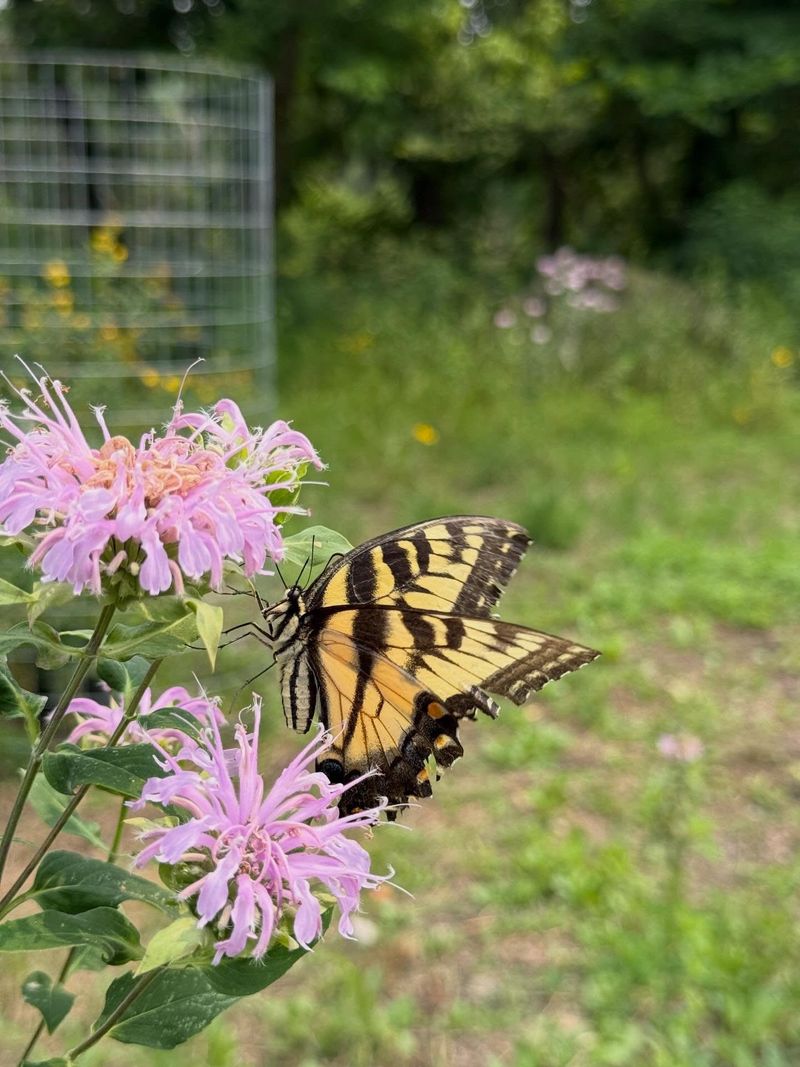
Grab a lawn chair, pour some lemonade, and sit near a patch of wild bergamot on a sunny afternoon. Within minutes, you will hear it. The steady hum of busy wings fills the air.
Bumblebees are usually the first to show up. They bumble from flower to flower, sipping nectar and collecting pollen. Many smaller native bees join them too. Some are so tiny you might mistake them for flies.
Butterflies are frequent guests as well. Swallowtails, fritillaries, and skippers often land on the flower heads. The round clusters make a perfect landing pad for them to rest while they eat.
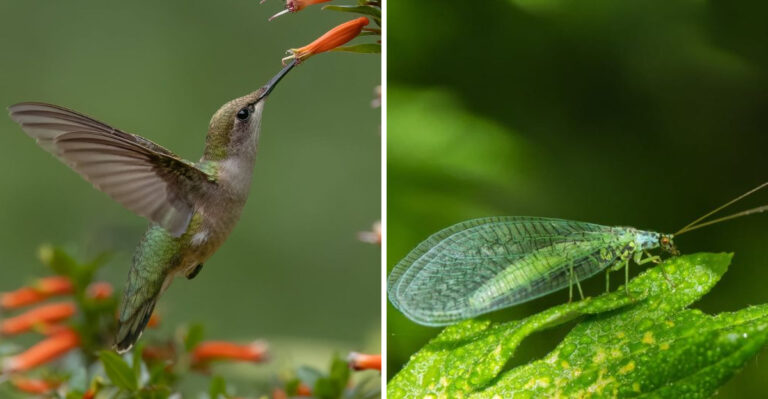
Then come the hummingbirds. Ruby-throated hummingbirds visit Pennsylvania every summer.
Their long beaks fit neatly into the tube-shaped flowers. Watching one hover in place is a real treat for kids and grown-ups alike.
Why does it attract so many visitors? The flowers hold plenty of nectar, and they bloom for weeks.
That steady food supply keeps pollinators coming back again and again. Native bees, in particular, rely on native flowers like this one.
Helping pollinators also helps you. Bees that visit your bergamot may also pollinate your tomatoes, squash, and berries. More pollinators often means a better harvest from your vegetable garden.
A few tips make your yard even more inviting. Skip chemical bug sprays near your flowers, since they can harm bees and butterflies.
Add a shallow dish of water with a few stones for insects to perch on. Plant other natives nearby so something is always blooming from spring to fall.
Before long, your bergamot patch may become the liveliest spot in the neighborhood. Friends might even stop to ask what all the buzz is about.
Deer And Rabbits Usually Leave It Alone
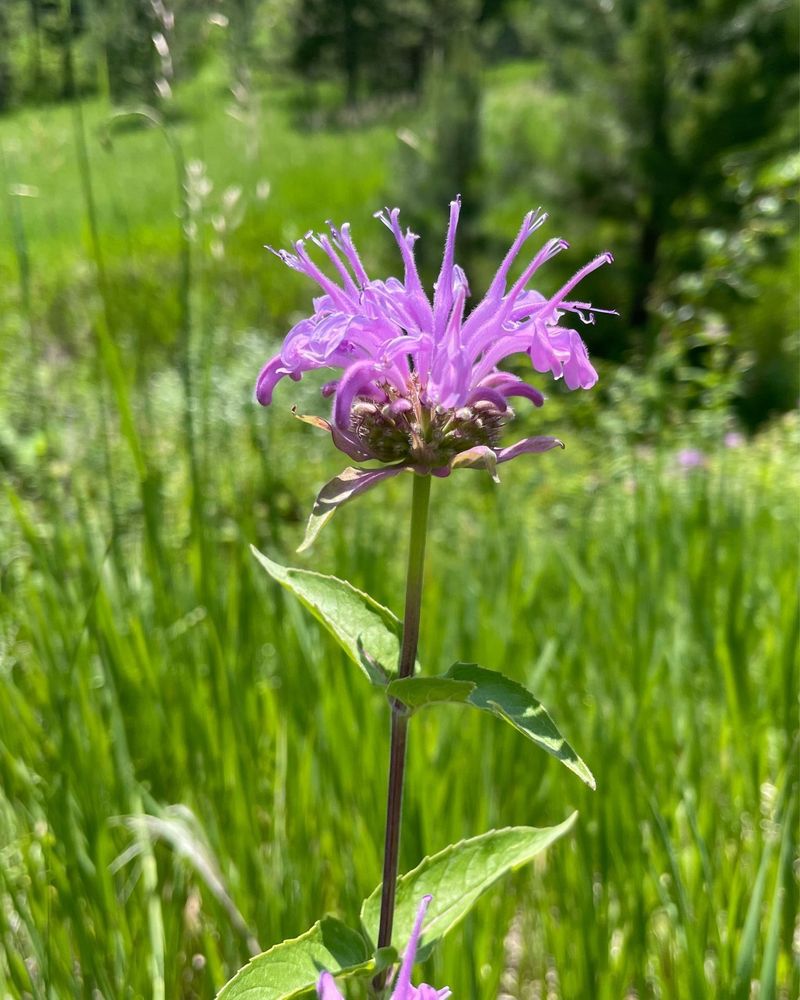
Ask any Pennsylvania gardener about deer, and you will probably hear a groan. These hungry visitors can wipe out a flower bed overnight. Hostas, daylilies, and tulips often vanish down to the stems.
Rabbits are just as sneaky. They nibble young shoots in spring before plants even get a chance to grow. It can feel like you are running a free salad bar.
Wild bergamot offers some welcome relief. Its leaves have a strong scent that smells a lot like oregano or thyme. People tend to like the smell, but deer and rabbits usually do not. The fuzzy, aromatic leaves just are not tasty to them.
That does not mean it is totally deer-proof. A very hungry deer in a hard year might take a bite of almost anything. Still, bergamot is usually one of the last plants they choose. Most of the time, they walk right past it.
You can use that to your advantage. Try planting wild bergamot around the edges of your garden.
Its strong smell may help hide more tempting plants growing inside the border. Some gardeners call this a scent shield.
Mix it with other plants that browsing animals tend to skip. Good partners include mountain mint, little bluestem grass, and goldenrod. Together, they make a tough, colorful bed that can stand up to wildlife pressure.
Brand new plants may need a little help, though. Young, tender shoots are more likely to get nibbled.
Cover them with a simple wire cage for the first few weeks. Once they grow taller and their scent gets stronger, you can remove it.
For anyone tired of replacing chewed plants every year, bergamot is a smart, money-saving pick.
Tough Enough For Dry, Sunny Spots
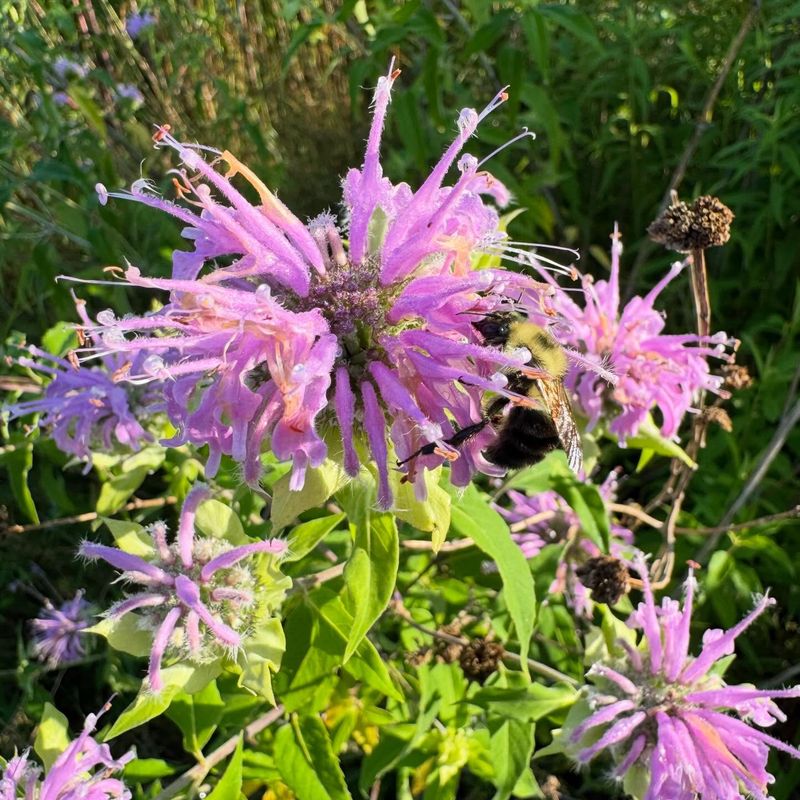
Got a spot in your yard where nothing seems to grow? Maybe it is a hot slope, a strip by the driveway, or a patch of rocky soil. Wild bergamot might be the answer you have been looking for.
Once it settles in, this plant handles drought like a champ. Its roots dig deep to find water during dry spells. Heat waves do not bother it much either. It keeps standing tall when other flowers start to droop.
Poor soil is no problem. In fact, rich soil can make it grow floppy. Sandy, rocky, or clay soils often work just fine. Just avoid spots where water sits in puddles for days.
For the best blooms, give it full sun. Six or more hours of direct light each day is ideal. It can also handle light shade, though it may flower a bit less.
Here is the key word, though. Established. During its first season, the plant needs regular water while its roots grow.
Water it about once a week if it does not rain. After that first year, you can mostly let nature take over.
Wild bergamot also spreads slowly over time. It sends out underground stems called rhizomes.
New shoots pop up around the main plant, forming a fuller clump each year. It is not a wild runner like some mints, so it is fairly easy to manage.
That gentle spread can be a bonus. It fills bare ground and helps hold soil in place on slopes. If it wanders too far, just pull or dig up the extra shoots. You can even share them with friends and neighbors.
Simple Care For A Healthy Plant
Even the hardest workers need a little tune-up now and then. Luckily, wild bergamot asks for very little. A few easy habits will keep it looking fresh year after year.
The most common issue is powdery mildew. It shows up in late summer as a white, dusty coating on the leaves.
It looks a bit like someone sprinkled flour on your plant. The good news is that it is mostly cosmetic and rarely causes lasting harm.
Still, nobody loves the look of it. Good air flow is your best defense. Space plants about 18 to 24 inches apart when you put them in the ground. That gap lets breezes move between the stems and dry the leaves.
Watering matters too. Try to water at the base of the plant instead of over the top. Morning watering is best, since leaves dry quickly in the sun. Wet leaves overnight can invite more mildew.
After the plant finishes blooming, look for stems with heavy mildew. Cut them back to a few inches above the ground. Throw the cuttings in the trash instead of the compost pile. Fresh, healthy leaves may grow back before fall.
Every three or four years, your clumps may get crowded. You might notice the center looking thin or bare. That is a sign it is time to divide. In early spring or fall, dig up the clump and split it into smaller pieces with a spade.
Replant the healthiest outer sections and water them well. Now you have more plants for free. Share the extras, start a new bed, and keep the good stuff growing.