How To Protect Young North Pennsylvania Trees From Deer Rut Damage This Fall
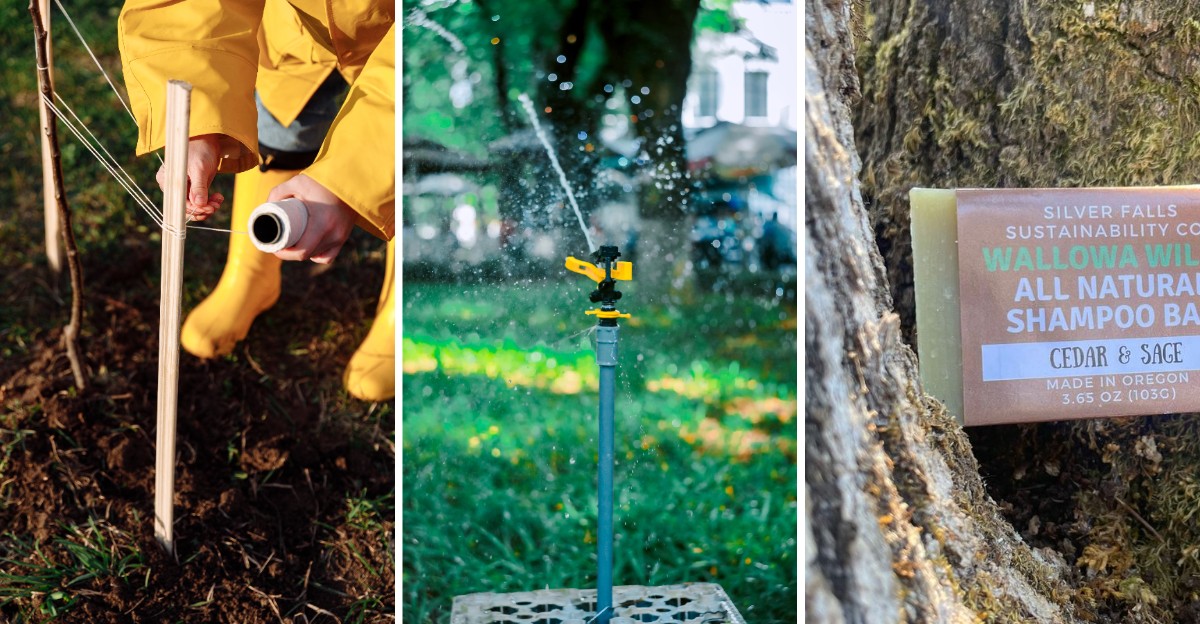
Overnight, a stranger with antlers scraped your newest sapling down to pale wood. Pennsylvania bucks turn feisty when testosterone surges and their antlers harden.
Rubbing deposits scent from forehead glands, a bold signature for rivals nearby. Trunks thinner than your wrist make ideal posts.
Young maples, fruit trees, and pines draw heavy attention. Antlers reach the inner bark, which carries sugars down to the roots.
Remove a ring of bark around the trunk and your tree usually declines. Timing matters because rubbing ramps up in October and peaks by November.
You can shield your trees before deep frost settles. Sturdy wire cylinders and rigid plastic guards turn antlers away from tender bark.
Walk your fence lines and trails across Pennsylvania, where scrapes cluster. Wrap the trunk from soil line to shoulder height, and your sapling keeps its bark.
Outsmart him.
1. Build A Wire Cage Around Each Sapling
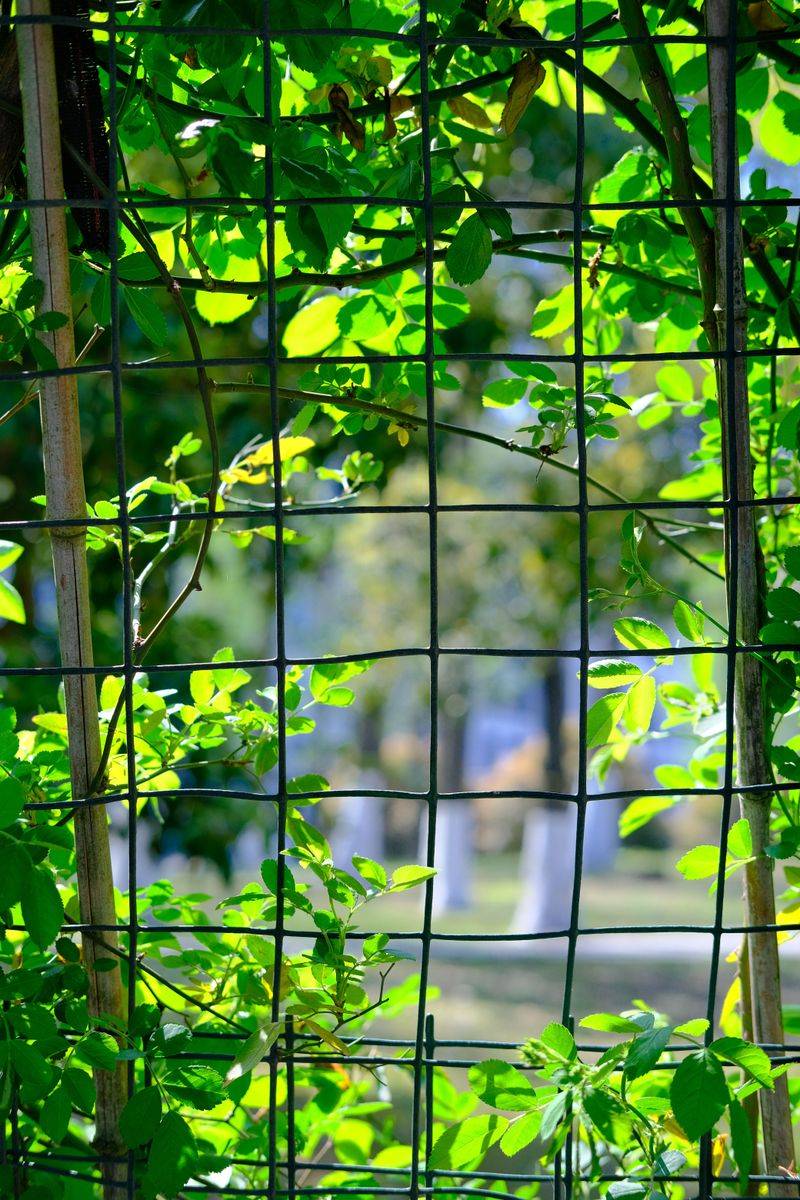
Fruit growers have long used a simple trick to protect young apple trees. Circle each tree with a ring of sturdy wire fencing.
Welded wire or heavy-duty field fence works best for this job. Cut a piece about five feet tall and long enough to circle the tree.
Leave at least a foot of space between the wire and the trunk. Bucks have a hard time reaching through to rub, and branches have room to spread.
Secure the cage with two or three metal T-posts or wooden stakes. A strong buck can shove a loose cage right over if it wobbles.
Zip ties or wire twists hold the fence to each post firmly. Bend any sharp cut ends inward so they do not snag your gloves.
Cages protect more than the trunk, which is a big bonus. They also help limit deer nibbling on lower buds and twigs in winter, though branches that grow past the wire stay exposed.
Fruit trees, oaks, and young evergreens benefit most from this setup in northern Pennsylvania. Deer often favor these species, especially in winter when other food is scarce.
Expect to spend roughly twenty to forty dollars per cage once posts and fencing are counted. That cost is lower than replacing a nursery tree that gets scraped overnight.
Widen the cage every few years as your tree grows thicker. A little wire today saves a lot of worry tomorrow.
Paint the posts a bright color if you mow nearby often. Your lawn mower and your shins will both thank you later.
2. Stake A Tall Fence Around Small Groves
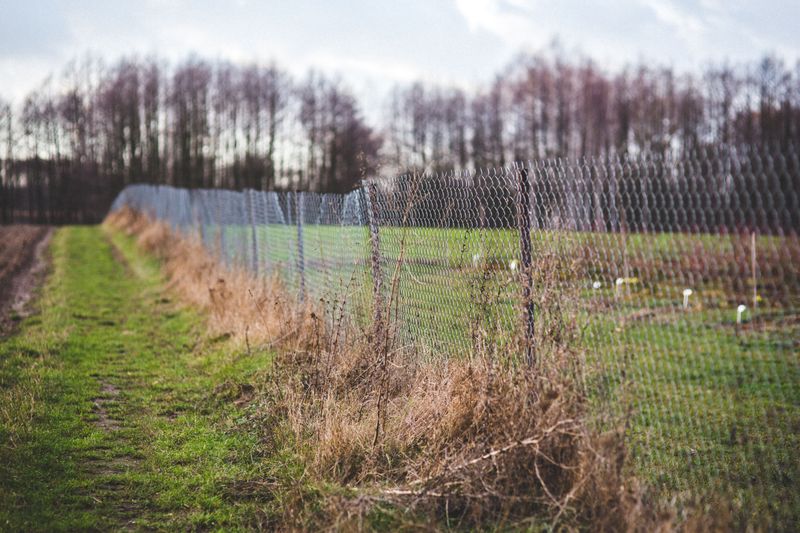
Have you planted a whole row of tiny pines or a mini orchard? Guarding each one alone can feel like managing many small projects at once.
A fence around the entire group is often the smartest move. It saves time, money, and plenty of frustration during busy autumn weekends.
Deer are strong jumpers, clearing six feet with little effort when spooked. For solid protection, your fence should reach about eight feet tall.
Polypropylene deer netting is light, cheap, and easy to hang on wooden or metal posts. It also blends into the scenery better than shiny metal fencing.
Your Pennsylvania Garden Changes Every Week. Your Plan Should Too.
Gardening in Pennsylvania changes quickly throughout the season. Every Friday you’ll receive a simple weekly plan showing exactly what to plant, prune, fertilize, harvest, and protect so you never miss the right timing.
Space posts about ten to fifteen feet apart, and pull the netting tight between them. Loose netting can let deer push through or become tangled, so keep it taut and visible.
Pin the bottom edge to the ground with landscape staples every few feet. Deer will crawl under gaps if they find an easy opening.
Tie white strips of cloth or flagging tape to the netting at eye level. Deer notice them and steer clear instead of crashing through by accident.
Some landowners prefer a double fence made of two short rows about four feet apart. Deer dislike jumping into tight spaces, so this layout confuses them nicely.
Walk the fence line each week during October and November. Fallen branches and wind damage can create gaps that deer find surprisingly fast.
Plan the gate wide enough for a wheelbarrow or garden cart. You will appreciate that extra room when spring planting season rolls around.
3. Spray Scent Repellents On Bark And Branches
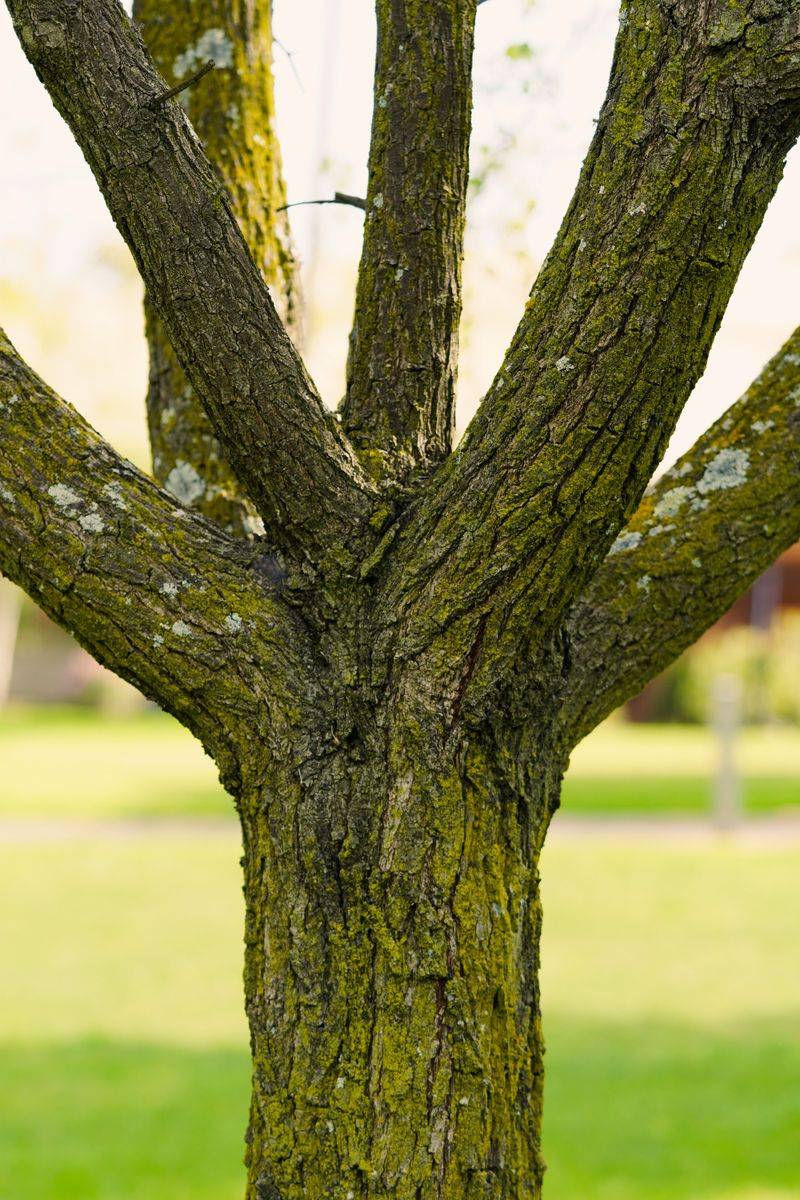
Rotten eggs, garlic, and hot pepper sound like an odd pizza recipe. To a deer, though, that smelly mix screams stay away right now.
Spray repellents work by making your trees smell or taste unpleasant. Many store brands use egg solids, which smell like decay and signal danger to deer.
Coat the trunk from the ground up to about five feet high. Read the label first, since some products are not approved for trees that produce fruit you plan to eat.
Spray lower branches too, since bucks often sweep their antlers through them.
Pick a dry day above freezing, because rain washes fresh spray right off. Most products need several hours to dry and stick to the bark.
Reapply every three to four weeks, or sooner after heavy rain. Deer get used to one smell, so switching brands now and then helps.
Homemade versions are unproven, but some budget-minded gardeners try them in a pinch. Blend two eggs, a cup of water, and a spoonful of hot sauce, then strain.
Wear gloves and old clothes while spraying, since the smell lingers for days. Your dog may find you strangely interesting afterward, so be warned.
Repellents are useful for small yards but less reliable during the peak of rut. Bucks driven by hormones sometimes ignore bad smells and rub anyway.
Pair spraying with guards or cages for the strongest defense. Think of repellents as the alarm system and guards as the locked front door.
Keep a calendar note so you remember each reapplication date. Forgetting just once can give a wandering buck the open invitation he wants.
Store leftover spray in the garage, far from the kitchen. Nobody wants it mistaken for salad dressing.
4. Wrap Young Trunks With Sturdy Tree Guards
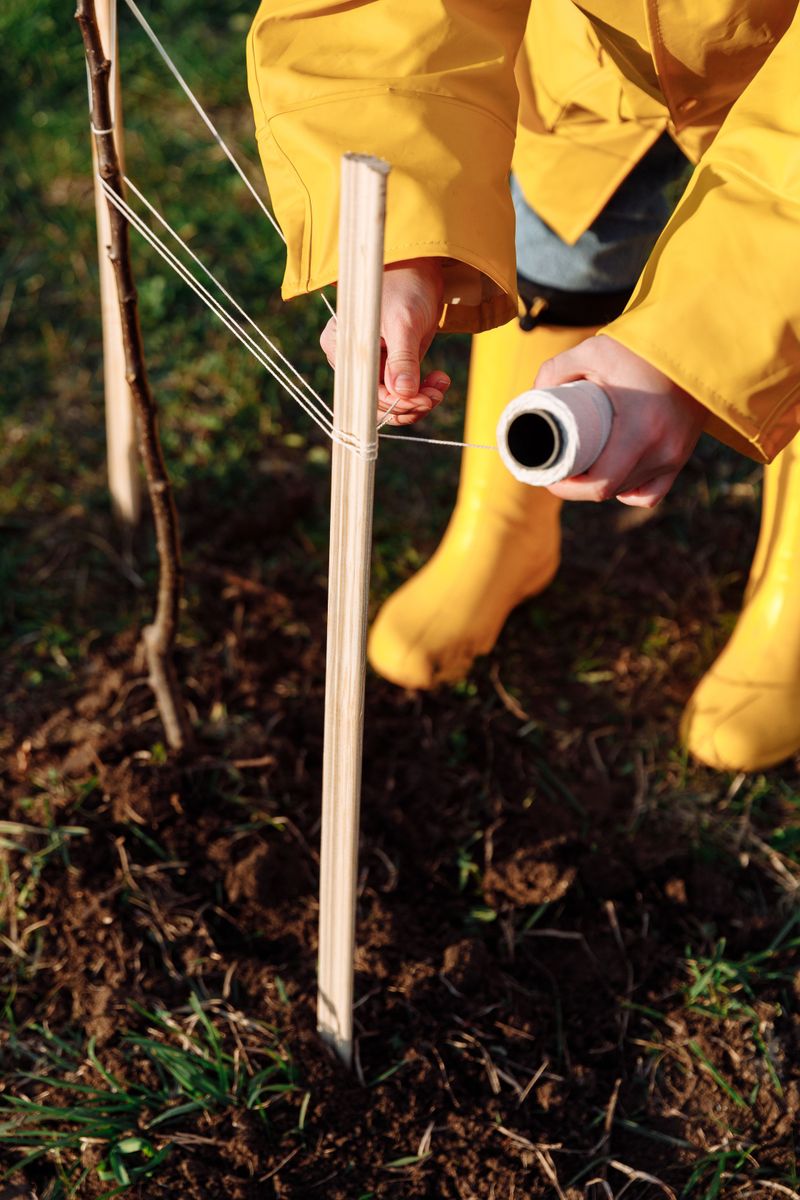
Picture a young maple wearing a raincoat in the middle of the woods. That silly image is close to how a good tree guard works during the fall rut.
Male deer rub their antlers on trunks to mark their presence and signal to other deer. Thin trees between one and four inches wide are their favorite targets.
A plastic spiral guard or a solid tube slips around the trunk and blocks those sharp antlers. Spiral guards are inexpensive, while rigid tubes cost more.
Aim for guards at least four feet tall, since bucks rub from knee height to chest height. Taller guards give extra coverage against bigger bucks in northern counties.
Ideally, put guards on in early September, before rubbing starts. If rubbing has already begun, install them now.
Waiting until you see damage usually means you are a few days late.
If you use a solid tube, leave a little space between the guard and the bark so air can move freely. Trapped moisture can invite mold, insects, and decay under tight wraps.
Check each guard after big storms, because wind and snow can knock them loose. A quick walk around your yard once a week keeps things in shape.
Take guards off in spring once the rut is over and growth picks up. Bark needs sunlight and breathing room to stay strong through summer.
Store guards in a dry shed over summer and reuse them next fall. One good set can protect your saplings for several seasons in a row.
5. Hang Strong-Smelling Soap Bars Near Trunks
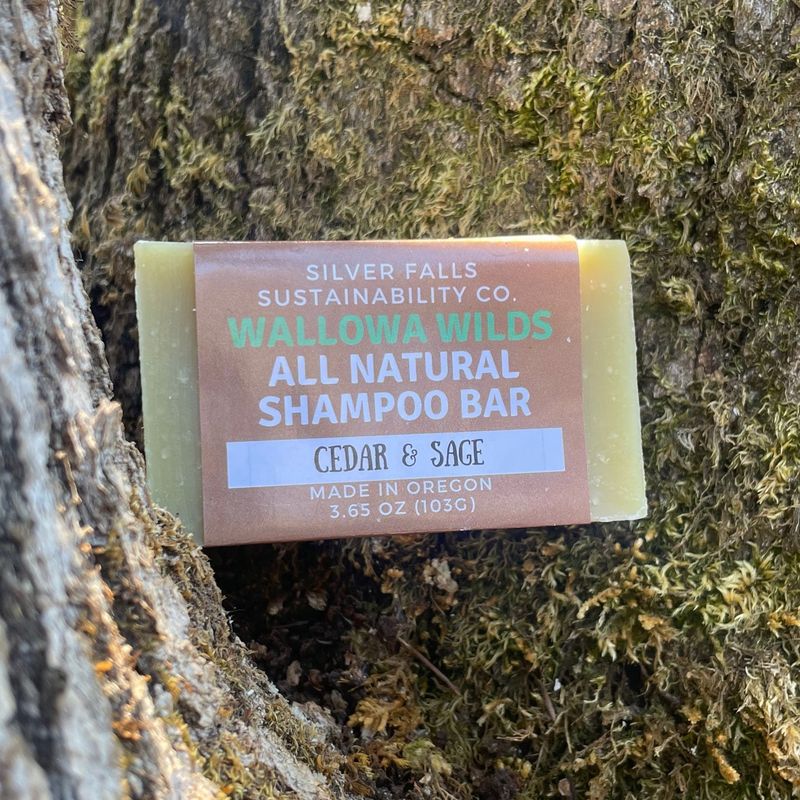
Some old-time farmers in northern Pennsylvania tried a surprising deer trick. They hung bars of strong deodorant soap from their young fruit trees.
Soaps with heavy perfume, like Irish Spring, give off a scent deer seem to dislike. Evidence is mostly anecdotal, so treat soap as a bonus layer.
Leave the wrapper on, but poke a small hole through the center with a drill or nail. Thread twine through the hole and tie it securely.
Hang each bar about three feet off the ground on a lower branch or stake, or higher if dogs roam your yard.
Some gardeners shave soap into mesh bags or old pantyhose instead of hanging whole bars. Shavings release more scent but wear out faster in rain.
Swap in fresh bars every month or so during the fall season. The smell fades over time, especially after a few chilly downpours.
Soap is cheap and easy to find, but keep it out of reach of pets, who may chew it. A multi-pack from the grocery store can cover a whole backyard.
Results can vary from one neighborhood to another, so watch your trees closely. Bucks in busy suburbs may ignore human smells they notice every day.
Use soap as an extra layer rather than your only defense. Combined with a guard, it turns your yard into a place deer would rather skip.
Bonus points go to anyone whose backyard smells like a fresh locker room. Your neighbors may wonder, but your saplings will stay safe.
6. Choose Trees That Deer Browse Less
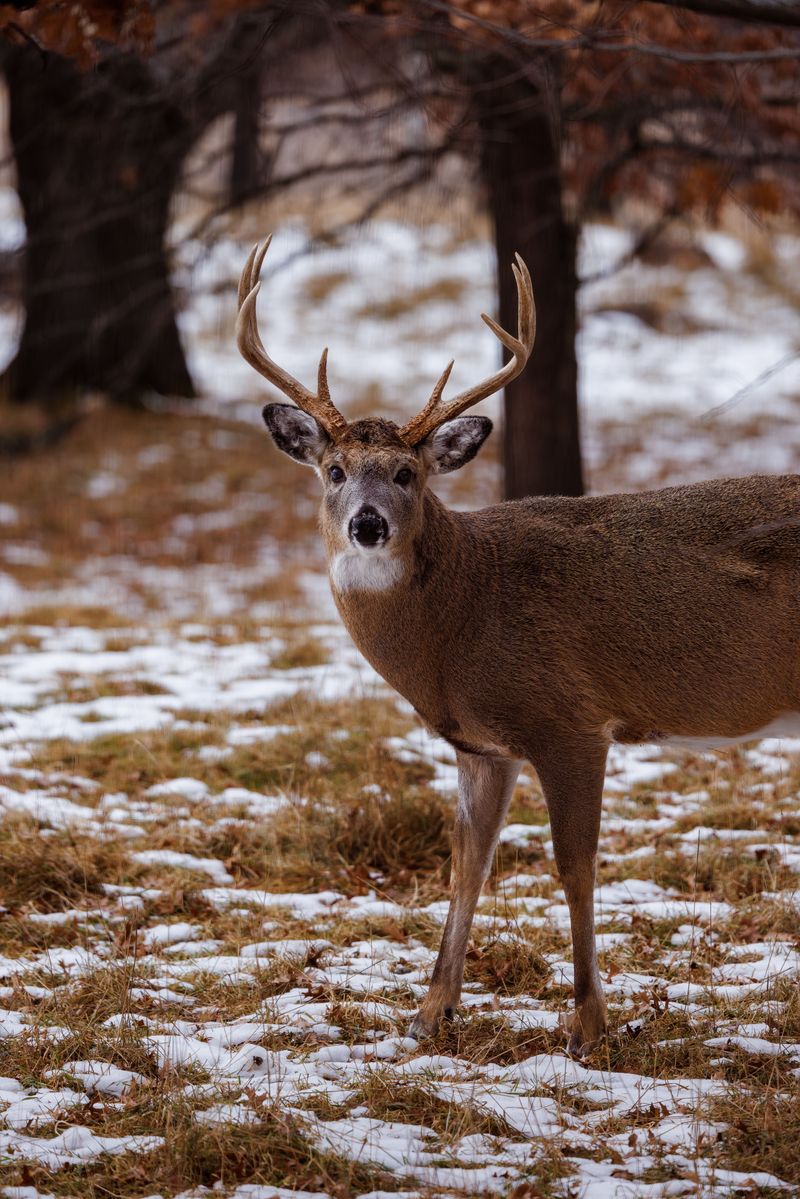
Smart planning can save you plenty of headaches down the road. Some trees simply do not interest bucks the way others do.
Bucks prefer smooth, flexible trunks that bend when they rub. Some species are browsed less, but bucks may still rub thin saplings of nearly any kind.
Good choices for northern Pennsylvania include spruce, river birch, and honey locust. Pawpaw and black walnut also resist browsing, though young trees still need guards.
Plant black walnut away from gardens, since it harms many nearby plants.
Prickly trees like hawthorn can discourage rubbing thanks to their sharp thorns. Just keep them away from play areas where kids run around barefoot.
Location matters as much as species when planting new trees. Bucks like rubbing along wooded edges, fence lines, and quiet trails at dusk.
Placing young trees in open spots near your house can lower the risk. Deer may feel exposed there and often move along, though yard trees can still get rubbed.
Buying larger nursery trees is another approach. Trunks thicker than four inches are rubbed less often, though these trees cost more and are harder to plant.
No tree is fully deer-proof, especially during a hungry winter. Still, a smart mix of species lowers the chances of serious damage.
Talk with staff at a local nursery or your county Penn State Extension office. They know which trees thrive in your specific area.
Planning ahead this way feels like building a team of tough players. Each sturdy tree helps protect the whole yard over time.
Write down where each new tree goes and how it handles fall. Notes help you pick even better species next planting season.
7. Install Motion-Activated Sprinklers And Lights
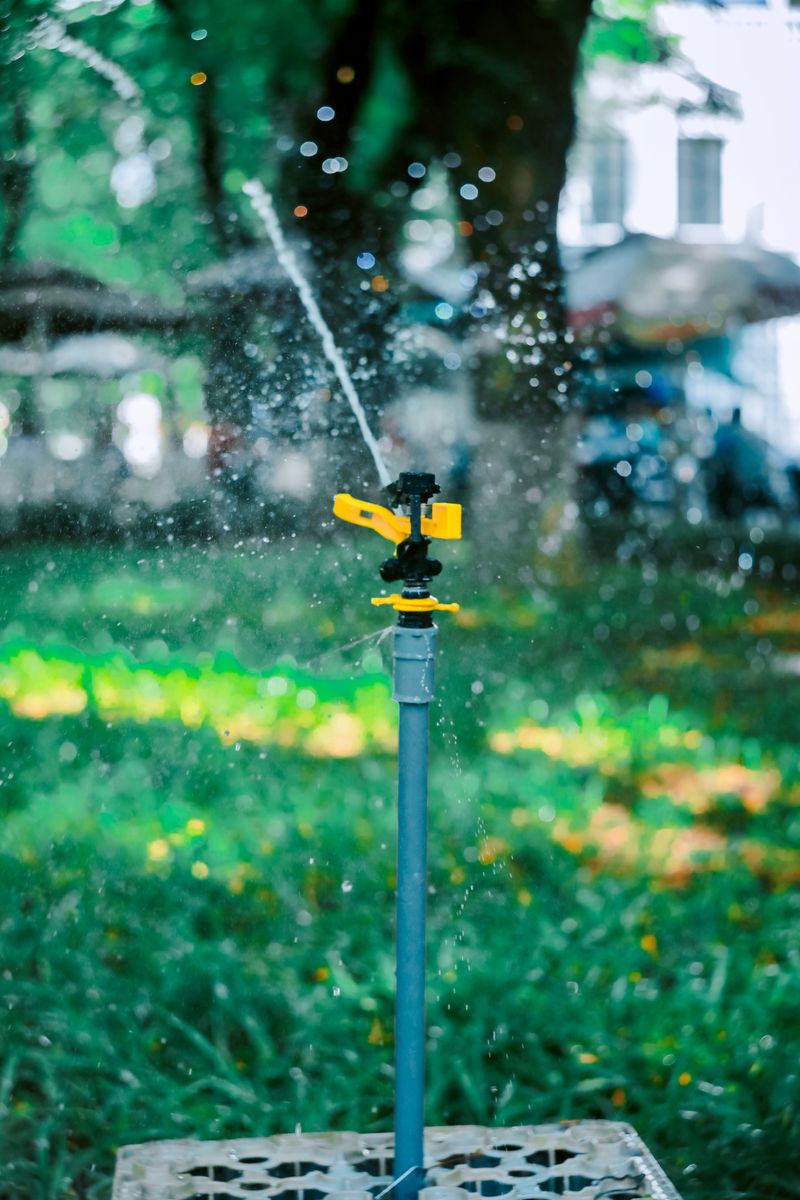
Imagine a deer strolling up to your tree at midnight, ready to scratch. Suddenly, a blast of cold water shoots out of nowhere, and off it bolts.
Motion-activated sprinklers use sensors to spot movement and spray a quick burst. The surprise startles deer without harming them.
Point the sensor toward the trail deer use to reach your trees. Most models cover about thirty to forty feet in a wide arc.
Sprinklers work best before temperatures drop below freezing in late fall. Once hard frost arrives in northern counties, drain and store them, then rely on lights and guards through peak rut.
Motion lights make a great backup when the weather turns icy. A bright flash startles deer and keeps them on edge.
Solar-powered lights are easy to install and need no wiring. Mount them on a post near your youngest trees for best results.
Move sprinklers and lights to new spots every couple of weeks. Deer are clever and learn quickly when something stays in one place.
Some models also give off a sharp sound or flashing pattern. Mixing scares keeps deer guessing and less likely to settle in comfortably.
Warn your family about the sprinkler before anyone takes the dog out at night. Nobody enjoys an icy surprise shower while wearing slippers.
Expect to pay around fifty to eighty dollars for a decent sprinkler. Many families find the peace of mind worth the cost.
Check batteries and sensor lenses every few weeks during the season. Dirt and fallen leaves can block the sensor and weaken your defense.
8. Treat Scraped Bark Quickly After Damage
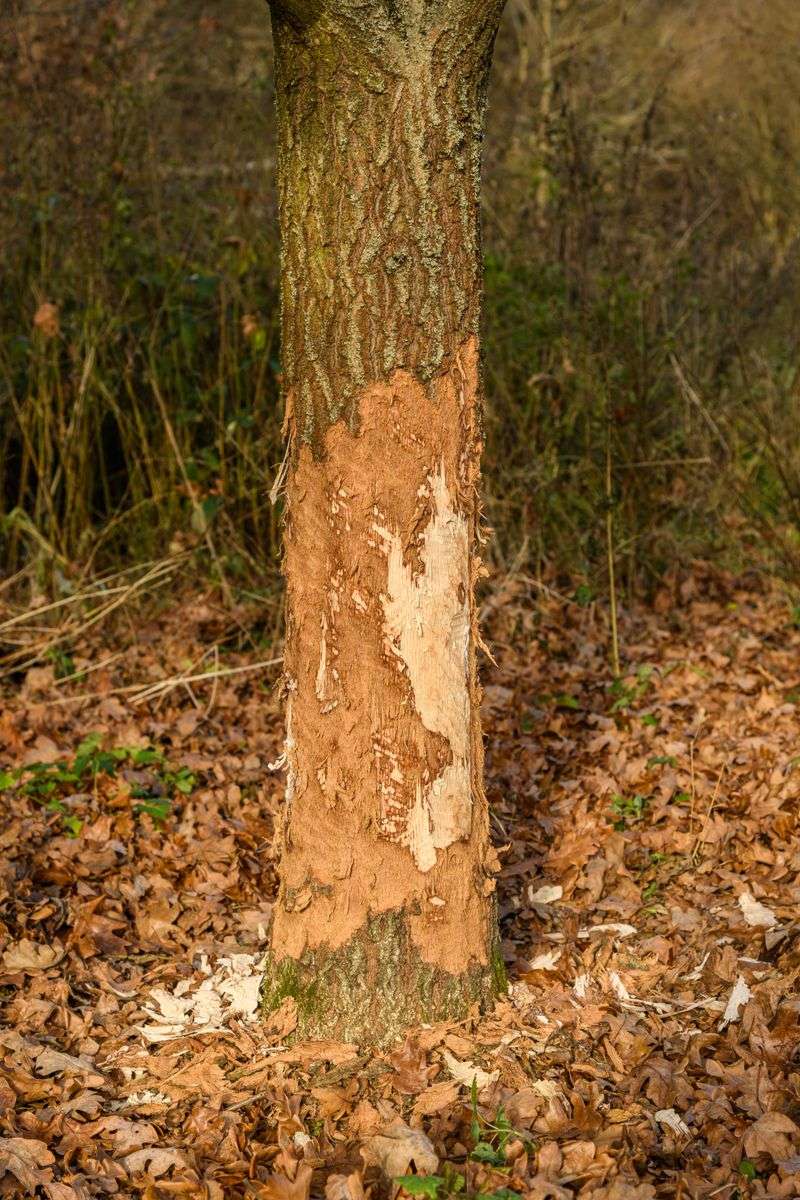
Even careful gardeners wake up to a scraped trunk once in a while. Stay calm, because many young trees recover with a little help.
Start by checking how far around the trunk the damage goes. Trees with less than half their bark scraped often recover on their own.
Use a clean, sharp knife to trim away loose, ragged bark strips. Smooth edges heal faster and give insects fewer hiding spots.
Skip the tar or wound paint, since many tree care guides say it can trap moisture. Trees wall off wounds on their own and heal best when left open to air.
Give the tree a deep drink of water once a week if fall weather stays dry. Healthy roots help a stressed tree build fresh, protective tissue.
Add a protective guard right away so the buck does not visit again. Bucks often visit the same rub spots again and again.
Watch the tree closely next spring when new leaves start to appear. Healthy buds and green growth are a good sign, but keep watching through summer, since injured trees can decline later.
Trees with bark scraped all the way around usually do not recover unless the wound is bridged by grafting. Ask your county Penn State Extension office whether they can advise on bridge grafting, which is done in early spring, or plan a replacement with better protection.
Every scrape teaches you something useful about deer traffic in your yard. Use that knowledge to adjust guards and fences before next autumn.
Snap a photo of each injury and date it in your phone. Comparing pictures next year shows exactly how well your tree healed.