The Reason Illinois Homeowners Spray Vinegar Around Their Yards
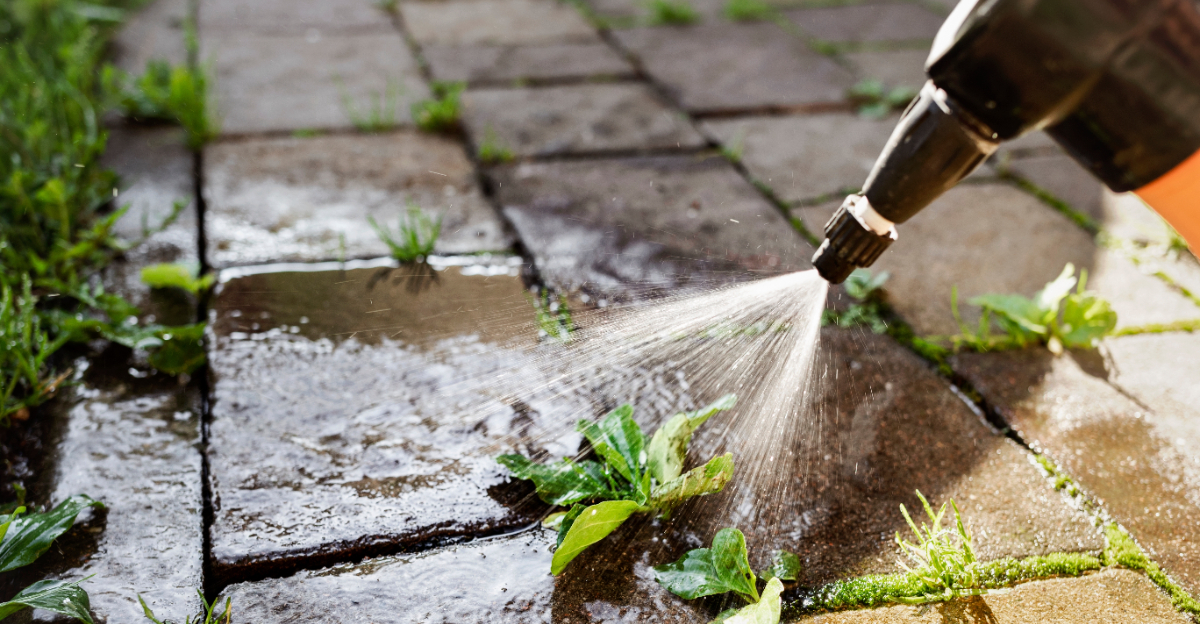
There’s a quiet shift happening in Illinois backyards this summer, and it starts with a faint, sharp scent near the fence line.
Homeowners have traded their usual routine for something already sitting in the kitchen cabinet, skipping the sprayer truck and the protective gear altogether.
Cracked driveways are turning clear, and gardens seem to hold their ground against unwanted visitors with barely any effort. Neighbors keep asking what changed, and the answer catches most of them off guard.
Here’s what’s really happening behind these fences, why the method works so well, and what to consider before trying it at home.
The Household Trick Behind This Common Practice
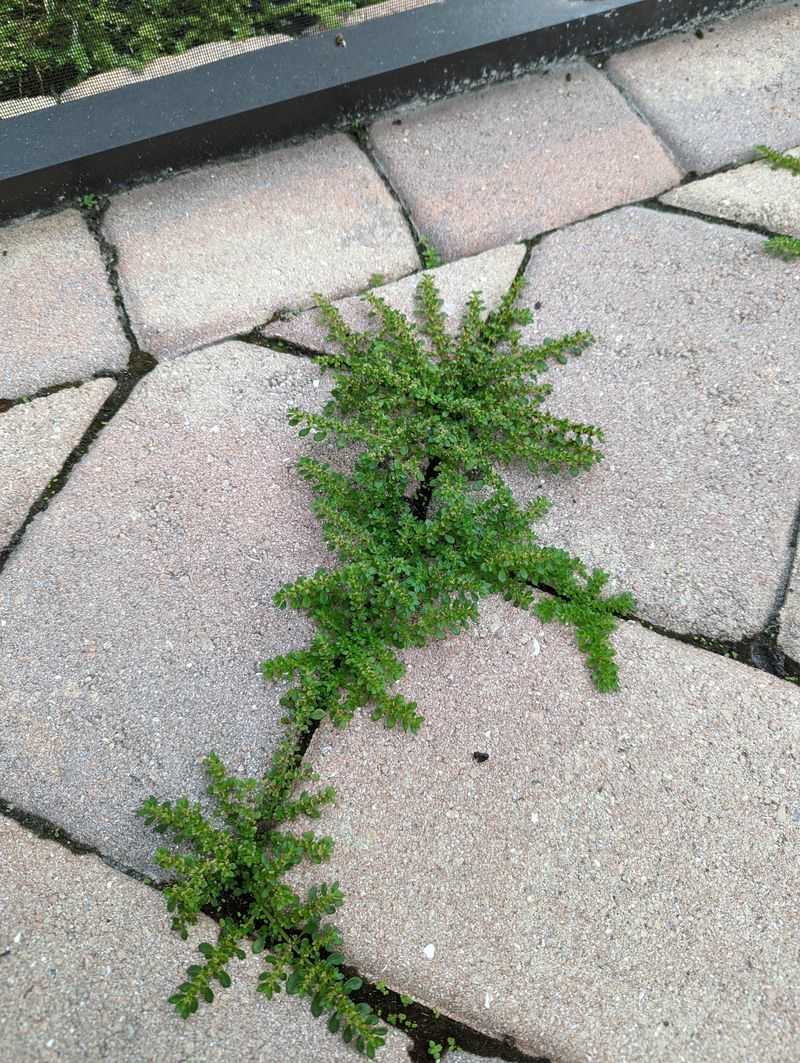
Vinegar has been sitting in kitchen cabinets for generations, but now it is moving outdoors. Illinois homeowners spray vinegar around their yards because acetic acid, the active ingredient, disrupts plant cell membranes on contact.
When sprayed directly on unwanted weeds, the acid pulls moisture out of the leaves fast. The plant dries out and wilts within hours, sometimes sooner on a hot day.
Standard white vinegar from the grocery store contains about five percent acetic acid. Horticultural vinegar, sold at garden centers, contains up to twenty percent and works even faster on stubborn growth.
Beyond weeds, the sharp scent acts as a natural deterrent for certain insects and small animals. Ants, in particular, are believed to lose track of their scent trails when vinegar disrupts the chemical signals they follow.
Cats and some rodents are also thought to avoid areas that carry a strong acidic smell. Homeowners in Illinois have used this trick along fence lines and garden borders to keep unwanted visitors away without harsh chemicals.
There’s also the cost to consider. A gallon of white vinegar is cheap at most stores. That makes it one of the most budget-friendly yard solutions available anywhere.
This isn’t just a passing trend catching on across the state. It’s a practical, low-cost fix rooted in basic chemistry that delivers real results when used correctly.
Types Of Solutions Homeowners Rely On
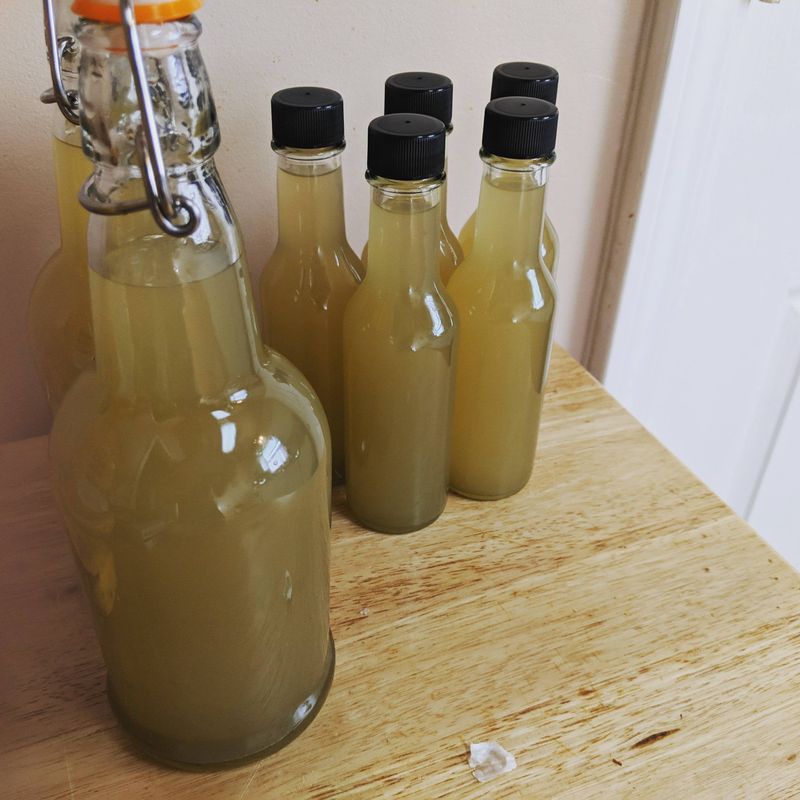
Not every vinegar spray is mixed the same way, and the difference matters. Some homeowners use straight white vinegar from the store, while others build a stronger formula for tougher jobs.
One of the most popular mixtures combines one gallon of white vinegar with one cup of salt and a tablespoon of liquid dish soap. The soap helps the solution stick to leaf surfaces instead of beading off.
Salt draws moisture out of the soil around weed roots, making regrowth harder. When paired with acetic acid, the combination hits the plant from two directions at once.
Horticultural vinegar with twenty percent acetic acid is another option homeowners turn to for thick, deep-rooted weeds. This concentration is much stronger and requires gloves and eye protection during application.
Some people prefer a gentler mix for areas near flower beds or vegetable gardens. A diluted solution of one part vinegar to three parts water reduces the risk of accidentally harming nearby plants.
Your Illinois Garden Changes Every Week. Your Plan Should Too.
Gardening in Illinois changes quickly throughout the season. Every Friday you’ll receive a simple weekly plan showing exactly what to plant, prune, fertilize, harvest, and protect so you never miss the right timing.
Apple cider vinegar is sometimes used as well, though it is generally treated as a milder option for pest control. It works better as a pest deterrent than a weed treatment because of its milder concentration.
Choosing the right solution depends on the job at hand. Matching the strength of the mix to the specific problem makes the whole process more effective and less wasteful in the long run.
Areas Of The Yard Where It Works Best
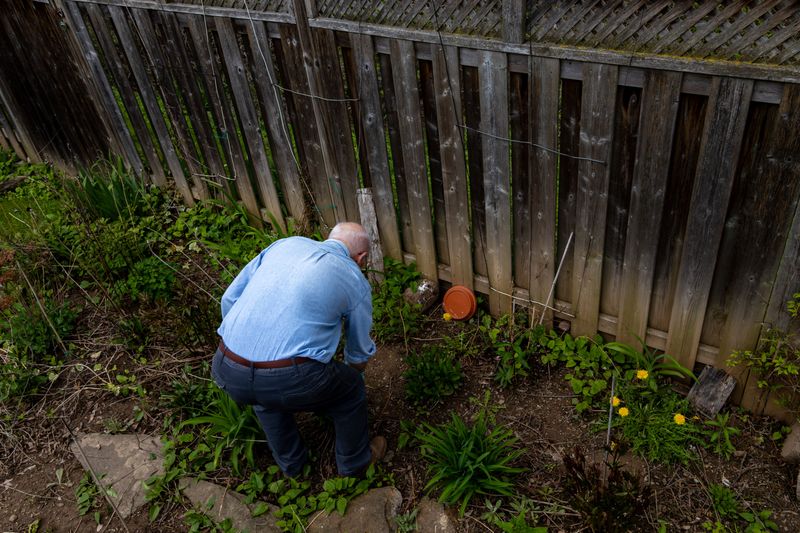
Vinegar does not perform equally in every corner of the yard. Knowing where to apply it makes the difference between a clean result and a frustrating waste of effort.
Driveway cracks are one of the best places to use a vinegar spray. Weeds that push through concrete or asphalt have shallow roots, and a direct spray takes them out quickly.
Fence lines are another prime target. Grass and weeds that creep along the base of a fence are tough to reach with a mower, making a spray solution the easiest fix available.
Patio edges and walkway borders respond well too. These are high-visibility areas where weeds look especially messy, and vinegar keeps them clear without the need for digging or pulling.
Garden borders benefit from a light application to deter pests and keep grass from encroaching. A careful spray along the outer edge creates a natural barrier that slows unwanted spreading.
For pest control, spraying around the perimeter of the home works well. Ants and other insects tend to enter through ground-level gaps, and a vinegar barrier near the foundation discourages them from crossing.
Avoid spraying directly on lawn grass or near the roots of trees and shrubs. Careful placement makes all the difference when working with an acidic solution outdoors.
Precautions To Take Before Applying It Outdoors
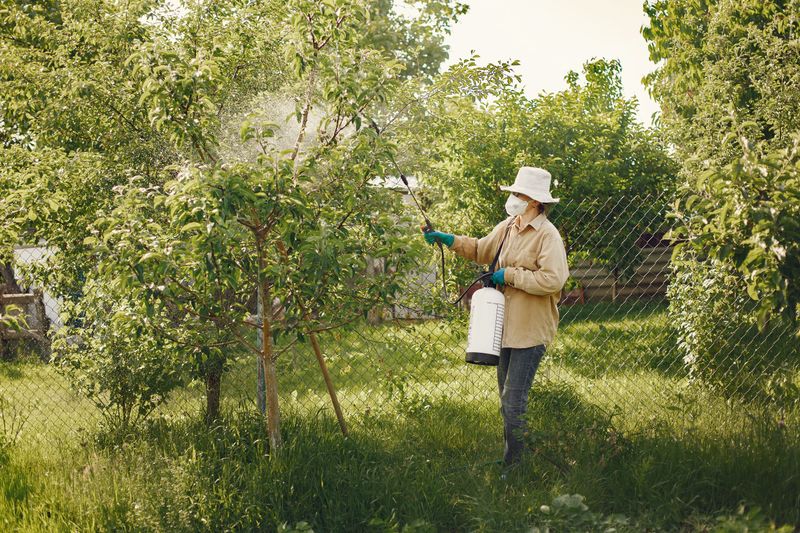
Reaching for a spray bottle and going to town on the yard sounds simple, but a few precautions make the process safer and more effective. Skipping these steps can lead to unintended damage or wasted product.
Check the weather forecast before applying any vinegar solution. Rain within twenty-four hours will wash the spray away before it has time to work on target plants.
Wind is another concern worth taking seriously. Spray drift can carry the solution onto flowers, vegetables, or lawn grass you want to keep, causing damage you did not plan for.
Wear gloves when mixing or applying horticultural vinegar. The higher concentration can irritate skin and cause a burning sensation on contact, especially around cuts or sensitive areas.
Eye protection is a smart call as well, particularly on windy days. A stray mist of concentrated acetic acid near the eyes is uncomfortable at best and harmful at worst.
Keep pets and children away from treated areas until the spray dries completely. Once dry, the solution is generally safe, but wet surfaces can transfer residue to paws or hands.
Test a small area before committing to a large application. Soil chemistry varies across different parts of a yard, and seeing how a section responds first helps avoid surprises on a bigger scale.
A little preparation goes a long way toward making this natural approach work safely and efficiently every single time you use it.
Plants And Surfaces It Can Harm
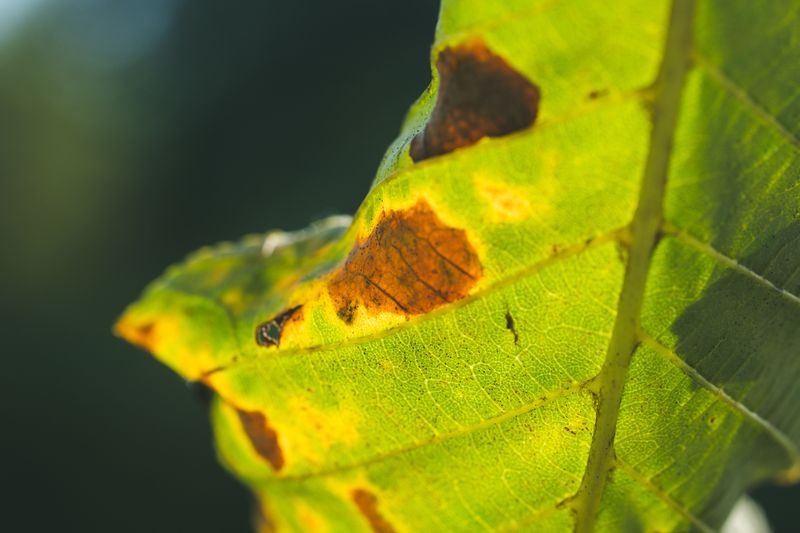
Vinegar is not picky about which plants it damages. That sharp acidity works fast, and it does not distinguish between a weed and a prized rose bush if you are not careful with your aim.
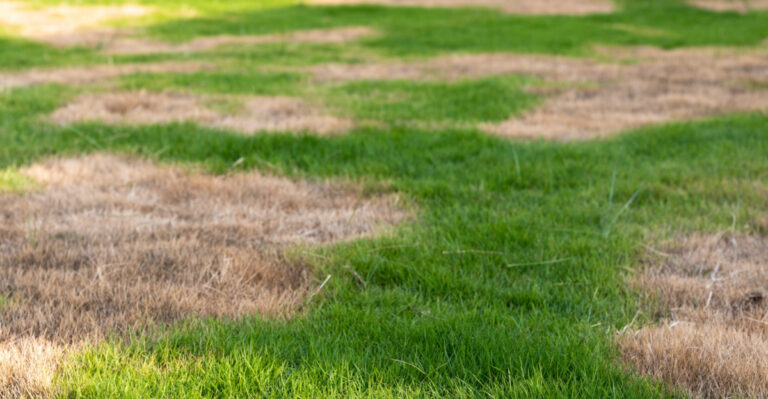
Grass is one of the most common victims of accidental vinegar application. Even a light overspray on lawn areas can leave brown patches that take weeks to recover from.
Vegetable gardens are especially vulnerable. Tomatoes, peppers, and leafy greens are sensitive to acidic contact and can show damage within hours of exposure to even a diluted solution.
Flowering perennials like hostas and coneflowers are also at risk. These plants have shallow root systems and thin leaves that absorb the acidity quickly when sprayed nearby.
Beyond plants, certain outdoor surfaces can also be affected. Natural stone pavers, concrete, and grout can be etched over time with repeated exposure to acidic solutions.
Metal tools or furniture left in treated areas may experience surface corrosion if vinegar pools on them. A quick rinse of any metal nearby after spraying prevents long-term wear.
Soil health is another consideration. Repeated heavy applications can lower the pH of soil significantly, making it harder for desirable plants to absorb nutrients from the ground.
Moderation and precision protect everything you want to keep. Understanding what vinegar can harm is just as important as knowing what it helps control in your outdoor space.
Alternative Natural Solutions Worth Considering
Vinegar is a solid option, but it is not the only natural tool available to homeowners who want to avoid synthetic chemicals. A few other solutions are worth keeping in your outdoor toolkit.
Neem oil is one of the most effective natural alternatives on the market. It targets soft-bodied insects like aphids and whiteflies without harming beneficial bugs like bees when applied correctly.
Boiling water works surprisingly well on weeds growing through pavement cracks. Pouring it directly onto the base of the plant destroys the root instantly without leaving any chemical residue behind.
Corn gluten meal is a pre-emergent option that prevents weed seeds from germinating. Spreading it in early spring stops many common weeds before they even get started for the season.
Citrus-based sprays made from orange or lemon peel extract are often used to repel ants and other crawling insects. The strong scent disrupts their navigation and discourages them from setting up colonies nearby.
Cloves and clove oil contain eugenol, a natural compound that acts as an herbicide. Spraying a diluted clove oil mixture on young weeds can produce results similar to commercial products.
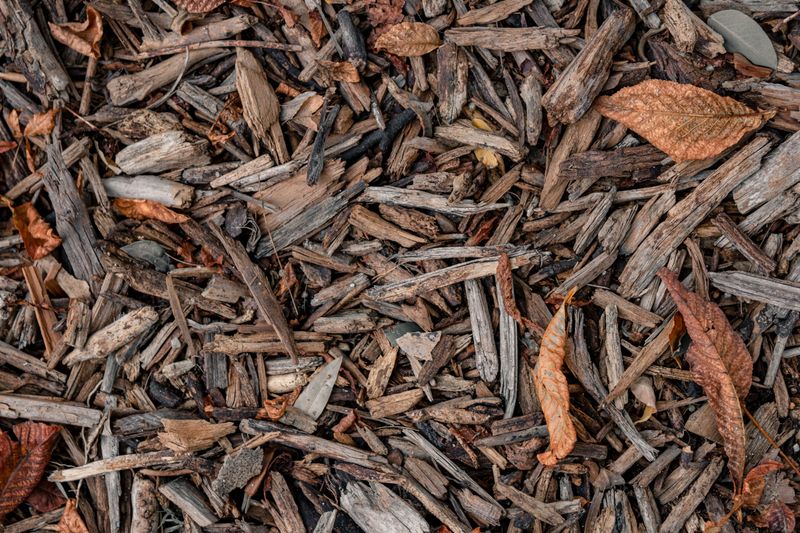
Mulching is one of the simplest and most overlooked alternatives. A thick layer of wood chips or straw blocks sunlight from reaching weed seeds and retains soil moisture at the same time.
Effectiveness is the main draw, but pairing it with these alternatives builds a well-rounded, natural approach to yard care all season long.