The Reason Javelina Keep Returning To The Same Arizona Yards
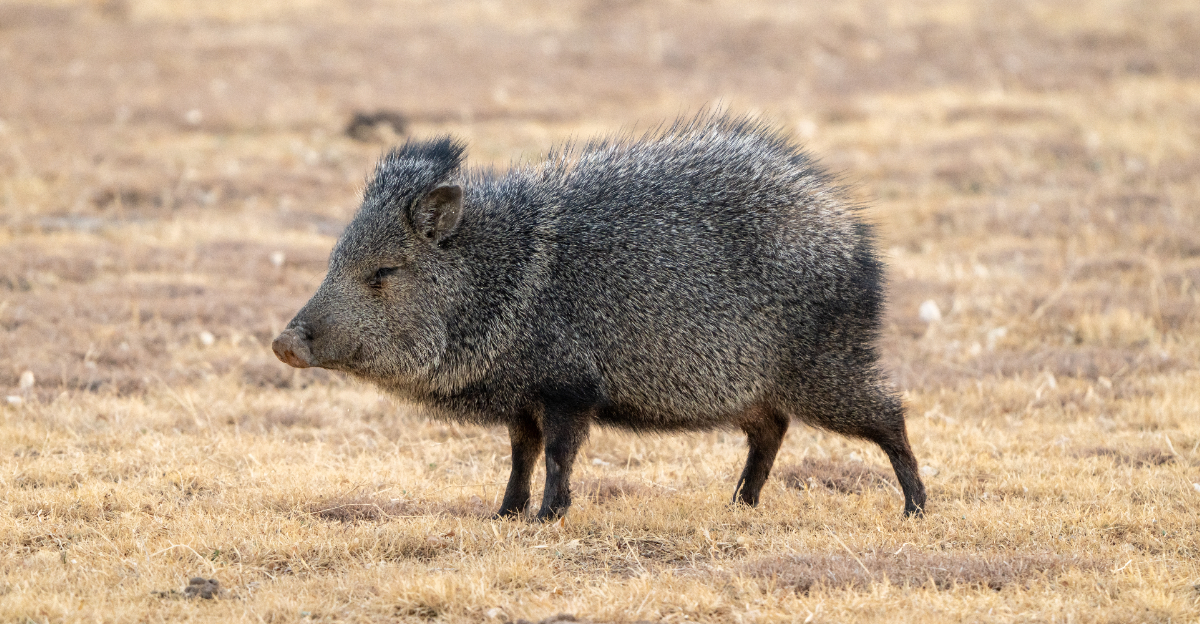
You chase them away one night, then they show up again a few days later. Sound familiar?
Javelina rarely wander without a reason. When the same yard keeps meeting their needs, they’ll often return instead of searching for a new place to visit.
If you’ve noticed repeated visits, don’t assume it’s just bad luck. Arizona yards can quietly provide everything javelina are looking for.
Easy access to water, fallen fruit, tender new plants, or even a sheltered spot can be enough to keep them coming back.
The good news is that small changes often make a big difference. Once you understand what keeps attracting javelina, it’s much easier to make your yard less inviting.
That’s the real reason some properties see them again and again while nearby yards are left alone
1. Easy Food Sources Keep Javelina Coming Back
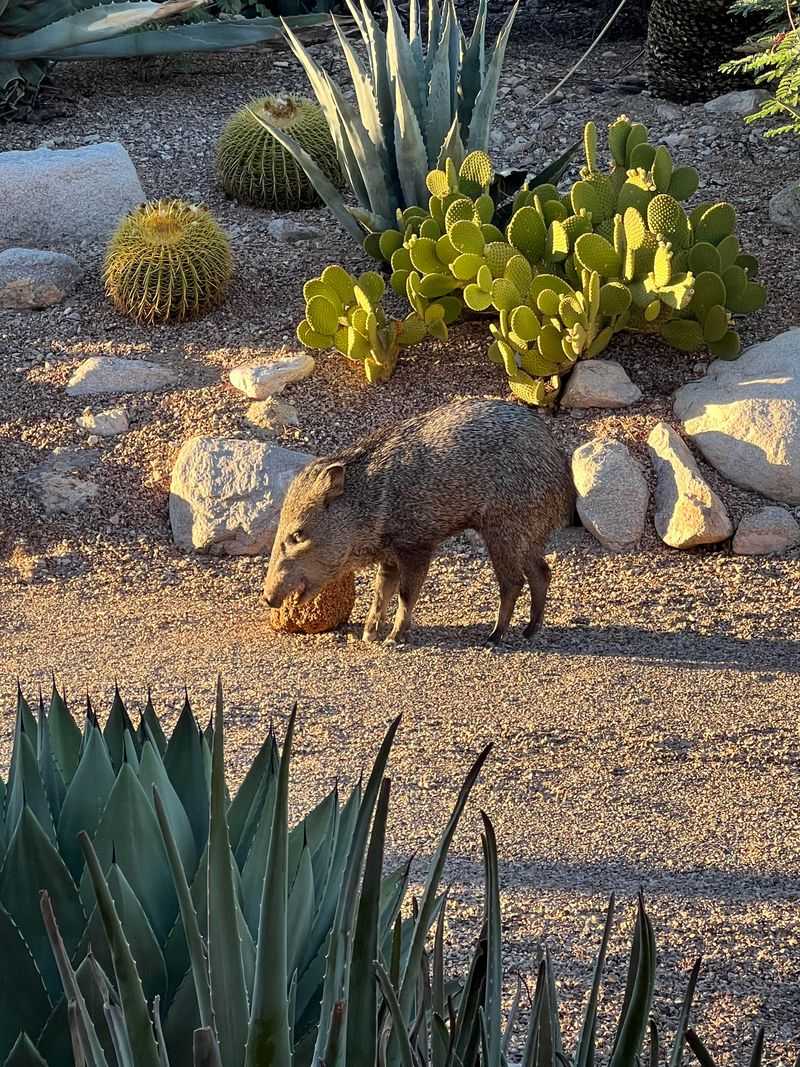
Javelina have a memory that most people underestimate.
Once they find food in a yard, they map that location and return regularly, sometimes bringing the whole herd along.
Prickly pear cactus is a favorite, but they will eat roots, bulbs, and low-growing plants too.
If your landscaping includes any of these, it may already be acting like a buffet sign.
Native desert plants are not always safe from their foraging habits. Javelina root through soil looking for tubers and rhizomes, which can uproot even well-established plants.
Bird feeders that drop seeds onto the ground create a reliable snack zone. Scattered seed is easy pickings, and javelina will return to that spot as long as the seed keeps falling.
Compost bins that are not properly sealed give off strong food odors. Javelina rely heavily on smell, and an open or loosely covered bin can pull them in from a surprising distance.
Outdoor grills with leftover grease or food residue are another draw. Even a grill that looks clean to you can smell like a meal to a javelina.
Cutting off easy food access is the most reliable way to reduce visits. Without a consistent reward, javelina tend to shift their foraging route elsewhere over time.
2. Pet Food And Bird Seed Attract Hungry Visitors
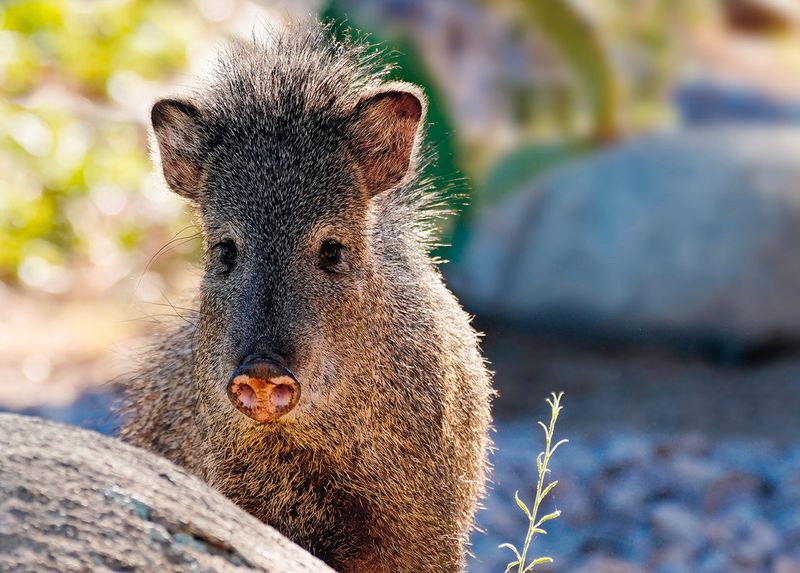
Leaving pet food outside is one of the fastest ways to turn your yard into a javelina hotspot. Dog bowls left out after sunset are especially risky since javelina are most active at night and in the early morning hours.
Even a small amount of kibble can trigger a return visit. Javelina are opportunistic eaters, and they will revisit any spot where food was available before.
Bird feeders are another common culprit. Seeds that fall from hanging feeders collect on the ground, creating a ground-level snack that javelina find hard to pass up.
Switching to tube-style feeders with catch trays can help reduce seed scatter. Cleaning up fallen seed each evening before dark also removes the overnight temptation.
Cat food left on a porch or near a pet door is especially problematic. Cats often leave food behind, and that smell carries further than most people realize.
Your Arizona Garden Changes Every Week. Your Plan Should Too.
Gardening in Arizona changes quickly throughout the season. Every Friday you’ll receive a simple weekly plan showing exactly what to plant, prune, fertilize, harvest, and protect so you never miss the right timing.
Bringing pet bowls inside before sunset is a simple but effective habit. It removes the food source and reduces the scent signals that guide javelina toward your home.
If your yard has been visited repeatedly, check whether pet food or bird seed is part of the pattern.
Addressing those two sources alone can significantly reduce how often javelina show up at your door.
3. Fallen Fruit Can Encourage Repeat Visits
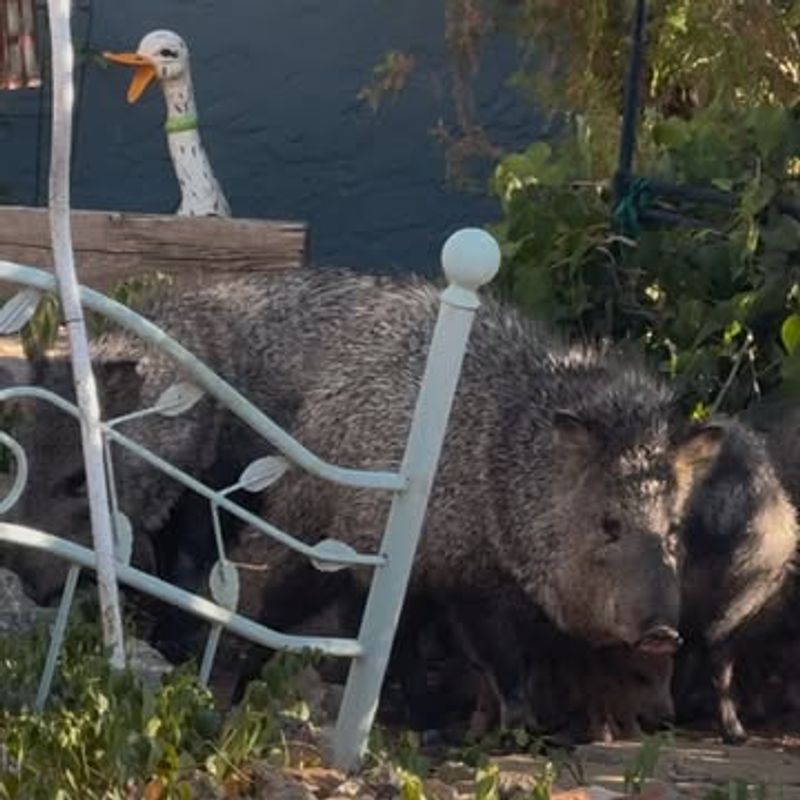
Fruit trees are a major reason javelina keep circling back to the same yards. Oranges, lemons, grapefruits, and figs that drop to the ground release a sweet smell that travels far in warm desert air.
Javelina do not need to see the fruit to find it. Their sense of smell does the work, guiding them straight to the base of the tree.
Once a javelina learns that a certain yard produces fallen fruit on a regular basis, that location gets locked into its routine. The herd may return every few days to check what has dropped.
Picking up fallen fruit promptly is one of the most effective things you can do. Try to collect it daily during peak ripening season, especially in late summer and fall.
If you have a tree that drops heavily, consider harvesting before fruit fully ripens to reduce ground accumulation. Fewer rotting fruits on the ground means fewer odors to attract wildlife.
Placing fallen fruit in a sealed bag before putting it in the trash also helps.
Loose fruit in an open bin still gives off scent and creates the same problem.
Yards with multiple fruit trees may need extra attention during harvest season.
Staying on top of cleanup is not complicated, but it does require consistency to break the pattern of repeat visits.
4. Secure Trash Before Sunset
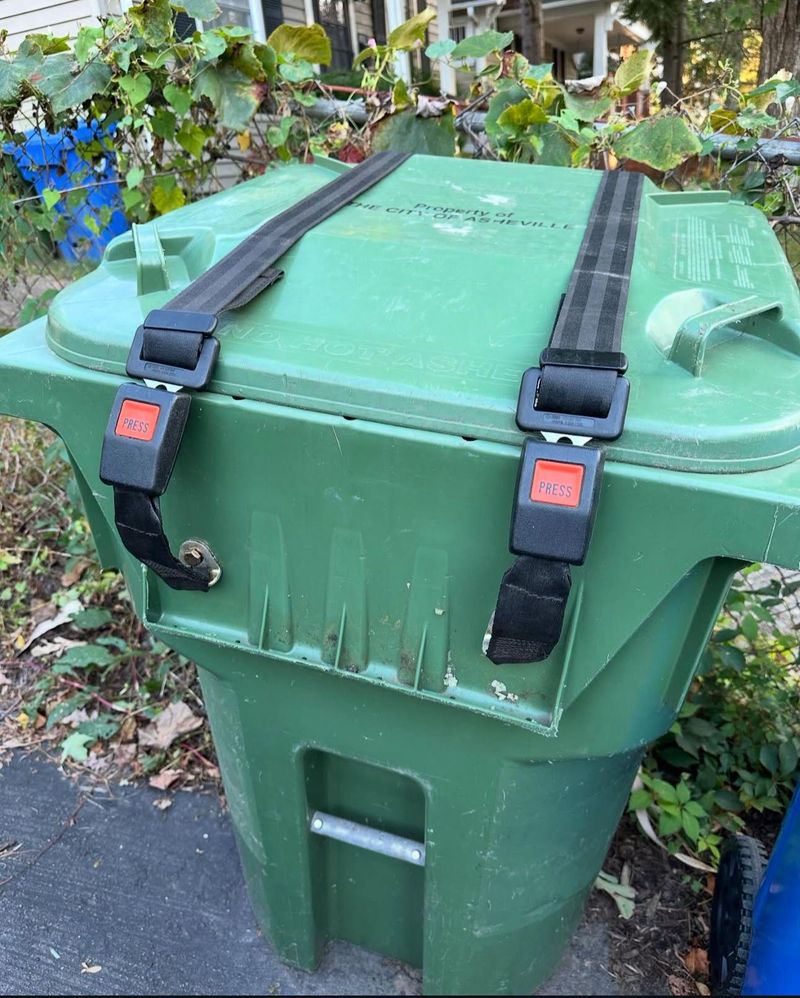
Trash cans are one of the most overlooked javelina attractants in desert neighborhoods.
Food waste inside a standard bin gives off powerful odors, and javelina can detect those smells from a considerable distance.
Standard lids without locks are easy for javelina to knock over or nudge open. Once they get into a bin, they remember that location as a reliable food source.
Switching to cans with locking or weighted lids is a practical fix. Several wildlife-resistant trash can models are available and designed specifically for areas where animals like javelina are common.
Bringing trash cans into a garage or enclosed area overnight is even more effective. Removing the source entirely is stronger than relying on a lid to hold up.
Rinsing food containers before tossing them reduces odor buildup inside the bin. Less smell means fewer signals reaching animals on the move after dark.
Setting trash out only on the morning of pickup rather than the night before can also reduce encounters. Overnight hours are when javelina are most active and most likely to investigate.
In communities across the Sonoran Desert, trash management is a well-known part of living alongside wildlife.
Taking a few extra steps each week makes a real difference in keeping javelina from building a habit around your home.
5. Harvest Fruits And Vegetables Promptly
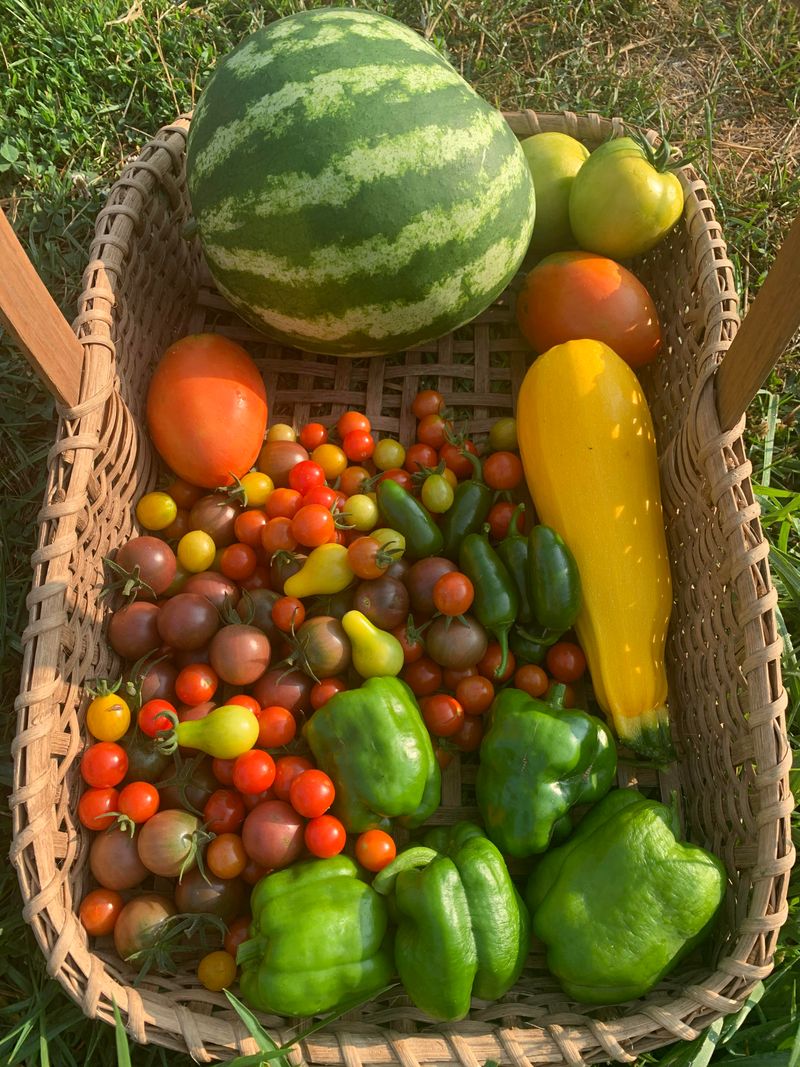
Gardens loaded with ripe produce are incredibly attractive to javelina.
Tomatoes, squash, peppers, and melons all carry strong scents when fully ripe, and those smells act like an open invitation.
Waiting too long to harvest gives javelina time to find your garden before you do. Once they get a taste, they will return looking for more.
Checking your garden daily during peak growing season helps you stay ahead of the problem. Picking produce as soon as it ripens removes the scent source and protects your harvest.
Raised garden beds do not automatically keep javelina out.
They can reach into beds that are not tall enough, and determined animals will root around the base of a garden structure.
Adding a sturdy fence around your vegetable garden gives you a much stronger layer of protection. Chain-link or hardware cloth with a bottom edge buried in the soil works better than light garden netting.
Leaving overripe or split vegetables on the vine is a common mistake. Damaged produce releases stronger odors and is easier for animals to detect from a distance.
Staying consistent with your harvest schedule through the growing season is genuinely worth the effort.
Javelina tend to redirect their foraging when a food source stops being reliable, so removing the reward is one of the more practical long-term approaches available to gardeners in the region.
6. Choose Fencing Designed To Deter Javelina
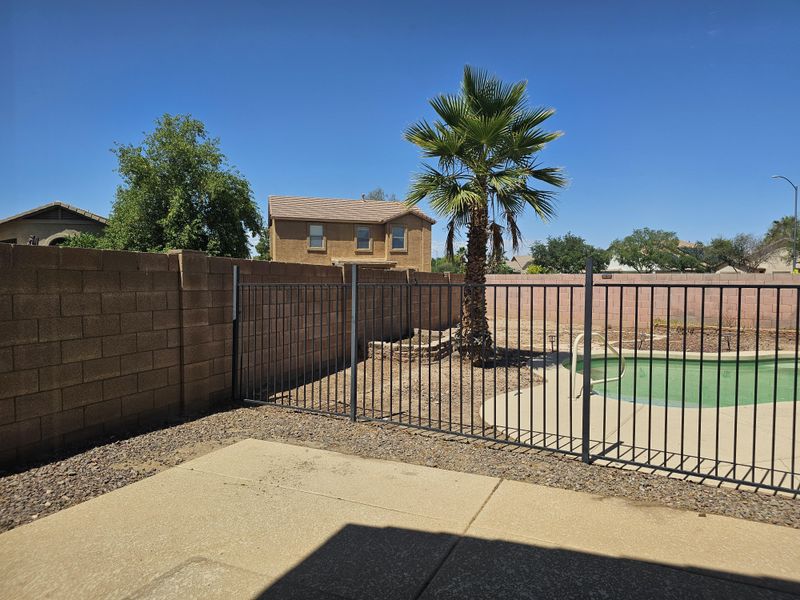
Not all fences are built to stop javelina. Decorative block walls with gaps at the base, open rail fencing, and lightweight garden borders offer little real resistance to a determined herd.
Javelina are surprisingly strong for their size. They can push through loose fencing and squeeze under gaps that look too small to matter.
Solid block walls that reach the ground without gaps are among the most effective options. Gaps smaller than four inches at the base help prevent young javelina from slipping through.
Pipe fencing with vertical bars spaced closely together also works well when installed correctly.
Spacing bars no more than four inches apart and anchoring the bottom near the soil line makes a real difference.
Electric fencing is used in some rural and semi-rural Arizona properties near wildlife corridors. It is more of a specialized solution and may not be practical or permitted in every neighborhood.
Temporary fencing made of hardware cloth can protect specific areas like garden beds or young trees. It is not a full yard solution, but it shields the most vulnerable spots effectively.
Before installing any fence, check local codes and HOA rules if they apply.
Some communities have specific guidelines about fence height and materials that you will need to follow.
7. Avoid Feeding Wildlife Near Your Home
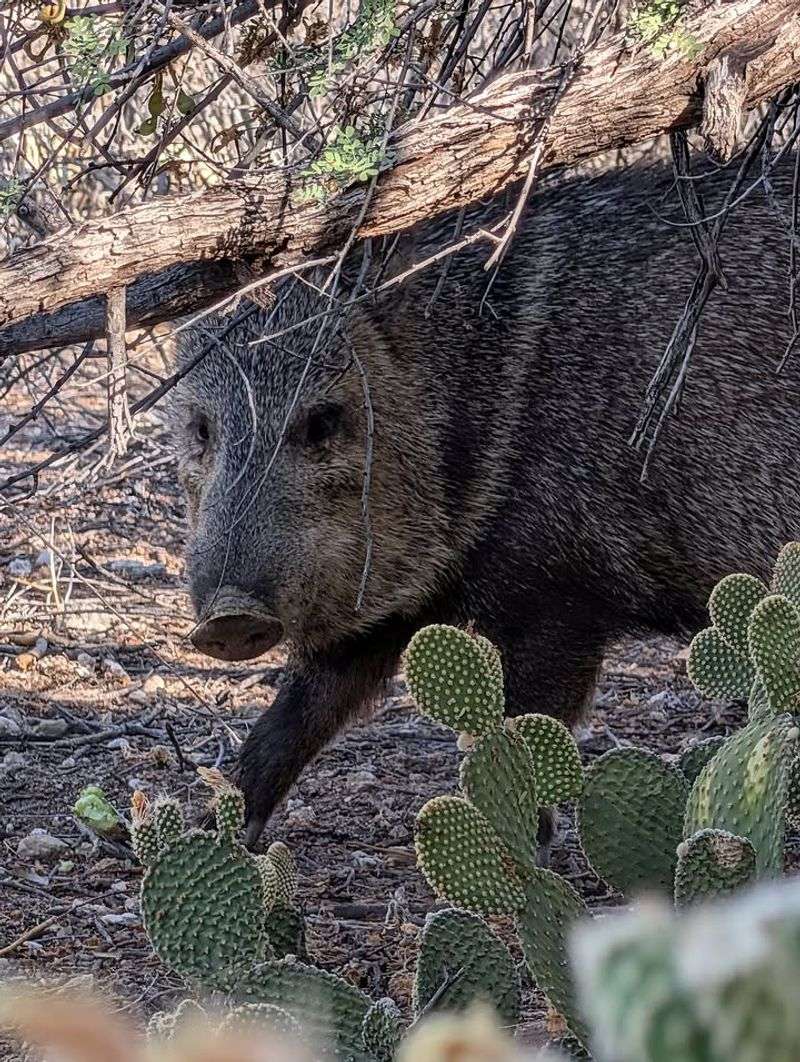
Intentionally feeding javelina is one of the most common reasons herds become comfortable in residential yards. What starts as a curious encounter can quickly turn into a daily habit on their part.
Javelina that associate humans with food lose their natural wariness.
Over time, they may approach people more closely, which creates safety concerns for both the animals and the residents.
Some neighbors feed javelina without realizing others nearby are dealing with the consequences.
A fed herd does not stay in one yard. It roams the surrounding area and may become bolder across the block.
Wildlife agencies in Arizona consistently advise against feeding any wild animals near homes. Feeding disrupts natural foraging behavior and can lead to increased human-wildlife conflict over time.
Even well-meaning feeding, like leaving out water during a heat wave, can reinforce a pattern of returning to your yard. Water is a powerful attractant in dry desert conditions, especially in summer.
If you want to support local wildlife, consider native plantings that provide food and habitat naturally. That approach benefits wildlife without creating a dependency on human-provided resources.
Breaking a feeding habit once it starts takes patience. Javelina may continue returning for weeks after the food source is removed.