The Reason Kudzu Bugs Are Covering Georgia Homes Right Now
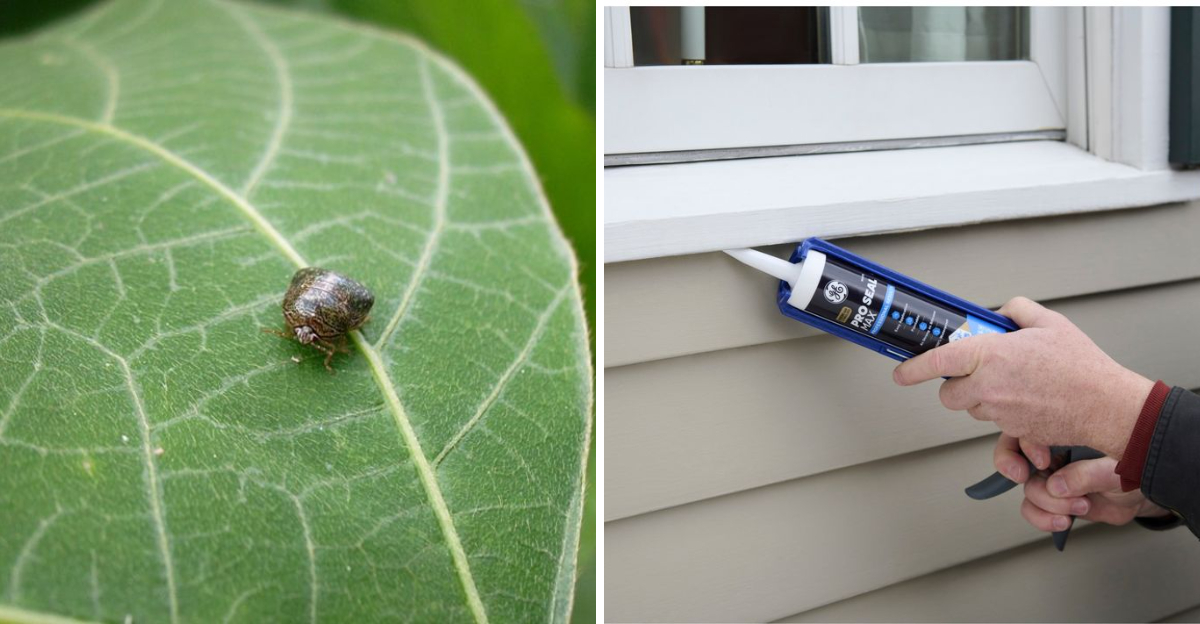
Tiny brown insects gathering on siding can make any homeowner wonder what suddenly changed. When kudzu bugs appear in noticeable numbers, there is usually a seasonal reason.
These insects spend much of the warmer season around their preferred host plants. As conditions begin shifting in Georgia, their behavior can change in ways that bring them closer to buildings.
That movement can make walls, windows, and other sunny surfaces unexpectedly busy. The sudden appearance may seem alarming, especially when dozens show up together.
Before treating every cluster you notice, understand what is drawing them toward your home. Their timing offers an important clue about what they are seeking.
Knowing that reason makes their sudden arrival much less mysterious.
It also helps you respond wisely when these unwanted visitors begin gathering around the exterior.
1. Fall Triggers Kudzu Bugs To Start Moving
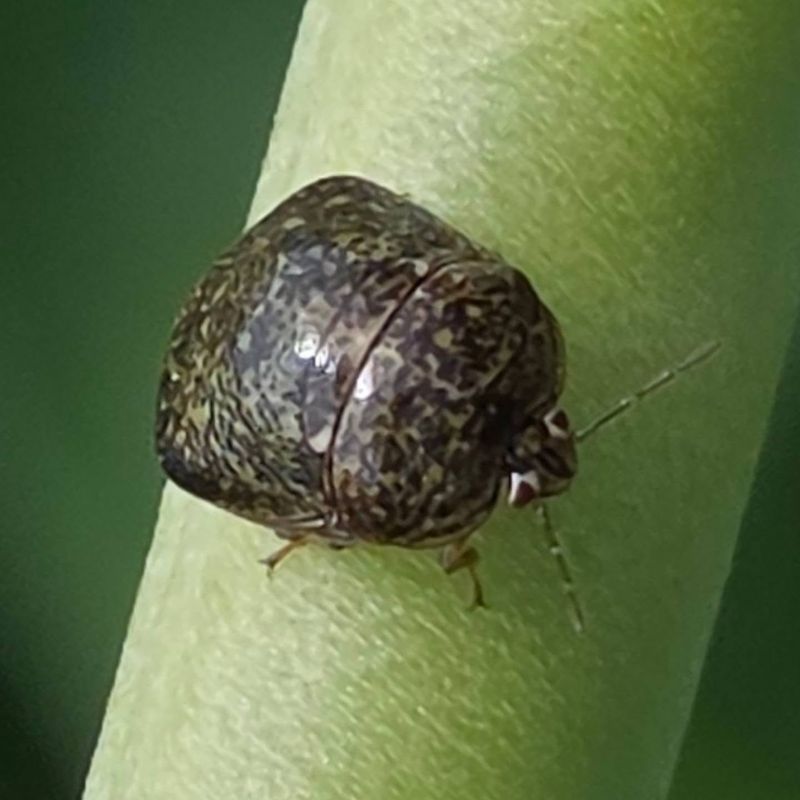
Something shifts in early fall that sends kudzu bugs into motion across the Southeast. As soon as daylight hours get shorter and temperatures begin to drop, these insects respond fast.
Their bodies are wired to detect seasonal changes, and they act on those signals almost immediately.
Kudzu bugs spend spring and summer feeding on kudzu vines and soybean plants. By late September, those food sources start to dry out and lose nutritional value.
That triggers the bugs to shift their focus from eating to surviving.
Surviving winter means finding a warm, protected spot before cold weather sets in. Homes become a natural target because they absorb heat and offer shelter.
South-facing and west-facing walls tend to collect the most warmth, making them especially attractive landing zones.
Bugs gather on warm surfaces to soak up heat before temperatures drop overnight. You might see dozens on your siding in the afternoon and fewer in the morning.
That pattern repeats daily as fall progresses.
Seasonal movement like this is completely normal for kudzu bugs. It does not mean your home has a pest problem indoors yet.
But it does mean now is the time to pay attention and start preparing before the situation changes.
2. Adult Bugs Begin Searching For Winter Shelter
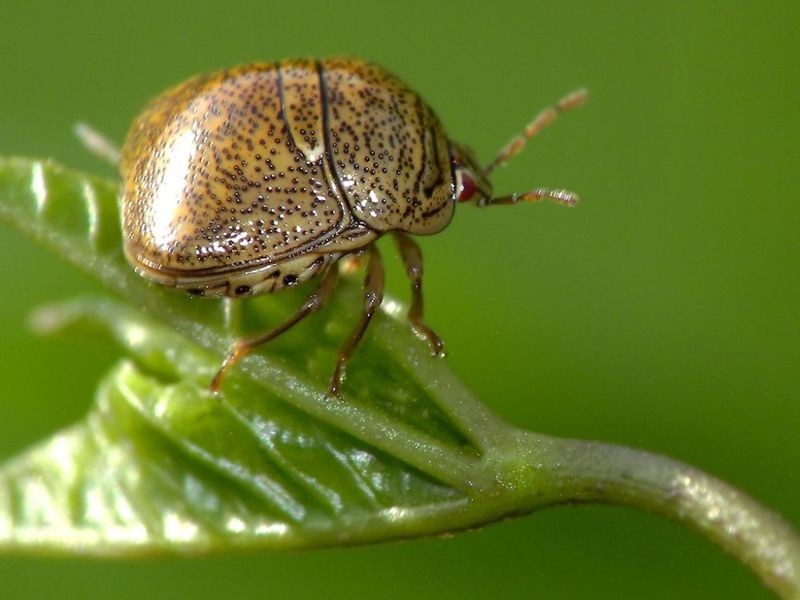
Adult kudzu bugs have one goal once fall arrives: find somewhere safe to wait out the cold. Unlike some insects that lay eggs and fade away, adult kudzu bugs overwinter as living insects.
That means they need real shelter, not just a surface to rest on.
Walls and siding give them a place to warm up, but they eventually want something more protected. Gaps around windows, cracks in trim, and openings near rooflines become entry points they actively probe.
Even tiny spaces can fit dozens of these small bugs.
Once inside a wall void or attic space, they enter a low-activity state similar to hibernation. Their metabolism slows down significantly, and they cluster together in groups.
This helps them conserve energy through the coldest months.
Overwintering bugs are not feeding or breeding indoors. They are simply waiting.
Most will try to exit again in spring when warmth returns. However, some may wander deeper into living spaces by accident, especially on warm winter days.
Your Georgia Garden Changes Every Week. Your Plan Should Too.
Gardening in Georgia changes quickly throughout the season. Every Friday you’ll receive a simple weekly plan showing exactly what to plant, prune, fertilize, harvest, and protect so you never miss the right timing.
Sealing entry points before they get inside is a much easier task than dealing with large clusters already tucked into wall voids. Acting early in the season gives you a real advantage.
Waiting too long often means the bugs have already found their way in.
3. Light Colored Walls Can Draw Large Clusters
Walk past two houses side by side on a sunny fall afternoon, and you might notice something interesting. One white house is covered in bugs, while a darker house nearby has far fewer.
Wall color actually plays a real role in where kudzu bugs choose to gather.
Light-colored surfaces reflect less heat than dark ones in some situations, but they also tend to stand out visually against the surrounding landscape. Kudzu bugs appear to be drawn to contrast and brightness when navigating toward structures.
Bright white or cream-colored siding tends to attract noticeably higher numbers.
Sun exposure matters too. A light wall that faces south or west will warm up quickly during afternoon hours.
Bugs land on that warm surface to absorb heat before nighttime temperatures fall. The combination of color and sun exposure can make certain walls extremely attractive to large groups.
Homeowners with lighter exteriors may want to pay extra attention to those walls during peak season. Checking walls in the late afternoon gives you the clearest picture of how many bugs are present.
Clusters can build up quickly over just a few days.
Painting is not a practical short-term fix, but understanding this pattern helps you focus your prevention efforts. Sealing gaps on light-colored, sun-exposed walls should be a top priority before mid-September arrives.
4. Nearby Kudzu Can Bring Bugs Closer To Homes
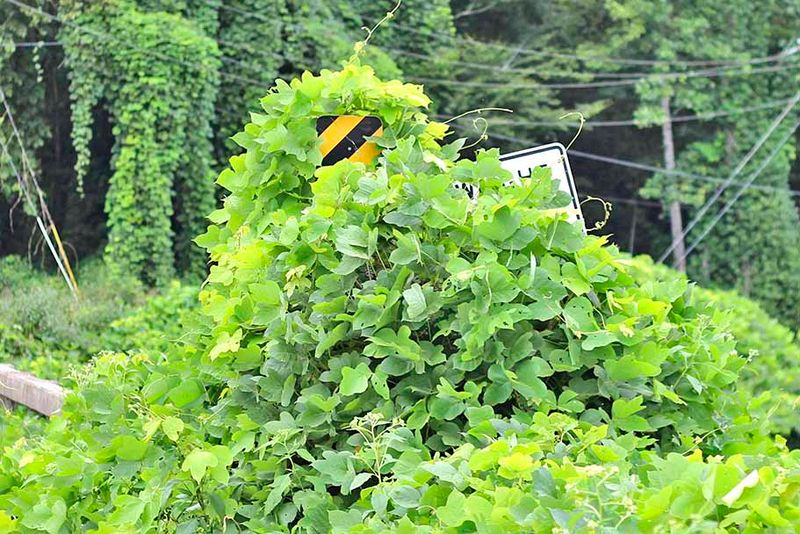
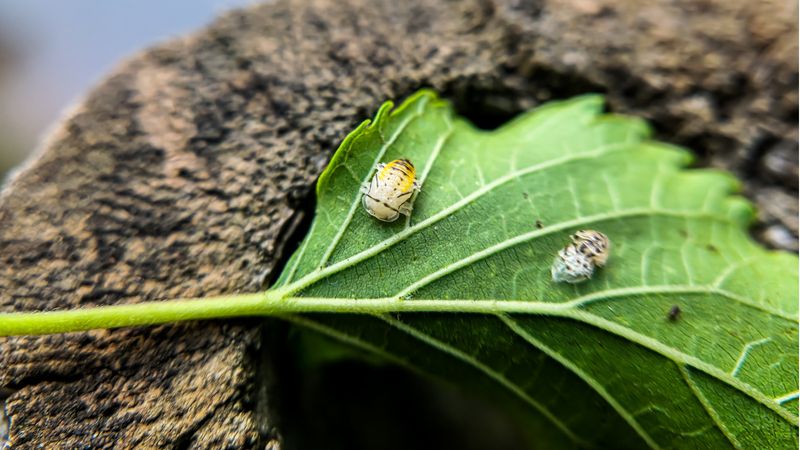
Kudzu bugs did not get their name by accident. Kudzu vines are their primary food source during the warmer months, and wherever kudzu grows, large bug populations tend to build up nearby.
If your home sits close to a kudzu patch, expect more bugs on your walls come fall.
Kudzu is widespread across the Southeast and grows aggressively along roadsides, fence lines, and wooded edges. Many Georgia neighborhoods have kudzu within a short distance of residential homes.
Bugs feeding on those vines all summer can number in the hundreds or thousands by the time September arrives.
When food quality drops and temperatures shift, those large populations begin moving. Homes near kudzu patches are often the first structures bugs encounter as they disperse.
Proximity matters a lot when it comes to how many bugs show up on your siding.
Soybean fields near residential areas can also contribute to higher bug numbers. Both kudzu and soybeans serve as feeding grounds, and homes near either one may see heavier activity in fall.
Removing kudzu from your property line is one practical long-term step. It will not solve the problem immediately, but reducing the food source nearby can lower the size of the local population over time.
Fewer bugs nearby usually means fewer bugs on your home when fall rolls around.
5. Small Openings Give Them Easy Indoor Access
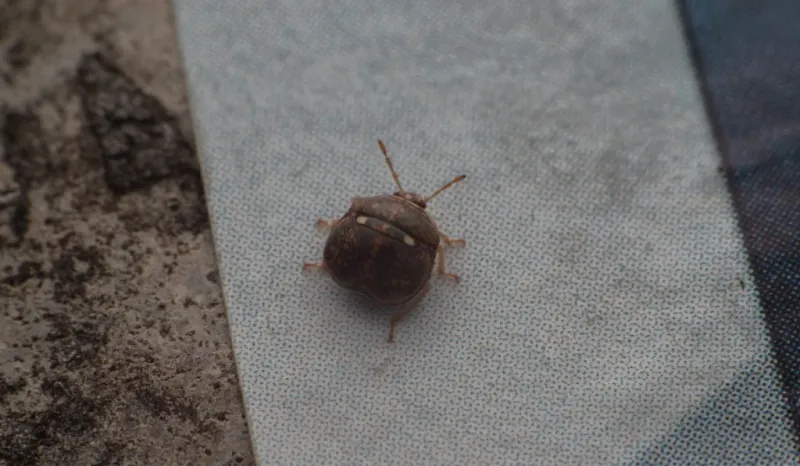
Kudzu bugs are surprisingly small, roughly the size of a watermelon seed. That small size means they can squeeze through openings that most homeowners would not even notice.
Gaps that seem minor to us are more than wide enough for these insects to pass through easily.
Common entry points include gaps around utility pipes, worn weatherstripping on doors, cracks in window frames, and openings where siding meets trim. Even small tears in window screens can let them in.
Bugs do not need much space at all to find their way inside.
Once inside, they tend to settle in wall voids, attic spaces, or other quiet, undisturbed areas. Homeowners often do not notice until bugs start wandering into living spaces on warmer winter days.
By that point, a significant number may already be inside.
Inspecting your home’s exterior in early fall is a smart move. Walk around and look for any visible gaps, cracks, or worn seals.
Pay close attention to areas where different materials meet, since those joints tend to open up over time.
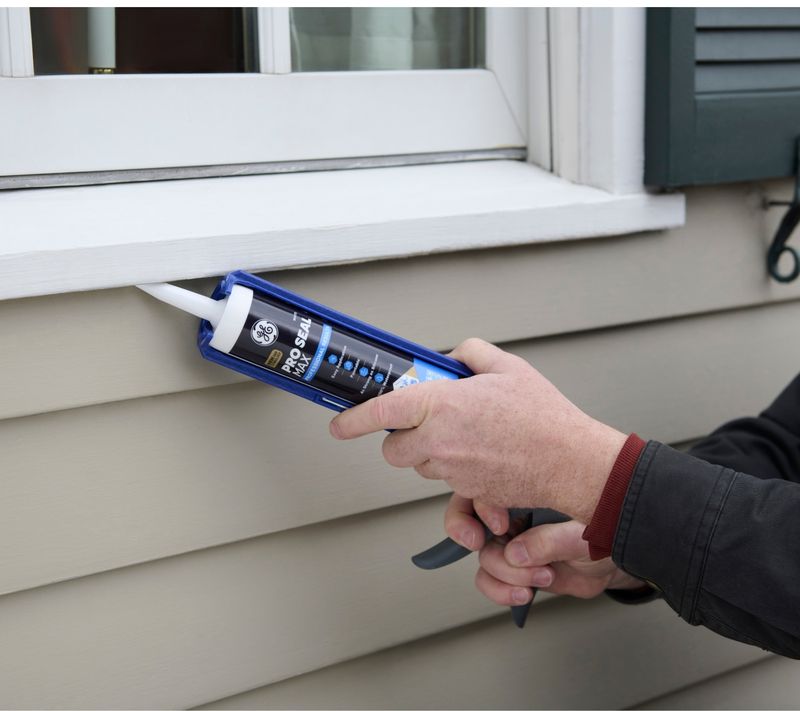
Caulk and weatherstripping are affordable and easy to apply. Foam sealant works well for larger gaps around pipes or utility entries.
Patching these spots before peak bug activity gives you a much better chance of keeping them outside where they belong.
6. Mid September Is The Time To Prepare
Mid-September is not a random target date. It is the window when kudzu bug movement typically picks up across the Southeast, and acting before that window closes makes a noticeable difference.
Waiting until you already see large clusters on your walls means preparation is already behind schedule.
Start by inspecting your exterior for any gaps or cracks that need sealing. Focus on windows, doors, vents, utility entry points, and areas where siding meets the foundation.
A simple walk-around with a flashlight can reveal more than you might expect.
Apply fresh caulk anywhere you spot gaps in trim or around frames. Replace worn weatherstripping on doors and make sure window screens are fully intact.
These steps do not take long but can significantly reduce how many bugs get inside.
Exterior treatments using residual insecticides labeled for stink bugs or similar insects can help reduce the number landing on your walls. These are typically applied around entry points and along the foundation.
Always follow label directions and check that the product is appropriate for your specific situation.
Mid-September is also a good time to check your attic vents and crawl space screens for damage. Bugs can slip through unnoticed in those spots.
Addressing everything before peak movement begins gives you a real head start on keeping your home protected through fall and into winter.
7. Cooler Weather Eventually Slows Their Activity
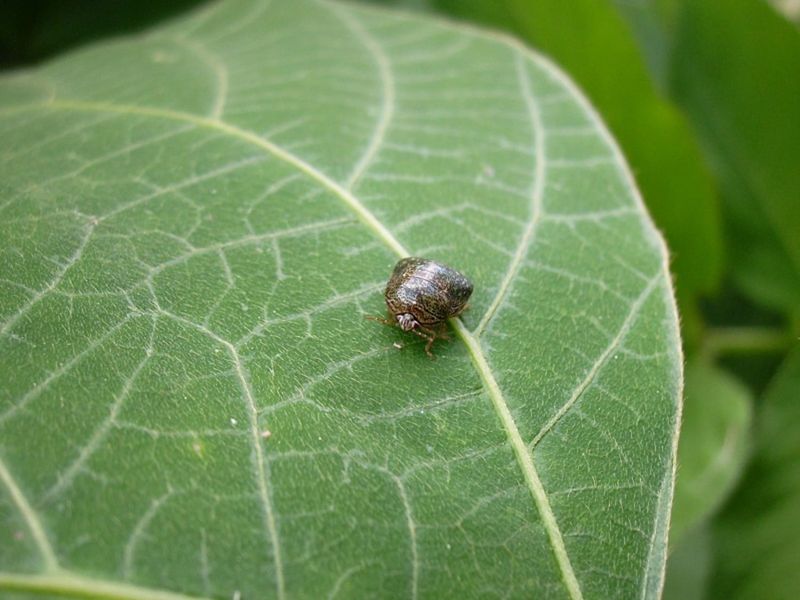
Cold weather does eventually put the brakes on kudzu bug activity. As temperatures drop consistently into the lower 50s and below, bugs become far less active on exterior walls.
The frantic clustering and movement that defines early fall settles down noticeably by late November in most areas.
Bugs that have not yet found shelter begin to slow down as their body temperature drops with the environment. Cooler conditions reduce their ability to move quickly, and most will hunker down in whatever spot they have found.
Activity on walls becomes much less visible during this period.
That slowdown can feel like relief, but it does not mean the bugs are gone. Overwintering populations inside wall voids and attic spaces remain alive in a low-activity state.
Warm spells in winter can briefly wake them up, and you may see a few wandering indoors on unusually warm days.
Spring is when activity picks up again. Bugs that overwintered successfully will emerge and begin searching for food sources.
Homes that had heavy fall infestations often see bugs reappearing on exterior walls in early spring before they move back toward vegetation.
Understanding this cycle helps you plan ahead. Sealing entry points in fall protects you through winter and reduces how many bugs emerge from inside your home come spring.
Cooler weather slows them down, but preparation is what keeps them out for good.