The Reason More Georgia Gardeners Are Adding Toad Houses This Summer
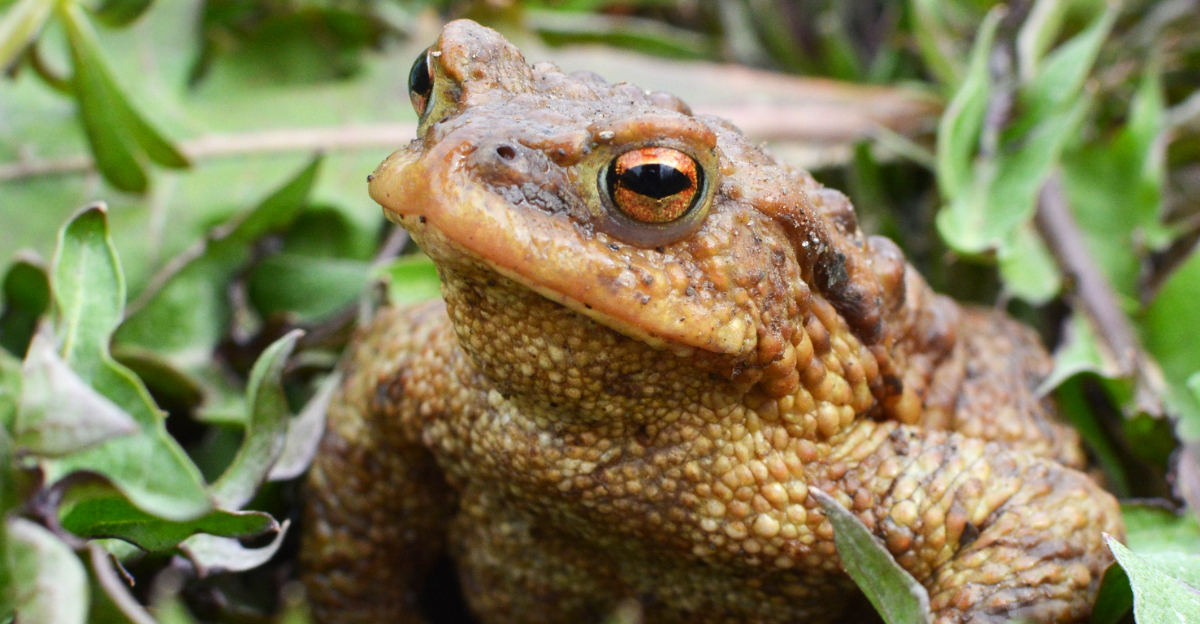
Most backyard upgrades cost money, but this one can start with a simple clay pot. It looks almost too ordinary to matter, yet more Georgia gardeners are giving toads a place to hide.
That small shelter can quietly change how your garden feels during summer. Instead of reaching for another spray, let nature lend a hand.
Toads spend their nights hunting insects while asking for very little in return. Give them one cool, shaded spot.
Then let them do what they do best. You could notice fewer pests and a garden that feels more alive.
Sometimes the smartest ideas are the simplest ones you can make before summer ends.
A simple shelter can make a bigger difference than you expect this season if the conditions are right for local toads.
1. Toads Feed On Common Garden Pests Every Night
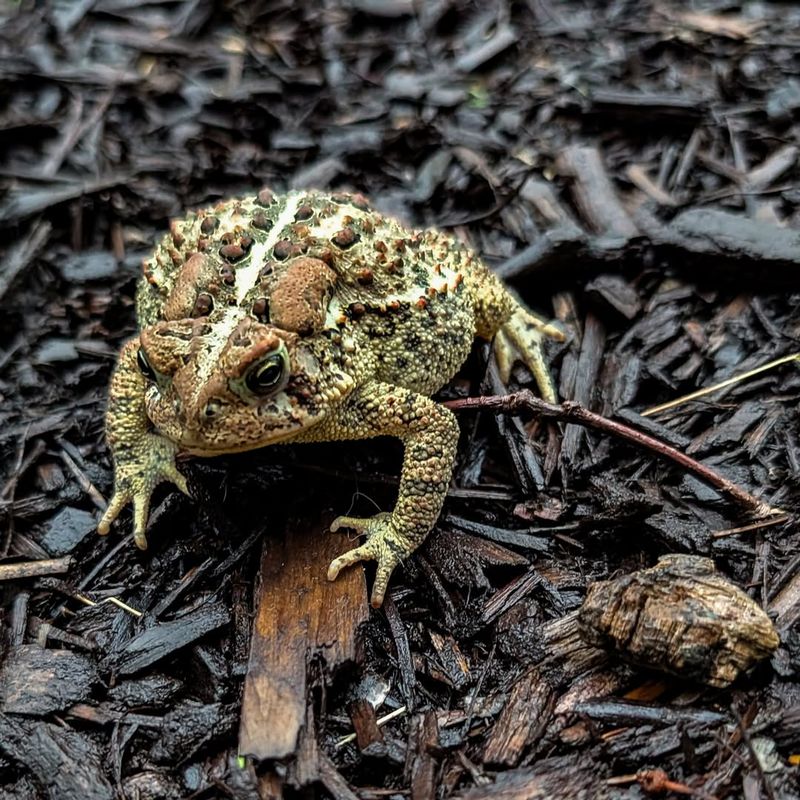
A toad can eat dozens to hundreds of insects during a night of feeding. Slugs, beetles, grubs, earwigs, and mosquitoes are all fair game.
A healthy toad living in your garden is basically free pest control that clocks in every evening without being asked.
Most gardeners spend real money on sprays and traps trying to manage the same bugs a toad handles naturally. Slugs alone can wreck a vegetable bed fast.
Toads seem to have a particular appetite for soft-bodied pests, which tend to cause the most damage to leafy greens and herbs.
Toads are most active after dark, especially on warm, humid nights. That timing lines up perfectly with when many garden pests come out to feed.
You might not see the toad working, but you will likely notice fewer chewed leaves and damaged stems over time.
Setting up a toad house gives these helpful animals a reason to stay close to your garden beds. Without shelter nearby, they tend to wander off before sunrise.
Keeping one in place means the same toad may return to the same spot night after night.
2. They Need Cool Shelters To Survive Summer Heat
Summers in Georgia get brutal, and toads feel that heat in a serious way. Their skin has no real protection from drying out, so extreme temperatures can stress them quickly.
Without shade and a cool resting spot, they simply move on to better conditions.
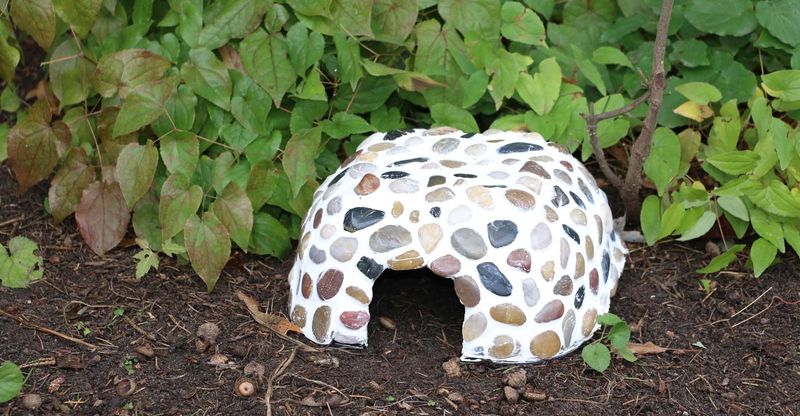
A toad house solves that problem by giving them a shaded, slightly cooler space to rest during the hottest hours of the day. Clay or ceramic houses work especially well because the material stays cooler than the surrounding air.
Even a simple upturned clay pot with a chipped opening can do the job.
Placement matters a lot. Tucking the house under a shrub, near a north-facing fence, or beneath a dense plant canopy can drop the temperature inside by several degrees.
That small difference is often enough to keep a toad comfortable through an afternoon high.
Toads do not hibernate in summer, so they need reliable shelter they can count on every single day. A spot that feels safe in the morning should still feel safe by late afternoon.
Your Georgia Garden Changes Every Week. Your Plan Should Too.
Gardening in Georgia changes quickly throughout the season. Every Friday you’ll receive a simple weekly plan showing exactly what to plant, prune, fertilize, harvest, and protect so you never miss the right timing.
Consistency in shade and coolness makes a location worth returning to.
Gardeners who place toad houses in full sun tend to see fewer visitors. Shading the house, even partially with a nearby plant, increases the odds that a toad will actually use it.
3. A Damp Location Makes Toad Houses More Effective
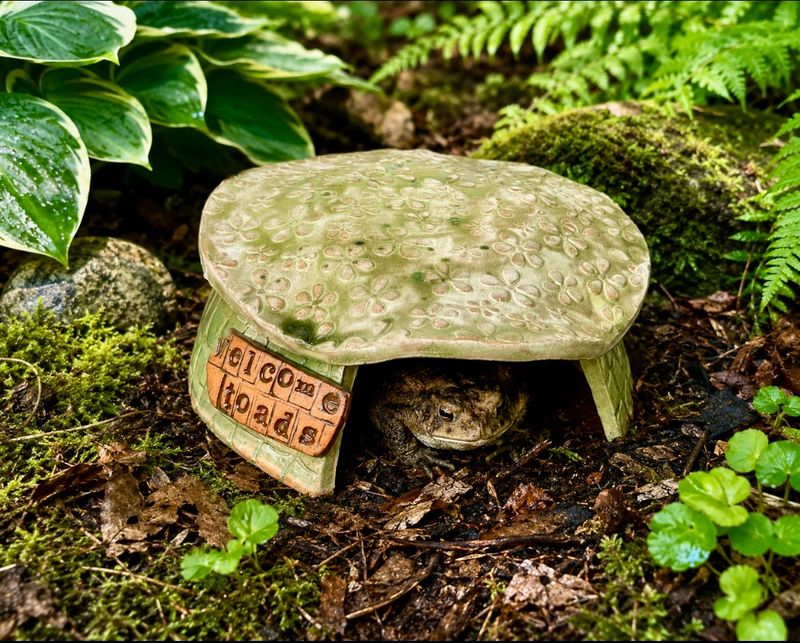
Moisture is not optional for toads. Their skin absorbs water directly from the environment, so dry ground puts real strain on them.
A toad house placed on bone-dry soil is much less likely to attract or keep a resident.
Positioning the house near a drip line, a rain barrel overflow, or a naturally low spot in the yard helps a lot. The soil around the base should stay slightly damp, not soggy, but consistently moist enough to feel cool when pressed.
That kind of environment is what toads actively search for.
Mulching around the toad house is another simple way to hold moisture in the soil. A few inches of wood chips or leaf litter can keep the ground underneath noticeably cooler and wetter than bare soil nearby.
That layer also attracts the small insects toads feed on, which is a bonus.
Watering the area around the toad house during dry stretches can help maintain the right conditions. A quick spray in the evening is usually enough to refresh the moisture level without flooding the space.
Consistency matters more than soaking the ground heavily all at once.
Damp conditions also encourage moss and small ground-level plants to grow near the house, which adds natural cover.
4. Natural Cover Helps Toads Feel Safe Enough To Stay
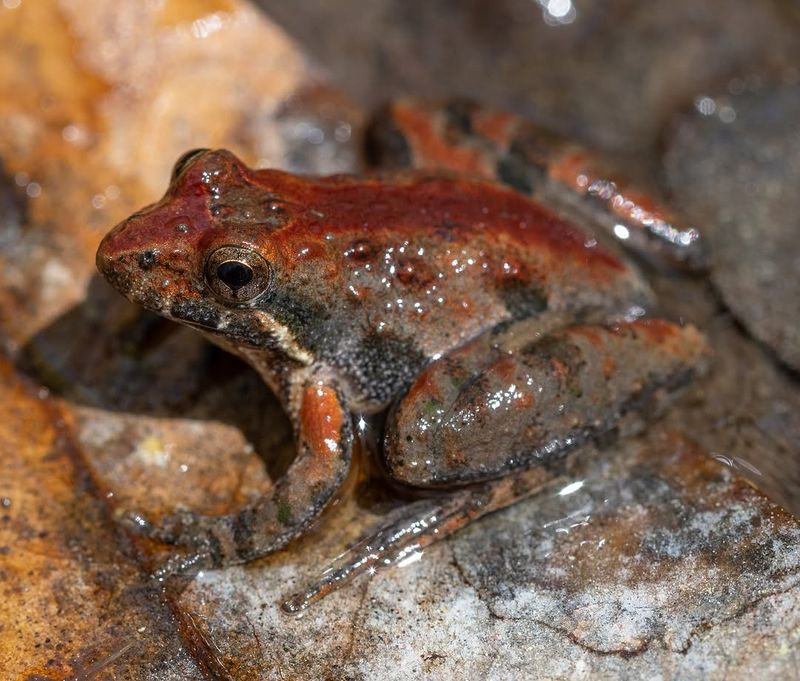
Toads are prey animals, and they know it. Hawks, snakes, raccoons, and cats all see them as a potential meal.
Without enough cover nearby, a toad will not risk staying in an open space no matter how good the shelter looks.
Low-growing plants around the toad house give toads a sense of security when moving in and out. Ground covers like creeping Jenny, ajuga, or even overgrown grass edges create the kind of layered environment toads prefer.
They want to be able to slip from the house into cover without crossing a wide open stretch of ground.
Leaf litter is one of the best natural covers you can offer. A loose pile of leaves near the house gives toads a quick hiding spot and also breeds the tiny insects they snack on.
Leaving a small messy corner of the garden intentionally untidy can attract more toad activity than any decorative feature.
Rocks and logs placed near the house add another layer of cover. Toads often rest under flat rocks or beside rotting wood where the temperature is stable and predators have a harder time spotting them.
Combining a few of these elements creates a habitat that feels genuinely safe.
Gardeners who tidy up every inch of their yard tend to have fewer toads.
5. Shallow Water Nearby Encourages Regular Visits
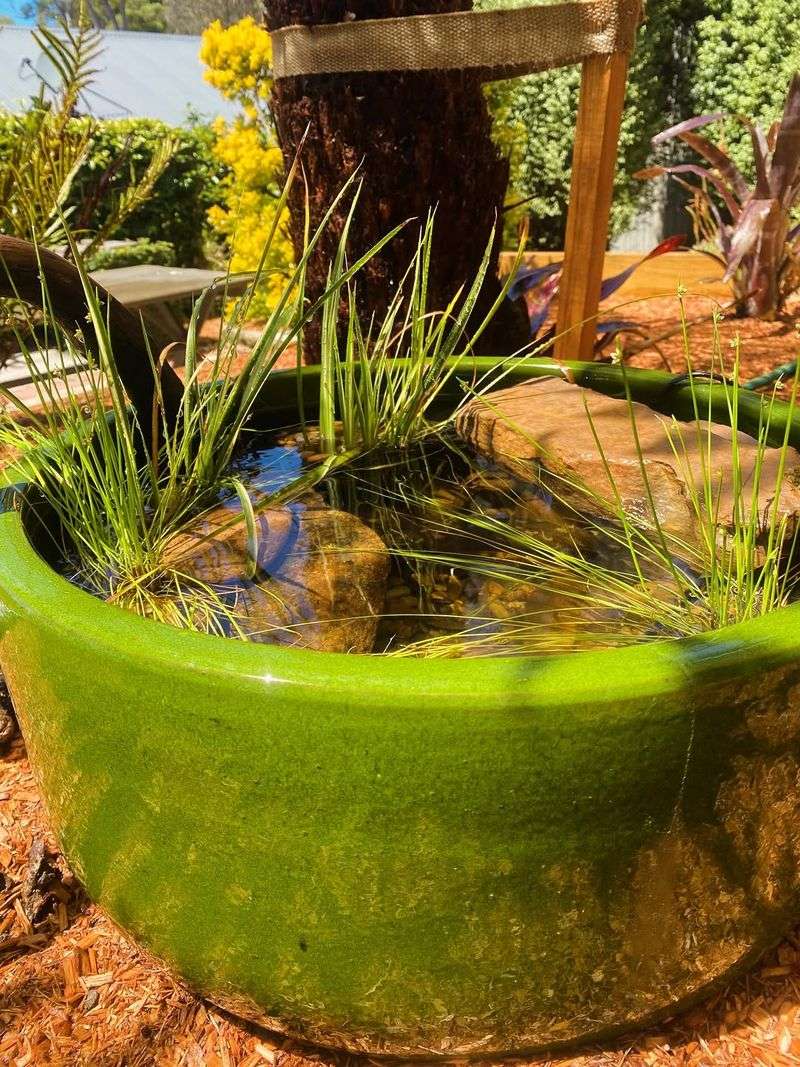
Toads do not drink water the way most animals do. Instead, they absorb it through a patch of skin on their belly called the seat patch.
A shallow dish of clean water placed near the toad house gives them an easy way to rehydrate without going far.
The dish does not need to be large. A simple ceramic saucer or a shallow plant tray works fine.
What matters is that the water is shallow enough for a toad to sit in comfortably without the risk of getting stuck. Depth of one to two inches is usually plenty.
Changing the water every couple of days keeps it clean and reduces mosquito breeding. Stagnant water in a small container can become a breeding spot quickly in warm weather.
A quick rinse and refill a few times a week keeps conditions safe and appealing.
Placing the dish in a shaded spot helps the water stay cooler during hot afternoons. Warm water evaporates faster and is less refreshing for toads seeking relief from the heat.
Shade also slows algae growth, which keeps the dish cleaner between changes.
Toads that find reliable water near a comfortable shelter are more likely to return to the same area regularly. Predictable resources make a space feel worth coming back to.
6. Chemical Lawn Products Can Drive Toads Away
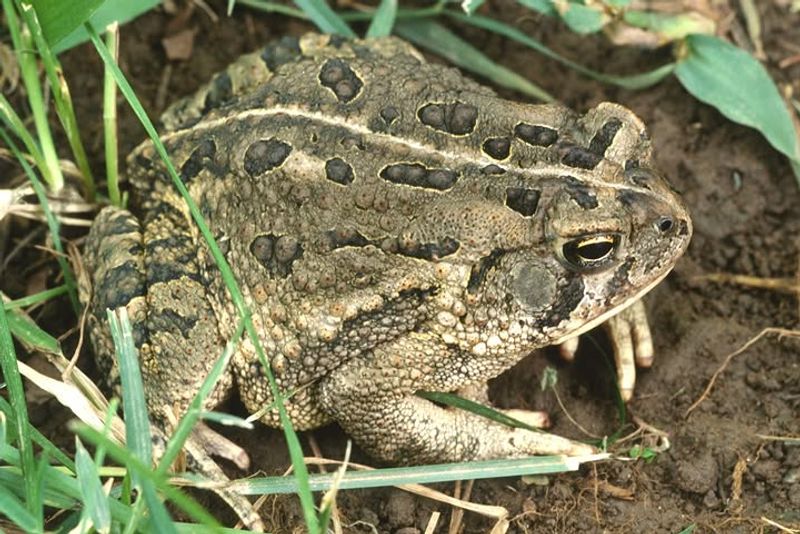
Toads absorb everything through their skin, including whatever chemicals happen to be on the ground. Herbicides, pesticides, and synthetic fertilizers applied near a toad habitat can cause serious harm.
A yard that gets regularly treated with these products is usually not a place toads stick around in.
Even products labeled as safe for pets can still affect toads differently. Their skin is far more sensitive than fur-covered animals, and exposure does not require direct contact with the product.
Walking across recently treated grass or soil can be enough to cause problems.
Reducing or stopping chemical treatments near the toad house is one of the most effective things you can do to keep toads around. Organic mulches, compost, and natural pest deterrents tend to create a safer environment.
Shifting even part of the garden toward chemical-free care can make a real difference.
Neighbors using heavy lawn chemicals nearby can also affect toads that travel through multiple yards. Toads have a fairly small home range, but they do move around.
If surrounding properties are heavily treated, toads may struggle to find safe ground even if your yard is managed carefully.
Talking with neighbors about reducing chemical use near shared fence lines can help.
7. A Toad House Works Best When Left Undisturbed
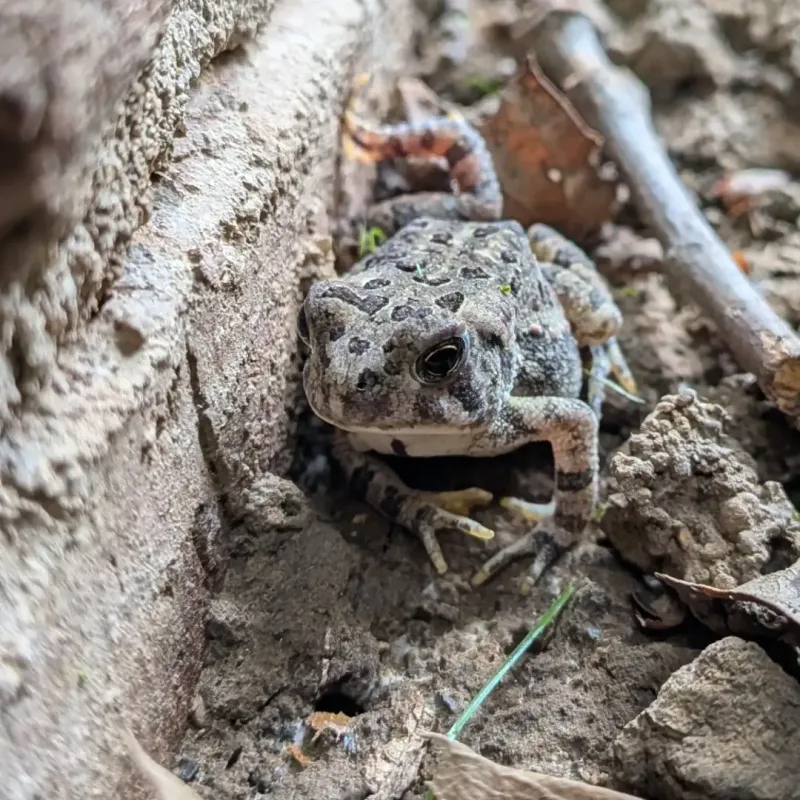
Toads are creatures of habit. Once a toad settles into a spot it feels safe in, it tends to return to that exact location day after day.
Frequently moving the house, checking inside, or disturbing the surrounding area can cause the toad to abandon the site.
Curiosity is understandable, especially for kids who want to peek inside. Setting a simple rule of looking without touching helps protect the habitat without taking away the fun of watching.
Toads that feel observed and handled tend to relocate pretty quickly.
Positioning the house somewhere you do not need to access often is a smart move. Tucking it into a garden corner away from heavy foot traffic reduces accidental disturbances.
A spot that stays naturally quiet through the day is ideal for keeping a nervous toad comfortable.
Seasonal maintenance like clearing debris or refreshing mulch around the house should be done gently and infrequently. Doing it during winter when toads are less active minimizes disruption.
Rough handling of the surrounding area during warmer months can undo weeks of habitat building.
Patience plays a bigger role than most gardeners expect. A toad house might sit empty for several weeks before a toad discovers and claims it.