The Right Winter Mowing Height for St. Augustine and Bermuda Lawns in Florida
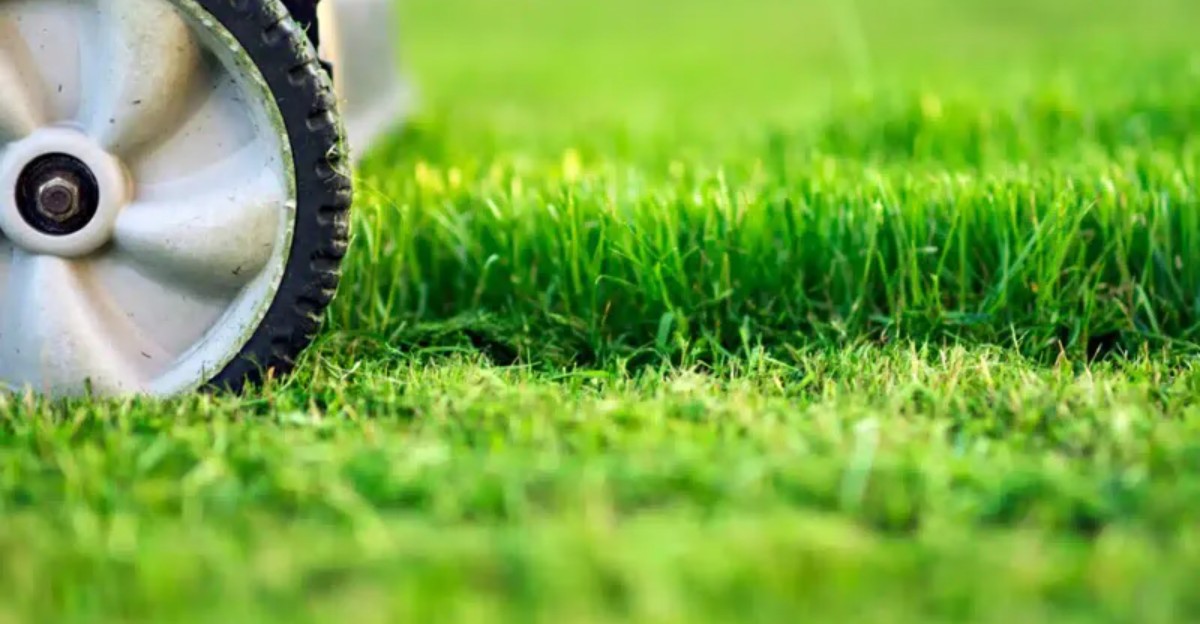
A single frosty morning and one lap with a mower can leave dark, scorched tire tracks across a lawn that looked fine the day before. Those marks come from frozen grass blades cracking under the weight of wheels.
I was stunned the first time I learned that. Florida winters feel gentle to us, yet our warm-season turf feels every chilly dip. In the Panhandle, some lawns go fully brown and rest, while yards near Miami keep growing slowly all season.
You may have noticed your grass looking a bit sluggish lately. That slowdown changes how the yard should be cut, how often, and even what time of day the mower comes out.
Of all those tweaks, one little notch on the mower deck does the heavy lifting in my yard.
Set it wrong, and those scorched tire tracks are only the beginning. The sweet spot depends on which grass carpets your lawn.
1. Those Taller Winter Grass Blades Are Doing Quiet Work
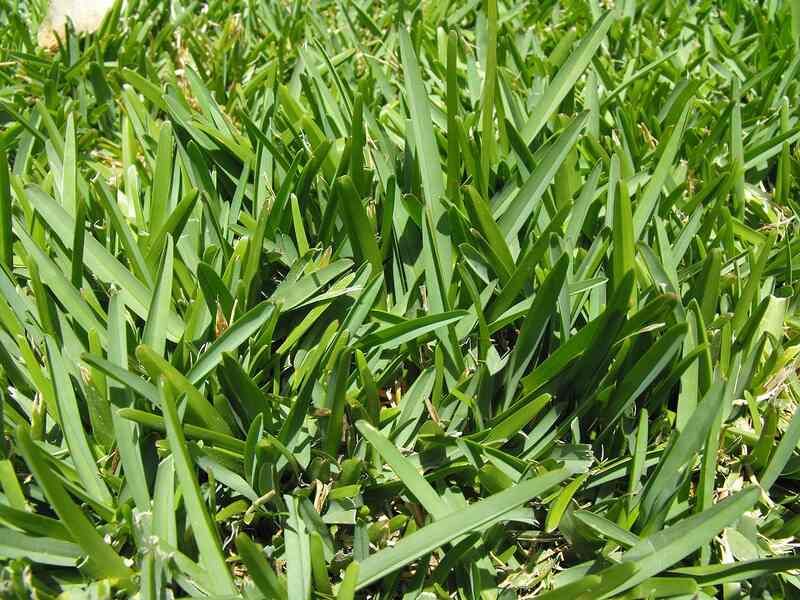
Grass blades are tiny food factories. Every leaf catches sunlight and turns it into energy through photosynthesis, and winter days in the South give your lawn fewer hours to do that job.
Leaving the grass a little longer means more leaf surface. More leaf surface means more stored energy, which feeds the roots and helps the turf recover faster when spring warms things up.
University of Florida turf experts point out that mowing too low is one of the most common reasons warm-season lawns get weak and thin.
A slightly taller canopy also shades the soil and the growing points near the ground. That cover can soften the effect of a light frost and keep the base of the plant from drying out on breezy days.
I like to think of it as a sweater rather than a heavy coat. It will not save grass from a hard freeze, but it gives a real advantage during the usual cool snaps.
Height also helps with weeds. Thick, taller turf shades bare soil, so winter weed seeds have a harder time sprouting in the gaps.
So before lowering that deck to tidy things up, remember the extra length is working for you.
2. Set Your St. Augustine Mower Deck Between 3.5 and 4 Inches
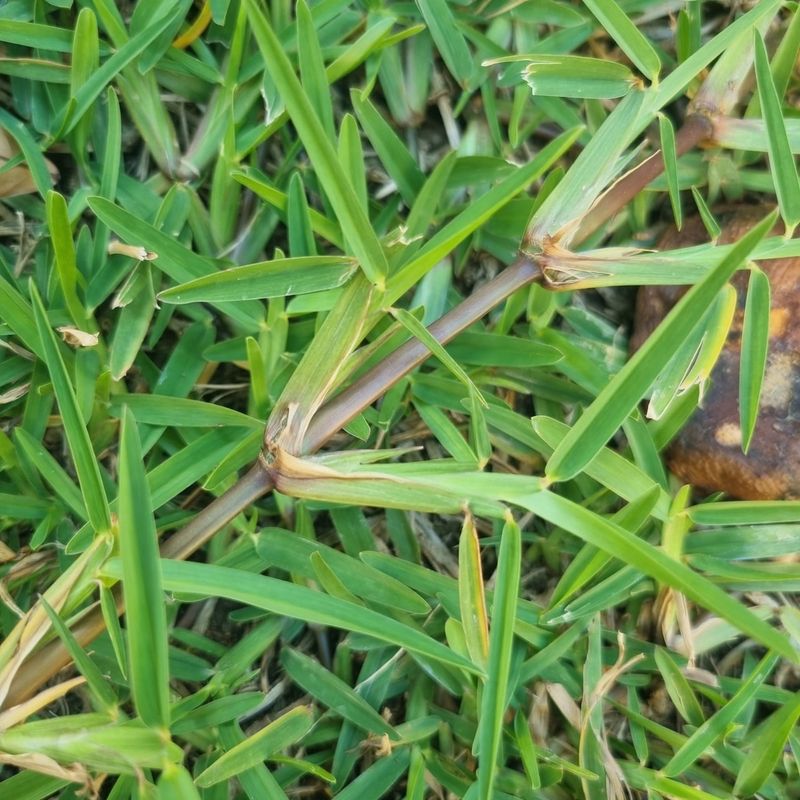
Broad, flat blades and creeping runners make St. Augustine grass the fluffy carpet of many neighborhoods. UF/IFAS recommends mowing most standard varieties, like Floratam, at 3.5 to 4 inches.
That range holds steady through the cooler months. Some gardeners raise the deck a notch, closer to 4 inches, in shady spots or in North Florida, where cold nights arrive more often.
Dwarf varieties play by different rules. Types such as Seville, Delmar, and Captiva are bred to stay lower, so UF suggests about 2 to 2.5 inches for those lawns.
Not sure which kind you have? Check your sod receipt or ask the installer, because guessing wrong can stress the grass.
Cutting standard St. Augustine below 3 inches is risky. Short mowing exposes the stolons, the above-ground runners, and invites chinch bugs, weeds, and thinning patches.
Here is a handy trick I use. Measure from a flat driveway surface to the bottom of the blade, then compare it with the number on the lever, since mower labels are often off by half an inch or more.
3. Bermuda Grass Likes a Lower Trim Even in Cool Weather
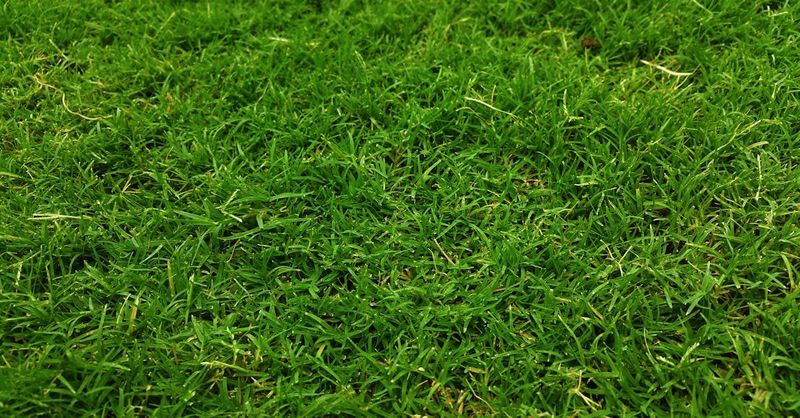
Golf courses love Bermuda grass for a reason. Its fine, wiry blades grow sideways fast and form a dense mat that handles a close shave.
For home lawns in Florida, UF/IFAS suggests mowing common Bermuda at roughly 1.5 to 2 inches with a rotary mower. Hybrid types, often maintained with reel mowers, can sit lower, around 1 inch or even a touch less.
In winter, a small bump of about a quarter to half inch gives the plant a little extra leaf to catch the weak sun. Keep it modest, though.
Letting Bermuda grow too tall causes trouble. The plant gets stemmy and puffy, and the next mowing reveals brown, scalped stems instead of green leaves.
Across North Florida, Bermuda often turns tan and goes dormant after the first frosts. That color shift is natural, and the grass usually greens up again when soil warms in spring.
Dormant Bermuda needs very little cutting. A light pass to tidy weeds or fallen leaves is plenty, so save your energy and your fuel until growth returns.
4. The One-Third Rule Keeps Your Turf From Getting Scalped
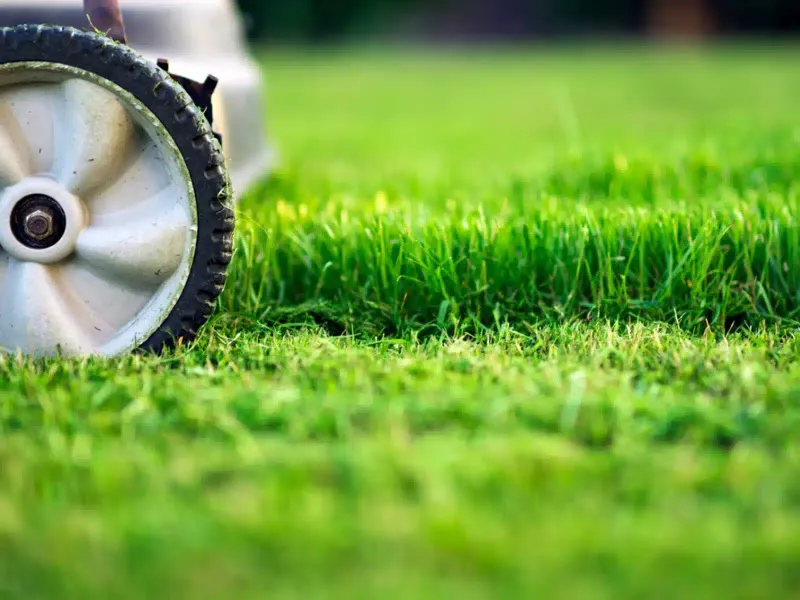
Lawn pros swear by one simple guideline. Remove no more than one-third of the blade in a single mowing.
The math is easy. If your St. Augustine should stay at 4 inches, cut it before it reaches about 6 inches.
For Bermuda held at 1.5 inches, mow before it passes roughly 2.25 inches.
Chopping off more than that shocks the plant. It loses too much of its food-making leaf at once and has to pull from stored reserves in the roots and runners.
That kind of stress hits harder in winter. Growth is slow, so the grass needs weeks, not days, to bounce back from a rough cut.
Scalping also leaves pale, stubbly patches that let weeds move in. I have seen yards look patchy until late spring because of one overly ambitious January mowing.
Overgrown after a trip or a rainy stretch? Bring it down in stages, lowering the height a little each time over two or three mowings.
Patience pays off here. Your lawn will look neater and stay healthier when you trim a bit at a time.
5. Your Lawn Mower Can Take a Longer Winter Break
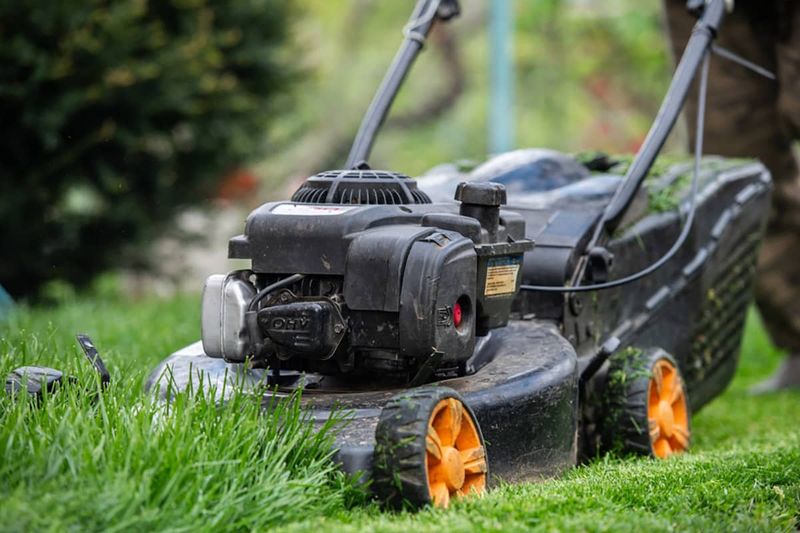
Summer mowing in the state can feel like a weekly chore with no end. Winter is different, and your schedule should change with it.
Warm-season grasses slow down as soil and air temperatures drop. In much of North Florida, St. Augustine and Bermuda may barely grow, and some lawns need little or no mowing until spring.
Central Florida lawns often need a trim every two to three weeks. South Florida yards may keep a steadier pace, since winters there stay mild and grass rarely fully stops.
The smartest approach is to watch the grass instead of the calendar. Measure a few spots, and if the blades have not grown much past your target height, skip the week.
Fewer passes means less wear on the turf. Mower wheels can compact soil and press down grass that is not actively repairing itself.
Personally, I enjoy this slower season. It gives me time to clean the mower, change the oil, and plan spring projects.
Lighter mowing also pairs well with lighter watering, since lawns use far less water in the cool season. Both habits save money and reduce stress on the grass.
6. Sharp Mower Blades Leave Cleaner Cuts on Grass Leaves
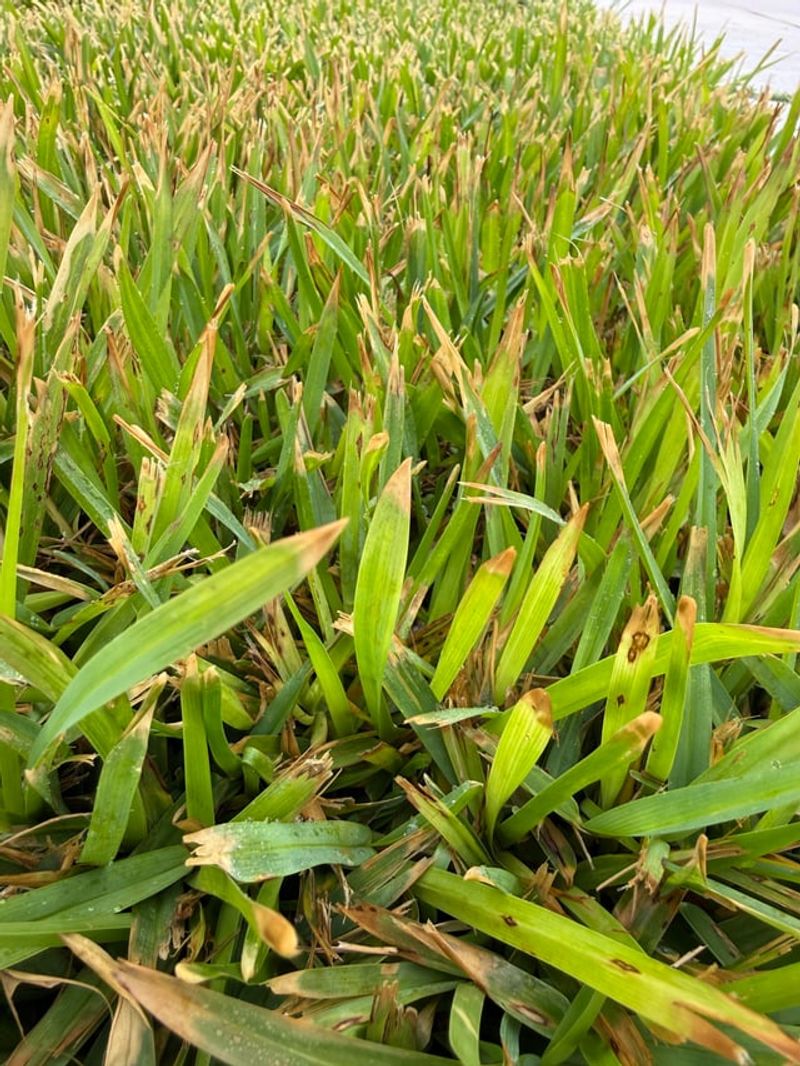
Ragged, tan tips across a lawn often point to one sneaky culprit. A dull mower blade tears grass instead of slicing it.
Those shredded tips lose moisture and turn brown. Wider St. Augustine leaves show the damage clearly, giving the whole yard a dull, frosted look.
Torn leaves also heal more slowly. Open wounds can make it easier for fungal problems to take hold, and cool, damp Florida winters are prime time for large patch disease in St. Augustine.
Checking your blade takes about a minute. Look closely at a few freshly cut blades of grass, and if the ends look frayed or split, it is time to sharpen.
Many lawn care experts suggest sharpening every 20 to 25 hours of mowing. Since winter mowing is light, the cool season is an ideal time to remove the blade, sharpen it, and balance it.
Safety first, of course. Disconnect the spark plug wire or remove the battery before you touch anything under the deck.
A spare blade is a nice upgrade too. Swap it in while the other one gets sharpened, and you will not miss a mowing.
7. Frosty Grass Blades Deserve a Little Morning Patience
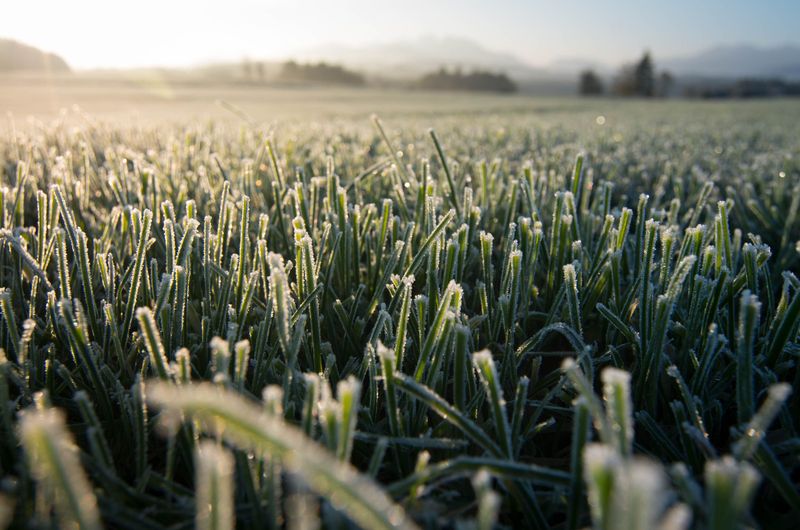
Frost sparkles beautifully on a lawn at sunrise. Walking or mowing across it, though, can leave a trail of trouble.
When grass blades freeze, the water inside them turns to ice crystals. Pressure from feet or mower wheels can rupture those frozen cells, and the damaged leaves later turn brown or nearly black in the exact shape of your path.
The fix is simple. Wait until the frost melts and the grass dries, often by mid-morning or late morning on a sunny day.
Dry grass also cuts more cleanly. Wet clippings clump, clog the deck, and smother patches of turf underneath.
Frost shows up most in North Florida and inland areas of Central Florida. Coastal and southern yards see it far less, but cold, dewy mornings still make waiting a good habit.
Keep traffic off frosted lawns in general. Pets, kids, and delivery paths can all leave marks.
I like to use that waiting time for a warm drink and a look around the yard. By the time the sun clears the trees, the lawn is ready.
8. A Healthy Spring Lawn Starts With These Winter Mowing Habits
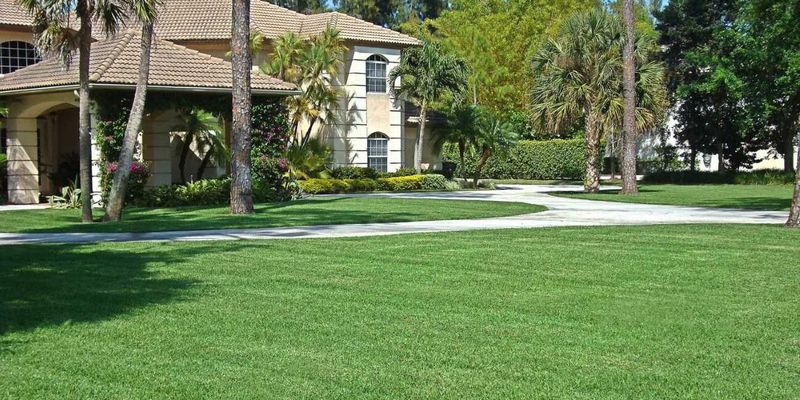
Spring green-up in the state feels like a reward. Lawns that rested well through winter often wake up thicker and faster.
Pulling it all together is easier than it sounds. Keep standard St. Augustine at 3.5 to 4 inches, dwarf types near 2 to 2.5 inches, and Bermuda at about 1.5 to 2 inches for rotary mowers.
Follow the one-third rule, mow less often, and wait for frost and dew to clear. A sharp blade finishes the job neatly.
Leave short clippings on the lawn too. They break down quickly and return nutrients to the soil without causing thatch.
Avoid the urge to fertilize heavily in winter. UF/IFAS advises timing nitrogen with active growth, and rules vary by county, with some areas restricting summer applications, so check local ordinances before spring feeding.
If a cold snap browns the grass, give it time. Most lawns recover once warm weather returns, so hold off on removing sod until new growth has had a fair chance.
Small choices now shape the yard you enjoy later. Set that mower height correctly, and your lawn will thank you with a lush spring comeback.