How To Build A Cold Frame To Stretch Your North Carolina Fall Harvest Into Winter
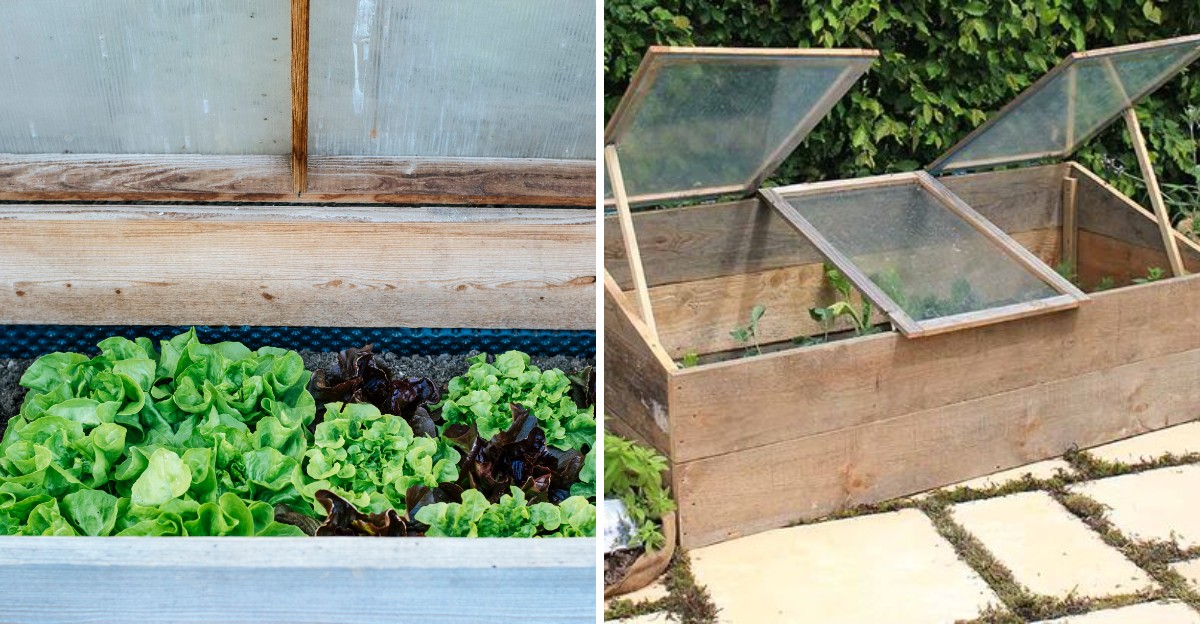
A cold frame is basically a small box with a clear lid. It traps the sun’s heat and shelters plants from frost and wind.
Inside, temperatures stay several degrees warmer than the air outside. That is often enough to keep lettuce, spinach, and kale growing through winter in North Carolina.
You can build one from old windows, scrap lumber, or hay bales. Even a simple version works.
Placement matters, since the frame should face south to catch the most sun. On warm days, you need to prop the lid open, or the plants will overheat.
Learn the basics, and you can harvest fresh greens when the rest of the garden has gone to sleep. It is one of the cheapest ways to extend the season.
1. Understand How A Cold Frame Works
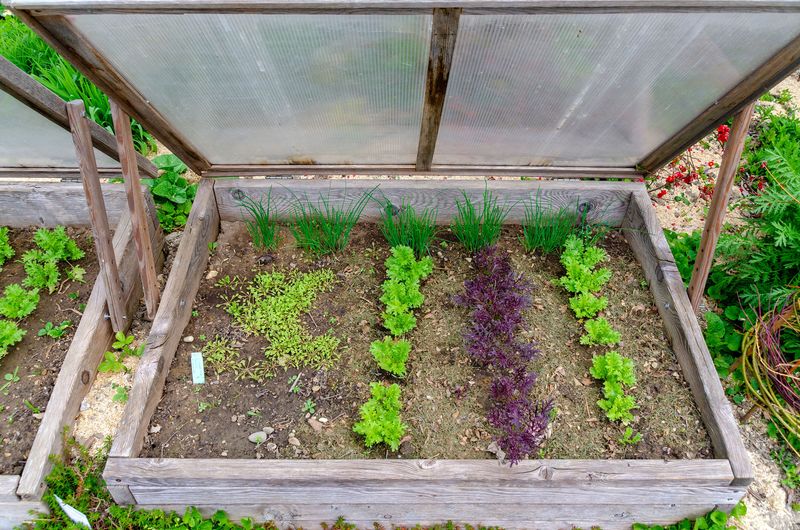
Think of a cold frame as a tiny greenhouse that sits right on your garden soil. It is simply a bottomless box with a clear top.
Sunlight passes through the lid, warms the soil and air inside, and that heat stays trapped while cold wind gets blocked outside.
Because of that simple setup, plants inside stay warmer and better protected than the ones growing in open beds. The soil holds onto daytime warmth and slowly releases it at night.
On a frosty morning, you might find crispy, frozen leaves in the open garden while the greens under the lid look perky and fresh.
Choosing the right crops makes all the difference. Cool season plants love these conditions, so focus on lettuce, spinach, kale, arugula, mâche, and scallions.
Mâche, also called corn salad, is a hidden gem that handles cold beautifully and tastes mild and nutty.
Warm season vegetables are a different story. Tomatoes, peppers, and squash need far more heat than a cold frame can provide in winter, so save those for spring and summer. Trying to stretch them into December usually leads to frustration and slow, sad plants.
Here in North Carolina, a cold frame can be a real game changer. Gardeners in the Piedmont and Coastal Plain often keep greens growing through much of winter with one of these boxes.
Mountain gardeners can still benefit, though the deeper cold there means harvests may pause during the harshest weeks.
Once you understand the basic idea of trapping sun and blocking wind, every other step makes sense. Each tip that follows builds on that same simple principle.
2. Pick A Sunny, Sheltered Spot Facing South
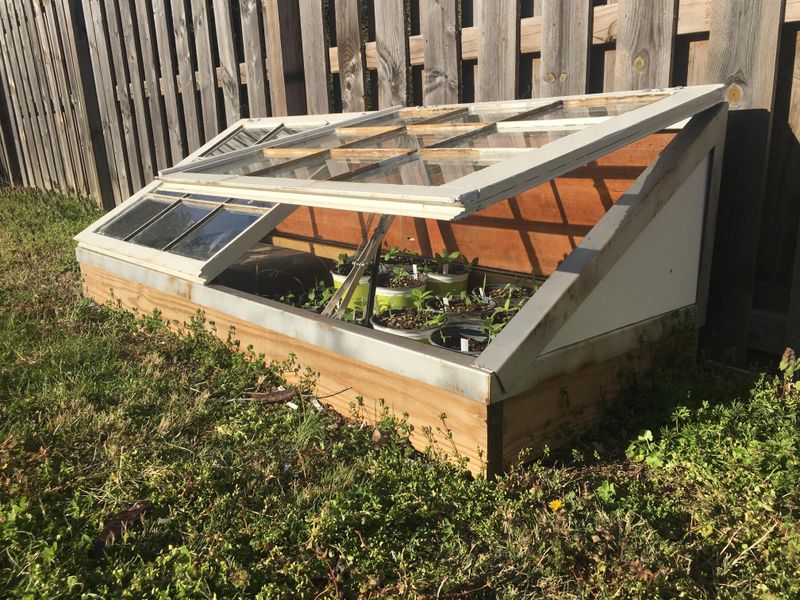
Location can make or break your cold frame. Since the box gets all its warmth from the sun, a shady corner will leave your plants shivering. Full winter sun is the goal.
A spot facing south captures the most light during the colder months. The sun rides low in the southern sky in winter, so a south-facing lid soaks up those angled rays all day.
Aim for a place that gets direct sun for most of the day, not just a couple of hours around noon. Wind matters too. Cold breezes from the north and west can strip heat away fast, even from a closed box.
Your North Carolina Garden Changes Every Week. Your Plan Should Too.
Gardening in North Carolina changes quickly throughout the season. Every Friday you’ll receive a simple weekly plan showing exactly what to plant, prune, fertilize, harvest, and protect so you never miss the right timing.
Setting your frame against a south-facing wall, fence, or the side of a shed gives it a sturdy windbreak, and a brick or stone wall can even soak up heat and share it back at night.
Watch out for low spots in the yard. Cold air flows downhill and settles in dips, much like water does, and those areas often stay soggy after rain.
A frame sitting in a frosty, damp pocket has to work twice as hard, so pick slightly higher, well-drained ground instead.
North Carolina gardens face a special challenge here. The winter sun sits much lower than in summer, so a tree or building that casts no shade in July might block your bed completely in December.
Before you build, walk your yard on a sunny winter afternoon and notice where shadows fall. Spending ten minutes scouting now can save you a whole season of slow, struggling greens. The sunniest, most sheltered spot is worth hunting for.
3. Build The Box With A Sloped Top
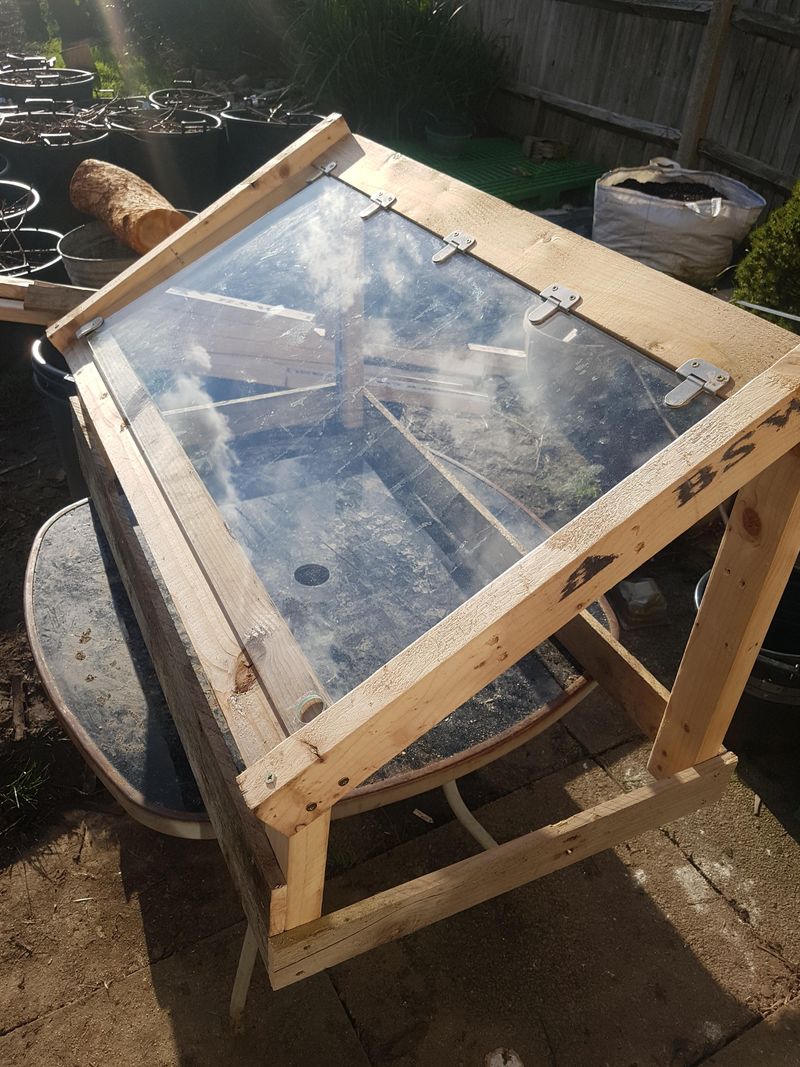
A little slant goes a long way. When the back of your box stands taller than the front, the lid tilts toward the sun like a solar panel, catching more light during short winter days.
That same slope lets rain and the occasional snow slide right off instead of pooling on top. Building one is easier than most people expect. Start with a simple rectangle made from rot-resistant lumber, untreated cedar, or even concrete blocks.
Cedar is a favorite because it holds up well outdoors and keeps chemicals away from your food crops.
For the height, a good rule is about 18 inches at the back and about 12 inches at the front. The side boards get cut at an angle to connect those two heights.
That gives plenty of room for leafy greens to grow without leaving too much empty air to heat.
Size the box to match your lid before you cut a single board. If you already have a window or a polycarbonate panel, measure it first and build the frame to fit snugly underneath.
Common sizes run about 3 by 6 feet, which lets you reach the middle without stepping inside.
Prepare the soil before setting the frame down. Loosen it, mix in some compost, and level the ground so the box sits firmly with no gaps along the bottom. Gaps let cold air sneak in and warm air slip out.
A well-built cedar or block frame can serve you for many seasons. North Carolina gardeners who build it sturdy once often find themselves using the same box year after year, with only minor touch-ups along the way.
4. Choose A Safe, Clear Lid
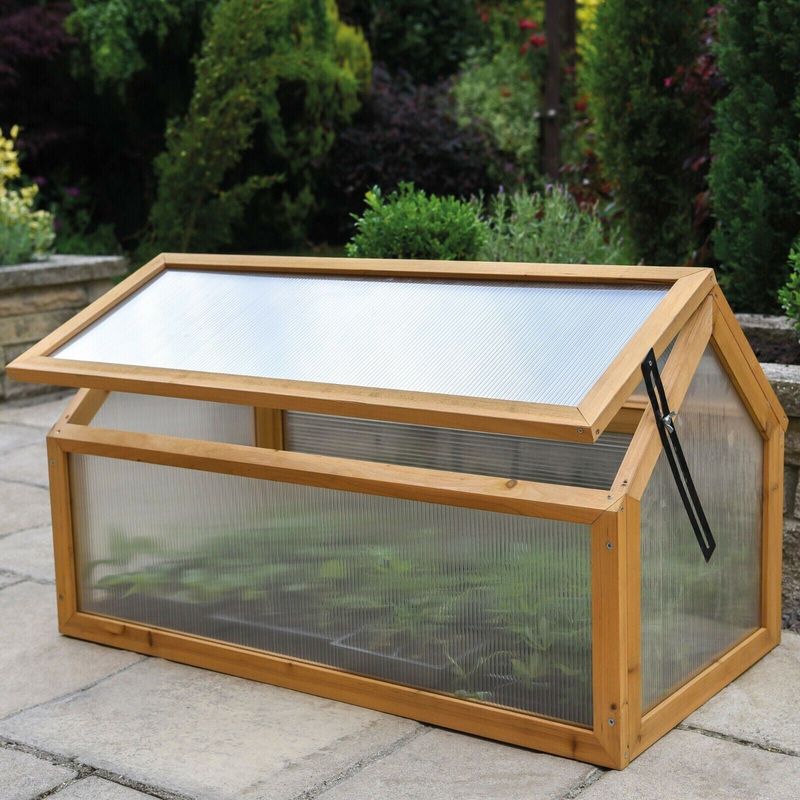
Every cold frame depends on its lid, at least in terms of how well it works. The top has two big jobs: let in plenty of sunlight and hold in the warmth. That means it needs to be clear, sturdy, and safe to use around food.
Twin-wall polycarbonate panels are a popular pick for good reason. They are lightweight, hard to break, and built with two layers separated by small air channels. Those pockets of air act like insulation, helping the frame stay warmer through the night.
Old windows are another classic choice, and they give a cold frame a charming, homemade look. Many gardeners rescue them from yard sales or renovation projects. Still, there is one big caution to keep in mind.
Windows made before 1978 may contain lead paint. Flaking paint near your soil is not something you want around lettuce and spinach.
Test older windows with a lead test kit from a hardware store, or skip them if you are unsure.
Attaching the lid is the final step. Use hinges along the taller back edge so the lid can swing up and be propped open. A simple notched stick or a block of wood works fine for holding it at different heights.
North Carolina winters bring a mix of rain, wind, and the occasional ice storm. A lightweight, durable polycarbonate lid stands up well to that kind of weather without cracking.
Glass can shatter if a branch falls, so many local gardeners lean toward the tougher option for peace of mind.
5. Venting Is The Most Important Daily Task
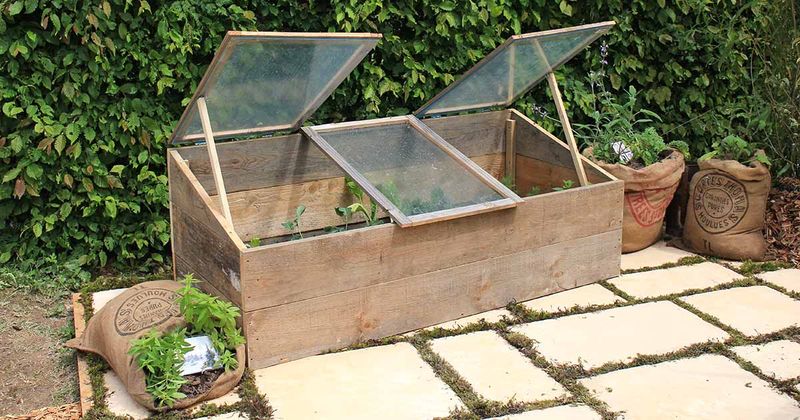
Here is the surprise that catches many first-timers off guard. On a sunny winter day, a closed cold frame can heat up fast, sometimes reaching temperatures that feel like summer inside.
Cool season greens hate that kind of heat and can wilt or scorch in just a few hours. Outside air might be crisp and chilly, yet the box keeps building warmth like a parked car with the windows rolled up.
So the most important habit you can build is opening the lid on bright days. Think of it as letting your plants breathe.
A simple guideline helps. When outside temperatures climb above about 40 to 50°F and the sun is shining, prop the lid open a few inches. On warmer afternoons, open it wider to let more heat escape.
Timing the close matters just as much. Shut the lid in the mid to late afternoon, while the sun still warms the soil.
That trapped heat carries your plants through the cold night ahead. Busy schedule? An automatic vent opener can be a lifesaver for your crops.
These clever gadgets use a wax-filled cylinder that expands as it warms, gently lifting the lid with no electricity needed, then lowering it again as temperatures drop.
North Carolina makes venting extra important. Our winters often bring bright, mild days sandwiched between cold snaps, so a frame that was snug on Monday night could overheat by Tuesday afternoon.
Checking the forecast each morning and adjusting the lid becomes a quick, easy routine that keeps your greens happy and growing.
6. Plant Early So Crops Are Mostly Grown By Winter
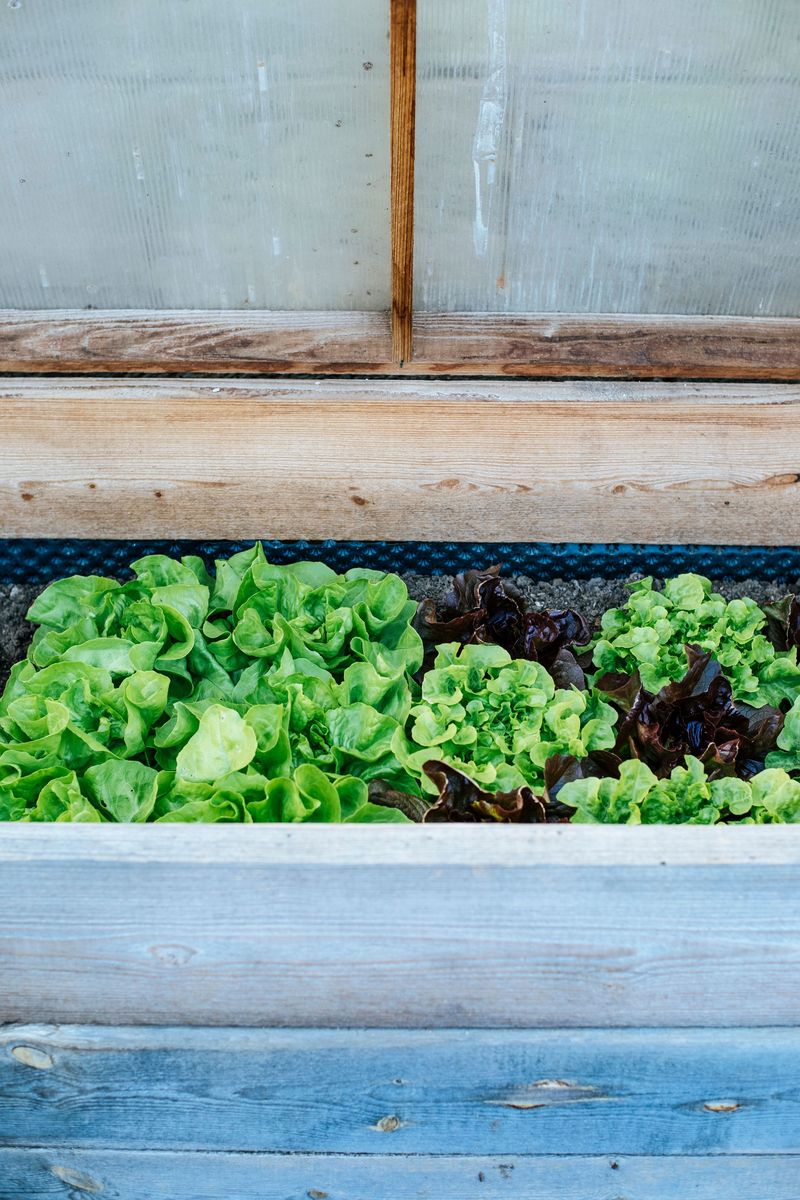
Timing is the secret ingredient most gardeners overlook. A cold frame works best as a winter storage spot for crops that are already grown, not as a nursery for tiny seedlings in December.
Get the plants big early, and the frame does the rest. Why does this matter so much? During the shortest days of the year, plant growth slows to a crawl.
There is simply not enough daylight for small seedlings to bulk up, even with warm soil under a clear lid.
In North Carolina, that slow stretch usually runs from late November through mid January. Plants will hold steady during those weeks, but they will not grow much. Anything you want to harvest in winter needs to be near full size before then.
So plan ahead and sow or transplant your greens in late summer to early fall. September is a sweet spot for many Piedmont gardeners, with a little more wiggle room on the coast and a bit less in the mountains.
By late fall, your lettuce, kale, and spinach should be close to harvest size. Once winter arrives, pick the outer leaves and leave the center of each plant alone. That way the plant keeps producing slowly, and you can return for more salads week after week.
As days lengthen in late winter, your cold frame gets a second chance to shine. Around February, sow quick crops like spinach and lettuce again.
The extra daylight wakes plants up, and you could be enjoying fresh spring greens weeks before your neighbors.
7. Add Insulation On The Coldest Nights
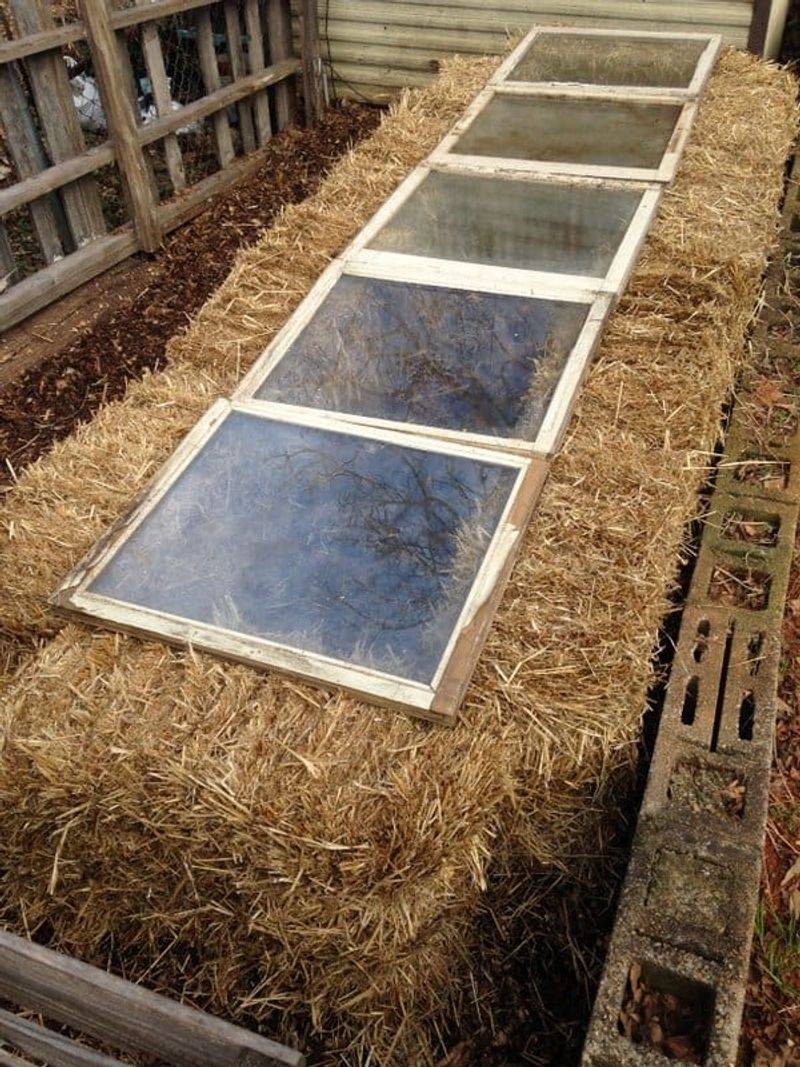
Some nights call for an extra layer. A cold frame usually adds several degrees of protection, which handles most frosty evenings just fine. When a deep cold snap rolls in, though, your greens may need a little more help.
Start with the outside walls. Bank straw bales, piles of fallen leaves, or mounded soil against the sides of the box. This simple trick acts like a winter coat, slowing the escape of heat through the boards.
Next, look at the lid, since that is where much of the warmth slips away at night. On very cold evenings, toss an old blanket, quilt, or tarp over the top. Weigh down the edges with bricks so the wind cannot snatch it away.
Inside the frame, a piece of lightweight row cover laid gently over your plants adds one more buffer. Those thin fabric sheets trap a pocket of warm air right around the leaves. Layered together, these small steps can carry crops safely through a hard freeze.
Morning matters just as much as night. Remember to pull off the blankets and tarps once the sun comes up so your plants can soak up light. Leaving heavy covers on for days blocks the sunshine they need.
North Carolina weather loves to keep gardeners guessing. Weeks of mild, almost springlike days can suddenly give way to a sharp arctic blast with temperatures in the teens.
Keeping a stack of old blankets and a bale of straw nearby means you can react quickly when the forecast turns frigid.
8. Water Less, But Don’t Forget To Check
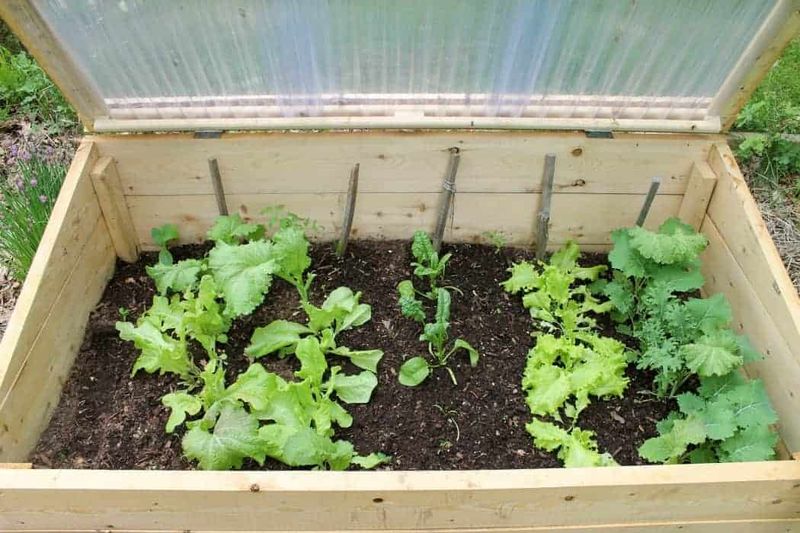
Watering a cold frame feels a bit like caring for a terrarium. The closed lid cuts down on evaporation, so moisture lingers in the soil far longer than it does in open beds.
You will likely water much less often than you did in summer. Still, less does not mean never. That same lid blocks rain, so your plants rely entirely on you for water.
Frequent venting on sunny days also lets moisture escape, and over a few weeks the soil can quietly dry out. A weekly check keeps things on track. Push a finger an inch or two into the soil.
If it feels dry at that depth, it is time to water. Morning is the best time to grab the watering can, ideally on a mild day. Watering early gives the leaves and soil surface time to dry before the cold night sets in.
Wet leaves sitting in chilly, closed air invite trouble. Too much water causes more problems than too little in winter. Soggy soil can lead to rot and mold, especially when the lid stays closed for days.
Aim for soil that feels like a wrung-out sponge, damp but never dripping. Keep an eye out for slugs, too. These slimy visitors adore cool, damp hiding spots, and a cold frame suits them perfectly.
Check under leaves and along the walls, and remove any you find. North Carolina winters shift constantly between wet spells and dry, sunny stretches.
Your watering routine should shift right along with them, and a quick weekly look keeps your winter greens thriving.