The September Daffodil Step Most Georgia Gardeners Skip
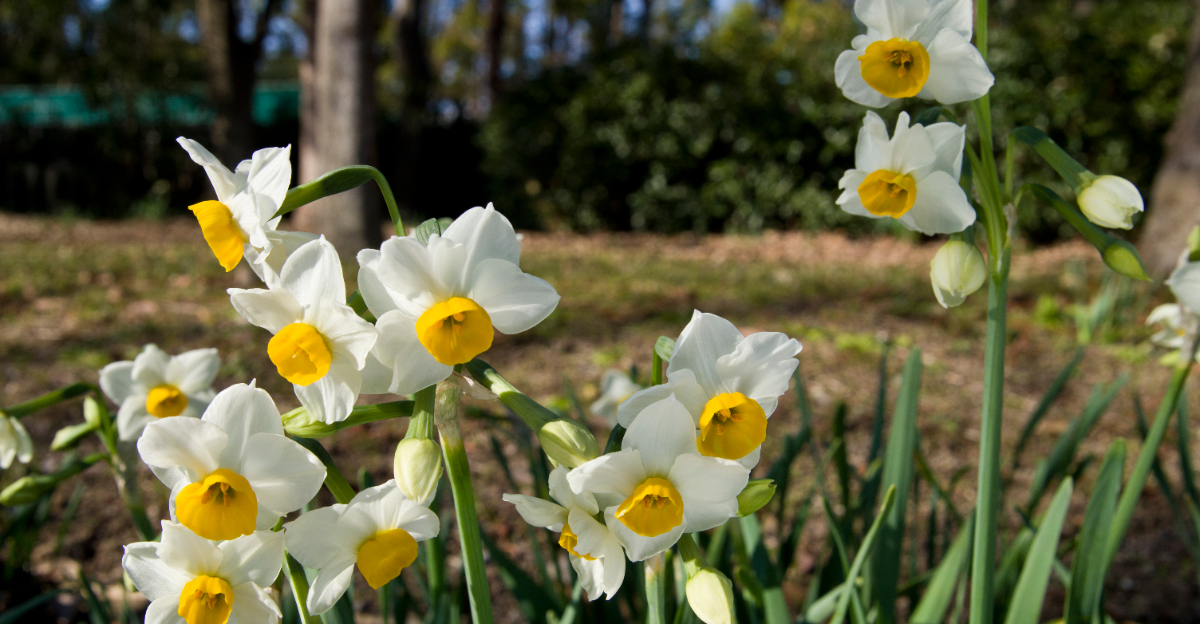
Daffodils may be months away from flowering, but September is when one overlooked decision can make spring much easier. Waiting until planting day means missing a useful chance to prepare.
That preparation matters because good spring flowers begin long before green shoots appear.
Georgia gardeners often start thinking about daffodils once cooler planting weather arrives. By then, however, the best choices may depend on work that could have happened weeks earlier.
September gives you time to handle that work without rushing.
Instead of forgetting about your daffodils until the soil feels cooler, use this month to get one important detail sorted out. Doing so can remove guesswork when planting time finally arrives.
Spring may seem distant, but the groundwork for those yellow flowers starts surprisingly early.
1. Spring Flowers Start With What You Do Now
Spring color is decided in fall. That sounds odd, but a daffodil bloom is already forming inside the bulb long before you see a single green shoot.
Inside each bulb sits stored food and a flower bud in progress. Rough handling or poor storage in September can affect what shows up in March.
So the work you do now is really just protecting what is already there.
Gardeners in Georgia often treat bulbs like seeds, something tough that waits patiently for any conditions. Bulbs are living tissue, though, and they respond to heat, moisture, and bruising.
A bag left in a hot car for two days can set things back.
Think of September as your setup month, not your planting month. You sort, inspect, choose spots, and fix problems while the soil is still too warm for planting.
Then October arrives and the actual digging goes fast.
One more thing worth knowing. Daffodils are among the more reliable bulbs in the Southeast because most types tolerate mild winters better than tulips do.
Reliability is not the same as guaranteed, and results still shift with soil and rainfall.
Give yourself a weekend in September to handle the boring parts. Spring rarely rewards last-minute effort with bulbs.
2. September Is The Time To Get Bulbs Ready
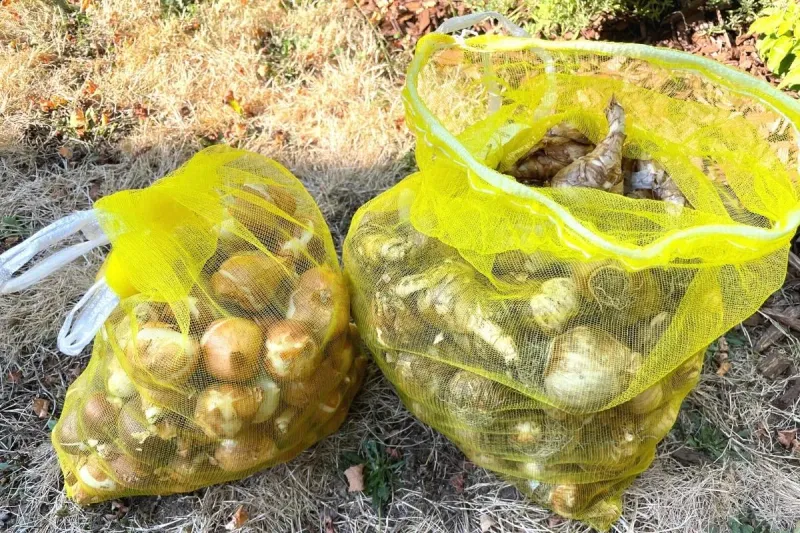
Bulbs need a waiting room. September is when you give them one instead of leaving them in whatever bag they came home in.
Plastic traps moisture, and trapped moisture invites mold. Move bulbs into mesh bags, open crates, or a cardboard box with holes.
Airflow does most of the work here.
Where you store them matters just as much. A cool, dark, dry corner beats a sunny shelf or a humid shed.
Garage floors near a wall usually stay cooler than upper shelves.
Ordering early is smart, but early delivery creates a storage job. Plenty of Georgia gardeners get bulbs in late August and then have to hold them for six weeks.
Label the bags by variety while you remember which is which.
Also worth doing now: sketch a rough plan. Note how many bulbs you have, how many go in each bed, and which spots you want to fill.
Your Georgia Garden Changes Every Week. Your Plan Should Too.
Gardening in Georgia changes quickly throughout the season. Every Friday you’ll receive a simple weekly plan showing exactly what to plant, prune, fertilize, harvest, and protect so you never miss the right timing.
Counting later, with dirt on your hands, never goes well.
Keep bulbs away from ripening fruit if you can. Some fruit gives off ethylene gas, which can affect flower buds inside stored bulbs.
Simple stuff, but it protects your investment.
By the end of the month, your bulbs should be sorted, breathing, and ready to go the moment temperatures drop.
3. Healthy Bulbs Give Spring Growth A Better Start
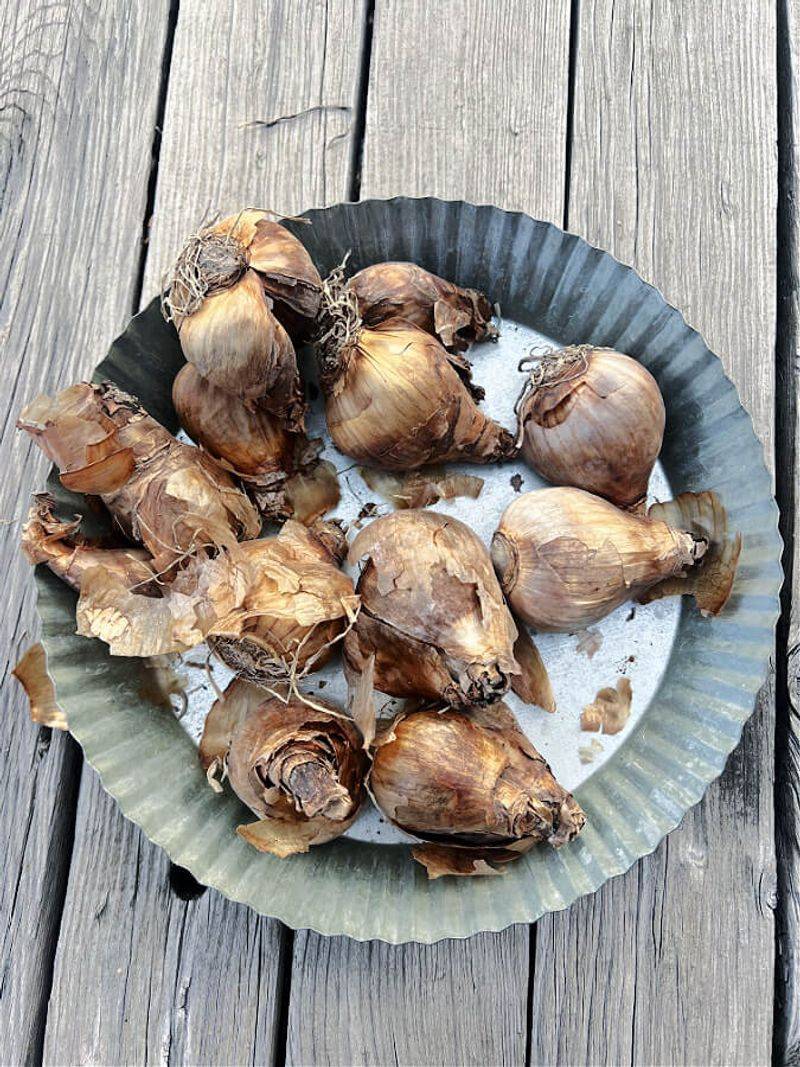
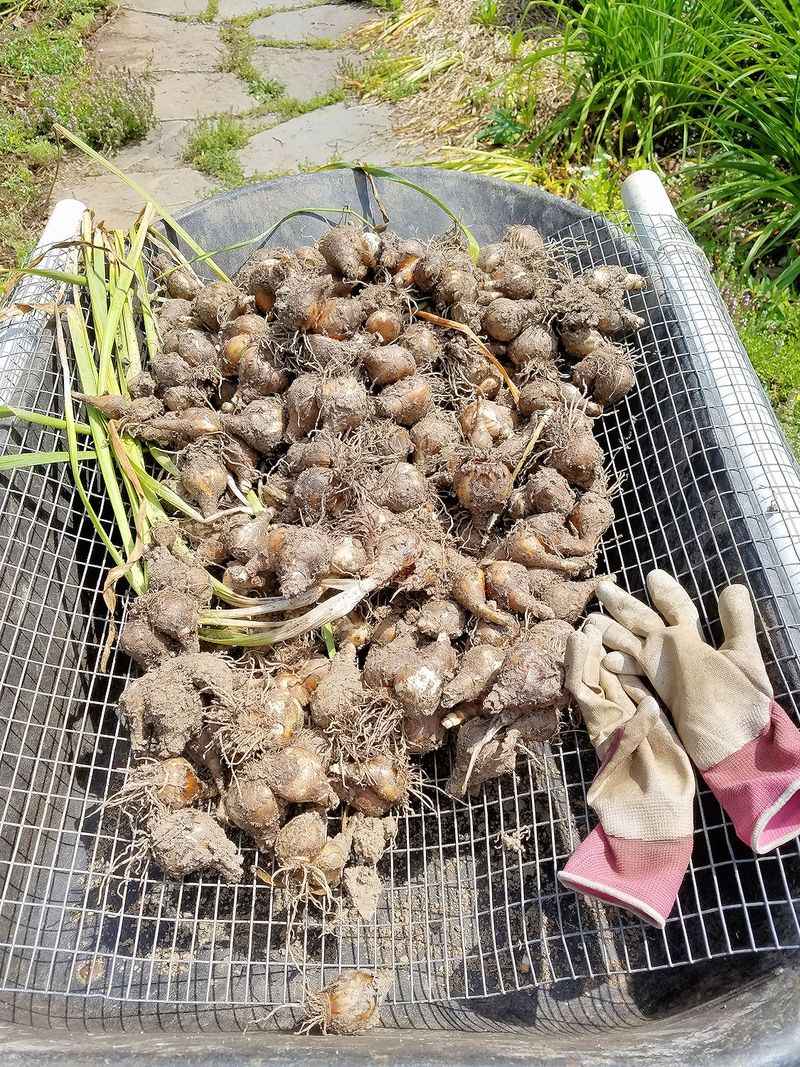
Squeeze test first. A good daffodil bulb feels firm, like a fresh onion, with papery skin that flakes a little.
Soft spots, mushy patches, or a hollow feel usually mean trouble. Those bulbs may still sprout, but growth tends to be weak and unreliable.
Set them aside rather than mixing them into your best bed.
Size counts too. Bigger bulbs generally carry more stored energy, which often means more blooms in year one.
Smaller bulbs can catch up over a season or two.
A little surface mold on the papery skin is common and often harmless. Fuzzy growth combined with softness is a different story, and those are better composted.
Bulbs with fresh cuts or deep bruises are also risky picks.
Sprouting roots in September? Not unusual, and not a problem.
Short white root nubs mean the bulb is ready to grow. Handle those gently and plant them among your first batch in October.
Double-nose bulbs, the ones that look like two bulbs fused together, are actually a bonus. Each nose can send up its own stem.
Across Georgia, gardeners often report better performance from firm, heavy bulbs than from bargain bags sold late in the season.
Sorting takes twenty minutes and saves a season of guessing.
4. The Right Planting Spot Makes A Difference
Shade in September lies to you. Trees that block your yard now will be bare in March, when daffodils actually need light.
So walk your yard and think ahead. Spots under oaks and maples often get plenty of late-winter sun once leaves drop.
Evergreen shade is the real problem, since pines and magnolias hold cover year round.
Aim for six hours of sun during bloom season. Less light usually means fewer flowers and floppier stems.
Morning sun with light afternoon shade works nicely in hotter parts of the state.
Foliage needs sun after blooming too. Leaves feed the bulb for the next year, so a spot that gets shaded out in April is a poor long-term choice.
Keep that in mind before planting under a fast-leafing tree.
Slopes and raised beds tend to outperform low, flat ground here.
Water drains away instead of pooling around the bulb. In Georgia’s wetter winters, that difference shows up clearly by spring.
Avoid planting right against irrigation heads or in lawn areas you water all summer. Dormant bulbs prefer dry summer soil.
Mark your chosen spots now with flags or stakes.
Come October, you will not be standing in the yard trying to remember where the good sun was.
5. Drainage Matters Before Bulbs Go In The Ground
Wet feet ruin daffodils faster than cold does. Sitting water leads to rot, and Georgia’s red clay holds water like a bowl.
Test it before you commit. Dig a hole about eight inches deep, fill it with water, and watch the clock.
Water gone within a few hours suggests decent drainage.
Still standing after several hours? Fix the spot or pick another one.
Amending clay works, but do it in September, not on planting day. Mix in compost, pine bark fines, or coarse sand across the whole bed rather than in individual holes.
Pocket amendments can create little water traps, which defeats the purpose.
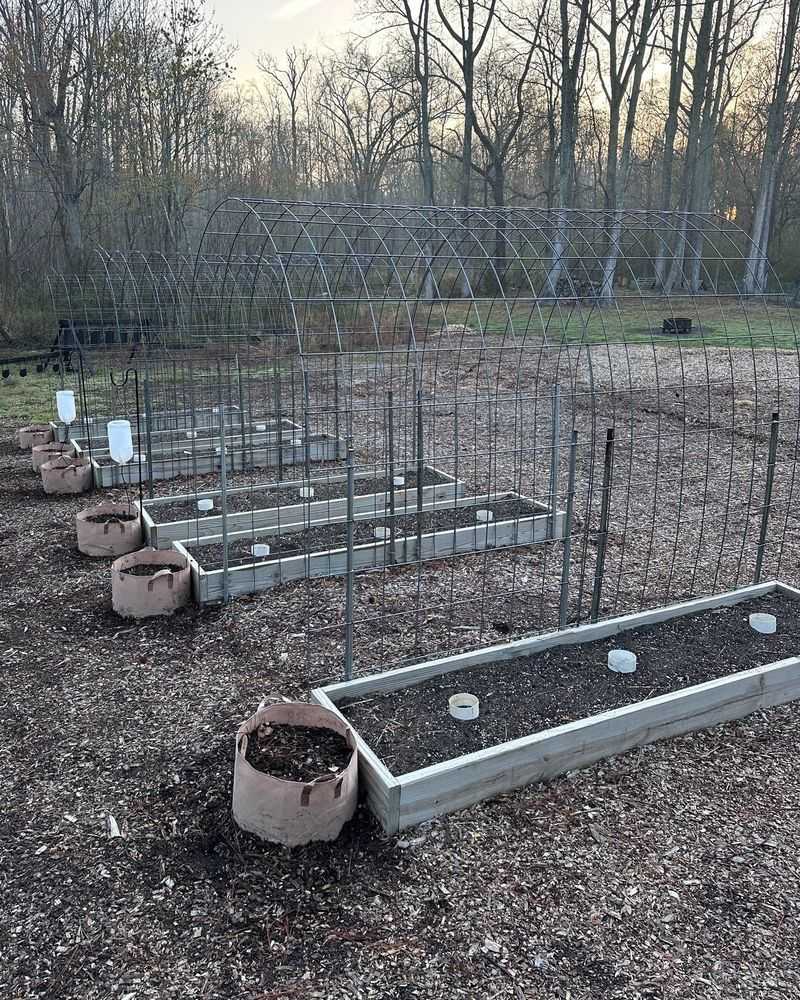
Raised beds solve stubborn clay quickly. Even four to six inches of height helps water move away from the bulbs.
Berms along a slope work the same way.
Skip the gravel layer at the bottom of a hole. That old trick tends to hold water at the boundary instead of draining it.
Better to improve the whole soil profile.
Heavy soil that has been worked with organic matter for a season or two behaves much better. Results still depend on your specific site and rainfall.
Do the digging and mixing now, while the ground is workable and you have time.
October you will thank September you.
6. Wait For Cooler Weather Before Planting
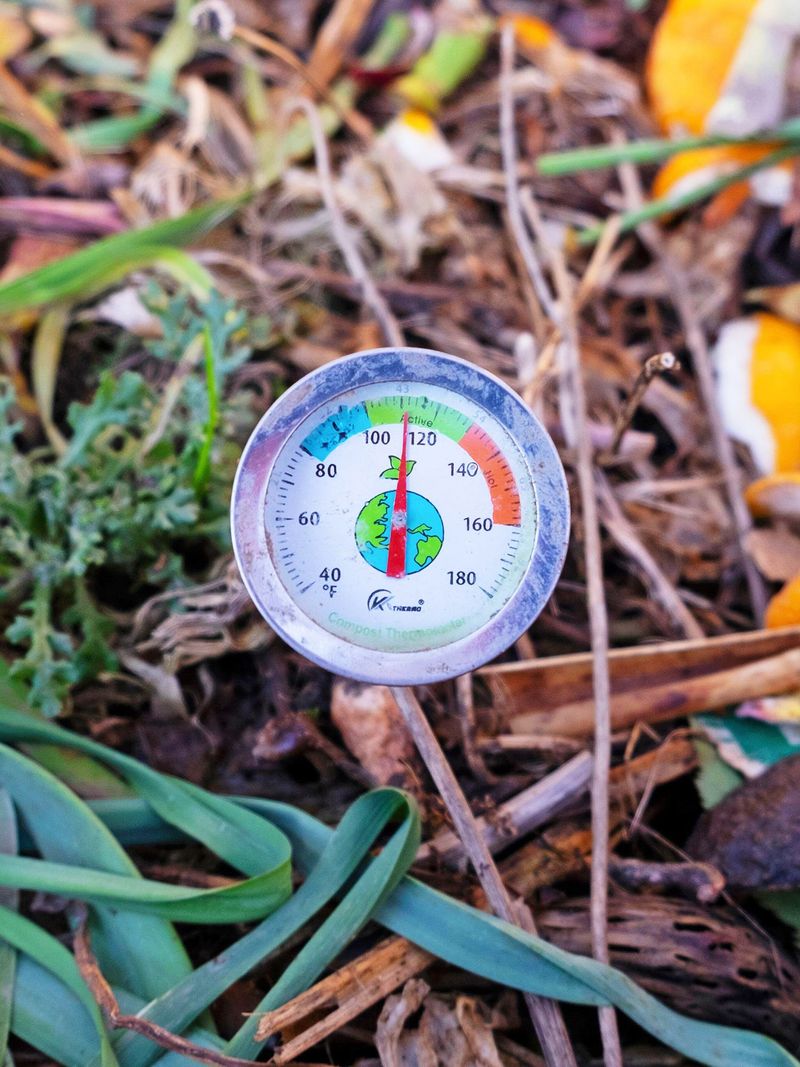
Patience beats enthusiasm here. Warm soil is the main reason early-planted daffodils underperform in the South.
Bulbs planted into hot ground may start root growth under stress. Rot risk climbs when soil stays warm and moisture hangs around.
Cooler soil gives roots a calmer start.
A soil thermometer takes the guesswork out.
Many Southern growers wait until soil at planting depth cools to roughly 55 to 60 degrees. Air temperature alone can fool you, since soil lags behind by a couple of weeks.
Check in the morning for a more consistent reading.
North Georgia usually cools first, sometimes by early October. Areas closer to the coast may not settle down until November.
Elevation and shade shift the timing too.
Meanwhile, use the waiting time. Clean beds, pull weeds, finish amending soil, and keep bulbs cool and dry.
Rushing rarely pays off with spring bulbs.
One caution about storage during this stretch. Bulbs held too long in warm, humid air can shrivel or soften, so a cool spot really matters.
Check the bag every couple of weeks.
Weather swings happen, and some years stay warm longer than anyone expects. Adjust your plan to what the thermometer says rather than the calendar.
Flexibility is part of gardening in the Southeast.
7. October Is When The Plan Comes Together
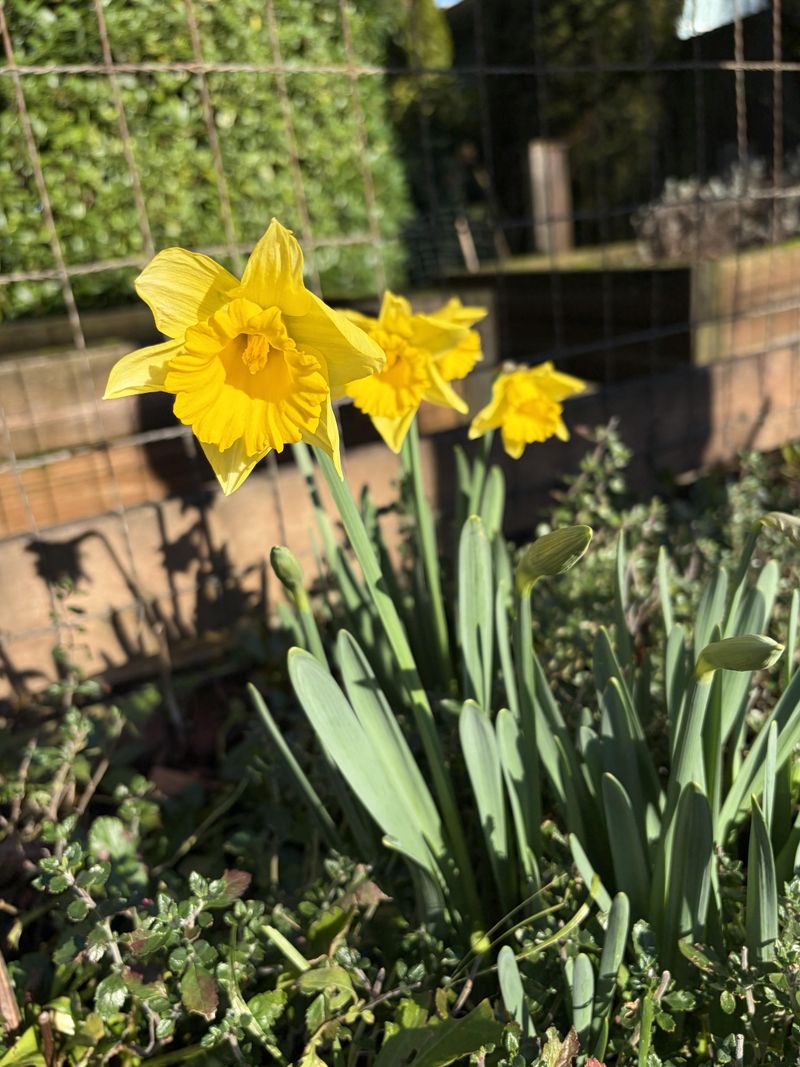
Now the fun part. With prep done, October planting turns into a quick, satisfying job instead of a scramble.
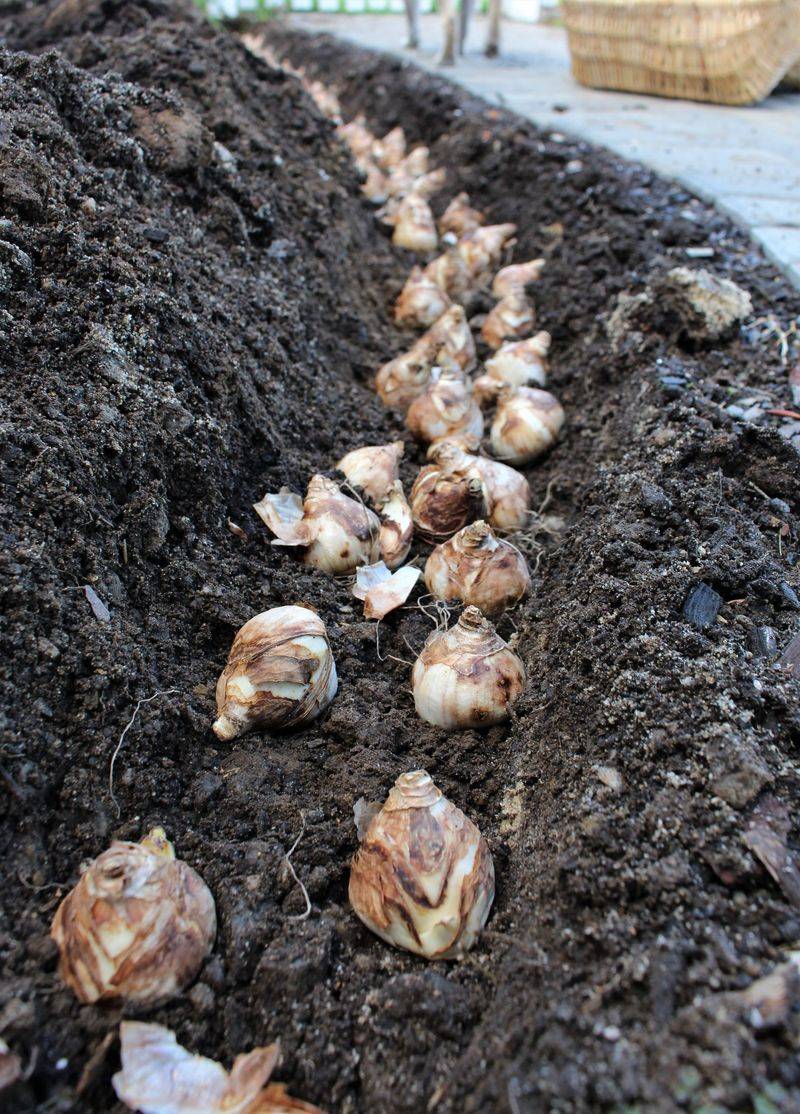
Plant bulbs pointy end up, roughly six inches deep in improved soil. Deeper placement, closer to eight inches, can help in sandy ground.
Space them about four to six inches apart for full clumps.
Groups of seven or more look better than straight rows.
Water once after planting to settle the soil and wake up the roots. After that, natural rainfall usually handles it through winter.
Soggy beds need no extra help at all.
Mulch lightly, around two inches, using pine straw or shredded leaves. Too thick a layer can keep soil warm and hold moisture where you do not want it.
Leave the mulch loose rather than packed down.
Skip heavy fertilizer at planting time. A low-nitrogen bulb food or a bit of compost is plenty, and bone meal can attract digging animals.
Feeding again as shoots emerge in late winter is usually more useful.
Across Georgia, well-prepped daffodils often naturalize and return for many years, though performance varies by variety and site.
Jot down what you planted and where.
Come spring, that note tells you which spots worked and which ones need rethinking next September.