Why Texas Gardeners Are Replacing Emerald Green Arborvitae With Smarter Privacy Plants
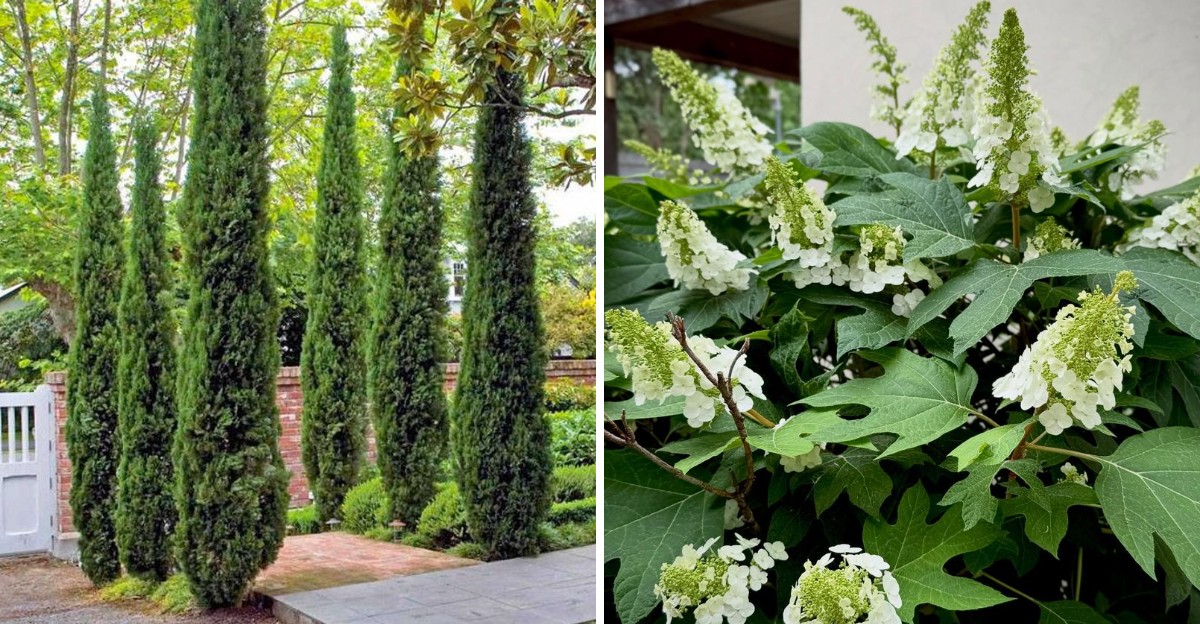
Emerald green arborvitae has been a Texas landscaping default for decades. It’s fast growing, widely available, and delivers the dense green screening most homeowners want without much complexity at the point of purchase.
Most people plant a row and consider the privacy problem solved. Then reality sets in.
Texas summers push arborvitae hard. Bagworm damage, spider mite infestations, heat stress browning, and the slow decline of individual plants that creates gaps in an otherwise solid privacy screen are problems Texas arborvitae growers encounter far more often than gardeners in cooler climates.
Replacing one plant is manageable. Watching an entire privacy screen deteriorate is genuinely frustrating.
Smarter alternatives exist. Plants that provide equal or better privacy, handle the Texas climate on its own terms, and bring ecological value that arborvitae never offered.
1. Wax Myrtle
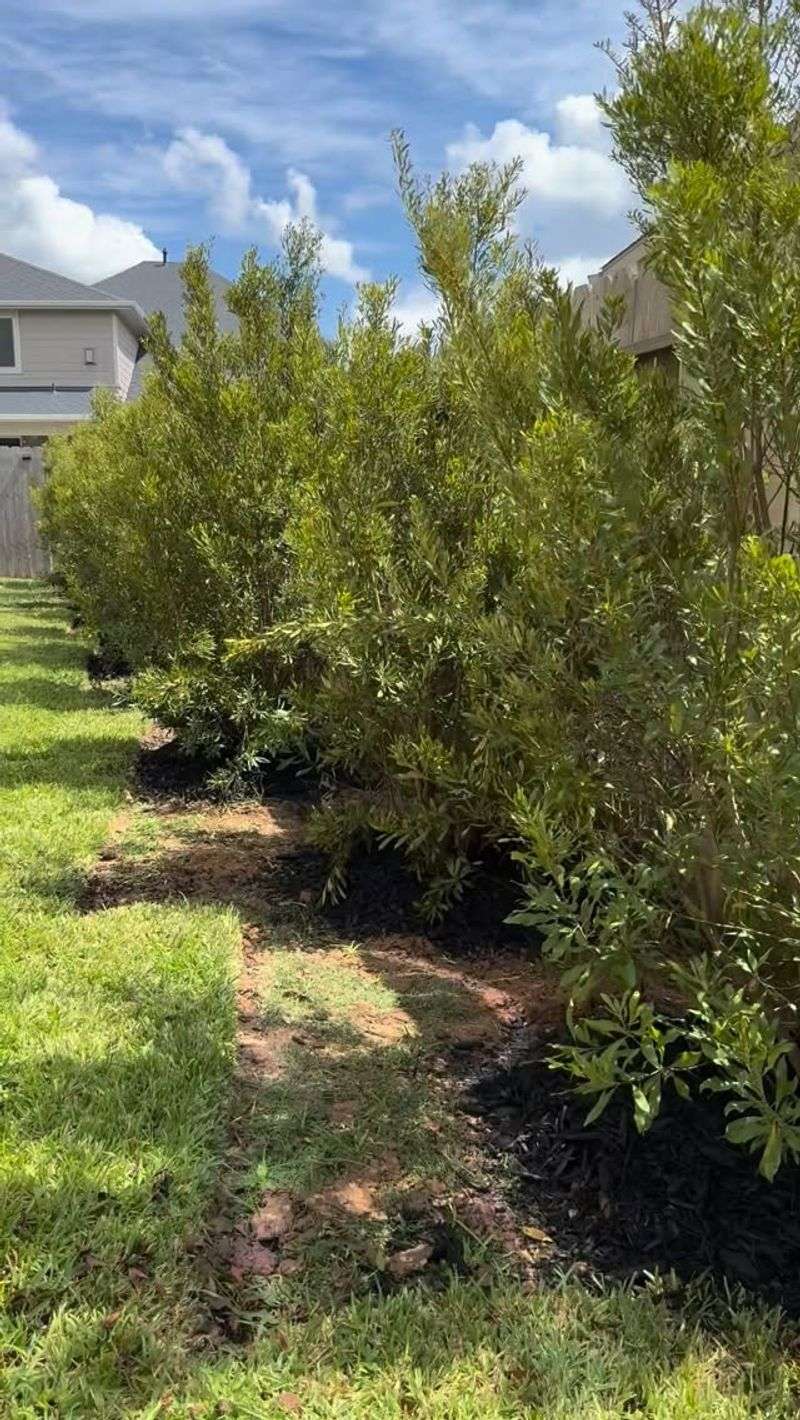
Native Texans have quietly loved this shrub for generations, and it is easy to see why. Wax Myrtle grows fast, sometimes shooting up several feet in a single year.
The soft, aromatic leaves stay green all year long, giving you a thick screen that blocks nosy neighbors. When you brush against the foliage, it releases a pleasant, spicy scent that many people enjoy.
What makes it a smart pick is how little fuss it needs. Once established, it handles both soggy spots and dry stretches without complaint.
That flexibility matters a lot in Texas, where weather can swing from flooding rains to weeks without a drop.
Deer tend to leave it alone, which is a huge relief for gardeners tired of finding chewed-up plants each morning. Small waxy berries also appear on female plants, drawing songbirds to your yard.
You can grow it as a loose, natural hedge or trim it into a neat wall for a cleaner look. It reaches around fifteen feet tall, so it covers even two-story views.
Plant several about five feet apart for a solid barrier that fills in quickly. Give them a good soaking during their first summer, and after that they mostly take care of themselves.
Fun fact: early settlers boiled the berries to make candle wax, which is how the plant earned its name.
For anyone wanting a low-maintenance, tough, and lush green screen, Wax Myrtle checks nearly every box. It stays healthy in the Texas heat where arborvitae often gives up.
2. Nellie R. Stevens Holly
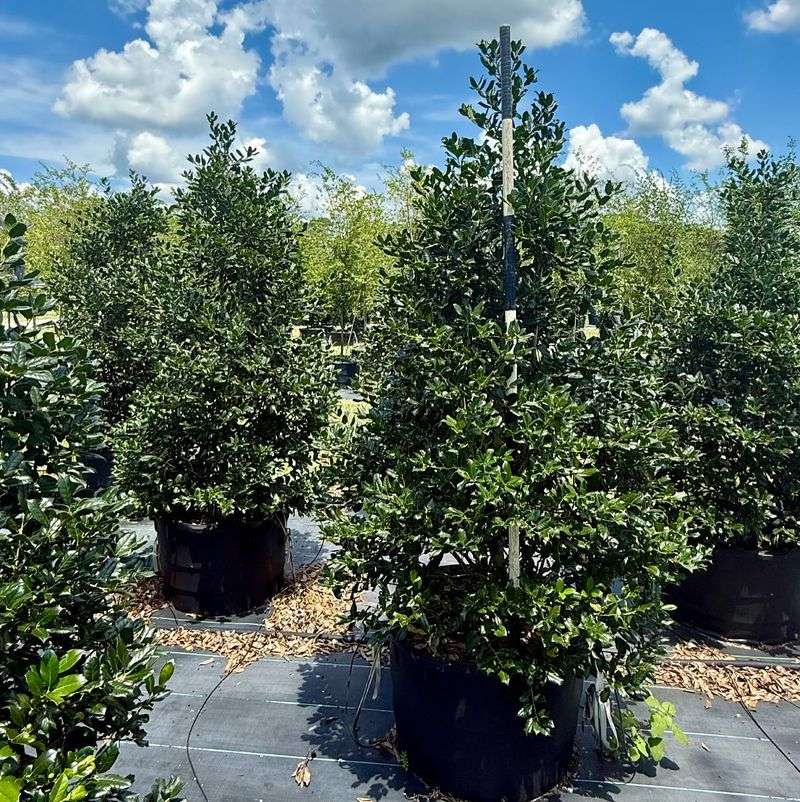
Picture a wall of dark, glossy leaves dotted with cheerful red berries every winter, and you have got Nellie R. Stevens Holly.
This tough evergreen has become one of the most popular privacy plants across Texas.
It grows fast for a holly, adding two to three feet each year until it reaches twenty feet or more. The naturally pyramid shape means it fills in tightly without much pruning on your part.
Heat, drought, and clay soil barely faze it once the roots settle in. That reliability is exactly what frustrated arborvitae owners are looking for.
Those glossy leaves have a slightly prickly edge, which does double duty. Not only do they look sharp, they also discourage deer and even keep intruders from pushing through.
Your Texas Garden Changes Every Week. Your Plan Should Too.
Gardening in Texas changes quickly throughout the season. Every Friday you’ll receive a simple weekly plan showing exactly what to plant, prune, fertilize, harvest, and protect so you never miss the right timing.
The bright red berries show up in fall and hang around all winter, feeding birds and adding festive color when the rest of the yard looks bare. You do not even need a male plant nearby, since this variety produces berries on its own.
Space them about six to eight feet apart for a screen that closes gaps within a few years. Full sun brings out the densest growth, though it tolerates a bit of shade too.
Water regularly during the first year, then step back and let it thrive. It rarely deals with pests or disease, saving you time and money.
Named after a Virginia gardener who spotted it in her yard, this holly has proven itself far tougher than its fancy name suggests. It gives Texas homeowners a classic, polished look that lasts.
3. Eastern Red Cedar
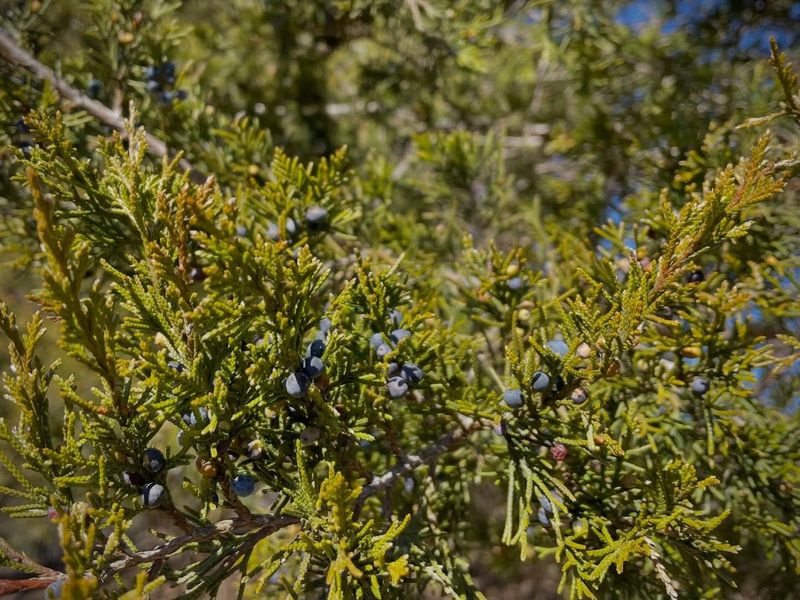
Drive through the Texas Hill Country and you will spot Eastern Red Cedar growing wild almost everywhere. That alone tells you how well it fits our climate.
This native evergreen laughs at heat, poor soil, and long dry spells. It asks for almost nothing yet gives you a thick, year-round privacy screen.
The feathery blue-green foliage turns a slightly bronze shade in winter, adding subtle color to your yard. Older trees develop reddish, peeling bark that many gardeners find beautiful.
Because it is so drought-tough, you can plant it in spots where thirstier plants would struggle. Once its deep roots take hold, natural rainfall usually keeps it happy.
Birds absolutely adore it. Cedar waxwings, mockingbirds, and many others feast on the small blue berries and nest in the dense branches.
If you enjoy backyard wildlife, this tree brings plenty of it.
It works wonderfully as a windbreak too, softening those strong Texas gusts that whip across open lots. Plant a row and you will notice a calmer, more sheltered yard.
Give each tree room, spacing them about eight to ten feet apart, since they can grow wide as well as tall. They can eventually reach thirty feet or higher.
One thing to know: the pollen can bother allergy sufferers in winter, so keep that in mind before planting near windows.
Pioneers once used its rot-resistant wood for fence posts that lasted decades. That same rugged toughness makes it a smart, no-worry choice for anyone wanting privacy the easy way in Texas.
4. Cherry Laurel
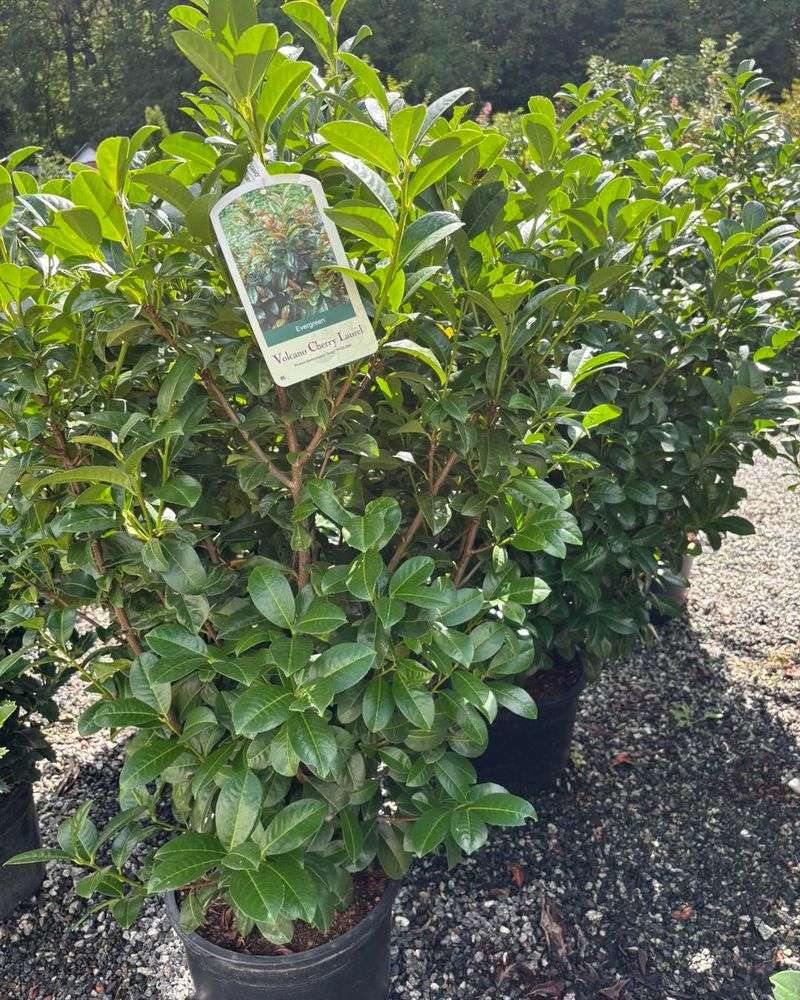
If you have a spot that gets some afternoon shade, Cherry Laurel might be your perfect match. Many privacy plants demand full sun, but this one happily fills in shadier corners.
Its shiny, dark green leaves create a dense, polished screen that looks great in both fancy and casual yards. In spring, fragrant white flower spikes appear, giving the whole hedge a fresh, sweet scent.
Growth is quick, so you will not wait forever for privacy. It can reach fifteen to twenty feet if you let it, or you can trim it lower for a tidy hedge.
Texas gardeners appreciate how well it shrugs off heat and drought once established. The waxy leaves help it hold moisture during those long, dry summer weeks.
You can shape it as much or as little as you like. Left alone, it grows into a rounded, natural form, while regular clipping keeps it crisp and formal.
Birds enjoy the small dark berries that follow the flowers, adding a little life to your garden. Just note that the leaves and seeds are not safe to eat, so plant thoughtfully around curious pets and young children.
Space plants about five feet apart for a hedge that closes in nicely. Water them well the first season, then ease off as the roots deepen.
It handles our clay soil far better than arborvitae does, rarely turning brown or thin. For shady spots that need a fast, glossy, sweet-smelling screen, Cherry Laurel delivers reliable beauty without demanding much attention from you.
5. Italian Cypress
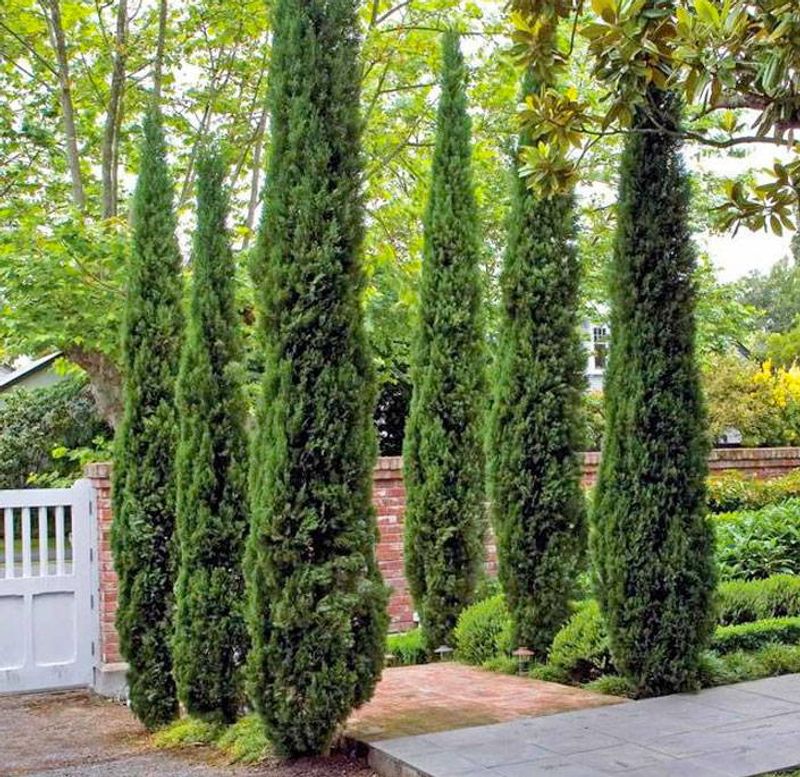
For a dramatic, elegant look, few plants beat the tall, skinny columns of Italian Cypress. These striking trees give any Texas yard a touch of Mediterranean charm.
Their narrow shape is a huge advantage for tight spaces. You can line a driveway, frame an entryway, or screen a slim strip between houses where wider plants simply would not fit.
Heat and drought are no problem at all. In fact, these trees actually prefer hot, sunny, dry conditions, which describes much of Texas perfectly.
They grow surprisingly fast, climbing up to three feet a year and reaching heights of forty feet or more. Yet they stay only a few feet wide, so they save valuable ground space.
Good drainage is the one thing they truly need. Plant them in sandy or well-draining soil, and avoid low spots where water pools after heavy rain.
Deer usually ignore them, and they rarely deal with serious pest trouble. That makes them a low-stress choice for busy homeowners.
Plant them about three to five feet apart for a solid green wall, or space them out as bold accents. Either way, they create a clean, formal vibe.
These trees have decorated Italian gardens for centuries, appearing in famous paintings and grand estates. Bringing them into your yard adds a hint of that timeless style.
Just give them room to reach for the sky, since their height is their signature. For anyone wanting tall privacy without a bulky footprint, Italian Cypress stands proud where arborvitae falls short.
6. Texas Sage
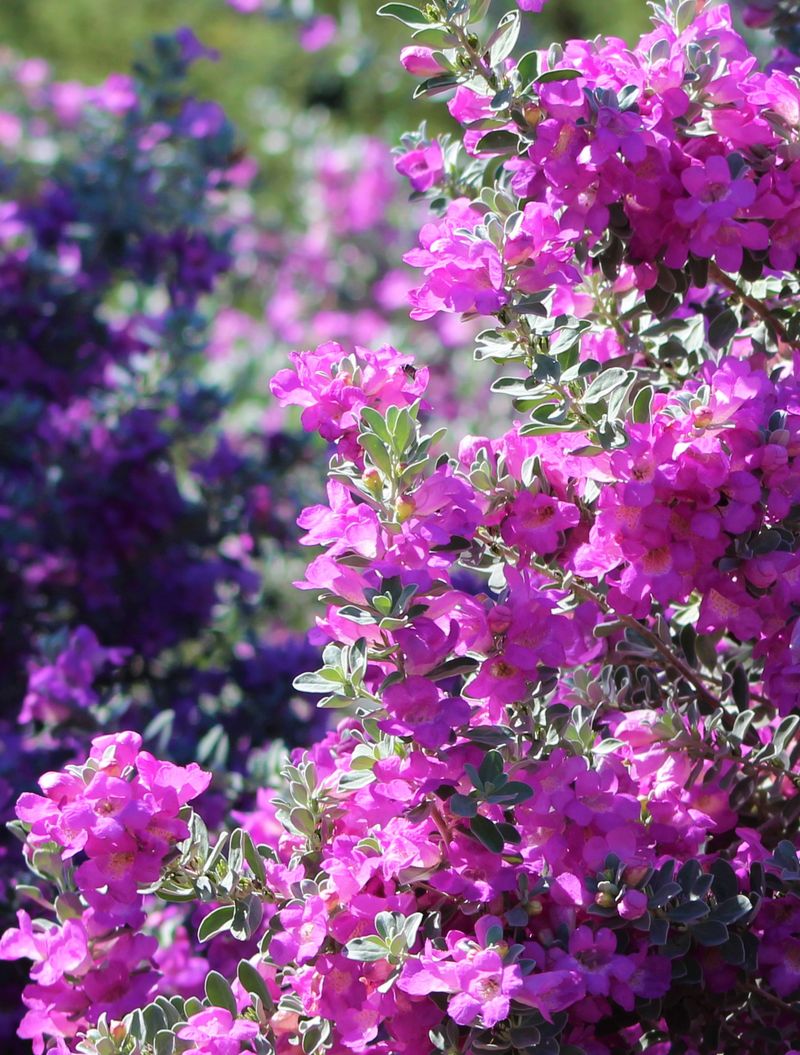
Talk about a plant built for Texas. Texas Sage, also called cenizo, is one of the toughest, prettiest privacy shrubs you can plant here.
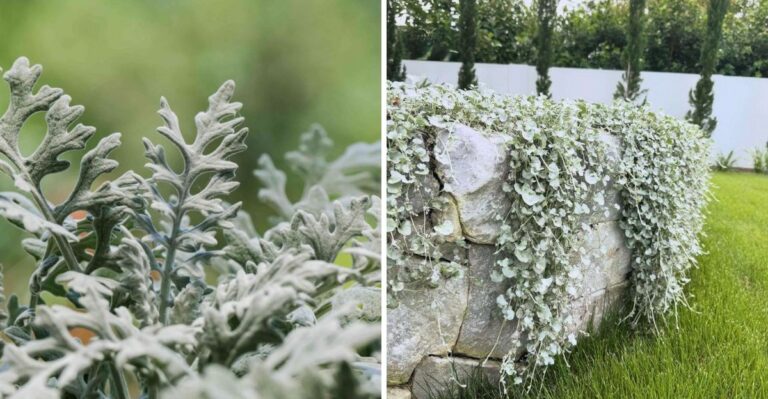
Its silvery-gray leaves shimmer in the sunlight, giving your yard a soft, elegant glow. After a good rain, it bursts into clouds of purple, pink, or lavender flowers, which is how it earned the nickname barometer bush.
Drought means nothing to this shrub. It actually looks its best in hot, dry weather and can go weeks without any water once established.
Growing four to eight feet tall and wide, it forms a nice informal screen for lower fences or garden borders. Plant a row and you get a colorful, dense barrier that hums with visiting bees and butterflies.
Poor, rocky, alkaline soil that stumps other plants suits it just fine. That makes it a lifesaver for those tricky spots in your yard where nothing else seems happy.
Deer generally pass it by, and pests rarely bother it. You can shape it with light pruning or let it grow into its natural rounded form.
The one rule to remember is drainage. Soggy roots are its only real weakness, so avoid planting it in areas that stay wet.
Space plants about four feet apart for a fuller look. Full sun brings out the most blooms, so pick your sunniest spot.
Native to Texas and northern Mexico, this shrub belongs here more than almost any other. For carefree color and privacy in the toughest conditions, Texas Sage is hard to beat.
7. Oakleaf Hydrangea
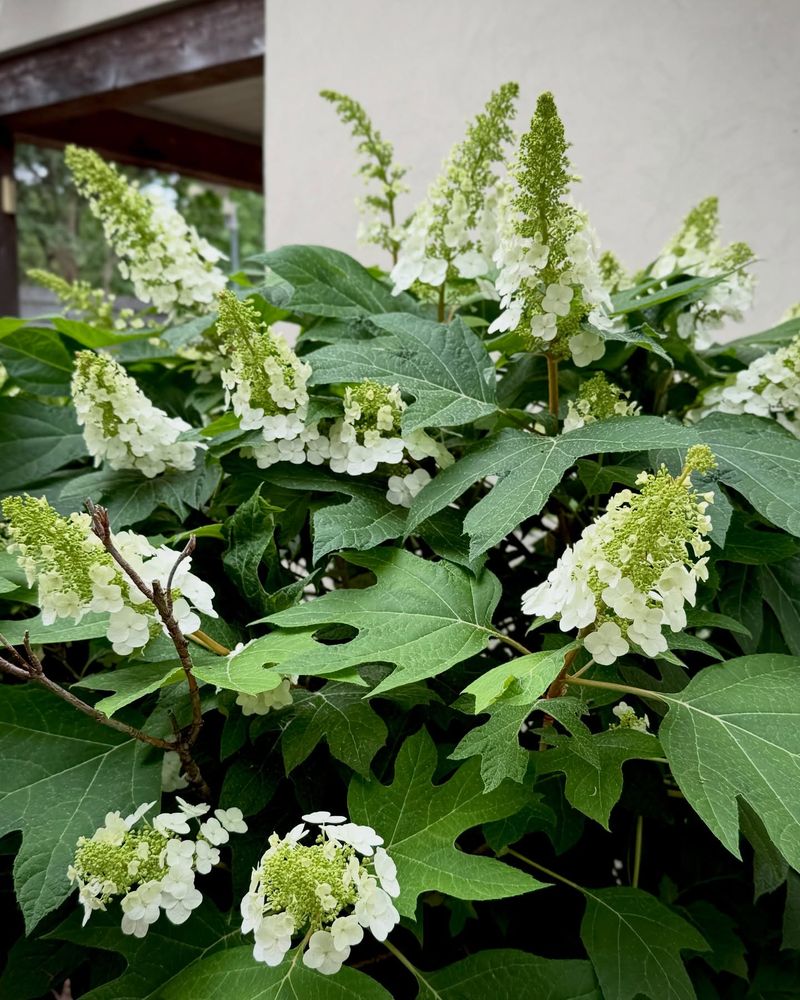
Here is a privacy plant that surprises people with its beauty in every season. Oakleaf Hydrangea does not just block views, it puts on a year-round show.
Big, cone-shaped white flower clusters appear in late spring and slowly fade to soft pink as summer moves along. The large, oak-shaped leaves turn brilliant shades of red, orange, and purple in fall.
Even in winter, the peeling cinnamon-colored bark gives you something interesting to look at. That means your privacy screen never looks boring.
Unlike many hydrangeas, this one handles heat and drought far better, making it a solid Texas choice. It does best with some afternoon shade, so it shines in spots where sun-loving plants would scorch.
Growing six to eight feet tall and just as wide, it fills in nicely as a soft, natural screen. Plant a few together and the broad leaves create a leafy wall during the warm months.
Rich, well-draining soil keeps it happiest, and a layer of mulch helps hold moisture around the roots. Water it during dry spells, especially while it is young.
Pollinators love the blooms, and the plant rarely struggles with pests. Light pruning after flowering keeps it shaped and healthy.
It is native to the southeastern United States, so it feels right at home in our warm, humid climate.
For gardeners who want privacy plus flowers, fall color, and winter interest all in one plant, Oakleaf Hydrangea offers far more personality than a plain green arborvitae ever could.