The Showy Native Ohio Shrub That Works Better Than Lilac Near Foundations
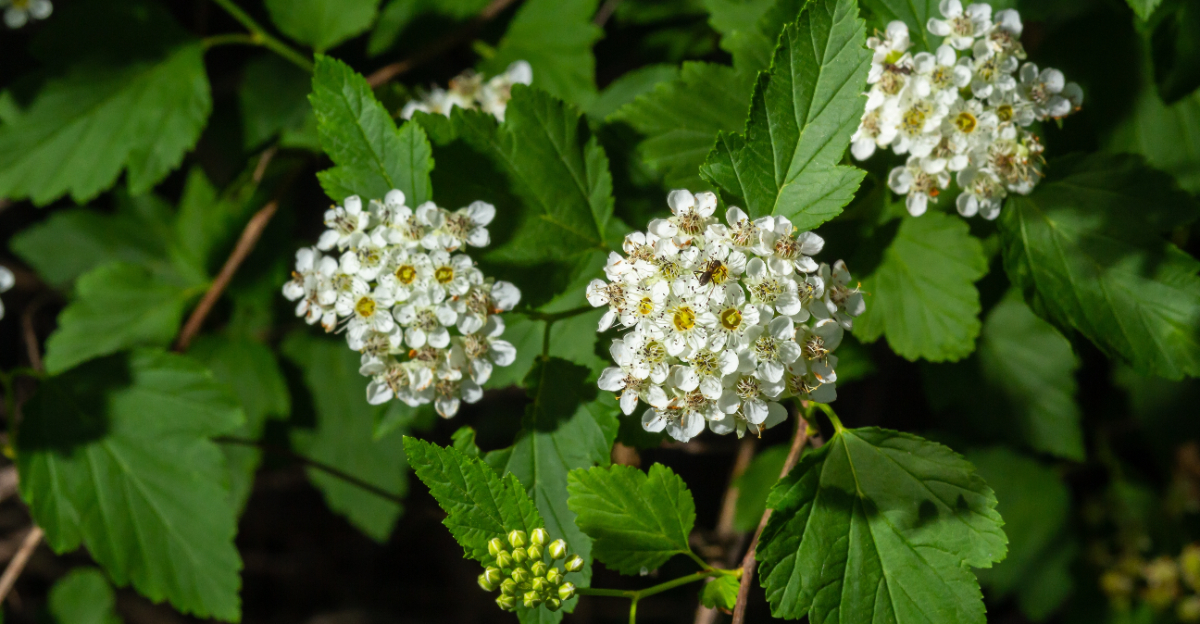
That lilac by your foundation looked incredible for two weeks this spring. What about the other fifty?
Lilacs put on a brief, fragrant show and then spend the rest of the year as a plain green wall. Foundation soil makes it worse, staying compacted with poor drainage that lilacs tolerate at best.
A different Ohio native handles that exact spot with far less complaint and far more to offer across the entire season. This shrub layers on interest in stages.
Clusters of blush-white flowers show up early. Peeling, textured bark stands out even in bare winter.
A tough root system shrugs off the poor, compacted soil common near home foundations. Lilac never manages that kind of range.
Your foundation deserves more than two weeks of fragrance followed by months of nothing. One native shrub delivers color, texture, and structure long after lilac blooms fade for the year.
1. Meet Ninebark, The Native Shrub Stealing The Spotlight From Lilac
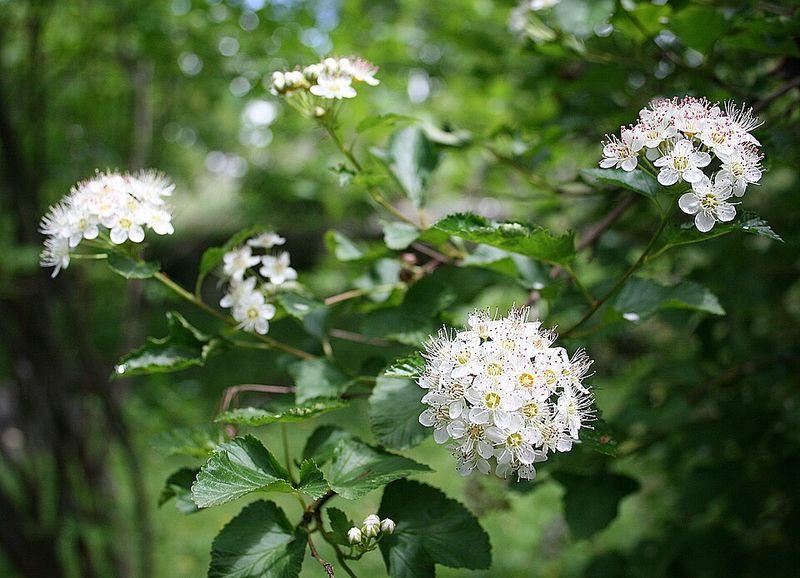
Walk through almost any Ohio native plant nursery this season, and you will likely spot ninebark front and center. Ninebark (Physocarpus opulifolius) is a deciduous shrub native to much of eastern North America, including Ohio.
It has been growing along riverbanks and woodland edges here for centuries.
The plant produces arching branches covered in attractive foliage. Leaves can range from deep burgundy to golden yellow depending on the cultivar.
The bark peels in thin layers, which is where the name ninebark comes from. That peeling bark adds winter interest even after the leaves drop.
Gardeners have taken notice because ninebark checks several boxes at once. It offers seasonal color, wildlife value, and adaptability without requiring a lot of fuss.
Newer cultivars have made it even more appealing by offering compact sizes and richer foliage colors.
Lilac has long been a sentimental favorite, and for good reason. But ninebark brings a native advantage that lilac simply cannot match.
Birds, bees, and butterflies are more likely to recognize and use a plant that evolved alongside them. That ecological connection is something many gardeners are starting to value more than ever.
2. Discover Why Ninebark Fits Tight Foundation Spaces Better
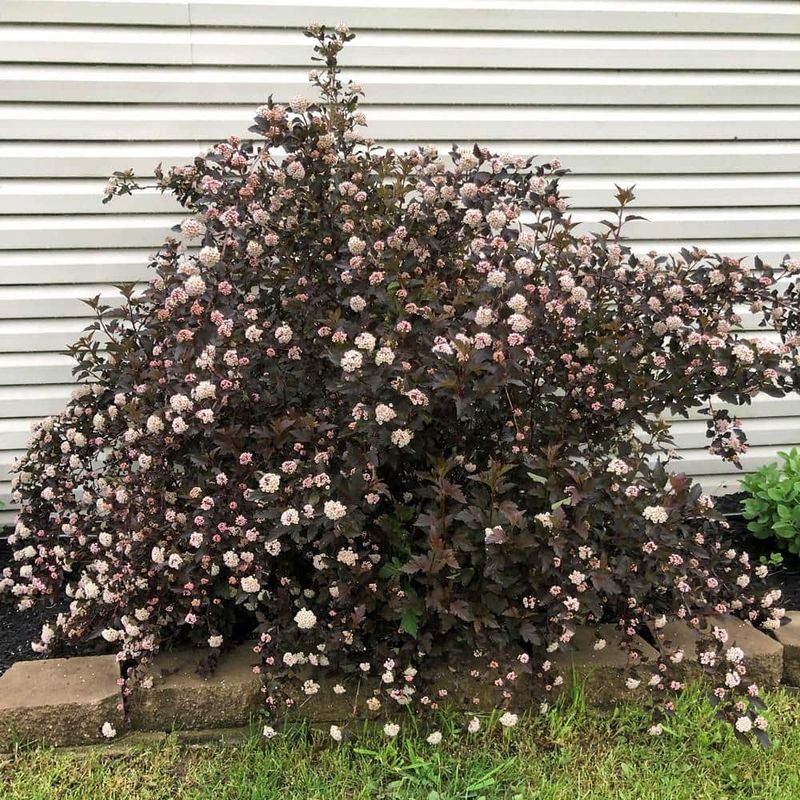
Foundation plantings have a way of outgrowing their welcome. A shrub that looks perfectly sized at planting can crowd a window or press against siding within just a few years.
Lilac is a classic example. Many common lilac varieties mature at 8 to 15 feet tall and just as wide.
That is simply too large for most foundation beds.
Compact ninebark cultivars offer a more practical alternative for tighter spots. Varieties like Tiny Wine and Little Devil mature around 3 to 4 feet tall and wide.
That size works well in foundation beds where space is limited and regular heavy pruning is not realistic.
Choosing a plant that fits its location from the start saves a lot of effort. Overgrown shrubs near foundations can trap moisture against siding, block windows, and create hiding spots for pests.
Planting a shrub with the right mature size prevents those problems before they begin.
Ninebark is also flexible when it comes to spacing. Standard-sized varieties can work in larger foundation beds with more room to spread.
The key is matching the cultivar to the available space rather than relying on pruning alone to manage an oversized plant. A little research at the nursery goes a long way toward avoiding future headaches.
3. Enjoy Showy Blooms Without The Maintenance Headaches
Lilac blooms are undeniably gorgeous, but they only last a couple of weeks each spring. After that, the show is over for the season.
Ninebark brings a different kind of floral display that feels more rewarding over time.
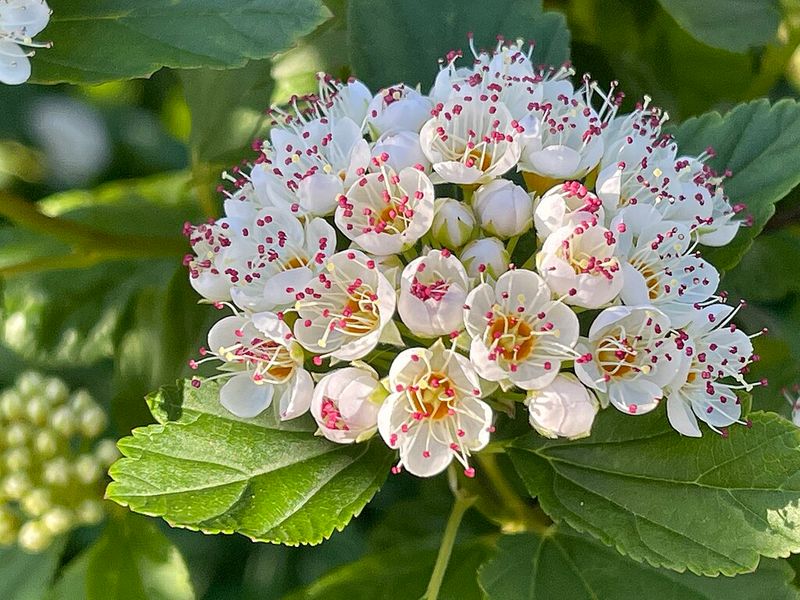
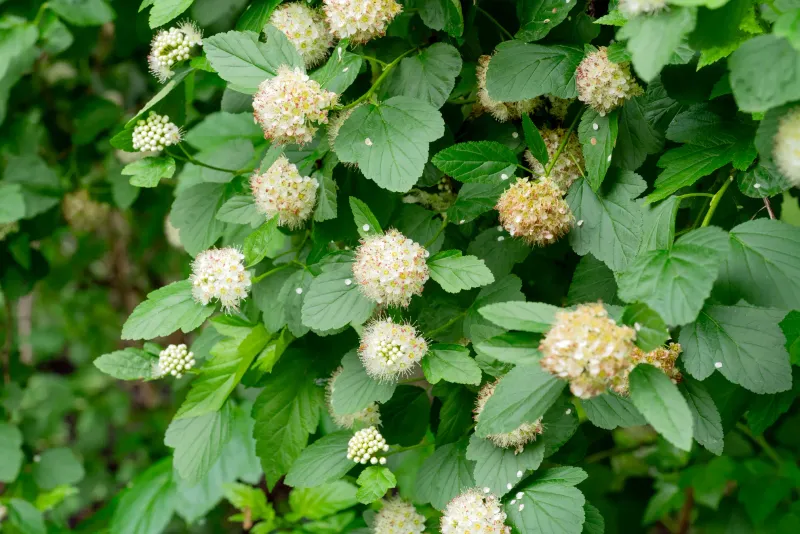
Ninebark flowers appear in late spring to early summer, typically around May to June in most parts of the state. The blooms form in rounded clusters called corymbs, similar in shape to those on spirea.
They range from white to pale pink and cover the plant in a cheerful, frothy display. After blooming, the flowers transition into papery reddish seed capsules that add color well into fall.
On the maintenance side, ninebark is notably easier to manage than lilac. Lilac benefits from trimming, selective pruning, and occasional rejuvenation cuts to stay productive.
Ninebark is more forgiving. It tolerates a hard prune if needed but rarely requires one to stay healthy and attractive.
Ninebark does not sucker aggressively the way some lilac varieties do. That means less time pulling up unwanted shoots around the base of the plant.
Ninebark is a practical choice for busy homeowners who want an attractive shrub without a long seasonal to-do list. It also provides visual interest well beyond its brief bloom period.
4. Choose Ninebark For Colorful Leaves And Four Season Appeal
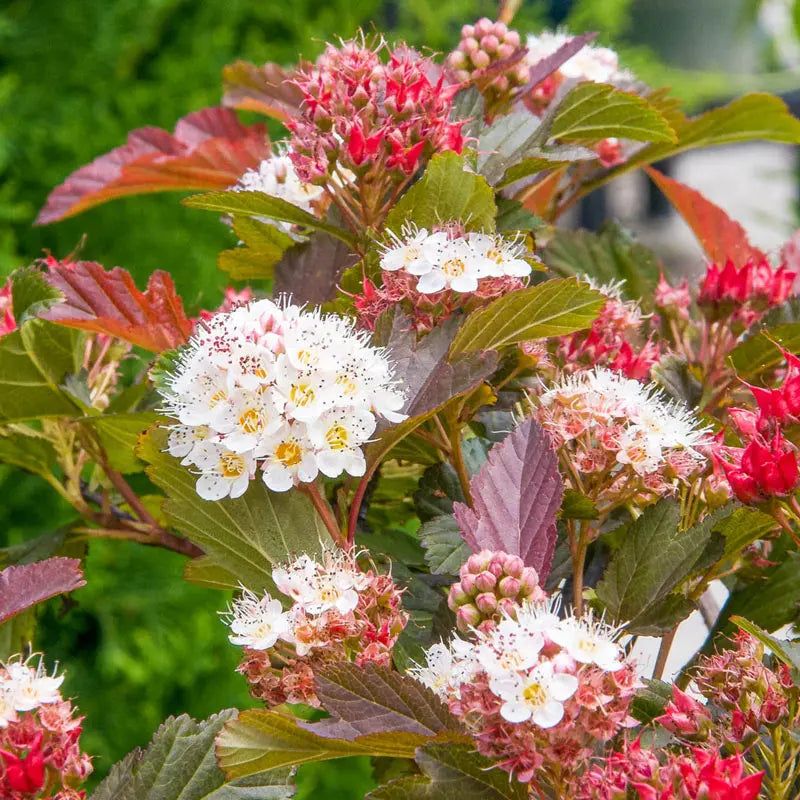
Some shrubs look great for a few weeks and then fade into the background for the rest of the year. Ninebark is not that kind of plant.
Its appeal stretches across all four seasons, which makes it a smart investment for any foundation bed.
Spring brings fresh new foliage in rich colors depending on the cultivar. Diablo offers deep burgundy leaves.
Summer Wine has a similar dark tone with a slightly more compact form. Coppertina shows off warm orange and copper tones.
Dart’s Gold produces bright chartreuse leaves that glow in the landscape. Each one creates a different mood in the garden.
Summer brings the blooms, followed by the decorative seed capsules that hang on into fall. As temperatures drop, some cultivars shift color again before dropping their leaves.
Once bare, the peeling, shaggy bark becomes the star. The multi-layered texture gives the shrub a sculptural quality that stands out in winter beds.
Lilac does not offer that kind of multi-season performance. Its foliage is plain green, and once the bloom is finished, the plant blends into the background.
For homeowners who want a foundation planting that earns its place year-round, ninebark delivers color, texture, and structure in every season without extra effort.
5. Grow A Tough Native Shrub That Handles Ohio Conditions
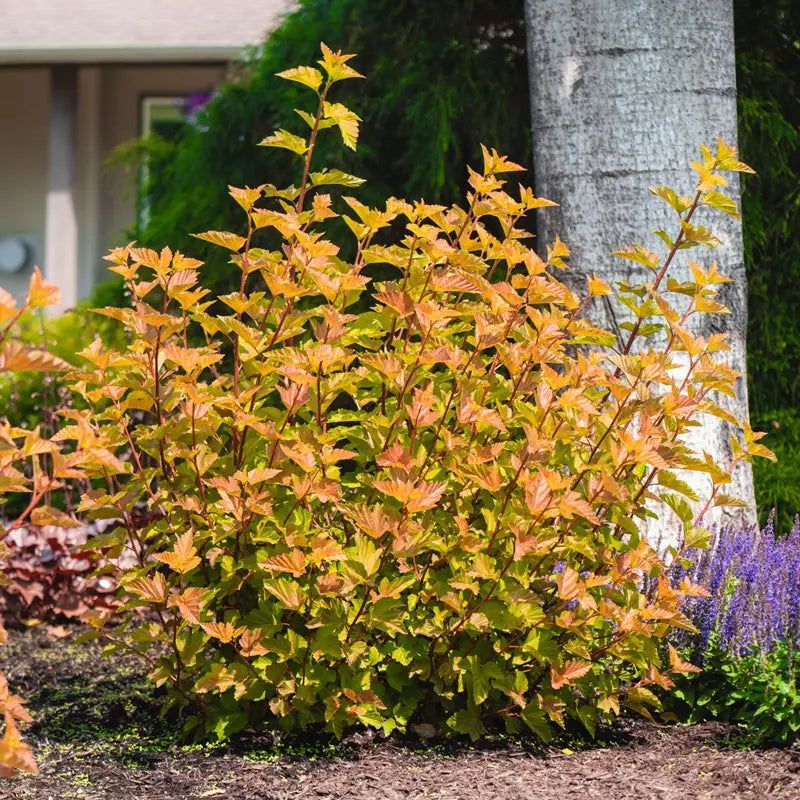
Ohio weather can be unpredictable. Summers bring heat and stretches of dry weather.
Winters can swing from mild to bitterly cold. A shrub that performs well here needs to handle both extremes without constant intervention.
Ninebark is well suited to those conditions. It grows in USDA hardiness zones 2 through 7, which covers all of Ohio comfortably.
Once established, it handles drought reasonably well. It does appreciate regular watering during its first growing season while its root system develops.
Sunlight matters for the best foliage color. Full sun brings out the richest tones in dark-leafed cultivars like Diablo and Summer Wine.
Partial shade is tolerated, but foliage color may be less intense. For foundation beds on the south or west side of a home, ninebark tends to perform especially well.
Soil flexibility is one of ninebark’s standout traits. It tolerates clay soil, which is common across many Ohio yards.
It also grows in sandy or loamy soils. Average moisture is ideal, but it can handle occasional wet or dry spells better than many ornamental shrubs.
Pests and diseases are rarely a serious concern. Powdery mildew can appear in humid conditions, but good air circulation usually keeps it manageable.
Overall, ninebark is a low-drama shrub that rewards basic care with reliable, healthy growth year after year.
6. Give Pollinators A Backyard Favorite With Lasting Benefits
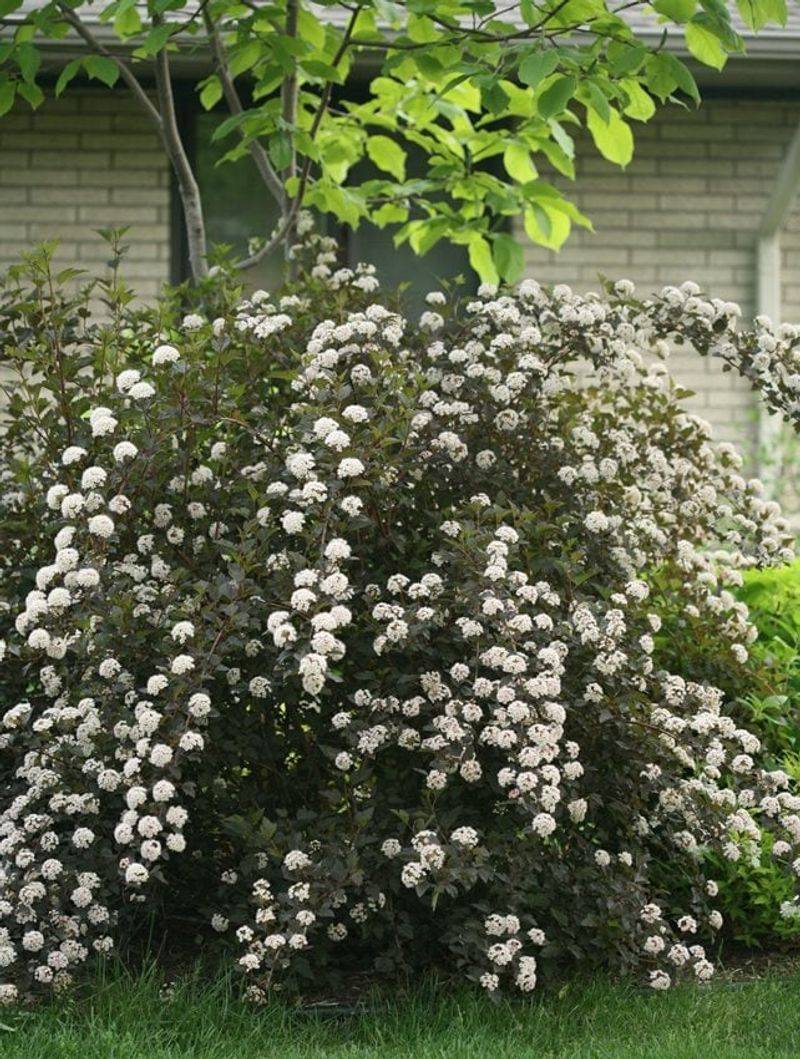
Planting a shrub near the foundation does not mean giving up on supporting local wildlife. Ninebark is a strong performer for pollinators and brings real ecological value to a home landscape.
The flowers attract a wide range of native bees. Bumblebees are frequent visitors, and smaller native bee species also forage on the blooms.
Butterflies stop by as well, especially during peak bloom. The flowering period in late spring and early summer aligns with a time when many pollinators are actively building their colonies and need reliable food sources.
Beyond the flowers, ninebark provides nesting habitat. Some native bees nest in hollow or pithy stems.
Leaving old stems in place through winter can support these insects. The seed capsules also attract birds like goldfinches and chickadees, which pick through them for seeds during fall and winter.
Research from native plant organizations consistently shows that native shrubs support more insect species than non-native ornamentals. That insect diversity, in turn, supports birds and other wildlife higher up the food chain.
A single well-placed ninebark can contribute more to a backyard ecosystem than several non-native plants combined.
For Ohio gardeners looking to do more for local wildlife without sacrificing curb appeal, ninebark strikes a meaningful balance between beauty and ecological function.
7. Avoid These Common Shrub Placement Mistakes Near Homes
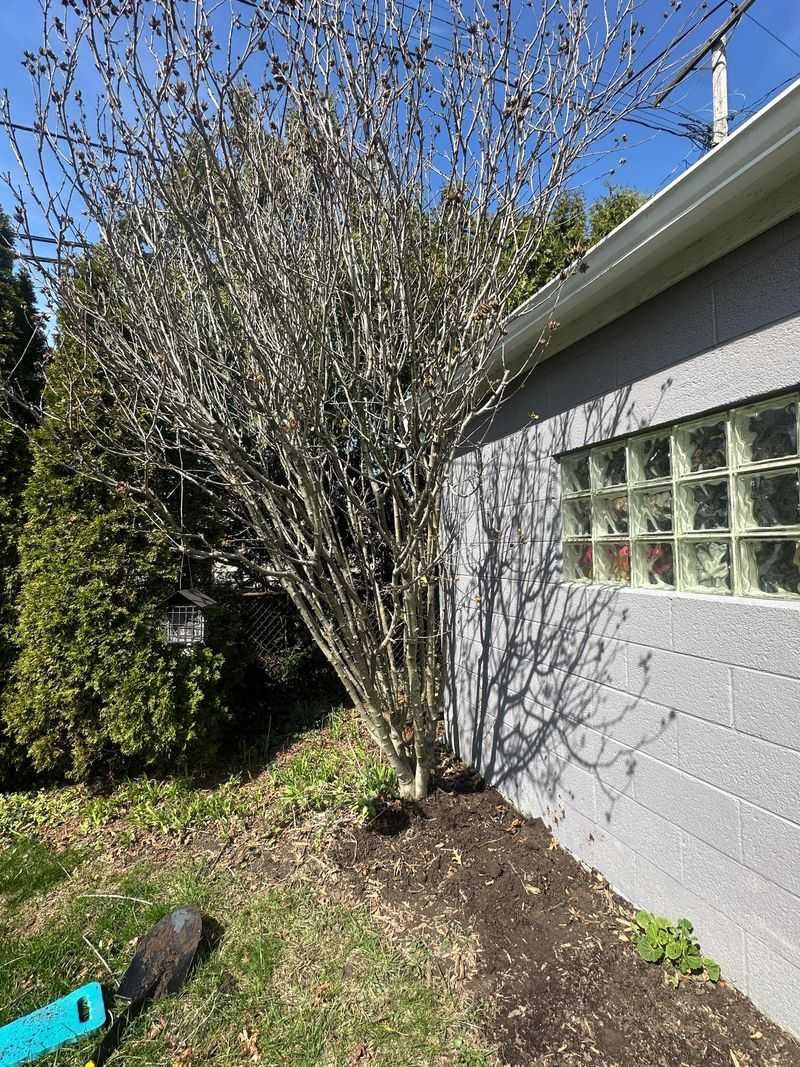
Even a great plant can cause problems if it ends up in the wrong spot. Foundation planting mistakes are surprisingly common, and they tend to get more expensive the longer they go uncorrected.
One of the most frequent errors is planting too close to the house. Many shrubs need at least 3 to 4 feet of clearance from the foundation wall.
Closer than that, and moisture can build up against the siding. Air circulation suffers, and the plant itself may struggle as it competes with roof overhang for rainfall.
Ignoring mature size is another common mistake. A shrub that looks small in a nursery pot can easily triple or quadruple in size within a few years.
Always check the mature dimensions before planting, not after. Compact ninebark cultivars are labeled with their expected size, so use that information.
Sunlight is often overlooked in foundation bed planning. The north side of a home gets far less direct sun than the south or west side.
Planting a sun-loving shrub in deep shade sets it up for poor performance. Match the plant to the actual light conditions of the bed.
Overcrowding is a problem in many established landscapes across Ohio. Shrubs planted too close together compete for water and nutrients.
Thinning or replacing overcrowded plantings often improves the health of everything in the bed.
8. Create A More Reliable Foundation Planting With Native Beauty
Pulling together a foundation planting that looks good year-round takes a bit of planning, but ninebark makes that process easier. Its versatility lets it serve as either a focal point or a supporting player depending on how the bed is arranged.
Start by measuring the available space and noting sun exposure throughout the day. South and west-facing beds typically get the most sun and suit dark-leafed ninebark cultivars well.
East-facing beds with morning light can also support the plant, though foliage color may be slightly softer.
Pair ninebark with lower-growing perennials or groundcovers to fill in the front of the bed. Native options like wild ginger or Pennsylvania sedge work well as low companions in Ohio landscapes.
They fill space without competing aggressively with the shrub.
Mulch the bed to conserve moisture and reduce weed pressure. A 2 to 3 inch layer of shredded wood mulch kept a few inches away from the base of the shrub is ideal.
Avoid piling mulch against the stems.
Ninebark rarely needs heavy pruning to stay tidy. A light shaping after bloom keeps the plant looking neat without stressing it.
Rejuvenation pruning every few years can refresh an older plant and encourage strong new growth from the base.
A thoughtfully planted foundation bed with ninebark can boost curb appeal while supporting the local environment at the same time.