Who Pays When A Neighbor’s Tree Lands In Your Maryland Yard After A Storm
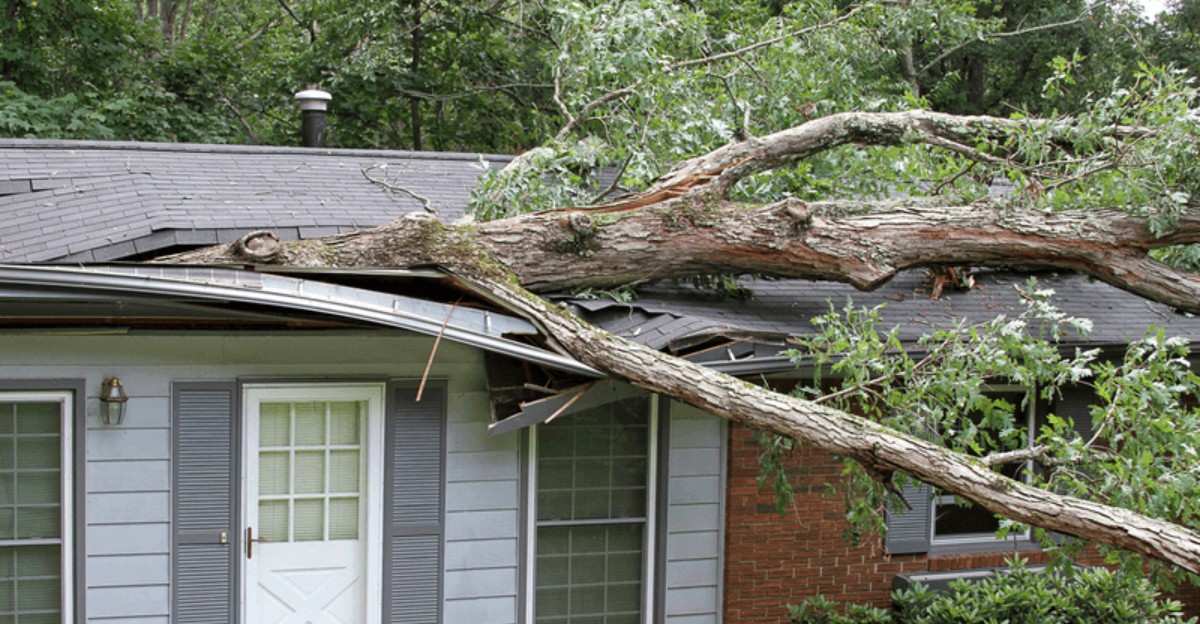
In Maryland, a tree can belong to your neighbor right up until it crashes onto your lawn. After that, the cleanup bill often lands on you.
Not going to lie, I found that rule hard to swallow the first time I heard it. Courts here treat a healthy tree toppled by wind as an act of nature, not anyone’s fault. So the owner of the trunk usually walks away from the cost of removal.
I get it. Your gut says the person who owns the tree should pay for the mess. That instinct holds up only when the tree was already rotten, cracked, or leaning and your neighbor ignored it.
Insurance adds its own twists, too. A trunk across your roof gets treated very differently from one sprawled across open grass. So what decides which side of that line your storm mess falls on?
That Oak Sprawled Across Your Lawn Might Be Your Bill
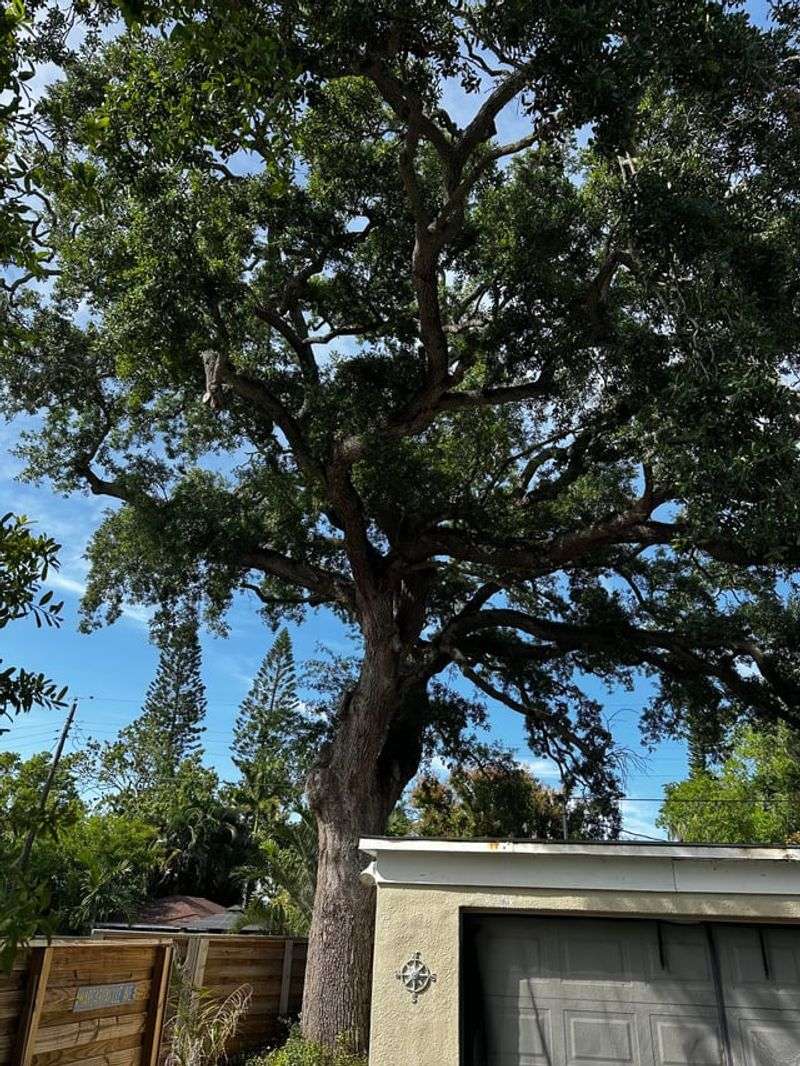
Brace yourself for a twist that surprises most homeowners. When a healthy tree from next door falls onto your property during a storm, you are usually the one responsible for your own damage and cleanup.
Maryland courts and insurers generally call this an act of God. Wind, lightning, ice, or heavy rain caused the fall, not a careless person. Since nobody did anything wrong, there is no one to blame, and each owner covers what happens on their own land.
That feels backward at first. Your neighbor owns the tree, so why should your wallet take the hit? The answer is that legal responsibility usually follows fault, not ownership.
The rule cuts both ways, which helps it feel a bit fairer. If your sturdy maple crashes into your neighbor’s yard during the next gale, they would typically handle their own side of the mess too.
So before you march next door with a repair estimate, take a breath. Ask yourself whether the tree looked healthy before the storm. That single question shapes nearly everything that comes after, from your insurance claim to any conversation about sharing costs. A calm talk works better than a heated one, and you will still be neighbors next spring.
Homeowners Insurance Steps In When Trunks Hit Your Roof Or Fence
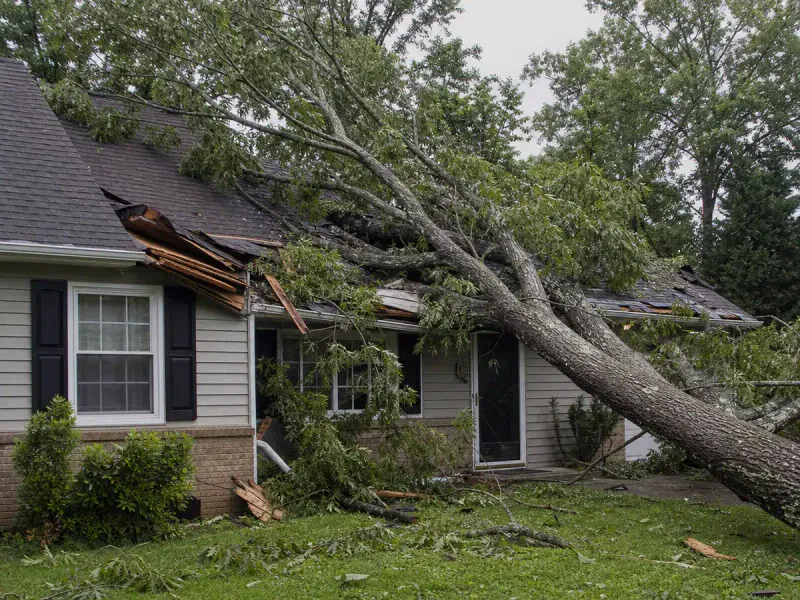
Your insurance policy is where the real help usually starts. Most standard homeowners policies cover damage when any tree, even your neighbor’s, falls on an insured structure.
That list often includes your house, detached garage, shed, and fence. The policy typically pays to repair the structure and to remove the tree from it, minus your deductible. If the damage costs less than your deductible, you will likely pay the whole thing yourself.
Removal coverage has its own small limit. Many policies cap tree debris removal at a small amount per tree, with a higher overall limit per storm. That money often covers lifting the trunk off your roof and setting it on the ground, not hauling every log away.
Here is a smart move for a rainy evening. Pull out your declarations page and look for terms like debris removal, trees, shrubs, and other plants. Some policies also pay a limited amount when a fallen tree blocks your driveway or a wheelchair ramp.
Knowing these limits ahead of time takes a lot of sting out of the surprise. You can budget for the gap and decide in advance whether a claim is even worth filing for smaller incidents.
A Rotten, Leaning Tree Can Shift The Blame Next Door
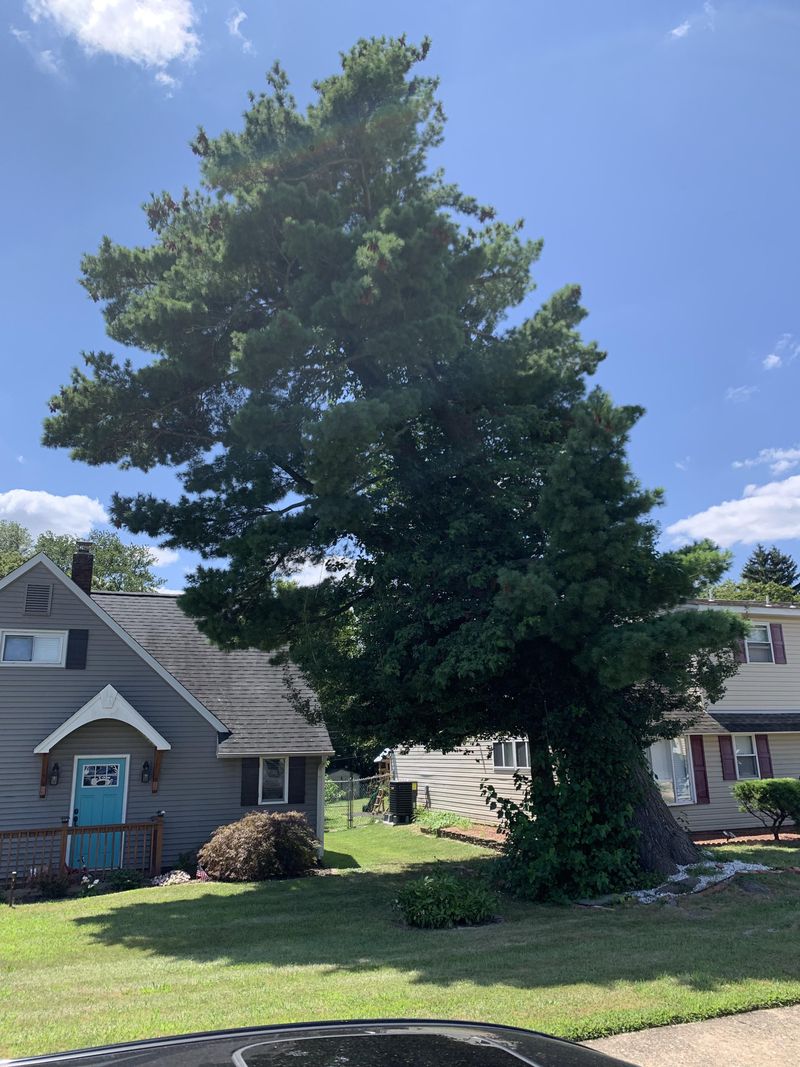
Negligence changes the whole story. If your neighbor’s tree was clearly hazardous before the storm and they ignored it, they may owe you for the damage.
Courts look at whether the owner knew, or reasonably should have known, about the danger. A healthy tree snapping in a 60 mph gust rarely counts. A tree with big hollow sections, large bare limbs, a split trunk, or shelf mushrooms growing from the base is another matter.
Proof makes all the difference. The strongest evidence is a written notice you sent before the storm, such as a dated letter or email describing the problem. Photos showing the decay over time help too.
If negligence holds up, your insurer may chase your neighbor’s insurer for repayment through a process called subrogation. When that works out, you might even get your deductible back, which feels like finding cash in an old coat pocket.
One caution worth keeping in mind. Legal standards vary from case to case, and a short consult with a local attorney can clarify your options when damage is serious. People’s Law Library of Maryland also offers free, plain-language guides on neighbor tree disputes.
Logs In Open Grass Often Mean Paying Out Of Pocket
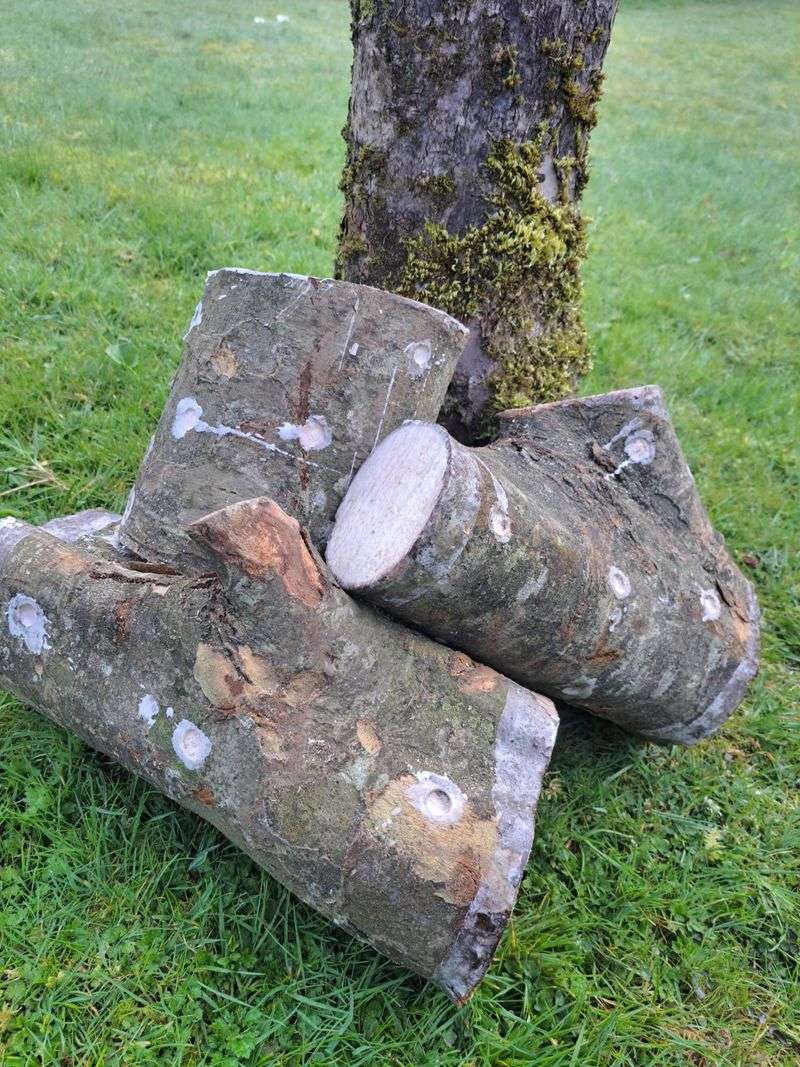
Okay, confession time. The first time a big limb landed in my yard, I assumed insurance would haul it off. It turns out that a tree resting quietly on open lawn usually gets no coverage at all.
Most policies pay for tree removal only when the fall damages a covered structure or blocks access, like a driveway. If the trunk simply flattens your grass or crushes a flower bed, the cleanup cost typically comes from your own pocket.
Professional removal for a large tree can be a major expense. Size, access, and nearby wires all affect the price. Getting two or three written quotes helps you avoid surprise bills.
There is another wrinkle in Maryland. Courts have suggested that owners in busy urban neighborhoods carry a greater duty to inspect trees than rural landowners with wooded acreage. A city lot puts more people and property at risk, so expectations rise.
Small branches are often manageable with a pruning saw and a free afternoon. Check whether your county or town offers storm debris pickup or a yard waste drop-off site. Many communities in the state run special collections after major storms.
Snap Photos Before The Chainsaw Comes Out
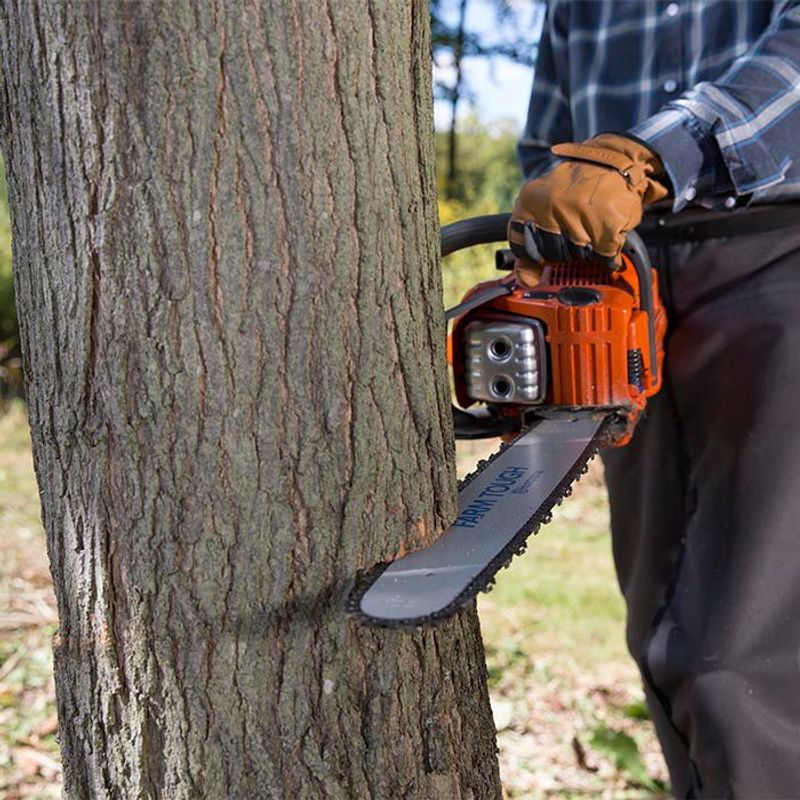
Safety comes first, and it is worth slowing down for. Stay far away from any downed power lines and call your utility company right away, since wires tangled in branches can still carry current.
If the tree threatens your home or leaves a hole in your roof, call a licensed tree service to stabilize things. Insurers generally expect you to prevent further damage, such as tarping a roof to keep rain out.
Next, grab your phone. Take wide shots showing where the tree came from, plus close-ups of the broken trunk, roots, and any damage. Photos of rot or hollow wood can help if negligence becomes a question later.
Then call your insurance company before major removal begins, if the situation allows. They may want an adjuster to see the scene first. Keep every receipt and ask contractors for itemized invoices.
You are free to choose your own contractor. In Maryland, tree work for hire must be done by a Licensed Tree Expert, and you can verify licenses through the Department of Natural Resources. Hiring someone licensed and insured protects you from liability if a worker gets hurt on your property.
Trimming Overhanging Limbs Is Your Right, Within Limits

Call it neighborly self-defense with a pruning saw. Maryland follows what is often called the Massachusetts Rule, which lets you trim branches and roots that cross onto your property.
You can cut back to the property line at your own expense. You generally cannot step onto your neighbor’s land to do it without permission, and you cannot cut so much that you seriously harm the tree. Damaging a neighbor’s tree can open you up to a claim for its value.
Big oaks and tulip poplars can be very valuable, so heavy-handed cuts are risky. Removing too much of the canopy or slicing major roots can weaken a tree and make it more likely to fail later.
For anything beyond a small, easy branch, hire a Maryland Licensed Tree Expert. They know how to make proper cuts that help the tree seal its wounds and stay balanced.
A quick friendly note to your neighbor before the crew arrives goes a long way. Mention what you plan to trim and why. Most folks appreciate the heads up, and some may even offer to split the cost.
A Quick Walk Around Your Trees Before Storm Season Pays Off

Every spring and fall, I take a slow lap around the yard and look up. Ten minutes of tree watching can save you a lot of storm-day stress.
Watch for warning signs on your own trees and the ones next door. Look for large bare or broken limbs, deep cracks in the trunk, cavities, and mushrooms or shelf fungi near the base. A new lean, or soil heaving up on one side, can signal root trouble.
Spotting a problem on your own tree? Call a certified arborist for an assessment before hurricane season ramps up in late summer. Removing one risky limb usually costs far less than repairing a roof.
Notice something worrying next door? Start with a friendly chat, then follow up with a short, polite email or letter describing what you saw. That written record matters if the tree ever falls.
Your best takeaway is simple. Healthy trees falling in storms are usually each owner’s own responsibility, so keep your insurance details handy. Neglected trees shift the risk, so speak up early and keep notes. A little attention now keeps both your yard and your friendship with the neighbors in better shape.