The Pennsylvania Native With Bright Red Fall Berries You Should Never Eat
Here’s a plant that can switch from male to female depending on how good a year it’s had. When it’s small or short on energy, it grows male flowers.
Once it’s big and well fed, it turns female and produces fruit. That’s only the first surprise this woodland native has to offer.
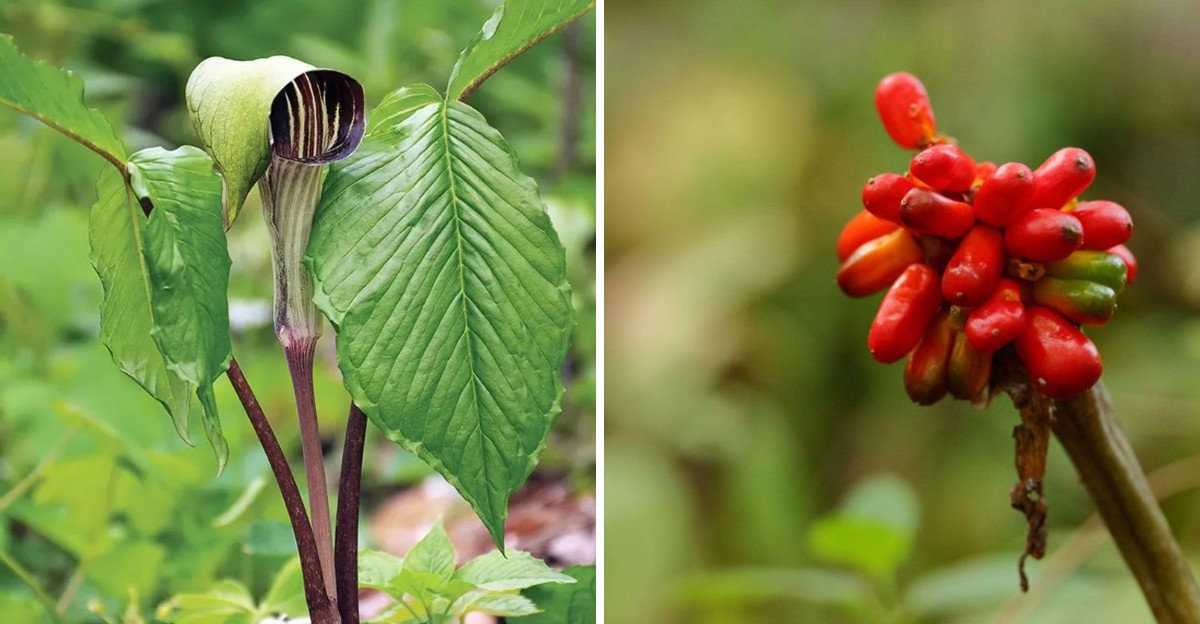
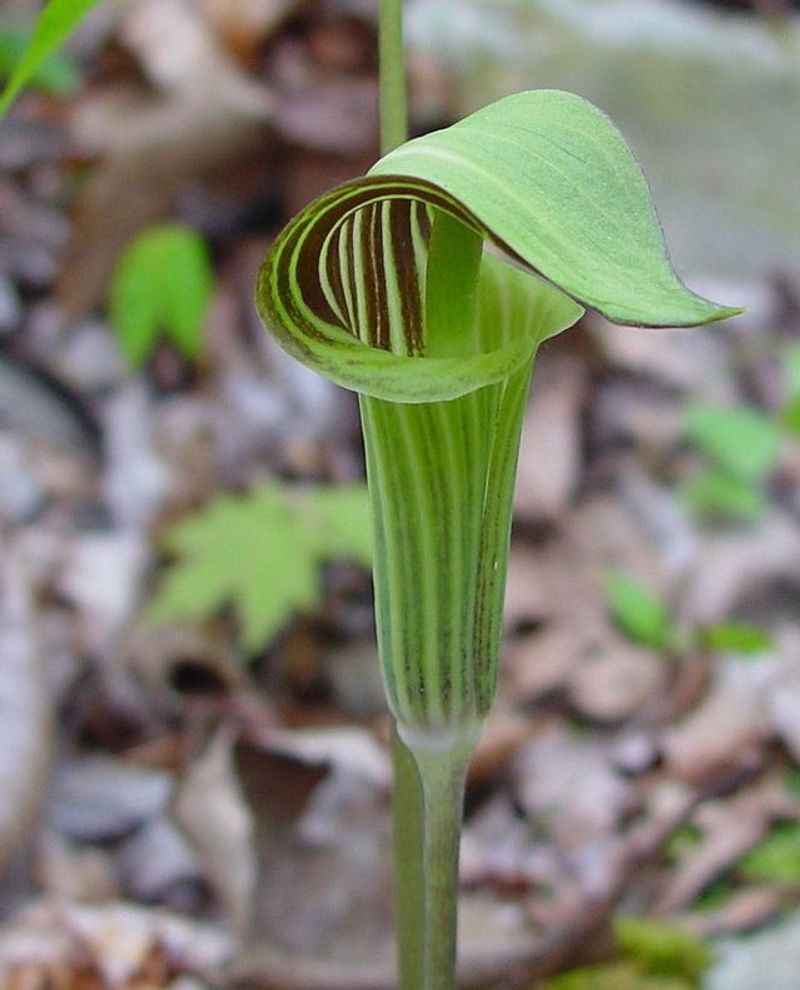
In spring, it hides its flower under a striped, hooded sheath that curls over the top like a tiny canopy.
By early fall, the hood has withered away, revealing a tight cluster of glossy, bright red berries. They look juicy, festive, and almost good enough to eat.
Don’t be tempted. Every part of this plant contains sharp, needle-like crystals that cause intense burning and swelling in the mouth and throat.
It’s a fascinating plant to admire in Pennsylvania forests and shady gardens. Just keep curious kids and pets away from those berries.
A Striking Woodland Native
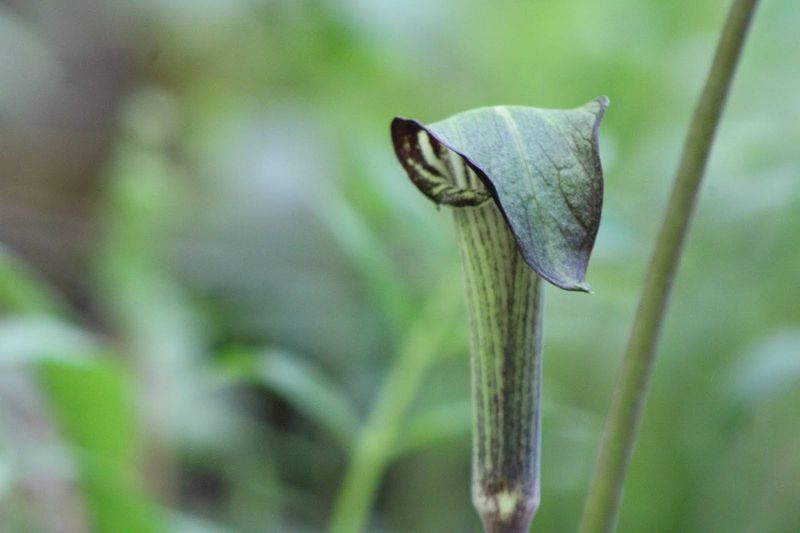
Long before the trees leaf out, a strange little flower pokes up from the damp forest floor. Old-time Pennsylvanians thought it looked like a preacher standing in a pulpit. That image stuck, and the plant has been called Jack-in-the-pulpit ever since.
The plant is a native perennial. That means it grows naturally here and comes back year after year from an underground root called a corm.
You can find it in moist, shady woods all across Pennsylvania, from the hills near Pittsburgh to the valleys outside Philadelphia.
So where does the name really come from? The flower has two main parts. A curved hood, called the spathe, arches over the top like a little roof. Inside stands an upright spike, called the spadix, which is the “Jack.”
The hood is often striped with green and purple. Some plants look mostly green, while others look almost chocolate brown. No two seem exactly alike, which makes finding them a bit like a treasure hunt.
Here is a fun fact. Jack-in-the-pulpit can change from male to female over the years. Young or small plants usually make only male flowers. When a plant stores enough energy, it can switch to female flowers and produce berries.
If a hard winter or a rough season weakens it, the plant may switch back to male. Scientists find this trick fascinating. It helps the plant save energy when times are tough.
Want to see one for yourself? Look in late April or May near streams, wet hollows, and spots with rich, dark soil. Bring a camera instead of a trowel, since wild plants are best left where they grow.
Bright Red Berries In Late Summer And Fall
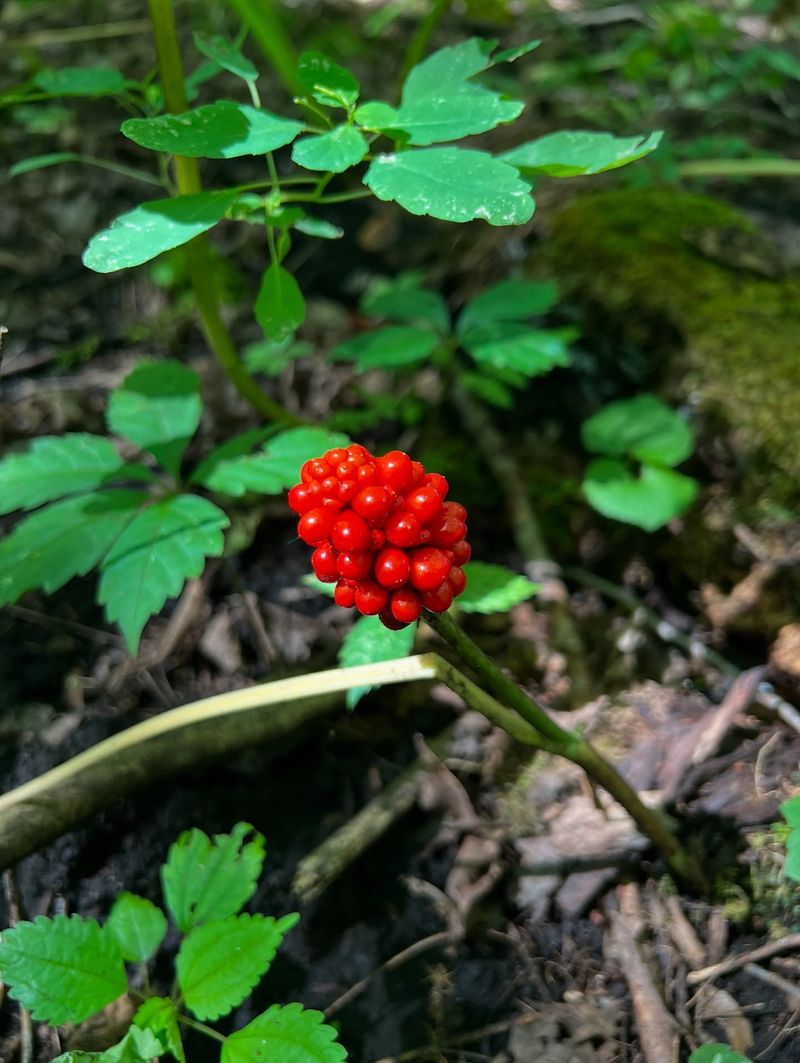
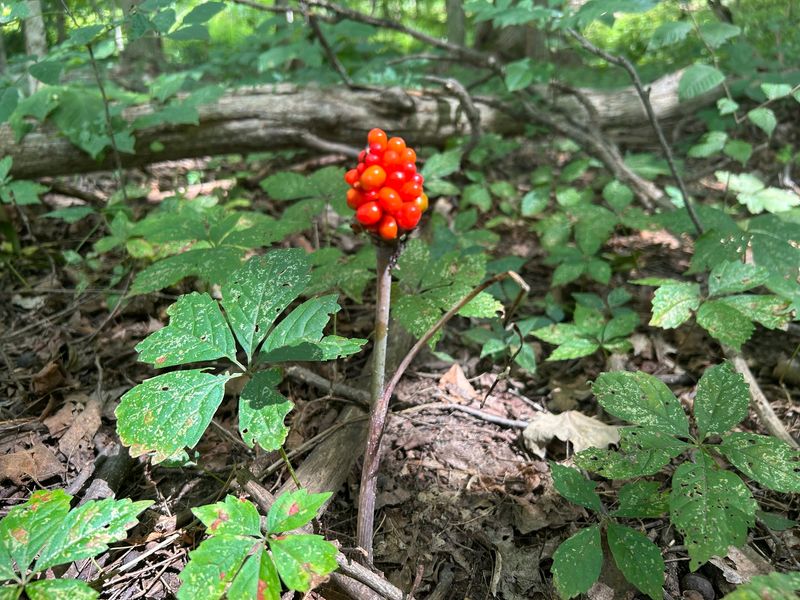
Hikers often stop in their tracks when they see it. A thick club of shiny red berries rises from the brown leaves like a tiny torch. It is one of the most colorful sights in the autumn woods.
After the spring flower fades, the hood slowly wilts away. On female plants, a tight cluster of green berries is left behind. Over the summer, those berries swell and stay green for weeks.
Your Pennsylvania Garden Changes Every Week. Your Plan Should Too.
Gardening in Pennsylvania changes quickly throughout the season. Every Friday you’ll receive a simple weekly plan showing exactly what to plant, prune, fertilize, harvest, and protect so you never miss the right timing.
Then, in late summer, the magic happens. The berries start turning orange, then a glossy, bright red. By September and October, the cluster can look almost like a red corn cob or a bunch of tiny cherries.
Around the same time, the leaves begin to yellow and flop over. Soon they disappear completely. The berry cluster is often left standing all by itself on a bare stalk, which makes it really easy to notice.
Not every plant will have berries, though. Remember that only female plants make fruit. In a patch of ten plants, you might find berries on just two or three of them.
Each berry holds one to a few seeds. If you are lucky enough to spot a cluster, count the berries. Some clusters have only a handful, while big, healthy plants can carry dozens.
Photographers love these bright clusters because they pop against the dull fall forest. Try snapping a picture with a low angle and some colorful leaves in the background.
Just keep your hands to yourself, because the beauty of these berries hides a painful surprise you will learn about next.
Why You Should Never Eat Them
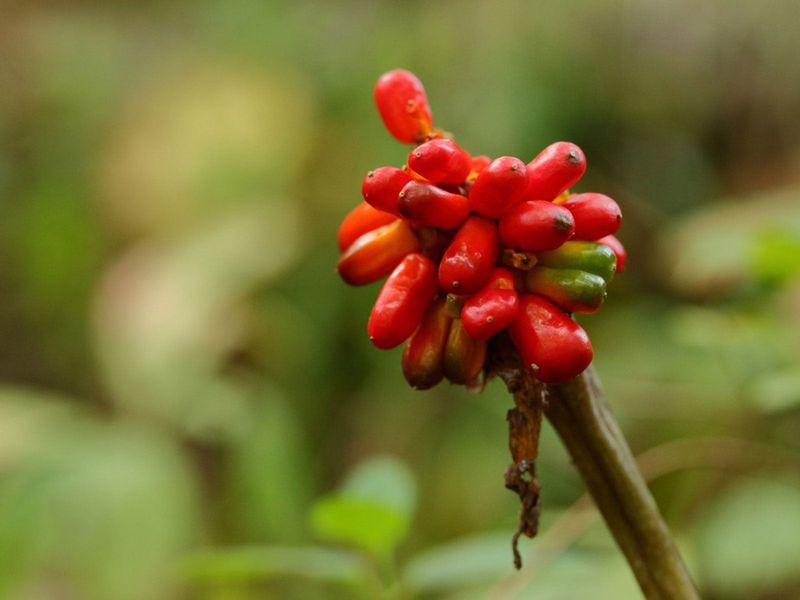
“It felt like I bit into a cactus.” That is how one hiker described tasting a single Jack-in-the-pulpit berry. The pain started almost right away and lasted for hours.
The reason is hidden inside the plant. Every part of Jack-in-the-pulpit, from the root to the leaves to the berries, contains tiny crystals called calcium oxalate. Under a microscope, they look like bundles of sharp little needles.
When someone chews any part of the plant, those needles poke into the soft skin of the mouth. The result is intense burning and stinging. Lips, tongue, and throat can quickly swell up.
Swelling in the throat is the scariest part. It can make swallowing and even breathing hard. Young children are at the greatest risk because their throats are smaller and they are more likely to pop a shiny berry into their mouths.
Pets are in danger too. Dogs and cats that chew the plant may drool, paw at their faces, vomit, or refuse food. Their owners often notice something is wrong right away.
So what should you do if someone eats part of the plant? First, stay calm. Have the person spit out any pieces and rinse their mouth with cool water.
Next, call Poison Control at 1-800-222-1222 for expert advice. If there is any trouble breathing or heavy swelling, call 911 at once. For pets, contact your veterinarian or an animal poison hotline.
The best plan is prevention. Teach kids a simple rule: never eat wild berries unless a trusted adult says they are safe.
How To Recognize It
Spotting Jack-in-the-pulpit gets easy once you know a few clues. Think of it like learning a friend’s face. After a while, you can pick it out from across the trail.
Start with size. Most plants stand 1 to 2 feet tall, about knee high on an adult. Some big ones in rich soil can grow even taller.
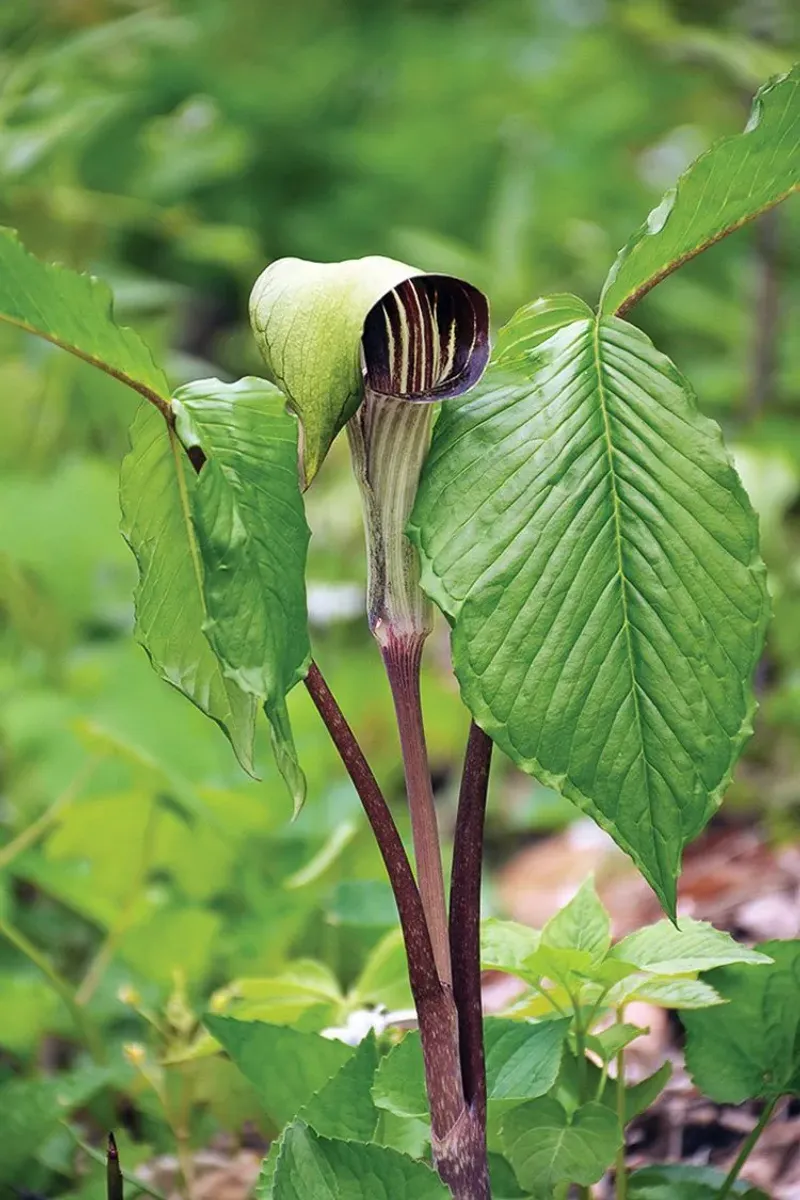
Next, check the leaves. A plant usually has one or two leaves. Each leaf is split into three smooth-edged leaflets that spread out like a fan.
Those three leaflets can cause confusion. Plenty of people mistake Jack-in-the-pulpit for poison ivy. You have probably heard the saying, “Leaves of three, let it be.”
Here is how to tell them apart. Jack-in-the-pulpit leaves rise straight up from the ground on their own tall, green stalks. Poison ivy grows along a woody vine or as a shrub, with leaves attached along the stems.
Poison ivy leaflets often have jagged or uneven edges and a shiny look. Jack-in-the-pulpit leaflets have smooth edges and a soft green color. Also, poison ivy never has a hooded flower or a red berry club.
Timing helps too. In spring, look for the striped hood under the leaves. In fall, look for the red berry cluster after the leaves droop.
A smart tip is to download a plant ID app before your next hike. Snap a photo and compare. A pocket field guide to Pennsylvania wildflowers works great as well, and it never runs out of battery.
A Food Source For Some Wildlife
Funny how nature works. The same berries that would leave your mouth burning make a perfectly fine snack for certain birds. What hurts people can help the forest.
Wood thrushes are one of the birds known to eat the berries. These brown, spotted songbirds are famous for their flute-like songs in Pennsylvania forests. In the fall, they fuel up on fruit before flying south for the winter.
Wild turkeys also gobble up the bright berries. Turkeys roam the forest floor scratching for food, so a red cluster at ground level is easy pickings. Pennsylvania has a healthy turkey population, and these big birds play a key role.
Why don’t the crystals bother them? Scientists think birds may swallow the berries whole without chewing. That way, the sharp crystals don’t get crushed into soft tissue the same way.
Here is where the real teamwork comes in. After eating, the birds fly or walk to new spots. The seeds pass through their bodies and land somewhere else in the forest.
That is how new patches of Jack-in-the-pulpit get started far from the parent plant. Without these feathered helpers, most seeds would just drop in one crowded spot. Spreading out gives young plants a better chance to grow.
Some small mammals may nibble the plant too, though most animals leave it alone. Deer usually skip it, which is good news for gardeners.
Next time you see a berry cluster with a few missing, a bird may have stopped by for lunch. Sit quietly nearby, and you might even catch one in the act.
Growing It Safely In Your Garden
Love the look of Jack-in-the-pulpit? Good news, you can grow it at home. With a little planning, it can become the conversation starter of your shady garden.
The plant likes the same conditions it enjoys in the wild. Pick a spot with partial to full shade. The soil should be moist, rich, and full of organic matter like leaf compost.
Jack-in-the-pulpit pairs beautifully with ferns. Try Christmas fern or maidenhair fern for a soft, lacy look. Other native wildflowers like wild ginger, trillium, and foamflower make great neighbors too.
Always buy plants from a nursery that grows them, rather than digging them from the woods. Wild plants are better left in their homes. Plus, nursery plants are usually healthier and easier to settle in.
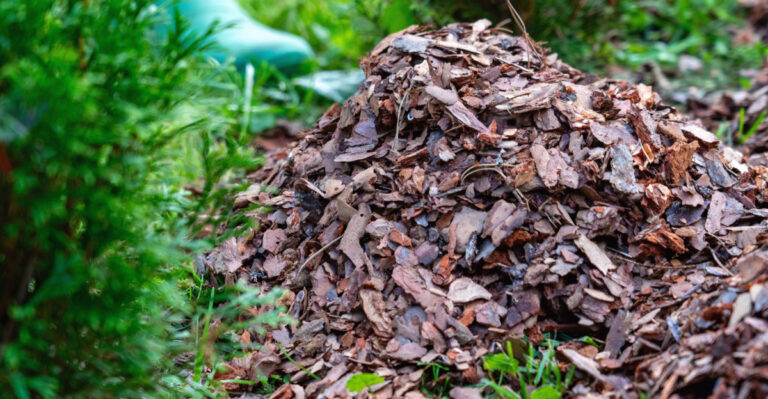
Plant the corm about 6 inches deep in fall or early spring. Water well, especially during dry spells. A layer of shredded leaves on top helps keep the soil cool and damp.
Safety matters most of all. Plant it away from play areas, sandboxes, and spots where pets like to dig. A back corner of a shade bed works well.
Wear gloves when you handle the plant. The sap can irritate skin and cause itching or redness. Wash your hands afterward, and never touch your eyes while working with it.
If you have small kids, show them the plant and explain the rule: look, but never touch or taste. Turning it into a lesson builds respect for nature. With these simple steps, your garden can be both beautiful and safe.