How To Add A Tiny Puddle Spot For Bees In Oregon Gardens
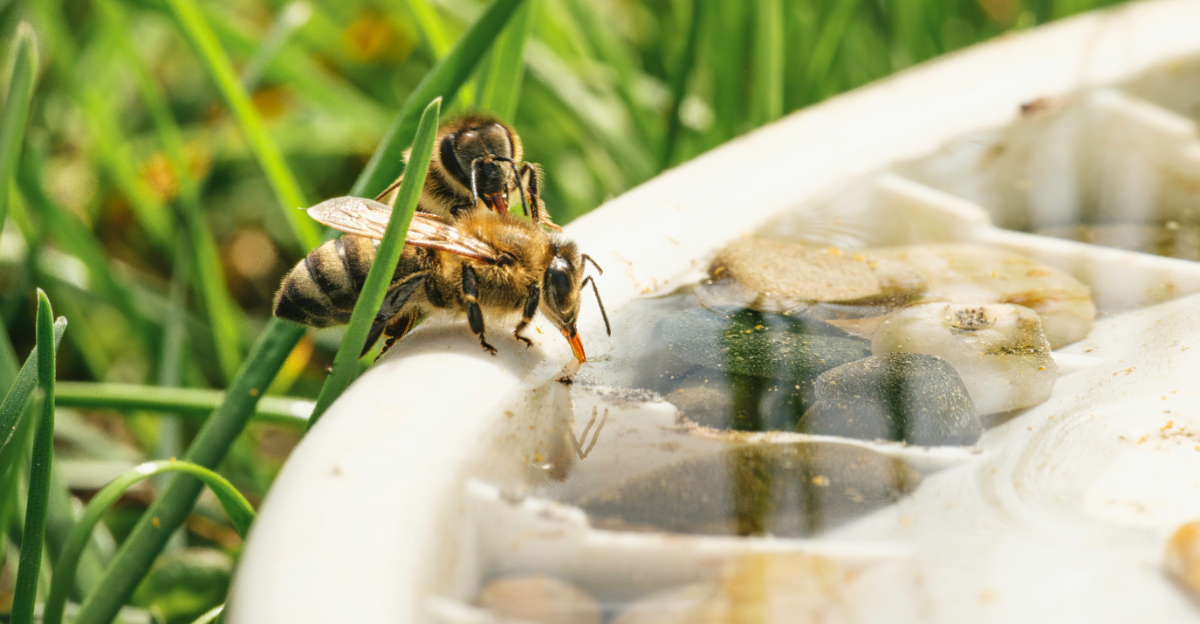
Bees need water. It sounds obvious once you hear it, but most gardeners spend a lot of time thinking about what to plant for pollinators and almost no time thinking about what to give them to drink.
A thirsty bee is a less effective bee, and during Oregon’s warmer summer months, finding clean shallow water becomes a genuine challenge for colonies working your garden hard every single day.
The good news is that solving this problem takes almost no effort and barely any space.
A tiny puddle spot, designed specifically for bees, can be put together in an afternoon with materials most people already have at home. It doesn’t need to be elaborate or expensive.
It just needs to be shallow, reliable, and placed somewhere bees can find it easily. Small additions like this have an outsized impact on how many pollinators your garden attracts and keeps, and once it’s set up you’ll barely need to think about it again.
1. Choose A Shallow Dish
Not every dish works well for bees, and picking the right one makes all the difference. Bees are small insects, and deep containers can be dangerous for them.
A shallow dish is the safest and smartest choice you can make for your Oregon garden.
Look for a terracotta saucer, a wide ceramic plate, or even a shallow pie dish. These are all easy to find at garden centers, thrift stores, or dollar stores across Oregon.
The wider the dish, the better, because more bees can visit at the same time without crowding each other out.
Aim for a dish that is no deeper than one to two inches. Anything deeper makes it harder for bees to safely reach the water without falling in.
A flat-bottomed dish works best because it stays stable on the ground or on a garden surface. You can also use a plastic plant saucer if that is what you have at home.
The material does not matter much as long as the dish is wide, shallow, and easy to clean. Oregon gardeners often find that terracotta dishes work especially well because they stay cool and look natural in garden spaces.
2. Add Pebbles For Safe Landing
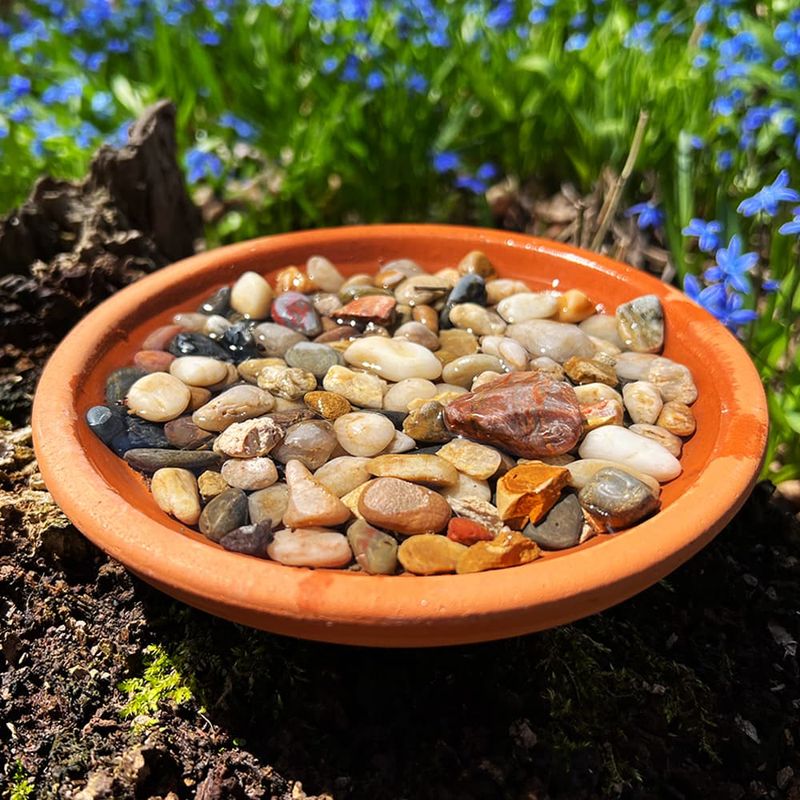
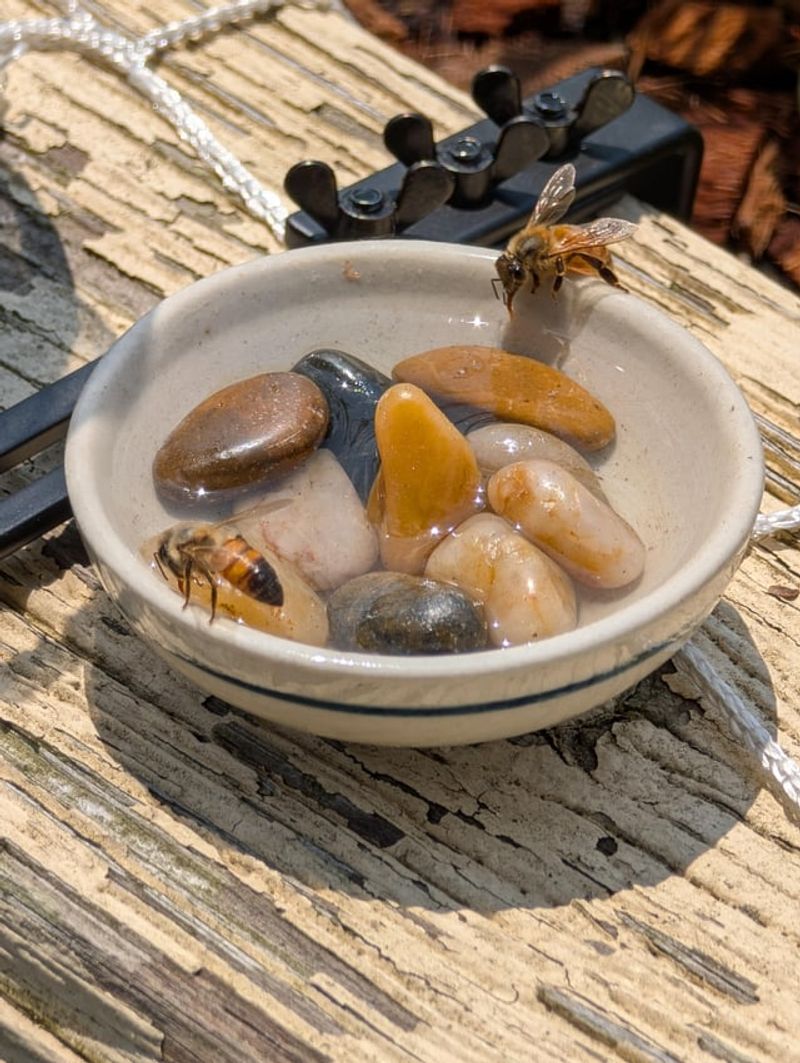
Bees cannot swim, and without something solid to stand on, they can easily fall into the water and struggle. Adding pebbles to your bee puddle spot is one of the most important steps you can take.
It turns a plain dish of water into a safe and welcoming stop for pollinators.
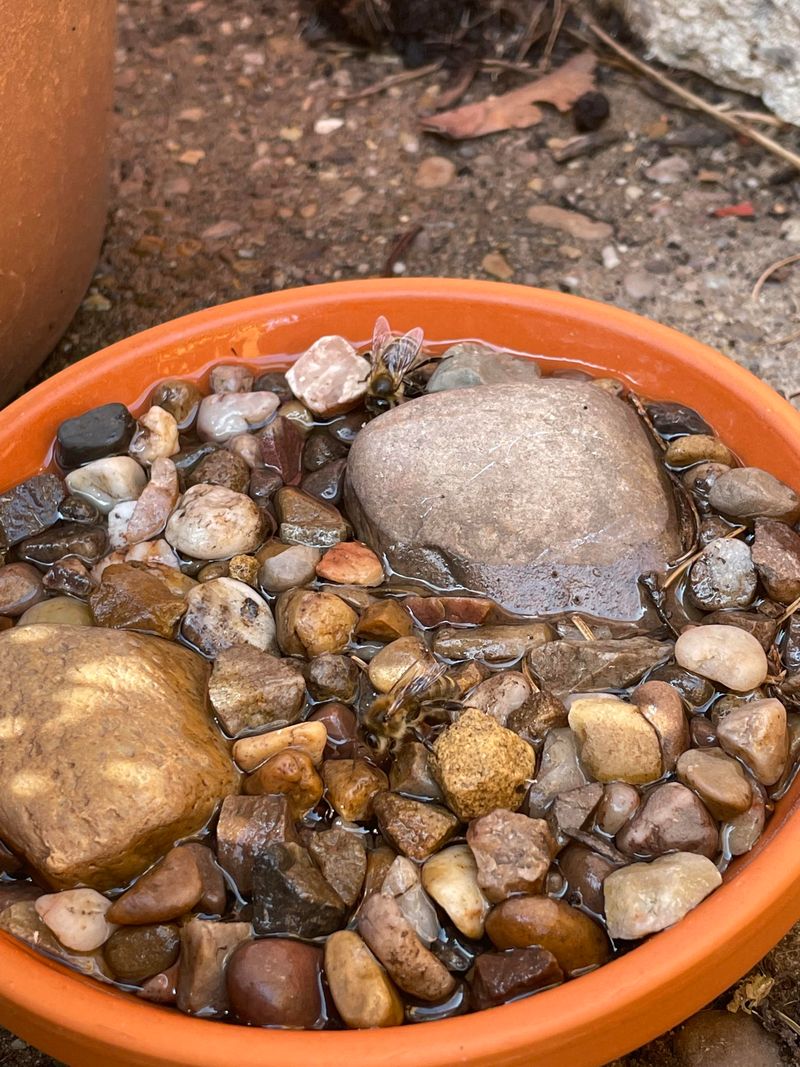
Grab a handful of small river rocks, pebbles, or even glass marbles and place them in the bottom of your dish. The rocks should stick up above the waterline so bees have a dry spot to land and drink comfortably.
Smooth stones work best because rough edges can sometimes be harder for tiny bee legs to grip.
You can find river pebbles at garden supply stores all over Oregon, or you can collect smooth stones from a local creek or riverbank if you have access to one. Fill the dish with enough pebbles so that bees have plenty of landing spots spread across the whole surface.
Your Oregon Garden Changes Every Week. Your Plan Should Too.
Gardening in Oregon changes quickly throughout the season. Every Friday you’ll receive a simple weekly plan showing exactly what to plant, prune, fertilize, harvest, and protect so you never miss the right timing.
Some Oregon gardeners like to use a mix of pebble sizes to create different heights, which gives bees of all sizes a comfortable place to rest. The pebbles also help the dish look attractive and natural in any garden setting.
3. Keep The Water Barely Deep
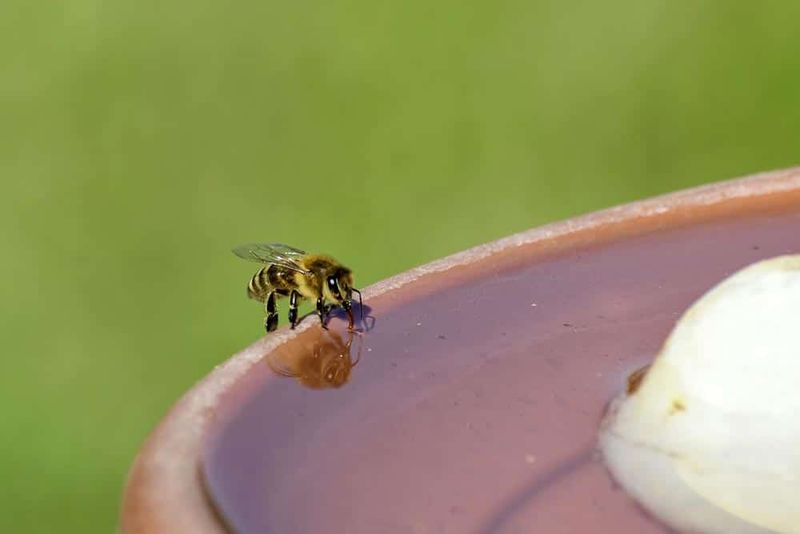
One of the most common mistakes people make when setting up a bee puddle spot is adding too much water. Bees only need a very small amount of water to drink, and too much depth makes the dish risky for them.
Keeping the water level low is the key to making your station safe and effective.
Fill the dish so the water just barely covers the bottom of the pebbles. You want the tops of the rocks to stay dry and above the waterline at all times.
A water depth of about a quarter inch is plenty for bees to drink without any risk of falling in and getting stuck.
During hot Oregon summers, the water can evaporate quickly, especially if your dish is sitting in full sun. Check the water level every day during warm spells to make sure it has not dropped below the pebbles.
If the dish dries out completely, bees will stop visiting and look for water elsewhere. Keeping just a thin layer of water in the dish also helps reduce the chance of mosquitoes laying eggs, which is always a concern in Oregon gardens during warmer months.
Less water means a safer, healthier spot for everyone.
4. Place It Near Flowers
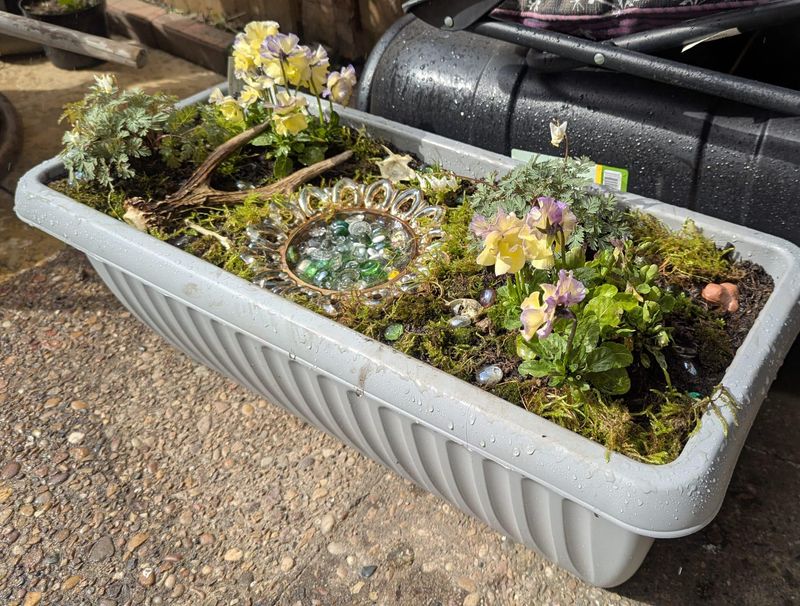
Location matters a lot when you are setting up a bee puddle spot. Bees are naturally drawn to areas where flowers are blooming, so placing your water dish near your garden beds gives them everything they need in one convenient spot.
It encourages them to visit more often and stay longer.
Try setting your dish next to lavender, sunflowers, coneflowers, or any native Oregon wildflowers you have growing in your yard. Bees will be foraging nearby anyway, and having water close to their food source makes your garden even more attractive to them.
You do not need a huge flower garden for this to work.
Even a few potted plants near your bee puddle spot can do the trick. Place the dish in a sunny or partly shady area, because bees are active in warm, bright conditions.
Avoid putting it in a spot that is completely shaded all day, as bees prefer areas with some sunlight. Oregon gardens are full of pollinator-friendly plants, so you likely already have great options nearby.
Placing the dish about one to three feet away from your flowers gives bees easy access to both food and water without making them travel far between the two resources.
5. Refresh It Every Few Days
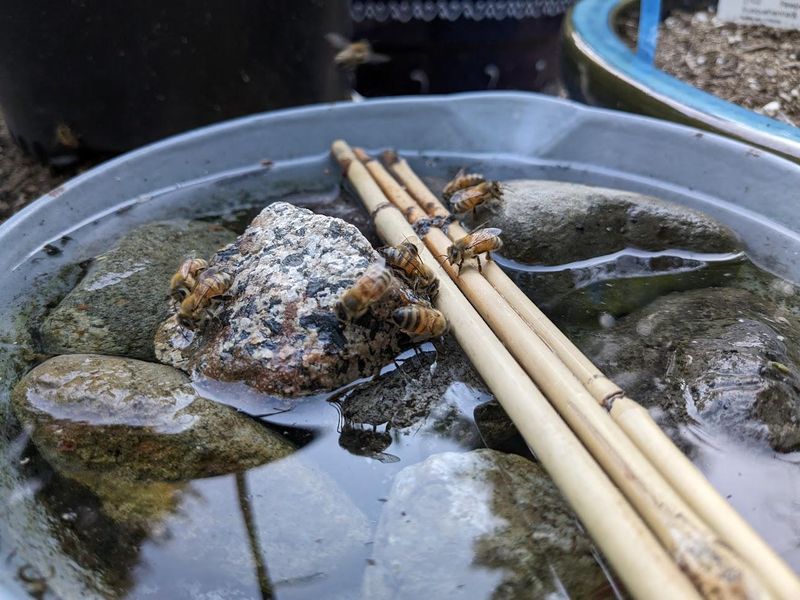
Standing water gets stale quickly, and bees are surprisingly picky about water quality. Refreshing your bee puddle spot every few days keeps the water clean and inviting for pollinators.
It also helps prevent any buildup of algae or debris that could make the water less appealing.
Every two to three days, empty out the old water, rinse the dish quickly, and refill it with fresh, clean water. This simple habit takes less than a minute and makes a huge difference in how often bees visit your station.
Oregon weather can vary a lot, so during rainy stretches, you may need to refresh the dish less often since rainwater will naturally top it off.
During dry Oregon summers, especially in areas like the Willamette Valley, the water can evaporate faster than you expect. Checking the dish daily during heat waves is a smart habit to get into.
If you notice a lot of green algae growing on the pebbles or the sides of the dish, it is time for a more thorough cleaning. Fresh water is one of the simplest gifts you can offer local bees.
Staying consistent with your refills helps build a reliable water source that pollinators will return to again and again throughout the season.
6. Skip Sugar And Additives
It might seem like a kind idea to add a little sugar or honey to the water to attract bees, but this is actually one thing you should avoid. Plain, fresh water is exactly what bees need, and adding anything extra can cause more harm than good.
Sugary water can attract the wrong insects and even cause health problems for bees over time.
Honey mixed into open water can spread bee diseases from one hive to another, which is a serious concern for Oregon’s bee populations. Sugar water is also not a natural food source for bees that are foraging, and it does not provide the minerals that bees actually look for in water.
Bees are often attracted to water that has a slight mineral content, like puddle water near soil or mud.
If you want to make your bee puddle spot even more appealing, try placing the dish near a patch of damp soil or a muddy garden bed. The natural minerals from the earth can leach into the water slightly and make it more attractive to bees.
Keep it simple and natural, and your Oregon garden bees will be perfectly happy with clean, plain water every single time they visit your station.
7. Clean It Before Mosquitoes Move In
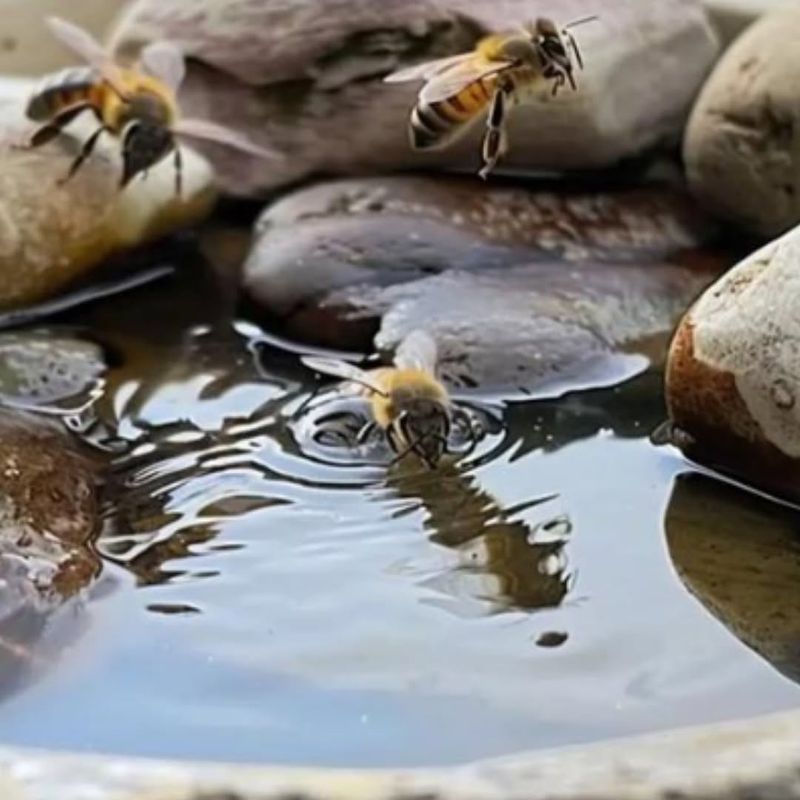
Mosquitoes love standing water, and even a small dish in your Oregon garden can become a breeding spot if you are not careful. Cleaning your bee puddle spot regularly is the best way to keep mosquitoes from taking over while still providing a safe water source for pollinators.
A clean dish is a happy dish.
Every week or so, remove the pebbles and scrub the inside of the dish with a small brush or sponge. You do not need soap or any cleaning products since plain water and a little scrubbing is enough to remove algae and any mosquito eggs before they hatch.
Rinse everything well and refill with fresh water before placing the pebbles back inside.
Mosquito eggs hatch within a few days of being laid, so staying ahead of the schedule is the real trick. In Oregon, mosquito season tends to peak in late spring and summer, which is also when bees are most active and in need of water.
By cleaning the dish every five to seven days, you break the mosquito life cycle without harming any bees. Keeping the water level low also helps, since mosquitoes prefer deeper, still water for egg-laying.
A little regular care goes a long way in keeping your bee puddle spot healthy and safe all season long.