Why Lovebugs Are Covering Southeast Texas Again This Fall
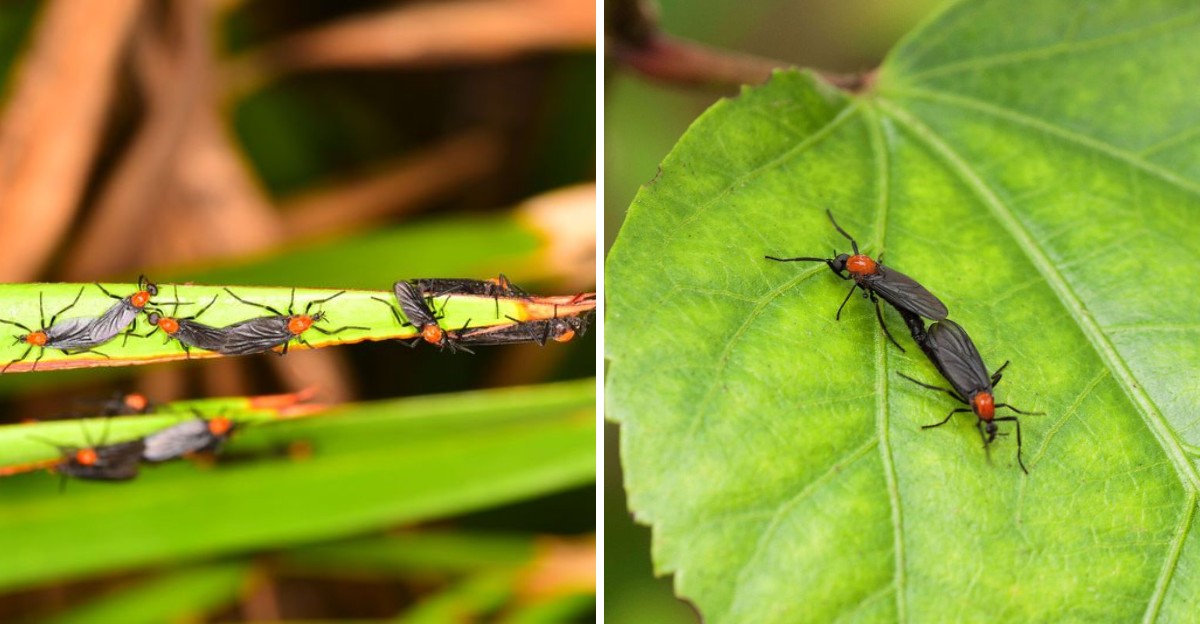
If your windshield looks like it drove through a bug storm, you’re not alone. Across Southeast Texas, lovebugs are back, drifting over highways, clinging to porches, and gathering by the thousands in the warm, humid air.
These small black flies with reddish-orange backs are hard to miss. They usually fly in pairs, attached end to end, which is how they earned their famous nickname.
They don’t bite, sting, or carry disease, but they know how to make a mess. Their splattered bodies can even damage car paint if they’re left too long.
Their return isn’t random. Lovebugs follow a seasonal pattern that brings big swarms twice a year, once in late spring and again in late summer and fall.
Weather and moisture play a big role in how bad things get. Knowing what drives these swarms can help you handle them with a little less frustration.
1. Fall Is One Of Their Two Yearly Flight Seasons
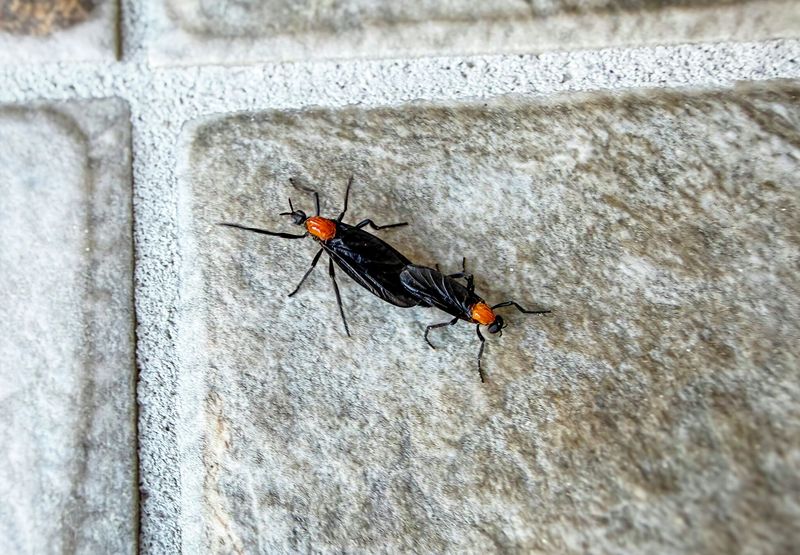
Mark your calendar, because lovebugs sure do. Along the Gulf Coast, they show up in big numbers twice each year. The first flight happens in late spring, usually around May.
The second flight comes in late summer and early fall. In Southeast Texas, that often means late August through September and sometimes into October. Each flight can last about four or five weeks before the bugs fade away.
So why two seasons? Lovebugs grow in stages. Eggs hatch into larvae, the larvae feed for months, and then they turn into adults.
The timing of these stages lines up with the seasons, so a whole crowd of adults pops out together.
Fun fact time. Some people call the two flights the May flight and the September flight. Folks who have lived in Beaumont, Port Arthur, or Houston for years can almost predict the week the bugs will arrive.
Knowing the schedule gives you a real advantage. You can plan outdoor projects, like painting the fence or washing the car, for times when the bugs are gone.
You can also get ready before the swarms hit. Here are a few easy tips for the fall season:
Keep a bug sponge and a spray bottle in your car. Wax your vehicle in August so bugs are easier to wipe off. Plan long road trips for early morning or evening when fewer bugs are flying.
The best part is that the swarms do not last forever. After a few weeks, the numbers drop fast. Then you get a nice break until spring rolls around again. A little planning makes the whole season much easier to handle.
2. Soggy Leaves And Grass Clippings Feed The Next Wave
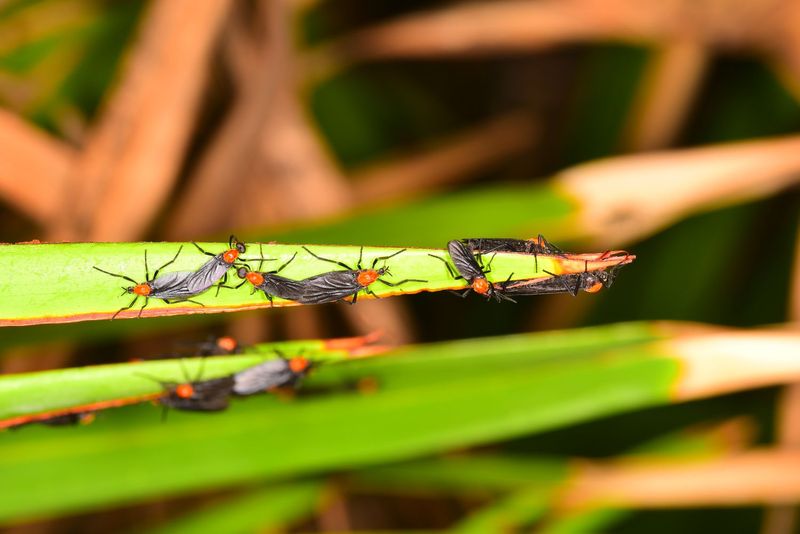
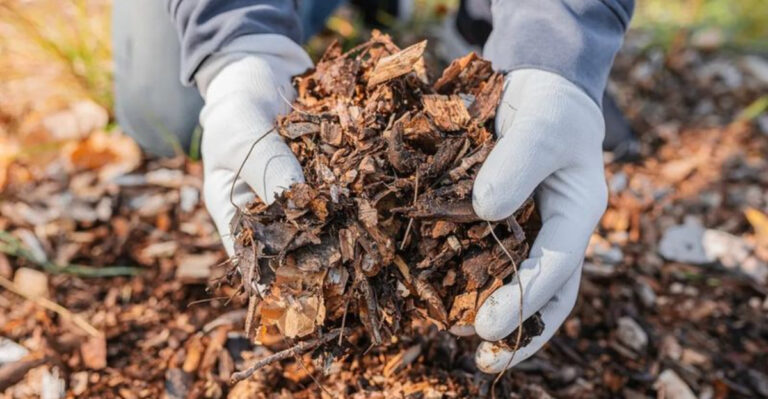
Under that pile of wet leaves in your yard, a whole lovebug nursery might be growing. Lovebug larvae do not live in the air. They live on the ground in damp, rotting plant stuff.
Their favorite spots include thick lawn thatch, leaf litter, and old grass clippings. The larvae munch on this decaying material for months. They stay hidden, so most people never notice them at all.
Your Texas Garden Changes Every Week. Your Plan Should Too.
Gardening in Texas changes quickly throughout the season. Every Friday you’ll receive a simple weekly plan showing exactly what to plant, prune, fertilize, harvest, and protect so you never miss the right timing.
Southeast Texas is basically a dream home for these young bugs. The area gets lots of rain, and the air stays humid most of the year. Plants grow fast and thick, so there is always plenty of soggy material lying around.
When a rainy summer hits, the ground stays moist for longer. That helps more larvae survive and grow. More larvae in summer means bigger swarms of adults in the fall.
Hurricanes and tropical storms can play a role too. They drop heavy rain and knock down leaves and branches. All that extra mess becomes food and shelter for the larvae.
Can you stop lovebugs by cleaning your yard? Not completely. They breed in fields, ditches, and pastures too, far beyond any one backyard. Still, a tidier yard may cut down on a few nearby bugs.
Some simple yard habits can help: Rake up thick piles of leaves. Bag or compost grass clippings instead of leaving heavy clumps. Dethatch your lawn if the layer gets too thick.
Keep in mind that the weather is the real boss here. A wet year will almost always bring more lovebugs. A dry year usually means a lighter season for everyone.
3. Warm Sunny Days Get Them Flying
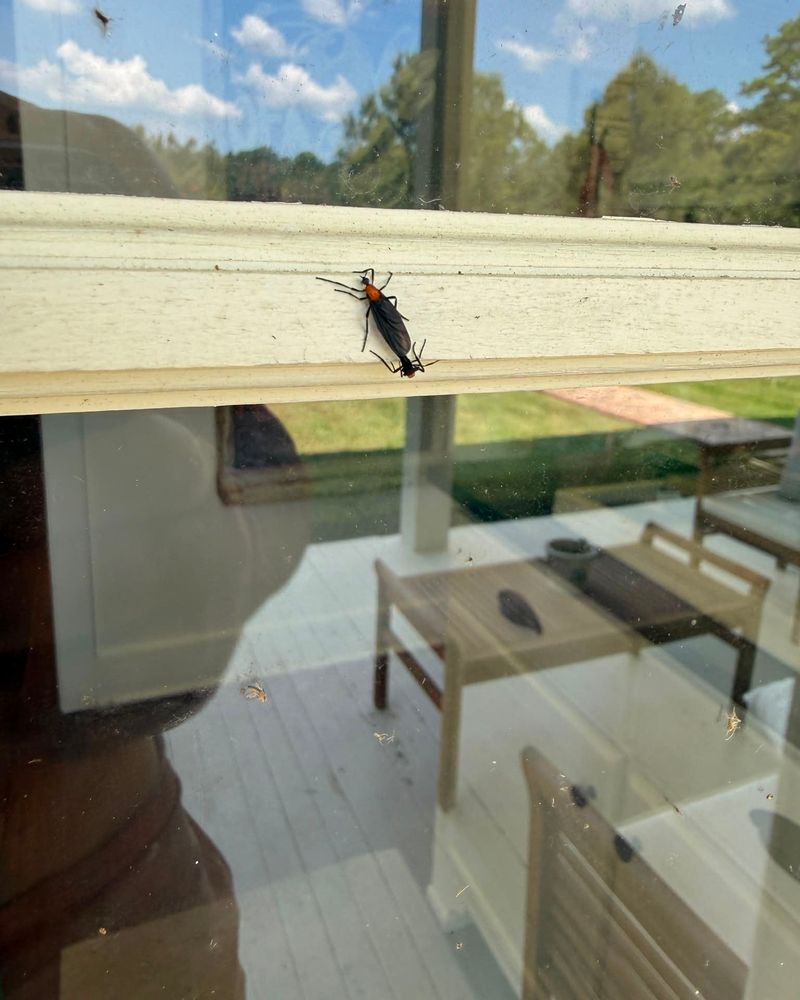
Lovebugs are a lot like sleepy teenagers. They do not like getting up early. Most of their flying happens in the warmest part of the day.
On a typical fall day, you will see very few lovebugs at sunrise. As the sun climbs and the air heats up, they start to rise from the grass. By late morning and early afternoon, the air can be thick with them.
Once evening arrives and it cools down, they settle back onto plants and the ground. They rest there through the night. Cool, cloudy days also keep many of them grounded.
Here is the tricky part for Southeast Texas. Fall does not really feel like fall for a long time. Temperatures often stay in the 80s or even 90s well into October.
That warm weather gives lovebugs many good flying days in a row. In colder places, a chilly snap would slow them down. Here, the heat just keeps rolling along, and so do the bugs. You can use this habit to your advantage. Try these smart ideas:
Mow the lawn or do yard work in the early morning. Take walks or bike rides close to sunset. Plan outdoor parties for the evening when fewer bugs are buzzing.
A quick cold front can bring sweet relief. When a cool breeze blows in from the north, the swarms often thin out for a few days. Many Texans cheer for that first real cold front for more than one reason.
Watching the forecast can actually help you dodge the worst of lovebug season. Cooler days mean calmer skies.
4. Highways And Hot Cars Pull Them Close
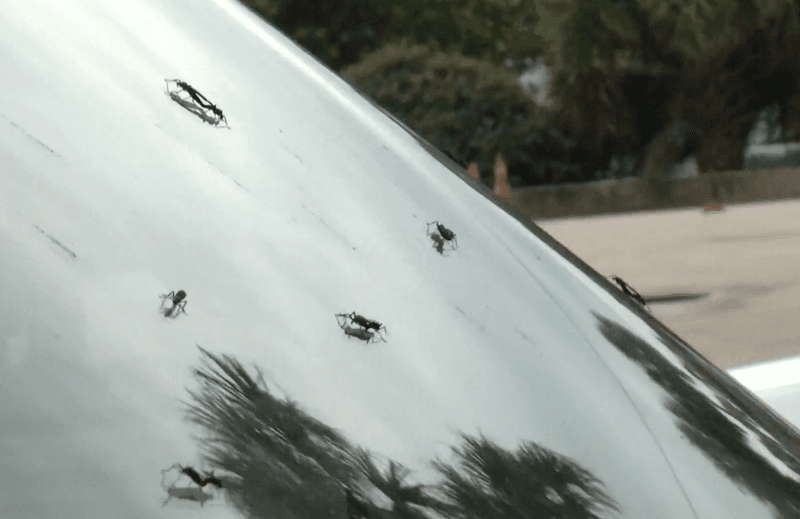
Ask any Texas driver about lovebugs, and you will probably hear a groan. A short trip down Interstate 10 can leave a windshield speckled with bug splats. There is a real reason they gather near roads.
Scientists think lovebugs are drawn to heat and to certain chemicals in car exhaust. Some of those chemicals are similar to what rotting plants give off. To a lovebug, a busy highway may smell a bit like home.
Hot pavement and warm engines add to the attraction. So the bugs hover over roads, and cars zoom right into them. The result is a messy bumper, a dirty grill, and a smeared windshield.
Here is the bad news. Lovebug body fluids are slightly acidic. If they sit on your car and bake in the hot sun, they can stain or even etch the paint. The good news is that you can protect your ride with a few easy steps:
Wash off bugs within a day or two if you can. Soak dried bugs with a wet towel or dryer sheet for a few minutes before wiping. Apply a fresh coat of wax before the season starts.
Some drivers also use a bug screen or clear film on the front of their car. Keep your windshield washer fluid full, too. Smeared bugs can make it hard to see.
Do not forget the radiator. Thick layers of bugs can block airflow and make engines run hotter. A gentle rinse of the grill helps keep things cool. A little effort now saves you from a costly paint job later.
5. A Quick Romance Creates Giant Swarms
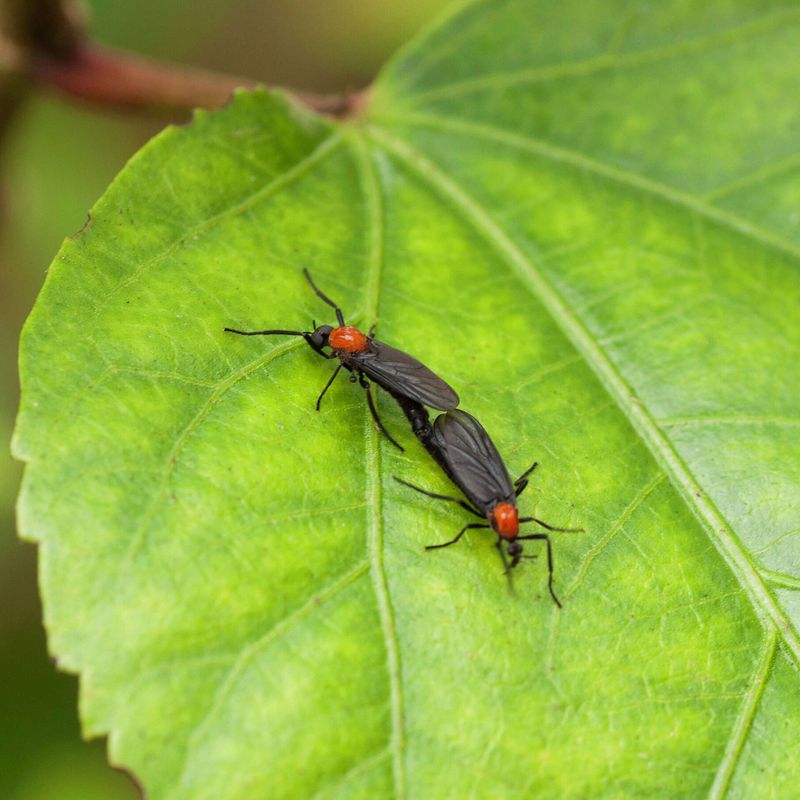
Talk about a whirlwind romance. Adult lovebugs live only about three to five days. With so little time, they waste none of it.
Male lovebugs gather in groups and hover in the air, waiting. When females rise up from the grass, the males zoom in. Once a pair matches up, the two bugs stay connected at the tail end.
Here is where the cute name comes from. The joined pairs fly around together, sometimes for many hours. People saw them traveling as couples and started calling them lovebugs.
Fun fact: the female usually leads the way while flying. The smaller male often gets pulled along backward. It looks a bit silly, but it works for them.
Because the adults have such a short life, nature uses a numbers game. Huge crowds come out of the ground at nearly the same time. That makes it easy for the bugs to find partners fast.
So the clouds you see are really one big, busy dating scene. After mating, the female lays her eggs, often a few hundred, on damp ground. Those eggs begin the next round of the cycle.
What does this mean for you? Swarms will peak quickly and then drop off. You will rarely deal with the same bugs for long. Try these tips during the busy weeks:
Keep doors and windows closed during midday. Use light-colored clothes with care, since lovebugs often land on pale surfaces.
Brush them off gently instead of swatting, which can leave stains. Soon enough, their short party ends and the air clears.
6. Decades Of Spreading Along The Gulf Coast
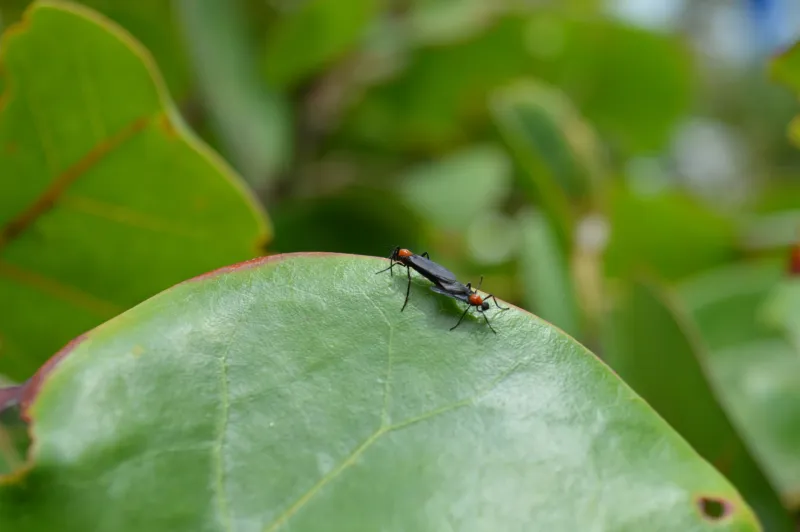
Believe it or not, lovebugs are not Texas natives. They came from Central America. Over many years, they slowly moved north into the United States.
Records show lovebugs reached Texas and Louisiana in the early 1900s. From there, they kept spreading east along the Gulf Coast. By the 1940s and 1950s, they had moved into Mississippi, Alabama, and Florida.
The warm, wet coastal climate suited them perfectly. Lots of rain, long summers, and thick plant growth gave them everything they needed. Today, they are firmly settled across the whole region.
Here is a myth worth clearing up. Some people say scientists made lovebugs in a lab to fight mosquitoes. That story is not true at all. The bugs simply spread on their own over time.
Now for some comforting news. Lovebugs do not bite or sting. They do not carry diseases, and they do not harm people or pets.
They even do some good work. Their larvae chew through old grass, leaves, and other plant waste. That helps break it down and return nutrients to the soil, which can help lawns and fields stay healthy.
So while lovebugs are annoying, they are more of a messy guest than a true pest. Learning to live with them is the best plan for anyone on the Gulf Coast. Here are a few final reminders:
Stay patient, since swarms pass in a few weeks. Protect your car with wax and quick washes. Enjoy the cooler fall days that send them away. After all, they have been part of coastal life for about a century.