How Michigan Gardeners Grow Ferns For Soft Green Shade
Something ancient and wild lives in the shaded corners of Michigan yards, and many homeowners walk right past it without a second glance.
Ferns have been quietly thriving in woodlands for millions of years, long before flowering plants ever existed.
Yet today, savvy Michigan gardeners are using these prehistoric beauties to transform dark, tricky spots into lush, layered green retreats that look effortless once they get going.
If your yard has a shady patch that refuses to grow grass or flowers, ferns might be exactly what you have been waiting for without realizing it.
Michigan’s climate, with its cold winters, humid summers, and naturally leaf-rich soil, is surprisingly well-suited to fern growing.
The Great Lakes state sits in USDA hardiness zones 5 and 6, which means many native and adapted ferns can thrive here with very little fuss once they find their footing.
From the bold, arching fronds of ostrich ferns to the delicate lace of maidenhair ferns, there is a species for nearly every shady corner imaginable.
This guide walks through eight practical, proven strategies Michigan gardeners use to grow ferns successfully, covering everything from soil building and shade matching to mulching and dividing crowded clumps.
1. Match Ferns To Your Shade
Not all shade is created equal, and ferns have strong opinions about this.
Walk your yard at different times of day and notice where sunlight actually lands. Deep shade, the kind found under dense evergreens or on the north side of a house, gets almost no direct sun.
Bright shade, found under tall deciduous trees, allows filtered light through the canopy for several hours each day. The difference between these two shade types matters enormously when choosing your ferns.
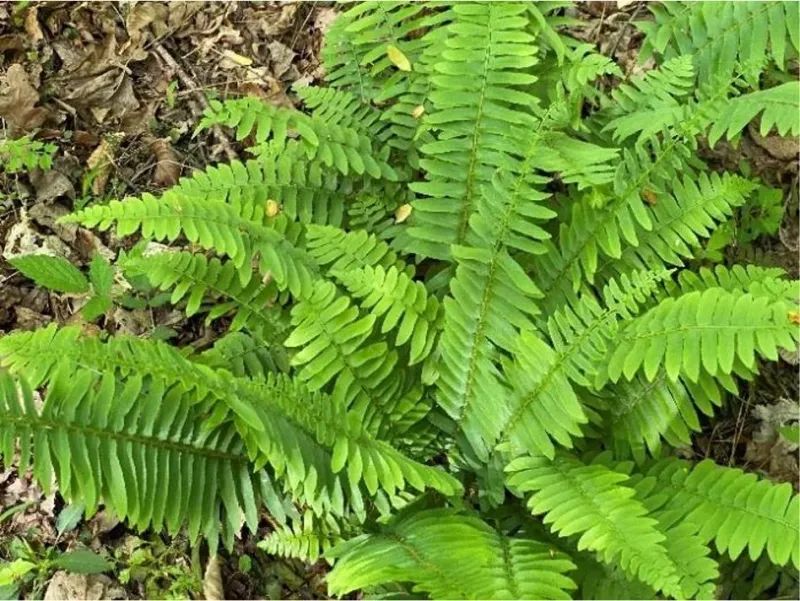
For deep shade spots in Michigan, the Christmas fern is a reliable performer.
It stays semi-evergreen, tolerates heavy shade, and asks for almost nothing in return. The royal fern also handles low-light conditions well, especially in moist areas near downspouts or rain gardens.
Avoid planting sun-loving species like cinnamon fern in deep shade because they will look weak and thin without enough light.
Bright shade opens up more exciting options.
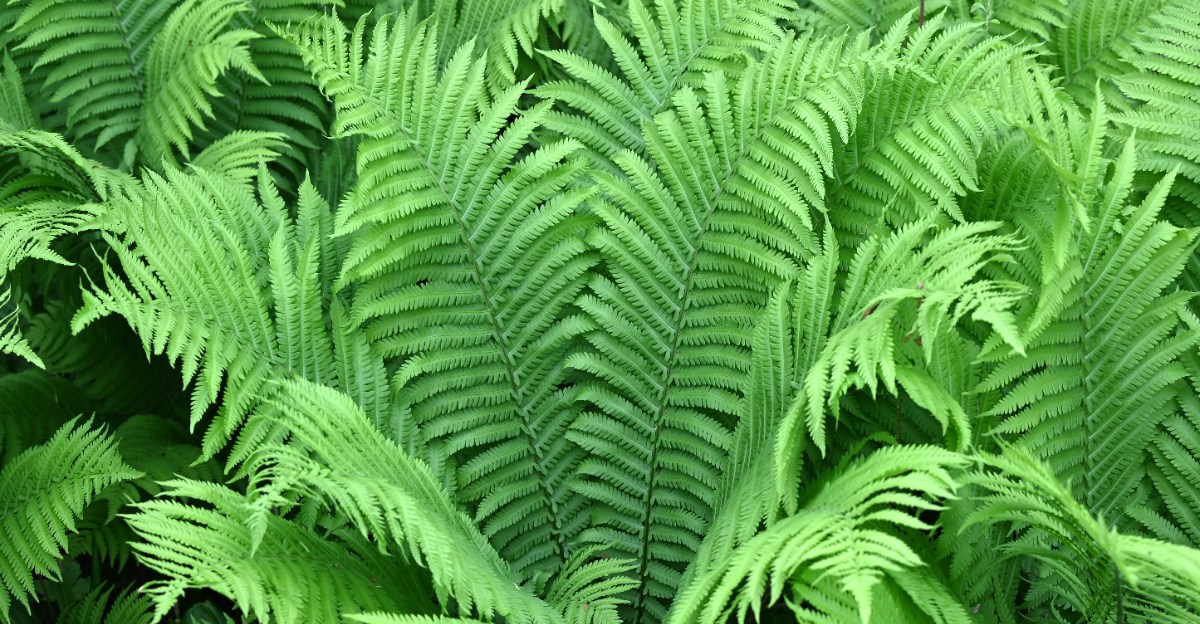
Ostrich ferns absolutely love the dappled light beneath Michigan maples and oaks. They can reach four to six feet tall in the right conditions, creating dramatic structure in the garden.
Maidenhair ferns prefer bright shade too, and their fan-shaped fronds bring a soft, airy texture that heavier ferns cannot match.
Before buying any fern, stand in your planting spot at noon and honestly assess your light.
Matching the fern to the actual shade you have is the single most important decision you will make before planting, and skipping this step is the most common reason new fern beds fail.
2. Build Soil With Leaf Mold
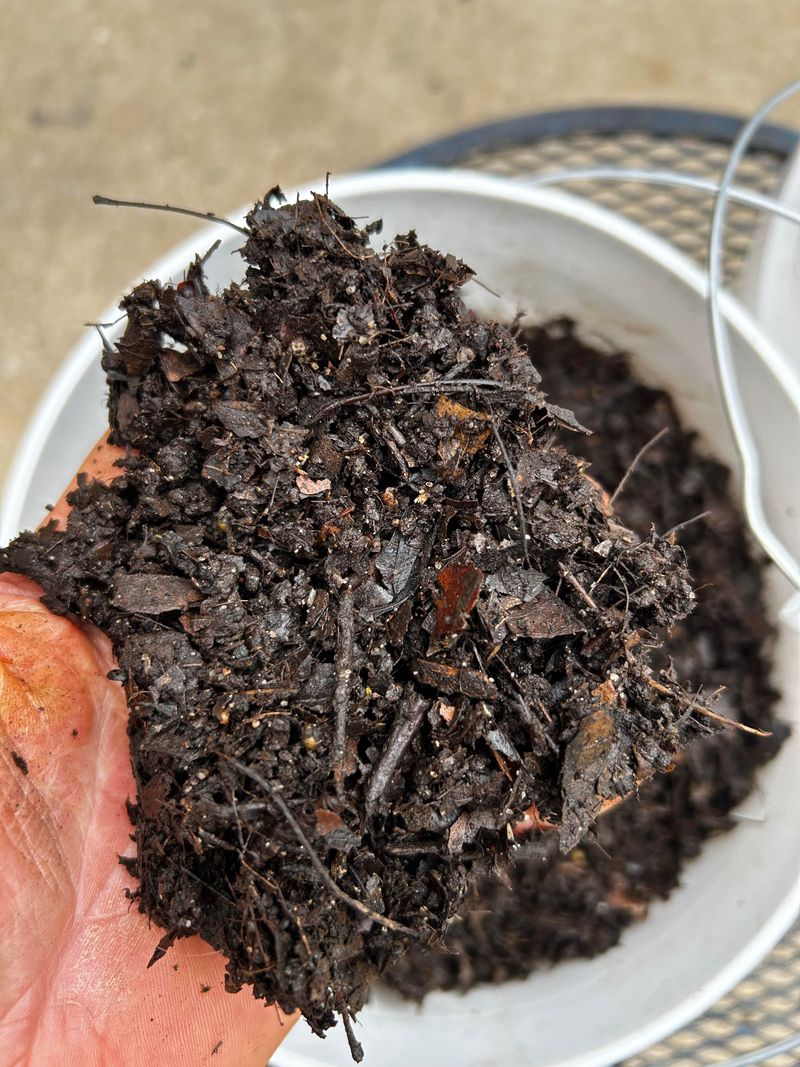
Here is a secret that woodland gardeners have known for centuries: ferns do not want fertilizer. They want rotting leaves.
Leaf mold, which is simply decomposed leaves broken down by fungi and moisture over one to two years, creates the exact soil texture and nutrient profile that ferns evolved to thrive in.
Your Michigan Garden Changes Every Week. Your Plan Should Too.
Gardening in Michigan changes quickly throughout the season. Every Friday you’ll receive a simple weekly plan showing exactly what to plant, prune, fertilize, harvest, and protect so you never miss the right timing.
It holds moisture without becoming waterlogged, drains well enough to prevent root rot, and feeds soil microbes that ferns depend on underground.
Michigan homeowners are lucky because nearly every yard produces a free annual crop of leaves every fall.
Instead of bagging them up, pile them in a corner of the yard and let them break down. After a year or two, that pile becomes dark, crumbly, earthy-smelling leaf mold that is worth its weight in gold for fern beds.
You can speed the process by keeping the pile moist and turning it occasionally through the summer months.
When preparing a new fern bed, dig down about eight to ten inches and mix in two to three inches of leaf mold throughout the soil.
Sandy Michigan soils, common in the western Lower Peninsula, benefit especially from this treatment because leaf mold dramatically improves their moisture retention.
Heavy clay soils in southeast Michigan become looser and more workable with the same amendment.
You are essentially rebuilding a small piece of forest floor, and ferns will respond by settling in quickly and spreading naturally, almost like they recognize the conditions from somewhere deep in their evolutionary memory.
3. Keep Moisture Even During Establishment
Young ferns planted in spring need consistent moisture for their first full growing season.
This does not mean drowning them. Soggy, waterlogged soil is just as harmful as dry soil, and new fern roots need oxygen as much as they need water.
The goal is steady, even moisture that never lets the soil dry out completely but also never sits in standing water for more than a few hours after rain.
A simple finger test works well for new plantings.
Push your finger one inch into the soil near the base of the fern. If it feels dry at that depth, water slowly and deeply. If it still feels cool and slightly damp, wait another day.
During hot Michigan summers, especially in July and August, newly planted ferns may need watering every two to three days.
Established ferns, those that have been in the ground for a full season, are far more drought-tolerant and rarely need supplemental watering unless rainfall drops below one inch per week for several consecutive weeks.
Drip irrigation or a soaker hose set on a timer works beautifully for fern beds because it delivers water directly to the root zone without wetting fronds, which can invite fungal issues in humid Michigan summers.
Watering in the morning also helps fronds dry before nightfall.
Once ferns are established and spreading on their own, you can largely step back and let Michigan’s natural rainfall do the heavy lifting. Patience during that first season pays off for years to come.
4. Plant Native Ferns Where They Fit
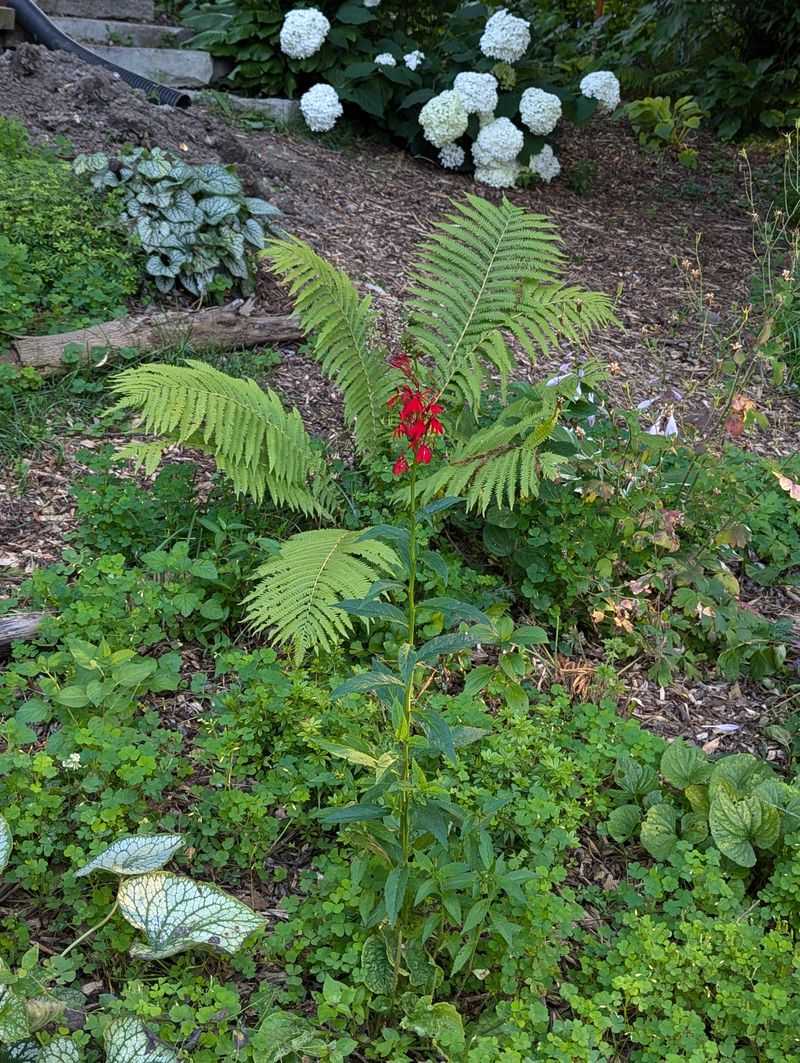
Michigan has a rich lineup of native ferns, and planting them in conditions that match their natural habitat is the smartest move any gardener can make.
Native ferns have spent thousands of years adapting to Michigan’s specific soils, rainfall patterns, and temperature swings.
When you place them in the right spot, they do not just survive. They spread, fill in, and create the kind of effortless, naturalistic beauty that exotic species rarely achieve.
The ostrich fern is native to Michigan and loves moist, rich soil in bright shade.
It spreads by underground runners called stolons and can form impressive colonies over time, which makes it ideal for large areas beneath deciduous trees.
The interrupted fern, named for the spore-bearing leaflets that appear in the middle of its fronds, thrives in similar conditions and adds striking visual interest.
For drier, rockier spots on slopes or near stone walls, the marginal wood fern is a better fit.
It is tough, semi-evergreen, and handles both shade and occasional dry spells without complaint.
Sensitive fern, another Michigan native, earns its name from its vulnerability to frost but is otherwise a workhorse in wet, boggy areas near ponds or low spots in the yard.
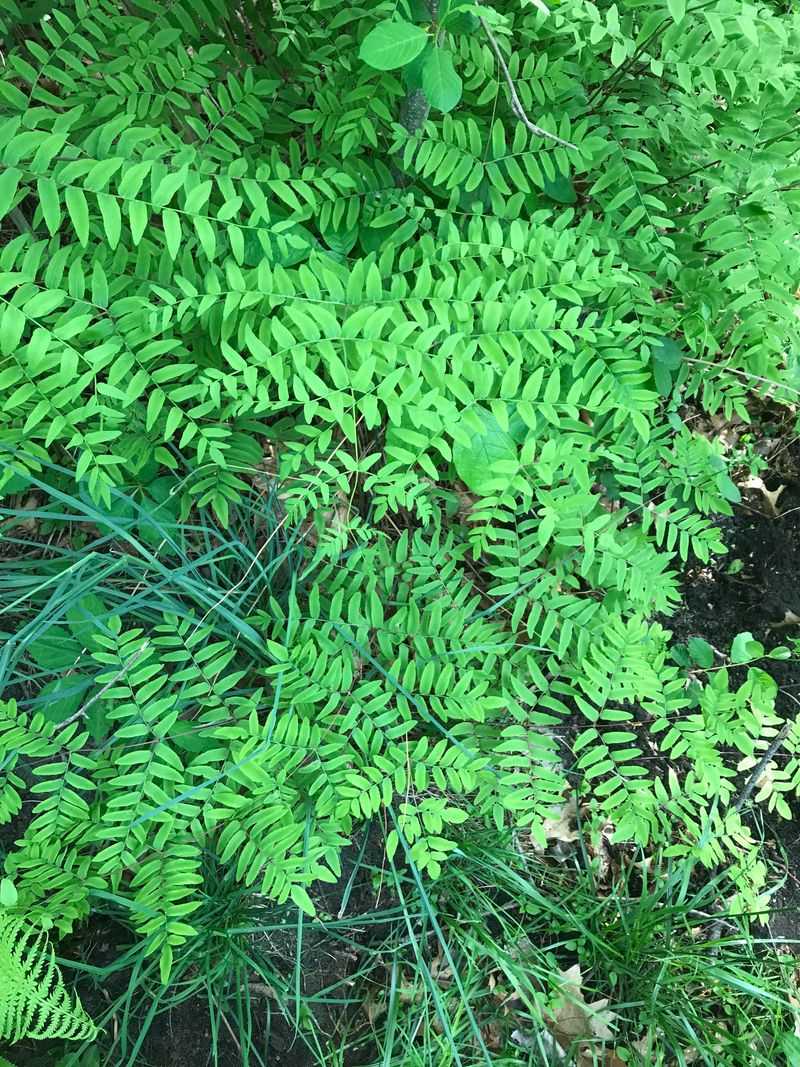
Royal fern can reach three to four feet tall and creates a bold, almost tropical look along stream banks or in consistently moist beds.
Checking the Michigan State University Extension native plant resources before buying helps ensure you are planting species that genuinely belong where you are putting them.
5. Use Taller Ferns In Back
Good garden design follows one simple principle: put the tall stuff in back and let shorter plants step forward.
Ferns come in a surprisingly wide range of heights, from the ankle-high ebony spleenwort to the head-high ostrich fern, which means you have real design flexibility even in an all-fern planting.
Using height intentionally creates depth, drama, and a layered look that feels like a real woodland rather than a flat collection of plants.
In a north-facing bed along a fence or building, place ostrich ferns or royal ferns at the back where their bold, upright fronds create a strong green backdrop.
Step down to medium-height ferns like the cinnamon fern or interrupted fern in the middle zone.
These mid-sized species carry interesting texture and seasonal color, especially the cinnamon fern, whose rust-colored fertile fronds emerge in spring like tiny torches.
At the front edge of the bed, use low-growing Christmas ferns or maidenhair ferns to soften the border.
This layered approach does more than look good. It also creates microclimates within the bed. Taller ferns shade the soil around shorter ones, helping retain moisture and keeping roots cooler during Michigan’s summer heat waves.
When planning your layout, think about the view from inside the house as well, because a well-layered fern bed visible through a window becomes a living painting that changes subtly with every season.
6. Pair Ferns With Woodland Perennials
Ferns rarely look their best in isolation.
Pair them with the right woodland perennials and something almost magical happens: textures contrast, bloom times stagger, and the garden stays interesting from April through October.
Michigan’s native woodland flora offers an outstanding cast of companion plants that evolved alongside ferns and genuinely thrive in the same conditions.
Wild ginger makes a superb low-growing groundcover under taller ferns, spreading slowly to create a dense carpet that suppresses weeds and holds moisture in the soil.
Trillium, one of Michigan’s most beloved spring wildflowers, emerges early and pairs beautifully with the unfurling fiddle heads of ostrich ferns in April and May.
As trillium goes dormant in summer, the ferns have grown large enough to fill the space gracefully.
Hostas are perhaps the most popular fern companion in Michigan gardens, and for good reason.
Their broad, bold leaves contrast sharply with the fine-textured fronds of most ferns, creating a visually satisfying pairing that works in any shade garden.
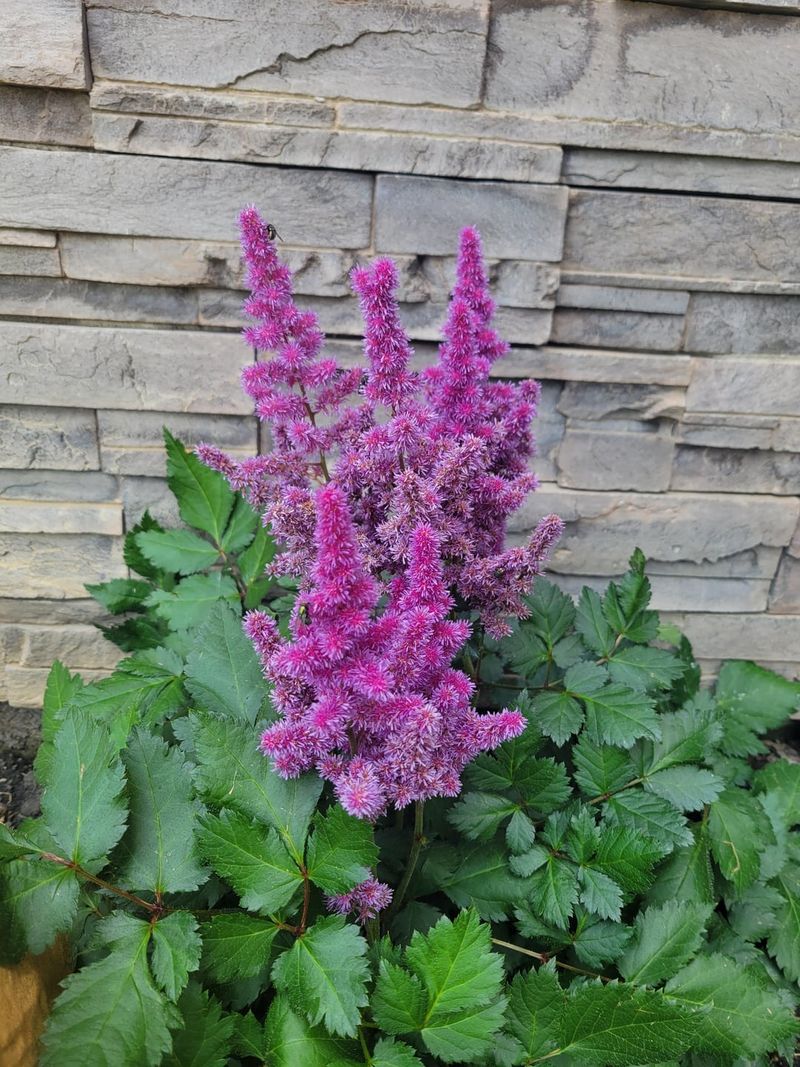
Astilbe adds feathery plumes of pink, red, or white in midsummer, bringing color to a bed that might otherwise be entirely green.
Lungwort and bleeding heart round out the spring season with early blooms before ferns reach full size.
The key to companion planting success is choosing plants that share the same moisture and shade requirements so you are not fighting the site with every watering decision you make.
7. Mulch Lightly With Leaves
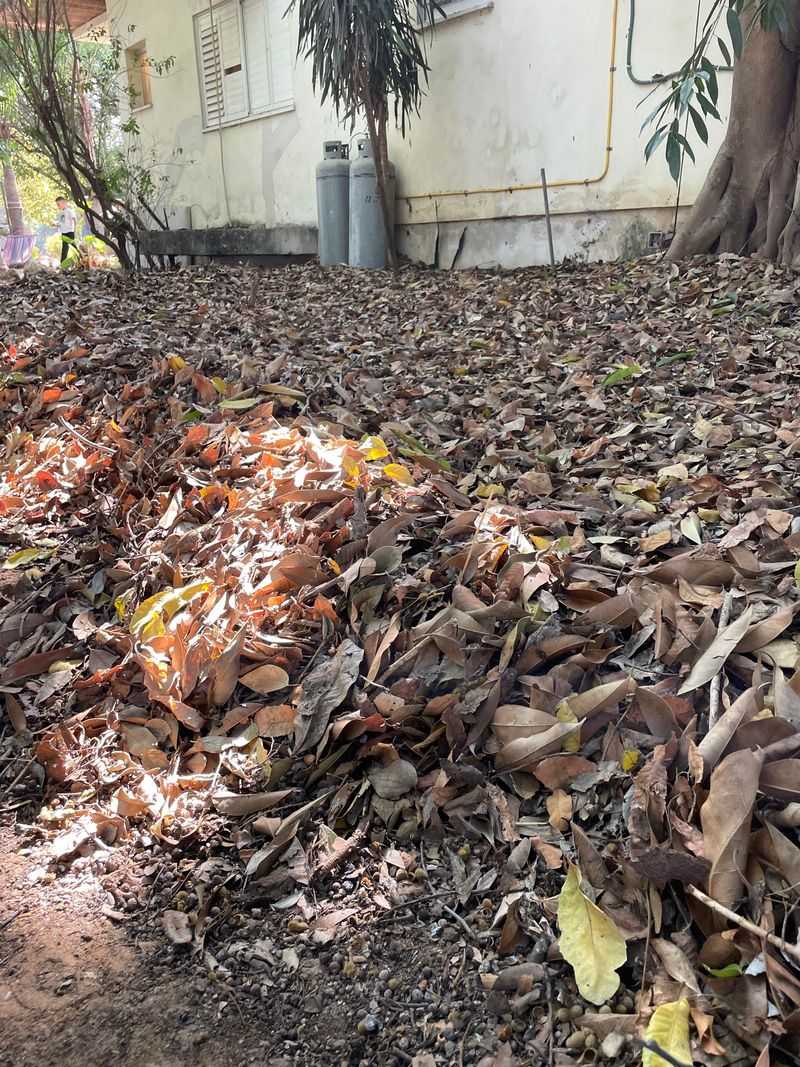
Walk into any Michigan forest and look at the ground. You will not find bare soil.
You will find a soft, layered blanket of partially decomposed leaves, twigs, and organic debris that keeps the soil cool, moist, and biologically active.
Mulching your fern beds with leaves is the simplest way to replicate that forest floor environment right in your backyard, and it costs absolutely nothing if you have trees nearby.
The key word here is lightly.
Ferns do not want to be buried under a thick, heavy blanket of whole leaves that mat together and block air and water movement.
A layer of one to two inches of shredded leaves is ideal. Shredding can be as simple as running your lawn mower over a pile of leaves before spreading them.
Shredded leaves break down faster, allow rain to penetrate easily, and do not compact into a suffocating layer the way whole leaves sometimes do over a wet Michigan winter.
Apply leaf mulch in late fall after the first hard freeze, once fern fronds have died back naturally. This timing protects the crowns through winter without trapping excess moisture during the growing season.
In spring, rake the mulch back gently so new fiddle heads can push through easily.
Any remaining leaf material that has not fully decomposed simply becomes next season’s leaf mold, quietly improving your soil year after year in a slow and satisfying cycle.
8. Divide Crowded Clumps In Spring
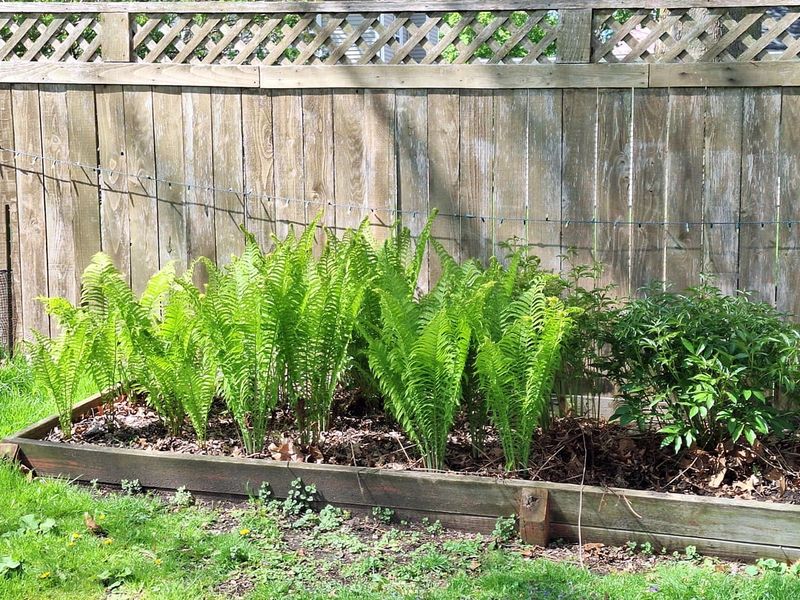
After three to five years in the ground, many ferns start to look a little too comfortable.
Clumps grow dense, the center of older plantings may thin out, and fiddle heads push up tightly packed with no room to unfurl properly.
This is the fern’s way of telling you it is time for a little housekeeping that pays off generously by the following season.
Spring is the perfect time for this task, specifically the narrow window when fiddle heads are just beginning to emerge from the soil but have not yet opened.
At this stage, the plant is actively sending energy upward, and divided sections recover quickly. Use a sharp spade or garden fork to cut straight down around the edge of the clump and pry up a section.
Each division should have several healthy crowns and a good chunk of root mass attached.
Replant divisions immediately at the same depth they were growing before and water them in well.
Avoid dividing ferns in midsummer when heat stress makes recovery slower, or in fall when plants are preparing for dormancy.
Some ferns, like ostrich ferns, spread so aggressively by stolons that you may find yourself dividing them every two to three years just to keep them from taking over neighboring plants.
Others, like maidenhair ferns, spread slowly and may only need dividing every five to seven years.