The Yellowjacket Trap Mistake So Many Michigan Homeowners Make
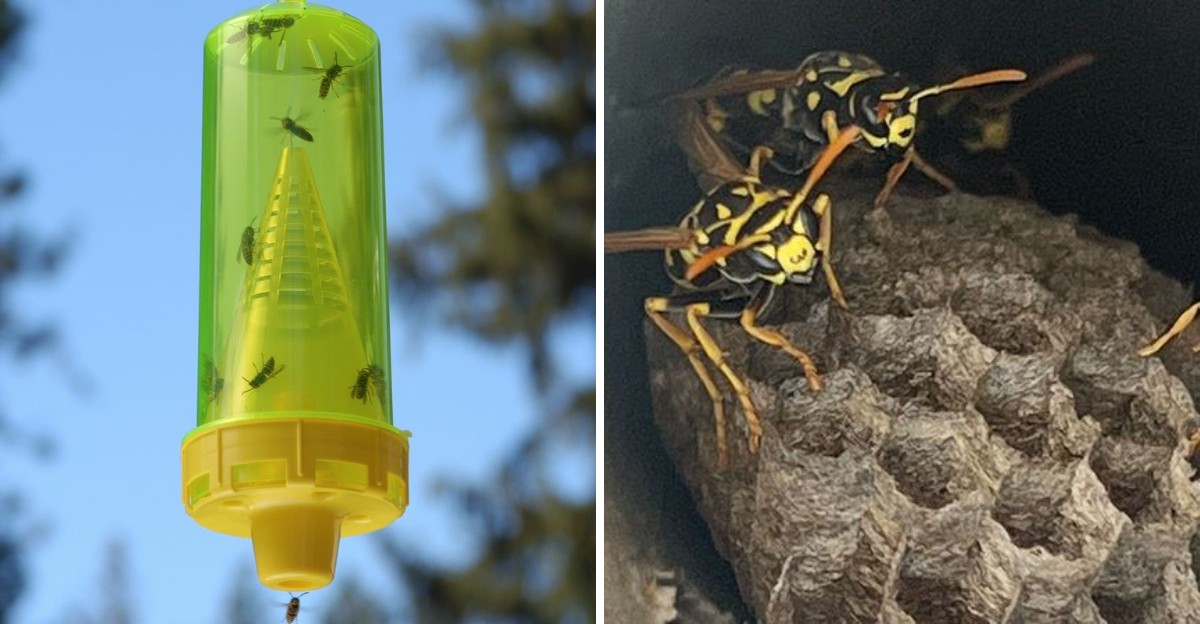
A yellowjacket trap seems like a simple fix. You hang it near the patio, add the bait, and wait. Then the wasps seem to multiply around you.
That is not bad luck. It is a placement problem. Traps work by drawing insects in with a strong scent.
Put one right where you eat or sit, and you may be inviting them straight to the party. Many Michigan homeowners make this mistake every year, especially in September when wasps are at their most aggressive.
The bait you choose also matters, because their tastes change as the season moves on. A few small changes can turn a trap from a nuisance into a real help. Knowing where to hang it, and why, makes all the difference.
1. Don’t Hang Traps Where People Gather
Hanging a trap right next to the picnic table feels smart. After all, that is where the yellowjackets keep showing up, so why not catch them there? Sadly, this is the most common mistake Michigan homeowners make, and it often makes the problem worse.
Traps work by sending out a scent that pulls yellowjackets in from all around the neighborhood.
When that scent sits on your deck or beside the back door, you are basically sending out an invitation to every yellowjacket nearby. Plenty of them will show up, but many never go into the trap at all.
Instead, those curious visitors wander over to your burgers, soda cans, and kids playing in the yard. A trap meant to protect you ends up drawing a crowd straight into your favorite spaces. That is a frustrating way to spend a summer evening.
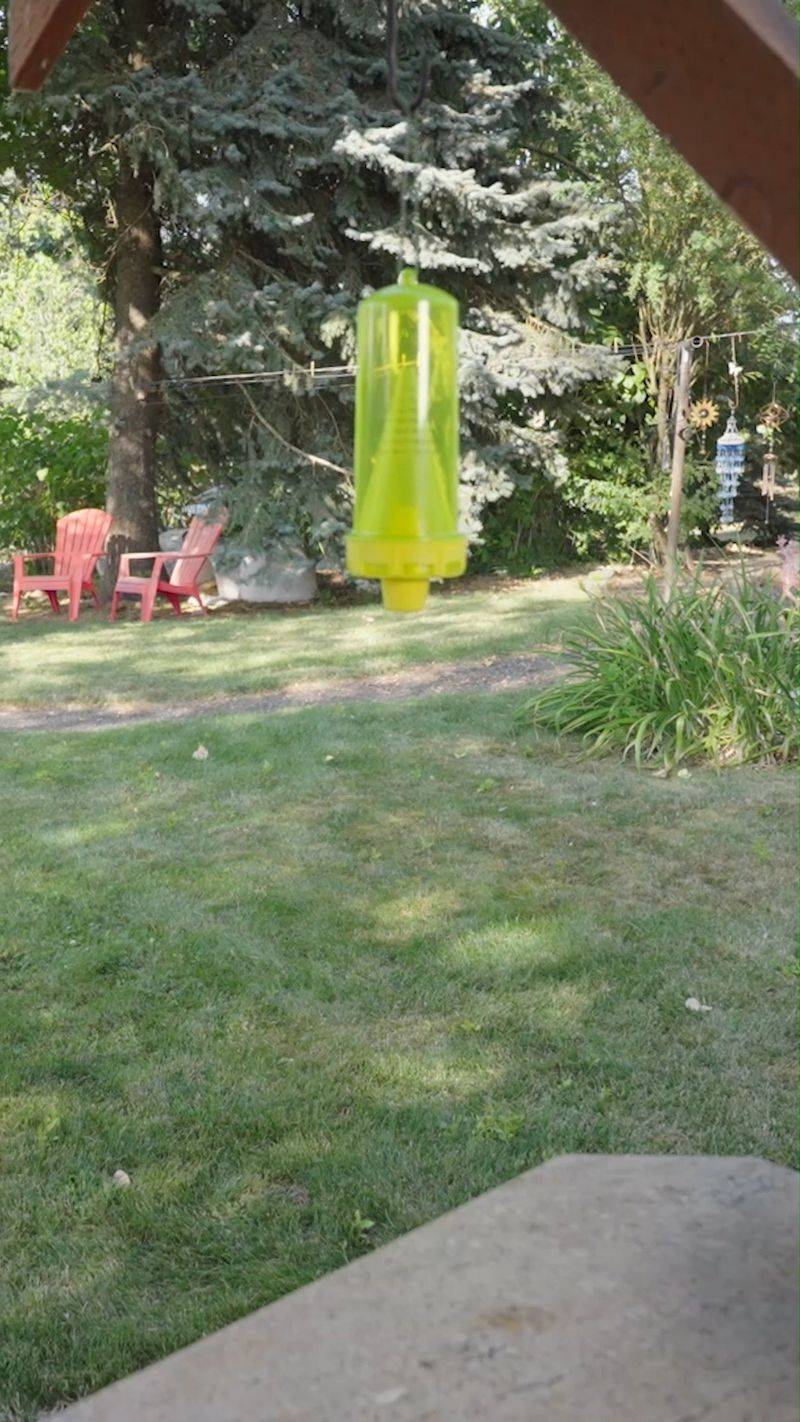
The fix is simple and costs nothing. Move your traps well away from patios, play areas, swing sets, and entrances. A good goal is at least 20 feet away, though more distance is even better when your yard allows it.
Try placing traps along the edge of your yard, between where the yellowjackets seem to come from and where people like to sit.
Fence lines, garden borders, and the back corners of the lot are great choices. That way, the trap catches them before they ever reach your guests. Michigan summers are short, and families pack a lot into those warm weeks.
Late summer and fall bring cookouts, orchard trips, football parties, and backyard bonfires, which happen to be the exact time yellowjackets are most bothersome. Smart trap placement helps you enjoy every one of those moments.
2. Match The Bait To The Season
Yellowjackets are picky eaters, and their menu changes as the months go by. A bait that works great in June might get ignored in September. Once you understand their cravings, you can stay one step ahead.
In spring and early summer, a yellowjacket colony is busy growing. The queen lays eggs, and those young larvae need protein to develop.
Worker yellowjackets spend their days hunting caterpillars, flies, and other insects, and they will happily grab bits of meat from your grill too.
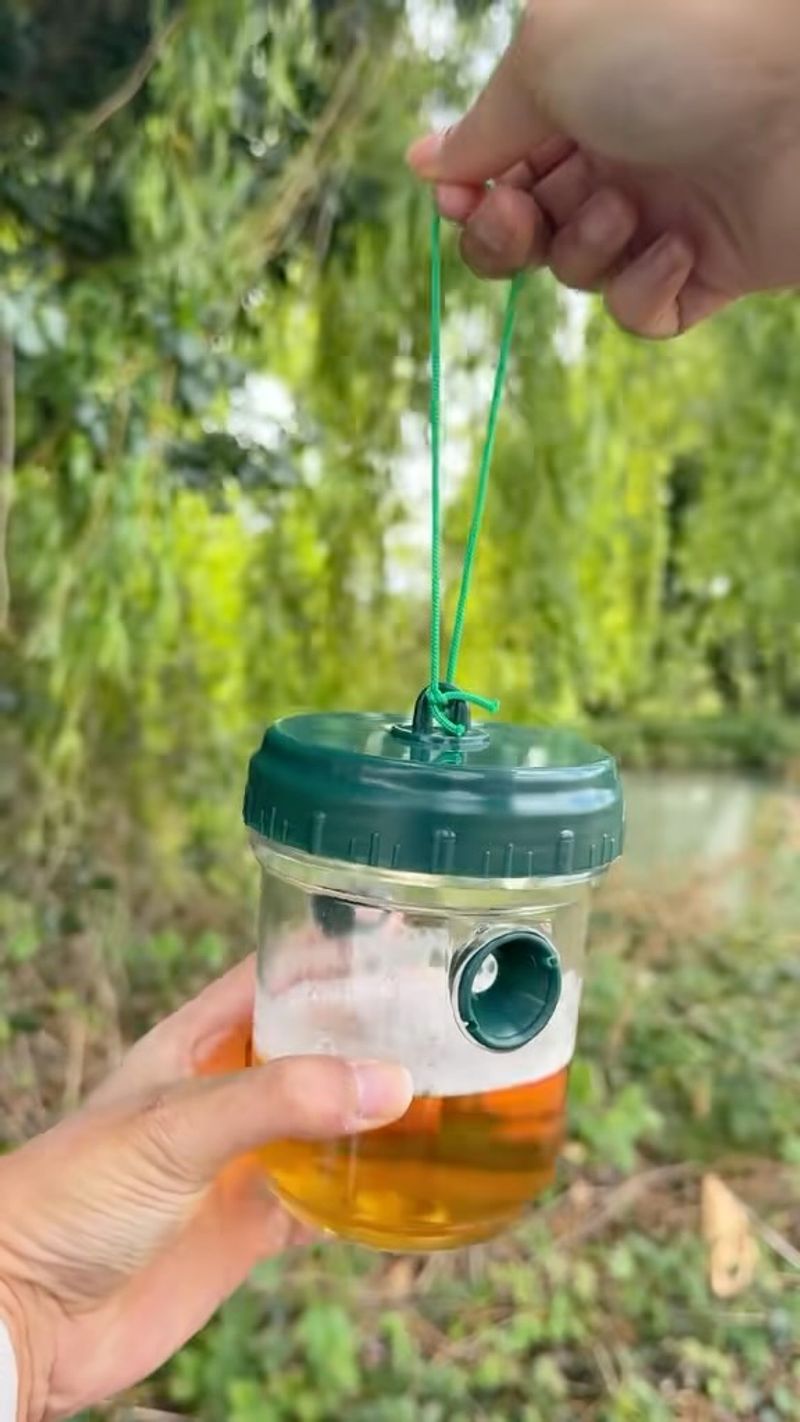
That is why protein baits work best early in the season. A small piece of lunch meat, raw chicken, fish, or a spoonful of canned pet food can make a trap very appealing. Keep the portion small so it does not spoil too quickly in the heat.
Your Michigan Garden Changes Every Week. Your Plan Should Too.
Gardening in Michigan changes quickly throughout the season. Every Friday you’ll receive a simple weekly plan showing exactly what to plant, prune, fertilize, harvest, and protect so you never miss the right timing.
Later in the summer, things shift. The colony stops raising as many young, and the workers start looking for sugar instead. Suddenly, your sweet tea, ripe peaches, and ice cream cones become prime targets.
Around this time, switch to sweet baits. Fruit juice, a little jam mixed with water, or overripe fruit can pull yellowjackets into the trap. Some people find that apple juice works especially well during apple season.
No matter which bait you choose, freshness matters. Old bait dries out, turns moldy, or loses its smell, so swap it out every few days. A fresh scent keeps the trap working hard for you.
Michigan homeowners usually notice yellowjackets most from late August into October. Picnics, tailgates, and harvest festivals all happen during this sugar-hungry stretch. Having sweet bait ready right on time can make a real difference in your yard.
3. Use Lures That Attract The Species In Your Area
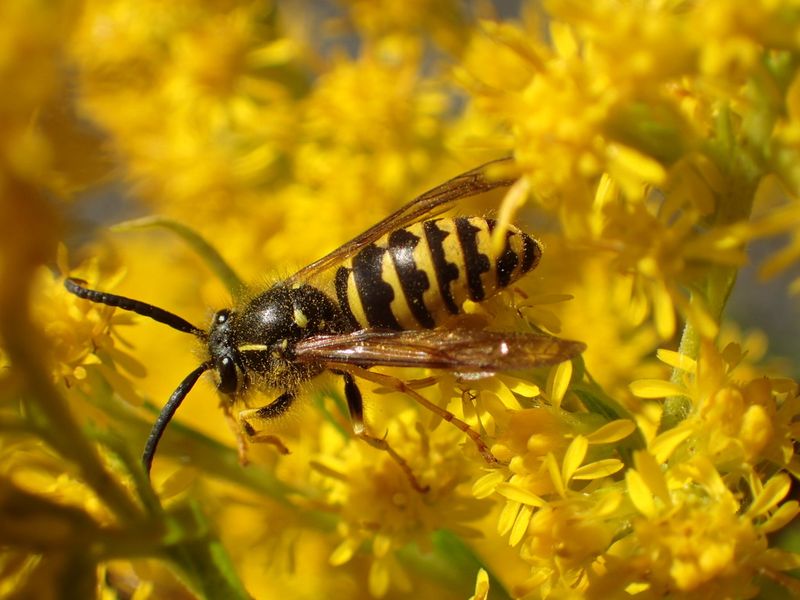
Here is a surprise for many people: not all yellowjackets are the same. North America has several different species, and they do not all respond to store-bought lures in the same way. That small detail can explain a lot of empty traps.
Many popular commercial lures use a chemical attractant called heptyl butyrate. It works very well on the western yellowjacket, which is common in the western United States.
Michigan, however, is home to different species, mainly the eastern yellowjacket and the German yellowjacket.
Research has shown that these common Michigan species are often less drawn to those western-style lures.
So a homeowner may hang a brand-new trap, wait a week, and see only a handful of insects inside. It is easy to think the trap is broken, when really the lure just is not a good match.
Before you buy, take a minute to read the label. Many trap packages list which species they target. Look for products that mention eastern or German yellowjackets, or ones made for use in the Midwest and Great Lakes region.
If your trap still seems slow, add some fresh bait of your own. A bit of meat earlier in the season or fruit juice later on can give the lure a boost. Many Michigan gardeners have good luck combining a commercial lure with homemade bait.
Keep an eye on what you catch, too. If you see lots of honeybees or other helpful insects, try a different bait, since sweet baits can sometimes attract bees. Protecting pollinators is always worth the extra effort.
A little label reading can save you money, time, and plenty of buzzing frustration.
4. Know That Traps Won’t Eliminate A Nest
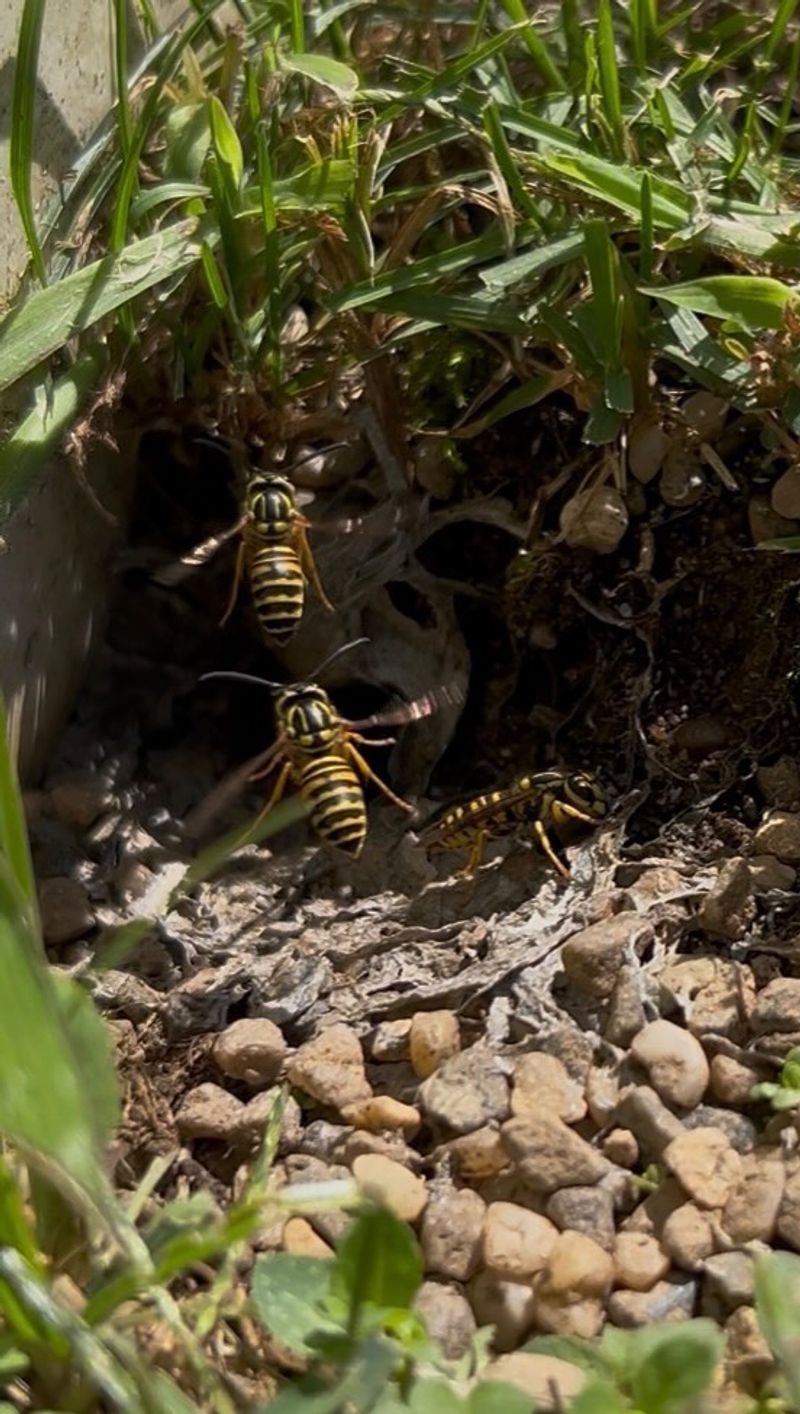
Traps are helpful tools, but they are not magic. Many homeowners expect a trap to wipe out every yellowjacket in the neighborhood, and they feel let down when the buzzing continues.
Knowing what traps can and cannot do will save you a lot of disappointment. A trap only catches foraging workers, the yellowjackets out searching for food.
Meanwhile, the queen stays safely tucked inside the nest, laying more eggs. As long as she keeps producing new workers, the colony keeps going strong.
Size matters here too. By late summer, a single yellowjacket colony can hold thousands of workers, and some large nests grow even bigger. Even a full trap barely makes a dent in a population like that.
So what are traps good for? They do a nice job of lowering the number of yellowjackets around your yard, especially near areas you want to protect. Think of them as a way to thin the crowd rather than shut down the source.
Nests are a different story. If you find one near a door, a play area, a walkway, or another busy spot, call a pest control professional.
Nests hidden inside walls or underground can be especially tricky, and yellowjackets defend them fiercely, stinging many times if disturbed.
Never pour gasoline into a ground nest or try to seal up a nest inside a wall yourself. Those approaches can be dangerous and may even push yellowjackets into your home. A trained expert has the right gear and products to handle the job safely.
In Michigan, colonies hit their largest size in late summer and early fall. Pairing traps with professional help gives you the best shot at a calm yard.
5. Empty And Refresh Traps Regularly
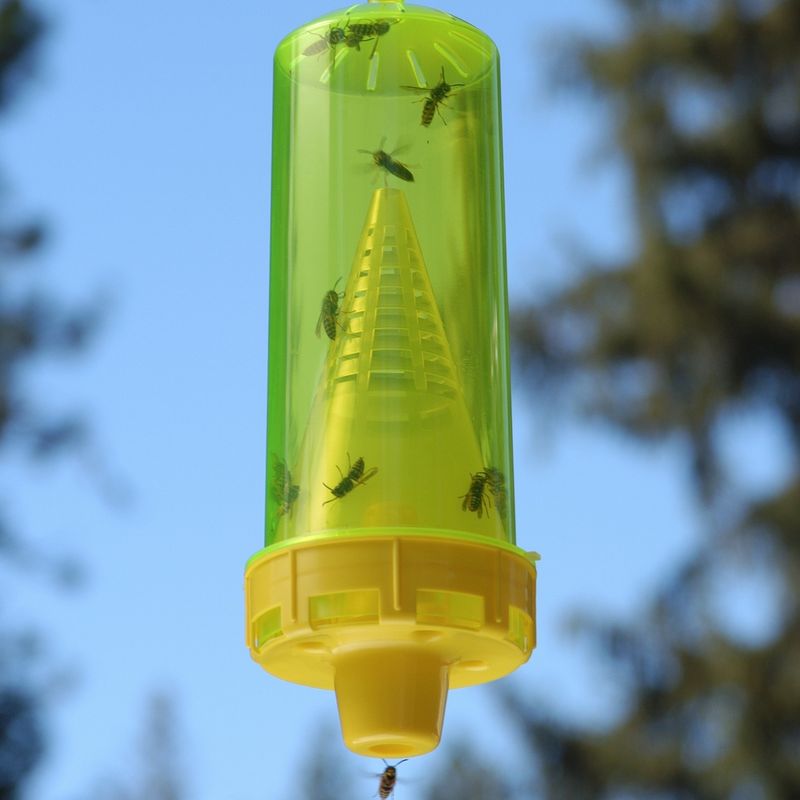
Out of sight, out of mind is a tempting way to treat a yellowjacket trap. You hang it up, walk away, and forget about it for a month. Unfortunately, a neglected trap quickly turns into a smelly, useless jar of bugs.
As insects pile up inside, the trap loses its pulling power. Old bait dries out or rots, and the fresh scent that once drew yellowjackets in fades away. A full trap can also give off a strong, unpleasant odor that nobody wants drifting across the yard.
Good news, though. Keeping traps in top shape only takes a few minutes. Make a habit of checking them every few days, maybe while you water the garden or take out the trash.
When a trap looks about half to two-thirds full, empty it. Replace the bait or lure according to the package directions, since many commercial lures only last a few weeks. Rinse out reusable traps with warm, soapy water now and then to clear away leftover gunk.
Safety comes first during cleanup. Always wear thick gloves, and handle the trap slowly and carefully. Some insects inside may still be moving and able to sting, so it helps to empty traps early in the morning or in the evening when yellowjackets are less active.
Many people seal the contents in a plastic bag before tossing them in a covered trash can. That keeps the smell from attracting even more visitors.
Warm late summer days in Michigan keep yellowjackets busy and hungry, and traps can fill up faster than you might expect. A quick check-in routine keeps your traps doing their job all season long.
6. Remove The Food That Draws Them In
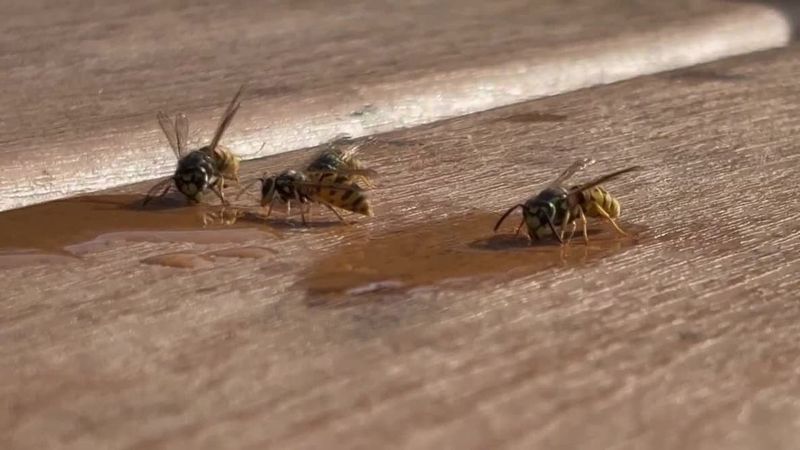
Imagine a buffet table loaded with your favorite foods sitting right next to a plain snack bar. Which one would you choose? Yellowjackets make that same choice every day, and your trap is often the plain snack bar.
Open soda cans, fallen fruit, uncovered trash, and outdoor pet bowls give off powerful smells. To a hungry yellowjacket, those treats are far more tempting than many traps. As long as they stay out, yellowjackets will keep coming back to your yard for more.
Cutting off these easy meals helps your traps work so much better. Start with drinks, since yellowjackets love crawling into cans and bottles. Use cups with lids and straws, or pour drinks into clear glasses so you can see what is inside before you take a sip.
Fallen fruit is next on the list. Pick up apples, pears, plums, and other dropped fruit every day, before it starts to rot and ferment. Raking under fruit trees for just a few minutes can make a big change.
Trash and recycling bins deserve attention too. Keep lids closed tightly, and rinse out sticky cans and bottles before tossing them in. Washing your bins every so often helps get rid of sweet, lingering smells.
Pets also play a part. Feed dogs and cats indoors when possible, and pick up any leftover food right away if they eat outside.
Michigan is famous for its apple orchards and vineyards, and many backyards have their own fruit trees or grapevines.
When fall harvest season rolls around, all that sweet fruit becomes a major draw. Staying tidy gives yellowjackets fewer reasons to stick around.
7. Know When To Put Traps Away
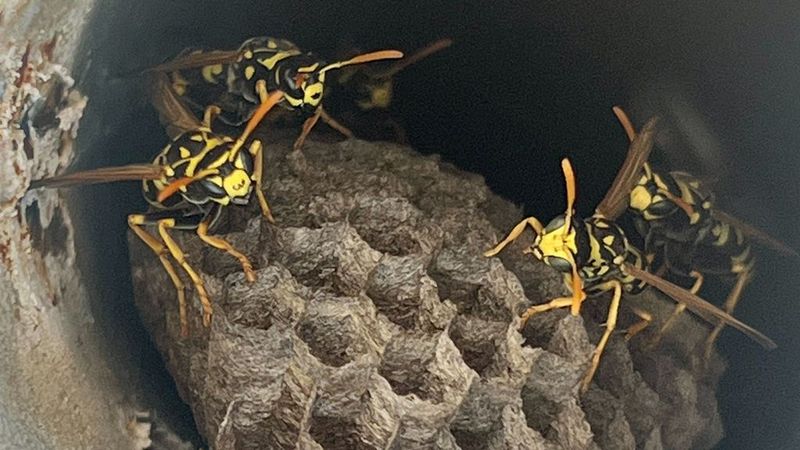
Frost on the pumpkins is one of the best signs a Michigan homeowner can see. Those chilly mornings mean yellowjacket season is finally winding down. Soon, you can pack up your traps and enjoy a break.
Yellowjacket colonies only last one year. Unlike honeybees, they do not store food to get through winter. Once several hard freezes hit in the fall, worker numbers drop quickly, and activity around your yard slows to a stop.
Only the new queens make it to spring. Before the cold settles in, they find sheltered spots like rotting logs, leaf piles, tree bark, or tiny gaps in buildings. There they rest through the winter, waiting for warm weather to start brand-new colonies.
After the hard freezes, take down your traps. Empty them, wash them with warm, soapy water, and let them dry completely. Store them in a garage, basement, or shed so they are ready to go next year.
Spring brings a golden opportunity. Each queen starts her nest alone, so new nests are tiny and much easier to manage.
Take a walk around your home in April and May, checking eaves, shed corners, decks, and garden areas for small, papery nests about the size of a golf ball.
Spotting a nest early can save you from a much larger headache by August. If you find one in a tricky spot, a pest control professional can help.
In Michigan, hard freezes usually end yellowjacket activity sometime in October or November, depending on where you live.
Northern areas tend to cool off sooner than the southern part of the state. Watch the weather, and you will know just when to call it a season.