Texas Lawn Habits That Attract Beneficial Earthworms To Summer Backyards
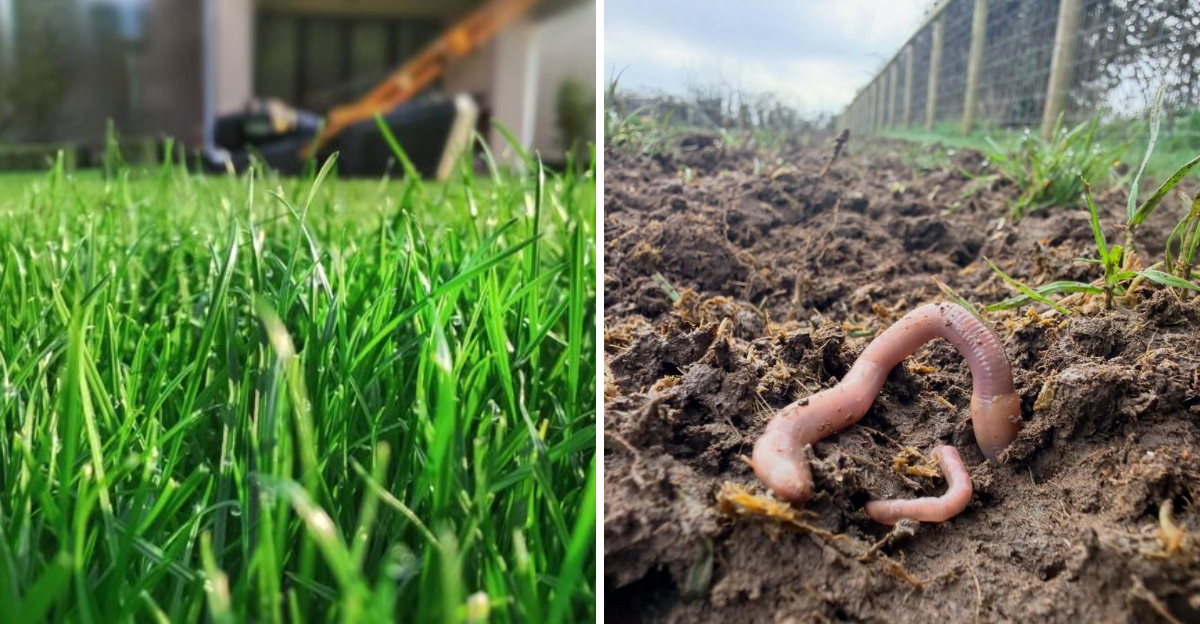
Earthworms don’t get nearly enough credit in Texas lawn care conversations. Most homeowners are focused on grass types, irrigation schedules, and fertilizer programs, without ever thinking about the living network just below the surface that determines how well any of those efforts actually work.
Earthworms aerate the soil, improve drainage, break down organic matter, and create the kind of soil structure that makes a lawn respond better to everything you do for it. A Texas lawn with a healthy earthworm population performs better. Full stop.
The challenge is that the Texas summer is not naturally hospitable to earthworms. Heat, drought, and certain lawn care habits can drive earthworm populations down significantly, leaving behind soil that is less productive and less responsive no matter how much effort goes into the surface.
The good news is that specific lawn habits actively encourage earthworms to stay, thrive, and multiply through the Texas summer. These are not complicated changes, but they make a genuine difference in the soil health that everything else in your lawn depends on.
1. Watering Deeply But Infrequently
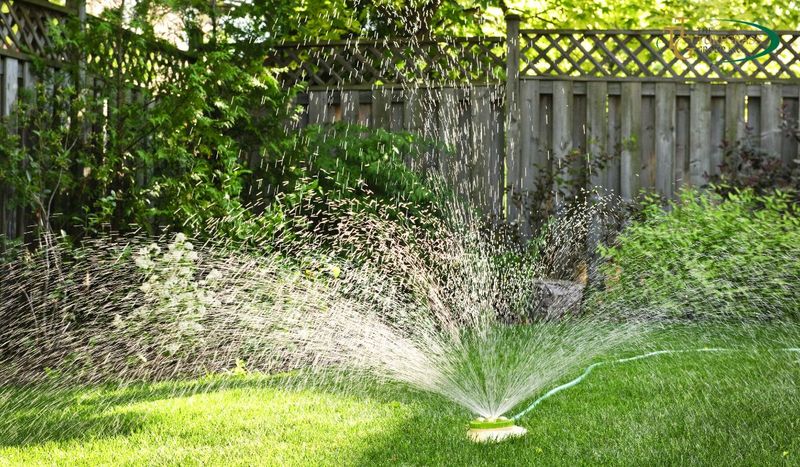
Most people think watering every day keeps a lawn healthy, but earthworms tell a different story. Frequent, shallow watering keeps only the top layer of soil damp, which does not give worms enough room to move comfortably.
Watering deeply but less often allows moisture to sink several inches into the ground, creating the kind of environment earthworms love.
Earthworms breathe through their skin, so they need soil that is moist but not waterlogged. When the top layer dries out a little between watering sessions, it actually encourages worms to burrow deeper and stay active.
Soggy soil pushes out the oxygen they need, while slightly dry-then-damp cycles mimic natural rainfall patterns that worms respond to well.
In Texas summers, the goal is to water your lawn about once or twice a week, soaking the soil to a depth of at least six inches. Early morning is the best time to water because less moisture evaporates in the cooler air.
This also gives the surface time to dry slightly during the day, striking that perfect balance worms prefer.
A simple way to check if you are watering deeply enough is to push a screwdriver or wooden stick into the soil after watering. If it slides in easily to about six inches, your soil has enough moisture.
Over time, this watering habit also trains grass roots to grow deeper, making your lawn stronger and more drought-resistant. Both your grass and your earthworms will benefit from this one simple change in your routine.
2. Leaving Grass Clippings And Leaf Litter In Place
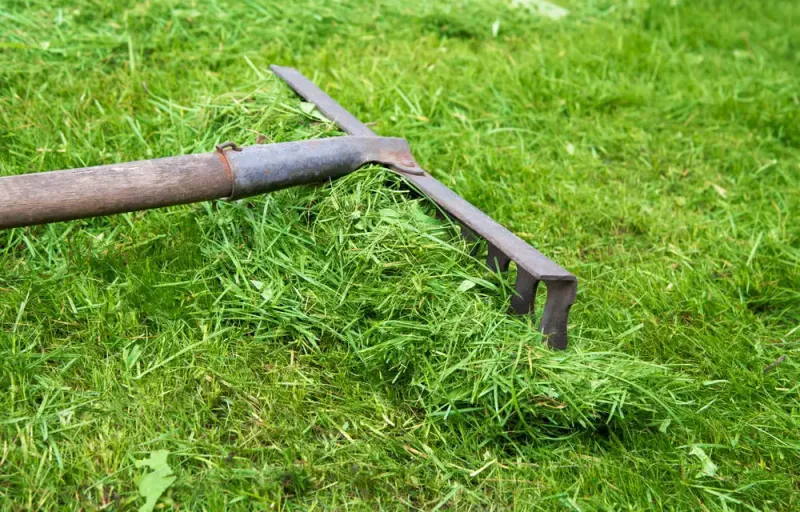
Many homeowners bag up every last clipping and leaf after mowing or raking, not realizing they are removing a free buffet for earthworms. Grass clippings and fallen leaves are exactly the kind of organic material that worms feed on as it breaks down.
Leaving this material on your lawn gives worms a steady, natural food source right at the surface.
Your Texas Garden Changes Every Week. Your Plan Should Too.
Gardening in Texas changes quickly throughout the season. Every Friday you’ll receive a simple weekly plan showing exactly what to plant, prune, fertilize, harvest, and protect so you never miss the right timing.
As clippings and leaves decompose, they also form a thin layer called mulch that helps hold moisture in the soil.
In a Texas summer, that extra layer of protection can make a real difference in keeping the ground cool enough for worms to stay active near the surface. Without it, the soil can dry out and heat up quickly between waterings.
You might worry that leaving clippings behind will make your yard look messy, but a light layer actually disappears within a few days as it breaks down. Modern mulching mowers chop clippings into tiny pieces that settle into the grass quickly and are barely noticeable.
Fallen leaves can also be run over with a mower to shred them into smaller bits that break down faster and look tidier.
Over time, decomposing organic matter improves the overall structure of your soil. It adds nutrients, encourages microbial activity, and creates a richer environment where earthworms can reproduce and multiply.
Think of it as building a living ecosystem right beneath your feet. Skipping the rake and the bag once in a while is one of the easiest habits you can adopt to make your Texas backyard more welcoming to earthworms all summer long.
3. Cutting Back On Fertilizer And Chemical Treatments
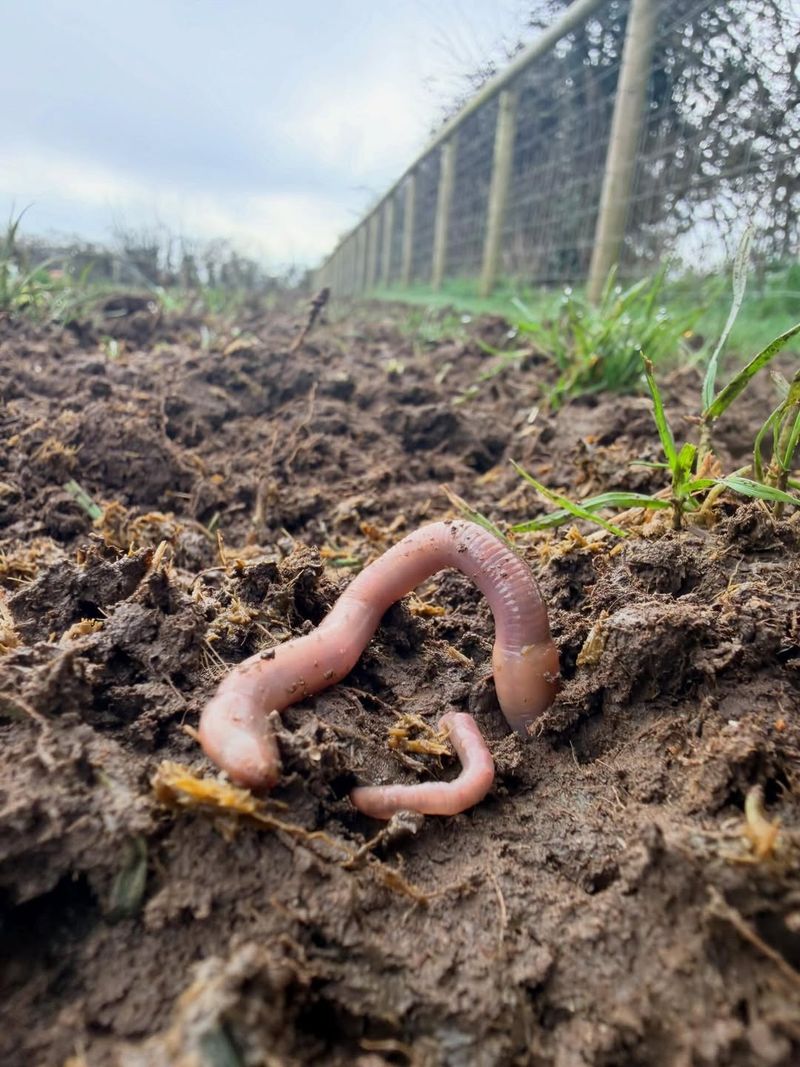
Walk into any garden store and you will find shelves packed with fertilizers, herbicides, and soil treatments promising a perfect lawn. The truth is, many of these products do more harm than good when it comes to earthworm populations.
Synthetic chemicals can alter soil chemistry in ways that make it harder for worms to survive and reproduce.
Earthworms are sensitive creatures. Certain nitrogen-heavy synthetic fertilizers can raise the acidity of soil and irritate worms through their skin.
Herbicides and fungicides often disrupt the microbial life that worms depend on for food. When soil is stripped of its natural balance, worms tend to move on or their numbers drop significantly over time.
Reducing how often you apply chemical treatments is one of the most direct ways to make your soil more earthworm-friendly. You do not have to stop all treatments overnight.
Start by cutting back on how frequently you fertilize, and try skipping one or two applications during the summer months to see how your lawn responds. Many Texas lawns actually do just fine with less chemical input than people assume.
When you do need to feed your lawn, look for slow-release or organic fertilizer options. These products break down gradually and are far less likely to cause the chemical spikes that stress earthworms.
Compost tea, fish emulsion, and kelp-based fertilizers are all examples of gentler alternatives.
Over time, a lawn that relies less on synthetic inputs tends to develop richer, more biologically active soil where earthworms flourish naturally without much extra effort from you.
4. Letting Grass Grow A Bit Longer
There is a common habit among Texas homeowners to mow their lawns as short as possible, thinking it looks cleaner and saves time between cuts.
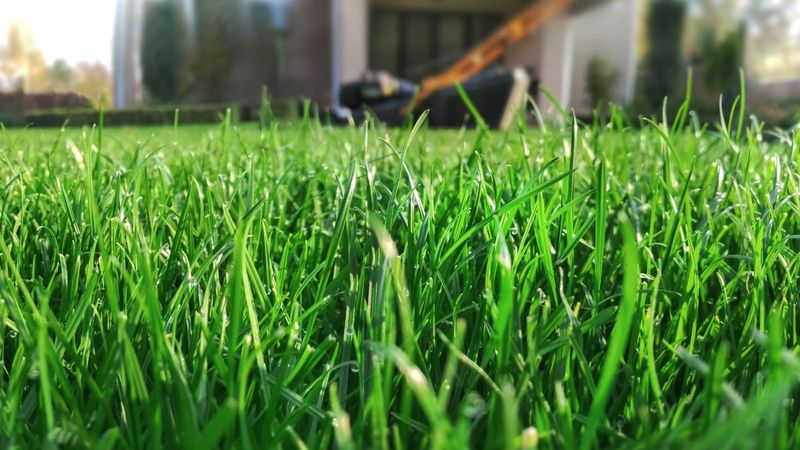
However, cutting grass too short can actually work against you when it comes to keeping earthworms around. Longer grass blades act like a natural umbrella for the soil below.
When grass grows a little taller, it shades the soil underneath and slows down evaporation. In the intense Texas summer heat, this shading effect can lower soil temperature by several degrees.
That cooler, more stable environment is exactly what earthworms need to stay active near the surface rather than retreating deep underground where they are less useful to your lawn.
Most lawn care experts recommend keeping grass at a height of about three to four inches during summer. At this length, the blades provide enough shade to protect the soil without getting so tall that the lawn looks overgrown or becomes harder to manage.
It is a small adjustment that takes almost no extra effort but makes a noticeable difference in how your soil behaves.
Longer grass also tends to have deeper root systems, which improve the overall structure of your soil over time. Deeper roots create channels that help water penetrate the ground more easily, which benefits earthworms even further.
When you raise the blade on your mower just one notch, you are doing something that helps your grass, your soil, and your earthworm population all at once.
It is one of the simplest and most overlooked tricks for building a more vibrant, living lawn in a hot Texas summer.
5. Adding Organic Matter Like Compost Or Coffee Grounds
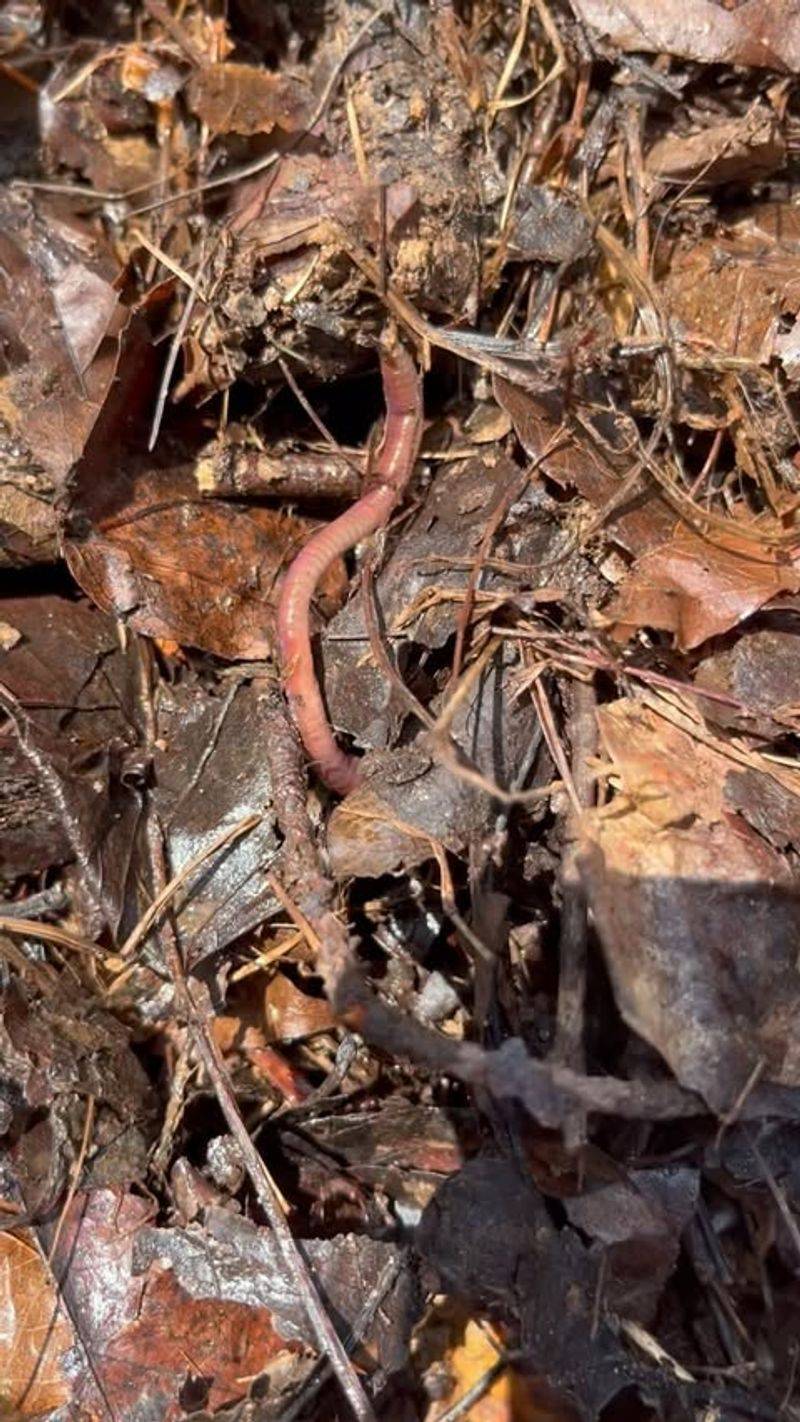
If you have ever noticed earthworms clustering around a compost pile, there is a good reason for that. Worms are naturally drawn to decomposing organic material because it is their primary food source.
Adding compost or coffee grounds to your lawn is basically rolling out a welcome mat for earthworms right in your own backyard.
Compost is packed with partially broken-down plant material, microorganisms, and nutrients that worms find irresistible.
Spreading a thin layer of finished compost over your lawn, a practice called top-dressing, introduces both food and beneficial microbes into the soil.
Over time, this builds up the organic content of your soil and creates the kind of rich, dark earth that earthworms thrive in.
Coffee grounds are another surprisingly effective addition. They are rich in nitrogen, which supports both grass growth and microbial activity that feeds worms.
Many coffee shops give away used grounds for free, making this one of the most budget-friendly soil amendments available. Sprinkle them lightly across your lawn or mix them into compost before applying.
One thing to keep in mind is moderation. Too many coffee grounds applied too thickly can clump together and form a barrier that repels moisture rather than holding it.
A thin, even layer worked into the soil or mixed with compost is the most effective approach. Combining compost and coffee grounds together gives your lawn a nutritional boost while creating the moist, food-rich environment that earthworms seek out.
Over a single growing season, this habit can noticeably increase earthworm activity in your Texas backyard.
6. Avoiding Grub-Control And Broad-Spectrum Pesticides
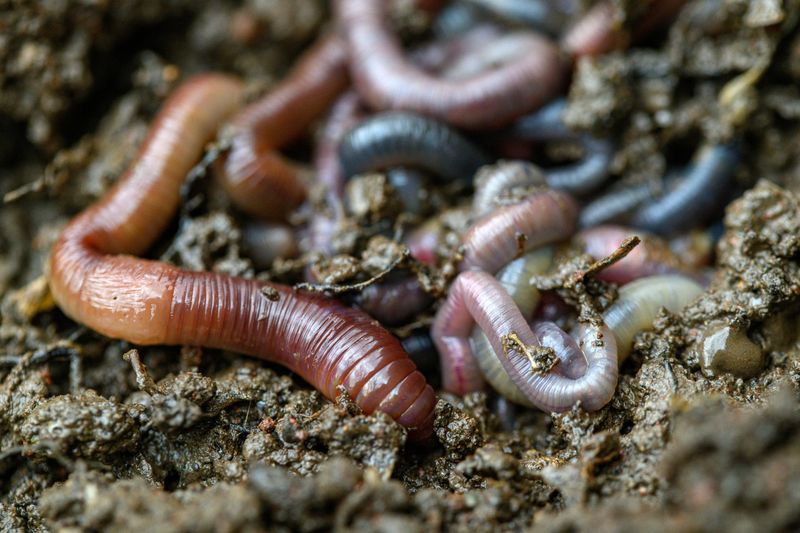
Grub-control products are popular with Texas homeowners because grubs can damage lawns by chewing through grass roots. The problem is that many of these products use broad-spectrum insecticides that do not just target grubs.
They affect a wide range of soil-dwelling organisms, and earthworms can be caught in the crossfire.
Chemicals like imidacloprid, which is found in many common grub-control products, have been shown in research to reduce earthworm activity and reproduction.
When these substances soak into the soil, they disrupt the nervous systems of insects and other invertebrates, including worms.
Even when earthworms are not the intended target, they can be significantly affected by repeated applications over time.
Before reaching for a grub-control product, it helps to assess whether you actually have a serious grub problem. A few grubs per square foot are normal and not usually harmful to a healthy lawn.
If counts are low, skipping treatment altogether is often the better choice for your soil health. Healthy soil with active earthworm populations is also naturally more resistant to pest damage because worms improve drainage and root development.
When pest control is necessary, look for targeted, organic-based options. Beneficial nematodes, for example, are microscopic organisms that can be applied to soil to manage grub populations without harming earthworms.
Milky spore powder is another biological option that specifically targets Japanese beetle grubs. Choosing these alternatives protects the underground ecosystem your earthworms are part of.
Keeping worms safe means keeping your soil alive, and a living soil is one of the most powerful tools a Texas gardener has going into summer.