These Beautiful Vines Thrive In Pots In Pennsylvania Yards
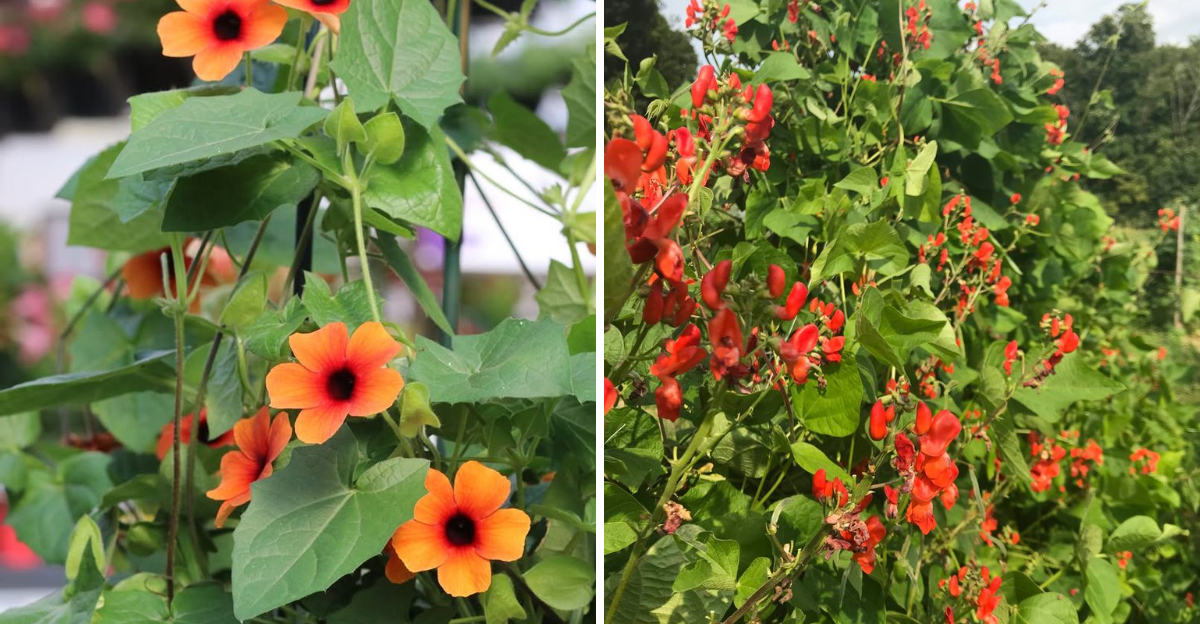
Vines have a way of adding drama and height to a yard that almost nothing else can match. But not every Pennsylvania yard has a fence, trellis, or wall in exactly the right place. That’s where container growing changes everything.
The right vine in the right pot can transform a plain patio, a bare corner, or a dull entryway into something genuinely eye catching, and Pennsylvania happens to have some beautiful options that thrive in container culture even through the demands of summer heat and humidity.
Growing vines in pots also gives you control that in ground planting doesn’t always allow. You can move them, position them for maximum visual impact, and keep naturally vigorous spreaders from taking over more space than you want.
For renters, small yard gardeners, or anyone working with a patio or balcony, container vines are one of the smartest and most rewarding choices available.
1. Clematis
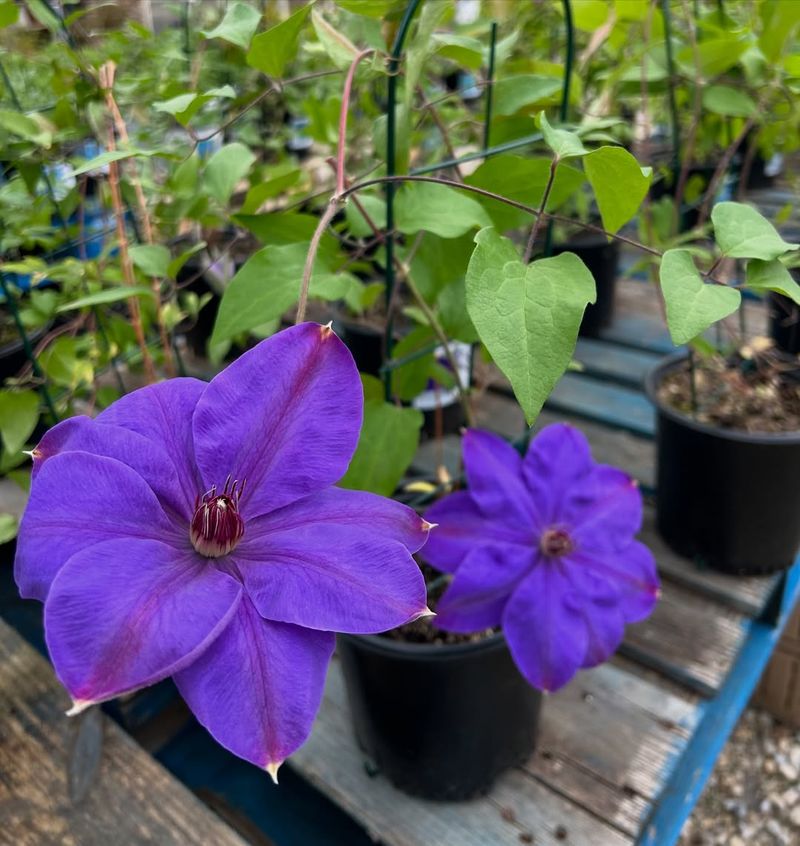
Few flowering vines can match the drama of a clematis in full bloom. With flowers that range from soft lavender to deep purple, rich red, and bright white, clematis is one of the most stunning plants you can grow in a container on a Pennsylvania patio or deck.
The sheer variety of colors and bloom times makes it easy to find one that fits your space perfectly.
Choosing a compact variety is the key to success in a pot. Look for cultivars labeled as Group 2 or Group 3 pruning types, since these tend to stay more manageable.
Varieties like ‘Nelly Moser,’ ‘Jackmanii,’ or ‘Duchess of Edinburgh’ all perform well in containers when given the right conditions.
Plant your clematis in a deep pot, at least 18 inches wide and deep, so the roots have room to spread. Clematis roots love to stay cool, so top the soil with a layer of mulch or tuck in some low-growing companion plants around the base.
Always give it a sturdy trellis to climb, and make sure it gets at least six hours of sunlight daily.
Water consistently but never let the roots sit in soggy soil. A well-draining potting mix works best.
Feed your clematis with a balanced fertilizer every two to three weeks during the growing season.
In Pennsylvania winters, move the pot to a sheltered spot like an unheated garage to protect the roots from freezing. With a little care, clematis rewards you with season after season of breathtaking blooms.
2. Trumpet Honeysuckle
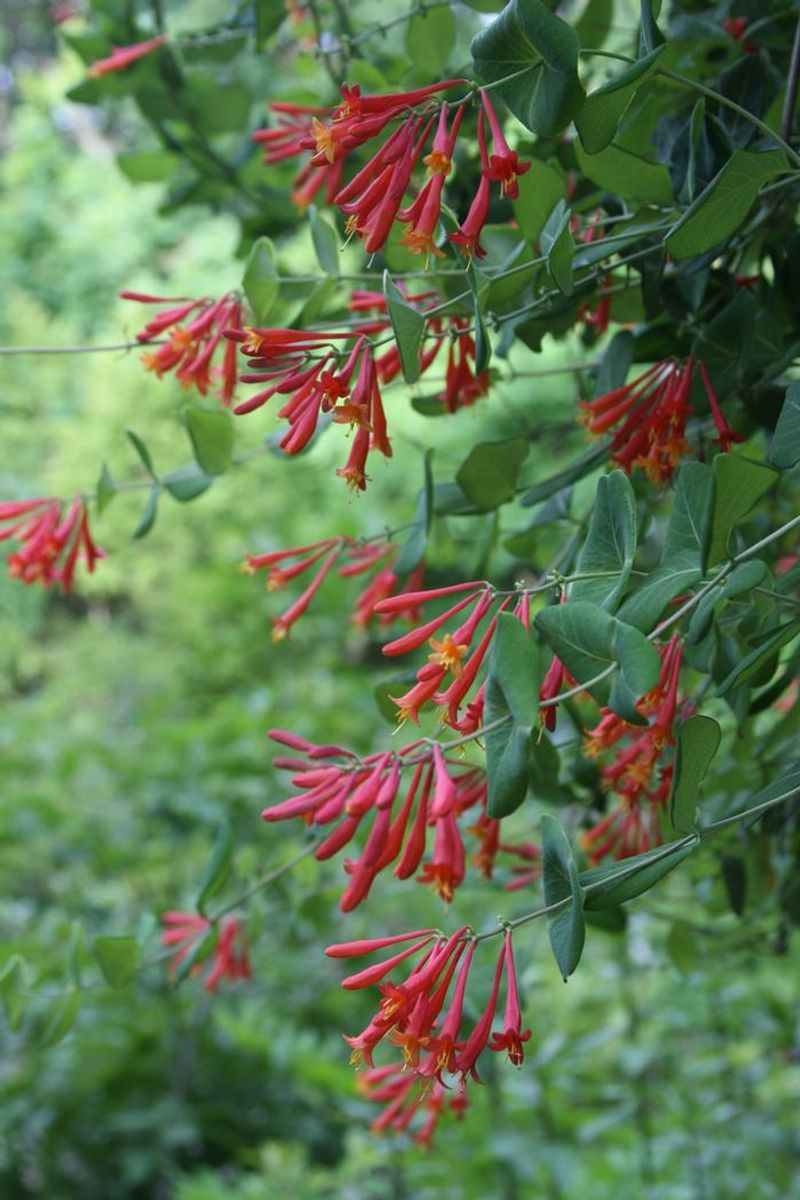
Hummingbirds will practically line up at your door if you grow trumpet honeysuckle in a pot on your Pennsylvania porch or deck.
This vine, also known as Lonicera sempervirens, is a true Pennsylvania native, which means it is already adapted to the local climate and soil conditions.
Unlike its invasive cousin, Japanese honeysuckle, trumpet honeysuckle stays well-behaved and will not take over your yard.
The flowers are long, slender, and trumpet-shaped, showing off a gorgeous coral-red color that hummingbirds simply cannot resist. Blooms appear from late spring through summer and sometimes even into fall.
Your Pennsylvania Garden Changes Every Week. Your Plan Should Too.
Gardening in Pennsylvania changes quickly throughout the season. Every Friday you’ll receive a simple weekly plan showing exactly what to plant, prune, fertilize, harvest, and protect so you never miss the right timing.
The vine also produces small red berries that birds enjoy, making it a double win for wildlife lovers in Pennsylvania.
Growing trumpet honeysuckle in a container requires a large pot, at least 15 to 20 gallons, with a sturdy trellis or obelisk for support. It prefers full sun to partial shade and needs consistent watering, especially during hot summer stretches.
Good drainage is essential, so always use a high-quality potting mix and make sure your pot has drainage holes.
Fertilize lightly in spring with a slow-release granular fertilizer to encourage strong growth and plenty of blooms. Trim back any unruly stems after the main bloom period to keep the vine tidy and compact.
In winter, move the pot to a protected area or wrap it with burlap to shield the roots from Pennsylvania’s coldest temperatures. Trumpet honeysuckle is a rewarding, wildlife-friendly choice that truly earns its spot in any container garden.
3. Black-Eyed Susan Vine
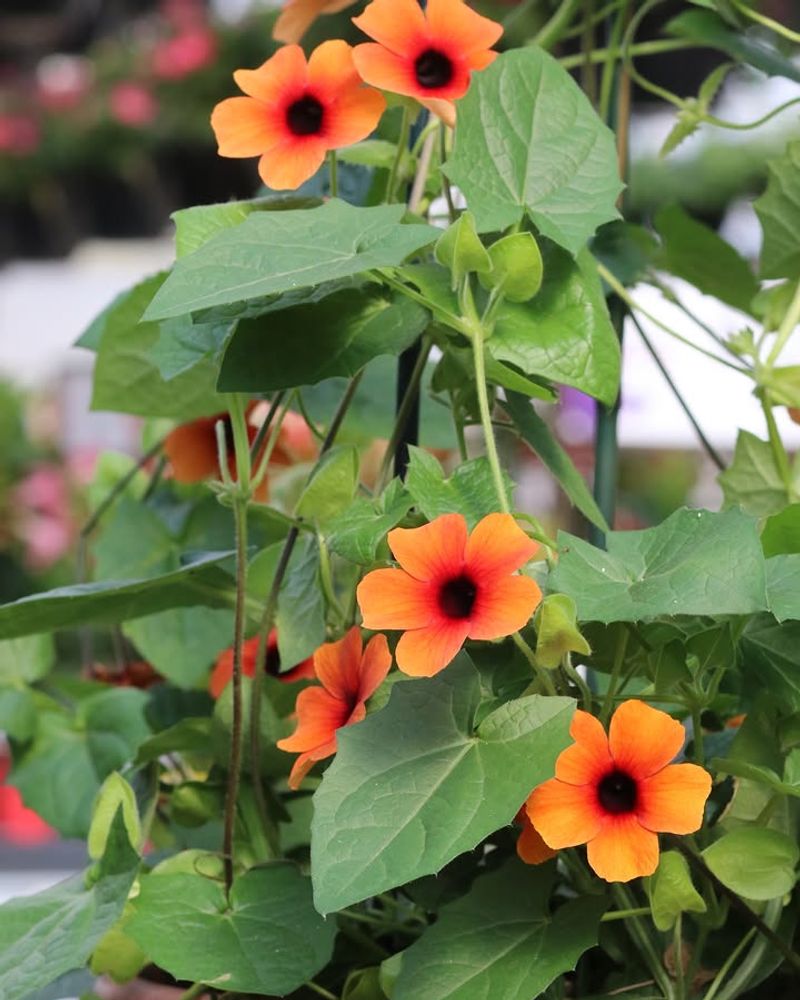
Cheerful, colorful, and surprisingly easy to grow, black-eyed Susan vine is one of those plants that makes every patio look like a party.
Botanically known as Thunbergia alata, this warm-season vine produces a steady stream of flowers in shades of yellow, orange, white, and soft apricot, each with a distinctive dark center that gives it its name.
It is an annual in Pennsylvania, which means you start fresh each year, but the payoff in color is absolutely worth it.
Black-eyed Susan vine grows quickly once warm weather arrives and can reach six to eight feet in a single season. It works beautifully in a large container paired with a small trellis or even a simple bamboo teepee.
You can also let it spill over the edges of a hanging basket or window box for a cascading effect that looks stunning from a distance.
Plant seeds or transplants outdoors after all frost risk has passed, which is typically mid-May in most parts of Pennsylvania.
Choose a sunny spot because this vine loves heat and thrives with at least six hours of direct sunlight each day. Water regularly and keep the soil evenly moist but never waterlogged.
Feed every two weeks with a balanced liquid fertilizer to keep the blooms coming strong all summer long. Deadheading spent flowers is not strictly necessary, but removing them can encourage even more blooms.
Since it is grown as an annual here, there is no need to worry about overwintering. Just pull it out at the end of the season and start fresh next spring with new seeds.
4. Mandevilla
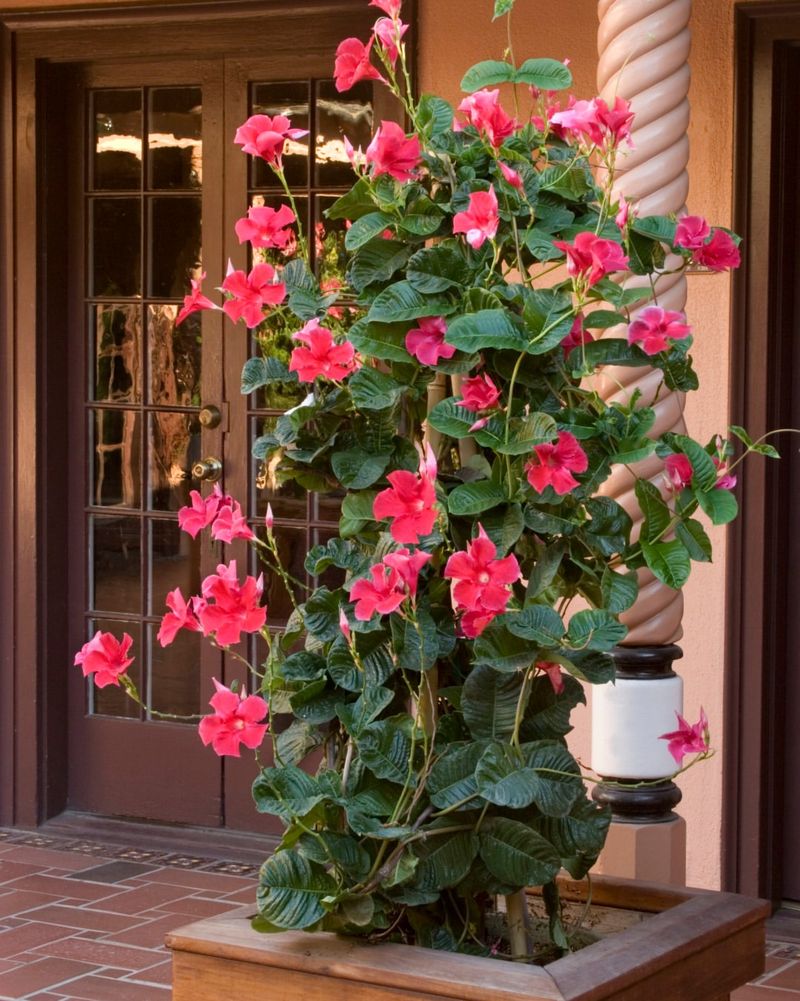
There is nothing subtle about mandevilla. This showstopper of a vine arrives on the scene with bold, glossy leaves and enormous trumpet-shaped blooms in shades of hot pink, classic red, and crisp white.
Originally from tropical regions of South America, mandevilla brings a vacation-worthy look to any Pennsylvania patio or deck during the summer months.
Growing mandevilla in a pot is actually the smartest way to enjoy it in Pennsylvania, since the plant cannot survive freezing temperatures outdoors. Plant it in a large container, at least 12 to 14 inches in diameter, using a well-draining potting mix.
Give it a trellis, cage, or obelisk to climb, and place it in a spot that gets full sun for most of the day. Warm, sunny walls or south-facing patios are ideal locations.
Water mandevilla regularly during the growing season, but let the top inch of soil dry out slightly between waterings. Overwatering is one of the most common mistakes people make with this vine.
Feed it every two weeks with a high-phosphorus liquid fertilizer to promote continuous blooming from late spring through the first signs of cooler fall weather.
When nighttime temperatures start dropping below 50 degrees Fahrenheit, it is time to bring your mandevilla indoors. Place it near a bright, sunny window and reduce watering significantly during the winter months.
You can treat it as a houseplant and bring it back outside the following summer, or simply replace it each year as a seasonal annual. Either way, mandevilla delivers some of the most impressive blooms of any container vine in Pennsylvania.
5. Hyacinth Bean Vine
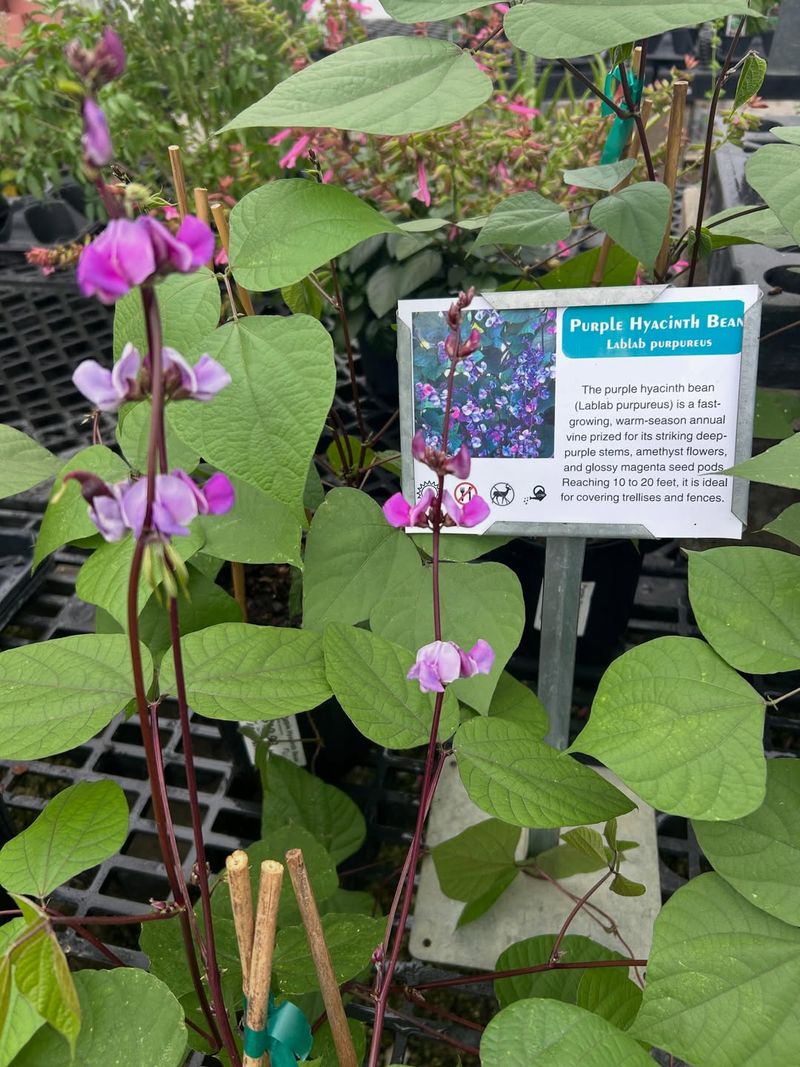
If speed and drama are what you want from a container vine, hyacinth bean vine delivers on both counts without hesitation. This fast-growing annual, known scientifically as Lablab purpureus, can shoot up 10 to 15 feet in a single warm season.
It covers a trellis so quickly that you can almost watch it grow, making it one of the most satisfying vines to plant in a sunny Pennsylvania yard.
What sets this vine apart from the rest is the combination of features it offers all at once. The leaves have a rich, dark purple-green hue that looks striking on their own.
Then the purple flowers appear in clusters, followed by glossy, deep purple seed pods that are genuinely ornamental and eye-catching. Few plants offer this much visual interest from a single container.
Plant hyacinth bean vine in a large pot, at least 15 to 20 gallons, after the last frost date has passed. In most parts of Pennsylvania, that means planting in mid-May.
It thrives in full sun and prefers warm soil, so waiting until the ground has warmed up will give it a strong start. Push a sturdy trellis or obelisk into the pot at planting time, before the roots get established.
Water consistently throughout the summer and feed with a balanced fertilizer every two to three weeks. The vine will reward you with nonstop growth and color from midsummer through fall.
Note that the seeds and pods are not safe to eat raw, so this vine is grown purely for its ornamental appeal. At season’s end, collect the dried pods and save seeds for next year.
6. Scarlet Runner Bean
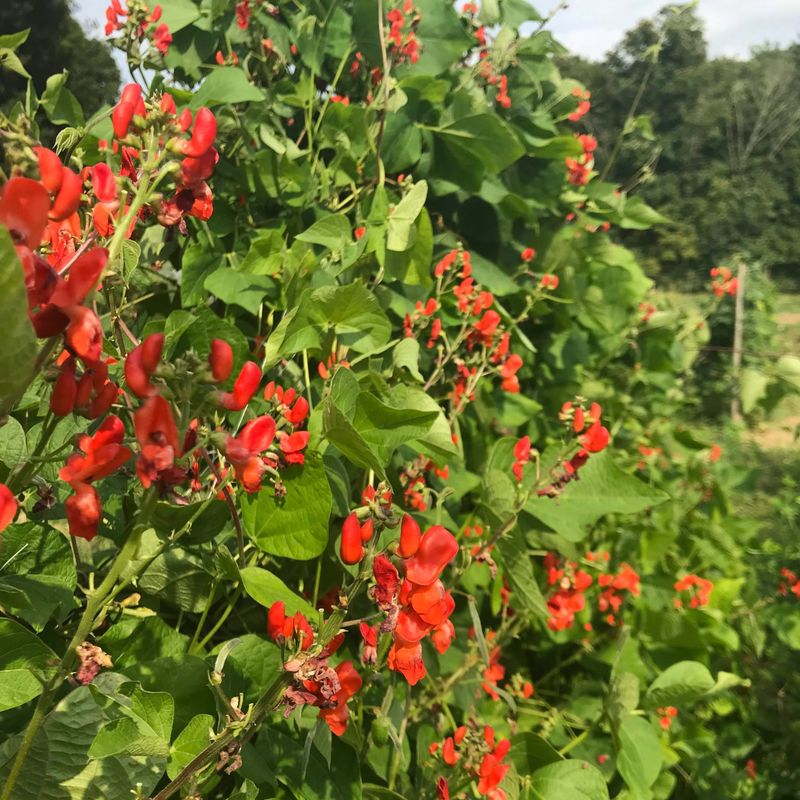
Scarlet runner bean is the kind of plant that earns compliments from every neighbor who walks by. The flowers are a vivid, fire-engine red that practically glows in the summer sunshine, and hummingbirds absolutely flock to them.
What makes this vine even more fun is that it is both ornamental and edible, giving you beautiful vertical color and a bonus harvest of large, tasty beans all from one container.
Growing scarlet runner bean in a pot is straightforward and rewarding. Choose a large container, at least 15 gallons, and fill it with a rich, well-draining potting mix.
Press the large, marbled seeds directly into the soil after the last frost, about an inch deep. They germinate quickly in warm soil and will start climbing almost immediately once they sprout.
Set up your support structure before planting so you do not disturb the roots later. A bamboo teepee, a wooden obelisk, or a sturdy trellis all work well.
The vines can reach six to ten feet tall in a single season, so make sure your support is tall and stable enough to handle the weight. Place the pot in a spot with full sun for the best flower and bean production.
Water deeply and regularly, especially during hot and dry stretches of Pennsylvania summer weather. A layer of mulch on top of the soil helps retain moisture between waterings.
Feed with a balanced fertilizer every few weeks, but do not overdo the nitrogen or you will get more leaves than flowers. Harvest the beans young for the best flavor, and keep picking to encourage the vine to keep producing all season long.
7. Climbing Nasturtium
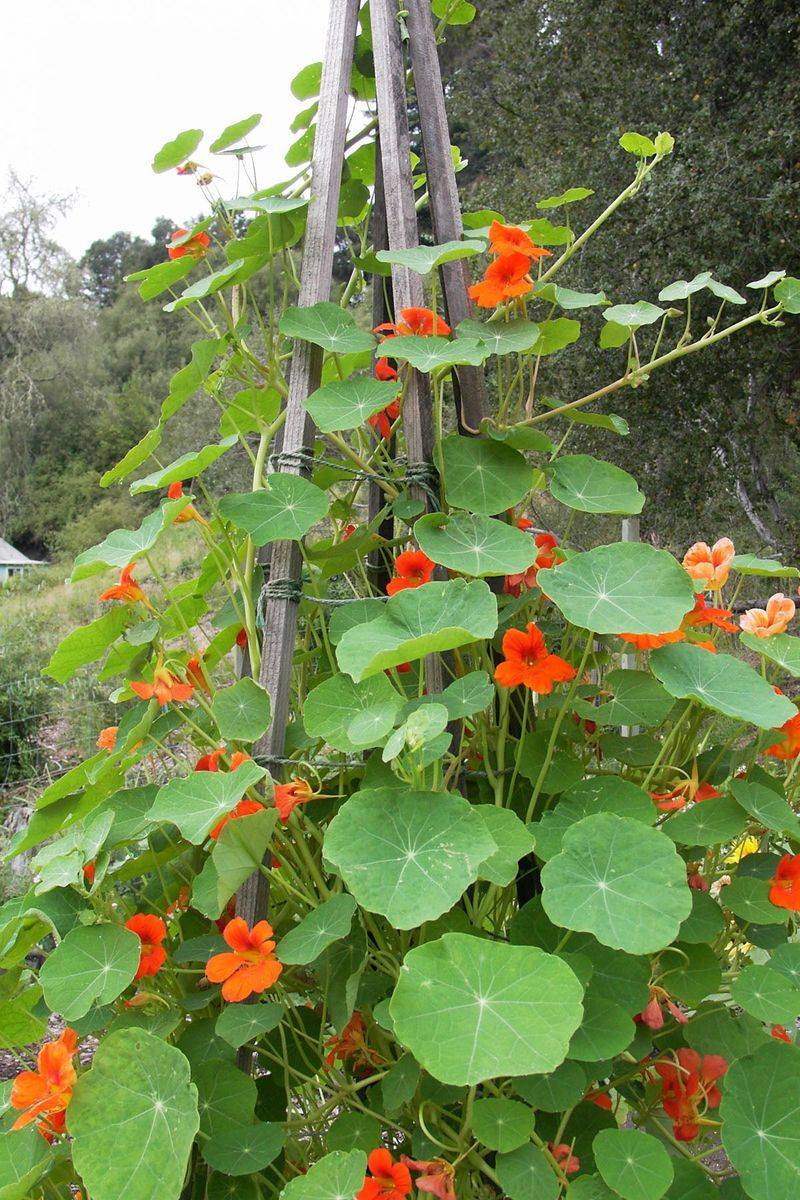
Bright, bold, and delightfully easy to grow, climbing nasturtium is one of those plants that makes gardening feel fun and effortless.
The flowers come in a warm palette of red, orange, and sunny yellow that looks fantastic spilling over the edges of a container or climbing up a small trellis.
As a bonus, both the flowers and the leaves are edible, with a peppery flavor that adds a punch to salads and garnishes.
Nasturtiums prefer to be direct-seeded rather than transplanted, so push the large, wrinkly seeds directly into your container after the last frost date has passed. They germinate fast, often within a week, and start growing almost immediately.
Choose a trailing or climbing variety like ‘Spitfire’ or ‘Tall Mix’ if you want vining growth rather than a mounding habit.
One of the best things about climbing nasturtium is that it actually prefers lean soil. Too much fertilizer leads to lots of lush green leaves and very few flowers, so skip the heavy feeding and let the plant do its thing.
Good drainage is more important than rich soil for this vine. Make sure your pot has drainage holes and that water flows freely through the bottom after watering.
Place your container in a spot with full sun to partial shade. Nasturtiums can handle the heat of a Pennsylvania summer but may slow down blooming during the hottest weeks of July and August.
Keep watering consistently during those dry stretches and the blooms will pick back up as temperatures cool in late August and September. Pull the plant out after frost and start fresh next spring with new seeds.