Why Overwatering Becomes A Bigger Problem For Florida Gardens In Spring
There is something about a Florida spring that makes gardeners want to do everything at once. The plants are waking up, the days are getting longer, and suddenly the urge to water, fertilize, and fuss over every bed in the yard feels completely justified.
Here is the thing though, when it comes to watering, spring enthusiasm can quietly work against you.
Irrigation timers left on winter or default schedules, a few unexpected spring rain showers, and sandy soils that look dry on the surface but hold more moisture than you realize, it is a combination that leads to overwatering more often than most gardeners expect.
Roots get stressed, nutrients wash away, and plants that should be hitting their stride start struggling instead.
Sometimes the kindest thing you can do for your spring garden is water a little less.
1. Spring Growth Makes Gardeners Water More Often
Watching your Florida garden explode with new growth in spring is genuinely exciting. Plants look greener, shoots appear almost overnight, and the whole yard seems to come alive.
It is natural to assume that all that activity means plants are thirsty and need more water to keep up with the pace.
Active growth does not automatically mean every plant needs frequent irrigation, though. Many plants in Florida spring gardens are pulling on stored soil moisture and responding to warmer temperatures rather than running low on water.
Watering more often than the soil actually requires can work against you, especially in sandy soils where excess moisture moves through quickly.
A good habit is to check the soil before turning on the hose or running the irrigation system. Push a finger or a soil probe a few inches down into the root zone.
If the soil still feels moist, most established plants can wait.
Newly planted vegetables or transplants may need more attention, but even they benefit from consistent moisture rather than frequent shallow watering that wets only the top layer and drains away before roots can use it.
2. Florida Sandy Soil Holds Limited Water
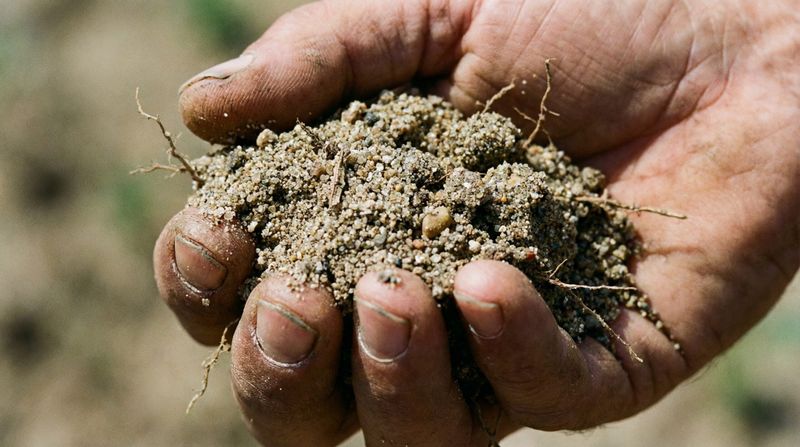
Sandy soil is one of the defining features of gardening across much of Florida. It feels light, drains fast, and warms up quickly in spring, which can make it seem like plants are always in need of a drink.
That fast-draining quality is actually one reason overwatering becomes a real concern rather than just a minor inconvenience.
When sandy soil receives more water than its limited holding capacity allows, the extra moisture moves downward below the root zone instead of staying where plants can reach it.
This means frequent irrigation may not be delivering as much benefit as it appears to, and the water passing through can carry nutrients along with it.
Sandy soils do not hold water the way heavier clay or loam soils can, so watering strategies that work well in other parts of the country may not translate to Florida gardens.
Adding organic matter like compost to planting beds can improve the soil structure over time and help it retain a bit more moisture between waterings.
Your Florida Garden Changes Every Week. Your Plan Should Too.
Gardening in Florida changes quickly throughout the season. Every Friday you’ll receive a simple weekly plan showing exactly what to plant, prune, fertilize, harvest, and protect so you never miss the right timing.
Mulching around plants also reduces evaporation and helps the soil stay more consistently moist without needing constant irrigation.
3. Extra Water Can Move Nutrients Below The Root Zone
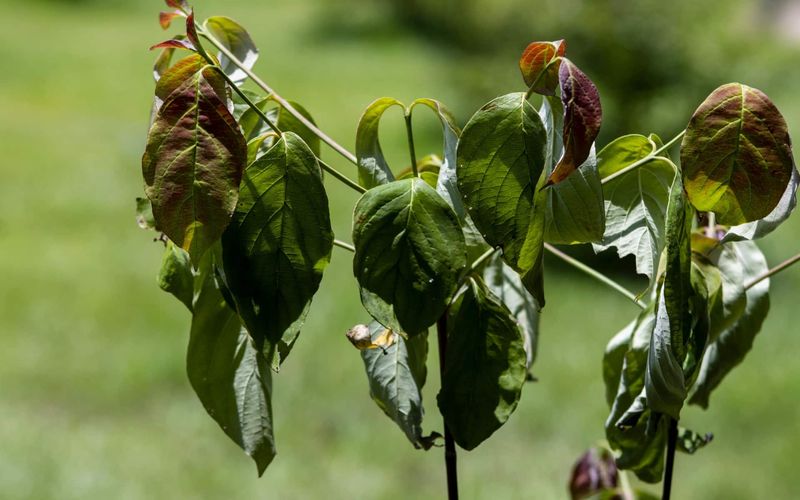
One of the less obvious consequences of overwatering in Florida gardens is what happens to fertilizer and soil nutrients when too much water moves through sandy soil.
Mobile nutrients, particularly nitrate-nitrogen, can leach downward past the root zone when irrigation or rainfall pushes water through faster than plants can absorb it.
When this happens, plants may start to show signs of nutrient stress even if you recently fertilized. Yellowing leaves, slow growth, or pale foliage in spring are not always signs that plants need more fertilizer.
They can sometimes point to nutrients that have already moved out of reach, which makes adding more fertilizer a less effective response than adjusting the watering schedule.
gardeners who apply spring fertilizer and then continue heavy irrigation may be unintentionally pushing those nutrients away from the root zone before plants have a chance to use them.
Checking soil moisture before irrigating, using slow-release fertilizer formulations where appropriate, and following label directions and any local Florida fertilizer ordinances can all reduce the chance of nutrient loss.
A soil test can also give a clearer picture of what the soil actually needs before any fertilizer is applied.
4. Light Frequent Watering Encourages Shallow Roots
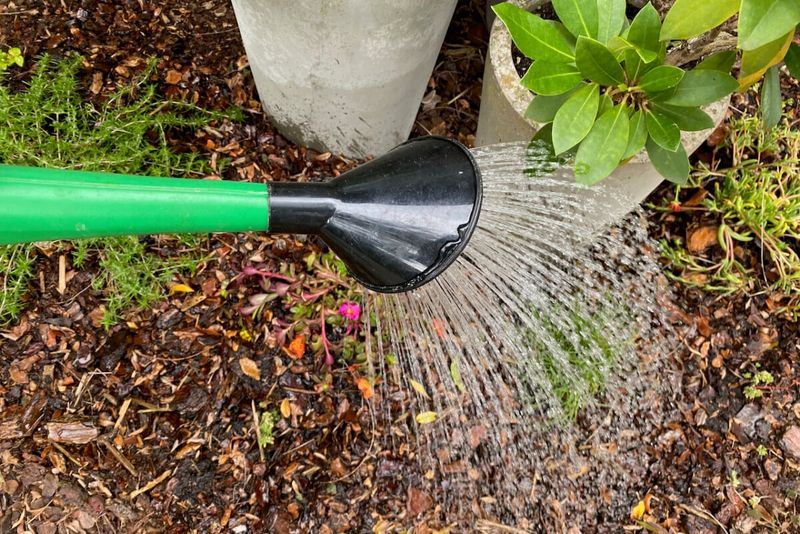
Short, frequent watering sessions might seem like a thoughtful approach, especially during warm Florida spring days when the soil surface dries out fast.
The problem is that when water only reaches the top few inches of soil, roots tend to follow the moisture and stay near the surface rather than growing deeper.
Shallow root systems can make plants more vulnerable to heat stress, drought, and physical disturbance.
In Florida, where dry spells can follow periods of rain without much warning, plants with shallow roots may struggle more during stretches when rainfall drops off or irrigation is reduced.
Deeper roots give plants better access to stable soil moisture further down in the profile.
Encouraging deeper root growth means watering less often but applying enough water to reach deeper into the soil when you do irrigate.
The right depth depends on the plant type, whether it is a vegetable, shrub, perennial, or turf, and the soil conditions at the site.
Established plants generally need less frequent watering than newly planted ones. Adjusting irrigation run times and spacing out sessions can gradually encourage roots to grow deeper and become more self-sufficient over the course of the season.
5. Soggy Roots Can Stress Vegetables And Garden Plants
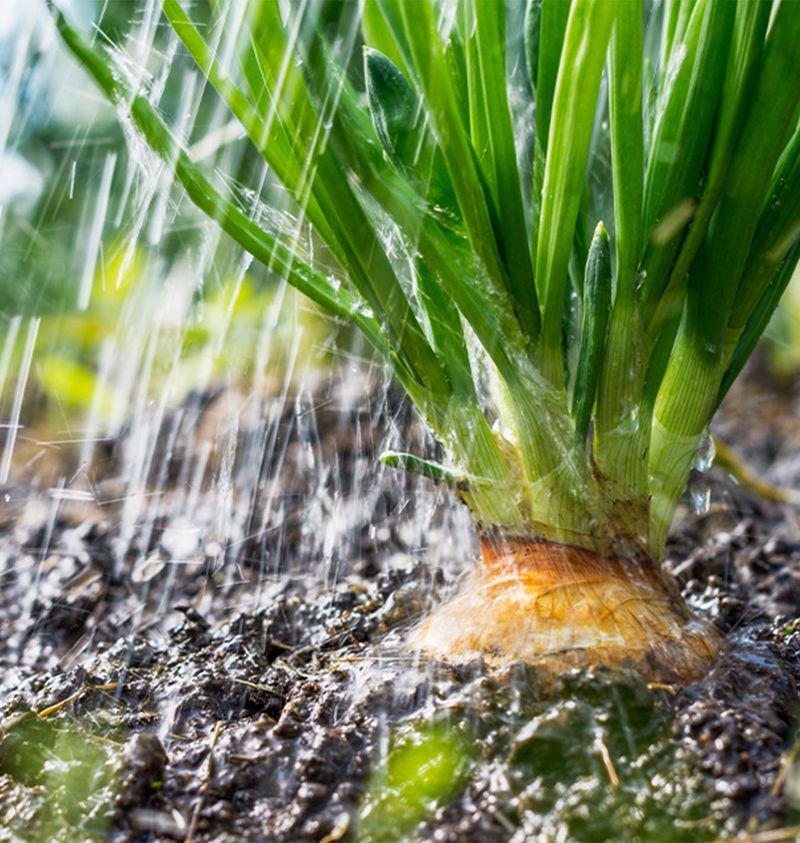
Soggy soil around the root zone is one of the more immediate ways overwatering shows up in Florida spring gardens. Roots need both water and oxygen to function, and when the soil stays saturated for too long, air spaces fill with water and roots begin to struggle.
Vegetable plants are especially sensitive to this kind of stress.
Tomatoes, peppers, squash, and other common Florida spring vegetables may start to wilt, yellow, or look generally unhealthy when their roots are sitting in consistently wet soil.
These symptoms can look similar to drought stress, which sometimes leads gardeners to water even more, making the situation worse rather than better.
Checking the soil moisture before watering is a straightforward way to avoid that cycle.
Root stress from soggy soil can also create conditions that make plants more susceptible to fungal diseases and other problems. Raised beds can help improve drainage in areas where the native soil holds too much moisture or drains too slowly.
Containers with drainage holes are another option for vegetables and ornamentals that are particularly sensitive to wet feet.
Matching the watering schedule to actual soil conditions, plant type, and current rainfall makes a meaningful difference in plant health throughout spring.
6. Rain And Irrigation Can Stack Up Quickly
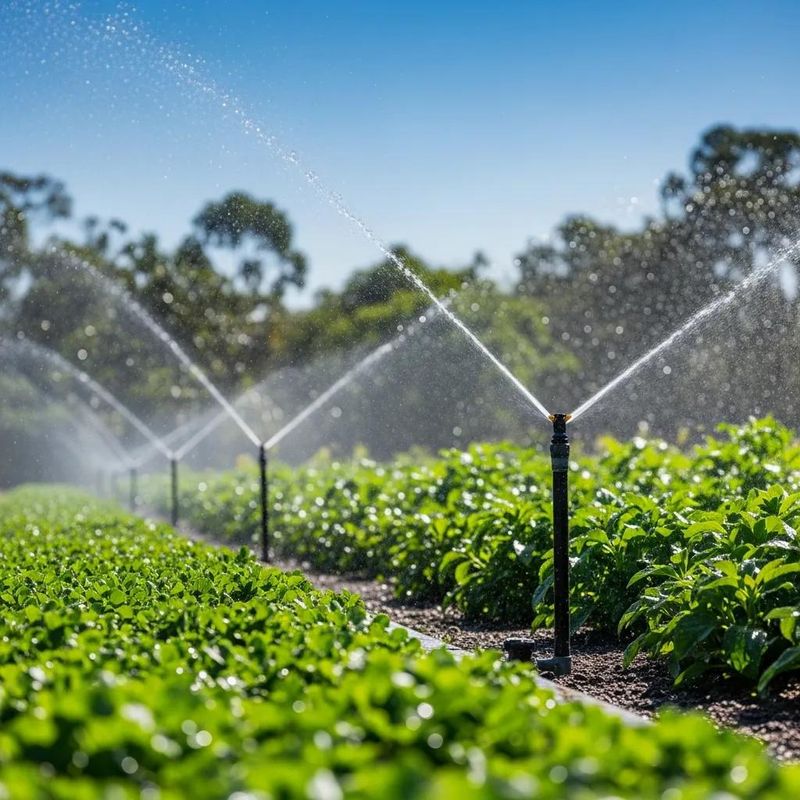
Spring weather in Florida can shift quickly between dry stretches and sudden afternoon showers.
When an irrigation system runs on a fixed schedule and rain also falls the same day or the day before, the combined moisture can add up to much more than most plants actually need.
That overlap is one of the most common ways overwatering happens in Florida spring gardens.
Soil that is already near its holding capacity from a recent rain has limited room for additional irrigation water. In sandy soils, the extra water moves through and drains below the root zone.
In areas with slower drainage or heavier soil layers, it may pool and create saturated conditions that stress plant roots over time.
Checking the local forecast before running irrigation is a simple habit that can prevent unnecessary watering.
Many Florida counties and water management districts encourage gardeners and homeowners to skip irrigation when measurable rain has fallen recently or is expected soon.
Rain shutoff devices and soil moisture sensors are tools that can be added to many existing irrigation systems to help reduce this overlap automatically, without requiring the homeowner to manually adjust the schedule every time the weather changes.
7. Irrigation Timers May Stay On A Default Schedule
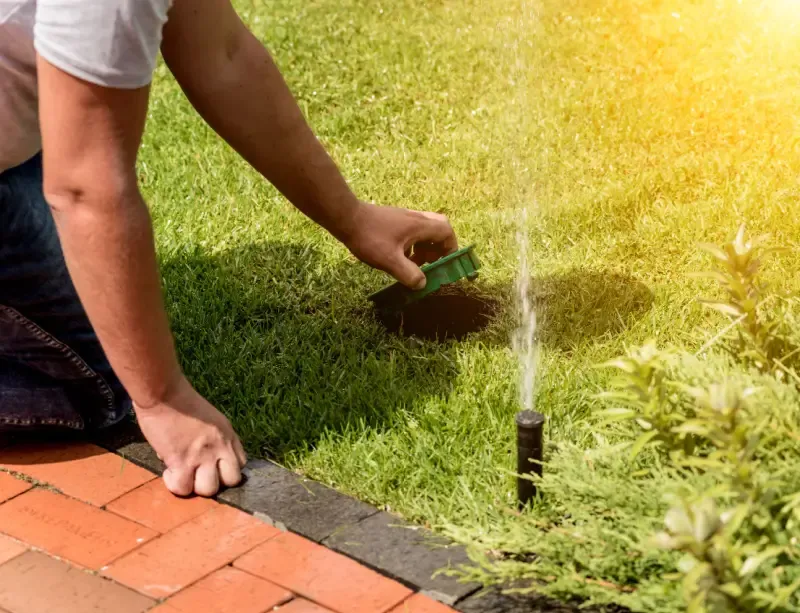
Many Florida homeowners set their irrigation timers in the fall or winter and simply leave them running through the seasons without making adjustments.
By the time spring arrives, the schedule may still reflect watering needs from a cooler, drier time of year, or it may have been set to a default that runs more often than the garden actually needs.
Seasonal adjustment is an important part of managing irrigation well. Spring in Florida brings warmer temperatures, more rainfall, and faster plant growth, all of which can change how much supplemental irrigation is actually needed.
A schedule that worked during a dry winter stretch may be too frequent once spring rains begin and soil moisture levels rise.
Taking a few minutes to review the irrigation timer at the start of each season can prevent weeks of unnecessary overwatering.
Most irrigation controllers allow run times and frequency to be adjusted by zone, which is helpful because turf areas, shrub beds, vegetable gardens, and ornamental plantings often have different water needs.
Local water management districts sometimes offer free irrigation checkups or guidance on setting schedules based on the season, plant type, and local rainfall patterns, which can be a useful resource for homeowners who are not sure where to start.
8. Landscape Beds May Get Too Much Turf Irrigation
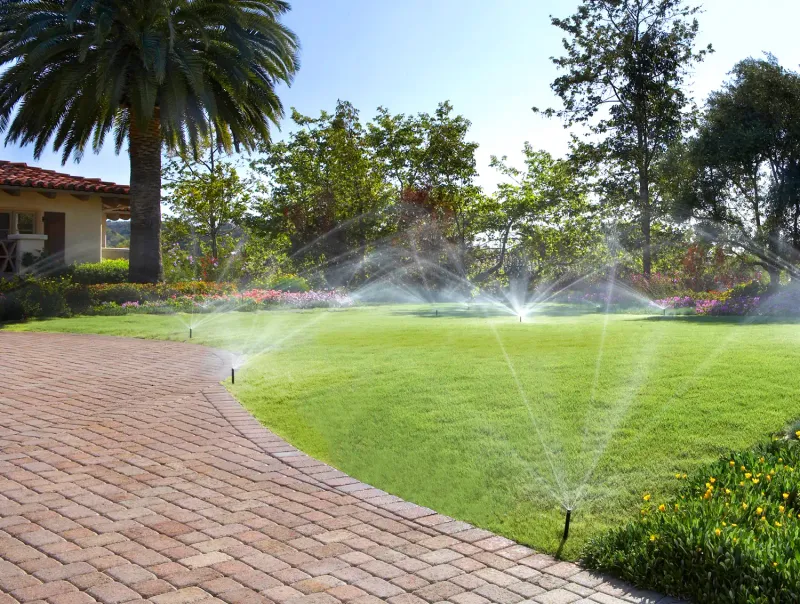
Irrigation zones in many Florida residential landscapes are set up primarily to serve the lawn, but planting beds, shrubs, and ornamental areas often fall within the same spray pattern.
When the turf irrigation runs on its regular schedule, nearby landscape beds can receive a significant amount of water even if those plants do not need it.
Established shrubs and ornamental plantings generally need less frequent watering than turfgrass, particularly once they have had time to develop deeper root systems.
Running turf-focused irrigation over these beds throughout spring can keep the soil consistently too wet for plants that prefer to dry out a bit between waterings.
Over time, that excess moisture can contribute to root stress and create conditions that favor fungal problems.
Separating irrigation zones so that turf and planting beds are watered on different schedules is a practical solution for this issue.
Where that is not possible, adjusting run times or redirecting spray heads can help reduce how much water reaches the beds.
Mulching landscape beds to a depth of two or three inches also helps moderate soil moisture and reduces how often those areas need supplemental irrigation, even during the warmer spring months in Florida.
9. Spring Fertilizer And Overwatering Can Be A Bad Pairing
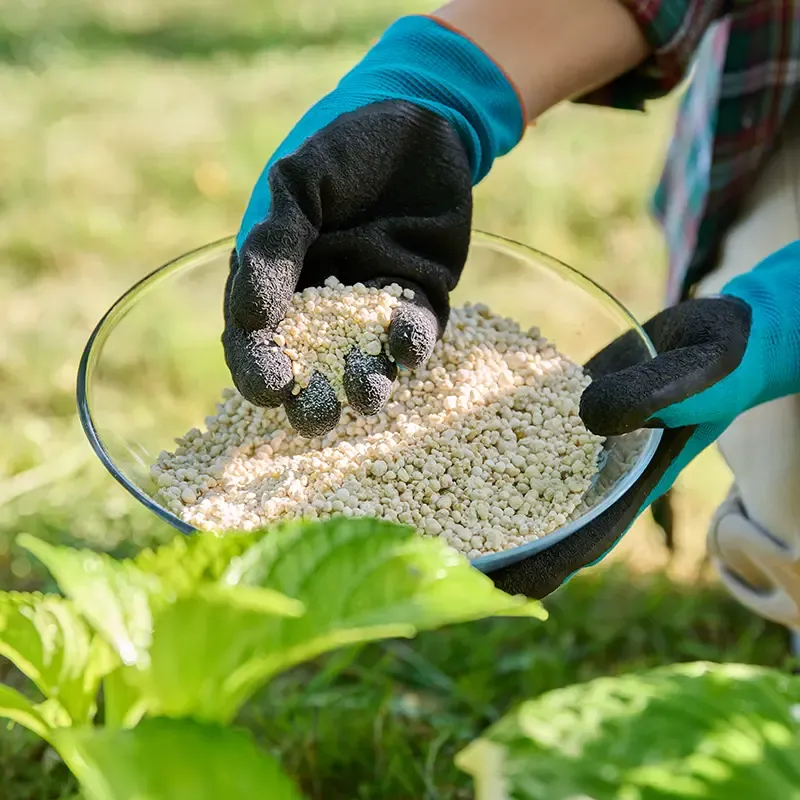
Spring is a popular time to fertilize Florida gardens, lawns, and landscape beds. Plants are actively growing, and a well-timed fertilizer application can support healthy foliage and strong root development.
The timing becomes a problem, though, when heavy or frequent irrigation follows shortly after fertilizer is applied to sandy soil.
Water-soluble nutrients, particularly nitrogen in nitrate form, move through sandy Florida soils relatively easily. When irrigation is applied too heavily after fertilization, those nutrients can leach below the root zone before plants have a chance to absorb them.
The result is that the fertilizer investment provides less benefit than expected, and the nutrients that moved below the root zone may eventually reach groundwater.
Applying fertilizer according to label directions and current plant needs, rather than on a fixed calendar schedule, is a sensible starting point.
Soil testing, where available, can help identify what nutrients the soil actually needs before any product is applied.
Watering fertilizer in lightly to help it reach the root zone without flushing it through is a reasonable approach for most granular products, but checking the product label for specific guidance is worth the extra step.
Local fertilizer ordinances may also apply, depending on the county or municipality.
10. Poor Drainage Becomes More Obvious After Spring Rain
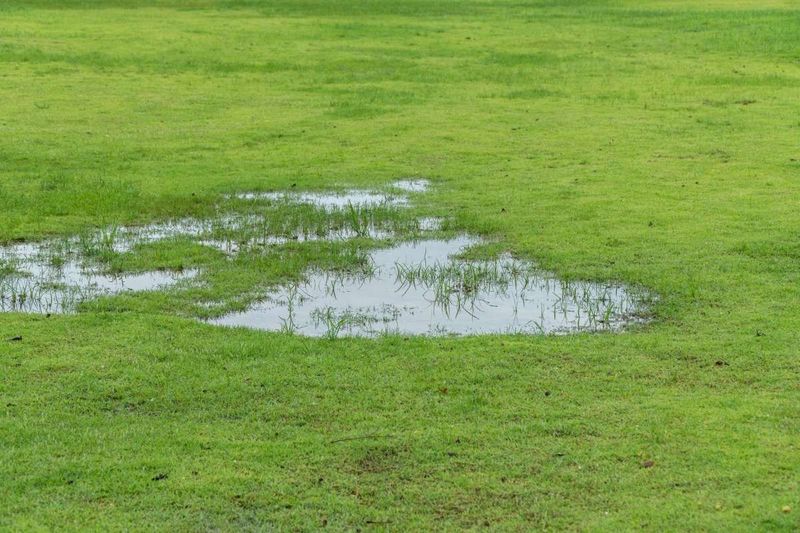
Low spots, compacted areas, and planting beds with limited drainage can go unnoticed for much of the year, but spring rain in Florida has a way of making those problem areas very visible very quickly.
When heavy rain falls on soil that cannot move water away efficiently, the result is standing water, saturated root zones, and plants sitting in conditions they were not designed to handle for extended periods.
Poor drainage can stem from several different causes, including compacted soil layers beneath the surface, heavy clay lenses in otherwise sandy soil, or simply the way a landscape was graded during construction.
Adding more irrigation to an area that already drains poorly will compound the problem rather than help plants recover.
Identifying drainage issues and addressing them directly is a more effective path forward.
Practical options for improving drainage in Florida landscape beds include raising the grade slightly, incorporating organic matter to improve soil structure, or installing French drains in areas with persistent standing water.
If drainage cannot be easily changed, choosing plants that are better suited to wetter conditions is often the most practical long-term solution.
Spring is actually a useful time to observe where drainage problems exist, so that improvements can be planned and carried out before the wet season arrives in full force later in the year.