These 8 Mistakes Can Damage Basil Plants In Tennessee Heat
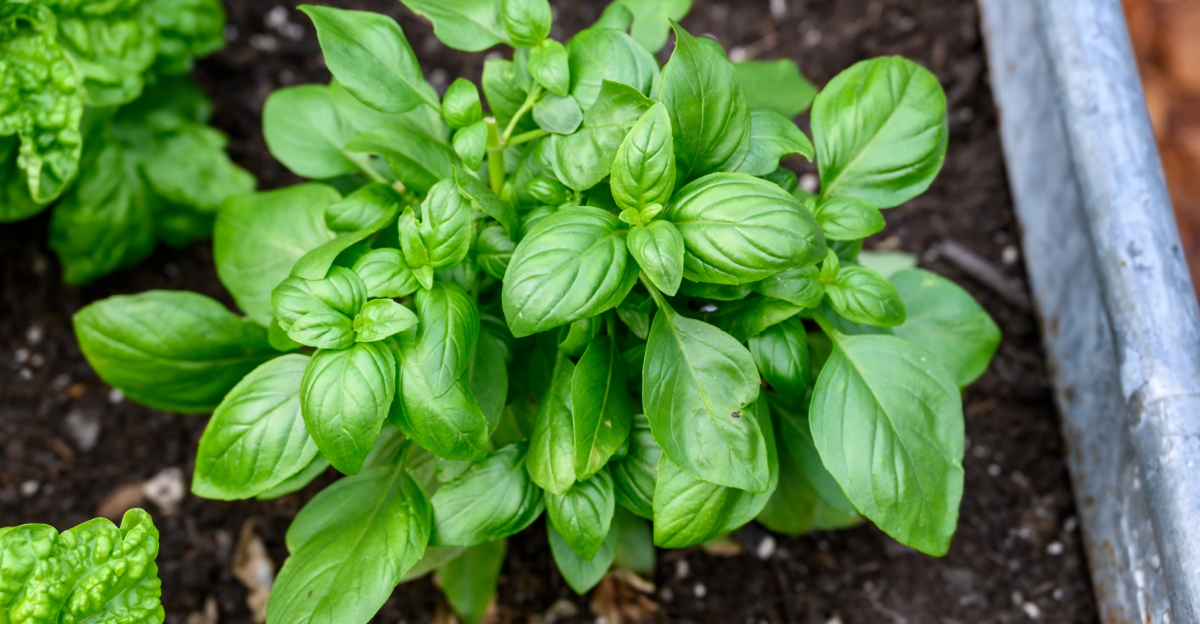
Tennessee summers do not ease you in gently. They arrive full force, and your garden feels it almost immediately. I learned that the hard way when my basil, which I had been nursing since early May, collapsed in the middle of July.
No pests, no drought, just heat, humidity, and a handful of small mistakes I did not even know I was making. Within two weeks it went from thriving to barely hanging on.
That season taught me more about growing basil in Tennessee than any guide ever did. Basil is rewarding but unforgiving, and this climate has a talent for exposing every weak point in your approach.
The encouraging part is that most mistakes are completely avoidable once you know what to watch for. Those who figure this out early tend to enjoy strong, productive plants well into fall.
So where might your approach be falling short?
1. Overwatering In Humid Summer Conditions
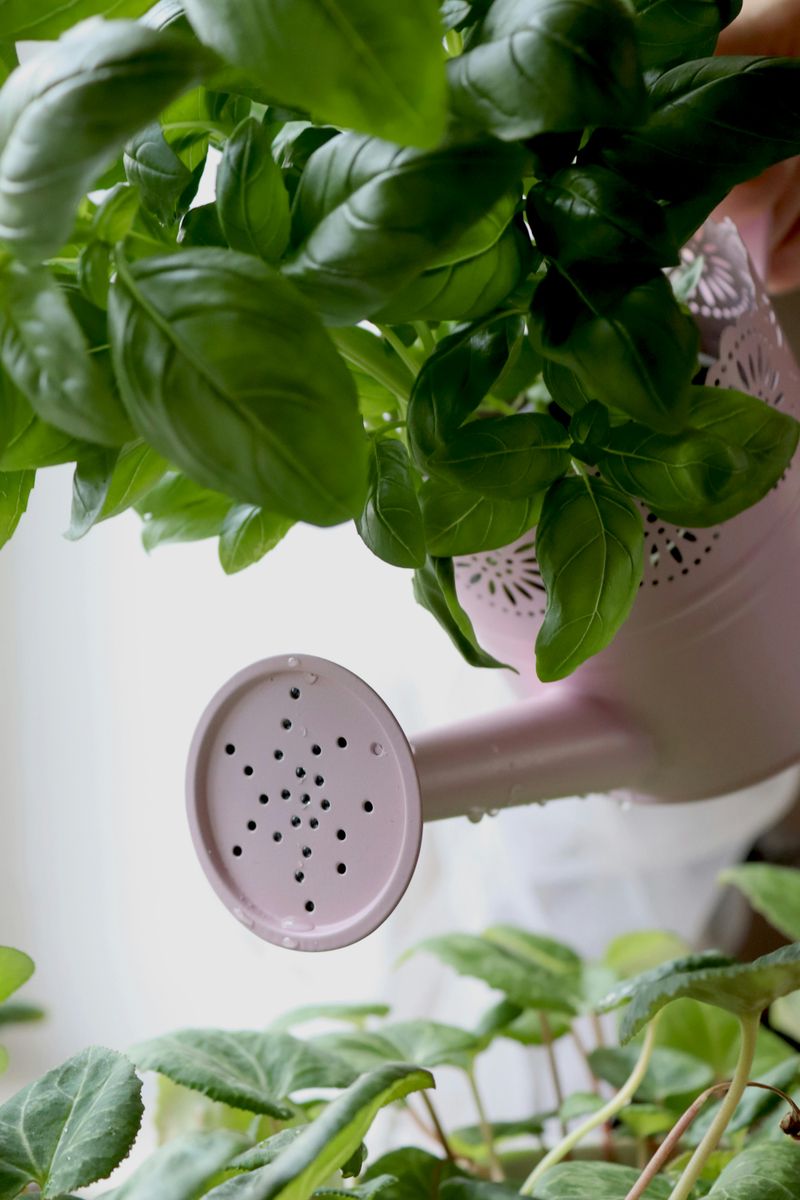
Soggy roots are one of the more common and overlooked causes of basil decline in Tennessee heat.
Tennessee summers bring serious humidity, and when you add extra watering on top of air that already holds a great deal of moisture, the soil stays wet for far too long.
Basil roots need oxygen just as much as they need moisture, and waterlogged soil limits the oxygen available to roots and can lead to decline relatively quickly.
Many gardeners assume wilting means the plant is thirsty. But in humid Tennessee summers, wilting can sometimes be a sign of too much water rather than too little.
The roots begin to rot, the plant loses its ability to absorb nutrients, and those green leaves can start turning yellow from the base up.
Before you reach for the hose, stick your finger about two inches into the soil. If it still feels damp, skip the watering and check again tomorrow.
Basil prefers soil that dries out slightly between waterings, especially when the air outside already holds so much moisture.
Good drainage is particularly important for healthy basil growth during hot, muggy months. Raised beds and containers with drainage holes give roots the breathing room they need to stay healthy.
If your garden bed tends to hold standing water after rain, mixing in perlite or coarse sand can improve drainage significantly and help protect your plants from root rot through the season.
2. Planting Before Soil Reaches 60 Degrees
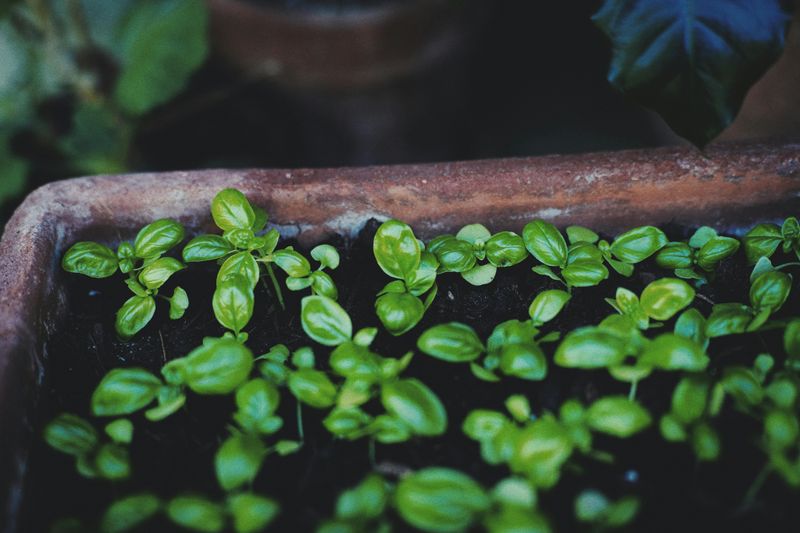
Basil is a sun-loving, warm-weather herb with a low tolerance for cold soil. Planting too early in Tennessee is one of the more reliable ways to slow its early growth.
Even if the air feels warm in April, the ground can still be sitting at 50 degrees or colder.
Cold soil puts basil roots under stress and slows everything down before the plant even gets started.
Soil temperature matters more than air temperature when it comes to basil’s early development. When roots are planted in soil below 60 degrees, the plant may struggle to absorb water and nutrients as efficiently.
Your Tennessee Garden Changes Every Week. Your Plan Should Too.
Gardening in Tennessee changes quickly throughout the season. Every Friday you’ll receive a simple weekly plan showing exactly what to plant, prune, fertilize, harvest, and protect so you never miss the right timing.
Leaves may turn a pale, almost grayish green, and growth can stall for weeks while the plant tries to adjust.
A simple soil thermometer, available at most garden centers for just a few dollars, takes the guesswork out of timing. Push the probe about three inches into the ground in the spot where you plan to plant.
Wait for a consistent reading of 60 degrees or above before transplanting any basil seedlings outdoors.
In most parts of Tennessee, that temperature usually arrives sometime between late April and mid-May, depending on your location and elevation. Patience at this stage tends to pay off noticeably.
Basil planted in warm soil establishes faster, grows more vigorously, and tends to produce more flavorful leaves than plants set out in cold ground too early.
3. Not Pinching Off Flower Buds
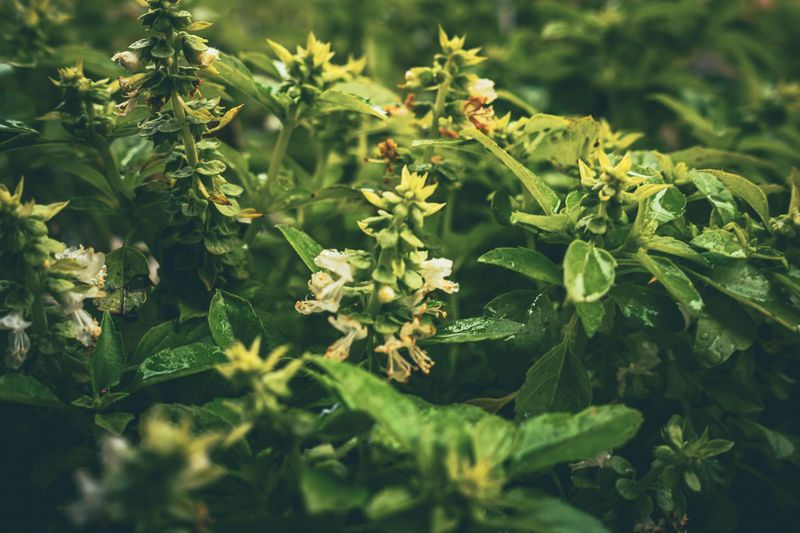
Once basil bolts, the plant directs much of its energy away from leaf production and toward seed development. What was once a productive herb can become less flavorful and harder to harvest as the season progresses.
Pinching off flower buds is one of those small tasks that makes a meaningful difference in how long your harvest season lasts. As soon as you spot those tiny green buds forming at the top of the stem, snap them off with your fingers or snip them with clean scissors.
Doing this once a week during peak summer keeps the plant focused on leaf production.
Some gardeners hesitate because the flowers look attractive, and they do. But allowing flower clusters to bloom regularly sends signals that can shift the plant toward seed production rather than leaf growth.
The leaves can become smaller and more bitter as the plant focuses on reproduction, which works against the whole purpose of growing fresh basil.
Think of pinching as pruning with a purpose. Every time you remove a flower bud, you are encouraging the plant to keep producing the tender, aromatic foliage you actually want.
With consistent pinching throughout July and August, a single well-tended basil plant may continue producing fresh leaves well into September, giving you weeks of extra harvest from plants that might otherwise slow down early in Tennessee heat.
4. Skipping Afternoon Shade During Peak Heat
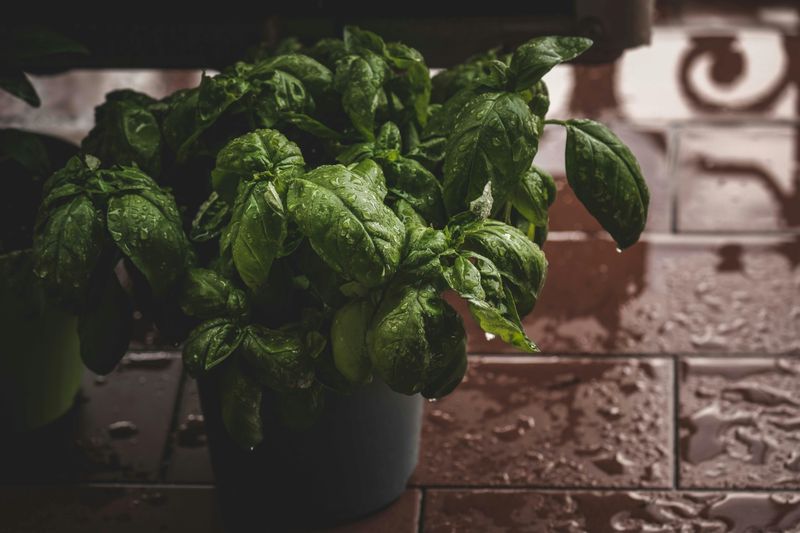
Full sun is beneficial for basil, but Tennessee afternoons in July and August can push temperatures past 95 degrees. That level of direct heat presents a different kind of challenge for basil.
Plants sitting in unbroken afternoon sun can experience leaf scorch, where the edges of leaves turn brown and dry.
It can happen more quickly than expected, particularly during an extended heat wave.
Morning sun is ideal for basil because temperatures are lower and the light is less intense. Afternoon sun, especially from about 2 to 5 p.m., carries the most heat and UV intensity of the day.
Without some protection during those hours, even healthy basil plants can begin to show stress through wilting, scorching, and leaf drop.
Position basil where it gets afternoon shade, near a fence, pergola, or taller plants for natural cover. Shade cloth rated at 30 to 40 percent is another option for raised beds or container gardens that cannot be moved.
Providing afternoon shade does not mean the plant gets less sun overall. Basil still gets its necessary light during the cooler morning hours when photosynthesis is most efficient.
That small adjustment can make a meaningful difference in how well your basil handles Tennessee’s most intense summer heat.
5. Underwatering During July And August Dry Spells
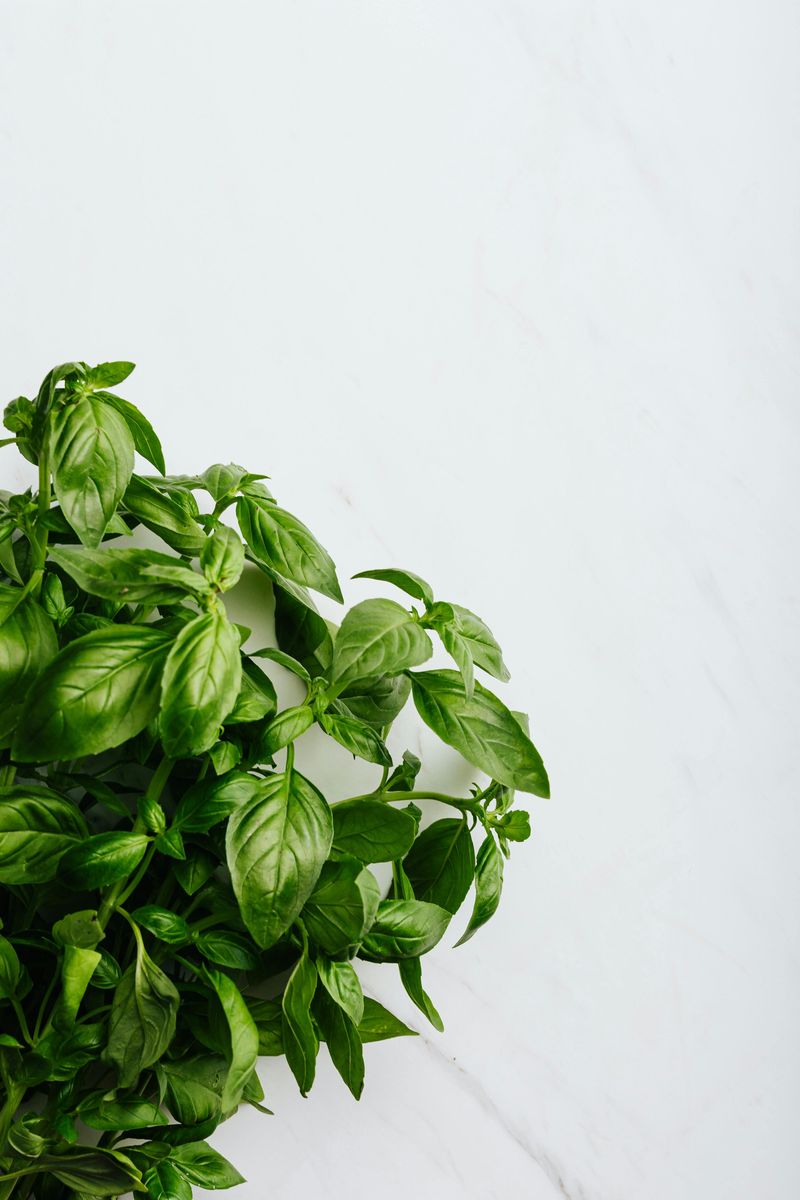
July and August in Tennessee can bring stretches of dry, warm weather that draw moisture out of the soil quickly. Basil plants have shallow root systems, which means they are among the first herbs in the garden to feel the effects of reduced soil moisture.
Missing several days of watering during a heat wave can put the plant under significant stress that takes time to recover from.
Drought-stressed basil shows its distress in visible ways. Leaves begin to droop, curl inward at the edges, and take on a dull appearance instead of their usual healthy green.
If the stress continues, the plant may bolt prematurely as it shifts toward reproduction.
During dry spells, basil may need water once a day, and container plants in direct sun may benefit from more frequent checking. Water deeply and slowly at the base of the plant, never from above.
This encourages roots to grow downward and find moisture more efficiently.
Morning watering is generally the best timing because it gives the soil a chance to absorb moisture before the midday heat arrives.
Setting up a simple drip irrigation system or soaker hose on a timer can take much of the guesswork out of summer watering.
Even a basic setup that runs for 20 minutes each morning can help keep your basil plants in good condition through drier weeks of the season.
Consistency matters more than quantity when it comes to keeping basil healthy during Tennessee’s summer dry spells.
6. Using Heavy Clay Soil Without Amending It
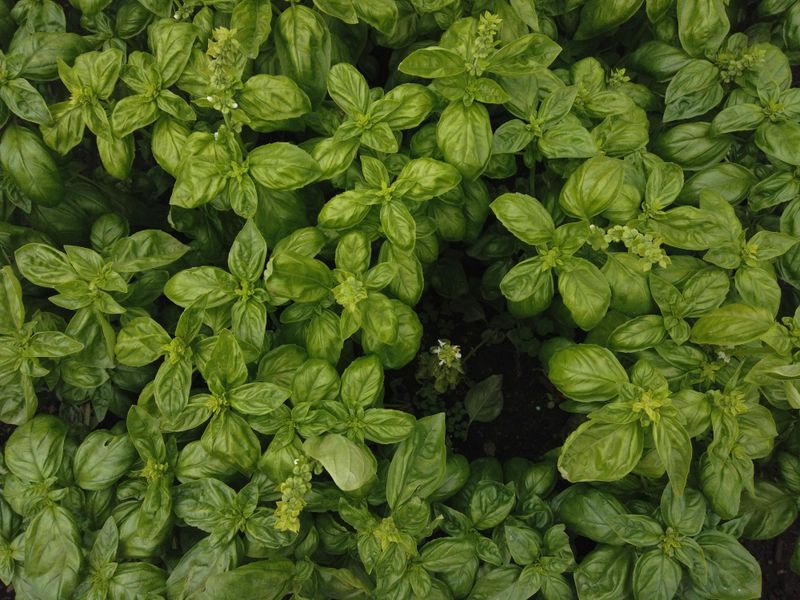
Tennessee has widespread heavy clay soil, particularly in the middle and western parts of the state. While it holds nutrients reasonably well, it can be a difficult environment for basil roots without some modification.
Clay compacts tightly, drains poorly, and can become quite hard when it dries out in summer heat.
Basil roots tend to struggle in dense, poorly aerated ground.
Plants growing in unamended clay often look stunted and pale, even when watered regularly. The roots cannot spread as freely, which limits the plant’s ability to pull in both moisture and nutrients.
During heavy rains, clay soil holds water long enough that root rot becomes an ongoing concern, especially in Tennessee’s humid summer conditions.
Amending clay soil before planting is one of the more worthwhile steps you can take for your herb garden. Mix in two to three inches of compost plus a generous handful of perlite per square foot to break up clay soil.
This creates a looser, better-draining texture that basil grows well in.
Turn the amendments at least eight to ten inches deep so the roots have room to develop freely.
Raised beds filled with a custom soil mix are another good option if your native clay is particularly dense. A blend of topsoil, compost, and perlite in roughly equal parts creates a light, fertile growing medium that drains well and warms up faster in spring.
Getting the soil right from the start gives your basil a much better foundation for the growing season ahead.
7. Skipping Mulch Around The Base Of Plants
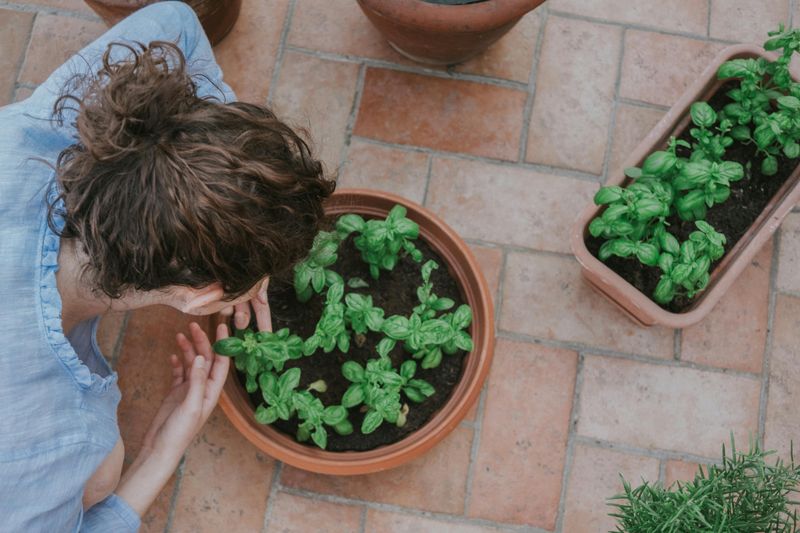
Bare soil in a Tennessee summer garden leaves plants more vulnerable to moisture loss, weed pressure. Soil temperature swings that can stress shallow roots.
Skipping mulch around your basil plants might seem like a minor oversight, but it can create a chain of problems that builds up quietly throughout the growing season.
Without that protective layer, the soil surface can heat up to temperatures that affect shallow roots during the hottest part of the day.
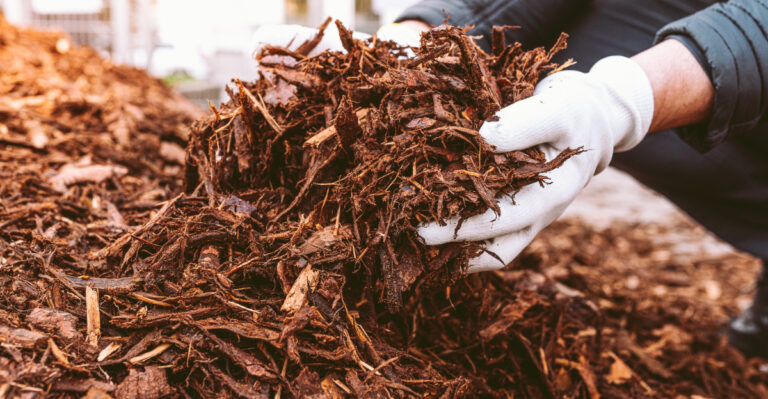
Mulch acts like a blanket and a sponge at the same time. It slows evaporation, keeping soil moisture more consistent between waterings, which is especially valuable during dry August stretches when basil needs reliable hydration.
A two to three inch layer of straw, shredded leaves, or wood chips can meaningfully reduce soil moisture loss compared to bare ground.
Weeds are another reason mulch earns its place in the basil garden. Weeds compete actively for the same water and nutrients your basil needs, and they can emerge quickly in warm, fertile soil.
A solid mulch layer suppresses much of that weed growth before it starts, saving time and protecting your plants at the same time.
Keep the mulch about an inch away from the actual stem of the basil plant to prevent moisture from sitting directly against it, which can encourage stem rot. Refresh the layer midseason if it thins out from rain and decomposition.
That consistent mulching habit can noticeably improve how well your basil plants handle Tennessee heat from June through September.
8. Harvesting Too Aggressively At Once
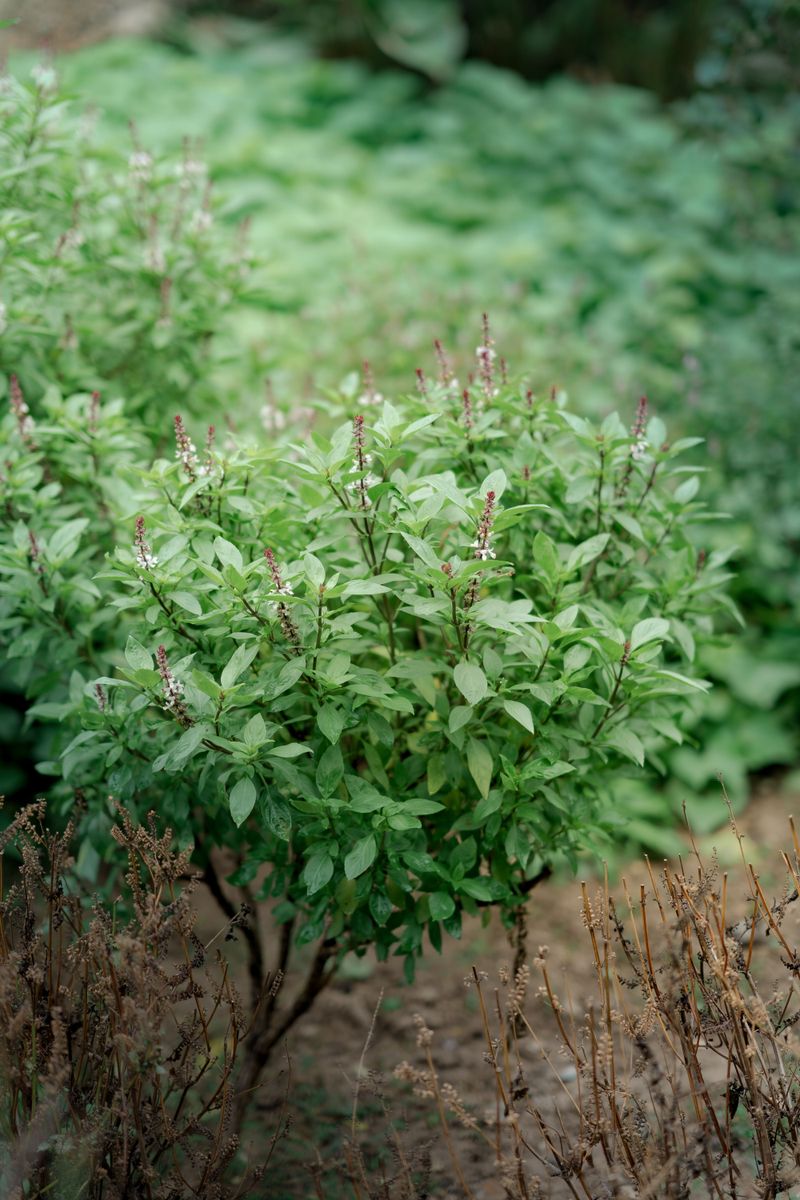
Removing too much foliage at once can set the plant back significantly, and recovery during peak summer heat can take considerable time. Basil needs its leaves to photosynthesize and generate the energy required for regrowth.
When you take too much at once, you significantly reduce the plant’s ability to photosynthesize during one of its most demanding periods.
A helpful guideline is to avoid harvesting more than one-third of the plant at a single time. Always cut just above a leaf node, the spot where two smaller leaves branch off the main stem.
That technique encourages the plant to branch outward rather than growing tall and narrow, which can increase your total leaf production over the course of the season.
Heavy harvesting in Tennessee heat stresses plants and slows recovery. Fewer leaves mean less shade, less photosynthesis, and a harder time managing heat during the warmest part of the day.
The recovery window during peak summer heat is shorter than it would be in cooler conditions.
Spreading your basil harvest out over several lighter sessions each week is a more measured approach than one large cutting every few weeks. Frequent, light harvesting keeps the plant bushy, productive, and more resilient throughout the season.
With some patience and a measured approach, your basil plants in Tennessee heat have a much better chance of producing consistently from early summer through the cooler nights of early fall.