These Native Shrubs Keep Feeding North Carolina Birds All Winter Long
Yellow-rumped warblers spend winter in North Carolina partly because they can digest waxy berries most songbirds cannot handle. That rare trick lets them stay farther north than many cousins, flitting through coastal thickets when insects vanish.
But here’s the interesting part, because plenty of wild fruit actually waits until late winter to become popular. Some berries stay starchy and bitter for months on end, so birds save them like a pantry backup.
In my garden, the busiest bird traffic happens on gray January mornings when feeders sit half empty. I love watching hungry robins and bluebirds strip a shrub bare while silver frost still coats the lawn.
You may be surprised how many of these winter pantries grow wild across North Carolina already.
1. American Beautyberry
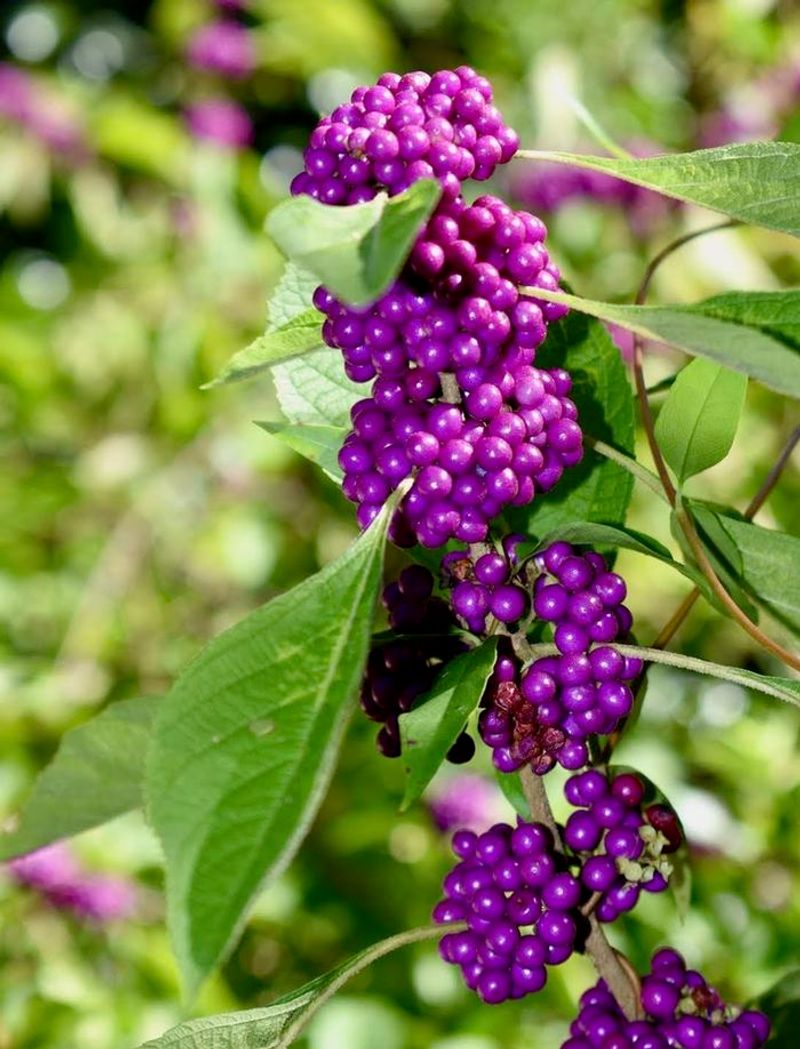
Few berries look as unreal as beautyberry fruit, which glows a shade of purple that seems borrowed from a candy shop. Those tight clusters wrap around the stems like beads, and they stay showy well after the leaves turn yellow.
Callicarpa americana grows wild across the Coastal Plain and Piedmont, and it handles mountain foothills in sheltered spots too. Most plants reach three to eight feet tall, with loose, arching branches that look relaxed rather than formal.
Mockingbirds and brown thrashers pick through the clusters from fall into early winter, along with towhees and catbirds. I enjoy watching a thrasher hang sideways on a bending stem, plucking berries one at a time with real focus.
Planting is simple, since this shrub tolerates sandy soil, clay, and everything in between with very little fuss. Give it full sun for the heaviest fruit, though part shade still produces a respectable purple show each year.
Late winter is the right moment to cut the stems back hard, about a foot above the ground. Flowers form on new growth, so a firm trim actually leads to more berries by the following autumn.
Bobwhite quail and even foraging deer will nibble fallen fruit, so expect some sharing at ground level too. Crushed leaves have a long history as a folk bug repellent, which makes a fun fact for curious kids.
Plant beautyberry along a woodland edge where its color can pop against darker evergreens behind it. You will likely find yourself checking those purple clusters every morning just to see who stopped by for breakfast.
2. American Holly
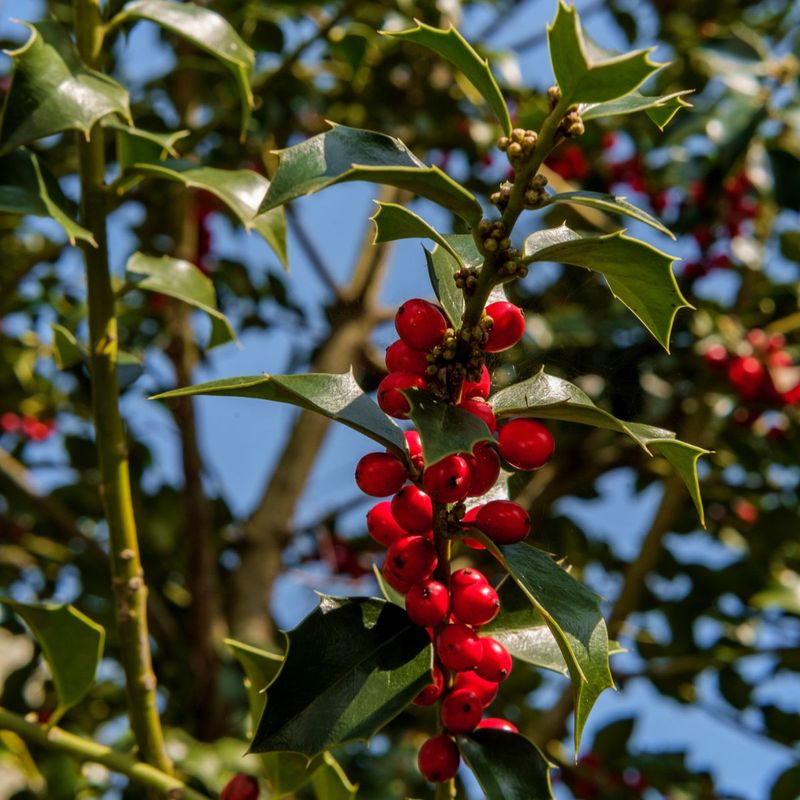
Spiny leaves make American holly the closest thing a backyard has to a bird fortress with a built-in snack bar. Hawks struggle to chase songbirds through those prickly branches, so small visitors often linger inside for long stretches.
Ilex opaca is a native evergreen that grows across most of the state, from coastal woods to mountain coves. Over many years it can reach fifteen to thirty feet, though it grows slowly enough to stay shrubby for a while.
Bright red berries ripen in fall and frequently cling to the branches deep into winter. Bluebirds, mockingbirds, and cedar waxwings visit once colder weather softens the fruit and other food grows scarce.
Berries only appear on female plants, and they need a male holly growing somewhere within reasonable bee distance. Ask your nursery for a labeled female, then add one male nearby if no wild hollies grow in your neighborhood.
Sun or part shade both work, but fuller sun usually means a heavier crop of red fruit. Slightly acidic, well-drained soil keeps the leaves glossy, and a layer of mulch helps young roots settle in.
I’ve always felt this holly earns its place twice, because it feeds birds while also blocking chilly winter wind. Mockingbirds sometimes guard a fruiting holly fiercely, chasing rivals away from what they clearly consider a private pantry.
Choose this native instead of English holly, which escapes into forests and crowds out local plants. Your birds get the same prickly protection, and the nearby woods stay healthier without another aggressive invader spreading seeds.
3. Yaupon Holly
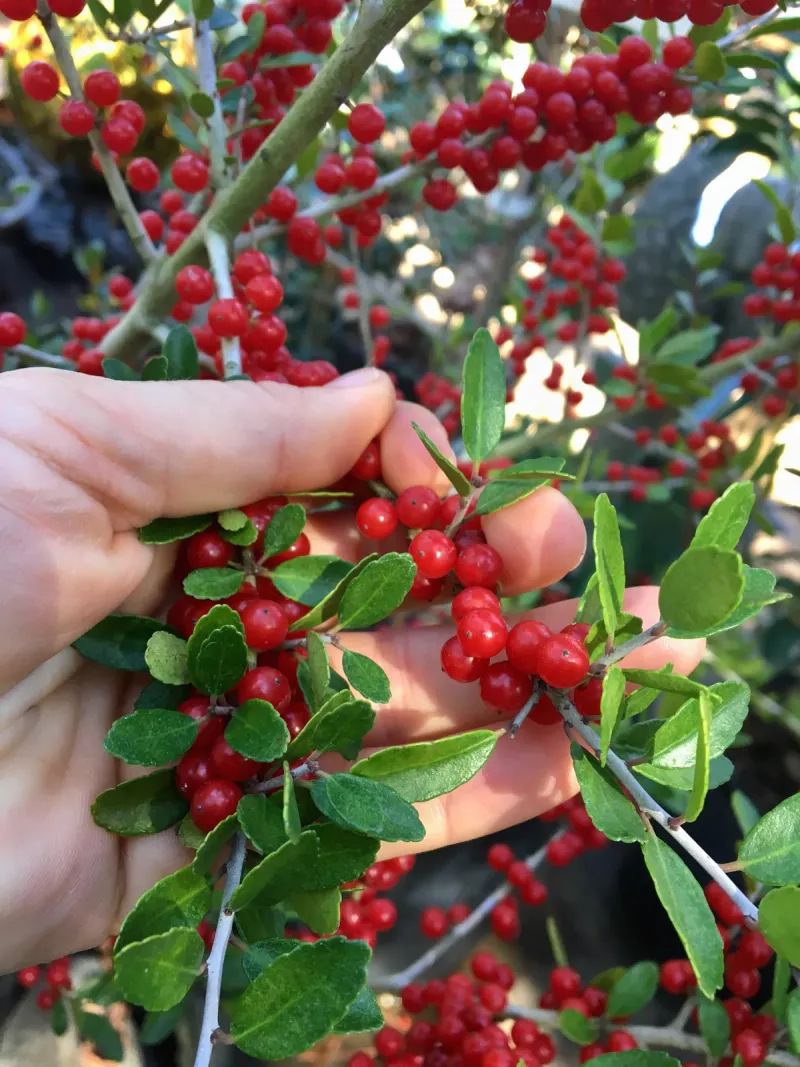
Tiny leaves and twiggy branches pack so tightly on yaupon that a cardinal can vanish inside it within seconds. This tough little holly looks dainty up close, yet it shrugs off conditions that send fussier shrubs into decline.
Ilex vomitoria thrives in sandy coastal soil, salty breezes, and summer heat without asking for much help. It also grows happily across the Piedmont, where gardeners prize it as a native replacement for overused foreign hedges.
Female plants produce shiny red berries that often hang on through much of winter. Robins, mockingbirds, and cedar waxwings strip them when the weather turns harsh and wild food runs low.
The scientific name sounds alarming, but it came from an old misunderstanding about a ceremonial drink. Yaupon is actually the only native North American plant with caffeine, and some small companies now sell yaupon tea.
Like its holly cousins, you will need a male plant nearby for the females to set fruit. Check plant tags carefully, because some popular dwarf cultivars are male and produce no berries at all.
Left alone, yaupon can grow into a small tree around fifteen to twenty-five feet tall. Regular pruning keeps it shrub-sized, and the plant handles shearing well if you want a tidy hedge along a fence.
In my experience, yaupon is the shrub I recommend for anyone who claims they ruin every plant. It forgives drought and neglect, and birds will thank you with steady visits when the cold settles in.
4. Winterberry Holly
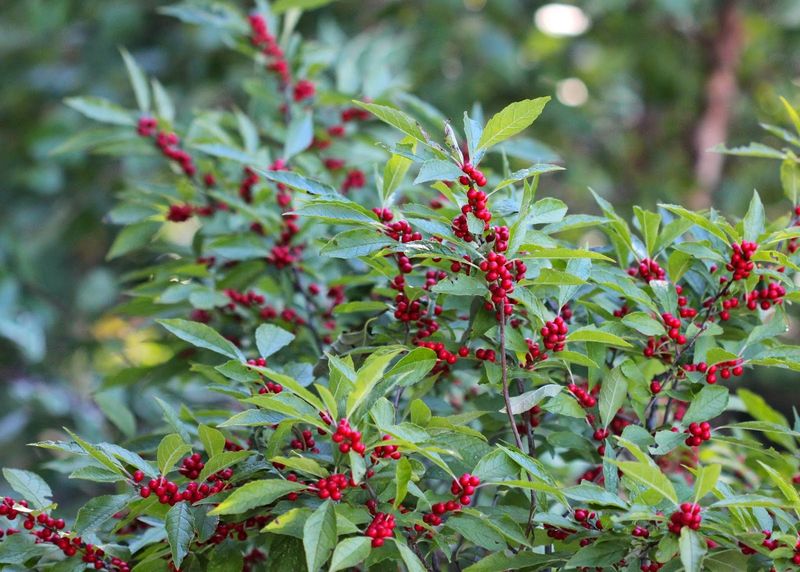
Once the leaves drop, winterberry turns into a firework display of scarlet berries clustered along naked gray branches. It looks almost staged, especially after a rare dusting of snow settles on the twigs around the fruit.
Ilex verticillata is a deciduous holly, which surprises many people who expect hollies to stay green year-round. It grows naturally in wet woods and swamp edges, mostly in the mountains and scattered Piedmont spots.
Birds tend to eat these berries later in the season, though timing varies from yard to yard. Robins and bluebirds often arrive in noisy groups, clearing a whole shrub within a single cold afternoon.
Moist, acidic soil makes winterberry happiest, and it handles soggy ground where many shrubs sulk. Full sun produces the heaviest berry load, though part shade still gives a cheerful red show in most gardens.
Plant one male for roughly every several females so the flowers get pollinated in late spring. Southern Gentleman is a common male choice, and it pairs well with southern female cultivars sold at many nurseries.
Sizes range widely, from compact three-foot selections up to shrubs fifteen feet tall in rich, wet soil. Read the tag before planting, because the spread can surprise you as suckers slowly widen the clump.
I love cutting a few berry stems for a winter vase, but leave plenty behind for the birds. They will appreciate that red buffet far more than your dining table does when temperatures dip.
5. Inkberry
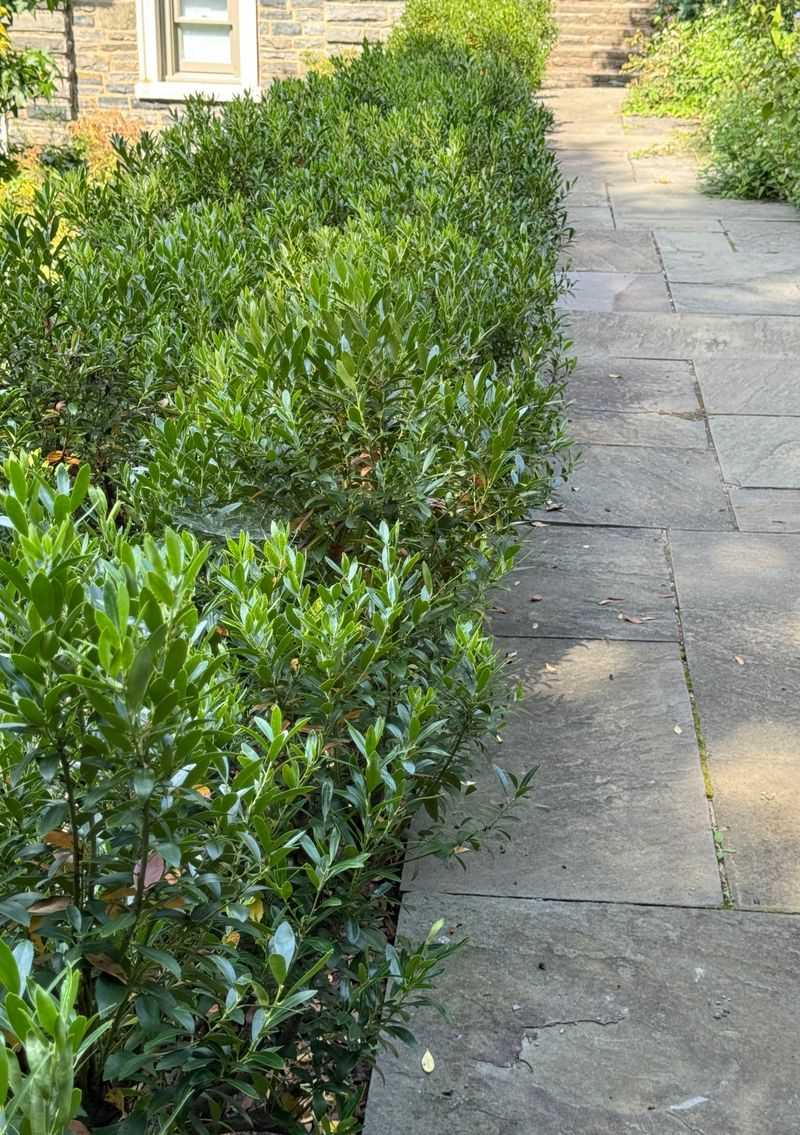
Shiny black berries tucked among dark green leaves give inkberry a quiet charm that sneaks up on you. It lacks the flashy red of other hollies, yet hungry birds notice those inky fruits without any trouble.
Ilex glabra is a native evergreen holly common in Coastal Plain bogs, pine flatwoods, and damp sandy woods. It usually reaches five to eight feet, spreading slowly by suckers into a loose, friendly thicket over time.
Female plants carry berries from fall into winter, and many stay on the branches for months. Hermit thrushes, mockingbirds, and bobwhite quail eat them, especially once the tastier fruits nearby have disappeared.
Soggy, acidic corners suit inkberry better than most garden shrubs, so try it near a downspout or rain garden. It accepts sun or part shade, though plants in deep shade tend to look thin at the bottom.
Low, dense branches create perfect hiding spots for ground-feeding birds like towhees and white-throated sparrows. I enjoy hearing them scratch through fallen leaves beneath my inkberry on chilly mornings near the back steps.
Bees love the small spring flowers, and gallberry honey from this plant is a treasured Southern specialty. Henry’s elfin butterflies also use inkberry as a host plant, adding another layer of wildlife value to your yard.
Choose a female cultivar if berries matter to you, since some compact selections are bred mainly for foliage. A nearby male or wild inkberry should handle pollination without much effort on your part.
6. Wax Myrtle
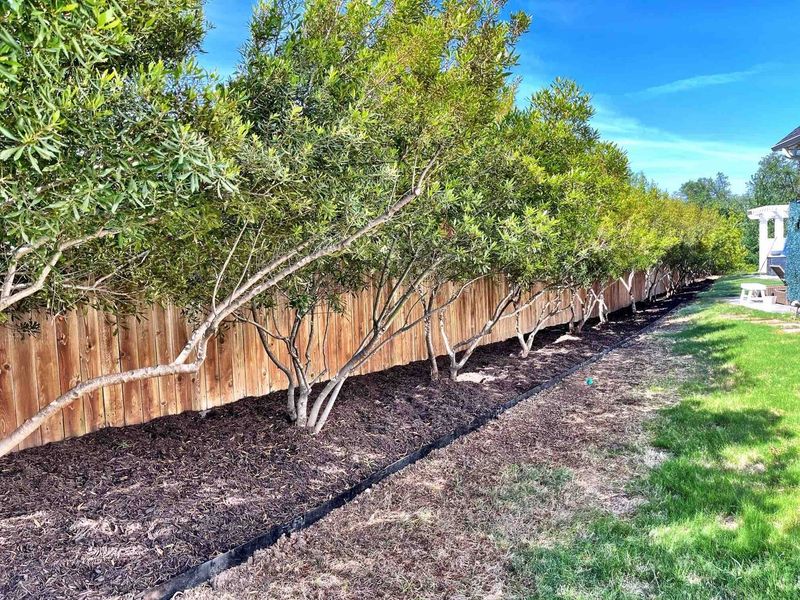
Yellow-rumped warblers owe a big part of their winter survival to the pale, waxy berries of this coastal favorite. Their digestive systems can process the waxy coating, letting them winter much farther north than most warblers manage.
Morella cerifera, often still sold as Myrica cerifera, is a fast-growing native evergreen found across the Coastal Plain and Piedmont. Most plants reach six to twelve feet, though some stretch taller in rich, moist soil.
Small blue-gray berries cluster along the stems of female plants and often last through much of winter. Tree swallows, bluebirds, and catbirds join the warblers, so expect a lively crowd once colder weather settles in.
Colonial settlers boiled these berries to skim off the wax, then used it to make fragrant candles. Crush a leaf between your fingers, and you will catch that same spicy scent drifting through the air.
Wax myrtle handles salt spray, sandy soil, and occasional flooding, making it a reliable coastal choice. It grows well in sun or part shade, and its roots can even fix nitrogen like a bean plant.
Plant several shrubs together so males and females can pollinate one another for a better berry crop. A loose row creates a fantastic evergreen screen that hides an ugly fence while feeding wildlife at the same time.
The way I see it, few shrubs work this hard for so little attention. Cold snaps in the mountains can damage it, so mountain gardeners should choose a sheltered spot.
7. Red Chokeberry
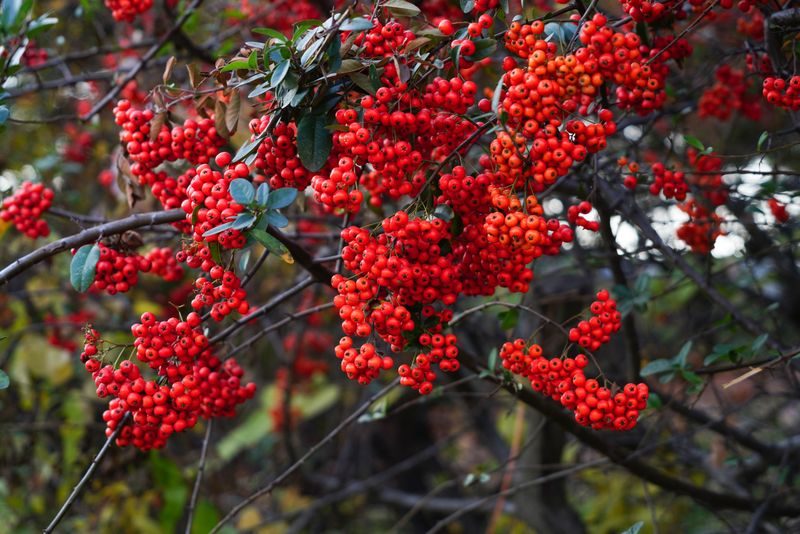
Bitter fruit sounds like a strange gift for birds, yet red chokeberry proves that patience pays off in winter. The berries taste sharp in fall, so birds mostly ignore them until colder weather makes them more appealing.
Aronia arbutifolia grows natively in wet woods, bogs, and pocosins across much of the state. It typically reaches six to ten feet tall, with an upright shape that spreads gradually by suckers.
Bright red berries ripen in early fall and frequently hang on the branches well into winter. Thrushes, mockingbirds, and cedar waxwings return to them later, when easier meals have already been eaten elsewhere.
Spring brings clusters of white flowers that bees visit eagerly, while autumn leaves turn a glowing red. I’ve always felt this shrub deserves more attention, since it looks attractive in almost every season of the year.
Moist soil suits chokeberry best, but established plants tolerate drier spots better than you might expect. Full sun gives the best fruit and fall color, while part shade still supports a decent crop.
Suckers can slowly widen the clump, which works nicely for naturalizing along a damp property edge. Remove unwanted shoots in late winter if you prefer a tidier shape near walkways or patios.
Unlike hollies, chokeberry does not need separate male and female plants to produce fruit. That makes it a simple choice for small yards where space only allows one or two new shrubs.
8. Winged Sumac
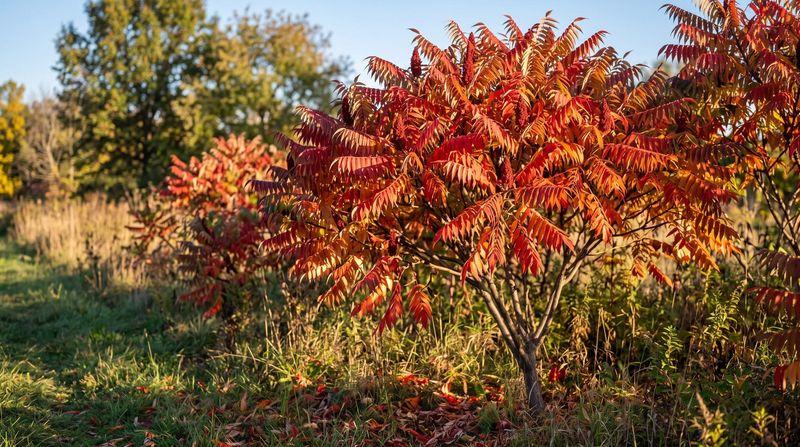
Fuzzy red fruit spikes stand upright on winged sumac like little torches long after the leaves blow away. They are not flashy berries, yet many birds treat them as reliable backup food during lean late-winter weeks.
Rhus copallinum grows wild along roadsides, old fields, and forest edges in every region of the state. The name comes from the leafy wings running along the leaf stems, which help you identify it quickly.
Fruit clusters ripen in late summer and often persist through winter without much interest at first. Bluebirds, robins, and mockingbirds turn to them later, especially after freezes when other fruits are gone.
Autumn color on this shrub is spectacular, with leaves turning brilliant scarlet before they drop. In my yard, that fiery display alone convinced me to keep a sumac patch near the back fence.
This plant loves full sun and poor, dry soil where pampered shrubs often struggle. It spreads by underground runners, so place it where a colony can grow, or mow around the edges.
Many people worry about poison sumac, but that is a different plant found in swampy areas. Winged sumac is harmless to touch, and its red fruit clusters easily tell it apart from that wetland relative.
Plants typically grow about seven to fifteen feet tall, forming loose thickets that shelter sparrows and wrens. Bees also visit the summer flowers, so pollinators benefit long before the birds arrive for winter meals.
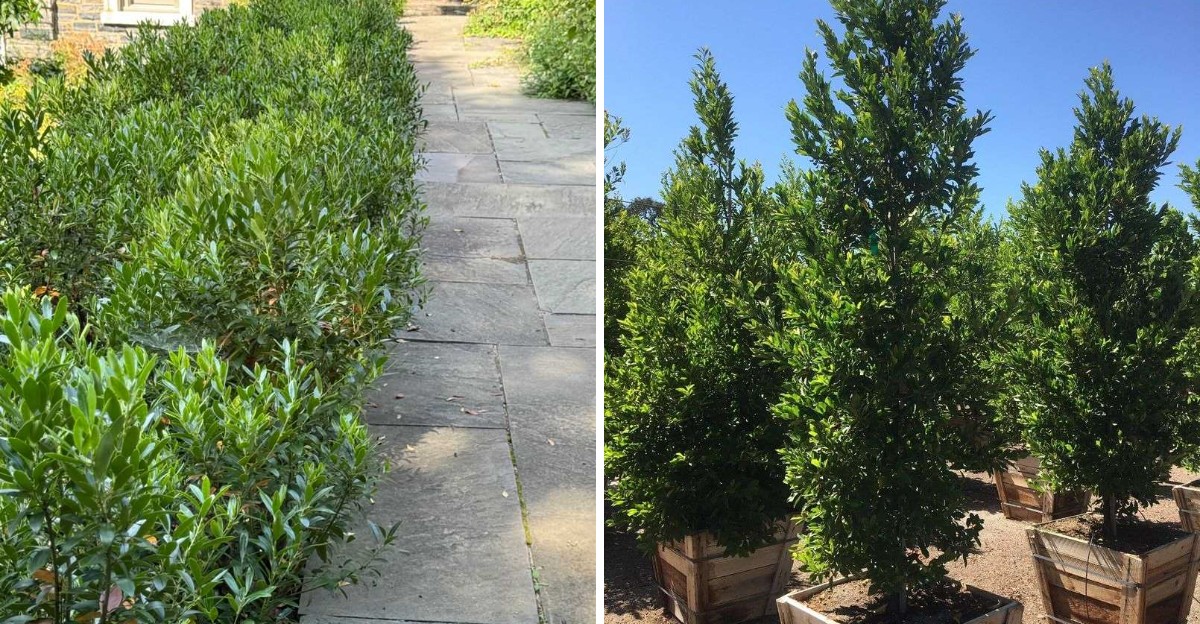
9. Carolina Cherry Laurel
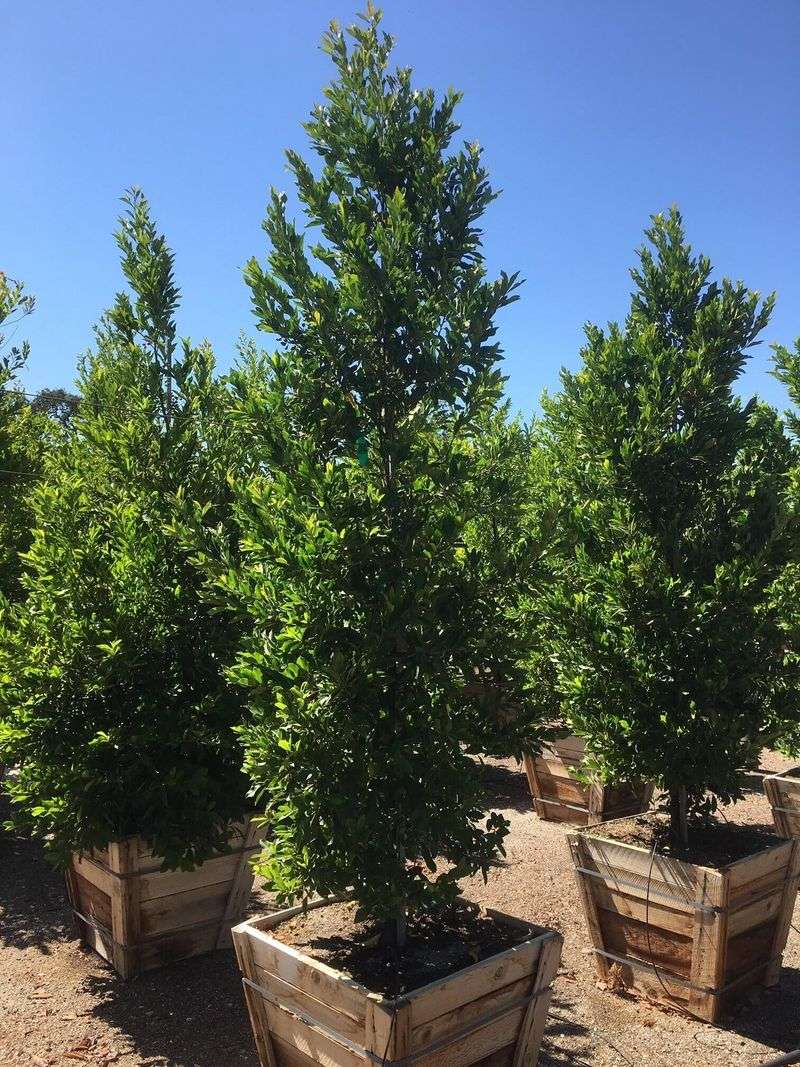
Glossy leaves on Carolina cherry laurel shine like they were polished, and birds treat the dense branches as a cozy hideaway. During cold rain, I often see robins tucked inside, waiting out the weather in surprising comfort.
Prunus caroliniana is native to the Coastal Plain and grows well in the eastern and central Piedmont. It grows quickly into a large shrub or small tree, often reaching twenty feet or more.
Small black fruits ripen in fall and can hang on the branches into winter. Cedar waxwings and robins gobble them up, sometimes arriving in flocks that clean off a plant in hours.
Wilted leaves and seeds contain compounds that can harm pets and livestock, so keep that in mind. Plant it away from grazing animals, and rake fallen branches after storms if animals share your yard.
Many gardeners use this native to replace invasive privet or Chinese photinia along property lines. It tolerates many soil types and handles full sun or part shade with steady, vigorous growth.
Birds spread the seeds generously, so seedlings may pop up in flower beds and fence lines. Pull them while small, because young sprouts come out easily compared to older plants with deeper roots.
Spring flowers fill the air with sweet fragrance and draw plenty of bees to the branches. Trim it after flowering to keep a neat hedge, while leaving enough growth for next year’s fruit crop.
10. Arrowwood Viburnum
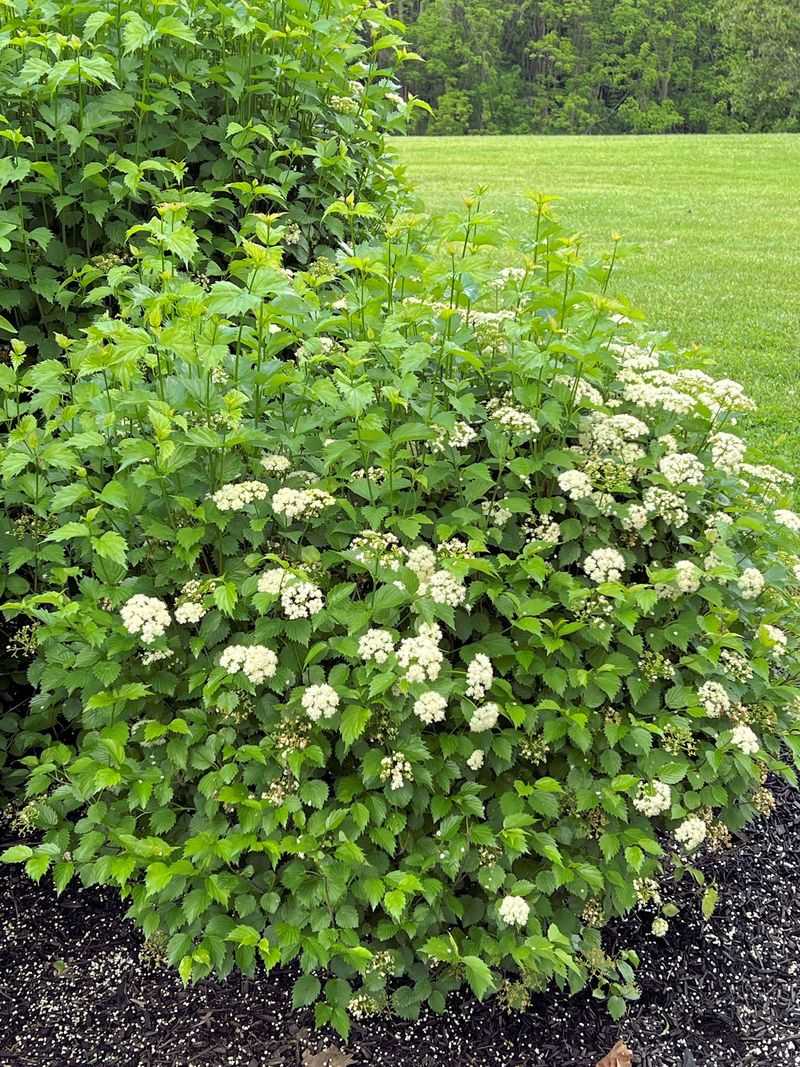
Native Americans reportedly used the straight young stems of arrowwood to craft arrow shafts, which explains its memorable name. Today those same stems hold clusters of blue-black berries that songbirds happily grab in autumn.
Viburnum dentatum grows across the state, from mountain streambanks to Coastal Plain swamps and moist woodlands. It usually reaches six to ten feet tall and wide, forming a rounded, many-stemmed shrub.
Berries ripen in late summer and fall, and leftovers sometimes hang on into early winter. Bluebirds, catbirds, and thrushes eat them, gaining valuable fat before cold weather settles in for good.
Flat clusters of white flowers open in late spring, attracting butterflies and many native bees. Fall leaves shift toward red and purple, adding warm color right as the berries reach their peak.
Planting two or more arrowwood shrubs from different sources improves fruit set, since cross-pollination helps. A small grouping also creates better shelter for birds than a single plant standing alone in the lawn.
Moist, well-drained soil keeps arrowwood thriving, though it tolerates clay and occasional dry spells once established. Sun or part shade works well, with sunnier sites usually producing more flowers and fruit.
One thing I appreciate is how little care this shrub requires once its roots settle in. Prune older stems at ground level every few years, and the plant renews itself with fresh, vigorous growth.