Where Did All the Chipmunks Go? The Surprising Reason They’ve Disappeared From New York Yards
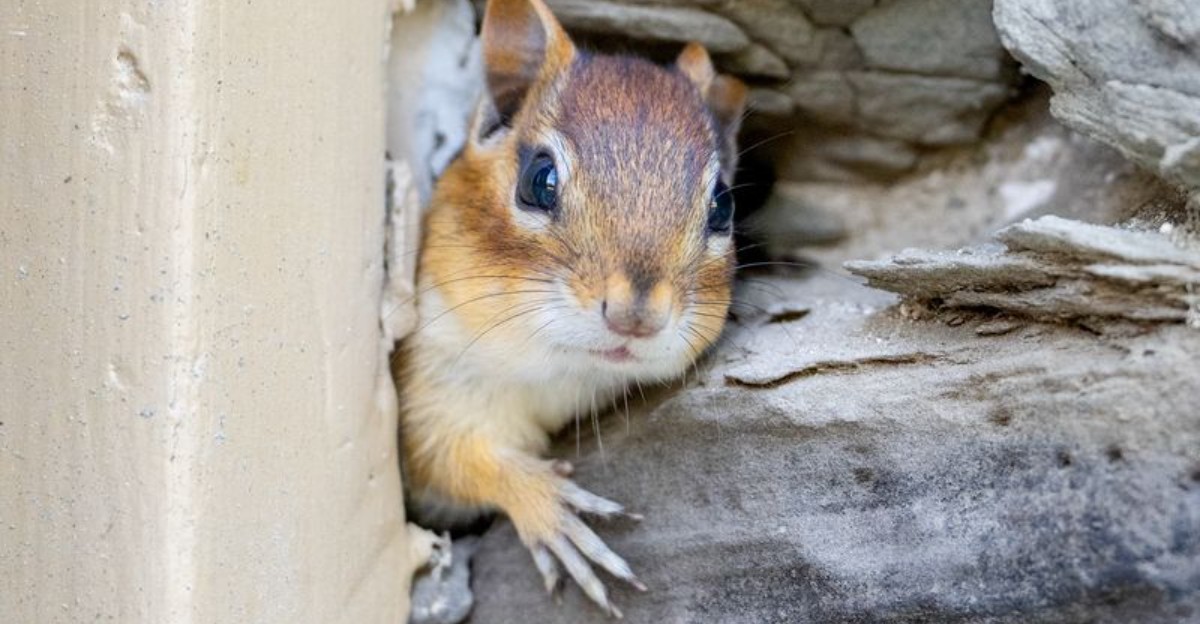
A striped little critter that spends winter underground can actually be hurt by a warm winter. That sounds backward, right? I thought so too until I dug into the research.
Scientists in southern New York tracked these tiny yard visitors for seven years. In the two warmest winters they studied, only about 11 percent made it to spring. In normal winters, roughly 88 percent survived.
I’ll never forget the summer my stone wall went quiet. No chattering, no puffed cheeks, no zipping tails near the tomatoes. If your yard feels oddly still this year, you are not alone in noticing.
The answer is a mix of weather, food, hungry neighbors, and even the way we tidy our gardens. Some of it is natural and temporary. Some of it might be something you can help change in your own backyard.
A Warm Winter Can Throw Off a Chipmunk’s Long Nap
Most folks assume a mild winter is a gift for small animals. For eastern chipmunks in New York, research suggests the opposite can be true.
A study in southeastern New York ran from 2000 to 2007. During normal winters, every tracked chipmunk entered torpor, a deep sleep-like state, and about 88 percent survived.
In the two warmest winters in nearly a century, only 40 percent settled into torpor, and survival dropped to around 11 percent.
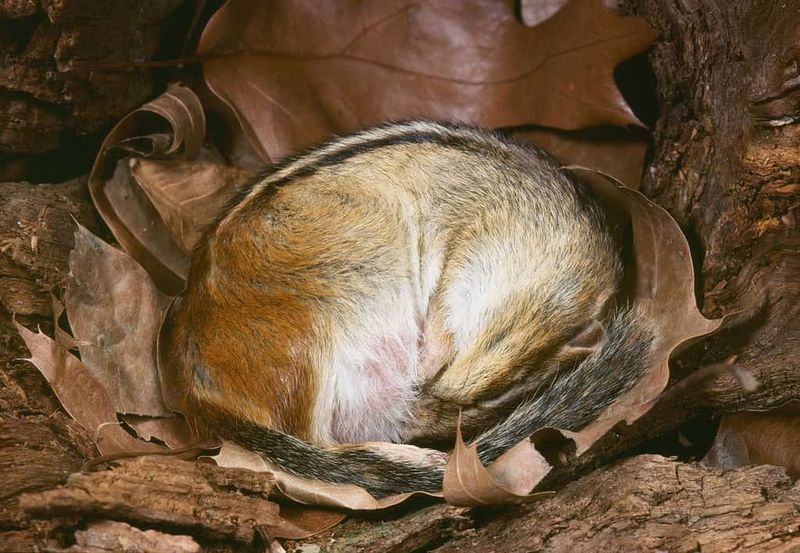
Chipmunks do not truly hibernate like woodchucks. They slow their bodies down for days at a time, then wake briefly to snack from their underground pantry.
Cold air seems to help trigger and hold that slow-down.
When winter stays warm, many chipmunks stay restless instead. A busy chipmunk burns through stored food much faster than a sleepy one.
By late winter, the pantry can run empty long before spring plants start offering anything new.
Scientists think that extra activity also puts them above ground more often. That means more chances to meet a hawk or fox when cover is thin.
If you ask me, that is the most surprising piece of the puzzle. The warm January days we enjoy might be the very thing that leaves our stone walls quieter in May.
Empty Acorn Years Leave Chipmunk Pantries Bare
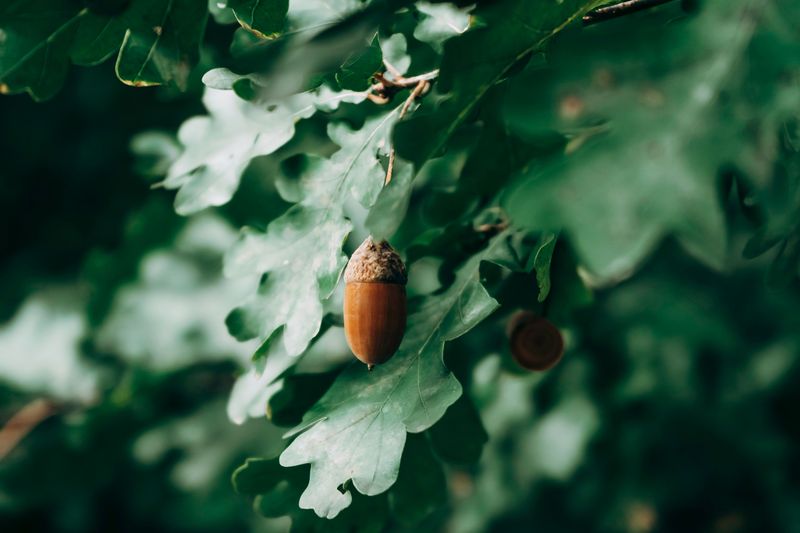
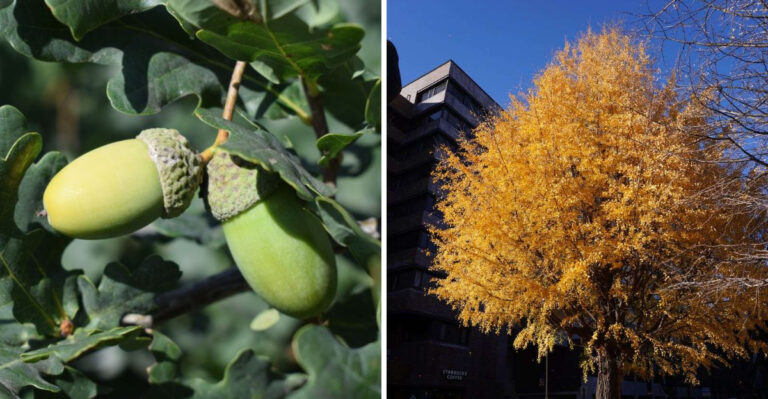
Oaks, hickories, and beeches do not drop the same amount of nuts every year. Some years they go wild and bury the ground in acorns.
Other years they hold back almost entirely.
Biologists call those big years mast years. For chipmunks, a mast year is like winning the grocery lottery.
They pack their cheeks, fill their burrows, and head into winter well stocked.
Plenty of food means more chipmunks survive the cold. Healthy females can also raise two litters the following year, one in spring and one in summer.
That is how a yard can suddenly seem packed with striped tails.
A poor nut year flips the story. With thin stores underground, many chipmunks struggle to make it through winter, and fewer babies appear the next season.
I’m still learning to watch my oak trees as a kind of crystal ball. Lots of acorns crunching under my boots in fall usually means more chipmunk chatter the next summer.
Pair a skimpy acorn crop with a warm, restless winter, and you get a rough combination. That one-two punch is a strong reason a busy yard can feel empty a year later.
Nothing mysterious, just nature’s boom-and-bust rhythm at work.
Your Chipmunks May Bounce Back Sooner Than You Expect
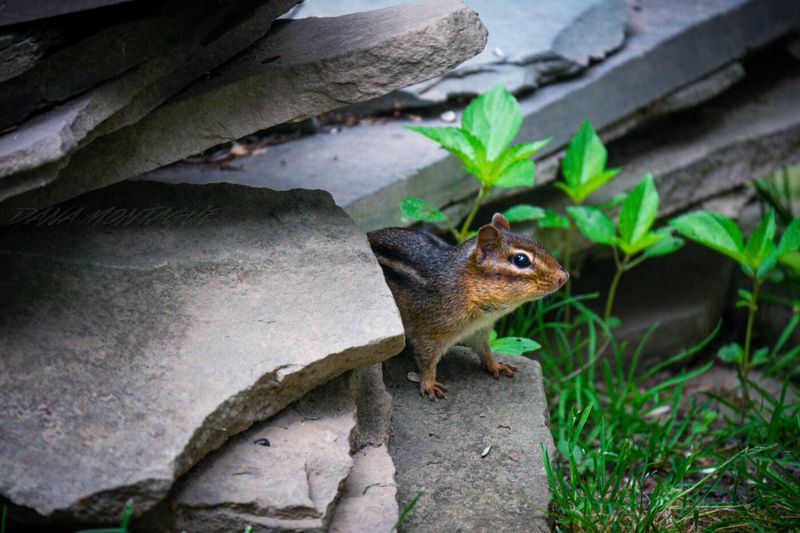
Take a breath before you worry too much. Eastern chipmunks are listed as a species of least concern, and they remain common across New York, from city parks to Adirondack forests up to around 4,000 feet.
What looks like a disappearance is often just a low point in a natural cycle. Chipmunk numbers rise and fall from year to year, sometimes by a lot.
In 2016, for example, naturalists and state wildlife staff noticed chipmunks practically everywhere. Many homeowners grumbled about holes in flower beds and nibbled bulbs.
A few years of quiet after a boom like that is pretty normal.
These little rodents also recover quickly. Females can have two litters a year with several pups each, so one good nut season can refill a neighborhood fast.
The way I see it, a missing chipmunk summer is a reason to pay attention, not a reason to panic. Keep a simple note of when you spot them each spring.
Over a few years, you will start to see your own local pattern.
That kind of backyard record is surprisingly useful. It helps you tell a normal dip from something that lasts longer and might need a closer look.
Red-Tailed Hawks Are Watching Those Striped Tails Too
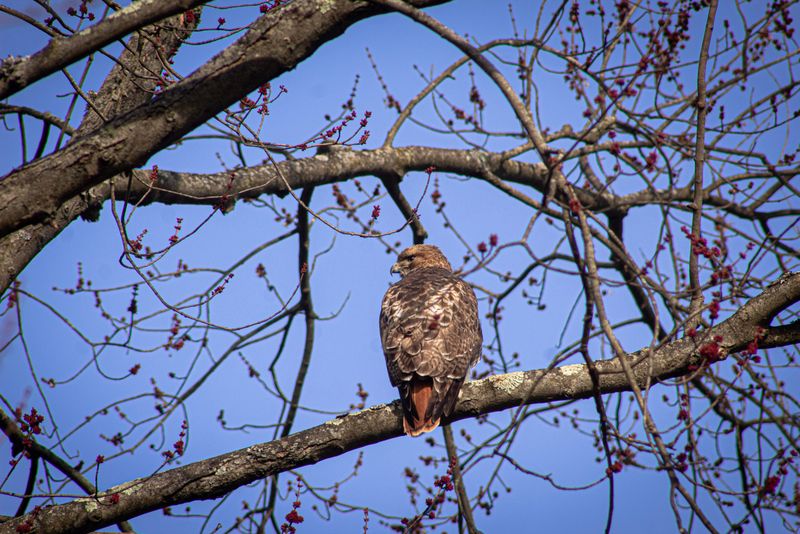
Chipmunks sit near the bottom of a very long menu. Hawks, owls, foxes, coyotes, snakes, weasels, raccoons, and fishers all hunt them.
Some of those hunters are doing quite well in New York. Red-tailed hawks are common breeding birds, even in big cities.
Great horned owls and barred owls take chipmunks too, and coyotes now live across the state, including suburbs.
A healthy predator crowd does not mean chipmunks are vanishing. It does mean a yard with lots of hunting eyes can feel quieter, especially in a year when chipmunk numbers are already low.
My garden taught me this one the hard way. The summer a hawk started using my maple as a lookout, the chipmunks near my patio got shy fast.
They were still around, just hiding much more.
Chipmunks are smart about danger. They give a sharp chip call and dash for burrows or rock piles when a shadow passes overhead.
Less open yard, more cover, and you will often see them more.
Honestly, seeing a hawk swoop through is a sign of a working ecosystem. Your missing chipmunks might simply be keeping a lower profile while a few sharp-eyed birds patrol the neighborhood.
Outdoor Cats Can Quietly Empty a Chipmunk Neighborhood
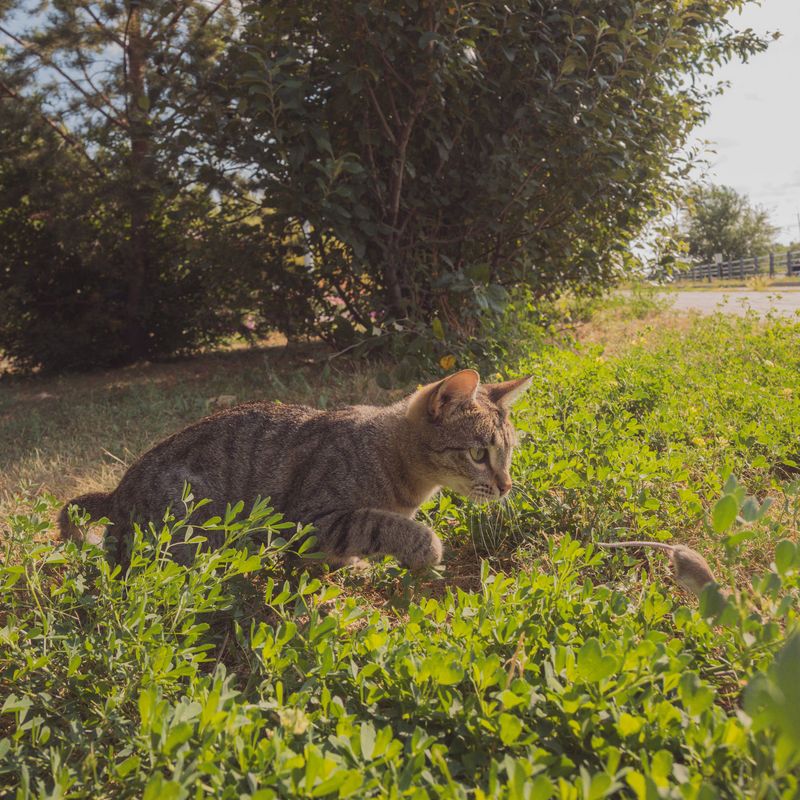
Sweet as they are on the couch, house cats are talented hunters outside. Chipmunks are just the right size to grab their attention.
Wildlife experts point out that outdoor and feral cats can have a real effect on local chipmunk numbers. Unlike hawks or foxes, pet cats are fed at home.
They keep hunting even when wild prey gets scarce.
That steady pressure matters most on a single block or cul-de-sac. A couple of roaming cats can make a small patch of yard feel nearly chipmunk-free, even when the woods down the road are busy.
Don’t make my mistake of blaming the weather first. I spent one spring puzzled by quiet garden beds until I caught a neighbor’s cat camped beside my woodpile every morning.
If you have a cat, a few small steps help. Keep it indoors, try a secure catio, or supervise outdoor time on a harness.
Talking kindly with neighbors helps too. Most people simply do not realize how much hunting their cat does outside.
Indoor cats also tend to live longer and avoid cars, fights, and ticks, so everyone benefits, including the little striped diggers in your flower beds.
Tidy Yards With No Rock Walls Leave Chipmunks Homeless
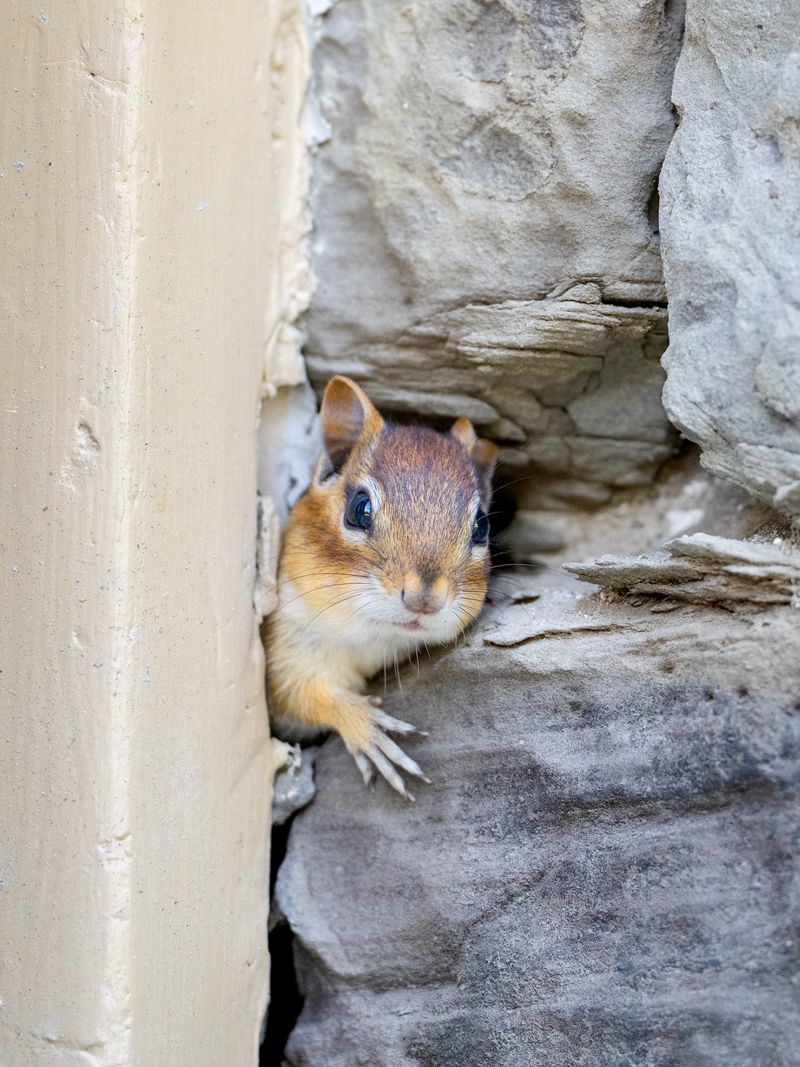
Old stone walls are basically chipmunk apartment buildings. The gaps between rocks give them safe tunnels, lookout spots, and quick escape routes.
Chipmunks like mature trees, logs, rocks, and leafy ground cover. In city parks, research shows they favor older woods with big trees and lots of low plants on the forest floor.
Now look at many modern yards. Wide lawns, cleared brush, raked beds, and no woodpile leave very few hiding places.
A chipmunk crossing open grass is easy pickings for a hawk.
Extension experts actually recommend removing rock walls, firewood piles, and dense ground covers when people want fewer chipmunks near the house. That advice works, which tells you how much cover matters to them.
Now that I think about it, my quietest chipmunk years matched the year I cleared a brush pile behind the shed. Oops.
If you miss them, leave a corner a little wild. Keep a small log pile or rock heap away from the foundation.
Let leaves stay under shrubs in fall.
Native ground covers like wild ginger or woodland sedges add shelter too. You get happier chipmunks, more insects for birds, and less raking, which honestly sounds like a win to me.
Gray Squirrels Probably Aren’t Stealing the Chipmunks’ Lunch
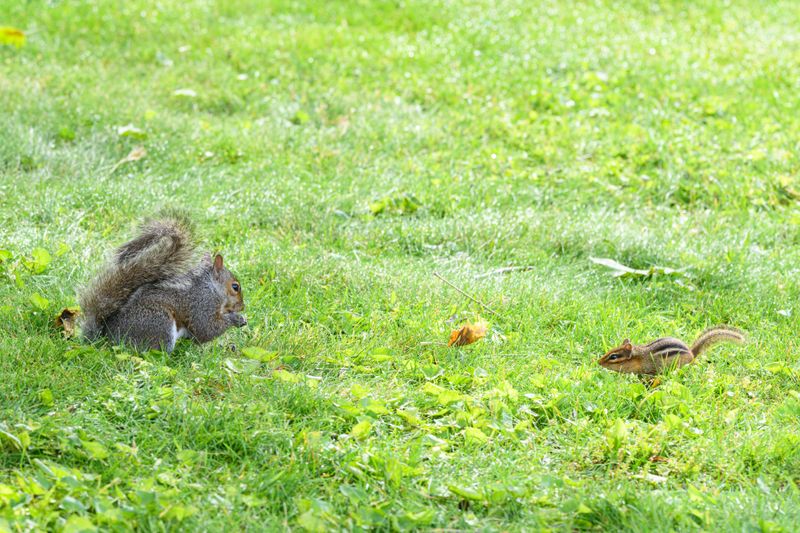
Plenty of gardeners point a finger at the bushy-tailed bullies at the bird feeder. It feels logical, since squirrels and chipmunks both love seeds and nuts.
Science says that blame is mostly misplaced. A study in Dutchess County, New York, looked at chipmunks, gray squirrels, and white-footed mice.
Researchers found little evidence that they compete strongly for food.
Each species seemed to rise and fall mostly on its own schedule. All three respond to acorn crops, but one does not seem to push the others out.
Disease is another common guess. Chipmunks can carry ticks, fleas, and some illnesses, yet there is no evidence of a widespread outbreak causing them to vanish.
Rabies is rare in chipmunks too.
I tried it all in my head, from squirrels to mystery sickness. The real answer turned out to be less dramatic and more about weather, food, and predators.
So go easy on the squirrels this year. They are frustrating at the feeder, but they are probably not the villains of this story.
Staying curious and checking the research before guessing can save you from chasing the wrong problem in your own yard.
A Chipmunk-Friendly Garden Corner Is Easier Than You Think
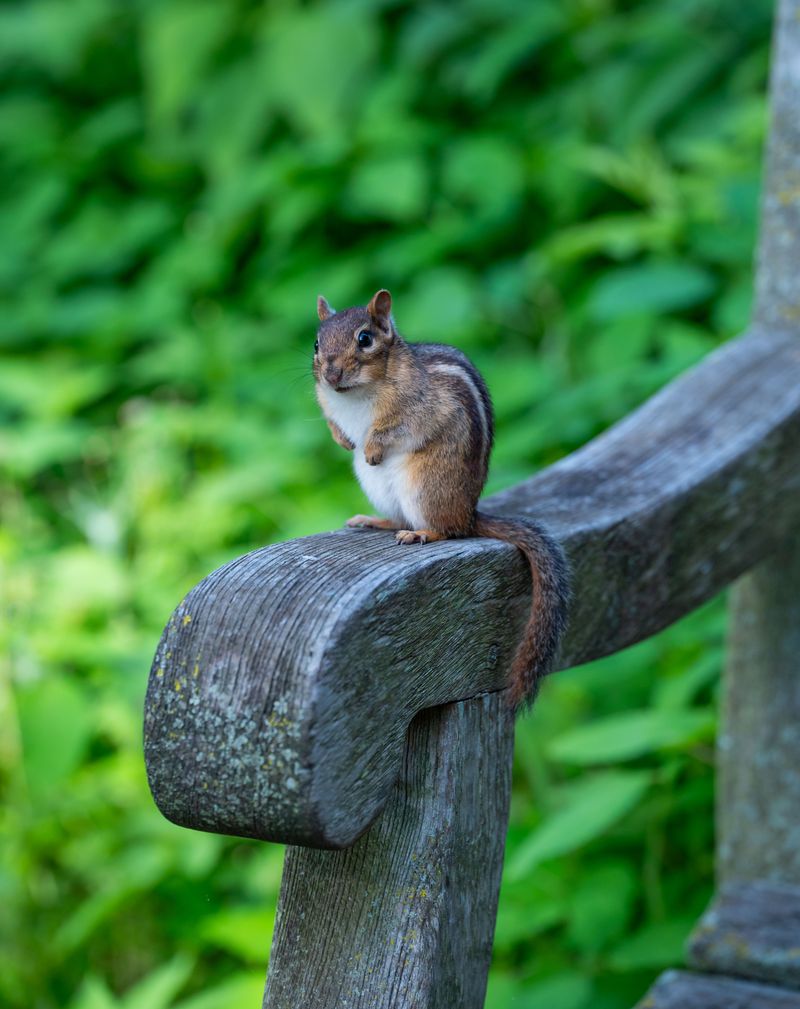
Want those chattering little gardeners back? A few easy changes can make your yard far more welcoming without inviting them into your foundation.
Start with shelter placed away from the house. A rock pile, a stack of logs, or a short stone wall at the yard’s edge gives them cover from hawks and cats.
Keep it at least several yards from patios and steps.
Next, think about food. Native oaks, hickories, and beeches feed chipmunks for decades.
Shrubs like serviceberry and native dogwoods add berries and seeds too.
Skip invasive plants like burning bush or Japanese barberry, even if they look cozy. Native plants support far more wildlife.
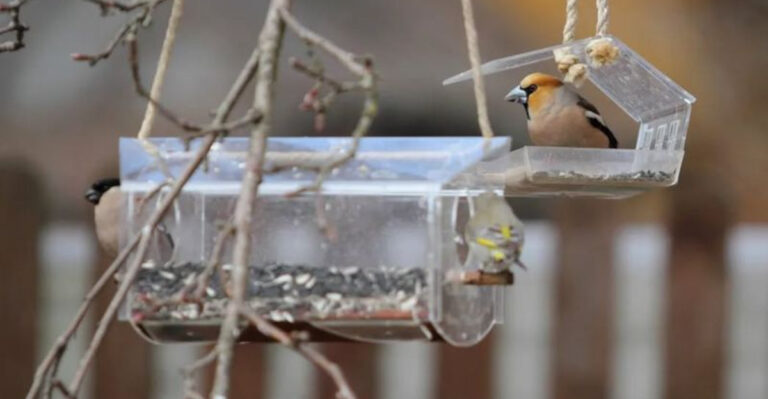
Bird feeders draw chipmunks with spilled seed, but they also attract predators to an open spot. If you keep one, place it near shrubs so visitors have a quick escape route.
Finally, be patient with the weather. You cannot control a warm winter or a skimpy acorn year.
You can control how safe and stocked your little corner of New York feels.
My garden taught me that small creatures return to places that offer them a fair chance. Give them cover and native food, and the cheerful chip calls often follow.