These Pennsylvania Native Plant Nurseries And Seed Sources Are Worth A Fall Visit
You can drive past some of Pennsylvania’s best native plant sources without slowing down. Behind barns on back roads, growers raise native plants and seed for next summer’s color.
At several of these spots, you can talk with the people who grow the plants, so call ahead. Growers share stories and tips you won’t find on a store shelf.
Boots get muddy, hands get dirty, and your questions finally get real answers. Fields buzz around you while dried seed heads rattle in the wind.
Autumn is a good time to plant, so your timing is strong. These nurseries can send you home with native plants that bloom next summer.
Many of them run from April through October, so call ahead in late October to confirm they are still open for the season.
Expect your car to smell like hay for days afterward. Cider stands, painted signs, and native species await you on winding roads.
Ask which native species is easiest for beginners to grow. Pick carefully, because the plant you choose could become next summer’s favorite bloom.
1. Bowman’s Hill Wildflower Preserve In New Hope
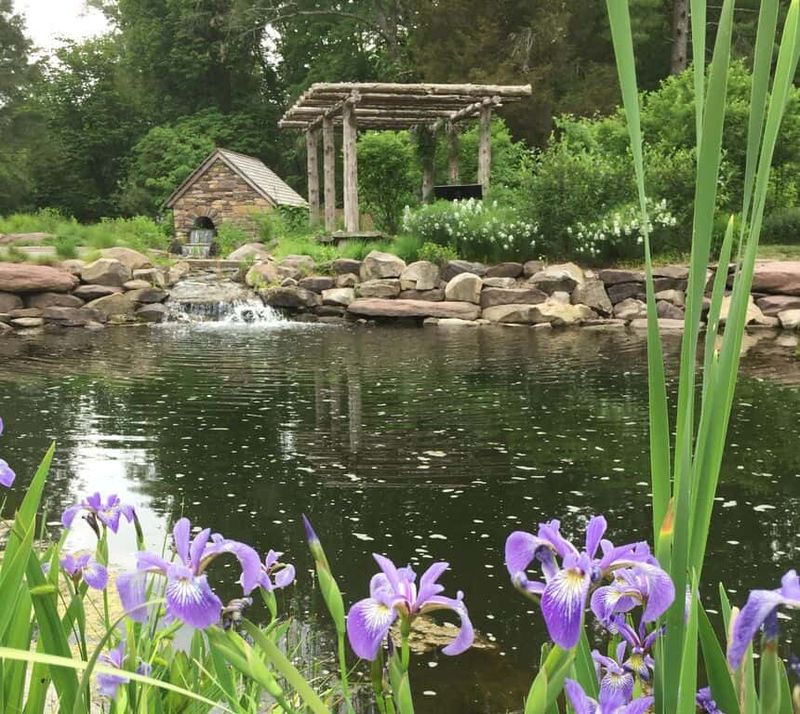
Picture 134 acres of woods and meadows tucked beside the Delaware River in Bucks County. Bowman’s Hill Wildflower Preserve has been protecting native plants since 1934.
The preserve’s native plant nursery sells native plants from April through October. Those plants come from species that belong right here in Pennsylvania.
October brings golden goldenrod, purple asters, and fluffy seed heads swaying along the trails. Bees and butterflies are still foraging before winter.
Walking the paths feels like flipping through a living field guide. Many plants have small labels, so you can learn names while you stroll.
Bring a notebook or your phone to jot down favorites you spot. Later, you can match them to plants you might want for your own yard.
Fall is a smart time to sow many native seeds outdoors. Cold winter weather helps wake them up, a process gardeners call cold stratification.
Check the preserve website before you go, since hours and sale dates change by season. Paid admission helps support the gardens and their native plant work.
Wear sturdy shoes because some trails climb hills and can get slippery with fallen leaves. Take the steepest stretch slowly.
Pair your trip with lunch in nearby New Hope, a charming river town full of shops. It makes a cozy day out for families, friends, or anyone needing fresh air.
2. Ernst Conservation Seeds In Meadville
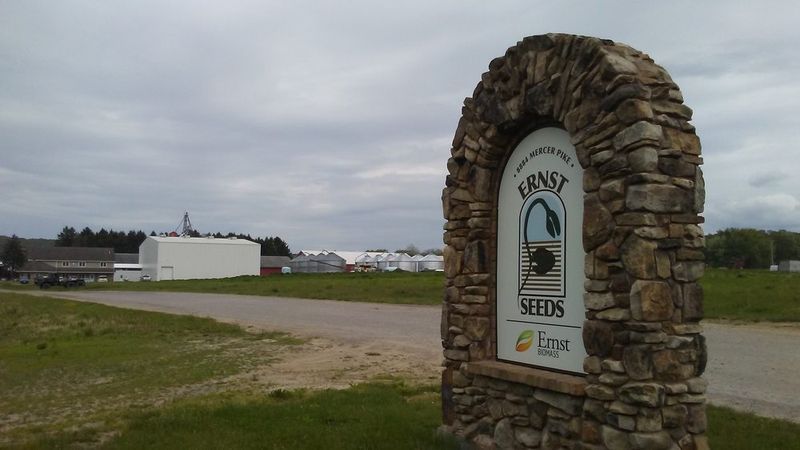
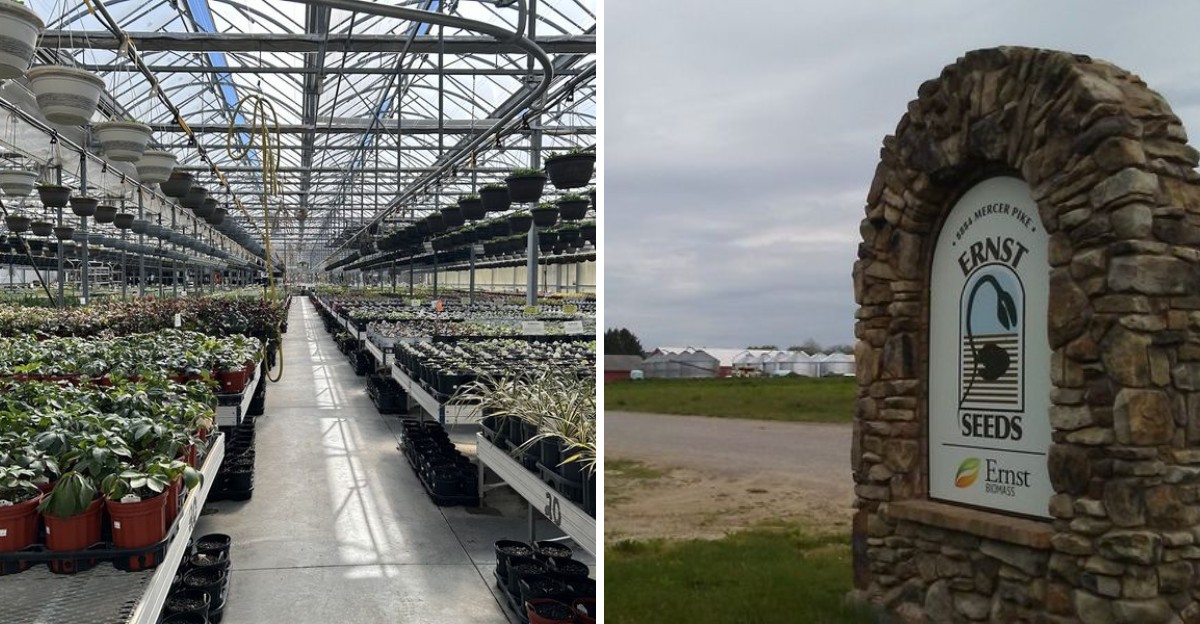
Ever wonder where huge bags of native seed come from? In northwestern Pennsylvania, Ernst Conservation Seeds grows native plants for seed on more than 9,000 acres.
The family business grew into one of the largest native seed producers in the eastern United States. Its seeds help restore meadows, roadsides, and wetlands across many states.
Driving through Crawford County in October feels peaceful, with rolling fields and red barns everywhere. Farm fields here may show tall grasses and seed heads turning bronze.
Your Pennsylvania Garden Changes Every Week. Your Plan Should Too.
Gardening in Pennsylvania changes quickly throughout the season. Every Friday you’ll receive a simple weekly plan showing exactly what to plant, prune, fertilize, harvest, and protect so you never miss the right timing.
Ernst mainly sells wholesale and is a working business, not a theme park. Call ahead to ask about visits or tours.
Their catalog is packed with seed mixes for pollinators, birds, and wet or dry soil. Even beginners can find a blend that matches their yard.
Ernst focuses on larger orders, which works well for big spaces. If your yard is small, ask about quantities.
Staff members can explain how to prepare soil and when to sow. Late fall planting often works well because seeds settle in over winter.
Make a day of it by visiting nearby Conneaut Lake or French Creek. Both spots shine with fall color and offer quiet places for a picnic.
Bring a cooler for snacks since the area is rural and stores can be spread out. Coming home with seeds and pretty leaf photos makes the long drive worthwhile.
3. Edge Of The Woods Native Plant Nursery In Orefield
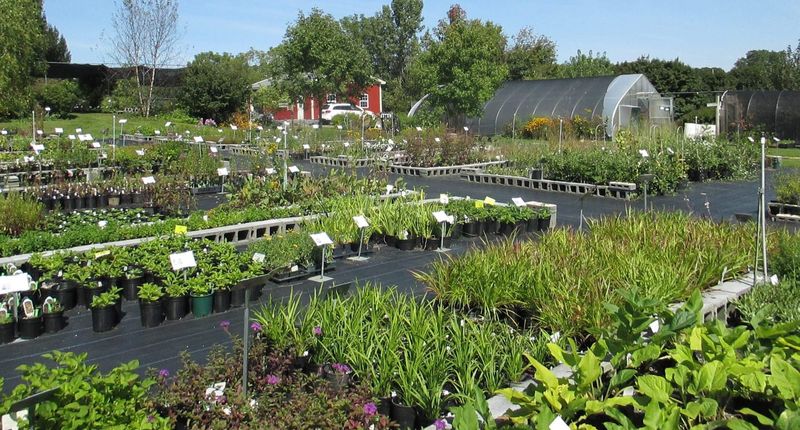
This Lehigh County spot is a great stop for pollinator gardeners. Edge of the Woods Native Plant Nursery sits near Allentown and focuses on native plants.
The nursery grows many of its own plants and shares lots of growing tips. You can also find many native plants suited to Pennsylvania soil and weather.
The nursery is open April through October, so confirm hours before you go. Late-season visits feel calm, with fewer crowds than spring weekends.
Staff often have more time to chat about your yard and its sunny or shady spots.
Fall is a good season to plant many perennials because roots grow while air cools. The soil stays warm longer, giving young plants a cozy head start.
Look for plants like mountain mint, which bees seem to adore. Asters and goldenrods also feed hungry insects late in the year.
Ask staff to help you make a small pollinator patch plan. Even a corner by your mailbox can become a pollinator habitat.
The display gardens show how native plants look when grown together. Seeing grown plants helps you picture your own garden before buying anything.
Check their website for open days, since hours shift with the seasons. Some fall weekends may include special sales or talks.
Bring a wagon or sturdy box for carrying plants to your car. Line your trunk with an old towel so soil does not spill everywhere.
Nearby Trexler Nature Preserve makes an easy side trip for a walk afterward. Spotting elk there might top off your day in a surprising way.
4. Groff’s Plant Farm In Kirkwood
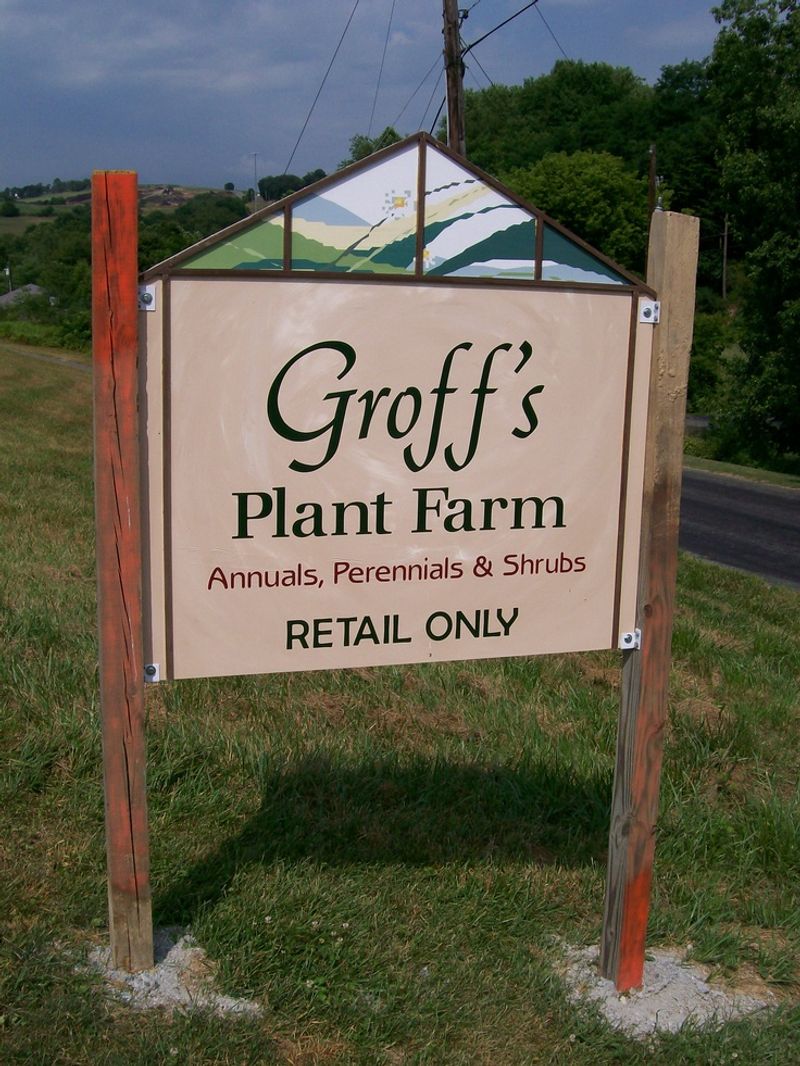
Down in southern Lancaster County, quiet roads wind past farms and wide fields. Groff’s Plant Farm sits in Kirkwood and has grown plants here across three generations.
The family business began with an orchard and produce, then shifted to ornamental plants. Today it grows most of what it sells in its own greenhouses.
Native perennials and shrubs get special attention here. You will also find annuals, edibles, and many unusual varieties, so bring a list.
The farm is open seasonally from April through October. Call or check the website before you go, since late October hours may be short.
Fall is a good time to plant many perennials and shrubs. Ask staff which natives suit your sun, soil, and space.
Drive slowly and give buggies plenty of space on narrow roads. Kids enjoy counting horses, and it keeps the car calm and happy.
Plant fall purchases at least a few weeks before the ground freezes. Water them well, then add a light layer of leaves for winter protection.
Pack a paper map too, since cell service can be spotty on back roads. Getting a little lost here usually means finding another pretty barn. Stop at a roadside farm stand on your way home for fresh apples or pie.
5. Redbud Native Plant Nursery In Media
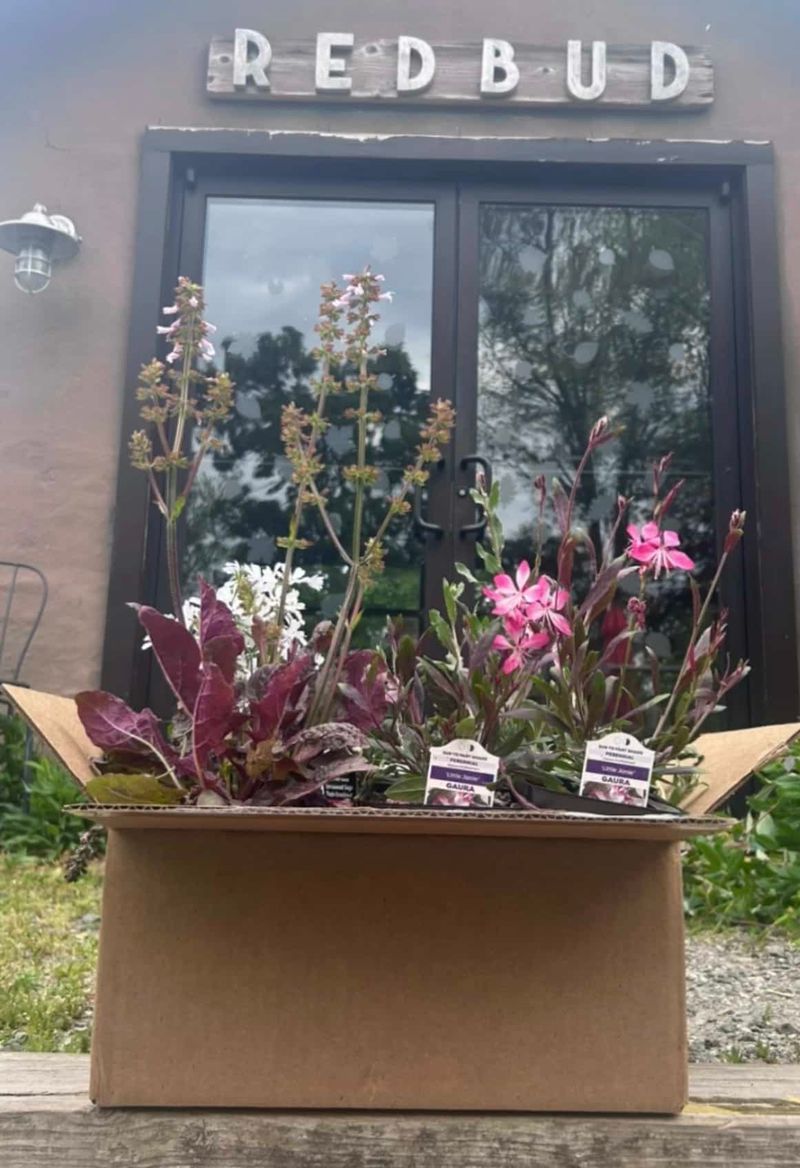
Redbud trees bloom pink in spring, but this Delaware County nursery shines in autumn too. Redbud Native Plant Nursery offers native trees, shrubs, and flowers for local gardeners.
The nursery sits close to Philadelphia, making it an easy drive for city folks. You can trade honking traffic for chirping birds in under an hour.
Fall is a favorite time to plant trees and shrubs. Cooler air and steady rain help roots settle before spring growth kicks in.
Look for shrubs with bright berries, like winterberry and red chokeberry. Birds feed on these berries in winter.
Staff can help you choose plants for shade, clay soil, or wet spots. Bring photos of your yard so they can give better advice.
Many visitors come for flowers, then leave with a small tree too. That is fine, since trees give shade and shelter for years.
Check their website or social pages for fall hours and sales. Ask the staff whether any workshops are planned.
Collecting seed from your own native plants is a fun fall chore. Snip dry seed heads, place them in paper bags, and label everything.
Store seeds in a cool, dry place away from curious pets. A sealed metal tin keeps mice out. Nearby Tyler Arboretum makes a lovely add-on with trails and huge old trees. Your family can stretch their legs after all that plant shopping.
6. Yellow Springs Farm In Chester Springs
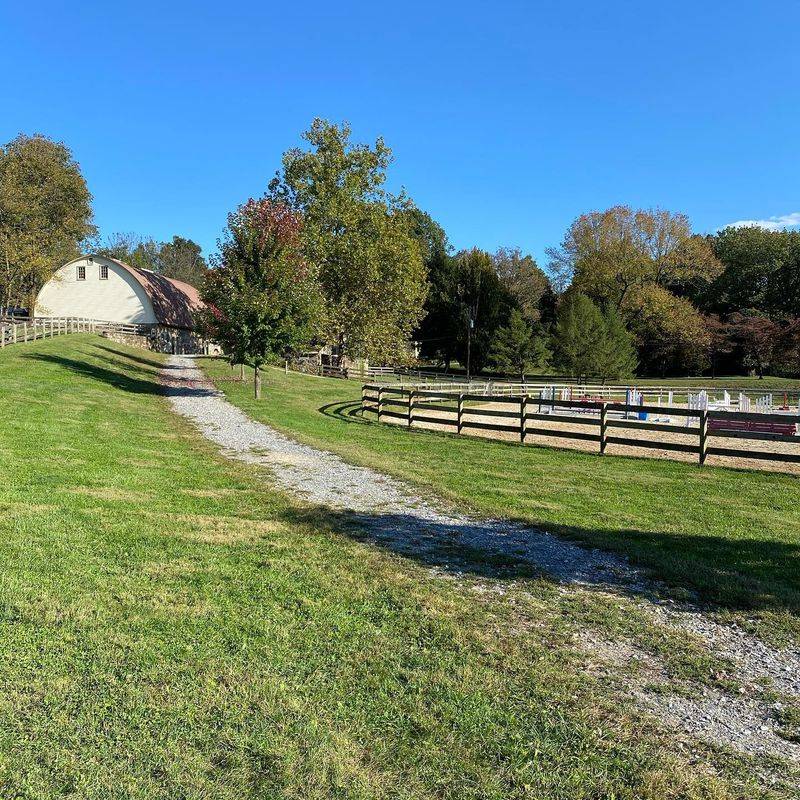
Goats and native plants might seem like an odd pair, but this farm makes it work. Yellow Springs Farm in Chester County has been known for both cheese and native plants.
The farm grows native perennials, shrubs, and some trees on its rolling property. Its plants are suited to Pennsylvania gardens and the wildlife living around them.
Chester County roads in October glow with red maples and old stone houses. The scenery feels a bit like stepping into a storybook.
Visiting days can be limited, so check the farm website before driving out. Some weekends feature open hours, while other times may require an appointment.
Ask about plants for woodland gardens if your yard has many trees. Native ferns and shade flowers can brighten dark corners nicely.
Fall-planted perennials can bloom more strongly the next summer. Their roots have months to spread before hot weather arrives.
Mulch new plants lightly with shredded leaves instead of thick bark. Leaves break down and feed the soil, just like in a forest.
Historic Yellow Springs village sits nearby and has walking paths and old ruins. History fans will enjoy reading signs about the area’s past.
Bring a light jacket, since October mornings can feel chilly in the hills. By afternoon, you may be peeling off layers like an onion.
Taking home a few plants feels like bringing back a piece of the countryside. Each bloom next summer will remind you of this crisp fall drive.
7. Friendship Farms In Latrobe
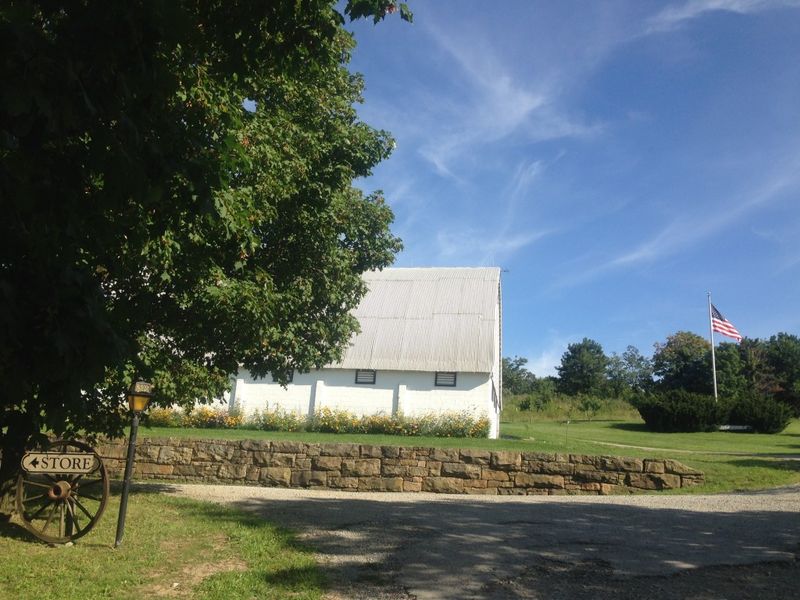
Cattle graze in the Laurel Highlands, and a native plant nursery sits beside a bakery. Friendship Farms is a family farm near Latrobe in Westmoreland County.
The farm covers about 375 acres at the base of Chestnut Ridge. Hay meadows, woodlots, and streams surround it.
The nursery grows trees, shrubs, grasses, and wildflowers native to southwestern Pennsylvania. Those species suit gardens in this part of the state.
Ask staff which grasses and wildflowers fit a sunny, tough spot. Bring photos of your yard so they can give better advice.
Stop at the bakery next door for fresh bread and pastries. A plant run paired with warm bread makes a good fall outing.
Hours are limited to a few days a week, so call before you drive out. Holiday schedules can change.
Bring boxes or a wagon to carry pots home neatly. Potted plants can tumble around in the back seat.
Fall color across the Laurel Highlands is reason enough to take the long way. Taking home a few native plants turns the drive into next summer’s garden.
8. Go Native Tree Farm In Lancaster
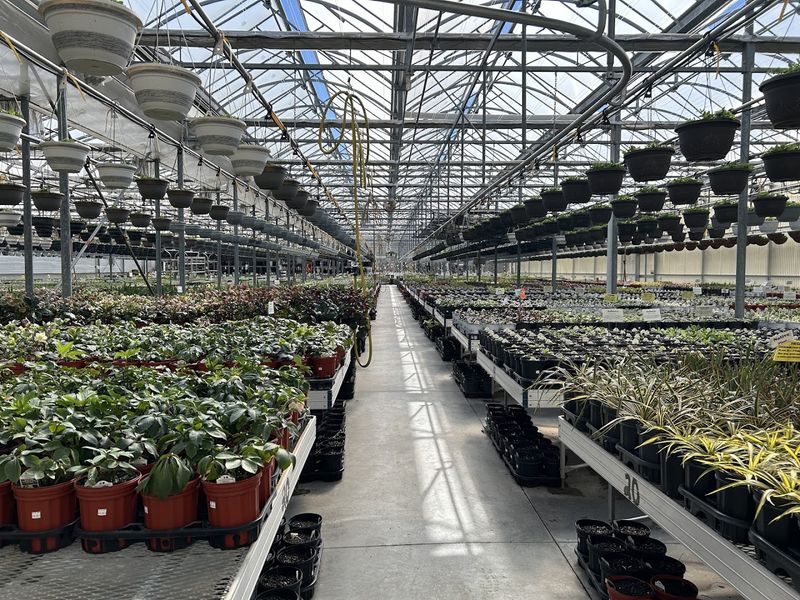
Did you know a single oak tree can host hundreds of caterpillar species? Go Native Tree Farm in Lancaster County grows native trees and shrubs with that idea in mind.
The farm focuses on plants that support local wildlife and healthy soil. It also shares helpful ideas for homeowners starting small native gardens.
Lancaster County has colorful fall scenery in October. Harvested fields, colorful trees, and roadside pumpkin piles stretch for miles.
Check the farm website before visiting, since sale days and hours can change. Ask whether any fall sales are planned.
Ask which native shrubs pair well with a young tree for a mini habitat. A small oak or serviceberry plus a few native shrubs creates a busy wildlife corner.
Trees planted in fall get a head start on roots. By summer, they can handle heat better than many spring-planted ones.
Kids can help dig holes and water new plants at home. Let them name the tree. Pack gloves, a small shovel, and a tarp for messy pots. Your car’s floor mats will be grateful later.
On the way home, stop for whoopie pies or soft pretzels from a local market. Lancaster snacks make every gardening errand feel like a small celebration.
Native gardens grow slowly, but the payoff lasts for years. Each bird that visits your new tree shows it is supporting wildlife.
Take photos of your plantings now and again next fall. Comparing them shows how much life a little patch can bring.