These Virginia Native Shrubs Outshine Hydrangeas Every Fall
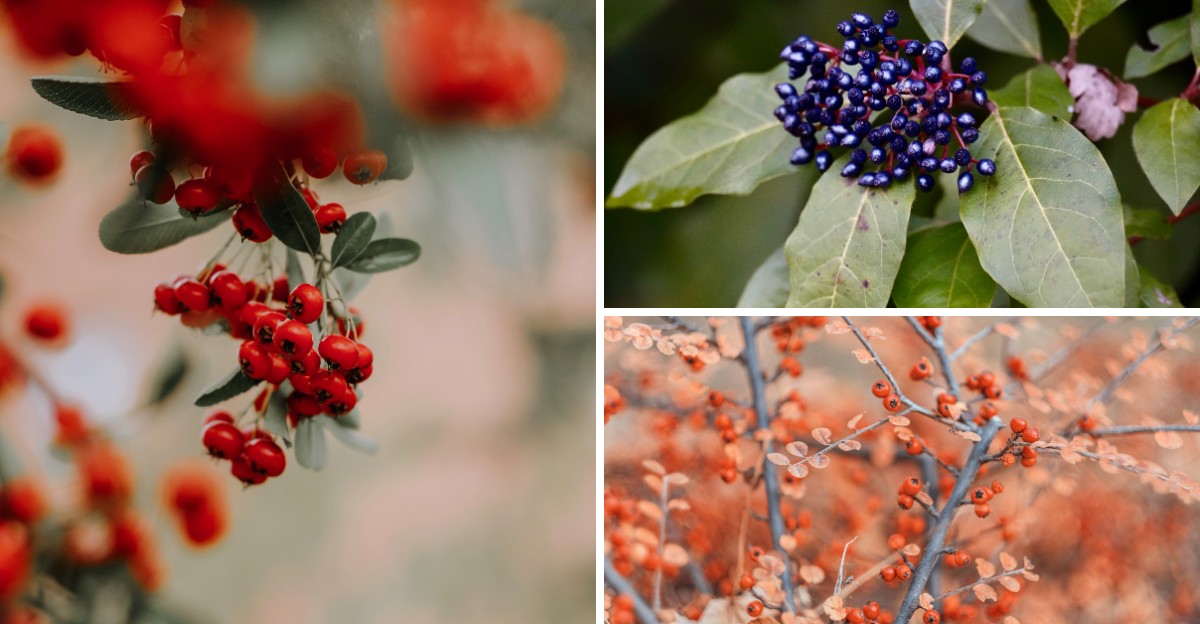
Why does your flower bed quit while wild ditches burst with color? You planted summer favorites, and summer favorites fade in October.
Meanwhile, Virginia natives you pass on hikes are just warming up. A certain shrub unfurls spidery yellow blossoms as you expect bare branches.
Later, its pods launch seeds across your lawn with an audible pop. Another turns ruby red while soaking up your soggy spots.
Scarlet berries crowd bare stems once you add a partner plant. Glossy violet berries cling to a shrub your borders are missing.
Crush its leaf, and you release a compound that repels mosquitoes. Elsewhere, buttery gold leaves frame scarlet berries luring thrushes to your windows.
Birds skip a sour red fruit until winter, keeping your view bright. These tough locals handle your Virginia seasons with little fuss. Plant them, and you own October.
1. Virginia Sweetspire With Its Ruby Red Leaves
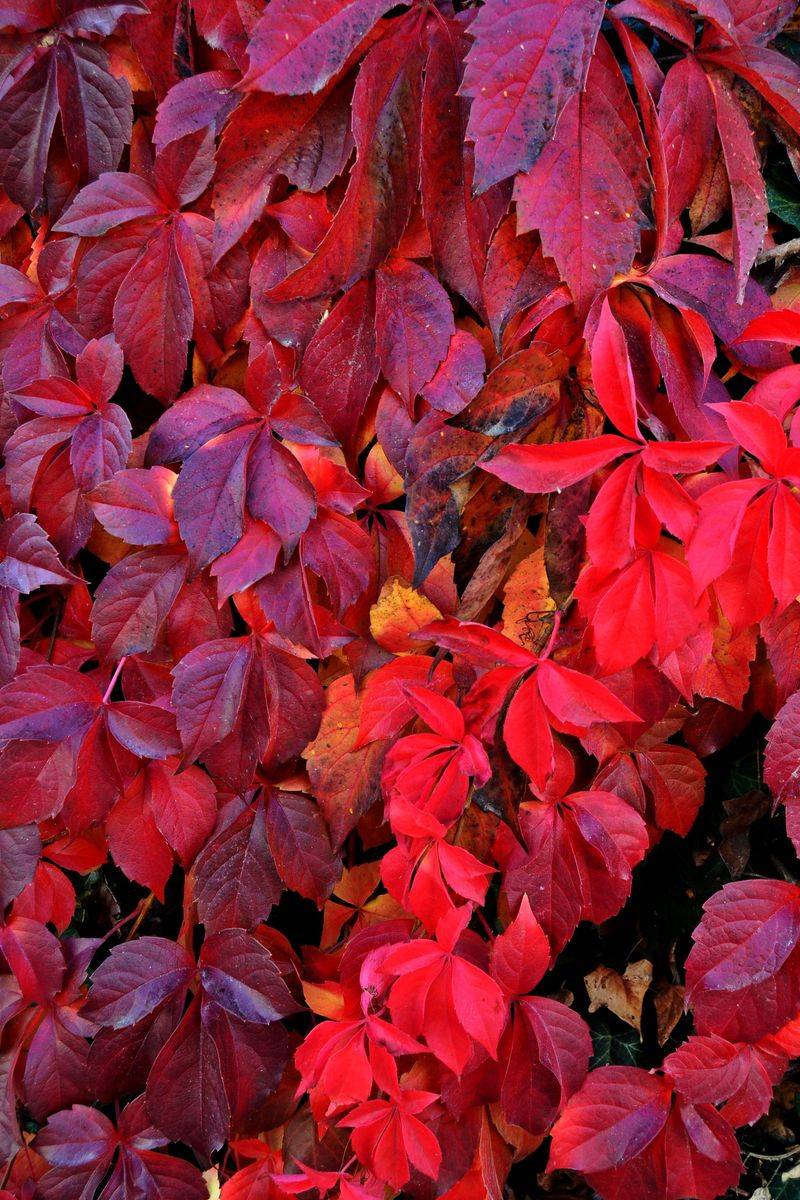
Few shrubs blush as dramatically as this creek-loving Virginia native when the nights turn chilly. Their leaves shift into bright shades of scarlet, orange, and deep burgundy in fall.
In late spring, the plant also puts out long, fuzzy white flower spikes that smell sweet. Bees and butterflies crowd around them like kids at an ice cream truck.
The best color starts in October and can last well into December in mild years. Some leaves hang on so long that the shrub looks semi-evergreen near the coast.
Sweetspire grows three to five feet tall and spreads slowly by underground stems. That habit makes it a handy choice for slopes that need help holding soil.
This tough plant handles wet spots in your yard without trouble. It happily tolerates soggy clay, rain gardens, and the edges of ponds or ditches.
Full sun gives the brightest fall color, though it still performs in partial shade. Plant it in spring or early fall, and water weekly during the first summer.
Popular varieties include Henry’s Garnet, which sports deep purple-red leaves, and the compact Little Henry. Henry’s Garnet began as a wild plant found in Georgia.
Pruning is simple, since you only need to trim old stems right after blooming. Pair it with ferns or native grasses for a woodland look that feels relaxed.
Deer usually leave sweetspire alone, which is a big win in many Virginia neighborhoods. Rabbits may nibble young shoots, but the plant bounces back quickly.
2. American Beautyberry With Its Purple Berries
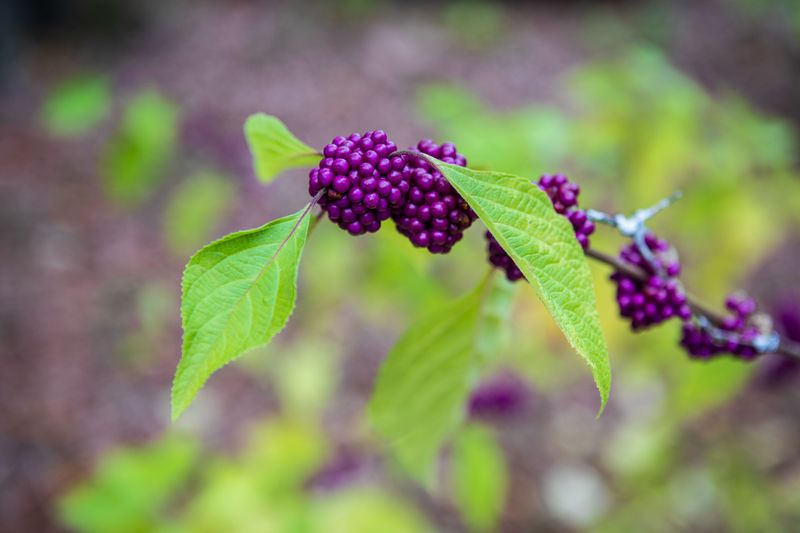
Imagine a shrub wearing clusters of glowing purple beads, like it raided a jewelry box. Beautyberry usually does this in September along southeastern Virginia woodland edges.
The berries wrap tightly around each stem in tidy rings that look almost fake. People often stop mid-walk to touch them and make sure they are real.
Summer flowers are small and pale pink, so they are easy to overlook. The fruit is the true star, and it holds color for weeks after the leaves drop.
Birds like mockingbirds, cardinals, and brown thrashers gobble the berries through fall and winter. Deer sometimes munch the leaves, so a little fencing may help young plants.
Your Virginia Garden Changes Every Week. Your Plan Should Too.
Gardening in Virginia changes quickly throughout the season. Every Friday you’ll receive a simple weekly plan showing exactly what to plant, prune, fertilize, harvest, and protect so you never miss the right timing.
Beautyberry grows fast, reaching four to six feet tall and just as wide. It has an arching, loose shape that fits nicely in cottage gardens or wild borders.
Give it sun or light shade and soil that drains fairly well. Too much shade means fewer berries, so aim for at least a half day of sunshine.
In late winter, many gardeners cut the whole shrub back to about a foot tall. Blooms form on new wood, so this hard trim leads to more fruit later.
Old-time farmers crushed the leaves and rubbed them on their skin to keep bugs away. Scientists later found natural leaf compounds that repelled mosquitoes in lab tests.
A white-berried form exists too if purple clashes with your house paint. Either way, you get a jolly fall show with almost no fuss.
3. Winterberry Holly With Its Scarlet Fruit
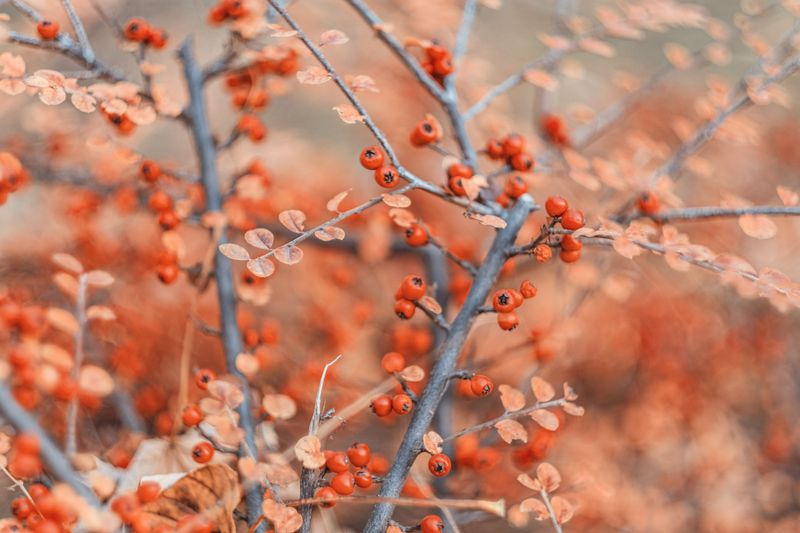
Vases of bright berry-laden branches cut from nearby wetlands have long brightened Virginia front porches during the holidays. Those branches come from winterberry, a holly that drops its leaves in fall.
Once the leaves are gone, the bare stems stay packed with scarlet berries. The effect looks like someone carefully strung holiday lights across the whole shrub.
Unlike the prickly holly many people know, winterberry has soft, spineless leaves. It grows six to ten feet tall in wet woods and along slow streams across Virginia.
Here is the one tricky part, so pay close attention before buying. You need a male plant nearby, or the female shrubs will not make berries.
One male can pollinate about five to ten females if planted within fifty feet. Nurseries usually label them, and bloom times of both partners must match.
Jim Dandy pairs with the compact Red Sprite, while Southern Gentleman pairs with taller Winter Red. Berries tend to last until hungry robins and bluebirds find them in late winter.
Plant winterberry in full sun to part shade with moist, slightly acidic soil. It loves soggy spots where many other shrubs would sulk and struggle.
Cutting a few branches for indoor arrangements does not harm the plant. The stems stay pretty in a dry vase for many weeks without dropping fruit.
Red berries on bare branches against fresh snow make a striking winter sight in a Virginia yard. With a male nearby, it delivers that old-fashioned holiday feeling yearly.
4. Highbush Blueberry With Its Fiery Foliage
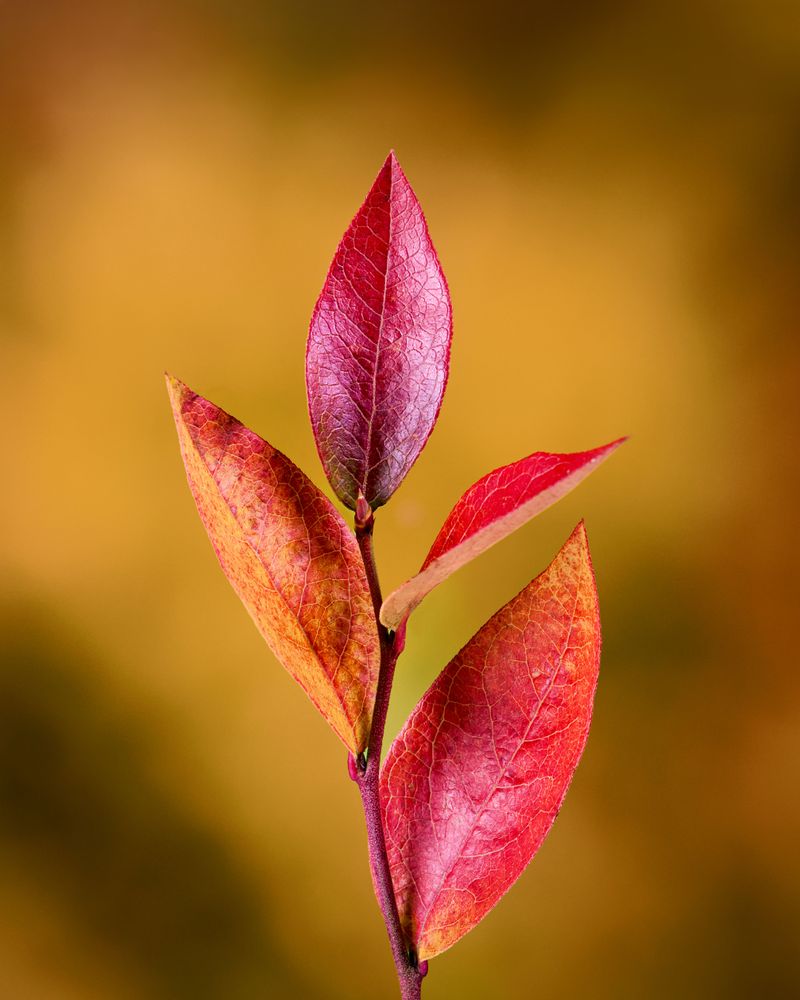
Many gardeners grow blueberries for the pies and overlook their striking fall color. Its leaves shift into bright shades of scarlet, orange, and deep burgundy in fall.
Highbush blueberry grows wild in Virginia bogs, mountain slopes, and sandy coastal woods. It usually reaches six to eight feet tall with a rounded, upright shape.
Spring brings dangling white bells that look like tiny paper lanterns. Bumblebees shake the pollen loose by vibrating their flight muscles, a trick called buzz pollination.
By midsummer, you can pick sweet berries straight off the branch for breakfast. Then cool nights arrive, and the color change comes fast.
Soil is the secret to happy blueberries, and they need it quite acidic. Aim for a pH around 4.5 to 5.5, which a cheap soil test can check.
Mixing pine bark or peat into the planting hole helps a lot in Virginia clay. A layer of pine needle mulch keeps roots cool and moist during hot summers.
Plant at least two different varieties so they can cross-pollinate and give bigger harvests. Bluecrop, Duke, and Jersey are popular picks; check local extension advice too.
Full sun delivers the best berries and the brightest leaf color. Shady spots will still grow a nice plant, but the show will be milder.
Birds will race you for the fruit, so toss a light net over the bushes in June. Leave some for them, though, since catbirds and robins deserve a snack too.
5. Red Chokeberry With Its Glossy Crimson Clusters
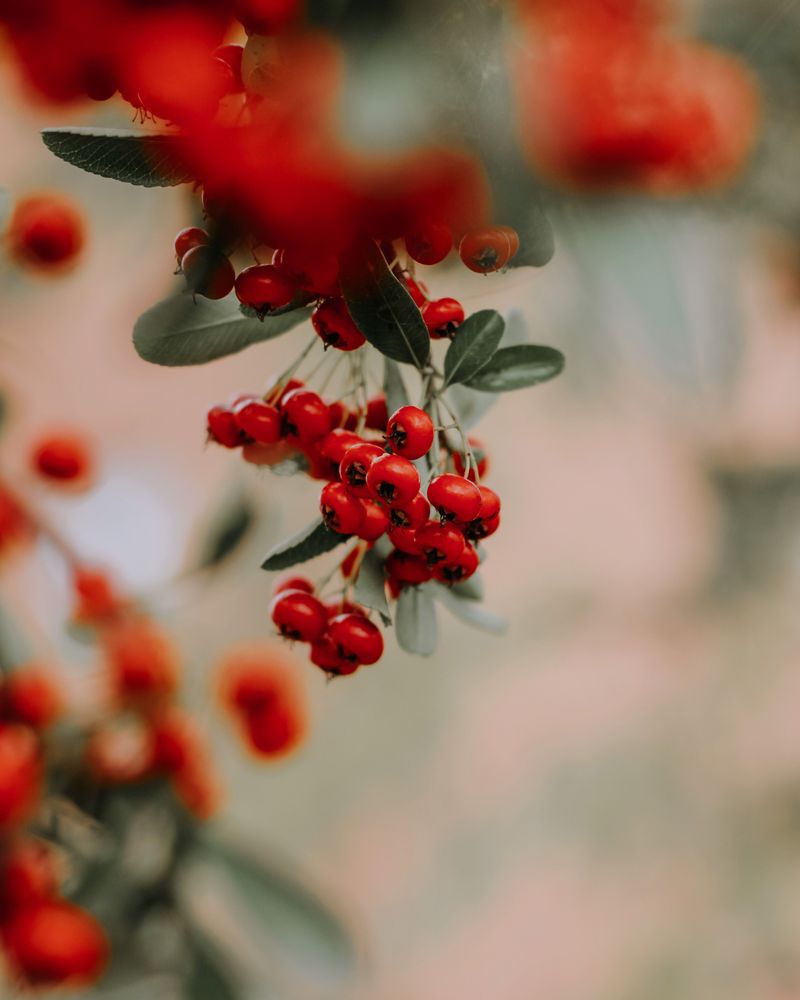
Nobody picked the name chokeberry for its charm, and that is a little unfair. The name actually comes from the berries’ sharp, astringent taste, which can make your whole mouth pucker.
Behind the silly name hides one of the brightest fall shrubs in the Mid-Atlantic. Its glossy leaves turn cherry red, sometimes with streaks of orange and purple.
Clusters of shiny red berries hang on well into winter. Because they taste so tart, birds leave them until late in the season when food runs low.
That delay is a gift, since the fruit keeps your yard colorful for months. It also feeds hungry cedar waxwings when little else is left.
Red chokeberry grows six to ten feet tall and spreads by suckers into loose thickets. If you want a tidier plant, just pull or clip the extra shoots each spring.
The shrub adapts easily to wet or dry soil and to sun or part shade. It handles moderate road salt, making it useful near driveways and sidewalks.
For the best berries and leaf color, give it at least six hours of sun. Brilliantissima is a popular variety known for extra bright fall foliage.
White flowers show up in May, looking like mini apple blossoms. Pollinators such as small native bees visit them eagerly on warm spring days.
Its cousin, black chokeberry, makes berries packed with antioxidants that people bake into muffins. The red kind is edible but tart, so birds get first dibs.
6. Spicebush With Its Buttery Gold Glow
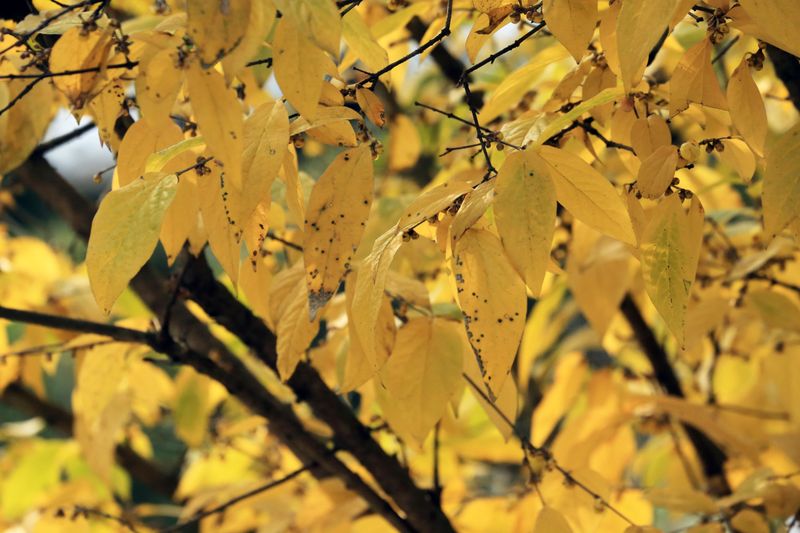
Crush a spicebush leaf between your fingers and a lemony, peppery scent jumps out. That smell has long made the shrub a familiar woodland favorite in Virginia.
Early settlers brewed the twigs into tea and dried the berries as an allspice substitute. Some foragers still grind the fruit today to flavor cookies and pumpkin bread.
In autumn, the oval leaves turn a soft, buttery yellow that lights up shady woods. Walking past a big clump feels like stepping into warm late afternoon sunshine.
Female plants also carry glossy red berries that look like tiny shiny jellybeans. Migrating thrushes and vireos gobble them to fuel their long trip south.
Butterfly fans love it as a host plant for the spicebush swallowtail. Its caterpillars look like little green snakes with big fake eyespots.
Spicebush grows six to twelve feet tall and handles deep shade better than most flowering shrubs. It prefers moist, rich soil, like the kind found near creeks.
Plant a few together to make sure you get both male and female plants. Only females make berries, but they need males for pollination in spring.
Speaking of spring, tiny yellow flowers cover the bare branches in March before most plants wake up. They give early bees a much-needed snack after winter.
Pests mostly leave it alone, and deer usually skip it because of that spicy smell. Tuck one in a shady corner and enjoy a year full of quiet surprises.
7. Witch Hazel With Its Spidery Fall Flowers
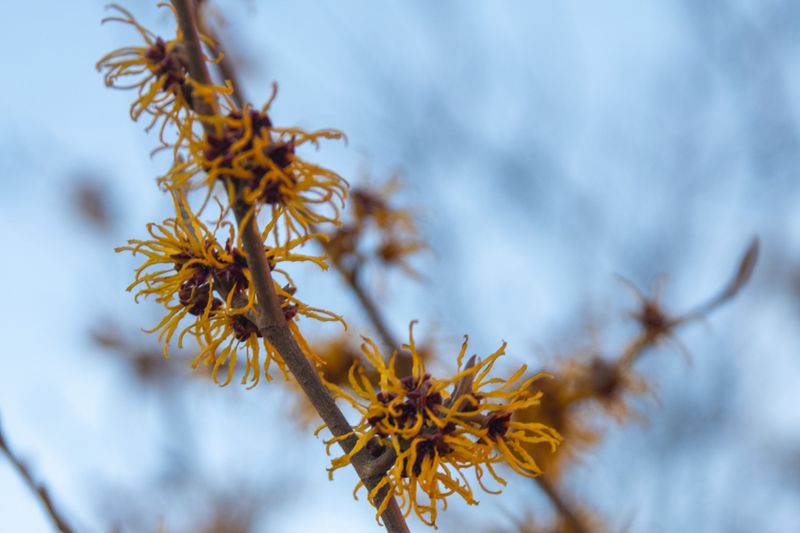
Right when most plants are shutting down for the year, witch hazel decides to bloom. Its spidery yellow flowers open in October and November, often as leaves fall.
Each flower has four ribbon-like petals that curl and uncurl with the temperature. On cold nights they roll up tight, then unfurl again when the sun warms them.
The leaves turn golden yellow at the same time, so the shrub glows twice. It looks a bit like a shrub tied up in curly yellow ribbons.
Virginia even lent its name to the species, Hamamelis virginiana. It grows wild in forests from the mountains to the coastal plain.
Old-time water diviners used forked witch hazel sticks to hunt for underground springs. The name, though, likely comes from Old English “wice,” meaning pliant or bendable.
You may also know the name from the bottle in your medicine cabinet. That skin toner comes from bark and twigs of this very shrub.
The seed pods have a wild trick of their own. When ripe, they snap open and fling seeds up to thirty feet away.
Witch hazel grows fifteen to twenty feet tall, so give it room near a woodland edge. It handles sun or part shade and prefers moist, well-drained soil.
Late-flying moths are the main pollinators, since few bees are out in chilly weather. Planting one gives these night visitors a rare treat before winter settles in.
Pruning needs are small; just remove crossed branches in late winter. Patience pays off, because older plants bloom more heavily each year.
8. Arrowwood Viburnum With Its Blue Berries
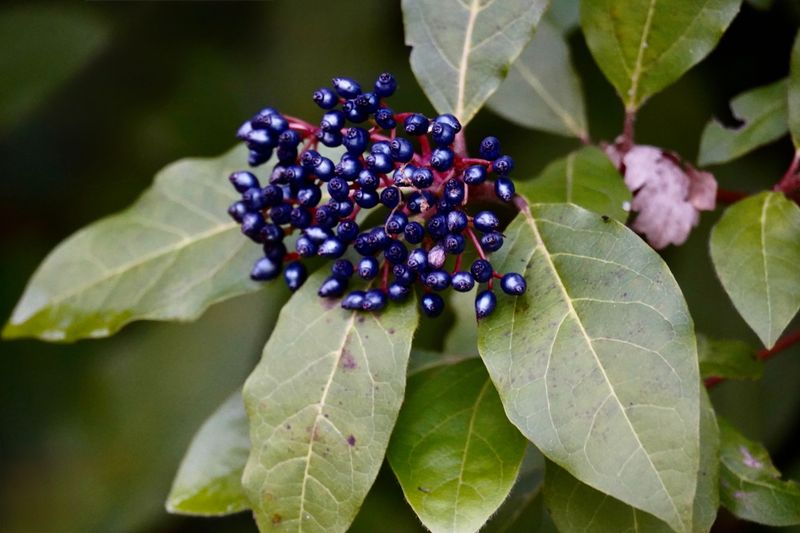
Native Americans once shaped arrow shafts from the straight, sturdy stems of the shrub. That handy history gave arrowwood viburnum its name, and the plant still earns its keep.
Come fall, the toothed leaves turn a mix of red, orange, yellow, and deep purple. No two shrubs look quite the same, which keeps things interesting.
Clusters of blue-black berries ripen in September, sparkling against the colorful foliage. Bluebirds, robins, and flickers show up in crowds to feast on them.
Flat clusters of creamy white flowers appear in late spring. They attract a busy mix of bees, beetles, and butterflies that help your whole garden.
Arrowwood is one of the toughest shrubs you can grow in Virginia. It handles clay, sand, wet feet, dry spells, sun, and part shade without complaint.
Most plants reach six to ten feet tall and wide, forming a dense, rounded mound. That thick shape makes a great living screen or privacy hedge.
Plant two or more different types to get heavier berry crops through cross-pollination. Blue Muffin is a compact choice, while Chicago Lustre offers shiny leaves.
Watch for the viburnum leaf beetle, a spreading pest that favors arrowwood leaves. Checking twigs for egg sites in winter and pruning them off helps a lot.
Give new plants a deep drink weekly during their first summer in the ground. After that, arrowwood mostly takes care of itself for decades.
Wildlife experts rank it among the best native shrubs for supporting local caterpillars and songbirds. Plant one, and your fall yard will buzz with color and life.