8 Things Virginia Gardeners Should Do This Weekend Now That the Drought Rain Has Arrived
Tree roots keep quietly growing underground in autumn, long after the leaves above them start turning gold and red. That hidden growth stalls in parched soil, which is why this rain matters more than most people realize.
Our Virginia yards spent weeks under drought watch advisories, with lawns crunching and hydrangeas sulking by noon. Now the soil finally gives under a trowel, and earthworms have returned to the surface after every shower.
I have to admit, I hauled watering cans around for so long that my shoulders still complain. You probably did the same thing, and you deserve a garden that finally rewards that stubborn summer effort.
Damp soil and cool air create a short window that slams shut once the first hard freeze arrives. So which weekend jobs will give your Virginia garden the biggest head start before winter settles in?
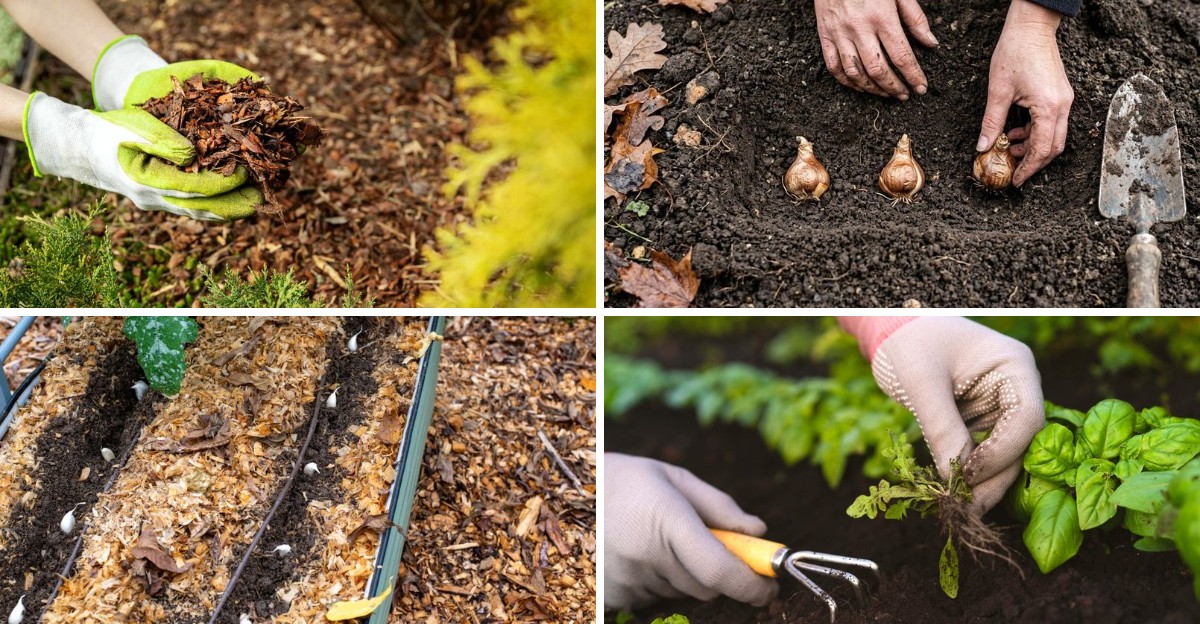
1. Spread Fresh Mulch Around Thirsty Shrubs And Perennials
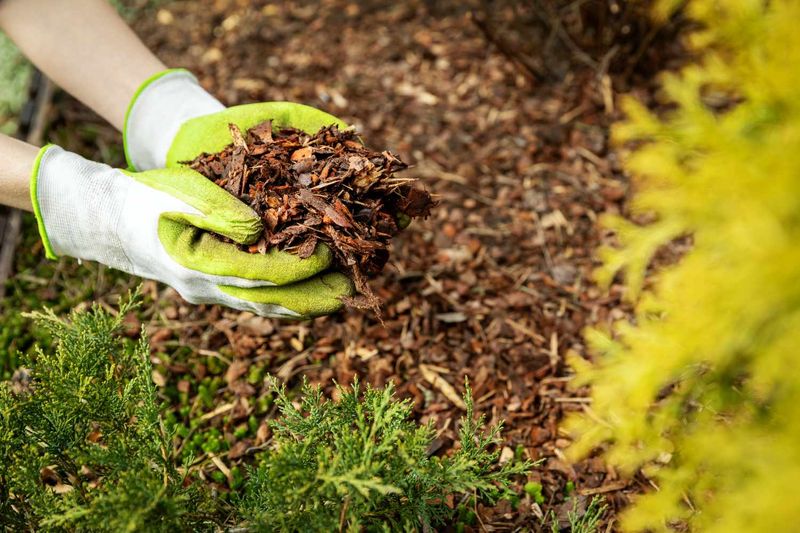
Mulch acts like a lid on a soup pot, trapping all that fresh rain right where roots can reach it. I love the earthy smell of shredded bark on a damp morning, and my plants seem to love it too.
Timing matters here, because spreading mulch over dry ground can actually block light showers from soaking in. Now that the soil is moist several inches down, a fresh layer will hold that moisture much longer.
Extension specialists generally recommend a layer about two to three inches deep for most shrub and perennial beds. Going thicker can smother roots and keep them from getting the oxygen they need through the cold months.
Please skip the mulch volcano, that tall cone of bark piled against tree trunks in so many parking lots. Bark that stays wet invites rot and rodents, so pull mulch back a few inches from every stem.
Pine straw and shredded hardwood both work well, and they slowly add organic matter as they break down. I also run the mower over fallen leaves, which turns free yard waste into a fluffy, useful mulch.
Mulch also evens out soil temperature, which helps protect shallow roots when freezes and thaws swing back and forth. That heaving can push newly planted perennials right up out of the ground by late winter.
Weeds sprouting after the rain will also struggle to push through a good layer of fresh mulch. If you ask me, that alone makes this an easy first job for your weekend list.
2. Tuck Daffodil And Tulip Bulbs Into Softened Soil
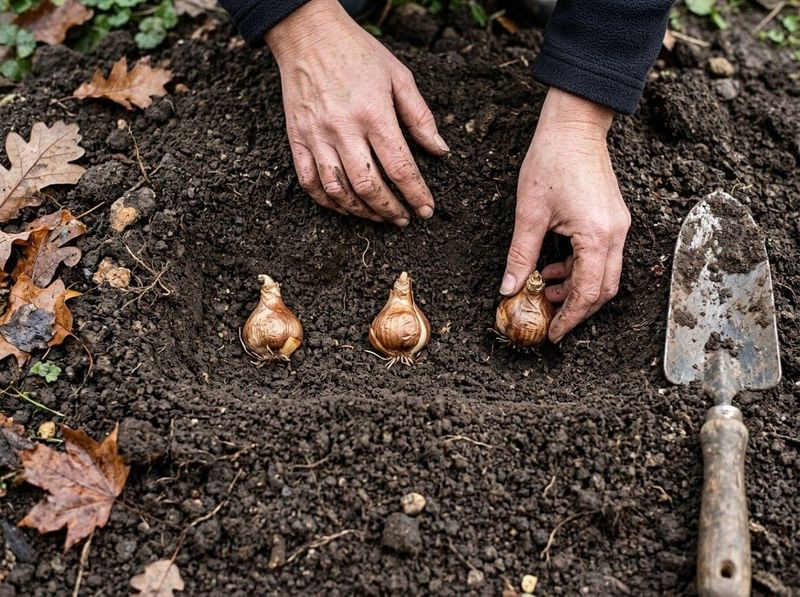
Daffodil bulbs contain a bitter compound called lycorine, which is why deer and voles usually leave them alone. I learned that lesson after squirrels dug up every tulip I planted along my front walk one year.
Bulbs want cool soil before they settle in, ideally below about sixty degrees at planting depth. In most of the state, that means October and November are prime time for getting them underground.
Hard, dusty ground made digging miserable a few weeks ago, but rain-softened soil lets a trowel slide right in. Just avoid working beds that are soggy, since squeezing wet clay can ruin its structure for months.
A handy rule says to plant bulbs about two to three times as deep as the bulb is tall. For big daffodils and tulips, that usually works out to roughly six to eight inches down.
Point the tip upward and the flat root plate downward, though most bulbs will figure it out anyway. Planting in clusters of a dozen or more gives a bolder splash of color than single rows.
Good drainage matters a lot, because bulbs sitting in waterlogged clay can rot before spring arrives. Mixing compost into heavy soil helps excess water drain away while still holding enough moisture for roots.
Water the bed once after planting if the soil feels dry, then cover it with light mulch. Come March, you will thank yourself every time those cheerful yellow trumpets nod brightly beside the mailbox.
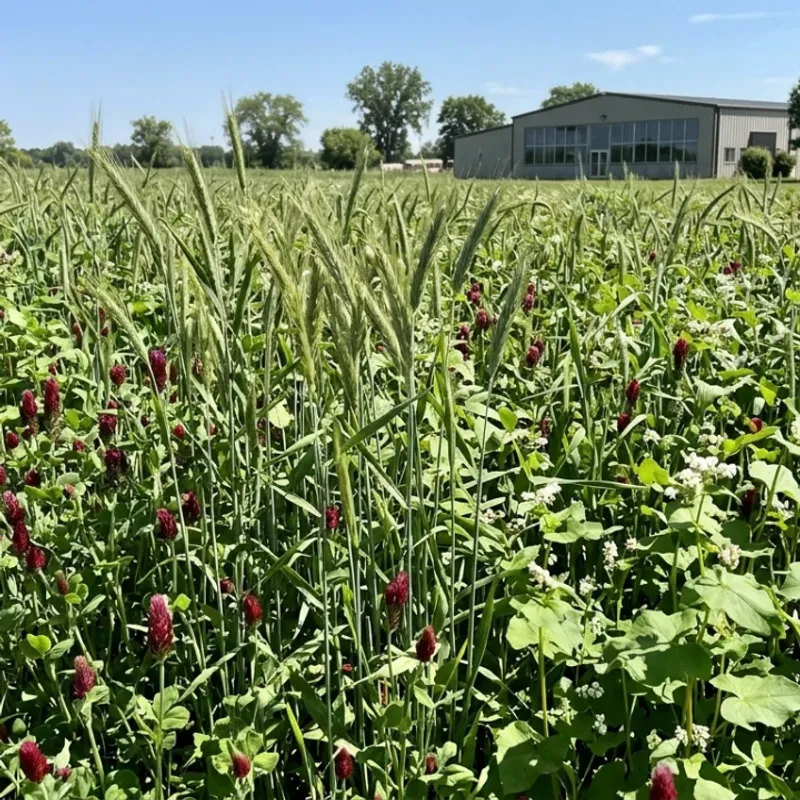
3. Sow Crimson Clover And Cereal Rye In Empty Vegetable Beds
Bare soil left alone all winter is a bit like an open bag of flour on a windy porch. Rain and wind carry the best topsoil away, and a cover crop holds it firmly in place.
Crimson clover is my favorite choice, partly because its strawberry-shaped red blooms look gorgeous each spring. As a legume, it partners with soil bacteria to pull nitrogen from the air into the ground.
Cereal rye is the tough one, sprouting in chilly weather and sending down a dense mat of roots. Those roots grab leftover nitrogen that winter rain would otherwise wash out of your vegetable beds.
Clover needed an earlier start, so this late in the season, stick with cereal rye. It is more forgiving and can still establish when seeded into late November across much of Virginia.
After a light raking, scatter the seed and rake again so it sits barely under the surface. The moist ground from this week’s rain gives those seeds the quick start they badly need.
Mixing rye with crimson clover works nicely, since the rye offers sturdy support while the clover adds nitrogen. Plenty of farmers in the region use that same pairing in their big fields each fall.
Cut the cover crop down a few weeks before spring planting, especially rye, which can slow seed germination. My garden taught me that waiting too long turns that tidy green carpet into a stubborn, waist-high jungle.
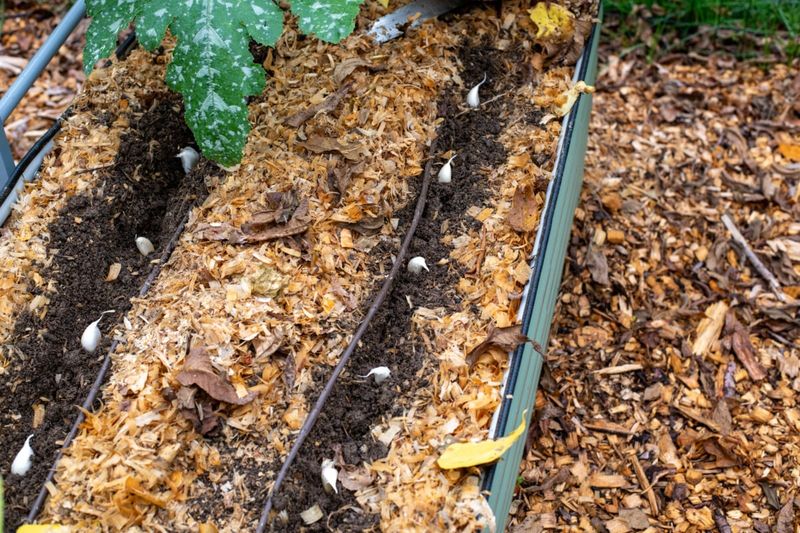
4. Plant Garlic Cloves In Rain-Softened Garden Beds
Every garlic clove you plant this fall can turn into a whole new bulb by early summer. That kind of math makes me grin every time I break apart a fresh head at the kitchen counter.
Garlic needs a long cool period to form those plump bulbs, so autumn planting works far better than spring. Across Virginia, gardeners usually plant from mid October through November, a few weeks before the ground freezes.
Buy seed garlic from a garden center or seed company instead of using grocery store bulbs. Store garlic is sometimes treated to stop sprouting, and it may not suit our local climate well.
Softneck types often handle warmer areas nicely, while hardneck varieties tend to thrive in colder mountain regions. Hardnecks also send up curly scapes in late spring, which taste wonderful tossed into a hot skillet.
Separate the cloves right before planting and push each one about two inches deep with the pointy end up. Space them roughly four to six inches apart in rows, giving every bulb room to swell.
Garlic dislikes soggy feet, so choose a sunny bed with loose soil that drains well after storms. Working in compost before planting helps heavy clay behave a lot more like crumbly chocolate cake.
Finish with a few inches of straw or shredded leaves to protect the cloves through winter cold. Don’t panic if green shoots poke through before January, since garlic handles that early growth surprisingly well.
5. Give Hollies And Young Evergreens A Deep Drink
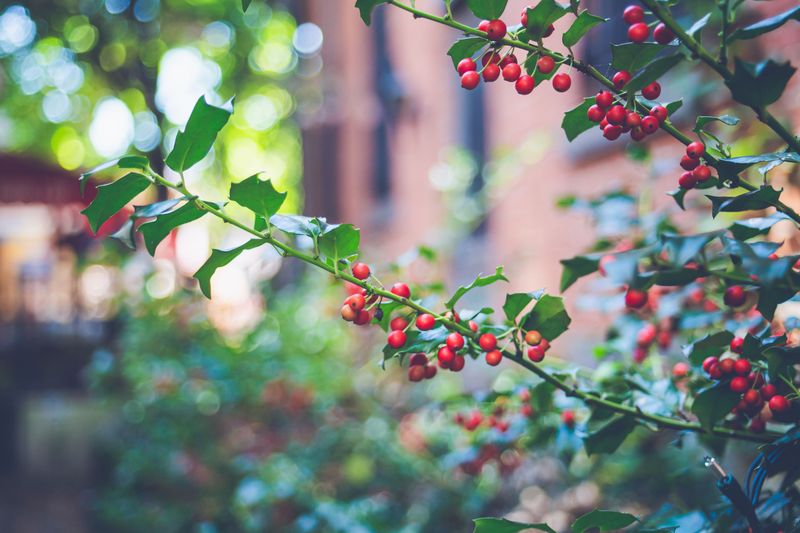
Evergreen leaves keep losing water on sunny winter days, even when frozen roots cannot replace a single drop. That mismatch causes winter burn, those crispy brown edges that show up on hollies and boxwoods by March.
One soaking rain helps, but a long drought can leave soil dry deep below where showers usually reach. Grab a trowel and dig down six inches near the drip line to check what is really happening.
If that soil feels dry or crumbly, it is time to give your evergreens a long, slow drink. A soaker hose or a gently trickling garden hose works far better than a quick spray.
Newly planted evergreens need the most attention, since their small root balls dry out much faster than established roots. Anything that went into the ground within the last year or two belongs at the top of your list.
Keep watering every week or two through late fall whenever rain falls short and the ground stays unfrozen. During winter warm spells above about forty degrees, a midday watering can still help thirsty plants.
Don’t make my mistake of assuming a drought-stressed holly bounced right back after just one stormy weekend. Mine looked fine in November, then turned bronze and patchy by the very end of February that year.
Rhododendrons and southern magnolias also appreciate this extra care, especially in spots exposed to harsh winter wind. A burlap screen on the windy side can cut drying gusts without trapping the plant inside a bag.
6. Map Out Thin Fescue Patches for Next Fall’s Overseeding
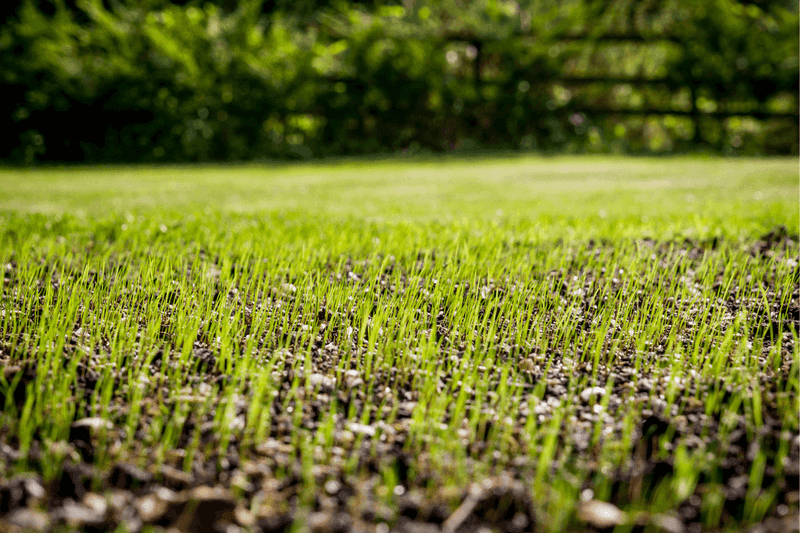
Bare patches in a fescue lawn are basically open invitations for crabgrass and other weeds next spring. After this summer, my backyard looked like a worn doormat, so the rain sent me straight to the seed aisle.
Tall fescue is the go-to cool-season grass for much of the state, and fall is its best season. Warm soil speeds germination, while cooler air helps the young blades grow strong without heavy weed competition.
Virginia Tech turf experts point to early September through mid October as the ideal seeding window. This late in the year, mark thin spots now and plan to overseed next September instead.
Seed needs good contact with soil, so rake or core aerate thin spots before you spread anything. Freshly softened ground makes that job much easier than it was during those brick-hard August weeks.
Spread seed at the rate listed on the bag, then lightly rake it so the seed barely disappears. A starter fertilizer or a soil test recommendation can give the new grass a healthy boost.
Newly seeded areas need to stay damp, which usually means light watering once or twice daily at first. As the seedlings grow taller, switch to deeper watering less often to encourage stronger, deeper roots.
Keep foot traffic and pets off the new grass until you have mowed it two or three times. Patience now pays off when your neighbors start asking how your lawn looks so lush next May.
7. Plant A Native Redbud Or Serviceberry Tree
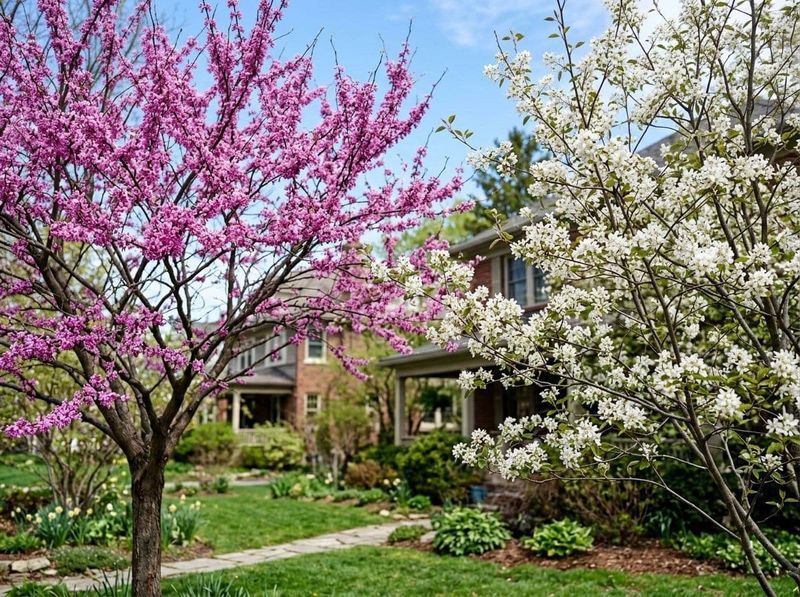
Fall planting gives a young tree months to grow roots before it has to support a single summer leaf. With the soil freshly moistened, this might be the easiest digging weekend you get all year.
Eastern redbud, known as Cercis canadensis, lights up early spring with tiny pinkish purple flowers along bare branches. It is native across the region and usually tops out around twenty to thirty feet.
Serviceberry, from the Amelanchier genus, offers white spring blossoms followed by small berries that birds devour in June. I usually lose the race to the catbirds, but watching them feast is honestly half the fun.
Dig the hole two to three times wider than the root ball but no deeper than it is tall. The root flare, where the trunk widens at the base, should sit right at or slightly above ground level.
Gently loosen any circling roots and backfill with the native soil you removed instead of rich bagged mix. Roots that grow into fancy amended holes sometimes refuse to venture out into the surrounding clay.
Water the new tree deeply right after planting, even though the ground already feels pleasantly damp. That soaking settles the soil around the roots and removes air pockets that can dry them out.
Many local garden centers run end-of-season sales now, which makes native trees a friendlier buy for your budget. Keep checking soil moisture through winter, since one good rain will not carry a newcomer to spring.
8. Pull Weeds And Bag Diseased Tomato Leaves
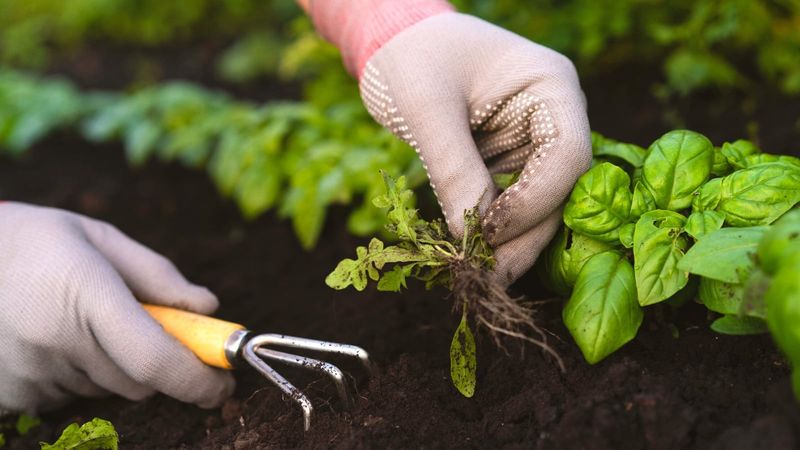
Weeds that clung stubbornly to concrete-hard soil all summer now slide out of damp ground with almost no effort. I spent one happy hour yanking crabgrass last Saturday and felt like a garden superhero by lunch.
Getting roots out matters, because many perennial weeds regrow from even very small root pieces left behind. Pulling them before they drop seeds also saves you from a much bigger headache next season.
Henbit and chickweed often sprout in cool fall weather, so catching them small is a smart move. A sharp hoe slices through tiny seedlings quickly when the top inch of soil is still moist.
Next, turn your attention to the tomato patch, where spotted yellow leaves may still cling to old vines. Diseases like early blight and Septoria leaf spot can survive the winter on that leftover plant debris.
Bag those infected vines up for the trash instead of tossing them on a backyard compost pile. Home compost piles rarely get hot enough to reliably eliminate those stubborn fungal spores before spring.
Healthy flower stems are a different story, and I leave many standing on purpose for the wildlife. Hollow stems shelter native bees through the cold months, while seed heads feed goldfinches and other birds.
Now that I think about it, this mix of tidying and leaving some mess suits most Virginia gardens nicely. Clean beds now mean fewer problems in spring, and you will start the new season ahead of schedule.