The Whistled Song Heard in New York Yards Is Likely a White-Throated Sparrow
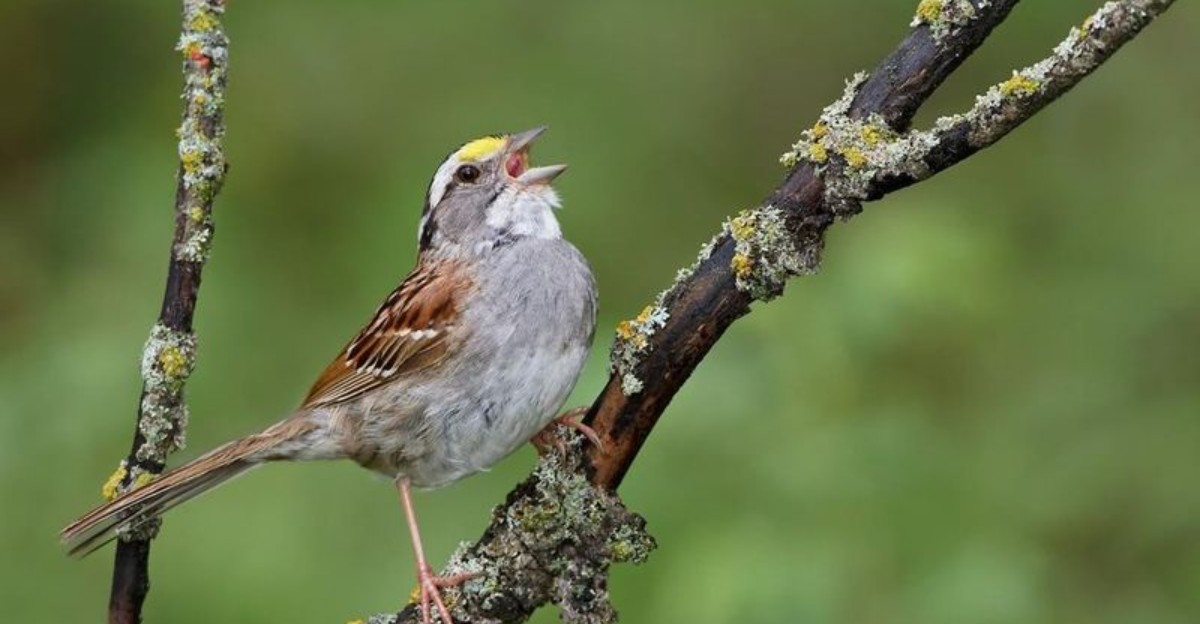
A small brown bird in your yard may be singing a tune that changed across a whole continent in about twenty years. Scientists tracked it moving east from British Columbia, one backyard at a time.
I used to think birdsong was fixed, like a recording. I learned the hard way that birds pick up new versions from each other, a bit like catchy songs on the radio.
The sound itself is pure and slow, a few clear notes followed by a wavering run that seems to drift off. Many New York gardeners hear it in fall, winter, and early spring, often from under shrubs or leaf piles.
The singer stays hidden in the hedge, yet its song has quietly changed across a whole continent. Who is it?
That Clear Whistle From Under Your Shrubs Has a Familiar Singer
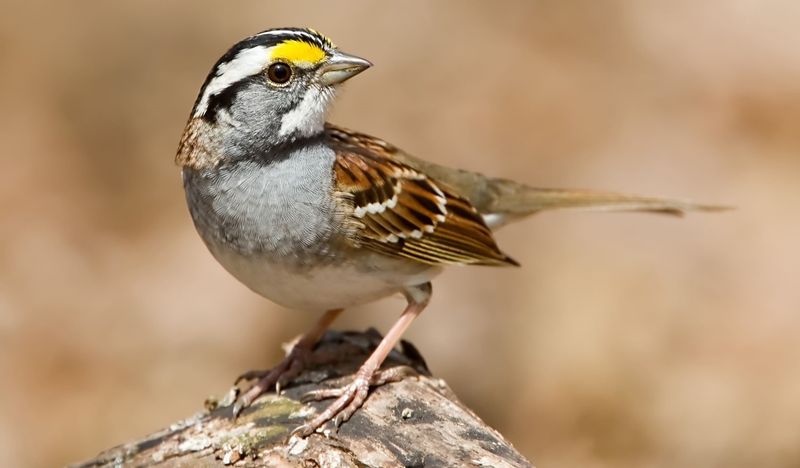
Most of the time, the slow whistle drifting from your hedge belongs to a white-throated sparrow. The song starts with one or two long, pure notes, then breaks into a string of quick, wavering triplets.
Birders have turned it into easy phrases. Some hear Old Sam Peabody, Peabody, Peabody. Others hear Oh sweet Canada, Canada, Canada, which fits because many of these birds nest in Canadian forests.
The tone is what gives it away. It sounds almost like a person whistling for a dog, only sweeter and a little sad. Few other backyard birds in New York make such a clean, steady pitch.
Of course, you should keep a couple of look-alike sounds in mind. Black-capped chickadees whistle a two-note fee-bee that is shorter and simpler. Northern cardinals also whistle, but their notes slur up and down in loud, repeated bursts.
If the song has long opening notes and a fading series at the end, you have a strong match. Free apps like Merlin from the Cornell Lab of Ornithology can confirm it. Hold your phone toward the sound, and the app will often name the singer within seconds.
A Bright White Throat and Yellow Eyebrow Spots Make It Easy to Confirm
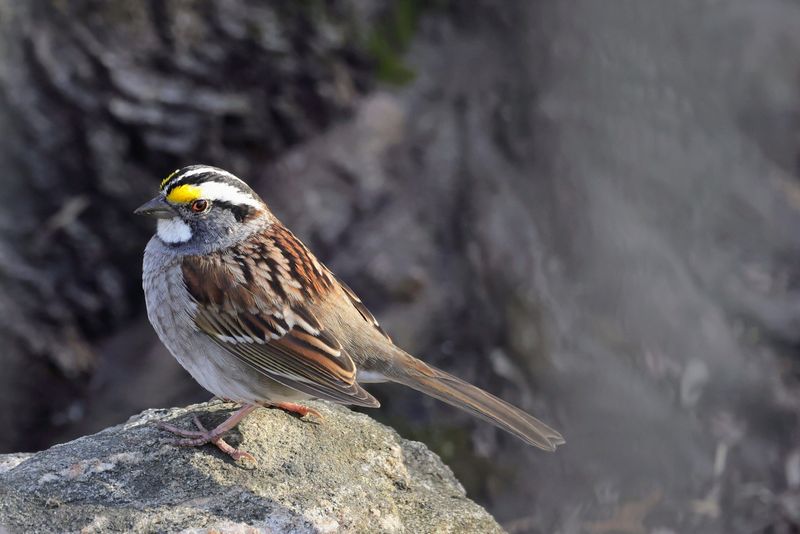
Once you know where to look, this sparrow is one of the easiest brown birds to name. Start with the throat, which shows a neat white patch outlined by a gray chest.
Next, check the face. A small yellow spot sits between the eye and the bill, an area birders call the lores. The head has bold stripes running from front to back.
Here comes the twist. White-throated sparrows come in two forms. White-striped birds have crisp black and white head stripes, while tan-striped birds wear softer buff and brown stripes.
Both forms belong to the same species, so you have not found two different birds. In fact, the two forms usually pair up with the opposite type when they mate, which scientists find fascinating.
Size helps too. These sparrows measure about 6 to 7.5 inches long, which makes them plump compared with many small sparrows. They also carry a fairly long tail.
For a quick test, grab binoculars and watch the ground near your feeder. If you see a chunky sparrow with a white chin and a dab of yellow near the eye, you can feel confident about your ID.
These Sparrows Show Up in New York Yards When the Leaves Start Falling
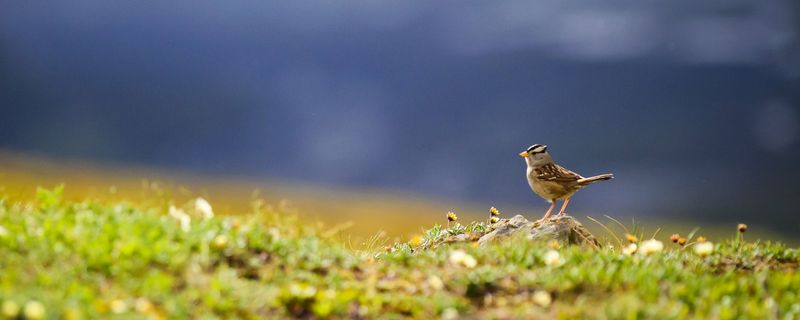
Timing is a big clue. In New York City, white-throated sparrows usually arrive in large numbers around mid-October, according to the NYC Bird Alliance.
Many of them spend the whole winter here. They tend to stay until spring migration carries them north again, often in April and May. That long visit gives you months to enjoy them.
Across the state, the picture shifts a bit. Some white-throated sparrows nest in New York, especially in cooler, forested places like the Adirondacks and Catskills. In those areas you might hear them singing in summer too.
Downstate yards and city parks mostly host winter visitors. Western and central regions see plenty passing through in fall and spring, with some staying where food and cover are good.
Many people notice the song most in early spring. Males sing more as breeding season nears, so March and April mornings can be full of whistles.
Keep a simple notebook or phone note of the first date you hear the song each fall. After a few years, you will have your own local record of when these sparrows return.
A Wobbly, Off-Key Sparrow Song Usually Comes From a Young Bird
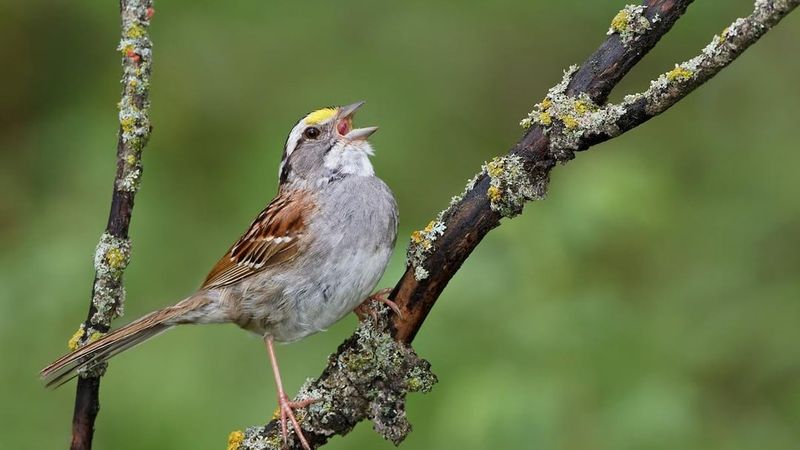
Ever heard the song sound shaky, like a kid learning recorder? You are probably listening to a young sparrow practicing.
Birds hatched over the summer do not sing perfectly right away. During fall and winter, they try out notes, crack on the high parts, and sometimes stop midway through.
Honestly, it is one of my favorite things to hear in November. The rough versions remind me that these little birds are still learning, just like us in the garden.
By the next breeding season, most of them sound polished. Singing well matters because males use song to claim territory and attract mates.
Adults sometimes sing in fall too, though less often than in spring. Shorter days and changing hormones can trigger a few songs before winter sets in.
So if you hear only half a tune, do not worry that you misidentified the bird. Listen for that pure whistle quality. A sparrow that sings two clear notes and then trails off may be a young bird still practicing.
Try recording these practice songs on your phone over several weeks. You may catch the improvement as the season moves along, which makes a fun project for kids.
Some White-Throated Sparrows Are Whistling a Brand New Ending
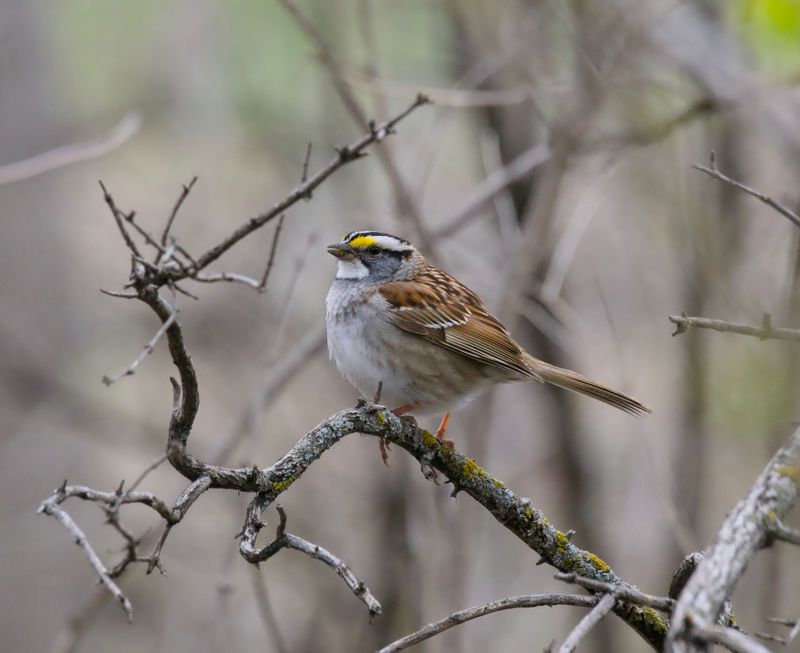
Bird songs can actually go viral. A 2020 study in the journal Current Biology showed that white-throated sparrows across much of North America changed their song in about two decades.
The classic version ends in three-note triplets. The newer version ends in two-note doublets, which some people hear as Oh my sweet Cana, Cana, Canada
Researchers traced the doublet ending to western Canada, around British Columbia. From there, it spread east across the continent at a surprising pace.
How does a song travel so far? Scientists think young males pick it up on shared wintering grounds, where birds from different regions mix together. They then carry the new tune back to their own breeding areas.
As of the latest research, the doublet ending had reached as far east as Ontario and Quebec. Whether it has fully taken over in New York is still uncertain, so careful listening matters.
Next time a sparrow sings near you, count the notes at the end. Three per group points to the older song, while two suggests the newer one. You can share recordings on platforms like eBird to help track the change.
Watch for That Sparrow Kicking Through Dry Leaves Beneath Your Feeder
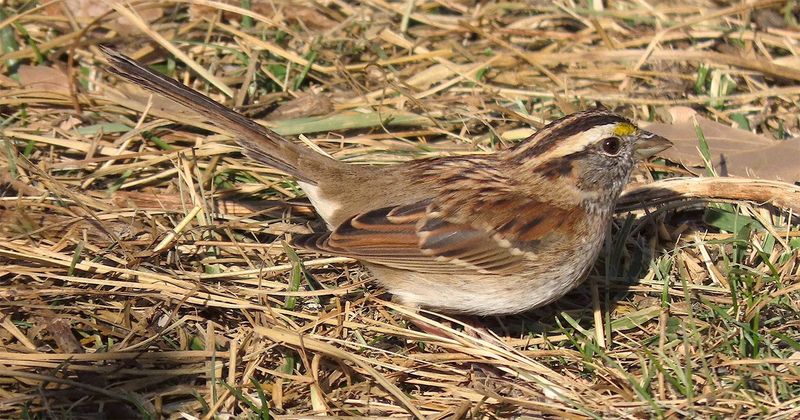
Rustling under the shrubs might sound like a squirrel, but it is often a sparrow at work. White-throated sparrows forage mostly on the ground.
They use a neat move called the double-scratch. The bird hops forward and kicks back with both feet at once, flipping leaves to find seeds and bugs hiding underneath.
In winter, their menu leans on seeds, small fruits, and grass seeds. During breeding season, they eat many more insects, including ants, beetles, and caterpillars.
Because they feed low, they rarely cling to hanging feeders. Instead, they grab spilled seed or visit platform feeders set close to the ground. White proso millet and black oil sunflower seeds are reliable choices.
These sparrows also gather in loose flocks during winter. Several birds feeding together means more eyes watching for hawks and outdoor cats.
You will often see them dart back into thick bushes when startled. That quick retreat is a good reminder that cover matters as much as food. Place feeders within a short hop of dense shrubs, but not so close that predators can ambush birds from hiding.
Native Shrubs and a Leafy Brush Pile Can Keep These Singers Around All Winter
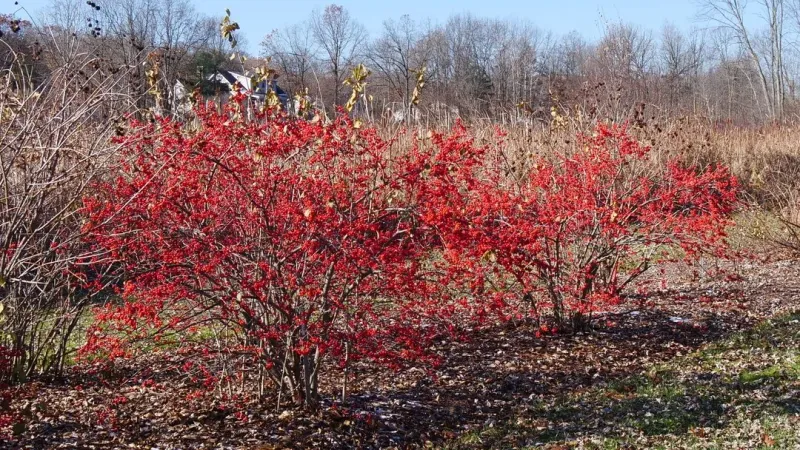
Call me lazy, but leaving some leaves on the ground is one of my best bird tricks. White-throated sparrows love that messy layer because it hides food all winter.
Start with fallen leaves under shrubs and in garden beds. Let them stay through cold months, and you give sparrows a pantry full of seeds and overwintering insects.
A simple brush pile helps too. Stack branches from fall pruning in a quiet corner, with bigger sticks on the bottom and smaller ones on top. Birds dash inside when hawks fly over.
Native shrubs make a strong addition. Consider winterberry holly, gray dogwood, arrowwood viburnum, or serviceberry, which offer fruit and shelter across much of New York.
Avoid planting invasive shrubs like Japanese barberry, burning bush, or bush honeysuckle. They spread into woods and crowd out native plants that support insects.
Fresh water is another bonus in freezing weather. A heated birdbath can draw sparrows even when snow covers everything.
Cutting back on pesticides also protects the insects these birds need in spring. Fall cleanup can wait until spring, when many overwintering bugs have emerged from your leaf litter.
Every White-Throated Sparrow Song You Report Helps Track a Shrinking Population
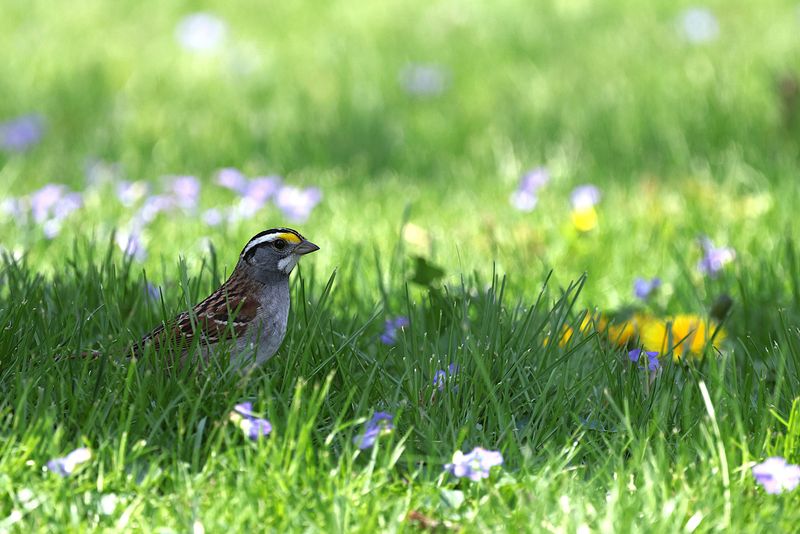
Hearing that whistle feels common, yet the species has slipped in number. The North American Breeding Bird Survey shows a long-term decline in white-throated sparrow populations.
Some studies point to sharp drops in parts of the northeast, including mountain areas where they nest. Scientists are still studying causes, which may include habitat change, window strikes, and shifting forests.
Windows are a major issue for migrating birds in cities. Decals, screens, or patterned film on large glass panes can make windows more visible to sparrows.
Keeping cats indoors also reduces risk, since ground-feeding birds are easy targets. Turning off unneeded outdoor lights during migration helps too.
You can add real value to research from your yard. Projects like eBird, Project FeederWatch, and the Great Backyard Bird Count accept sightings from everyday people.
Logging when you hear the song, and whether it ends in doublets or triplets, gives scientists useful data. Your notes become part of a much bigger picture.
So the next time that slow whistle floats from your hedge, pause and listen. Then jot it down, share it, and keep your yard a welcoming place for this cheerful little neighbor.