Think Twice Before Cutting Faded Flowers Off Georgia Roses This Fall
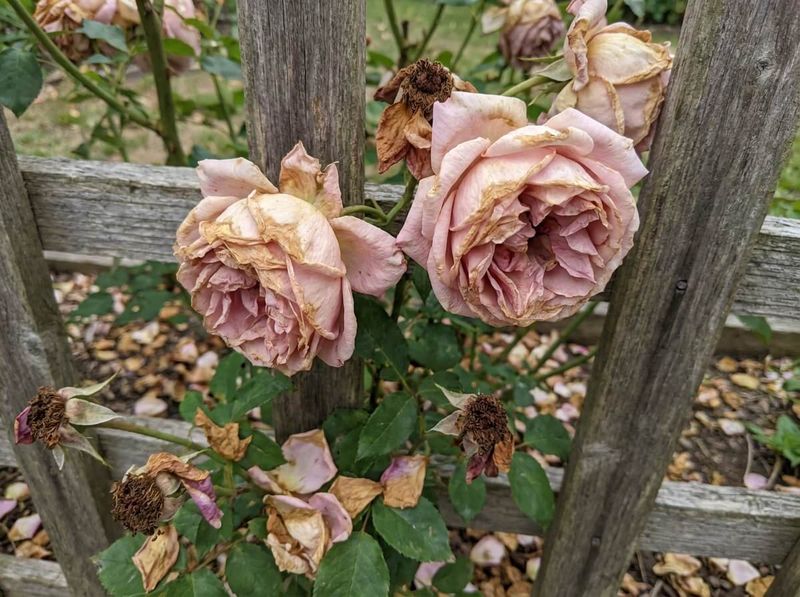
Snipping off spent rose blooms becomes such a habit by fall that most gardeners do it without thinking. Every faded flower seems like one more thing to tidy up before winter.
This late in the season, though, that familiar routine can actually work against the plant.
Removing old flowers encourages roses to push out fresh growth, which is great in May but risky in October.
Tender new shoots need time to harden off before cold weather arrives. When a frost comes early, that soft growth is often the first to suffer.
Leaving the last blooms alone can help the plant start winding down for winter on its own schedule.
Plenty of rose growers in Georgia let those final flowers fade right on the bush and enjoy what forms there afterward.
1. Leaving Spent Blooms In Place Can Be The Smarter Move Right Now
Sometimes the best garden work is no work at all. Once fall arrives, putting the pruners down for a while can actually help your roses.
Through spring and summer, deadheading makes sense because it nudges the plant to keep blooming.
Fall changes that goal. Your roses gradually need to shift away from flowering and toward getting ready for cooler weather.
Leaving faded flowers alone sends a gentle signal that the growing season is winding down.
Timing depends a lot on where you live in Georgia. Gardeners in the north Georgia mountains usually see frost weeks earlier than folks along the coast.
A common guideline from rose growers is to stop deadheading several weeks before your average first frost date.
Your local Extension office can help you find that date for your county. It is a simple check that takes the guesswork out of planning.
Not sure about a messy-looking bush near the front door? You can still remove a few unsightly blooms there if appearance matters to you.
Light tidying like that is unlikely to cause major problems, especially on tough shrub roses.
Just avoid cutting deep into the canes or doing a full trim. Small, careful choices now tend to pay off once spring returns.
2. Snipping Faded Flowers Encourages Another Round Of Tender Growth
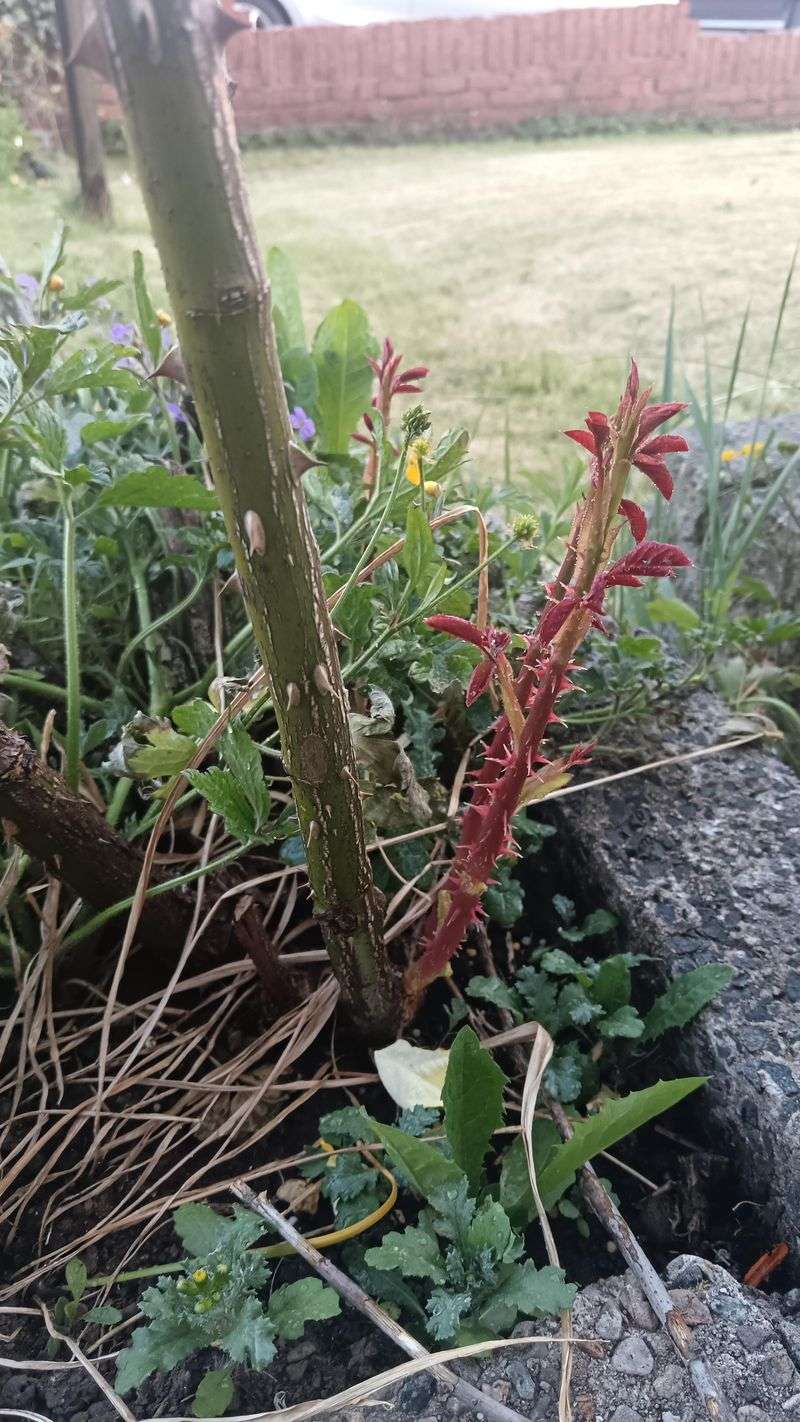
Every cut on a rose sends a message. When you remove a spent bloom, the plant often responds by pushing out new buds lower on the stem.
That reaction is exactly what you want in early summer.
In autumn, though, those fresh shoots arrive with less time to mature. New growth starts out soft, with thin stems and tender reddish leaves.
Roses use energy to build that growth, and the timing matters.
Warm spells are pretty common in Georgia during October and even November. Mild weather like that can make a freshly cut rose think it is still growing season.
So the bush may answer your snipping with a flush of green that has only a short window to firm up.
Does every cut cause trouble? Not really, since results vary by variety, plant health, and how late in the year you prune.
Your Georgia Garden Changes Every Week. Your Plan Should Too.
Gardening in Georgia changes quickly throughout the season. Every Friday you’ll receive a simple weekly plan showing exactly what to plant, prune, fertilize, harvest, and protect so you never miss the right timing.
Repeat bloomers like Knock Out roses and many hybrid teas respond quickly to cutting. Once-blooming old garden roses tend to behave differently.
A practical approach is to stop deadheading as your frost window gets closer.
If you enjoy cutting a few flowers for a vase, go ahead early in fall. Just ease off as the weeks move on and nights grow cooler.
3. Soft New Shoots Can Get Nipped By Early Frost
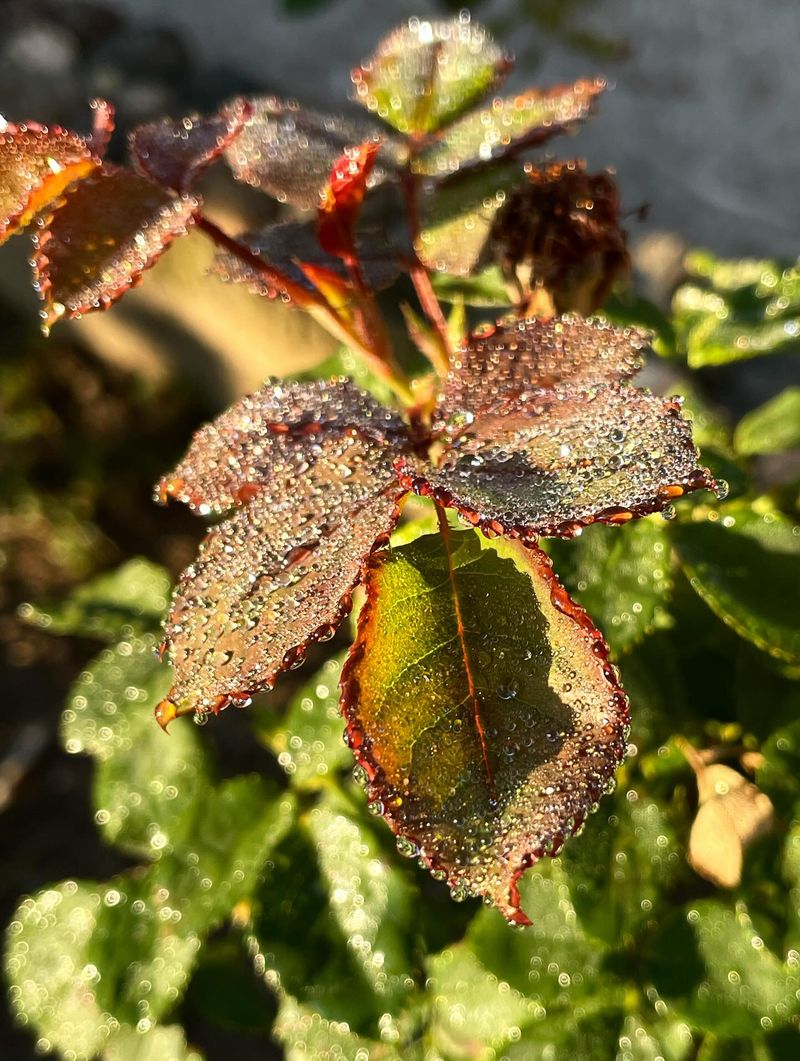
Frost does not ask whether your roses are ready. One clear, still night can coat young leaves in ice and leave them blackened by morning.
Tender shoots are the most likely to be hurt because they have not hardened yet.
Older, woody canes usually handle cold much better. Their tissue is tougher, and the plant has had time to prepare it.
Frost-bitten tips often turn dark and limp within a day or two.
In most cases, a light frost harms only the newest growth, not the whole plant. Established roses in Georgia generally recover once the weather warms again.
Still, losing that growth means the rose spent energy on shoots it could not keep.
Repeated freeze and thaw cycles can sometimes cause more cane injury, especially on less hardy varieties.
Spotted some frost-bitten tips already? Resist the urge to cut them right away.
Leaving them until late winter is the usual advice, since an early cut may invite another round of soft growth.
Low areas in your yard can be colder than higher spots nearby. Keeping an eye on those frost pockets helps you understand which roses need extra patience this season.
4. Forming Hips Helps Roses Slow Down For Winter
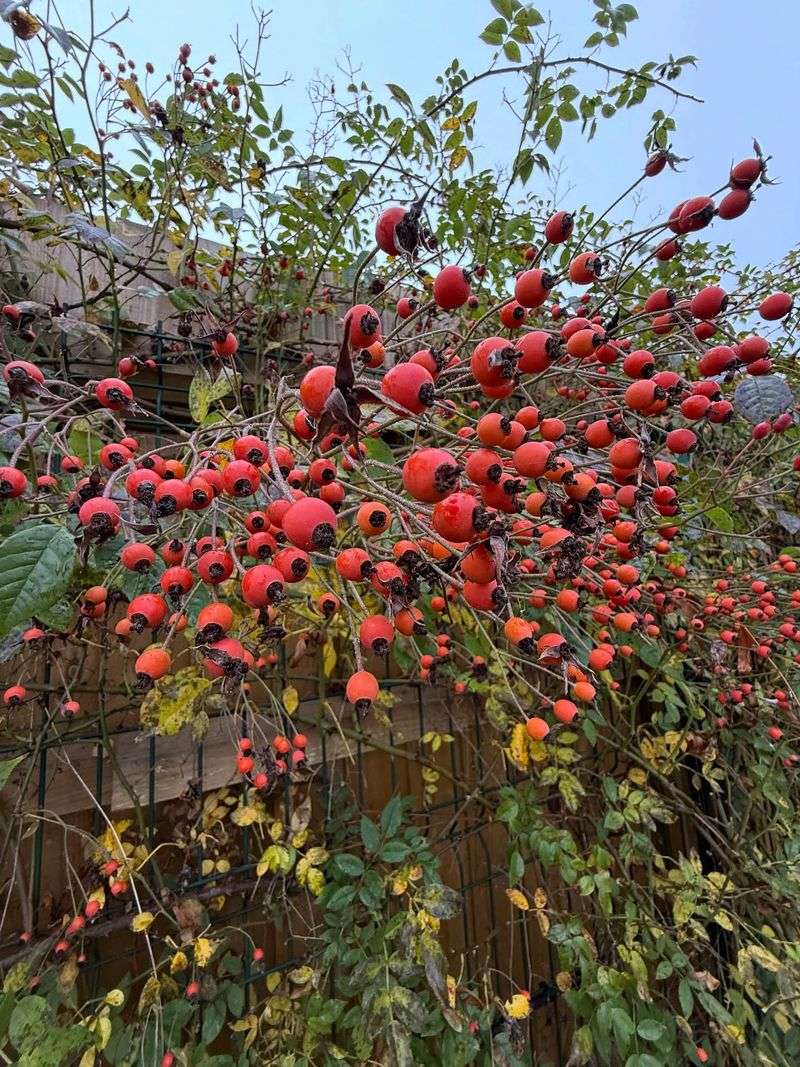
Look closely at an old bloom you skipped. Below the dried petals, a small rounded swelling may be starting to form.
That swelling is a rose hip, the fruit that holds the plant’s seeds.
Once a rose starts making hips, it often puts less effort into producing new flowers. Gardeners and rose societies commonly describe this as part of the plant’s natural slowdown.
Cooler temperatures and shorter days also play a big role in that shift.
Hip formation is not a magic switch, and it works alongside the weather. In southern Georgia, mild winters may keep some roses blooming off and on anyway.
Some varieties set hips easily, while others barely form any at all.
Many modern hybrid teas produce few hips. Rugosa roses and lots of species roses, on the other hand, can be loaded with them.
Curious about your own bushes? Leave several faded blooms in place and watch them over the next few weeks.
You might see the hips turn from green to orange or red as fall moves along.
Even if yours stay small, letting the plant follow its natural cycle is a low-effort way to support a calmer transition into cold weather.
5. Those Colorful Hips Can Feed Birds Into The Cold Months
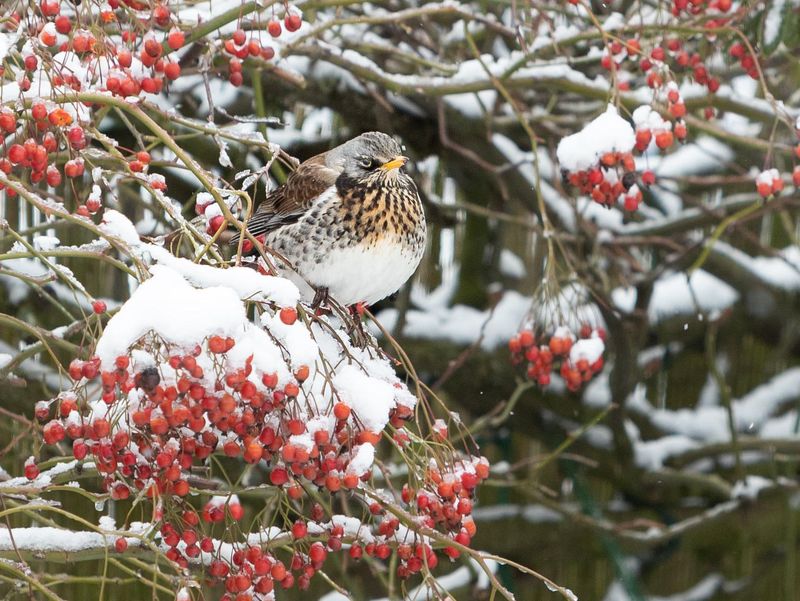
Bright red dots in a gray winter yard catch more than your eye. Birds notice them too.
Rose hips are a fruit that some birds will eat, particularly when other food runs low.
Mockingbirds, cedar waxwings, and bluebirds are among the birds that eat various fruits in winter. Whether they visit your roses depends on your yard, nearby food, and the hip size.
Small hips from species and shrub roses are often easier for birds to handle.
Large hybrid tea hips may sit untouched for months. That is fine, since they still add welcome color to a quiet garden bed.
Georgia winters can be mild enough that hips stay on the plant for a long time.
Hoping to attract more birds? Pair your roses with native plants like American beautyberry or winterberry holly nearby.
Fresh water also helps, because birds need it year round. A simple birdbath kept clean and filled can make your yard more appealing.
Watching birds work through your shrubs on a cold morning is a nice reward for skipping a chore.
Just remember that results vary. Some years the hips disappear quickly, and other years they hang on until spring.
6. Black Spot Leaves Should Still Be Cleared From Beds
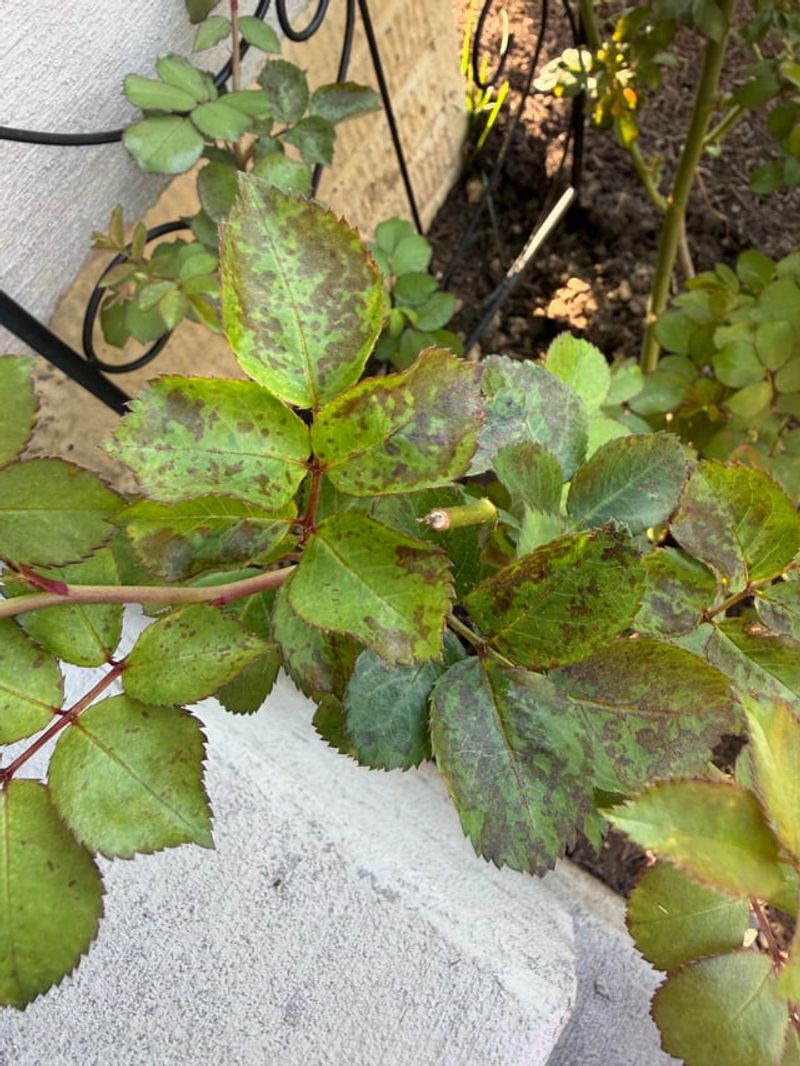
Here is where cleanup still counts. Leaving faded flowers is one thing, but leaving diseased leaves is another story.
Black spot is a fungal disease that commonly troubles roses in humid Southern climates.
You will usually see dark circular spots with fuzzy edges, often followed by yellowing. Infected leaves frequently drop to the ground over summer and fall.
Spores can survive on fallen leaves and splash back onto plants when rain returns.
Georgia’s warm, wet weather gives this fungus plenty of chances to spread. Raking up fallen leaves is a simple step that may lower disease pressure next season.
Bag that debris or put it in the trash instead of your compost pile.
Home compost piles often do not get hot enough to reliably break down fungal spores. Tossing the leaves is the safer choice.
Picking off a few obviously spotted leaves still on the bush can help as well.
Adding a fresh layer of mulch after cleanup may reduce splashing from soil to leaves. Keep the mulch a few inches away from the canes.
Cleaning up will not wipe out black spot entirely, but it does give your roses a better start when spring arrives.
7. Save The Main Pruning For Late Winter
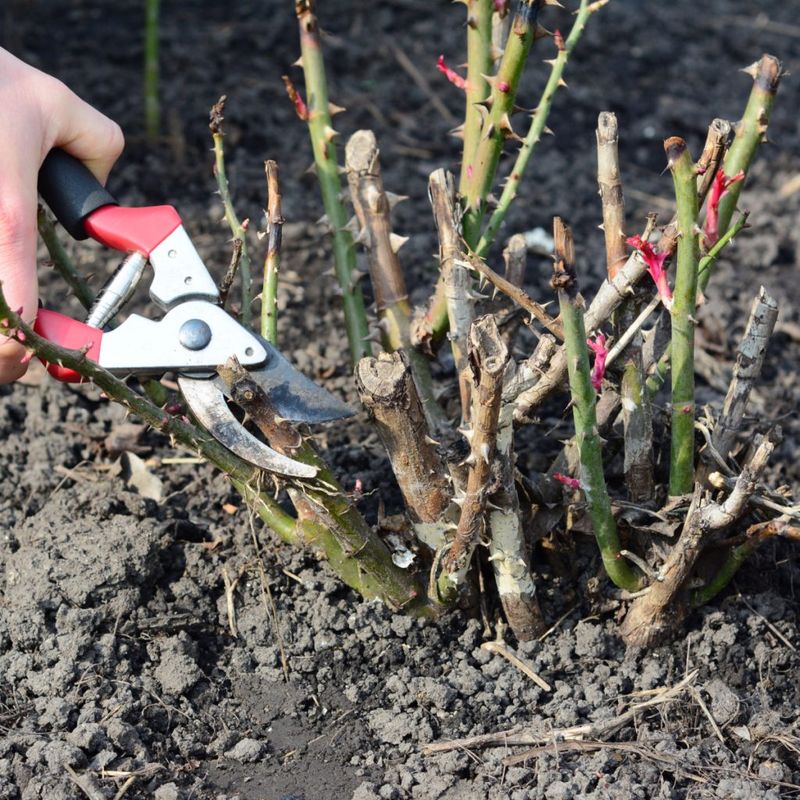
Patience is a pruning tool, too. The big cutback your roses need can usually wait until late winter.
Extension experts in the Southeast generally recommend pruning roses as buds start to swell near winter’s end.
Exact timing shifts across Georgia, often running from late January in the south to around March in the mountains. Watching your own plants is more reliable than relying on a calendar date.
Pruning at that point lets you see clearly which canes made it through the cold.
Injured wood looks brown or shriveled inside, while healthy canes show green bark and a pale center. You can cut back to clean, healthy tissue with confidence.
New growth that follows will have warmer weather ahead instead of frost.
Once-blooming climbers and old garden roses are an exception. Most of them flower on older wood, so gardeners usually prune them right after spring blooming ends.
Check your rose type before making large cuts.
Between now and then, a few small tasks are fine. Removing broken canes or tying long climbers to a support can prevent wind injury.
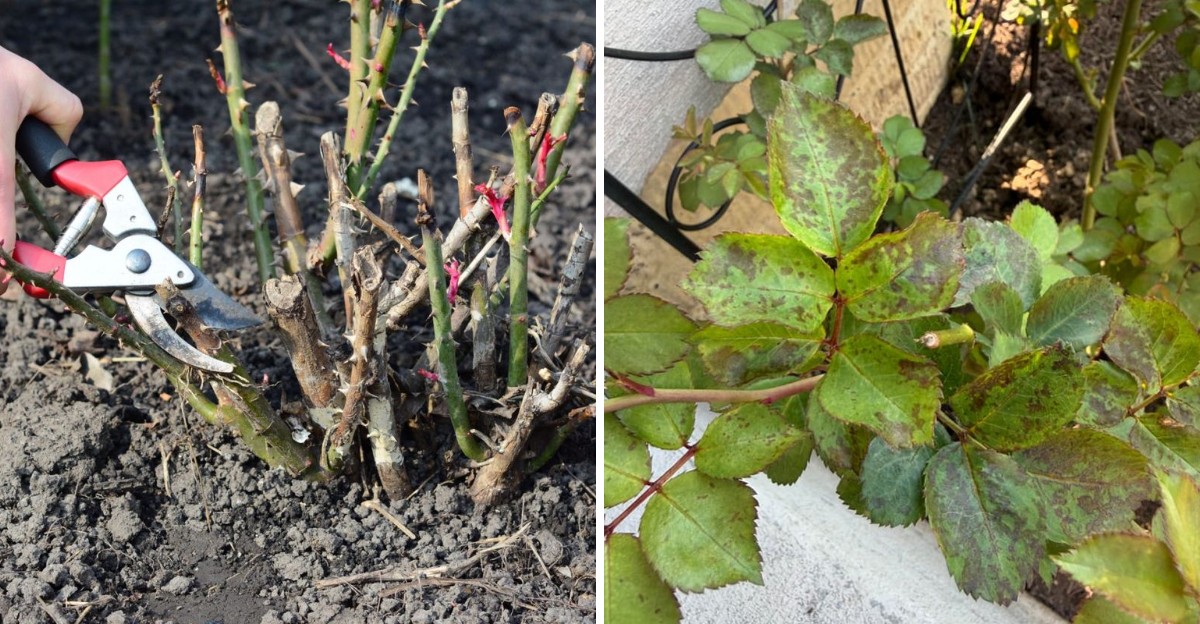
Clean, sharp bypass pruners make every cut neater, whenever that cut finally happens.