8 New York-Grown Foods to Put on Your Thanksgiving Table
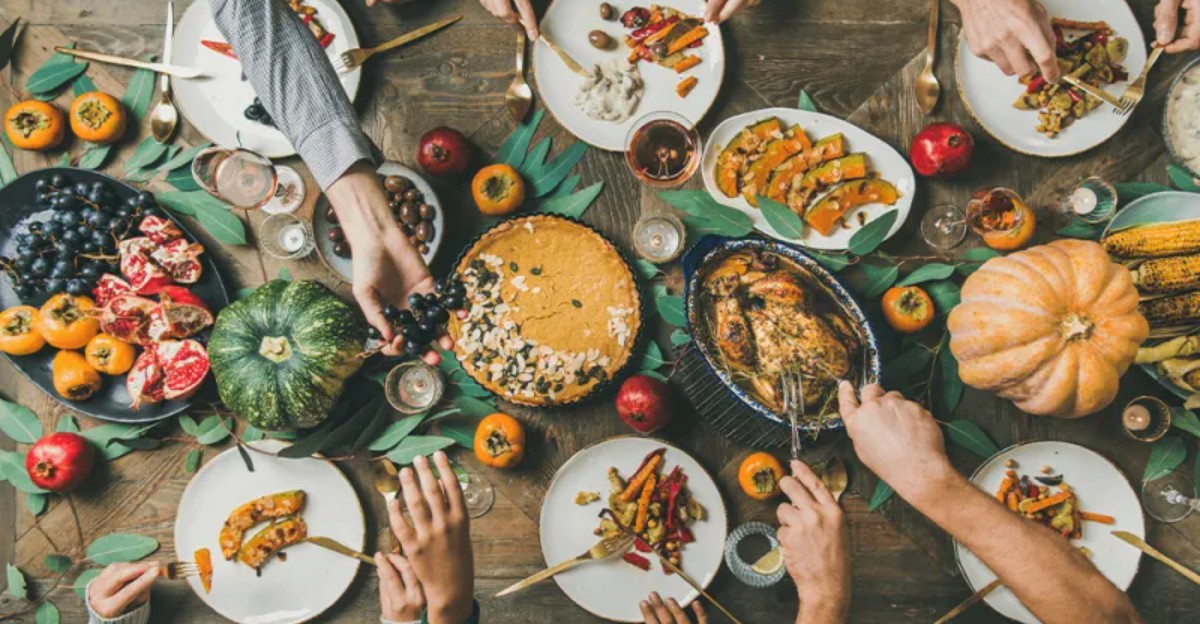
Cornell scientists in Geneva have been breeding crops since 1880, and some of their work lands on our plates. That research station has released famous fruits and vegetables, and you have probably tasted a few without knowing it.
New York farmers also work rich black soils left behind by ancient lakes and drained swamps. Those dark fields grow flavorful crops that end up in holiday stuffing and gravy across the whole country.
I have to admit, I used to grab whatever produce sat closest to the grocery store door. My garden taught me that local harvests taste brighter, and a farm stand trip now feels like a treasure hunt.
You might notice that many of these crops store beautifully, so late November shopping is easier than you expect. Which Empire State favorites deserve a spot beside your turkey this year, and which one will surprise you most?
1. Apples
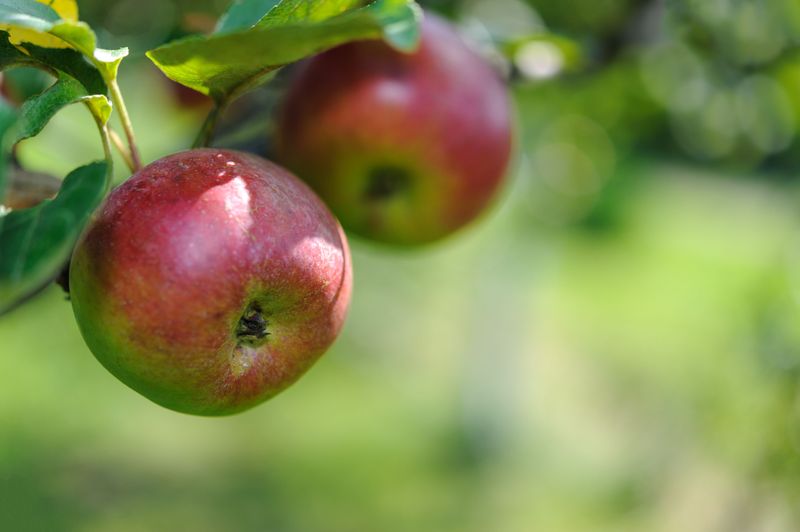
Few fruits crunch as loudly as a cold McIntosh pulled from a bin at an orchard stand in November. I swear the snap alone could wake a sleepy turkey guest from the couch.
New York ranks second in the nation for apple production, trailing only Washington in most recent years. Hundreds of family orchards stretch from the Lake Ontario shoreline down through the Hudson Valley.
Cornell breeders in Geneva gave us SnapDragon and RubyFrost, both released in 2013 after years of careful testing. Empire, a cross of McIntosh and Red Delicious, also came from that same historic station back in 1966.
For pies, I like mixing a tart apple with a sweeter one so the filling tastes balanced. Northern Spy holds its shape in the oven, while McIntosh melts into a soft and cozy sauce.
Growing your own tree takes patience, since most dwarf apples begin bearing in roughly three to four years. Plant two different varieties that bloom together, because most apples need a partner for good pollination.
Choose a spot with full sun and well-drained soil, then plant bare-root trees in early spring. Cornell Cooperative Extension offices often share variety lists that resist apple scab, a common fungal problem here.
Late-season apples store for weeks in a cold garage or a refrigerator crisper drawer kept near freezing. Pick up a mixed bag at the farm stand, and let your guests vote on their favorite.
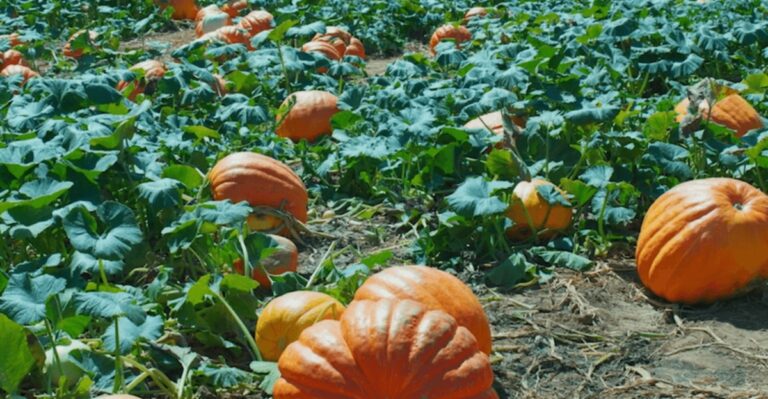
2. Winter Squash
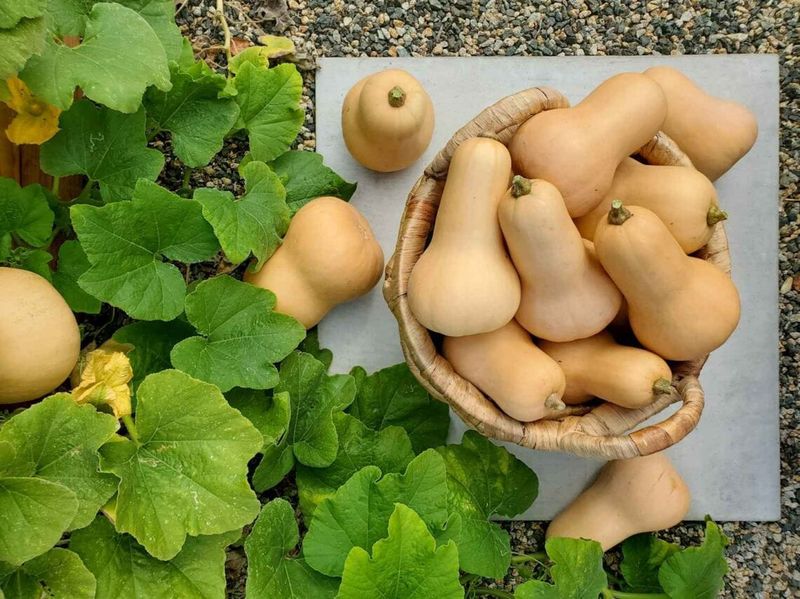
Knock on a ripe butternut and you will hear a hollow thump, almost like tapping a tiny wooden drum. That sound tells you the rind has hardened and the sweet orange flesh is ready.
Winter squash grows well across upstate farms, where warm summers give the vines enough time to stretch and fruit. Most varieties need around 80 to 110 frost-free days, so seeds go in after soil warms.
In my garden, I wait until late May or early June before planting, since cold soil makes seeds rot. A generous shovel of compost under each hill helps those hungry vines grow fast all summer.
Harvest before the first hard frost, leaving a few inches of stem attached to protect the fruit from rot. Don’t make my mistake of carrying squash by the stem, because it snaps off quite easily.
Butternut and Hubbard taste sweeter after curing for about ten days in a warm, airy spot near eighty degrees. Acorn squash skips curing, and it stores best when eaten within a couple of months.
Properly cured butternut can last several months in a cool, dry room around fifty to fifty-five degrees. That means your summer planting can still feed you well into the snowy weeks of winter.
For Thanksgiving, I love roasting delicata rings with maple syrup, since the thin skin is soft enough to eat. Pair it with a creamy butternut soup, and nobody will miss the canned stuff one bit.
3. Potatoes
Legend says a frustrated cook at a Saratoga Springs resort invented the potato chip in 1853 to please a picky diner. Historians still debate the details, but the story gives every spud a little extra charm.
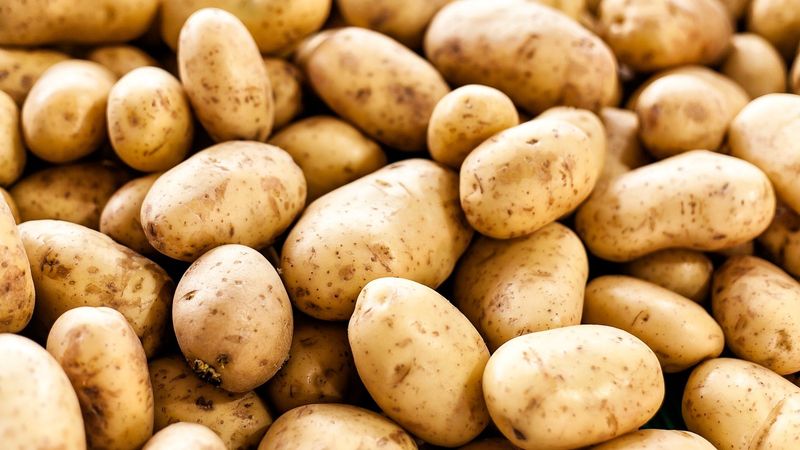
Potatoes grow on farms from the sandy fields of Long Island to the muck soils and hillsides of western New York. Growers raise round whites and russets, plus colorful fingerlings that look gorgeous roasted whole.
If you ask me, nothing beats mashed potatoes made from tubers dug only a few weeks before the feast. Local storage potatoes keep their flavor well, and many farm stands sell them through late fall.
Home gardeners usually plant certified seed potatoes in April or early May once the soil can be worked easily. Hilling soil around the stems keeps developing tubers covered, which stops them from turning green and bitter.
Storage varieties are ready when the vines yellow and fade, usually around two to four months after planting. Wait about two weeks after the foliage browns so the skins toughen up for longer keeping.
Cure freshly dug potatoes in a dark, humid spot for a week or two before moving them into storage. A cool space near forty degrees works well, but keep them away from your apples and onions.
Light turns potato skins green, and that green part contains solanine, a compound that can upset stomachs. Store them in paper bags or covered bins, and trim any green spots before cooking your holiday mash.
4. Brussels Sprouts
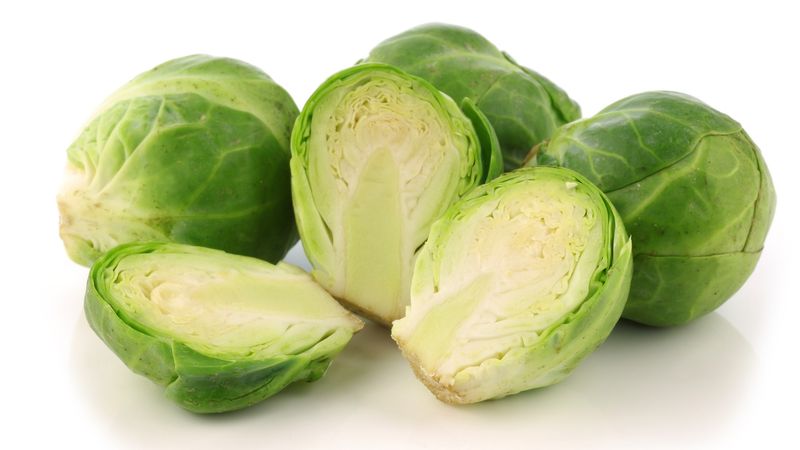
Plenty of folks claim to hate Brussels sprouts until they taste one roasted after a crisp autumn frost. Cold weather converts stored starches into sugars, so those tiny cabbages turn noticeably sweeter by late fall.
What caught my attention is that the popular Catskill variety was introduced in 1941 by a grower in Arkport, New York. That compact plant helped home gardeners across the Northeast grow sprouts in smaller spaces.
Sprouts need a long season, often 90 to 110 days from transplanting, so planning ahead really pays off. Many upstate gardeners start seeds indoors and set young plants outside by early summer for fall picking.
Give them full sun and rich soil with steady moisture, since stressed plants often produce loose, leafy sprouts. A layer of mulch around the stalks keeps roots cool and helps hold water during dry August weeks.
In September, some growers pinch off the top growing point to push energy into the sprouts below. Removing yellowing lower leaves also improves airflow and makes picking easier as the season moves along.
Harvest from the bottom up when sprouts reach about one inch across and feel firm between your fingers. Plants tolerate temperatures into the low twenties, so picking can continue through November in many gardens.
Let’s just say a whole stalk makes a fun centerpiece before you pop the sprouts off for roasting. Toss them with olive oil and a little maple syrup, then roast until the outer edges crisp nicely.
5. Onions
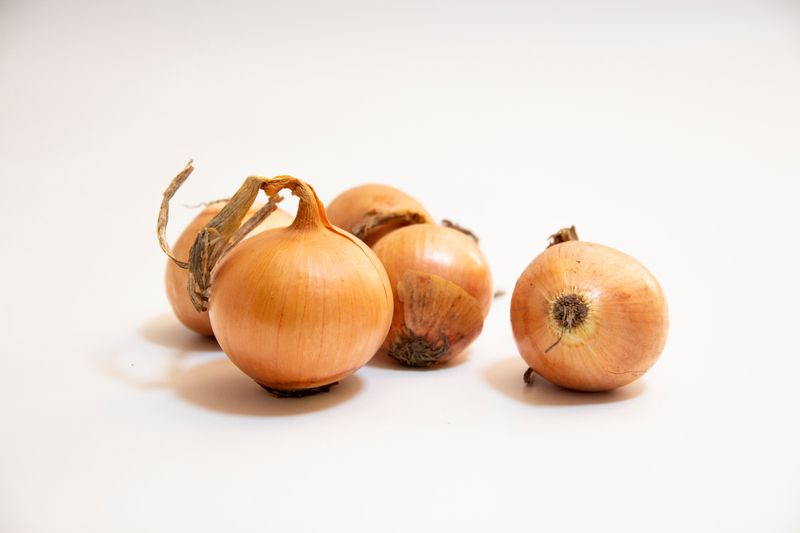
Dark muck soil looks a lot like coffee grounds, and onions seem to thrive in that rich, spongy earth. Orange County’s Black Dirt Region and the Elba muck lands near Batavia produce huge onion crops each year.
These muck fields formed from ancient lake beds and swamps, and farmers drained them for planting long ago. The soil holds plenty of organic matter, which helps the bulbs size up steadily through the summer months.
For home gardens, day length matters more than most people expect when choosing onion varieties. Long-day types suit northern states best, since they start forming bulbs once summer days stretch past fourteen hours.
I believe transplants or sets give beginners the easiest start, planted outdoors in April as soon as the soil dries. Space them about four inches apart in full sun, and keep weeds pulled since onions dislike competition.
Bulbs are ready when the tops flop over and begin yellowing, usually by late summer in most gardens. Pull them on a dry day, then cure them in an airy, shaded place for about two weeks.
Once the necks feel dry and papery, trim the tops and store the bulbs in mesh bags somewhere cool. Pungent storage varieties keep for months, while sweet onions are best used within a few weeks.
Onions quietly carry the holiday meal, flavoring the stuffing and building rich gravy from turkey drippings. Try roasting halved red onions with fresh thyme, since they turn jammy and sweet in a hot oven.
6. Carrots
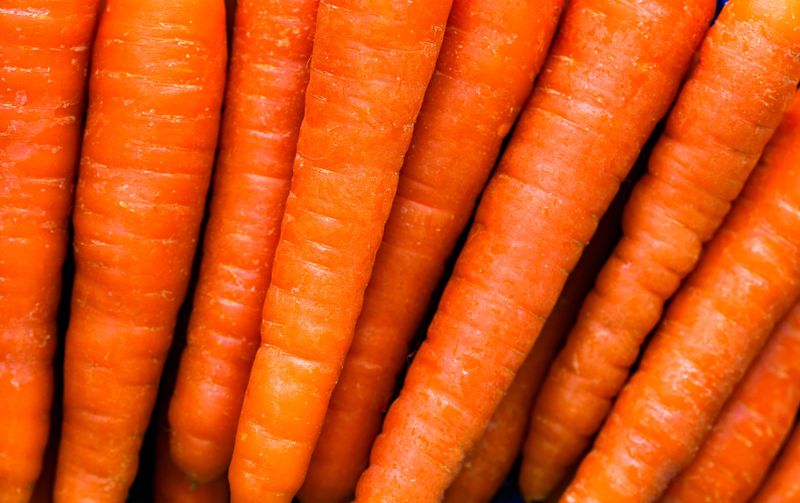
Pull a carrot from chilly November soil and take a bite, and you will taste a candy-like sweetness. Cold nights encourage roots to store more sugar, which is why fall carrots often beat summer ones for flavor.
Carrots are cool-season crops that handle light frosts well, making them a natural fit for northern gardens. For a fall harvest, sow seeds directly in July, roughly ten to twelve weeks before your expected frost.
Seeds are tiny and slow, sometimes taking two to three weeks to sprout in warm summer soil. I keep the seedbed damp under a board or burlap until the first feathery leaves finally appear.
Loose, stone-free soil helps roots grow long and straight instead of forked and twisted like crooked fingers. If your ground is heavy clay, try shorter varieties like Danvers or Chantenay, or plant in raised beds.
Thin seedlings to about two inches apart, even though pulling baby plants feels a little painful at first. Crowded carrots stay skinny and tangled, so a bit of thinning gives you better roots later on.
Looking back, I should have mulched my fall bed heavily with straw much sooner in the season. A thick blanket lets you keep harvesting into early winter before the ground freezes too hard to dig.
Before storing, twist off the green tops so they don’t pull moisture away from the roots. Glazed carrots with butter and honey make an easy side dish that even picky kids gladly finish.
7. Beets
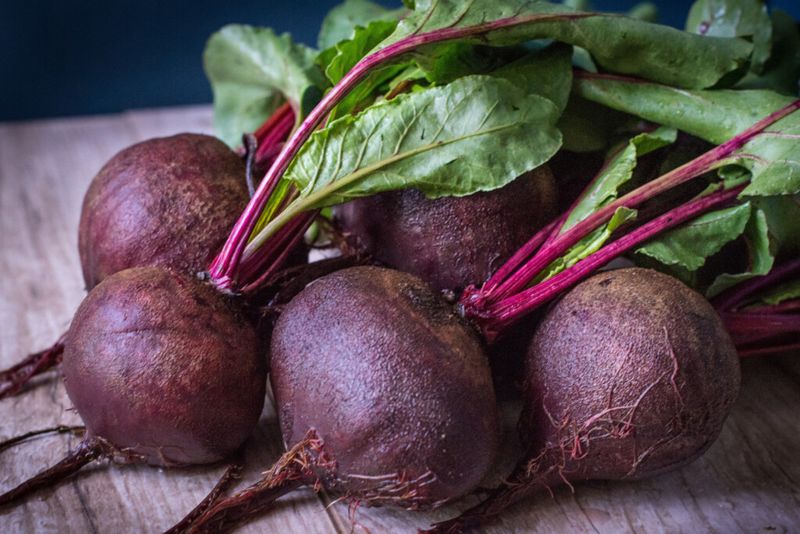
Slice a Chioggia beet in half and you will find bright pink and white rings like a peppermint candy. That surprise inside makes it one of my favorite conversation starters at any holiday dinner table.
Beets come in deep red and golden yellow too, and each type brings its own earthy sweetness to the meal. They grow happily in cool weather, so fall crops do especially well in northern gardens.
What surprises me most is that each wrinkled beet seed is actually a cluster holding several seeds inside. That means two or three seedlings often pop up together, so thinning becomes a necessary early job.
Snip the extras at soil level instead of pulling, so you don’t disturb the neighbors growing right beside them. Those thinned seedlings make tender microgreens, and they taste wonderful tossed into a simple salad.
Sow seeds directly in early spring, or again in midsummer about ten weeks before a hard freeze. Full sun and loose soil with a pH between 6.0 and 7.5 help the roots grow smooth.
Harvest when roots reach about two to three inches across, since giant beets can turn woody and tough. Leave about an inch of stem attached when trimming, which reduces bleeding during storage and cooking.
For Thanksgiving, roast red and golden beets on separate pans so the colors stay bright and clean. Toss them with goat cheese and toasted walnuts, and you have a side dish worth photographing.
8. Cranberries
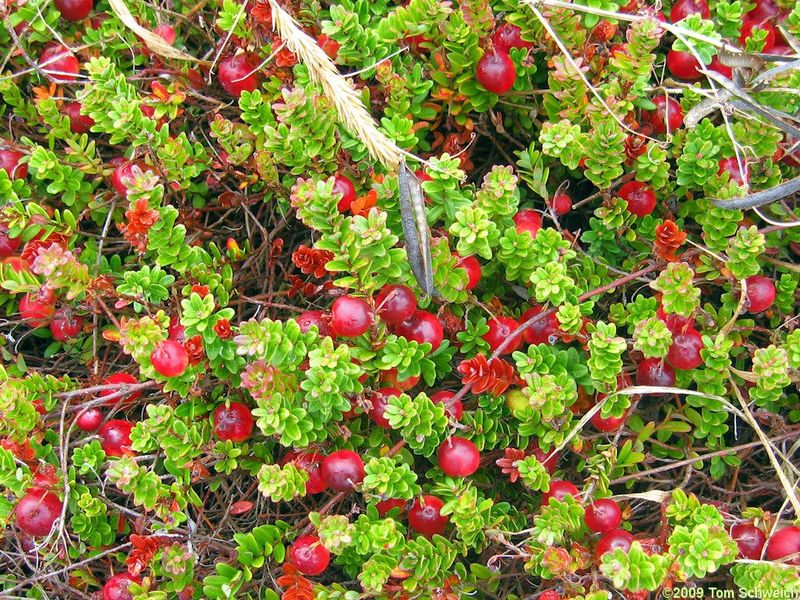
Most people link cranberries with Massachusetts bogs, yet Long Island once ranked among the top cranberry growers in America. By the early 1900s, those wet Long Island fields shipped berries to busy markets across the Northeast.
Today the state has only a small number of commercial cranberry farms, including Deer River Cranberries in the North Country. Each fall, that farm floods its beds and gathers a huge crop of shiny red fruit.
Cranberries are native North American plants, known botanically as Vaccinium macrocarpon, and close relatives of blueberries. They grow as low, trailing vines that spread across acidic, sandy beds with plenty of steady moisture.
Harvest usually happens from late September into October, when the berries deepen to a glossy crimson shade. Wet harvesting floods the beds, and the berries float because tiny air pockets sit inside each one.
For what it’s worth, home gardeners can grow cranberries without a true bog if they prepare acidic soil carefully. A raised bed with peat and sand, kept evenly moist, can produce a modest but rewarding crop.
Aim for a soil pH around 4.5 to 5.5, which is far more acidic than most vegetable beds. Plants take about three years to begin producing well, so patience matters more than fancy equipment.
Fresh cranberries freeze beautifully, so grab an extra bag or two when you spot local ones at the market. Simmer them with orange zest and a little sugar, and canned sauce suddenly feels like a distant memory.