This Arizona Desert Bulb Shoots Up Flowers Overnight After Fall Rains, Before Any Leaves
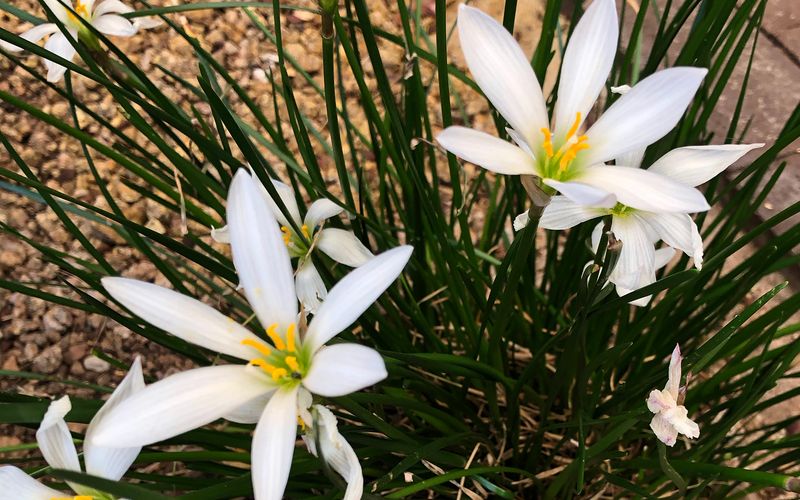
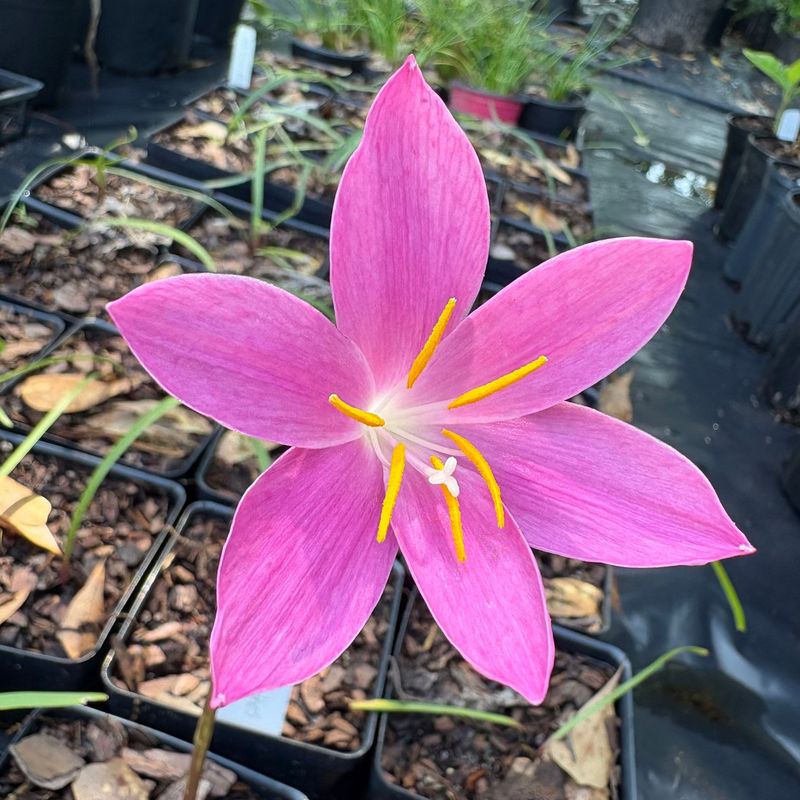
You walk out after a big storm and find white or pink blooms standing in a spot that looked plain the day before. Chances are good you are looking at a rain lily, a small bulb plant with a flair for drama.
The sudden show can seem like magic, but the real story has a few twists about timing, leaves, and which plant you actually have. Knowing them helps you enjoy the surprise and care for the plant in a smart way.
Why a rain lily can seem to appear overnight
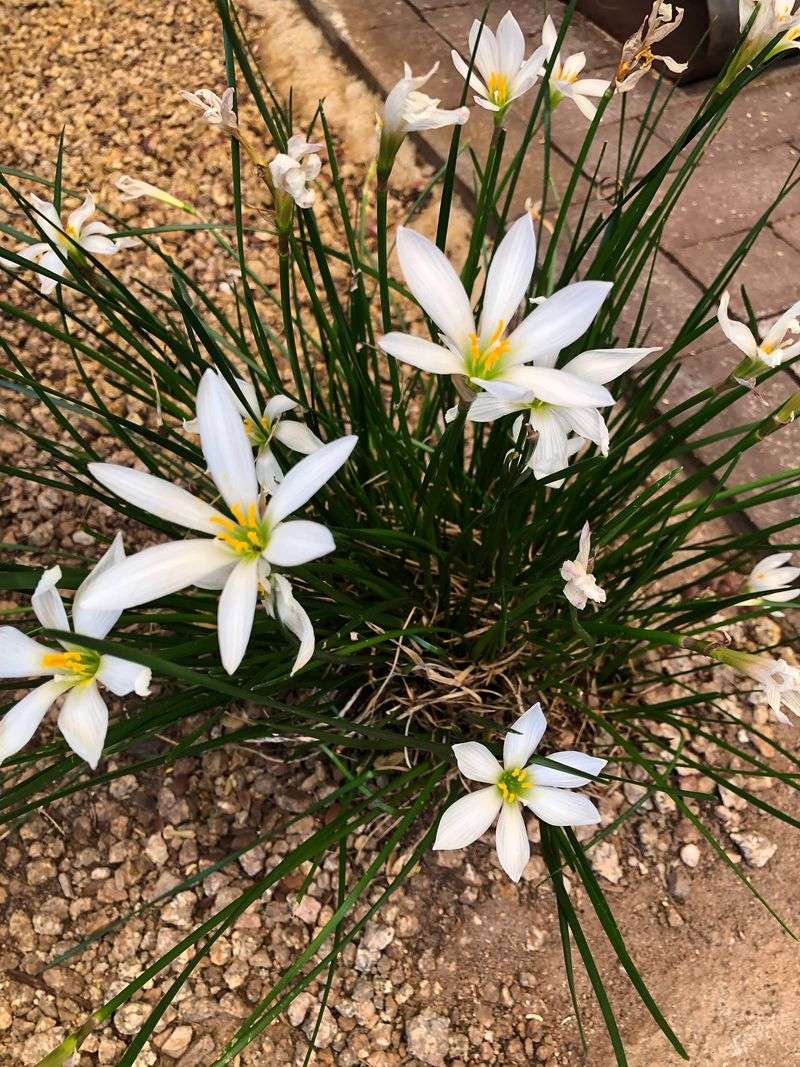
Picture a gravel bed that looked quiet on Monday and is dotted with crisp blooms by Thursday. That is the rain lily effect, and the plant is probably a Zephyranthes bulb.
A sudden bloom alone cannot confirm the identity, but the pattern fits well.
Gardeners have noticed this for a long time. University of Florida extension notes say rain lilies in the wild can seem to appear overnight after heavy rain, and a Wisconsin extension page describes flowers emerging a few days after a soaking storm.
So “overnight” is best read as a visual impression. A few quick sprinkles may do nothing, and a good soaking may bring flowers in a day or several days.
Treat the sudden bloom as a possible reward for substantial rain, not a promise after every shower.
A bare-looking flower stalk does not mean a leafless plant
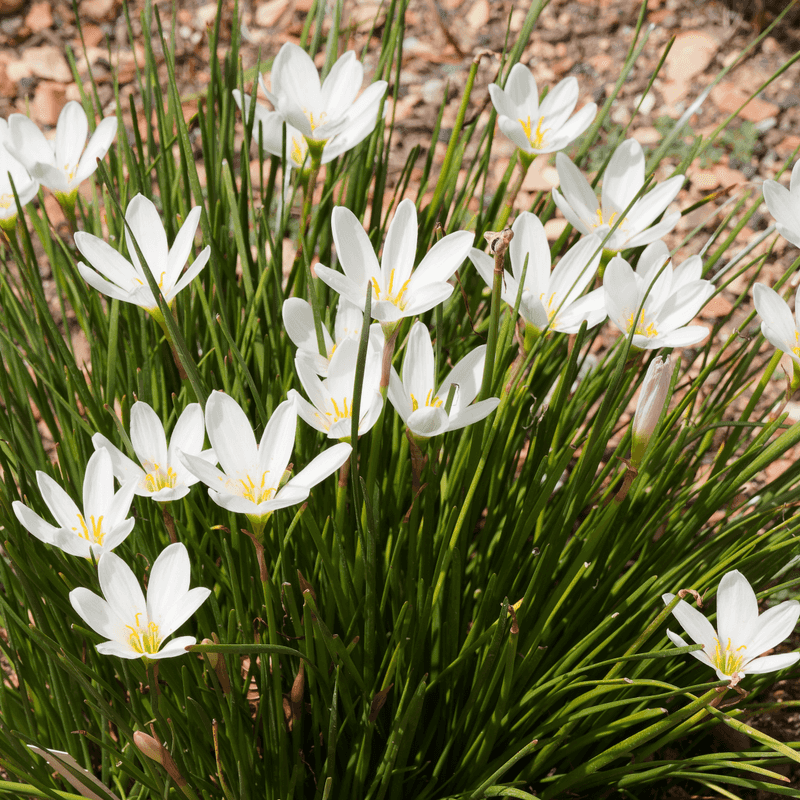
Here is a detail that trips people up. The flower stalk of a rain lily can rise on its own, with no leaf attached to it, so the bloom looks like it popped out of bare ground.
That does not mean the plant had no leaves.
Look closer at the base of the clump. The Arizona landscape plant guide describes the commonly planted white rain lily, Zephyranthes candida, as evergreen, so thin grassy foliage may already be there.
The Arizona-Sonora Desert Museum also says pink rain lily foliage is often evergreen. Those notes apply to those examples, not every plant sold as a rain lily.
If your clump looks bare, check for narrow leaves tucked low, since the stalk and the foliage are separate parts.
Rain lily names cover more than one plant
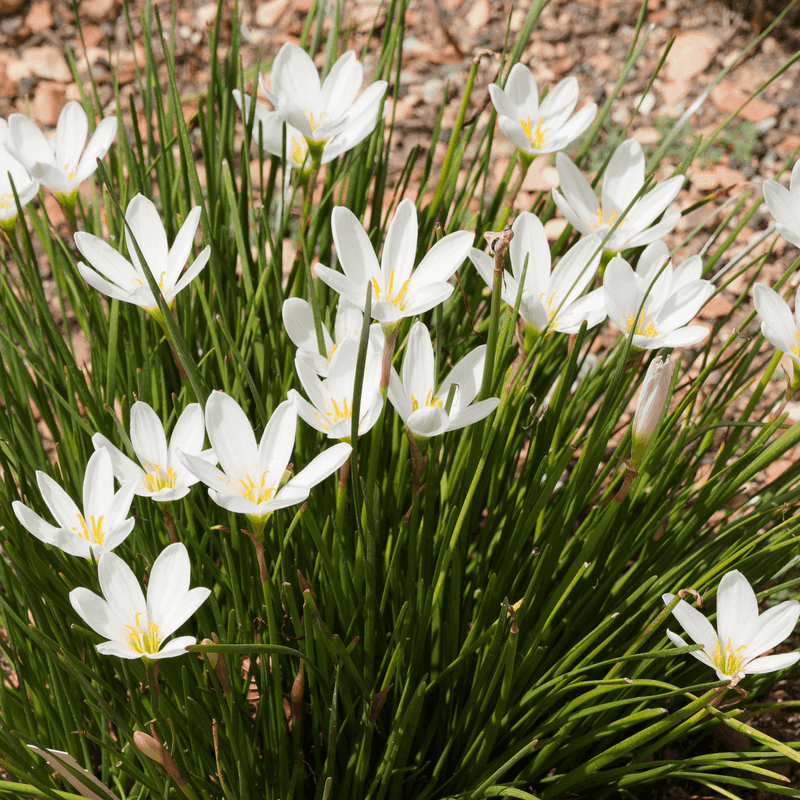
“Rain lily” is a nickname, and it gets handed out to several different plants. Most are Zephyranthes species, but the name is sometimes used for the related genus Habranthus too.
Color, bloom timing, and care can differ from one to the next.
Origin matters as well. The Arizona landscape guide lists the widely planted white Z. candida as native to South America, so it is not an Arizona native.
A true Arizona native, Zephyranthes longifolia, does exist, but University of Arizona records place it near Clarkdale in Yavapai County, not across the low-desert metros. Unless you have confirmed the species, avoid calling a yard plant native.
A photo of the flower, the leaves, and the bulb shared with a local extension office or nursery can help narrow it down.
Your Arizona Garden Changes Every Week. Your Plan Should Too.
Gardening in Arizona changes quickly throughout the season. Every Friday you’ll receive a simple weekly plan showing exactly what to plant, prune, fertilize, harvest, and protect so you never miss the right timing.
Summer and monsoon rains offer a better Arizona context
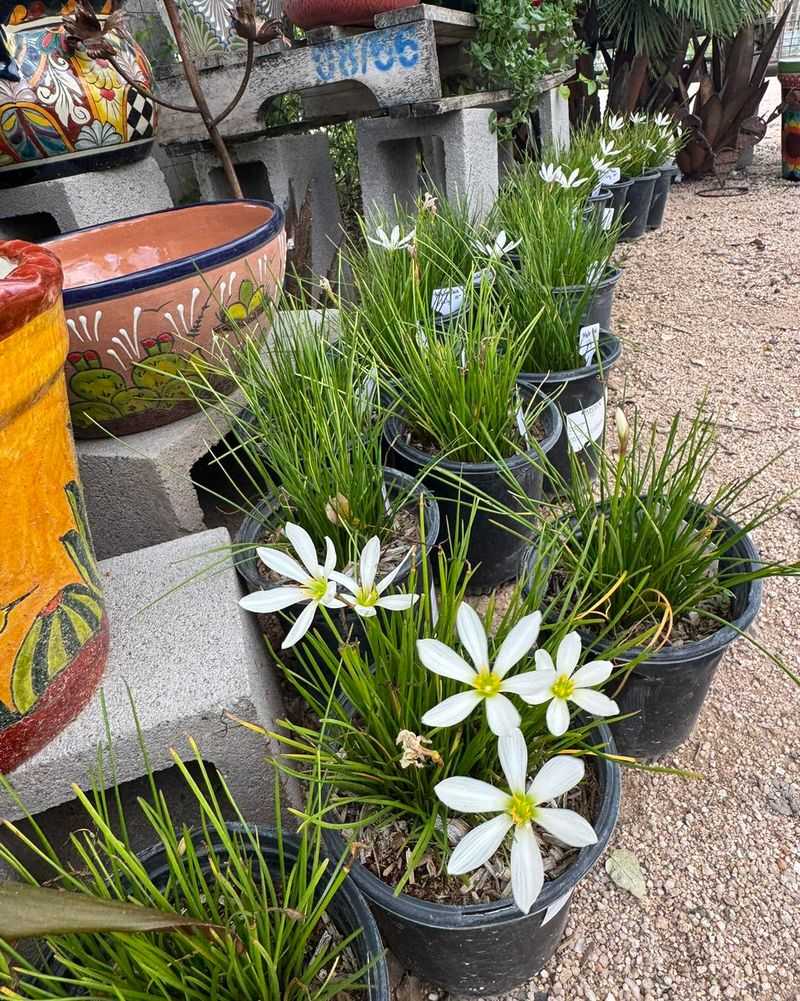
Fall gets the credit in the popular story, but Arizona’s calendar points elsewhere. The state landscape guide says white Z. candida blooms in summer, with flowers often following summer rains.
That lines up with the monsoon. Arizona’s official monsoon season runs June 15 through September 30, which covers the stretch when big storms are most likely.
If blooms show up after a July downpour, that fits the usual pattern. A flush in October is not impossible, since species and conditions vary, but fall rain is not the defining trigger.
Watch for the weeks after a thorough soaking rather than marking a fall date on your calendar.
Match care to the species
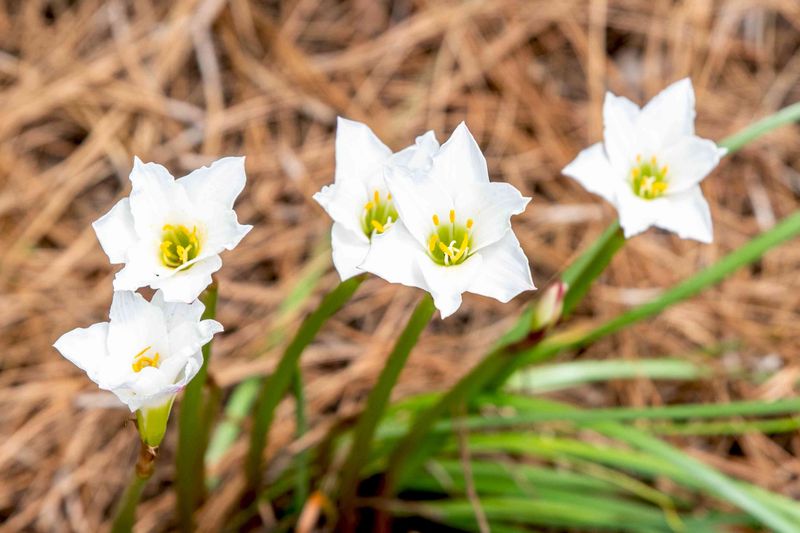
Rain lilies are not a plant-and-forget miracle. The Arizona-Sonora Desert Museum recommends morning sun to shade and moderate water for pink rain lily, and notes it can recover from underground bulbs when water is applied.
White Z. candida gets a different rating. The Arizona landscape guide calls it low-water use, which still means some water, not none.
Pick a well-drained spot and follow the bulb supplier’s planting-depth instructions. Florida extension guidance describes rain lilies as suited to full sun or partial shade and several soil types, but in a hot low-desert yard, morning light and afternoon relief are kinder.
Do not count on monsoon rain alone to establish or sustain a planting. New bulbs usually need regular watering at first, then adjustments based on the species you have.
Expect a rain-triggered surprise, not a guarantee
Start by naming the plant. Know the species before assuming where it came from or how much water it wants, because the label “rain lily” covers a lot of ground.
Then set fair expectations. Soaking rain may prompt flowers within days, and extension notes back up the sudden-bloom idea, but a light shower is no guarantee.
Remember too that leaves may have been there all along, and in Arizona the best bet is summer storms.
Also keep curious hands and mouths away from the bulbs. The identity of your plant matters before any pet or child sampling, so admire the flowers and leave the eating out of it.
A rain lily rewards patience, and the best bloom is the one you were not expecting.