9 Desert Trees That Give Phoenix Yards Real Fall Color Without Babying Them
Phoenix trees often save their brightest leaf color for late November and December, long after Vermont has raked up. I love how our desert autumn shows up fashionably late, right when patio weather finally feels like a gift.
A few tough trees here turn scarlet or butter yellow once Arizona nights finally slip into the cool fifties. Cool nights and shorter days trigger that change, so a warm fall simply pushes the show a little later.
I have to admit I doubted it, since our summers seem built to roast anything with soft leaves. You might notice the winners share two talents, handling alkaline soil and shrugging off long weeks of dry heat.
Several even feed birds and butterflies, turning a pretty Arizona yard into busy habitat with very little fuss. So which nine earned a spot, and which one surprised me by thriving on almost no help at all?
1. Red Push Pistache
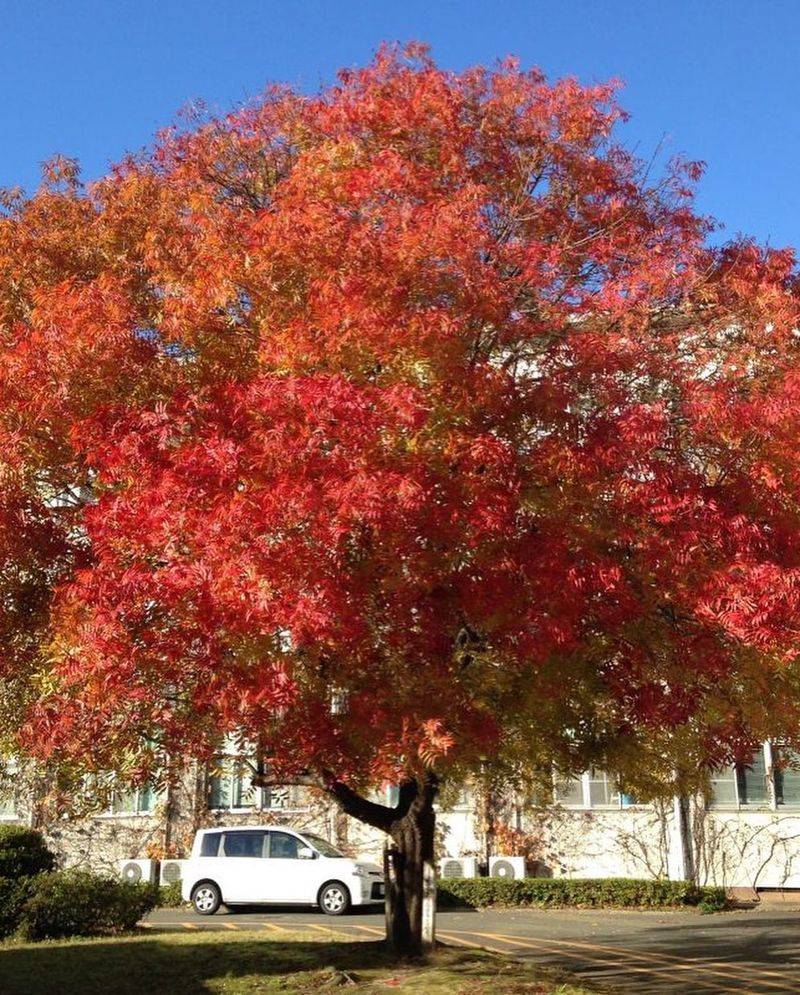
Few desert trees blush as early as Red Push Pistache, whose new spring leaves unfold in a rosy red. Come late November, the canopy flips again, glowing orange and scarlet against our bright blue winter sky.
It is a hybrid of Chinese pistache and Mount Atlas pistache, selected to handle desert heat and alkaline soil. Most trees sold are fruitless, so you skip sticky berries and the worry of seedlings popping up everywhere.
Expect a rounded canopy reaching roughly 25 to 40 feet tall, which makes generous shade for a west wall. I like planting one where afternoon sun hammers the house, because summer shade there lowers cooling bills noticeably.
Water deeply every two weeks during the first summers, then stretch that schedule once roots spread wide and deep. October is a smart planting month here, since warm soil helps roots settle before the cooler months arrive.
Skip heavy fertilizer, which pushes soft growth that wind and sun can scorch before it hardens off properly. Give it room and a little patience, and you will get a fireworks show without hauling out the hose daily.
2. Shumard Oak
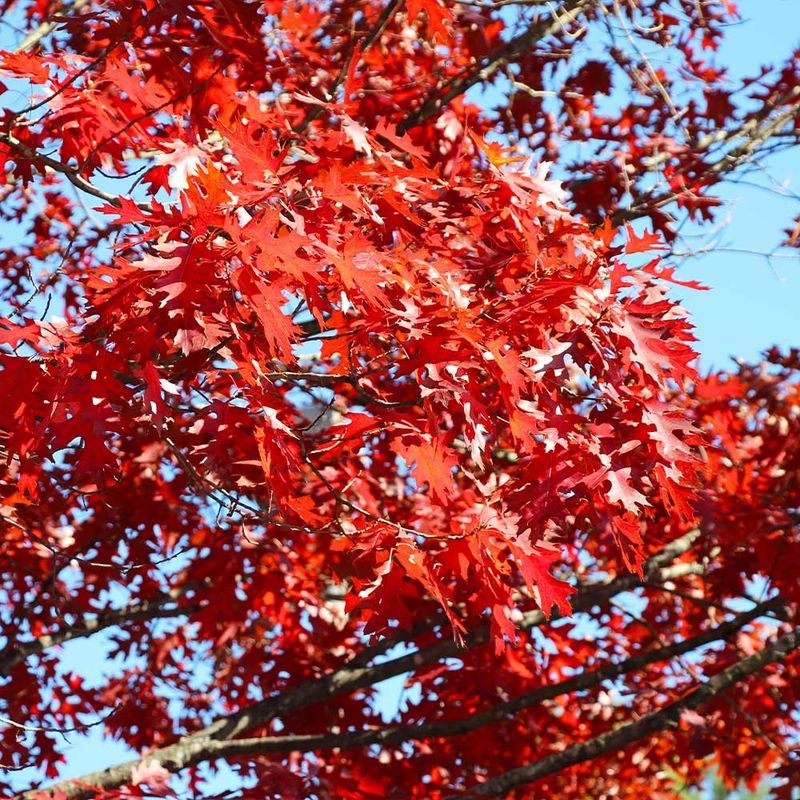
Acorns in Phoenix sound like a joke, yet Shumard oak drops plenty, and local squirrels and birds notice quickly. Its big, pointy leaves turn rich red in late fall, giving you real East Coast drama in the desert.
Native to the southern Great Plains and Southeast, it handles heat far better than most oaks people try here. Mature trees often reach 40 to 60 feet, so plant it in a big yard instead of tight corners.
Young oaks want deep, regular watering, but established trees settle into a moderate routine that feels very manageable. I recommend a wide basin and slow drip, because shallow sprinkler watering keeps roots lazy near the surface.
Alkaline soil can yellow the leaves on some trees, a problem called chlorosis that iron chelate helps correct. Keep an eye out during summer and treat early, since a pale canopy recovers faster with prompt attention.
Personally, I love how an oak connects a suburban lot to bigger food webs, from caterpillars to hungry jays. Patience pays here, because the fall color deepens each year as the tree matures and its canopy widens.
3. Fan Tex Ash
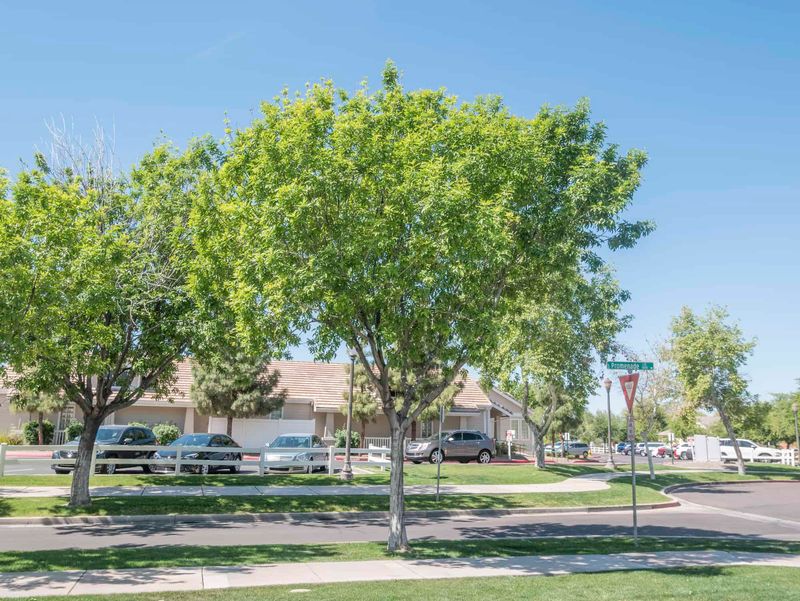
Velvet ash grows wild along Arizona streams, and Fan-Tex is a seedless selection of that tough desert relative. Each fall its glossy leaves turn clear golden yellow, lighting up a yard like a lamp left on at dusk.
Because it is male, you avoid piles of winged seeds, though spring pollen can bother allergy sufferers a little. Growth is fast, often reaching 30 to 40 feet, so shade arrives within a few summers instead of decades.
Ash trees appreciate more water than true desert natives, especially during June, when dry heat stresses their leaves. Deep soaking every week or two in summer keeps the canopy full, while winter needs drop off sharply.
You need to watch for sooty canker and borers, which mostly target stressed trees in dry, compacted soil. Mulching the root zone and avoiding trunk wounds from mowers go a long way toward keeping it vigorous.
I believe a native shade tree belongs on any habitat-minded list, since bugs and birds recognize it instantly. Pair it with low shrubs underneath, and you get layered cover that lizards and quail happily use during fall.
4. Raywood Ash
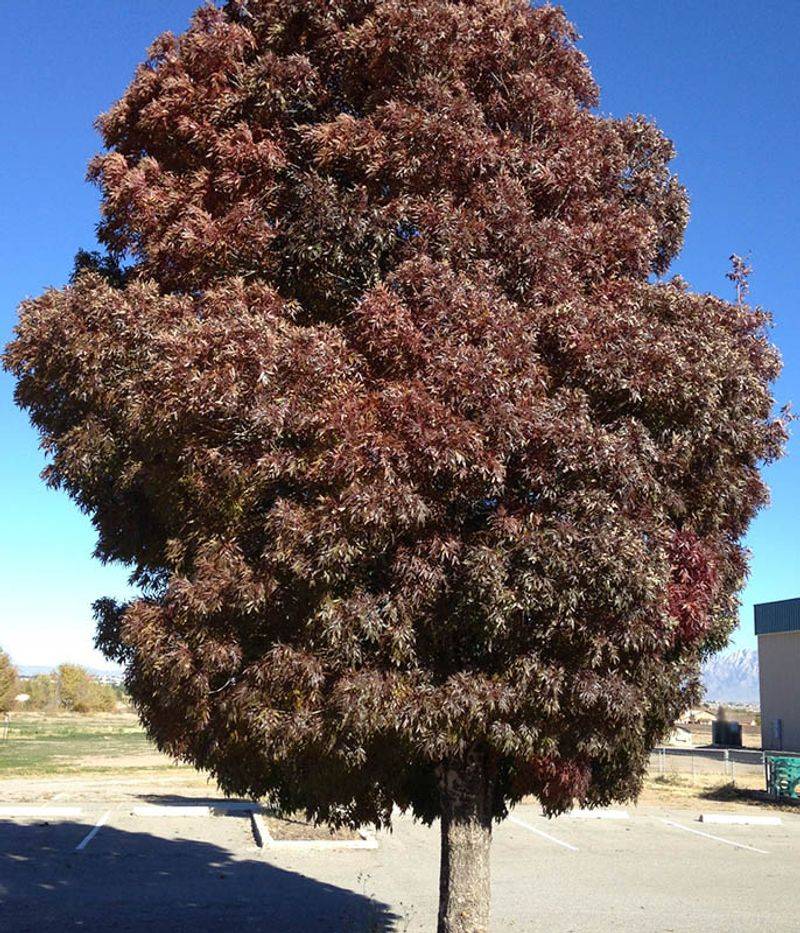
Burgundy is a rare color in desert yards, which is exactly why Raywood ash turns heads every single December. The fine, lacy leaves shift from green to deep wine purple, a shade few other trees here can match.
Raywood is a selection of narrow-leaf ash, and its delicate texture feels much lighter than the bolder Fan-Tex. It grows about 25 to 40 feet tall with a narrower, upright habit that fits medium yards rather nicely.
Roots need steady moisture for the first few years, then the tree settles into a moderate watering routine. Deep irrigation every one to two weeks in summer works well, with much less needed through the cool season.
Wind tolerance is a real perk, since monsoon gusts snap brittle trees that look sturdy back at the nursery. Prune young branches to build strong spacing, and the canopy will hold up through storms for many years.
I have to admit I plant it partly for the color contrast against blue desert sky and tan stucco walls. Place it where morning light catches the leaves, because sunlit burgundy looks almost like stained glass in autumn.
5. Crape Myrtle
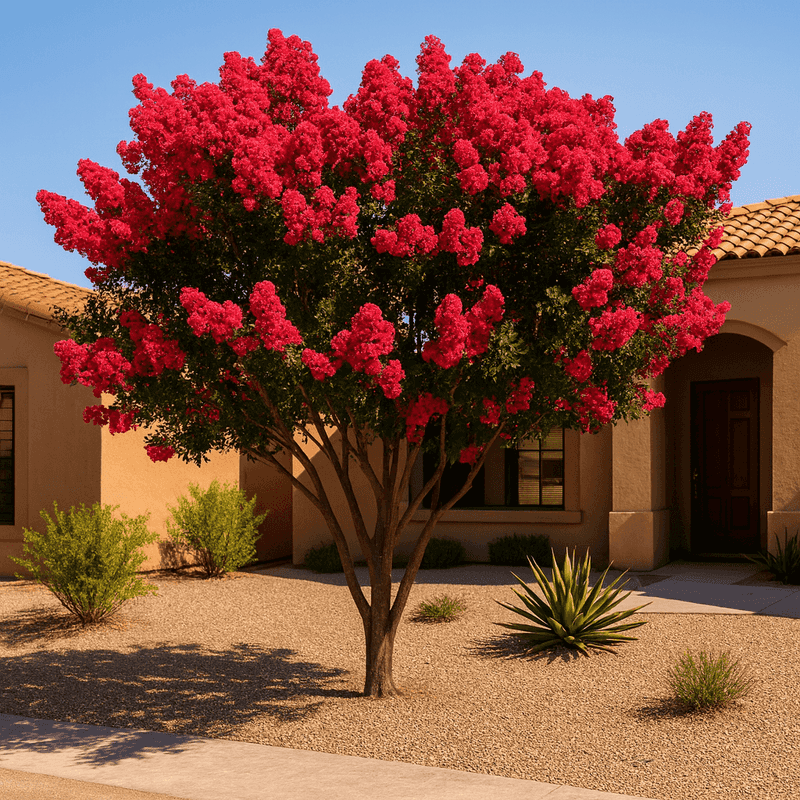
Summer flowers get all the credit, yet crape myrtle often sneaks in a second act of orange and red leaves. In Phoenix the fall color is usually softer than back East, but a cool November can surprise you.
Most varieties grow 10 to 25 feet, so it fits small patios where a big shade tree feels crowded. Bees work the crinkled summer flowers heavily, which brings extra pollinator traffic into your yard each season.
Afternoon shade helps in the low desert, because reflected heat from walls can scorch leaves during July. Water deeply about once a week in summer, and cut back to every few weeks once nights cool down.
Alkaline soil sometimes causes yellow leaves with green veins, and a dose of iron in spring usually helps. Skip harsh topping cuts in winter, since they create weak knobs and fewer flowers on stubby, crowded shoots.
Personally, I prefer the multi-trunk forms, because the smooth, peeling bark looks sculptural once the leaves finally drop. Choose a mildew-resistant variety, and you will spend far less time fussing over gray, powdery leaves each summer.
6. Mexican Redbud
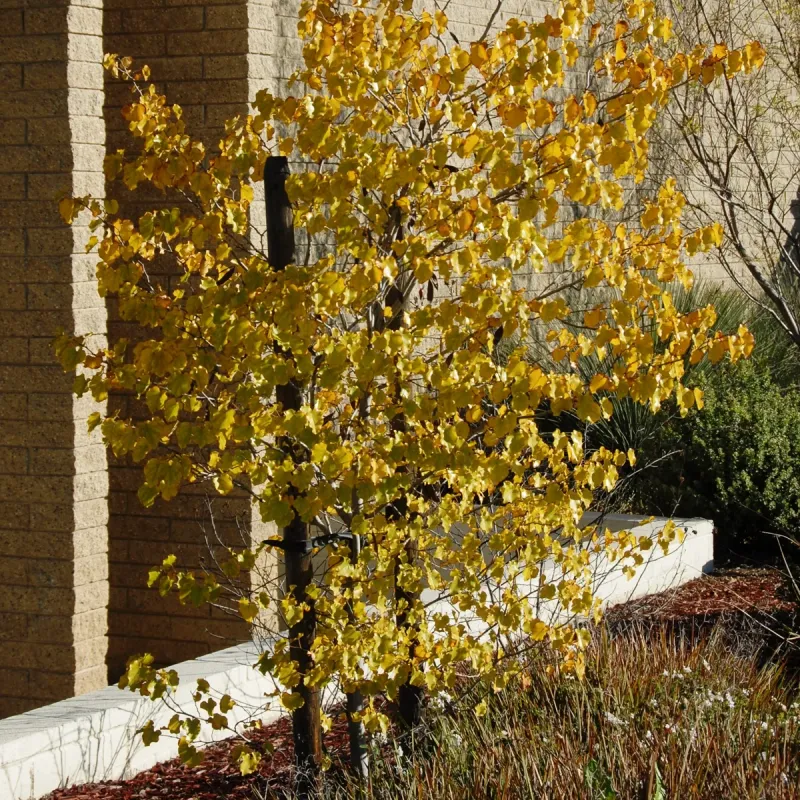
Pink spring blossoms are the famous trick, but Mexican redbud also turns warm yellow in fall when weather cooperates. Its glossy, wavy heart-shaped leaves look polished all summer, almost like someone waxed them for a garden show.
Native to Texas and northern Mexico, this compact tree handles desert heat better than eastern redbuds usually manage. Expect roughly 10 to 15 feet of height, making it ideal near patios or narrow side yards.
Spring flowers feed early native bees, and leafcutter bees snip neat circles from leaves to line their nests. You might notice those tidy holes in summer, but they rarely cause harm, so let the bees work freely.
Filtered afternoon shade suits it best in Phoenix, especially in spots where reflected heat bounces off block walls. Water deeply every week or two in summer, then ease back once October temperatures settle into the eighties.
Fall color varies year to year, so treat the golden leaves as a bonus rather than a guarantee. I love how one small tree delivers spring flowers and autumn tones without demanding much space or water.
7. Western Soapberry
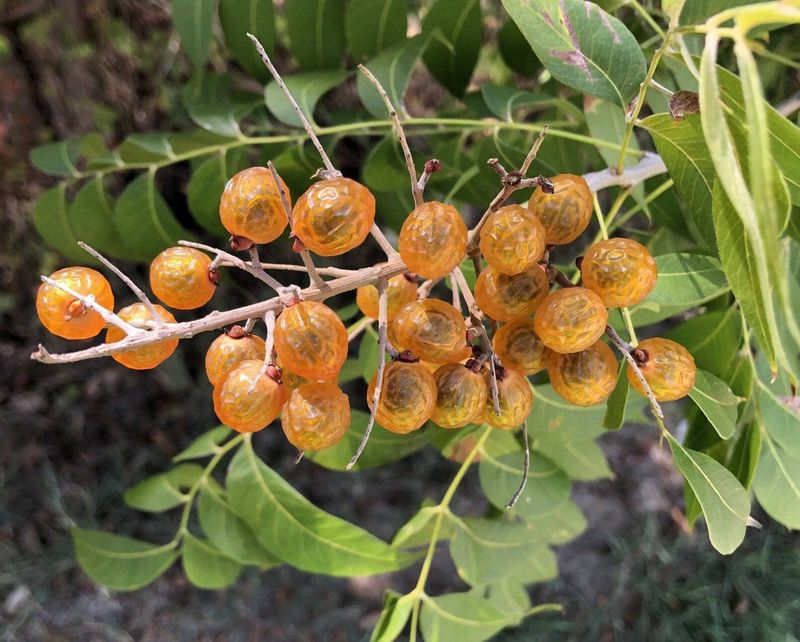
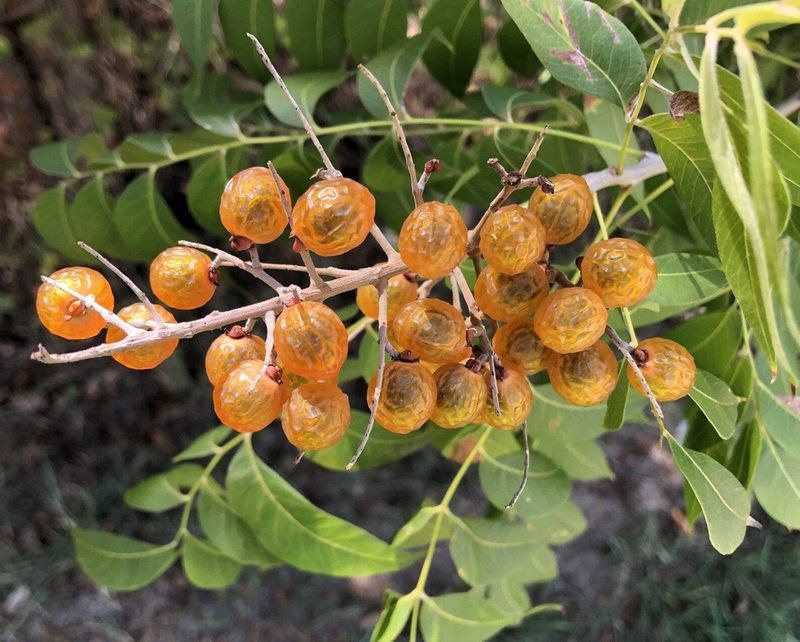
Native Americans once crushed soapberry fruit into suds, thanks to natural saponins packed inside each little amber berry. That same tree grows wild in Arizona canyons and turns bright golden yellow when autumn finally reaches the desert.
Clusters of translucent fruit ripen in fall and often hang into winter, glowing like small beads in sunlight. Keep kids from snacking on them, though, because the berries can irritate skin and upset stomachs when eaten.
Growth reaches about 25 to 30 feet, with a rounded crown and leaves made of many slender leaflets. It shrugs off poor rocky soil and drought once established, so it suits low-water yards on the city edge.
Small spring flowers draw bees, and birds visit the fruit, making it a natural pick for habitat-minded gardeners. Suckers can pop up around the base, so pull them early unless you want a small grove forming.
Personally, I think soapberry deserves far more nursery space than it gets, given how little care it requests. Deep watering a few times a month in summer is usually plenty, with occasional soaks during dry winters.
8. Pomegranate
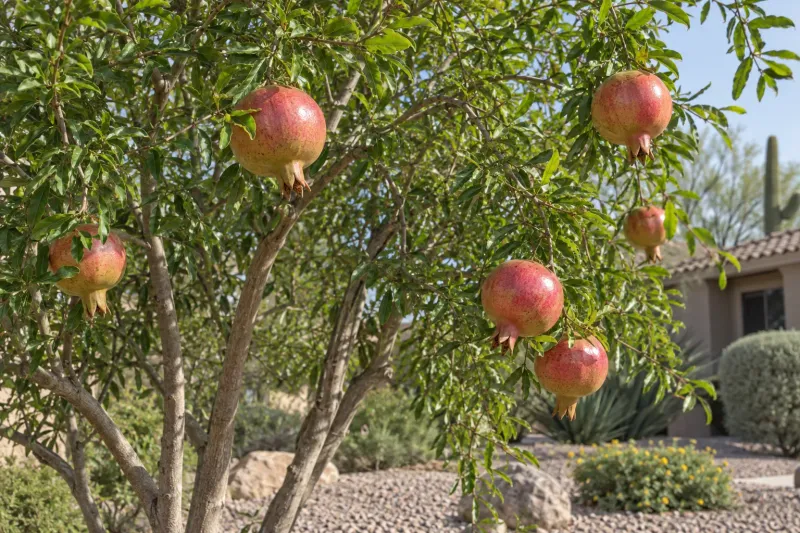
Pomegranates have grown in desert courtyards for thousands of years, and their autumn leaves glow a buttery, cheerful yellow. October also brings ripe red fruit, so you get color on the branches and a snack in your hand.
Most plants form large shrubs, yet pruning to one or a few trunks shapes them into charming small trees. Expect about 12 to 20 feet if left alone, though many gardeners keep them smaller for easier picking.
Bright orange spring flowers attract hummingbirds, and the dense branches give small birds safe cover from hawks overhead. Split fruit often draws birds and insects, so pick promptly once the skin turns deep red and leathery.
Irregular watering causes splitting, so keep moisture steady through late summer while the fruit fills out fully. Established plants handle heat and alkaline soil with ease, needing deep watering every week or two in summer.
I can’t imagine an easier fruit tree for the low desert, since pests rarely bother it much here. Try a variety like Wonderful for classic fruit, or pick a softer seeded type if you dislike crunchy arils.
9. Netleaf Hackberry
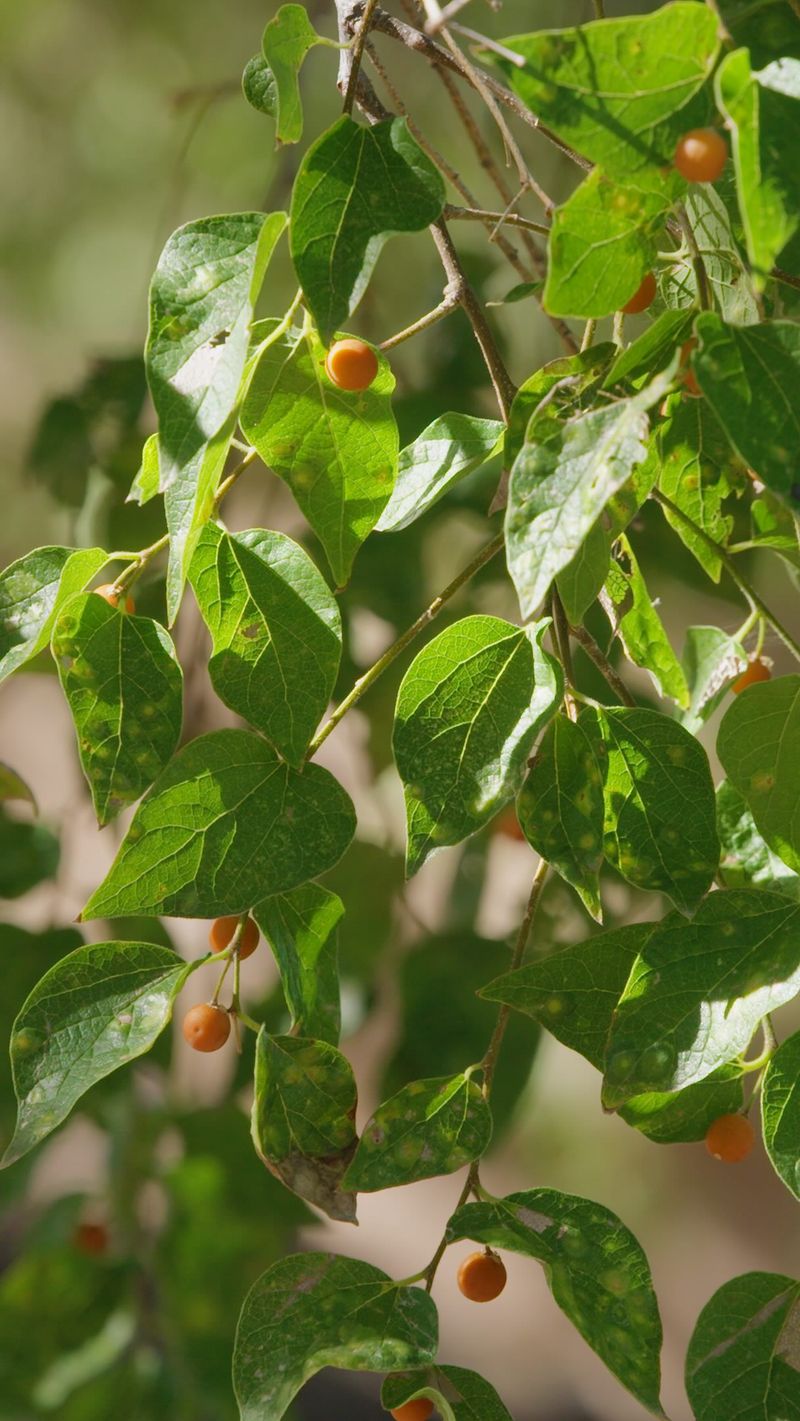
Butterflies treat netleaf hackberry like a nursery, since its leaves feed caterpillars of the hackberry emperor and American snout. In fall the rough, veiny leaves turn soft yellow, a gentle glow that fits the desert palette perfectly.
Native across Arizona, it grows along washes and rocky slopes, often reaching 20 to 30 feet in yards. Small orange-red berries ripen by fall, and birds such as thrashers and quail eagerly gobble them up.
Once established, it gets by on very little supplemental water, though deep monthly soaks keep summer leaves fuller. Plant it in October so the cooler months help roots settle before next summer’s heat returns again.
Leaves sometimes show bumpy nipple galls from tiny insects, but they look odd rather than harmful to the tree. I suggest ignoring them, since sprays harm the very butterflies and birds you planted this tree to welcome.
What surprises me most is how much life one scrappy native supports with almost no help from you. If you want a yard that works as habitat, this humble tree pays off season after season.