This Fall Lawn Weed Starts Growing Before Most Georgia Homeowners Notice It
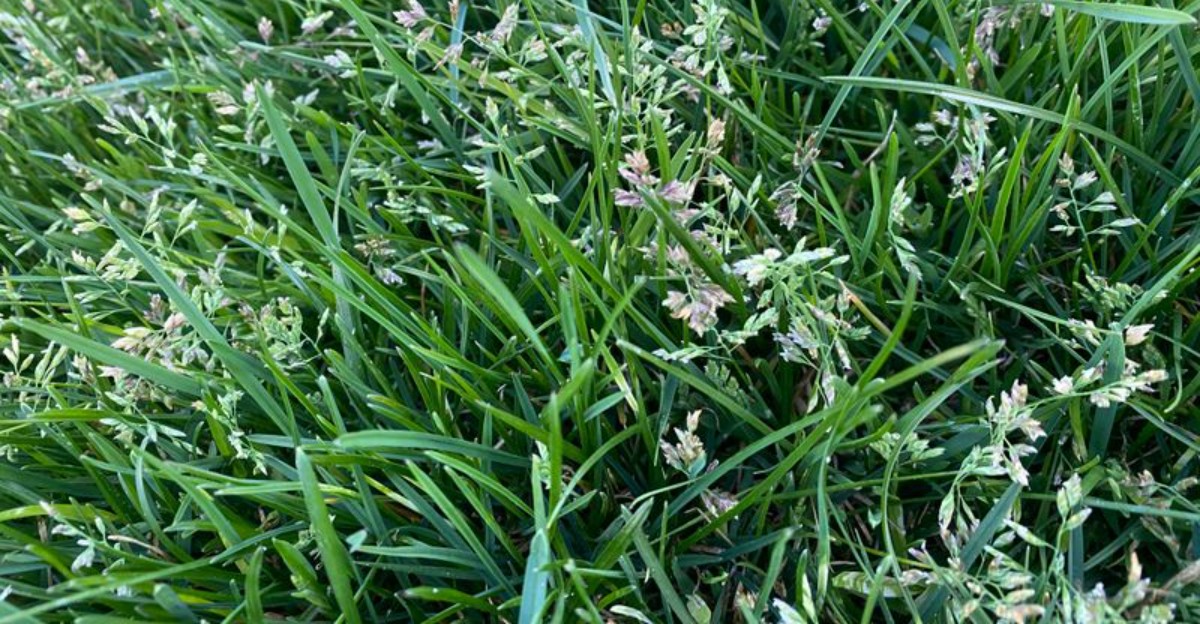
Your lawn can look clean in fall while a troublesome weed is already getting established beneath the grass. By spring, that quiet start can become harder to ignore.
The surprise comes from when this weed begins growing, not from how quickly you notice it.
While warm-season lawn plants are slowing down, its seedlings can take advantage of cooler conditions. Georgia homeowners may not recognize the problem because the youngest growth blends into the lawn.
That hidden timing changes when you need to start paying attention.
Waiting for obvious patches means the weed has already had months to establish itself. Learn its early signs now, and you can understand why fall matters so much.
What looks like an empty lawn problem today may already be preparing for a bigger spring appearance.
1. This Lawn Weed Can Get Started Before You Ever See It
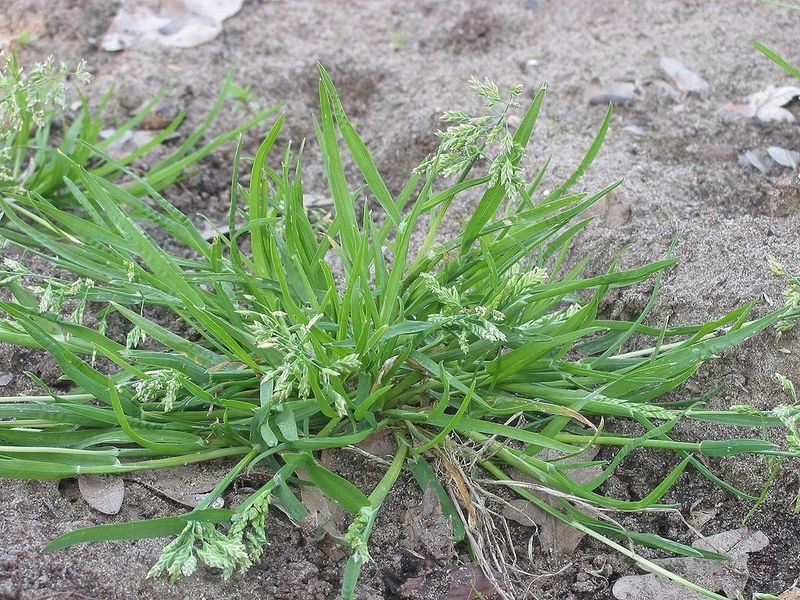
Weeks before anything shows on the surface, annual bluegrass is already at work in the soil. Seeds left behind from last spring sit in the top half inch, waiting for the right conditions.
Those conditions usually arrive quietly in early fall.
Rain softens the surface, nights cool off, and the seeds break dormancy. Nothing looks different from a mower seat, which is exactly why the weed catches people off guard.
Warm season lawns are winding down at the same moment, so growth slows and attention drifts.
Homeowners in Georgia often stop scouting their turf once football season starts, and that gap gives the weed a comfortable head start. Roots form first, and top growth follows later.
Seed can also arrive on mower tires, shoes, and landscape equipment.
If a neighbor had a heavy stand last winter, some of that seed likely traveled. Bagging clippings during known problem periods can reduce how much spreads around your yard.
Walking your lawn once a week in September is a small habit with real payoff.
Look closely at edges, driveways, and shady strips where soil stays damp longer. Those spots usually show the first activity, though timing shifts with rainfall and shade.
Catching the pattern early does not remove the problem, but it changes how much work you face later.
2. Annual Bluegrass Begins Germinating As Soil Temperatures Drop
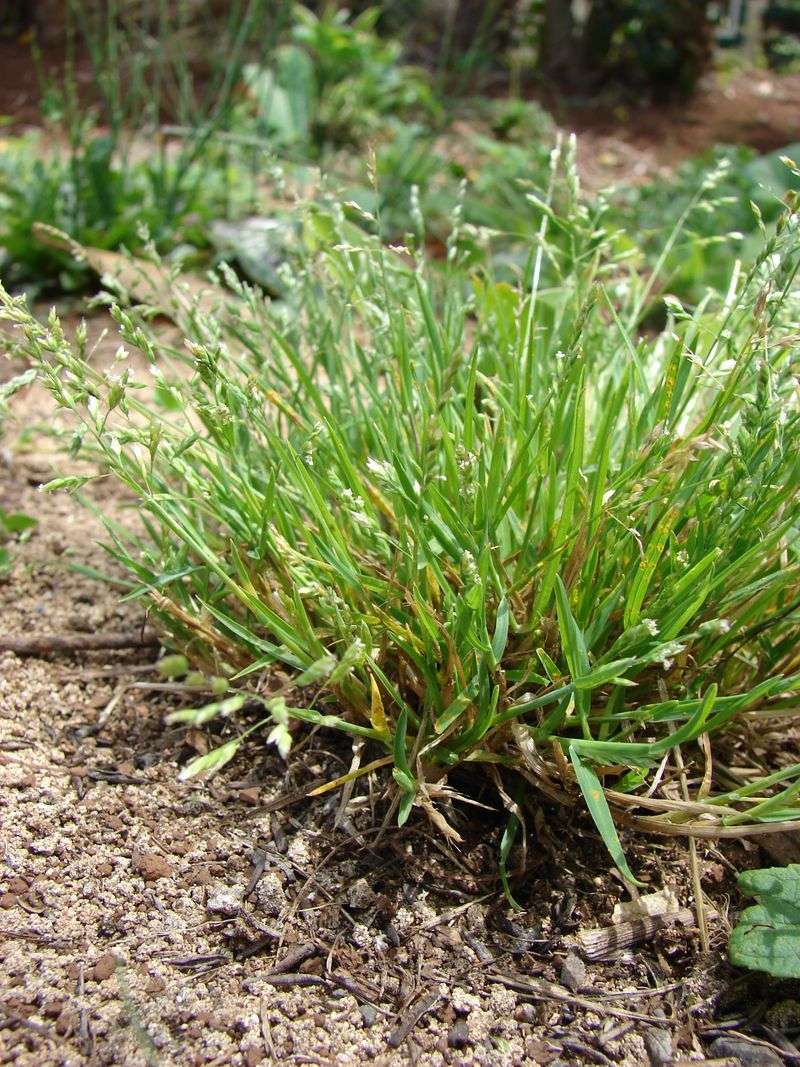
Soil temperature drives the whole timeline. Once readings in the top couple inches settle near the mid 70s and keep sliding, annual bluegrass seed starts waking up.
Air temperature is not the reliable signal here.
You can have hot afternoons while the ground has already cooled enough underneath. A cheap soil thermometer pushed a few inches down tells you far more than a weather app.
Check in the morning, in the same spot, a few days in a row for a useful trend.
Across most of Georgia, that cooling usually happens somewhere between late August and early October. North of Atlanta it tends to arrive sooner, while coastal areas often lag behind.
Elevation, shade, and irrigation all shift those dates.
Shaded areas under oaks or on the north side of a house cool first, so germination frequently starts there. Sunny open turf may hold heat for another week or two.
Your Georgia Garden Changes Every Week. Your Plan Should Too.
Gardening in Georgia changes quickly throughout the season. Every Friday you’ll receive a simple weekly plan showing exactly what to plant, prune, fertilize, harvest, and protect so you never miss the right timing.
Rain matters just as much as temperature.
A dry stretch can delay sprouting even after soil cools, and a heavy September storm can trigger a wave almost overnight. Watching both together gives a better read than tracking either alone.
Keeping a simple note of your readings each year builds a personal record.
After two or three seasons, you will have a decent sense of your own yard’s timing instead of guessing.
3. Light Green Clumps Make Young Plants Easier To Recognize
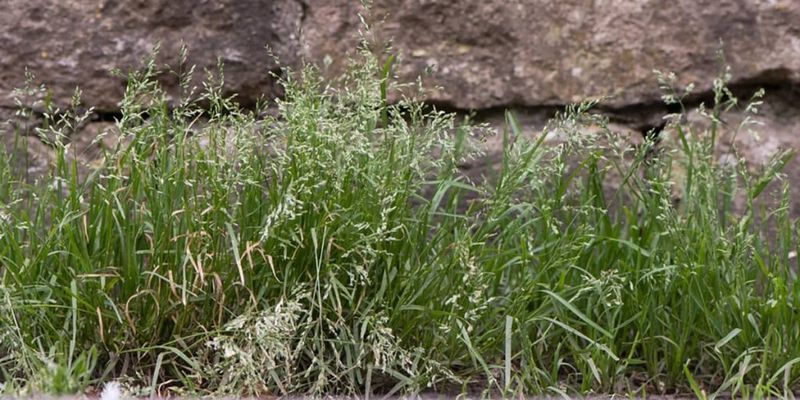
Color gives the weed away long before anything else does. Young annual bluegrass carries a bright, almost lime green tint that clashes with the deeper color of bermuda or zoysia.
Stand back about ten feet and the patches start jumping out.
Up close, the leaf blades are soft and narrow, with tips shaped a bit like the bow of a boat. Run your fingers across a clump and it feels finer than the surrounding turf.
Growth habit is clumpy rather than spreading, so plants form small tufts instead of running sideways.
Newcomers to Georgia lawns sometimes mistake it for a patch of fescue that drifted in from a neighbor’s yard. Fescue blades are wider and coarser, which helps once you compare them side by side.
Another clue is how the clumps sit slightly higher than mown turf.
They bounce back fast after mowing, giving the lawn an uneven, tufted look. That texture difference shows up clearly in low afternoon light.
Marking a few clumps with landscape flags helps you track how fast they spread.
Check the same spots every couple of weeks and note whether new tufts appear nearby. Hand pulling works fine when numbers are still small, though you will want to get the roots.
Early recognition simply gives you more choices.
4. Cool Fall Weather Helps Annual Bluegrass Continue To Establish
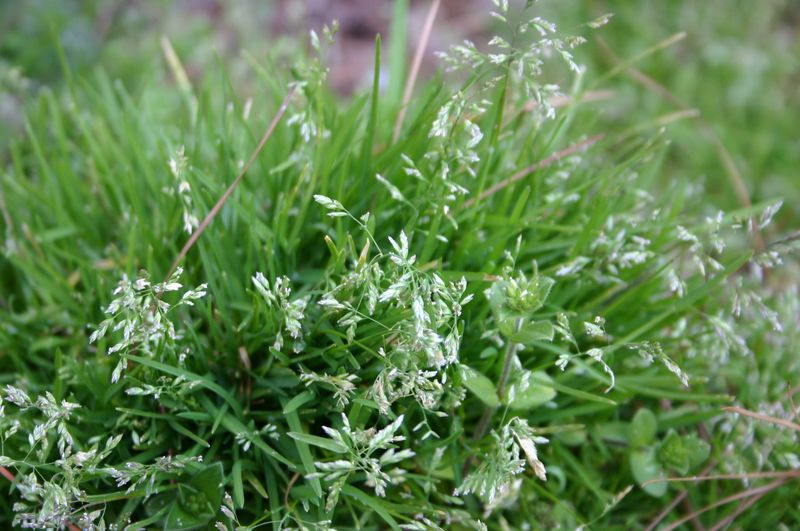
While your bermuda slides toward dormancy, this weed hits its stride. Mild days in the 60s and 70s with cool nights suit annual bluegrass almost perfectly.
That mismatch is what makes fall so important.
Warm season turf stops competing, and the weed keeps growing right through the cooler stretch. Open canopy plus steady moisture equals steady establishment.
Frequent light rain during October and November feeds the process.
Shady lawns in Georgia often struggle the most, since those areas stay damp and cool for longer periods. Under trees, along fence lines, and next to north facing walls tend to be trouble zones.
Irrigation habits play a role too.
Running sprinklers on a summer schedule into November keeps the surface wetter than it needs to be. Dialing back watering as growth slows is a simple adjustment that helps.
Leaf litter creates another problem worth handling.
Wet leaves left sitting hold moisture and block light from reaching your turf, which weakens it further. Regular raking or mulching keeps the lawn breathing.
Mowing height matters during this window as well.
Cutting warm season grass too low in fall exposes more soil surface, and exposed soil invites seedlings. Keeping a slightly taller cut through the cool months usually helps the turf hold its ground.
5. Thin Areas Of Turf Give New Plants More Room
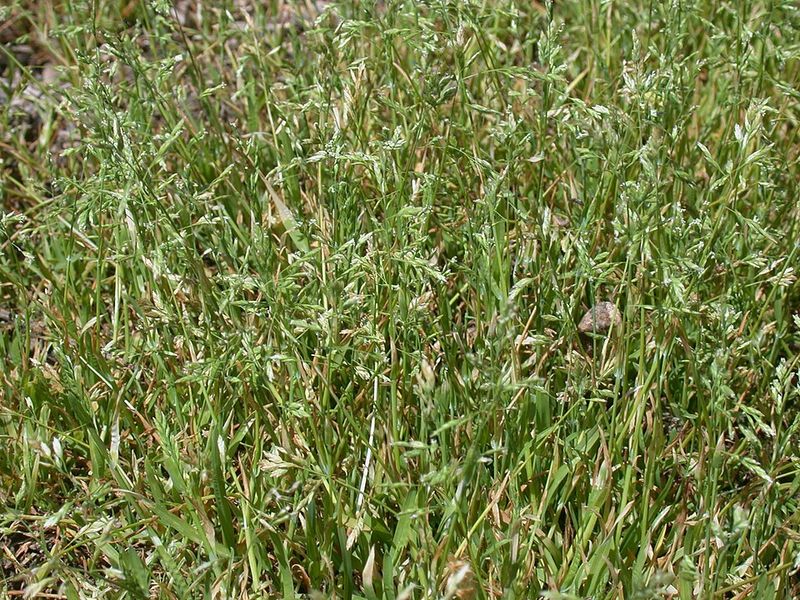
Bare soil is an open invitation. Annual bluegrass rarely takes over a thick, healthy stand of turf, but it moves into gaps without hesitation.
Think about where your lawn stays thin every year.
Dog paths, kid play zones, driveway edges, and heavily shaded corners all qualify. Compacted soil near sidewalks is another classic weak point.
Those areas hold moisture near the surface and offer little competition.
Improving turf density is the long game, and it works better than chasing individual clumps. Core aeration in early summer, proper fertility, and correct mowing height all build thicker cover for Georgia lawns.
Drainage deserves a look as well.
Low spots that stay soggy after rain almost always show more of this weed. Regrading a small dip or adding soil to level it can change that pattern over time.
Shade is harder to fix.
Bermuda needs a lot of sun, so a shady strip may never thicken up no matter what you do. Switching that area to mulch beds, groundcover, or shade tolerant plantings is often more realistic.
Traffic control helps too, especially in fall when recovery slows.
Shifting a walking path or adding stepping stones keeps soil from packing down. Small changes to how you use the yard often reduce weed pressure more than anything sprayed.
6. Small Seedheads Make The Weed Much Easier To Notice
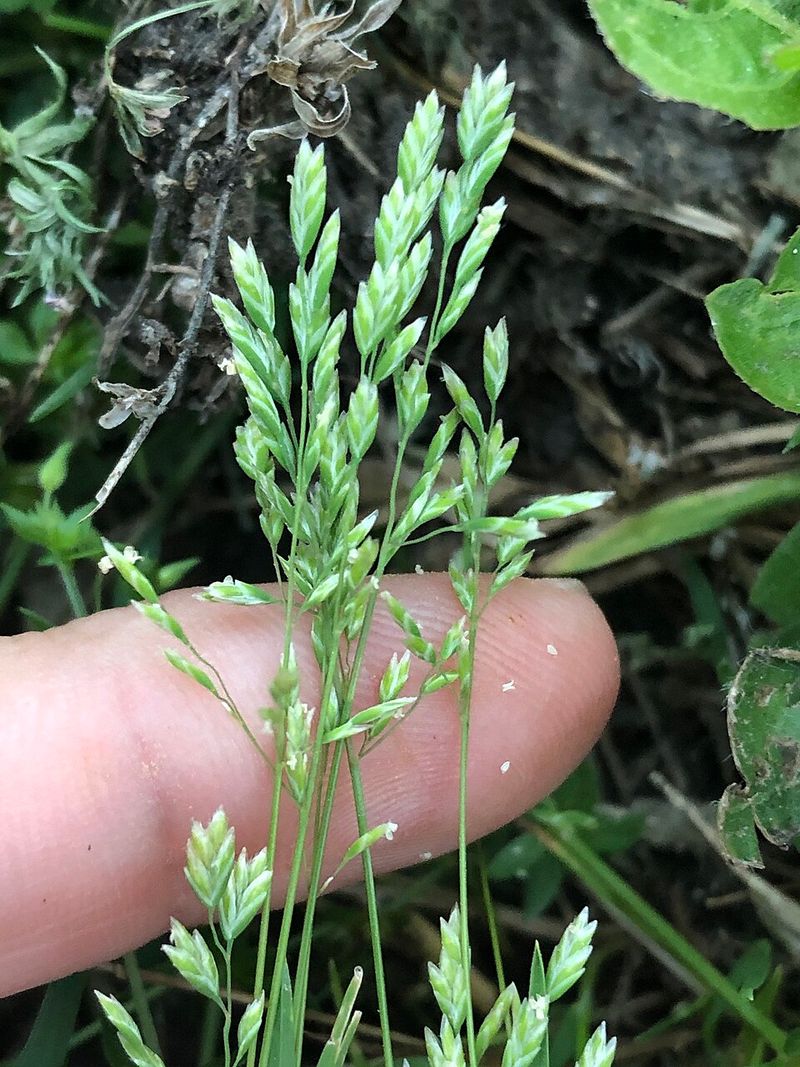
Once seedheads show up, the secret is out. Fine, whitish tufts rise above the turf and give the lawn a fuzzy, speckled appearance.
Most Georgia yards see this in late winter through spring.
Plants can produce seedheads even at low mowing heights, which is part of what makes the weed so persistent. Cutting shorter does not stop the process.
Each plant is capable of producing a large amount of seed.
That seed drops into the soil and waits for the following fall, which is how the cycle repeats year after year. Some seed stays viable for multiple seasons, so one bad year has a long tail.
Bagging clippings during seedhead season limits how much you spread while mowing.
It will not clear the seed bank, but it reduces movement across the yard. Cleaning mower decks after cutting a heavy patch is worth the extra few minutes.
Warm weather eventually ends the plant’s run.
As temperatures climb in late spring, the clumps brown out and leave thin, ragged spots behind. Those gaps then become prime real estate for summer weeds like crabgrass.
Watching that transition tells you where to focus next fall.
Take a few phone photos of the worst areas in March, then use them as your map when prevention season rolls around again.
7. Fall Prevention Needs To Start Before Germination Begins
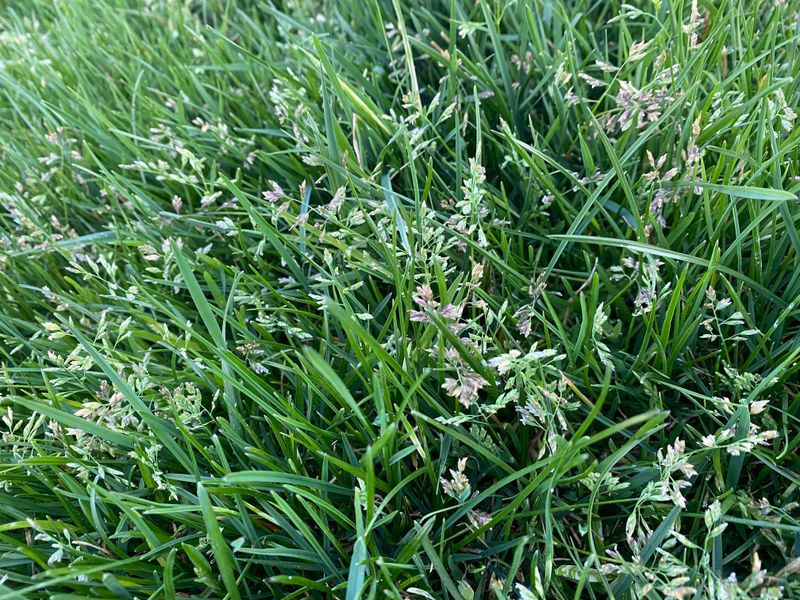
Timing beats effort with this weed. Pre-emergent products only work when they are down before seeds sprout, which means applying while the lawn still looks fine.
Waiting until you see clumps is waiting too long.
Most Georgia homeowners aim for a late summer to early fall application, guided by soil temperature rather than the calendar. Cooling soil in the low to mid 70s is the usual cue.
Water the product in afterward so it forms a barrier near the surface.
Skipping that step leaves granules sitting dry and doing very little. About a quarter to half inch of irrigation or rainfall is typically recommended on the label.
Read the label carefully before you spread anything.
Some products are unsafe for certain grass types, and rates differ between bermuda, zoysia, and centipede. Following label directions is both a legal and practical requirement.
Avoid applying pre-emergent where you plan to overseed.
The same barrier that blocks weed seed will block your ryegrass or fescue seed too. Pick one goal per area and stick with it.
Results vary based on rainfall, application evenness, and existing seed pressure.
Expect improvement rather than perfection, especially in the first year. Repeating the practice each fall, along with building thicker turf, gives you the steadiest progress over time.