Arizona Homeowners Are Using Hopseed Bush To Block West Facing Heat
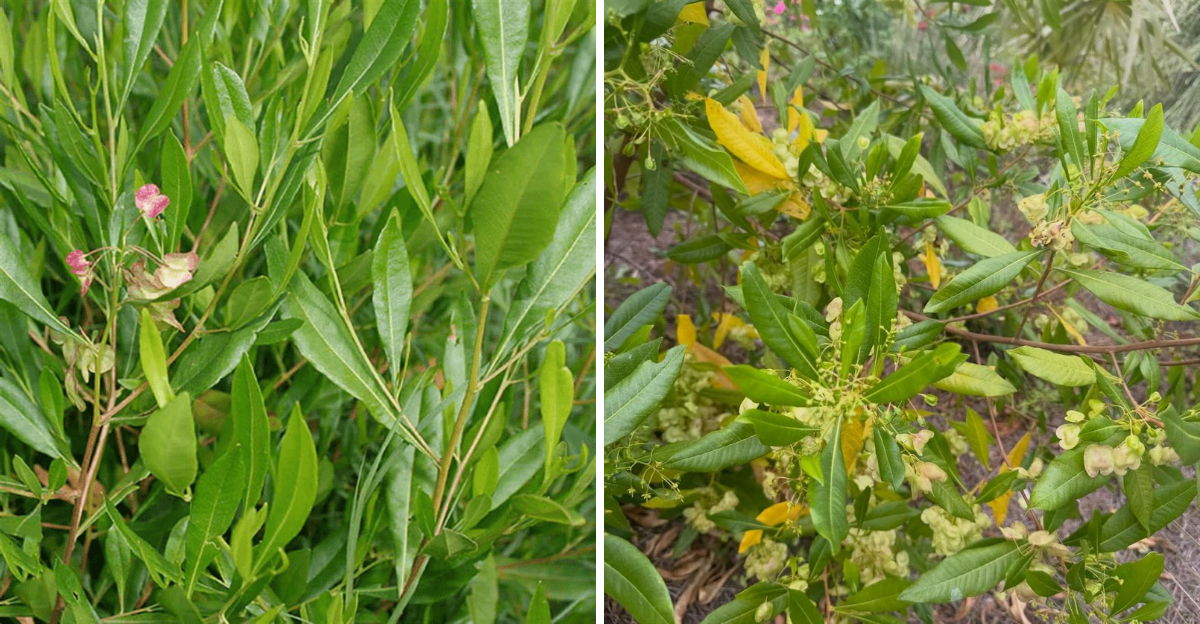
That intense afternoon sun can turn the west side of your home into one of the hottest areas outside. A well-placed hopseed bush can help soften that exposure naturally.
Arizona homeowners often value this evergreen shrub because it handles heat while forming dense, upright growth. Give it enough room, and it can develop into an effective living screen.
Placement matters when you want plants to provide useful afternoon shade. Focus on areas that receive strong western sunlight during the hottest part of the day.
Hopseed bush also fits neatly into many desert landscapes without demanding a lush garden setting. Its narrow leaves and tidy shape work especially well near patios and walls.
Before planting, consider its mature size and available space carefully.
The right position can make this tough shrub work harder around your home.
1. West-Facing Walls Take The Brunt Of Afternoon Sun
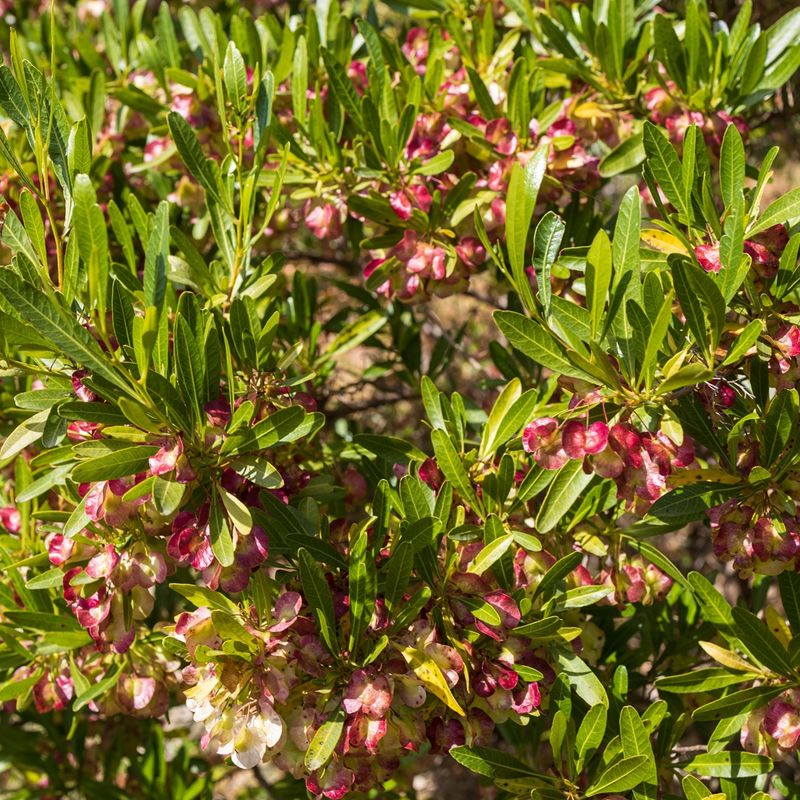
Afternoon sun hits west-facing walls harder than any other side of the house. From around 2 PM onward, that wall absorbs heat without a break until sunset.
The surface temperature can climb well beyond the air temperature on hot summer days.
That stored heat does not go away quickly. Even after the sun drops, the wall keeps radiating warmth back into the yard and sometimes into the house itself.
Rooms on the west side tend to feel warmer and harder to cool.
Blocking that sun before it reaches the wall makes a real difference. Shade from plants, fences, or structures can reduce surface temperatures noticeably.
Hopseed Bush works well here because it grows tall enough and dense enough to create meaningful shade coverage along a wall.
Hot desert climates put extra pressure on west-facing surfaces. Paint fades faster.
Caulking cracks sooner. Stucco can show stress over time.
Reducing direct sun exposure through natural screening helps protect the wall itself, not just the people nearby.
Planting a shrub row along the west side is one of the more practical and low-cost approaches available. It does not require major construction.
Over a few growing seasons, the plants fill in and start doing real work. Results depend on plant size, spacing, and how well they are established.
2. Hopseed Bush Creates A Dense Living Barrier
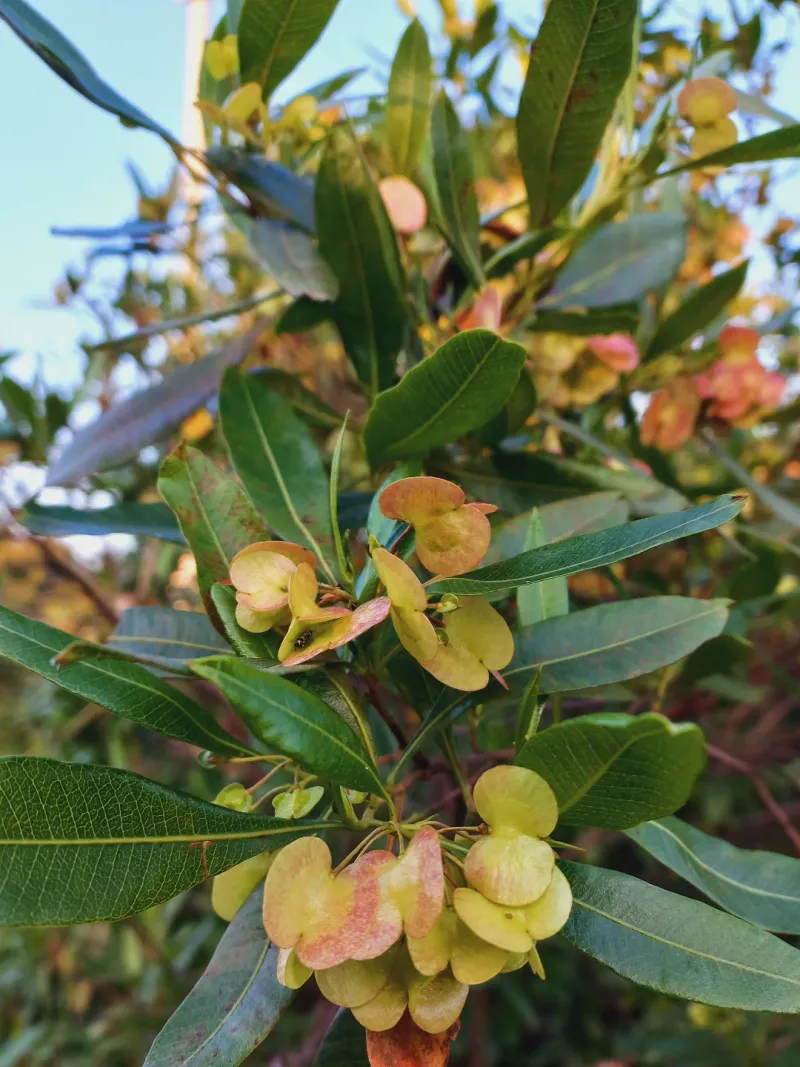
Not every shrub can handle full desert sun and still look full and leafy. Hopseed Bush handles it better than most.
Native to the Southwest, it is built for heat, low rainfall, and rocky soil conditions.
What makes it useful as a privacy or heat screen is its density. Branches fill in tightly over time.
Leaves overlap and layer in a way that blocks wind, light, and line of sight when the plant matures. A row of established Hopseed bushes can form a solid green wall.
Growth speed is moderate. You will not have a full screen in one season.
Realistic expectations matter here. Most homeowners see meaningful coverage within two to three growing seasons, depending on soil prep, watering, and starting plant size.
The shrub also handles reflected heat from walls and pavement reasonably well. Many ornamental plants struggle with that kind of radiant heat bouncing back at them.
Your Arizona Garden Changes Every Week. Your Plan Should Too.
Gardening in Arizona changes quickly throughout the season. Every Friday you’ll receive a simple weekly plan showing exactly what to plant, prune, fertilize, harvest, and protect so you never miss the right timing.
Hopseed is more tolerant, though proper irrigation during the establishment period still matters.
Planting it close enough to create a barrier without crowding each individual plant takes some planning. Spacing around six to eight feet apart is a common starting point, but always check with a local nursery.
Soil type, sun exposure, and available water affect how each plant performs in your specific yard.
3. Tall Growth Provides More Useful Shade
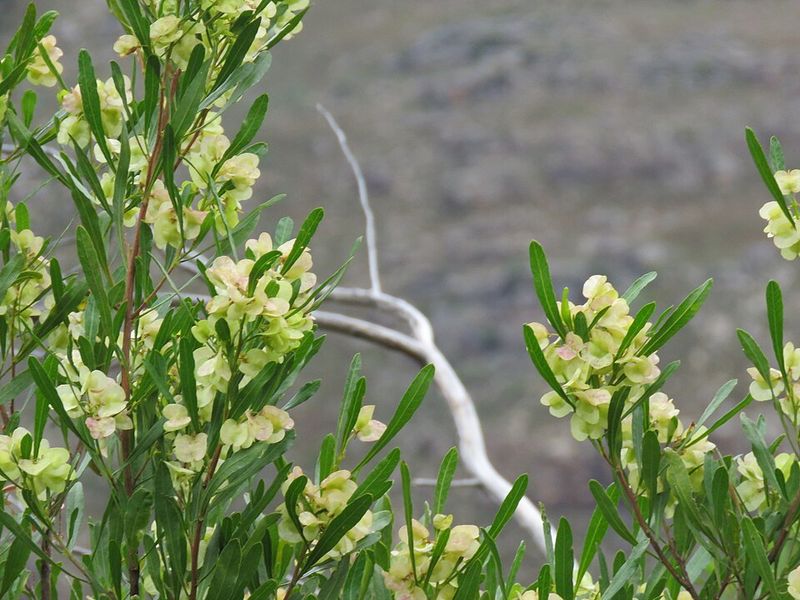
Height matters when you are trying to block sun from a wall or a patio. A short shrub only shades the base of a wall.
Taller plants cast shade higher up and across a wider area of the ground nearby.
Hopseed Bush can reach anywhere from ten to fifteen feet tall at maturity under good conditions. That range makes it genuinely useful for shading a full wall section, not just the lower portion.
Actual height depends on water availability, soil quality, and how much sun the plant gets.
Shade from taller plants also shifts throughout the day. In the late afternoon, when west-facing sun is at its most intense, a tall shrub positioned correctly can block a large portion of that direct light.
The angle of the sun and the distance of the plant from the wall both affect how much shade you actually get.
Pruning affects height over time. Left unpruned, Hopseed grows into a large, open form.
With regular shaping, it can be kept more compact. If shade is the goal, letting it grow taller and fuller tends to produce better results than heavy pruning.
Pairing taller Hopseed plants with shorter groundcover plants underneath can improve the overall shading effect. Layered planting fills gaps at different heights and reduces the amount of reflected heat coming up from bare soil or gravel.
4. Evergreen Foliage Offers Year-Round Coverage
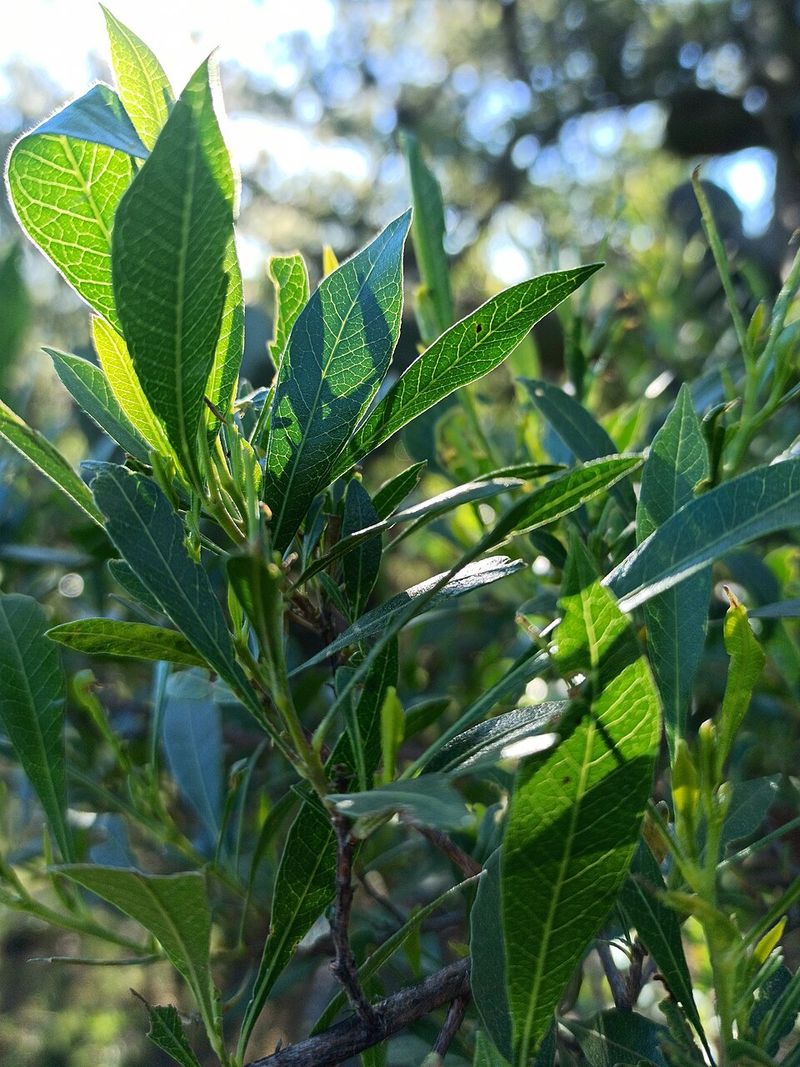
Losing your shade screen in fall is a real problem if you planted deciduous shrubs. Hopseed Bush holds its leaves through most of the year in warm desert climates.
That means the coverage you build up over growing seasons does not disappear when temperatures drop.
In Arizona’s low desert zones, Hopseed typically stays green through winter. It may lose some leaves during an unusually cold stretch, but it generally bounces back.
Hard freezes can cause more leaf drop, so local climate conditions matter when choosing where to plant it.
Year-round coverage is especially helpful along a west wall because that wall faces intense sun even in cooler months.
The sun angle is lower in winter, which means afternoon light hits differently, but a wall can still absorb significant heat on clear winter days.
Evergreen plants also help block wind year-round. In desert regions, winter wind can be dry and cold.
A dense evergreen row along a property edge provides some wind buffering in addition to sun protection, depending on how it is positioned.
Keeping an evergreen shrub healthy through all seasons requires consistent water during the first one to two years. Once established, Hopseed is more drought-tolerant, but it still benefits from occasional deep watering during long dry periods.
Soil drainage plays a big role in long-term plant health.
5. Proper Placement Matters Near The House
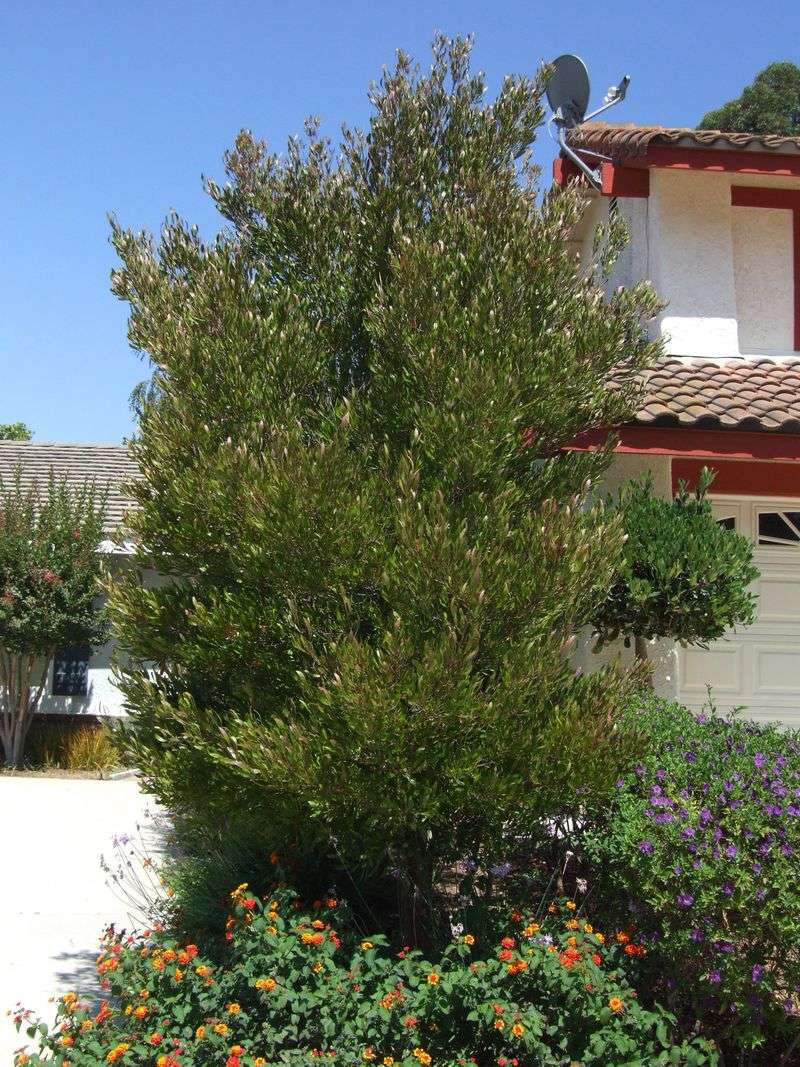
Planting too close to the foundation is one of the most common landscaping mistakes. Roots need room to spread, and dense shrubs planted right against a wall can trap moisture and create other problems over time.
Giving plants enough clearance from the structure is basic but important.
A general guideline is to plant Hopseed Bush at least four to six feet from the house wall. This allows air circulation, root growth, and easy access for maintenance.
Exact distance depends on the mature spread of the specific plant and the layout of your yard.
Placement also affects how much shade the shrub actually casts on the wall. A plant positioned too far away may not intercept the sun at the right angle during peak afternoon hours.
A plant too close may not have room to fill in properly and could cause issues near the foundation.
Consider underground utilities before planting. Roots from established shrubs can interfere with irrigation lines, though Hopseed is generally not considered an aggressive root spreader.
Checking with your utility provider before digging is a smart step regardless of plant type.
West-facing placement also means the plant will absorb significant heat itself. Make sure it gets enough water during the establishment phase.
A plant stressed by drought in its first season may not fill in as well or reach its potential size in later years.
6. Enough Space Supports Healthy Growth
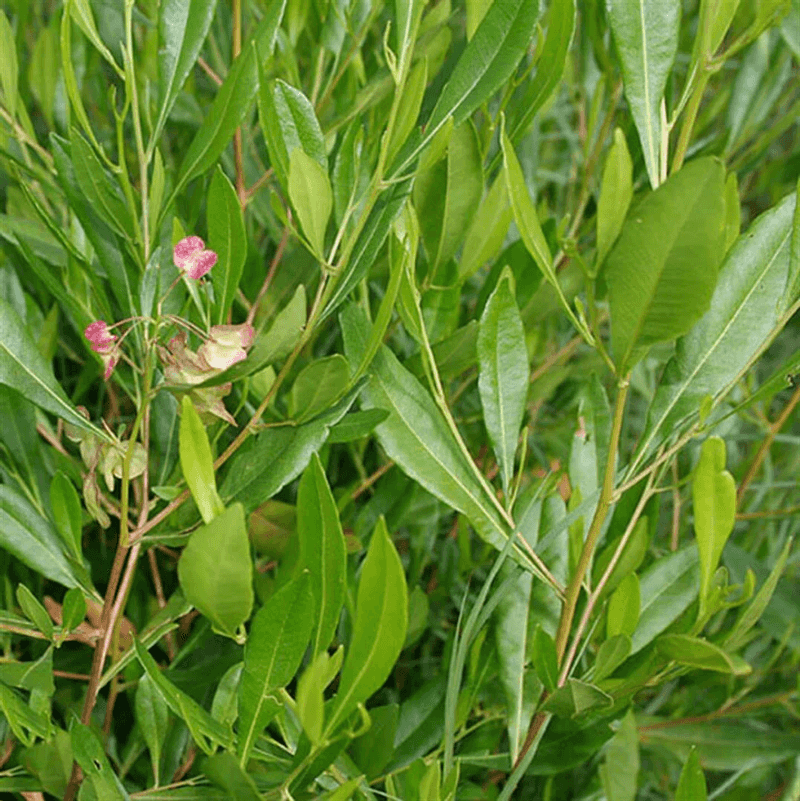
Crowded plants compete for water, nutrients, and light. When shrubs are planted too close together, they tend to grow taller and thinner rather than filling out the way you want.
Spacing Hopseed Bush correctly from the start saves a lot of frustration later.
A spacing of six to eight feet between plants is often recommended for Hopseed when used as a screen. At that distance, mature plants should grow together and fill the gaps over time without overcrowding.
Tighter spacing speeds up the screen effect but can create problems as plants mature.
Wider spacing means a longer wait for full coverage. Some homeowners offset this by planting in a staggered double row.
That approach fills gaps faster while still giving each plant enough room. It does require more plants and more water during establishment.
Mulching around the base of each plant helps retain soil moisture and reduces competition from weeds. A layer of gravel or organic mulch a few inches deep around the root zone makes a noticeable difference, especially in the first growing season.
Fertilizing is generally not needed for established Hopseed in desert soil. Over-fertilizing can actually push weak, fast growth that is less sturdy.
Letting the plant grow at its own pace in appropriate soil tends to produce stronger, longer-lasting results. Consult a local nursery for advice specific to your soil type.
7. A Living Screen Can Soften Hot Outdoor Areas
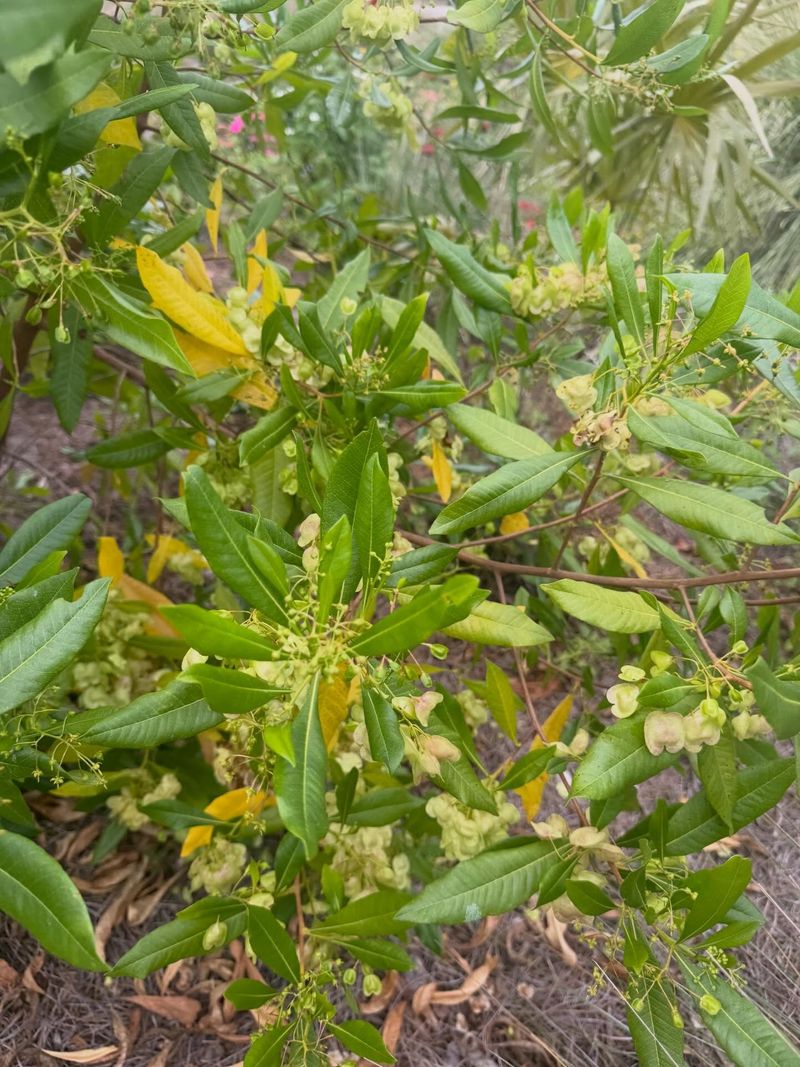
A bare west-facing patio in peak summer is rarely comfortable after noon. The combination of direct sun, reflected heat from walls and pavement, and dry air makes outdoor spaces feel punishing.
A planted screen changes that experience in a real way.
Hopseed Bush planted along the west edge of a patio can block a portion of that direct afternoon sun.
Filtered shade from dense foliage is not the same as full shade from a solid roof, but it lowers the perceived temperature and makes the space more bearable.
Wind movement through the plants also adds a slight cooling effect.
Green plants also reduce the visual heat effect. Surrounding yourself with foliage instead of bare walls and gravel makes a space feel cooler even when temperatures have not changed dramatically.
It is a subtle difference, but it adds up.
Birds and pollinators tend to use Hopseed as cover and foraging habitat. Having wildlife activity in your yard is a side benefit many homeowners enjoy.
It adds movement and life to what might otherwise be a static landscape.
Pairing the shrubs with shade cloth, a pergola, or a ramada gives you layered protection. Plants alone may not be enough on the hottest days, but as part of a broader shading plan, Hopseed fills in gaps that structures cannot cover.
Results vary based on yard layout, sun angle, and plant maturity.