This Georgia Native Tree Stands Out In Winter With Copper Leaves And Silver Bark
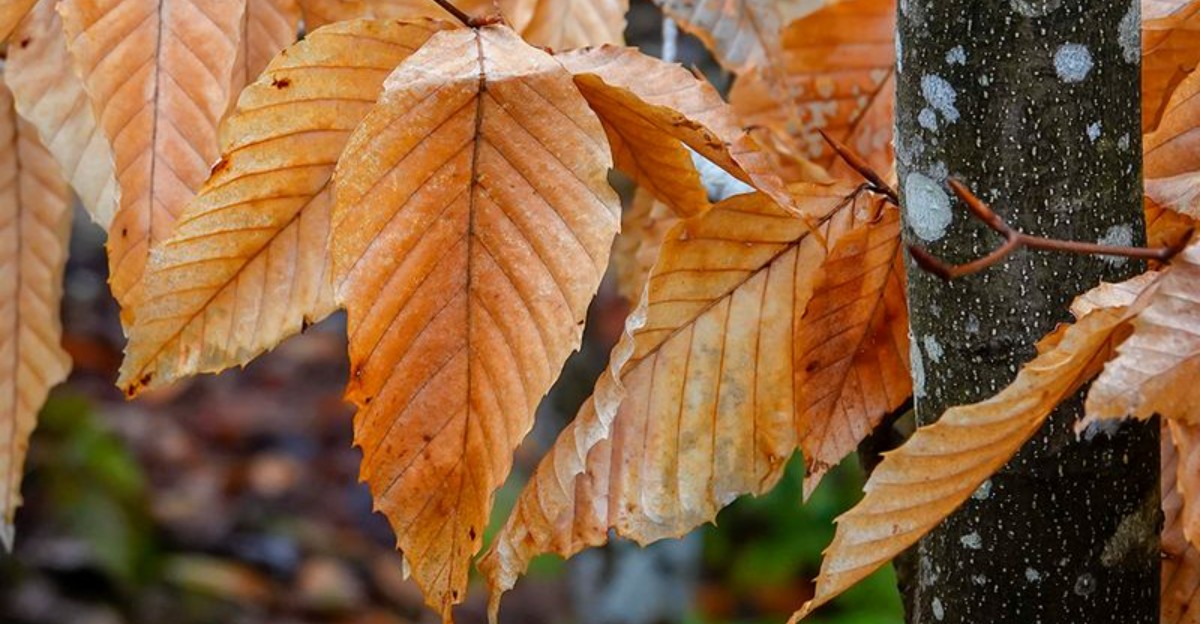
Some trees in the Georgia woods refuse to let go of their leaves until spring. Walk a creek trail in January and you will hear them whispering in the wind while everything else stands bare.
The leaves glow a papery copper color. Below them, the trunk looks smooth and pale gray, almost like polished stone or an elephant’s leg.
I love how this tree turns a gloomy winter hike into a treasure hunt. Once you spot one, you start seeing them everywhere along shady slopes and stream banks.
I think they look best on a cloudy afternoon, when that warm glow pops against the gray sky.
You may have walked past dozens without noticing. Those copper leaves have a fascinating reason for staying put, and this winter standout might even deserve a place in your own backyard.
1. Those Rustling Copper Beech Leaves Are Holding On For A Reason
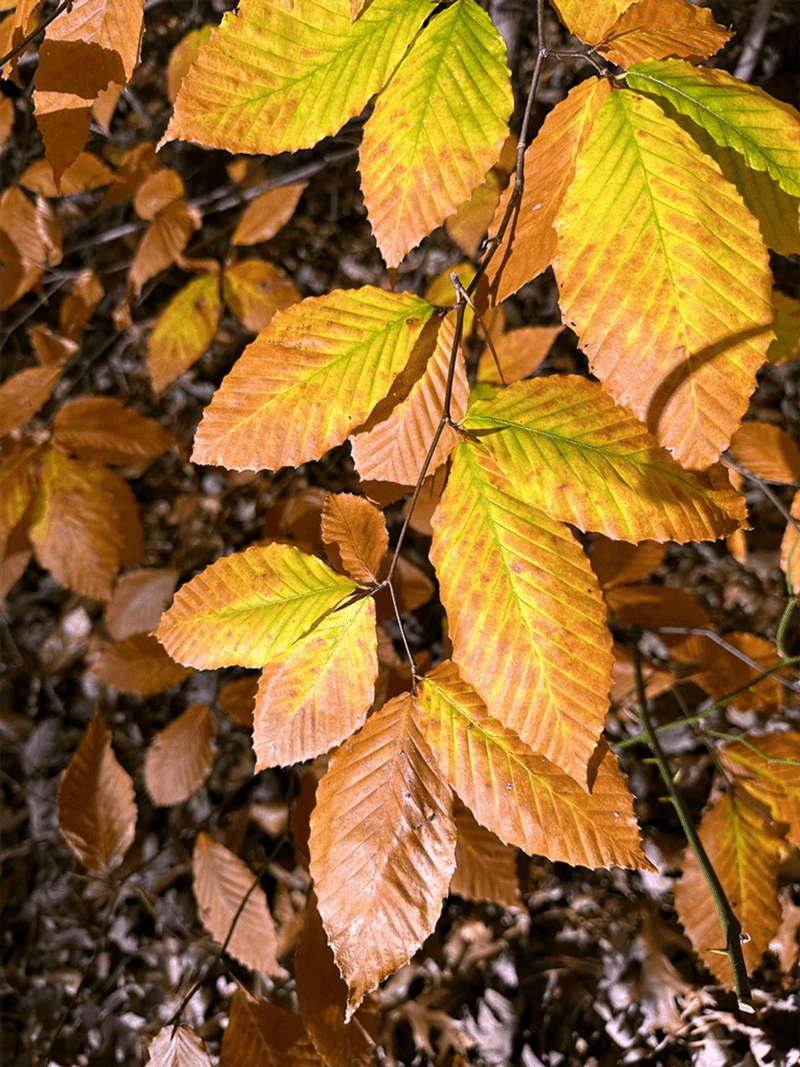
Botanists have a fun word for leaves that stay put all winter. It’s called marcescence, and the American beech is one of the best examples in the eastern United States.
In fall, the leaves turn golden bronze. Instead of dropping, many of them dry out and stay attached, fading to a light copper or tan color by midwinter.
The trick comes down to timing. Most trees grow a clean break layer where the leaf stem meets the twig.
On many beeches, that layer doesn’t fully finish forming before cold weather arrives, so the leaves hang on until new spring buds push them off.
You’ll notice this most on young trees and on the lower branches of older ones. The tall, mature crown often drops more of its leaves.
Why do they do it? Scientists still aren’t fully sure.
One idea is that dry, crunchy leaves make the twigs less tasty to deer. Another idea is that leaves falling in spring add fresh mulch right when the tree needs it.
Both ideas are reasonable, but neither is proven. That little mystery makes every winter walk past a beech a bit more interesting.
2. That Smooth Silver Beech Bark Gives It Away Every Time
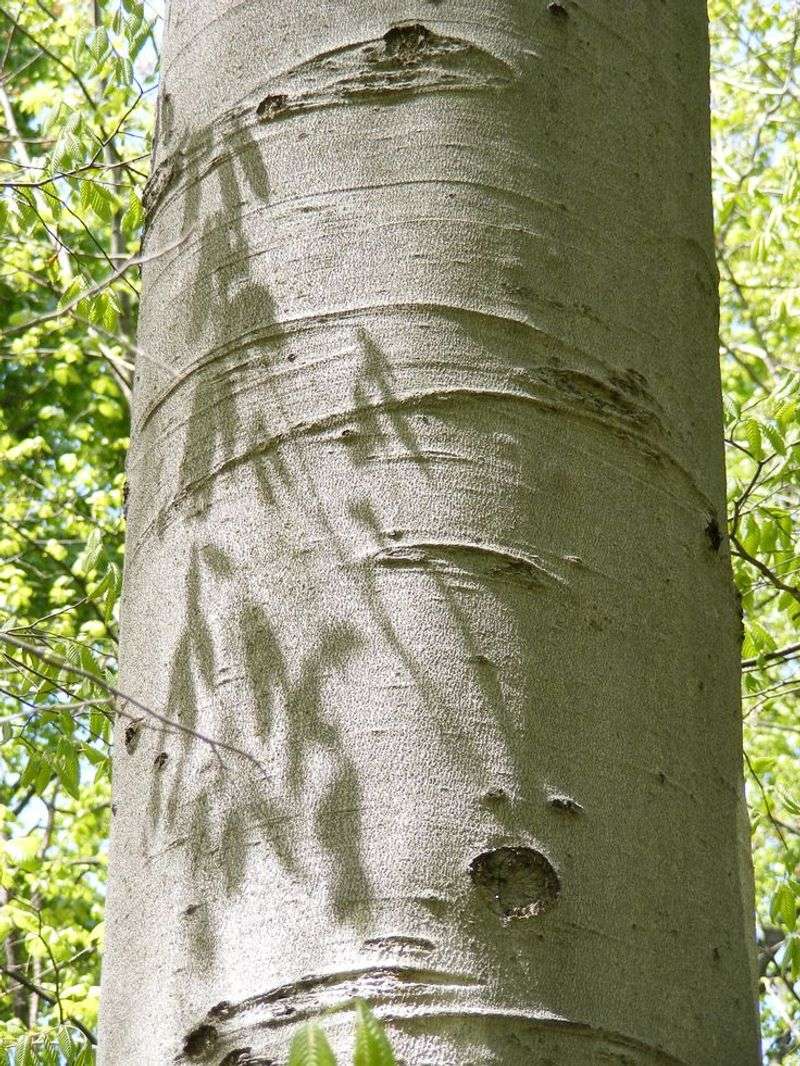
Run your hand along a beech trunk and you’ll feel something unusual. The bark is thin, tight, and smooth, even on trees that are more than a century old.
Most hardwoods like oaks and hickories get rough, cracked, or shaggy bark as they age. The beech keeps its sleek, light gray skin, which many people compare to an elephant’s hide.
In winter, that pale trunk really shines. Paired with those copper leaves, it creates a color combo you won’t find on many other Georgia trees.
Sadly, smooth bark tempts people to carve initials.
Those marks stay for decades and open wounds where fungi and insects can enter.
If you have a beech on your land, please skip the pocketknife. Teach kids to admire the bark with their eyes and fingertips instead.
Here’s a handy ID tip. If you see smooth gray bark plus long, pointed, cigar-shaped buds on the twigs, you’ve almost certainly found a beech.
Those buds can reach about an inch long. Once you learn them, you can identify the tree in any season, even after the last leaves finally fall.
3. North Georgia Creek Banks Are Prime Beech Tree Territory
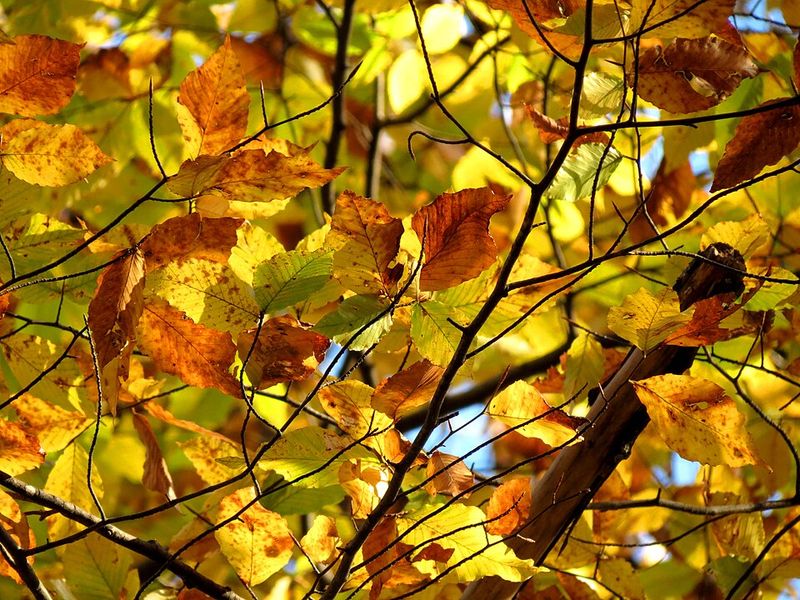
My favorite place to find beeches is down by the water. They love cool, moist ravines, shady slopes, and rich bottomlands along streams.
American beech grows across much of Georgia. It’s most common in the mountains and Piedmont, including wooded areas around Atlanta and Athens.
You’ll also find it scattered in moist, protected spots farther south.
The species is hardy in USDA zones 3 through 9. That range covers the whole state, from chilly north Georgia peaks to warmer coastal plain counties.
Still, the tree is picky about where it settles. It prefers north-facing slopes and sheltered hollows that stay damp and shady during hot summers.
Beech often grows alongside tulip poplar, white oak, and southern sugar maple in mature hardwood forests. Groves of beech can signal an older, undisturbed woodland.
Want to see some? State parks with stream trails in north Georgia are great bets in December through February.
Look for the glowing copper understory before you even reach the creek.
Bring a camera. The contrast between pale trunks, coppery leaves, and dark water makes for some lovely winter photos.
4. Spiny Beechnut Husks Feed Squirrels, Turkeys, And Even Bears
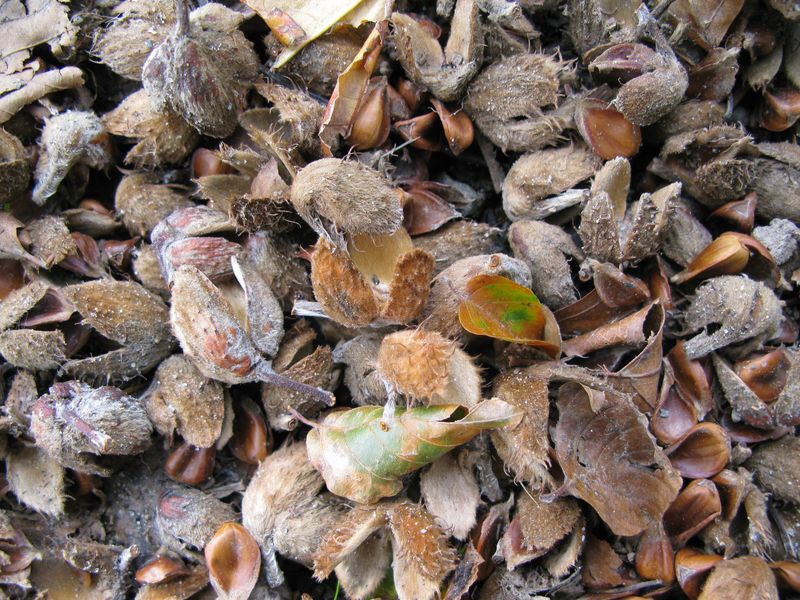
Squirrels go a little wild for beechnuts, and honestly, who can blame them? These small, three-sided nuts are packed with fat and protein.
Each nut sits inside a prickly husk that splits open in fall. Most years bring a modest crop, but every two to three years beeches produce a big bumper crop called a mast year.
That food supply matters a lot heading into winter. Chipmunks, mice, deer, wild turkeys, blue jays, raccoons, and black bears all eat beechnuts.
The leaves feed wildlife too. American beech supports well over 100 kinds of moth and butterfly caterpillars, and those caterpillars become baby food for songbirds in spring.
Older beeches often form hollows as they age. Woodpeckers, owls, flying squirrels, and other cavity users happily move in.
Fun fact: the passenger pigeon once gathered in huge flocks to feed on beechnuts across eastern forests. That bird is gone now, but the beech still feeds plenty of neighbors.
If you have a beech nearby, leave some fallen nuts and leaves on the ground. Your local critters will thank you all winter long.
5. A Mature American Beech Needs Way More Room Than You Expect
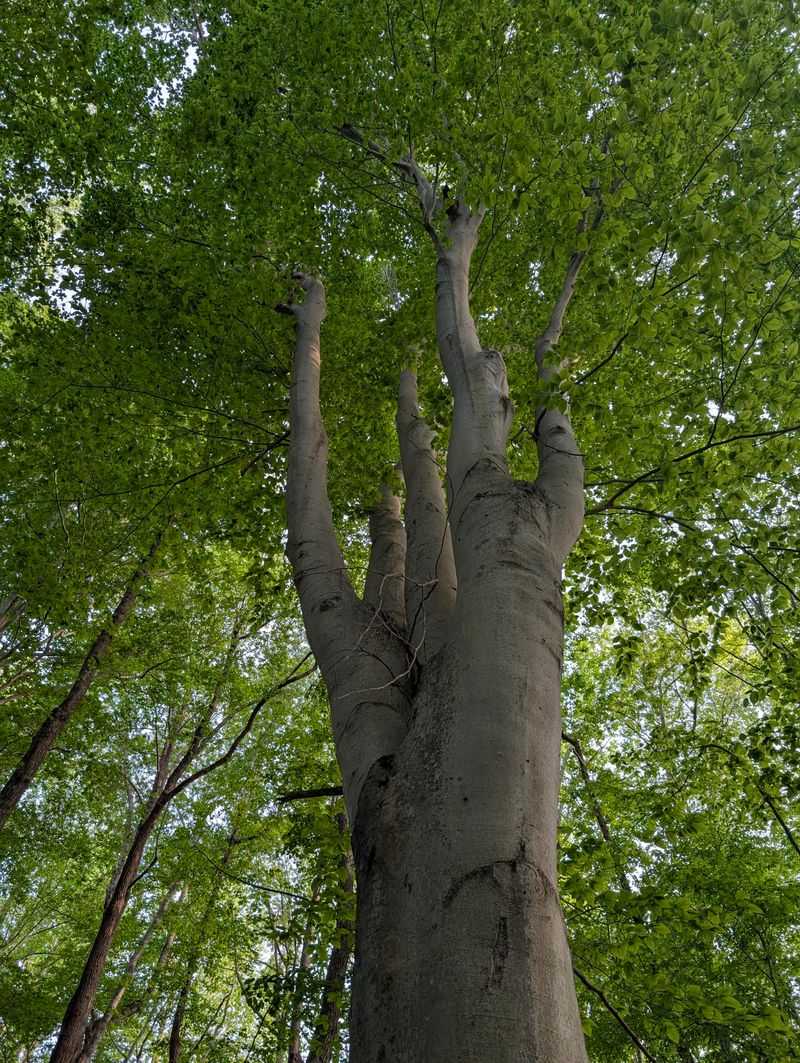
Big dreams need big yards. A full-grown American beech often reaches 50 to 80 feet tall, and old forest giants can grow even taller.
The crown spreads wide too, sometimes 40 to 60 feet or more. That’s a lot of shade, and it’s a lot of space to plan for.
Beech also has shallow, spreading roots near the soil surface. Grass struggles to grow underneath, and lawn mowers can scrape exposed roots.
For best results, plant it at least 20 to 30 feet away from your house, driveway, sewer lines, and other trees. Avoid tight spots near sidewalks.
Patience helps here as well. Beech grows slowly, so you’re planting for your grandkids as much as for yourself.
I think a beech looks happiest in a natural corner of a big lot or at the edge of existing woods. A mulched bed or shade garden underneath makes more sense than turf.
Small yard? Consider protecting a wild beech in a nearby park or helping a local land trust instead.
Sometimes the best way to enjoy a giant tree is to visit it.
6. Plant Your Beech Sapling In Rich, Moist, Well-Drained Soil
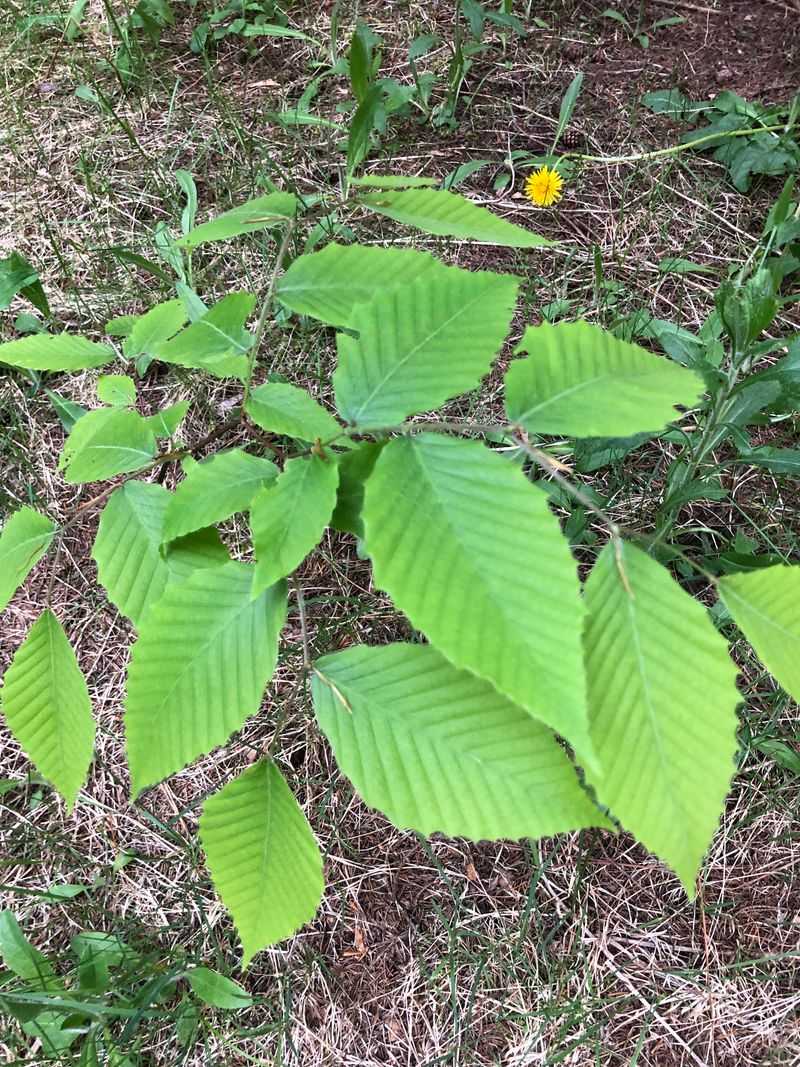
Late fall through winter is prime planting time in Georgia. Cool air and winter rain help young roots settle in before summer heat arrives.
Beech wants soil that stays moist but drains well. Slightly acidic soil rich in organic matter suits it nicely, much like a shady forest floor.
Heavy, packed red clay can be a challenge. Loosen a wide area and avoid planting in spots where water sits for days after a storm.
Dig the hole two to three times as wide as the root ball, but no deeper. The top of the root flare should sit at ground level or slightly above.
Spread two to three inches of shredded bark or leaf mulch in a wide ring. Keep mulch a few inches away from the trunk to reduce rot.
Water deeply once a week during the first couple of summers, especially during dry spells. Young beech roots dislike drought.
Light needs are flexible. Beech tolerates shade well and grows in partial sun, though young trees appreciate some afternoon protection.
Your local UGA Extension office can test your soil before you plant.
7. Watch Beech Leaves For Dark Stripes And Trunks For Damage
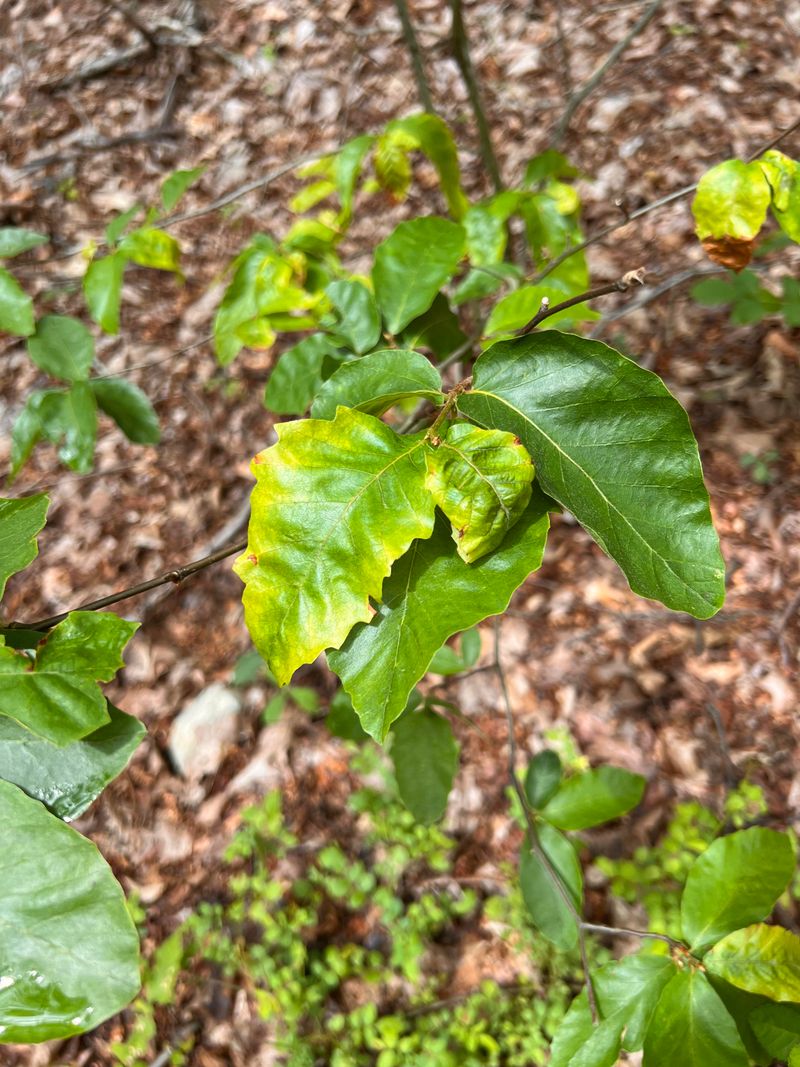
Healthy beeches are tough, but a couple of problems deserve your attention. Knowing the signs helps you act early.
Beech leaf disease is the newest worry. It’s linked to a tiny nematode and causes dark green bands between leaf veins, plus thick, curled leaves.
It has spread through the Northeast and Midwest, so northern Georgia gardeners should stay alert.
Beech bark disease is another concern farther north. Scale insects open the bark, and fungi follow, leaving rough, cankered trunks.
Neither disease is widespread in Georgia right now, based on current reports. Still, monitoring matters because early detection helps forest managers track spread.
If you spot striped leaves or odd bark cankers, snap clear photos. Contact your county UGA Extension office or the Georgia Forestry Commission.
Everyday stress causes trouble too. Soil compaction from cars, heavy foot traffic, and trenching near roots can weaken a beech over time.
Keep construction equipment outside the drip line whenever possible. A healthy, unstressed tree fights off pests far better than a tree with damaged roots.
8. Celebrate Copper Beech Leaves On Your Next Winter Woods Walk
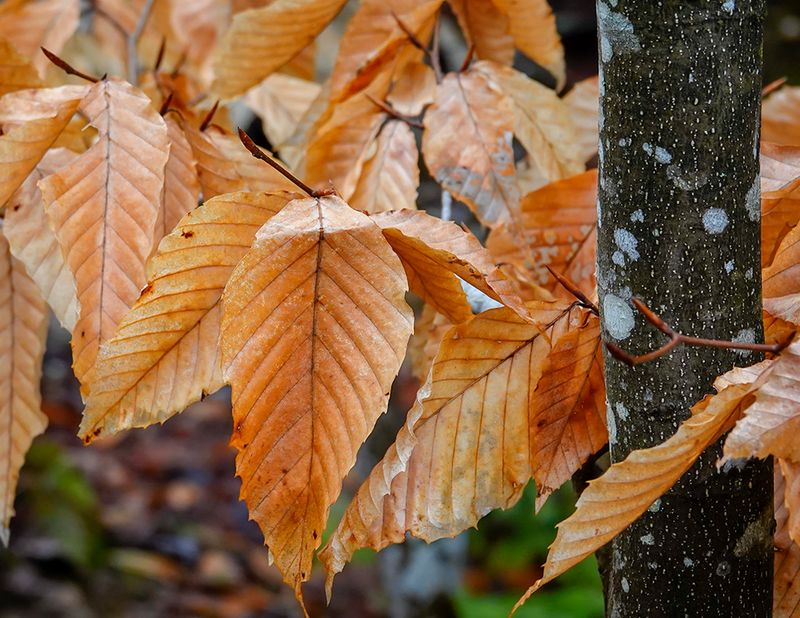
Winter is the perfect time to fall for this tree. With most branches bare, those copper leaves and silver trunks practically wave at you.
Grab a field guide or a plant ID app and head to a shady trail. Check stream valleys and north-facing slopes first.
Look for three clues together. You want papery tan leaves with toothed edges, smooth gray bark, and long, skinny, pointed buds.
Kids enjoy this game too. Ask them to count how many beeches they can spot before reaching the trail’s end.
Thinking about planting one? Buy from a native plant nursery and ask for straight-species Fagus grandifolia.
European beech is a different species and doesn’t support local wildlife in the same way.
Already have a wild beech on your property? Protecting it may be the best gift you can give.
Avoid paving over roots, skip carving, and let leaves stay under the canopy.
Small steps add up. A single beech can feed wildlife and brighten winter woods for well over a century, and that’s a legacy worth keeping in Georgia.