8 Ways Arizona Gardeners Use Prickly Pear Pads Around the Yard
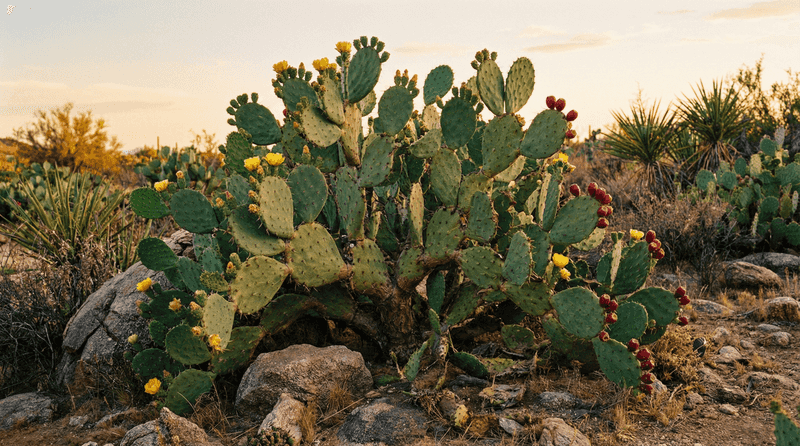
One flat green paddle can sit on bare dirt for weeks, then quietly grow roots and become a brand new plant. I still remember the first time I lifted one and found tiny white roots clinging underneath it.
People across the Southwest have eaten, planted, and traded these paddles for centuries. Desert tortoises munch them, and some Arizona yards have whole hedges grown from a single cutting.
I love how one humble plant part can work as food, fence, and wildlife buffet without begging for water. You might notice your neighbors toss their trimmings, and honestly, I cringe a little every time I see it.
October is a sweet spot here in Arizona, when the brutal heat fades and gardeners finally head back outside. So what could a pile of spiny trimmings do for your yard this fall?
1. Rooting Fresh Prickly Pear Pads Into New Plants
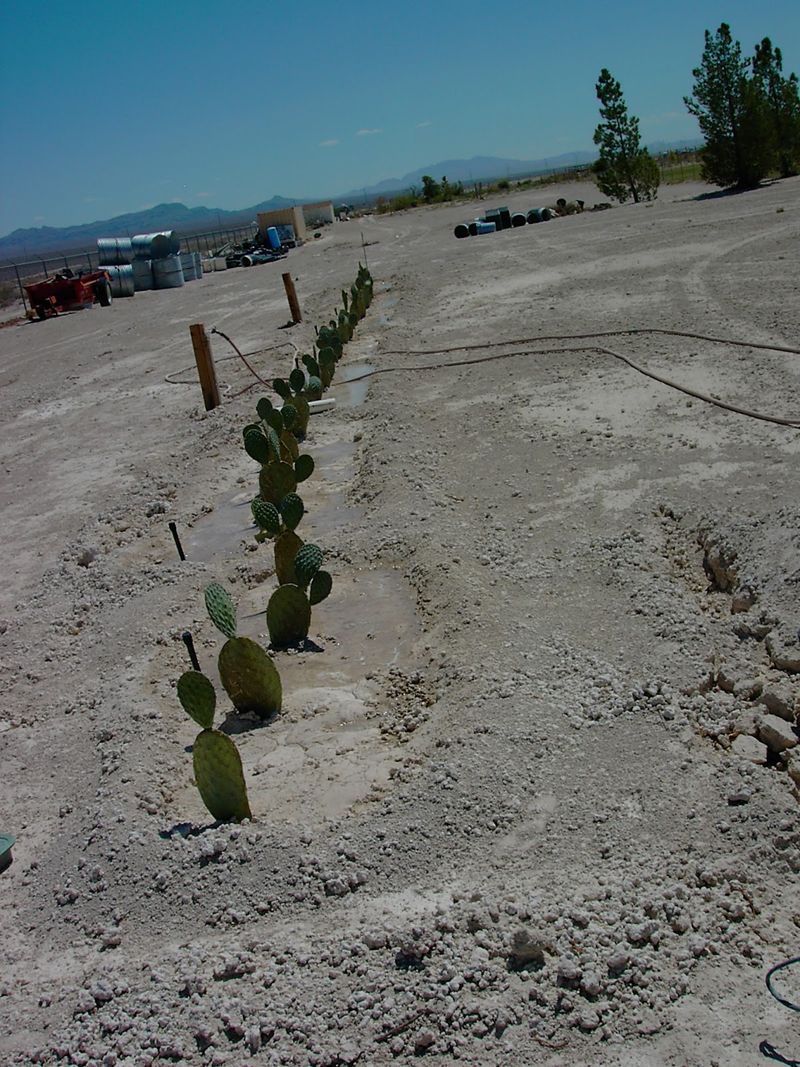
Free plants are my favorite kind, and a single prickly pear pad is basically a cactus waiting for permission to grow. Snap or cut a healthy pad at the joint, and you already hold most of what you need.
Set the pad somewhere shady and dry for one to two weeks so the cut end forms a firm callus. Skipping that step invites rot, which is the most common reason new cuttings struggle in the ground.
Once callused, bury the bottom third of the pad upright in loose, gritty soil that drains quickly. I like to lean it against a rock or stake so it stays steady while roots slowly form underneath.
Water lightly after planting, then wait until the soil dries before watering again over the next few weeks. Roots usually appear within a month, and early fall temperatures in the low desert help them settle in gently.
October works beautifully because the soil stays warm while the harshest summer sun finally backs off. Personally, I start a few extra pads in pots, since friends seem to ask for them every single season.
Grab sturdy leather gloves or kitchen tongs before touching anything, because those tiny glochids cling to skin with surprising stubbornness.
2. Spiny Prickly Pear Hedges Along The Property Line
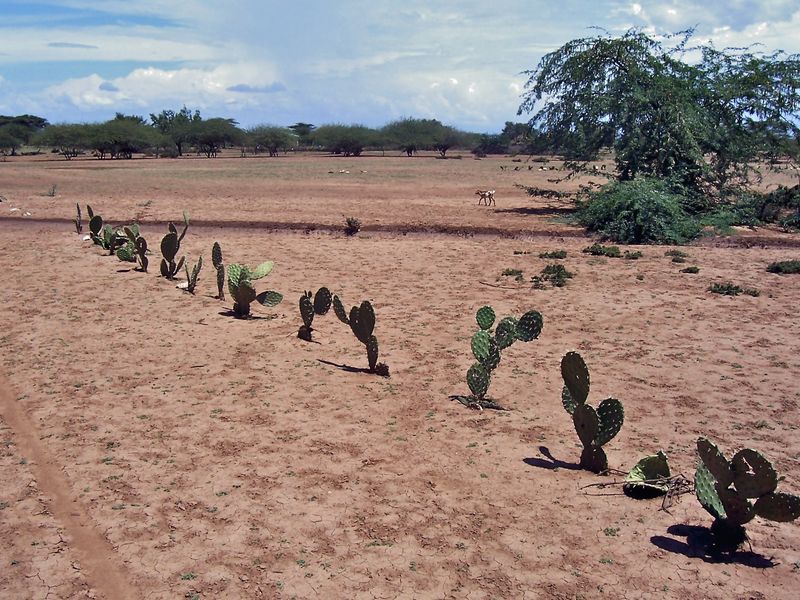
Long before chain link existed, rows of prickly pear guarded homesteads across the Southwest with nothing but spines and patience. A planted line of pads slowly thickens into a hedge that few people or dogs want to push through.
Space your rooted pads about two to three feet apart along the boundary you want to protect. Over several years, the segments stack and spread until the gaps close into a sturdy green wall.
I have to admit, a cactus hedge feels far friendlier to look at than a plain block wall. Spring blooms add bursts of yellow or magenta, and the fruit later brings a deep purple color in late summer.
Keep the hedge a comfortable distance from sidewalks, mailboxes, and spots where children often play. Mail carriers and visitors will thank you for leaving a clear path that keeps their ankles safely out of range.
Fall is a smart time to plant fresh pads, since cooler nights reduce stress on young cuttings. A little trimming each year keeps the hedge tidy, and those trimmings simply become your next batch of new plants.
Wear thick gloves and long sleeves whenever you shape it.
3. Roadrunners And Birds Sheltering Near Prickly Pear
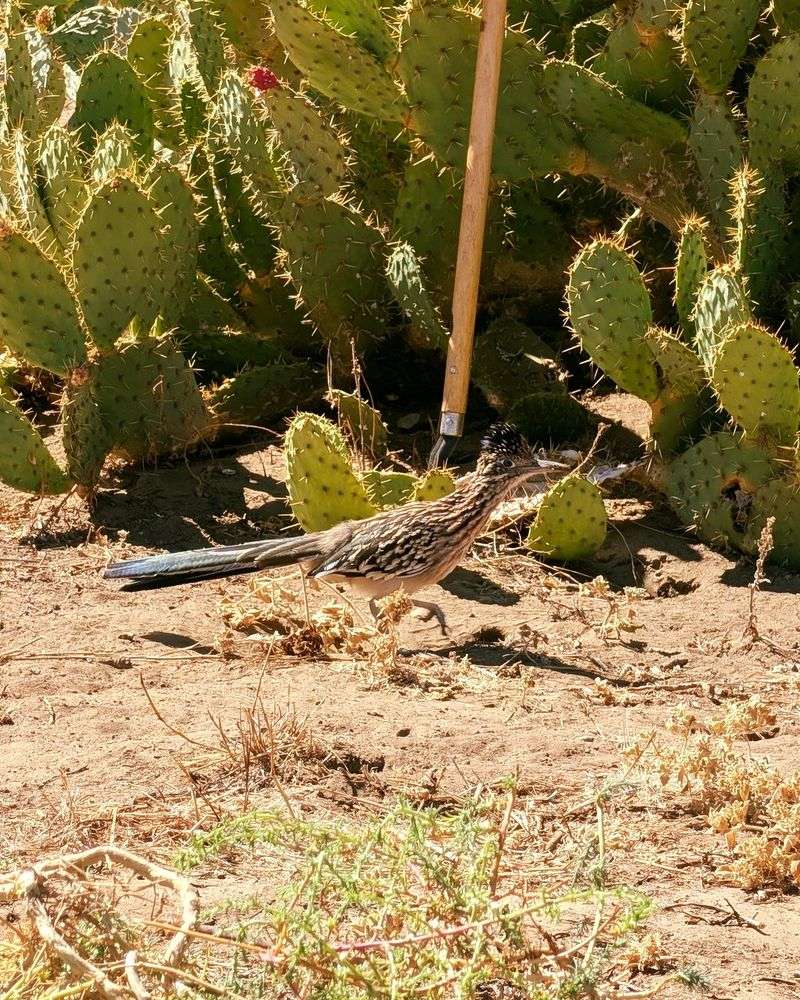
Few things make me grin like a roadrunner darting past my prickly pear, eyes locked on something tasty. Those birds happily eat lizards, insects, and even scorpions, so a little cover nearby makes your yard more inviting to them.
Dense clumps of pads give quail, cactus wrens, and lizards a spiny hiding spot from hawks and roaming cats. Cactus wrens often build bulky nests among cholla and prickly pear, tucked safely between all those protective spines.
Bees crowd the open flowers each spring, while birds, javelinas, and coyotes later snack on the ripe fruit. You might notice desert tortoises nibbling pads too, which explains why many tortoise keepers grow a patch just for them.
Plant pads near a shallow water dish and a few native shrubs to create a small wildlife corner. I believe that mix of shelter, food, and water does more for local creatures than any fancy feeder ever could.
Leave a few fruits on the plant this fall rather than picking every single one. Birds still visit for leftovers, and watching them work around the spines makes surprisingly good entertainment from the patio.
Keep pets supervised near the clump for their own comfort.
4. Prickly Pear Pads Holding Soil On Desert Slopes
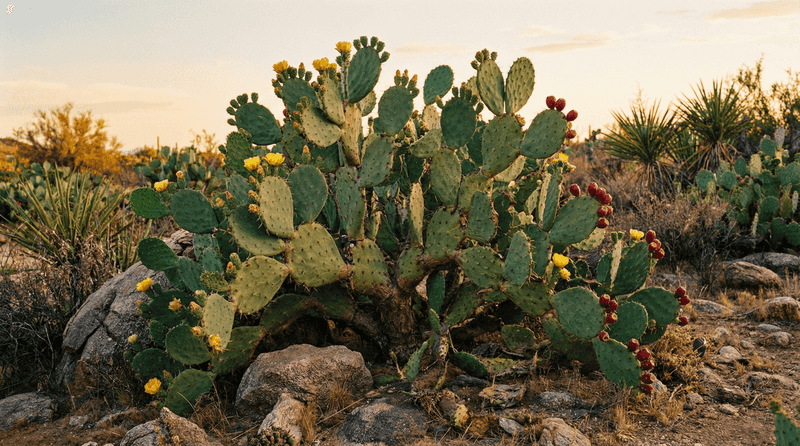
Monsoon storms can carve little canyons through a bare slope in a single afternoon, and I learned that lesson painfully. Planting prickly pear pads across loose banks gives that soil something to grip when the next heavy rain arrives.
Prickly pear roots spread wide and shallow, catching water quickly near the surface after even brief showers. That spreading network helps hold soil in place, especially on gentle slopes and rocky washes around desert homes.
Plant pads in staggered rows across the slope, not straight downhill, so runoff slows as it moves. Adding a few flat rocks just below each plant helps trap sediment while the roots slowly expand outward.
Mid fall gives new plantings months to establish before next summer’s heat and storm season returns. You need to water sparingly during this period, since soggy soil on a slope invites rot more than growth.
Pair the cactus with native groundcovers like desert marigold or trailing dalea for extra coverage between plants. Personally, I love how the mix looks less like an erosion project and more like a natural hillside.
Check the slope after any heavy rain and replace washed out pads quickly.
5. Chopped Prickly Pear Pads In The Compost Pile
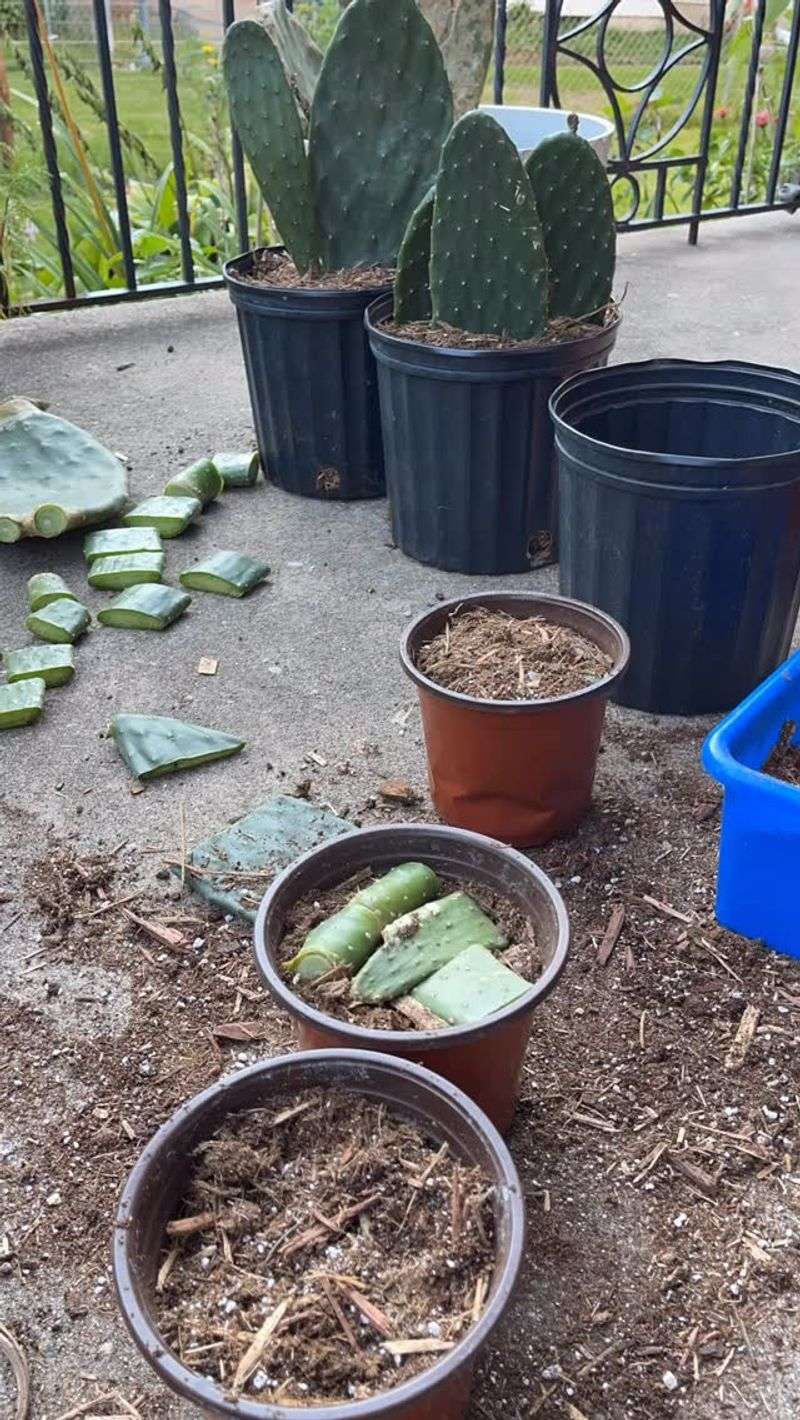
Moisture is scarce in a desert compost pile, which makes juicy prickly pear trimmings a surprisingly handy ingredient. Each pad holds plenty of water, so adding chopped pieces can keep your pile from drying into dusty clumps.
Chop pads into small chunks with a sharpened spade or old machete before tossing them in. Whole pads might simply root inside the pile, and trust me, finding a cactus growing in compost feels pretty silly.
Mix the pieces with dry leaves, straw, or shredded paper to balance all that moisture with carbon. Turning the pile every week or two helps everything break down faster and keeps smells from building up.
Spines and glochids soften as pads decompose, though I still wear gloves when spreading the finished compost. You might find a few stubborn bits, so screening the material before using it in vegetable beds makes sense.
October is a great month to start a new pile, since cooler weather slows evaporation considerably. The finished compost should be ready by spring, perfect for enriching sandy soil before planting warm season vegetables.
Keep diseased or rotting pads out of the mix, and bag those for regular trash pickup instead.
6. Water Wise Prickly Pear Landscape Beds
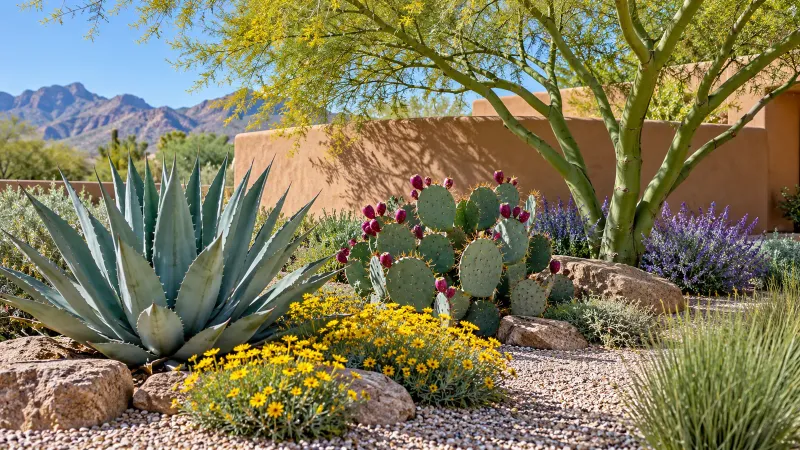
My water bill dropped noticeably once I swapped a thirsty lawn corner for a bed of prickly pear. Established plants survive mostly on rainfall in many low desert yards, needing only occasional deep watering during long dry spells.
Native choices like Engelmann’s prickly pear, Opuntia engelmannii, handle intense sun and heat without complaint. Santa Rita prickly pear adds striking purple pads that deepen in color during cold or dry stretches.
Give each plant full sun and fast draining soil, since soggy roots cause far more trouble than drought. Decomposed granite mulch keeps the bed tidy while reflecting a desert look that suits most Southwestern homes nicely.
Combine pads with agaves, brittlebush, and penstemon for texture and seasonal color throughout the year. I like grouping plants in odd numbers, which feels more natural than lining them up like soldiers along a walkway.
Fall planting gives roots a long, mild stretch to settle before summer heat returns again. Water every couple of weeks at first, then gradually stretch the schedule as your new plants become established.
Leave space around each clump, since mature plants can spread several feet wide surprisingly quickly over a few seasons.
7. Harvesting Tender Nopales For The Kitchen
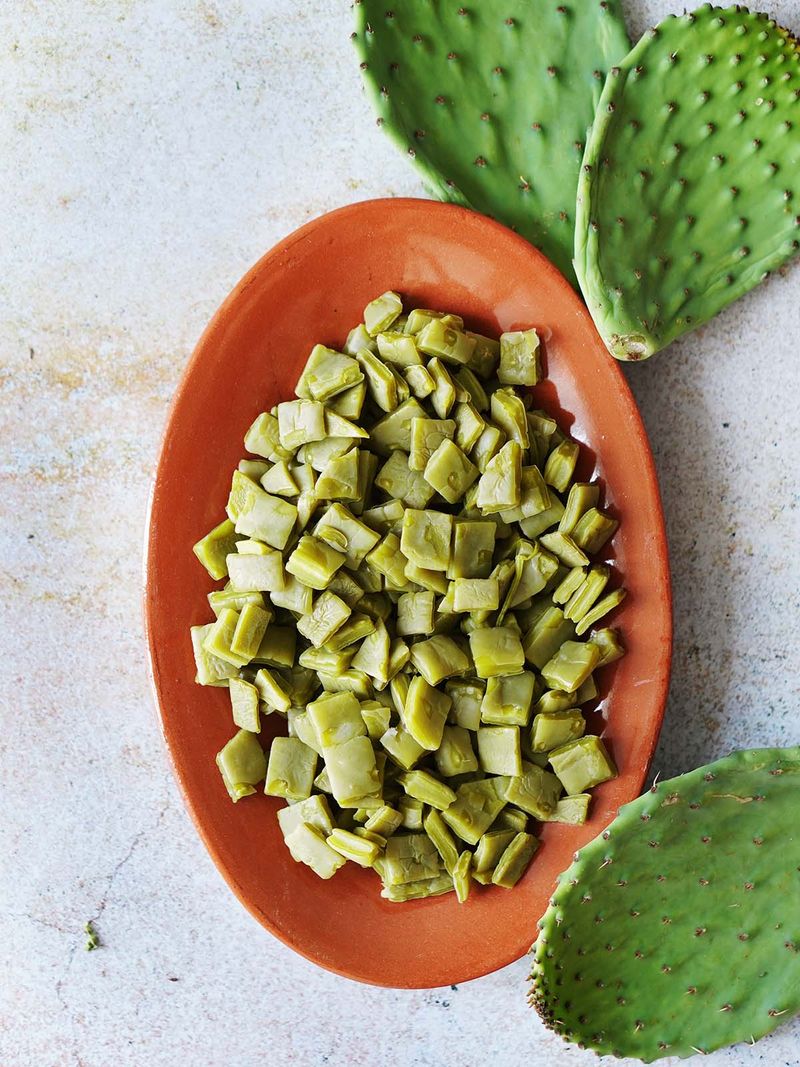
Grilled nopales taste a lot like green beans with a bright, lemony twist, and they grow right outside your door. Mexican cooks have prized these young pads for generations in eggs, tacos, salads, and simple side dishes.
The tastiest pads are young, thin, and tender, usually appearing in spring when plants push fresh growth. October is mostly a planning month, so mark your best plants now for harvesting once new pads emerge.
Use tongs and a sharp knife to cut pads at the joint, then scrape every spine and glochid away. I hold the pad flat on a cutting board and work carefully from base to tip with steady strokes.
Slice the cleaned pads into strips and rinse them well before cooking to reduce some natural slime. Grilling or boiling helps too, and a squeeze of lime makes the flavor sing.
Choose plants away from roads, sprays, and pet areas whenever you plan to eat from them. Personally, I enjoy knowing exactly where my vegetables grew, especially when they needed so little water along the way.
Spineless varieties such as Opuntia ficus-indica make kitchen prep easier, though they may need frost protection.
8. Prickly Pear Pads Growing In Salty Alkaline Soil
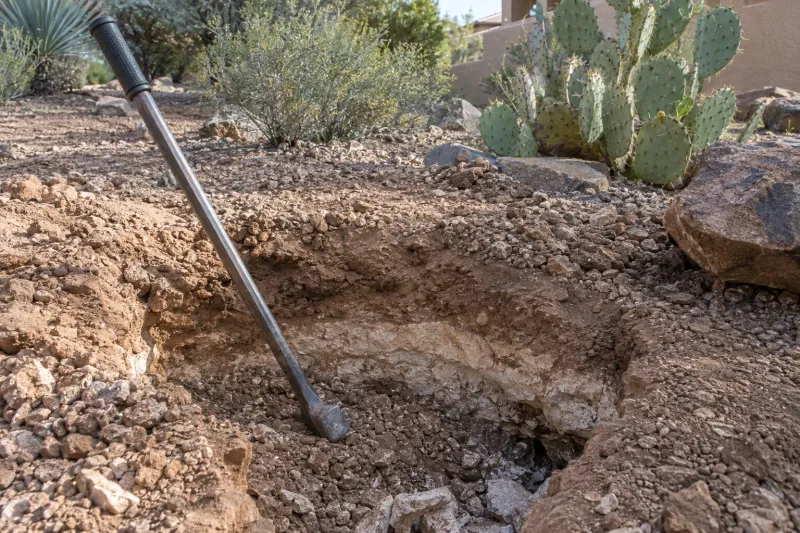
Plenty of desert gardeners battle white crusty soil from salty irrigation water and stubborn caliche layers. Prickly pear tends to handle these tough spots better than most ornamentals, making it a smart choice for problem corners.
Researchers in California have studied certain Opuntia species growing in soils high in selenium, salt, and boron. Some plants took up selenium while tolerating those harsh conditions, though results vary and home yards differ greatly.
I would not count on cactus to fix seriously contaminated ground, since that work needs professional testing. Still, it can bring greenery to salty, alkaline patches where roses and many vegetables usually sulk.
Break through hard caliche with a digging bar and backfill with native soil mixed with gravel. You need decent drainage, because water trapped above caliche can rot roots even on the toughest cactus.
Planting in October lets rainfall and gentle irrigation flush some salts deeper before summer heat arrives. I love seeing a bright green clump where nothing else would grow, and it often becomes a favorite conversation piece.
Get a soil test from your county extension office if you suspect real contamination before planting anything edible there.