These Are The Texas Shade Plants That Make Bare Front Yards Look Intentional
What if the shadiest, most difficult corner of your front yard could actually become the most interesting part of the whole property?
Bare shady areas in Texas front yards have a way of looking neglected even when everything else is well maintained, mostly because the wrong plants keep getting tried in those spots and quietly failing.
The issue is not the shade. It is the mismatch between what gets planted and what those conditions actually support.
Texas has a strong lineup of shade tolerant plants that do not just survive low light but genuinely fill a space with texture, color, and the kind of layered growth that makes a yard look designed rather than default.
Some of them stay lush through the worst of the Texas summer. Others bring seasonal blooms or interesting foliage that holds attention well beyond a single season.
The right plants in a shady front yard do not look like a compromise. They look like a deliberate choice.
1. Turk’s Cap
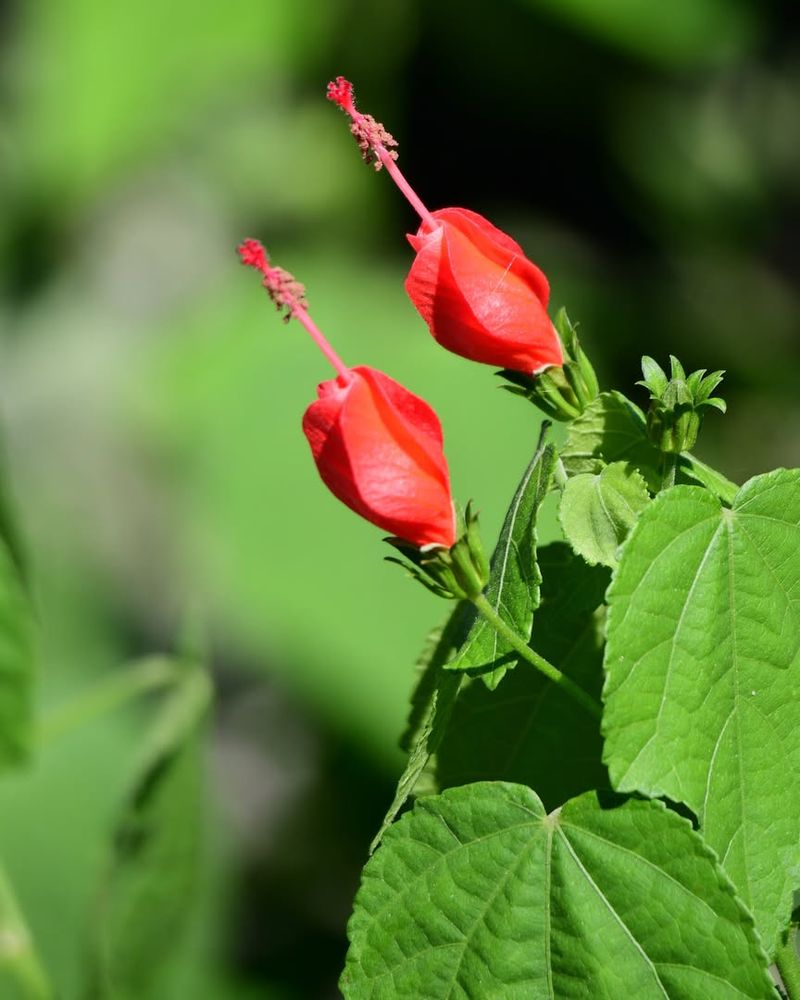
Few plants bring as much personality to a shaded front yard as Turk’s Cap. Its bright red blooms twist into a shape that looks almost like a tiny wrapped turban, which is exactly how it got its unusual name.
Hummingbirds and butterflies absolutely love it, so you get movement and color along with the foliage.
What makes Turk’s Cap so valuable in a Texas front yard is how well it handles tough conditions. It tolerates heat, drought, poor soil, and deep shade without missing a beat.
You can plant it and mostly leave it alone, and it will reward you by spreading into a full, lush mound over time.
The plant can grow anywhere from two to nine feet tall depending on how much shade and water it receives. In deeper shade, it stays more compact and manageable.
In partly shaded spots, it stretches a bit taller and produces even more blooms throughout the summer and fall season.
Because it spreads on its own through underground stems, Turk’s Cap naturally fills in bare patches beneath trees. That means less weeding and less bare soil showing through.
The dense foliage also acts as a natural weed barrier, which is a bonus most gardeners appreciate.
If your front yard has a dark corner that nothing seems to fill, Turk’s Cap is one of the most reliable choices you can make. It looks intentional, it feeds wildlife, and it keeps looking great with very little effort from you.
2. Inland Sea Oats
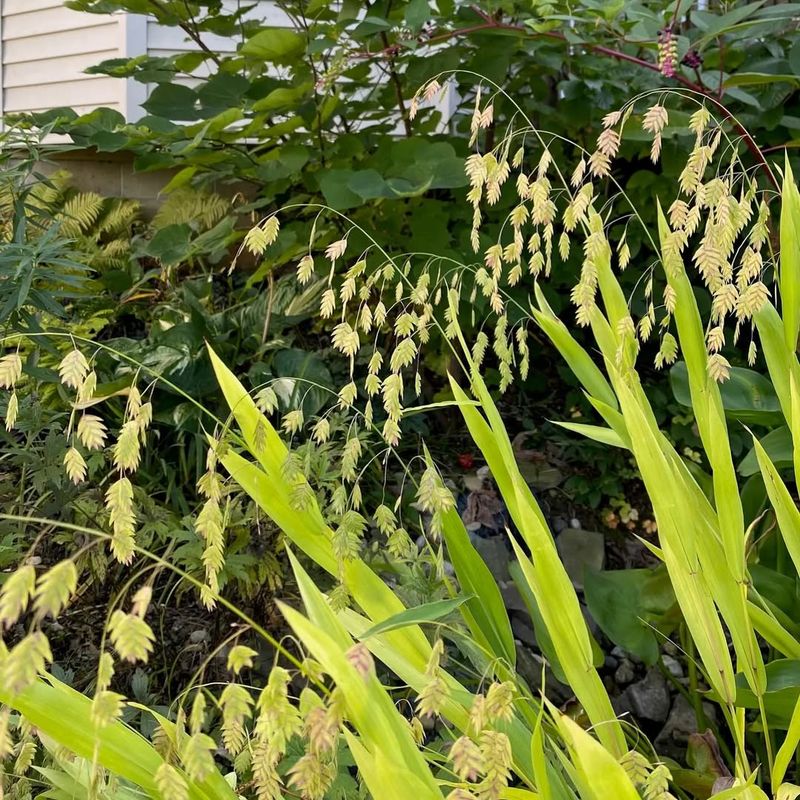
There is something almost musical about Inland Sea Oats. When a breeze moves through the yard, the flat, dangling seed heads sway and flutter in a way that makes the whole space feel alive.
It brings a kind of gentle movement to shaded areas that most plants simply cannot offer.
Inland Sea Oats is a native Texas grass that grows naturally along creek banks and beneath forest canopies. That means it is perfectly built for the low-light conditions found under large shade trees in a front yard.
Your Texas Garden Changes Every Week. Your Plan Should Too.
Gardening in Texas changes quickly throughout the season. Every Friday you’ll receive a simple weekly plan showing exactly what to plant, prune, fertilize, harvest, and protect so you never miss the right timing.
It does not need full sun to thrive, and it actually prefers the cool, filtered light that most other plants avoid.
The plant grows in clumps that reach about two to four feet tall. Its seed heads start green in summer and shift to a warm copper-bronze color by fall, giving your yard seasonal interest without any extra effort.
Along walkways or driveway edges, it creates a natural, layered border that looks carefully planned.
One of the best things about Inland Sea Oats is how well it spreads. It self-seeds freely, meaning it fills in gaps over time without you having to do much replanting. You can thin it out if it spreads too far, but most homeowners are happy to let it go.
Birds also love the seeds, so planting Inland Sea Oats near your entryway means you might enjoy some unexpected visitors. It is a low-effort, high-reward plant that adds real texture and life to a shaded front yard.
3. Texas Sedge
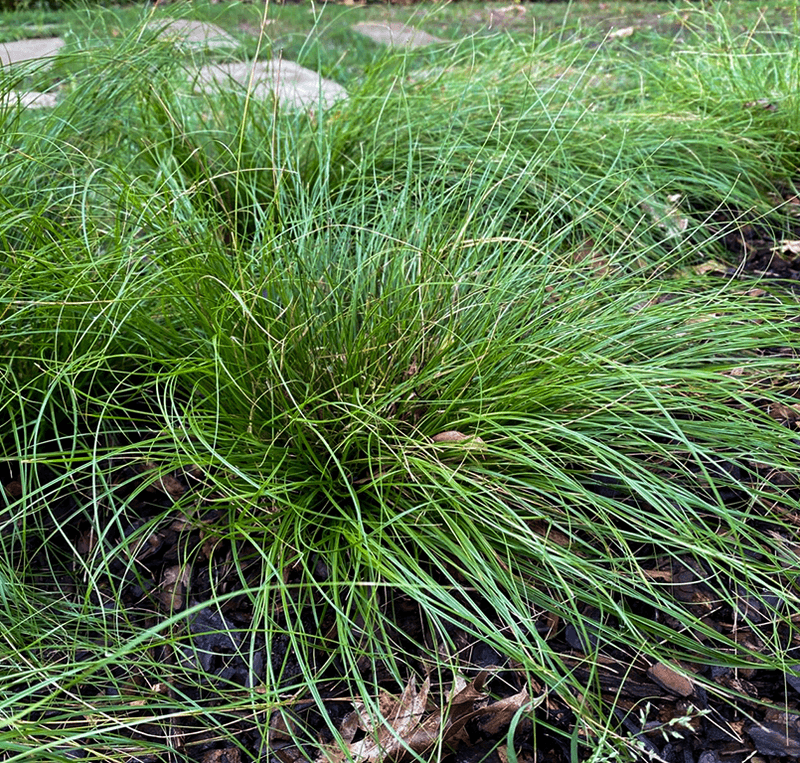
Imagine a ground cover that looks like a perfectly natural carpet but requires almost no maintenance. Texas Sedge does exactly that.
It forms a dense, fine-textured mat of bright green foliage that spreads slowly and steadily across shaded ground, covering bare soil without becoming aggressive or hard to manage.
This plant is native to central Texas and thrives in the kind of dry, shaded conditions that exist beneath large live oaks and cedar elms. Where traditional lawn grass gives up completely, Texas Sedge steps in and keeps the ground looking green and full.
It stays relatively low, usually around six to twelve inches tall, which gives it a tidy, intentional appearance.
Texas Sedge works especially well as a lawn alternative in spots where mowing is difficult or where grass simply will not grow.
It does not need much water once it gets established, and it handles the compacted soil that often builds up beneath mature trees. A light trim once or twice a year keeps it looking neat.
Pairing Texas Sedge with taller shade plants like Turk’s Cap or American Beautyberry creates a layered look that feels like a real designed landscape.
The sedge fills in the lower level while taller plants add height and structure above it. Together, they eliminate bare soil completely.
For homeowners who want a front yard that looks polished without a lot of upkeep, Texas Sedge is one of the smartest native plants you can choose for a shaded space.
4. Coralberry
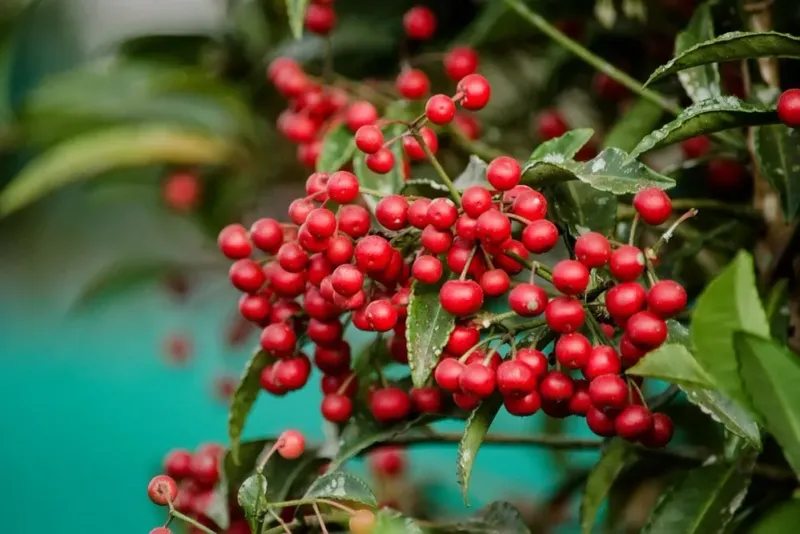
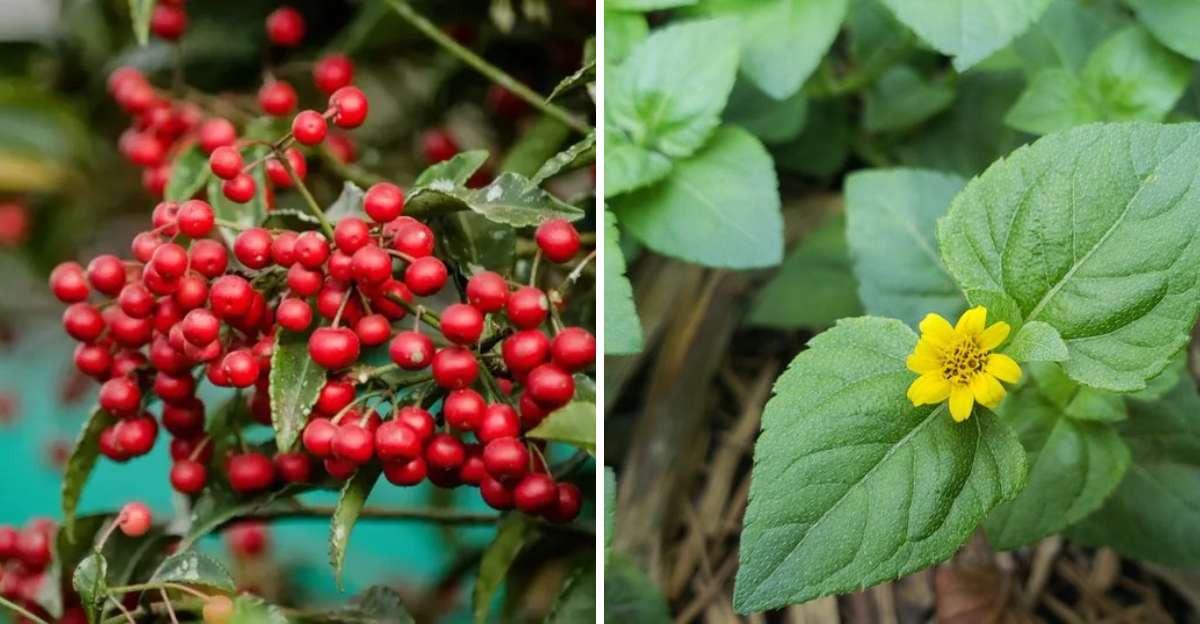
Coralberry is one of those plants that earns its place in a front yard twice. First, it fills bare shaded areas with arching stems and layered green foliage that looks full and lush throughout the growing season.
Then, in fall and winter, it covers itself with clusters of bright coral-pink berries that make the whole yard pop with unexpected color.
Native to Texas and much of the central United States, Coralberry grows naturally at the edges of woodlands and along creek bottoms.
It is completely at home in dry, shaded conditions and handles the kind of neglect that would stress out less hardy plants. Once it settles in, it spreads through underground runners to gradually fill larger areas.
The plant typically reaches three to five feet tall and wide, making it a great mid-height option for layering with ground covers and taller shrubs. Its arching stems create a soft, informal look that feels natural rather than stiff or overly manicured.
That relaxed quality is exactly what makes a front yard look thoughtfully designed instead of just planted.
Birds are big fans of Coralberry, and you will likely notice mockingbirds and robins picking at the berries throughout winter. That kind of wildlife activity adds life and interest to a front yard even during the cooler months when most plants have gone quiet.
If you want a shade plant that earns its spot in every season, Coralberry is one of the most rewarding choices for a Texas front yard that needs some structure and color.
5. Horseherb
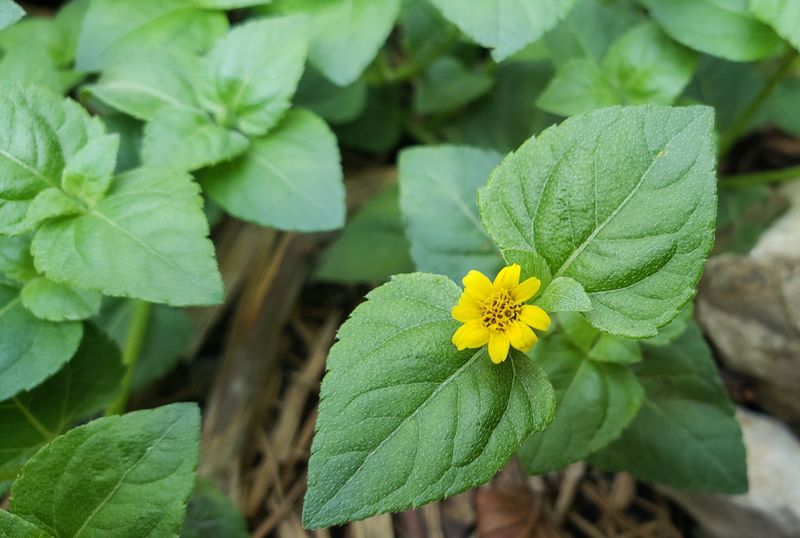
Horseherb might have a funny name, but its performance in a shaded Texas front yard is no joke. It is one of the toughest native ground covers in the state, and it thrives in exactly the conditions that make other plants struggle.
Dry soil, deep shade, tree root competition, even occasional foot traffic, Horseherb handles all of it without complaint.
This low-growing plant spreads naturally across bare ground, forming a soft, textured mat that reaches only about six inches tall.
Its small, rounded leaves have a slightly rough texture, and from spring through fall it produces cheerful little yellow flowers that add a subtle pop of color to shaded areas. It looks casual and natural, which is perfect for front yards that want a relaxed, organic feel.
One of the most appealing things about Horseherb is how little attention it needs after planting.
It spreads on its own, fills gaps without being pushy, and does not require regular watering once established. In really dry summers, it may look a bit tired, but it bounces back quickly after any rain.
Horseherb works beautifully as a filler beneath trees where bare soil tends to collect and look messy. It softens the base of tree trunks and covers the exposed roots that often make a yard look rough and unfinished.
For anyone who wants a front yard that looks cared for without spending hours maintaining it, Horseherb is a practical, dependable native that quietly does its job all season long.
6. American Beautyberry
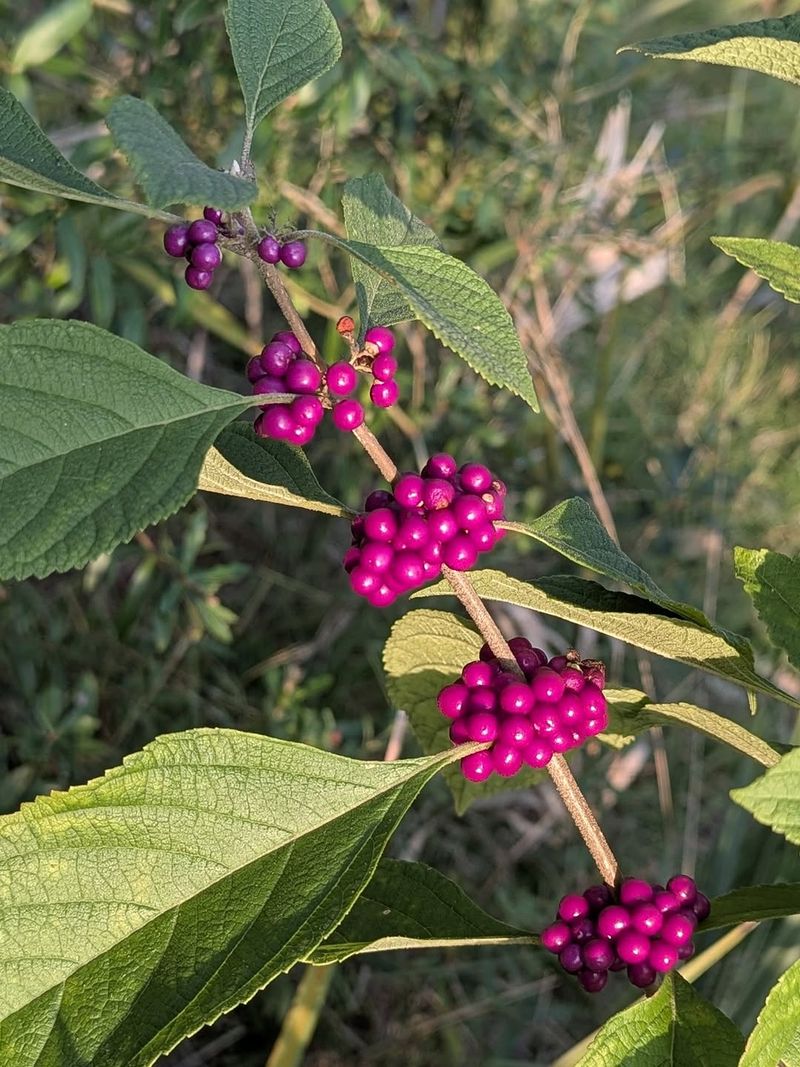
Nothing stops people in their tracks quite like American Beautyberry in full fruit. From late summer into fall, this native shrub covers its long, arching stems with tight clusters of the most vivid, almost electric purple berries you have ever seen in a garden.
It is the kind of plant that makes neighbors slow down and ask what it is. American Beautyberry is native to the eastern half of Texas and grows naturally in woodland edges and forest understories.
It is completely adapted to partial and full shade conditions and handles the heat and humidity of a Texas summer without skipping a beat.
The shrub grows quickly, often reaching four to six feet tall and wide within just a couple of growing seasons.
Throughout spring and summer, Beautyberry fills shaded spaces with large, bright green leaves that create a lush, layered backdrop. The foliage alone gives a yard a full, woodland feel even before the berries arrive.
When those purple clusters appear in late summer, the effect is genuinely stunning and looks like something from a carefully curated garden design.
Birds and other wildlife rely heavily on the berries as a food source during fall migration, which adds another layer of activity and life to your front yard.
Planting Beautyberry near a window means you get a front-row seat to a lot of natural action during the cooler months.
For a shade plant that delivers big visual impact with very little work, American Beautyberry is one of the most rewarding choices you can make for a Texas front yard.
7. Cedar Sage
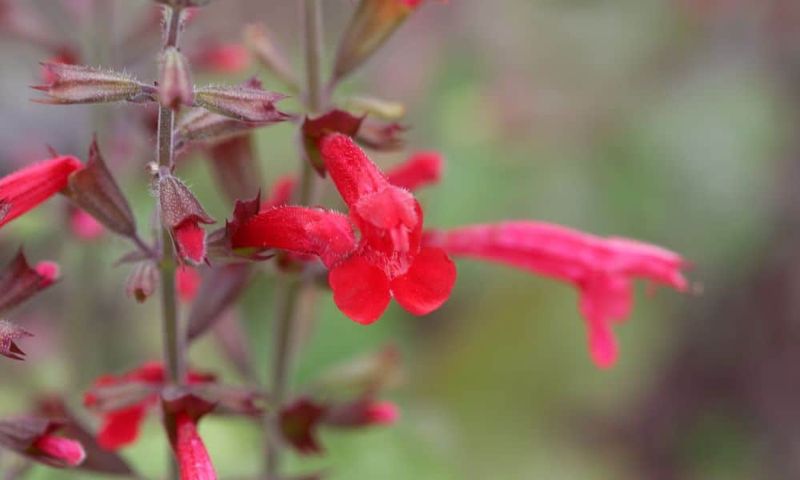
Cedar Sage is the shade plant that brings the hummingbirds. Its bright red tubular flowers are practically a beacon for those fast-moving little birds, and once they find your yard, they keep coming back all season long.
If you have ever wanted to turn your front yard into a place with real wildlife energy, Cedar Sage is a great place to start.
This native Texas sage grows naturally on rocky limestone slopes and beneath cedar and oak trees across the Hill Country. That background tells you everything you need to know about its toughness.
It handles thin, rocky soil, dry conditions, and deep shade without losing its charm. In fact, it often looks its best in the kind of difficult spots where other plants struggle to survive.
Cedar Sage grows about one to two feet tall with soft, velvety leaves that have a pleasant texture and a faintly earthy scent. The red flowers bloom in spring and sometimes again in fall, giving your yard two seasons of color from a single plant.
Between bloom periods, the foliage stays green and attractive, keeping the space looking full.
Because it stays compact and does not spread aggressively, Cedar Sage works well as a border plant along walkways or near entryways where you want something tidy and eye-catching.
It pairs beautifully with larger shade shrubs and ground covers, helping fill in the mid-level layer of a planted area.
For a shaded front yard that needs color, wildlife appeal, and a plant that practically takes care of itself, Cedar Sage checks every box with ease.