The Underrated Florida Porch Plant That Makes Armadillos And Mosquitoes Less Welcome
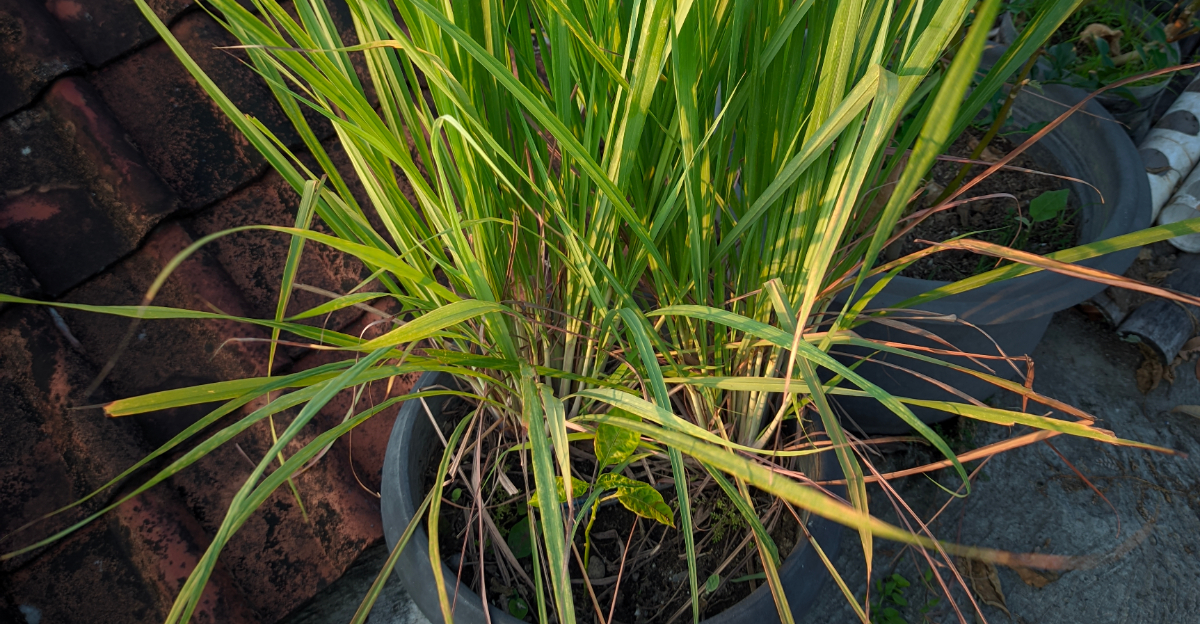
Most Florida porch plants pull one job. They look good, they fill a container, and that is the end of the conversation.
One plant has been sitting in Florida gardens for years doing considerably more than that, mostly without anyone giving it credit for the right reasons. Armadillos and mosquitoes do not seem like they belong in the same problem.
One tears up the yard after dark. The other makes every evening outside a negotiation.
Both have a genuine aversion to what this plant produces. A few containers placed around a porch may add a real layer of discouragement without much effort.
It also happens to be useful in the kitchen, which makes it one of the more practical container choices available to a Florida homeowner. One plant.
A porch that smells remarkable. And two pests that may think twice before getting too comfortable.
1. Lemongrass Brings The Scent Without The Hype
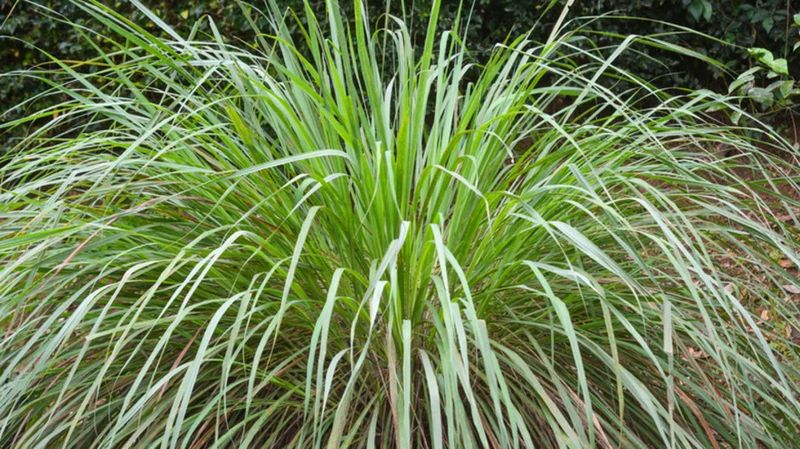
That unmistakable citrus scent drifting across a porch on a humid afternoon almost always points back to one plant: lemongrass. Known botanically as Cymbopogon citratus, lemongrass is a clumping grass native to tropical Asia.
It has found a very comfortable home in warm-weather gardens across the Sunshine State. Its upright, bold form makes it a natural fit for container gardening, porch corners, and edging near walkways.
The fragrance comes from citronellal and geraniol, compounds found in the plant’s oils. Some repellent products use extracted or formulated versions of these compounds, but that is very different from a potted plant sitting on your steps.
The whole plant does not release enough of these oils into the air to function as a reliable mosquito shield or armadillo deterrent on its own.
Still, lemongrass deserves credit as a useful, beautiful, and low-fuss plant for warm-climate porches. UF/IFAS recognizes it as a Florida-Friendly plant that handles heat and humidity well.
Used as part of a cleaner, more intentional porch setup, it absolutely earns its spot. Just go in with realistic expectations, and you will enjoy it far more.
2. Porch Pots Work Best As Part Of A Bigger Plan
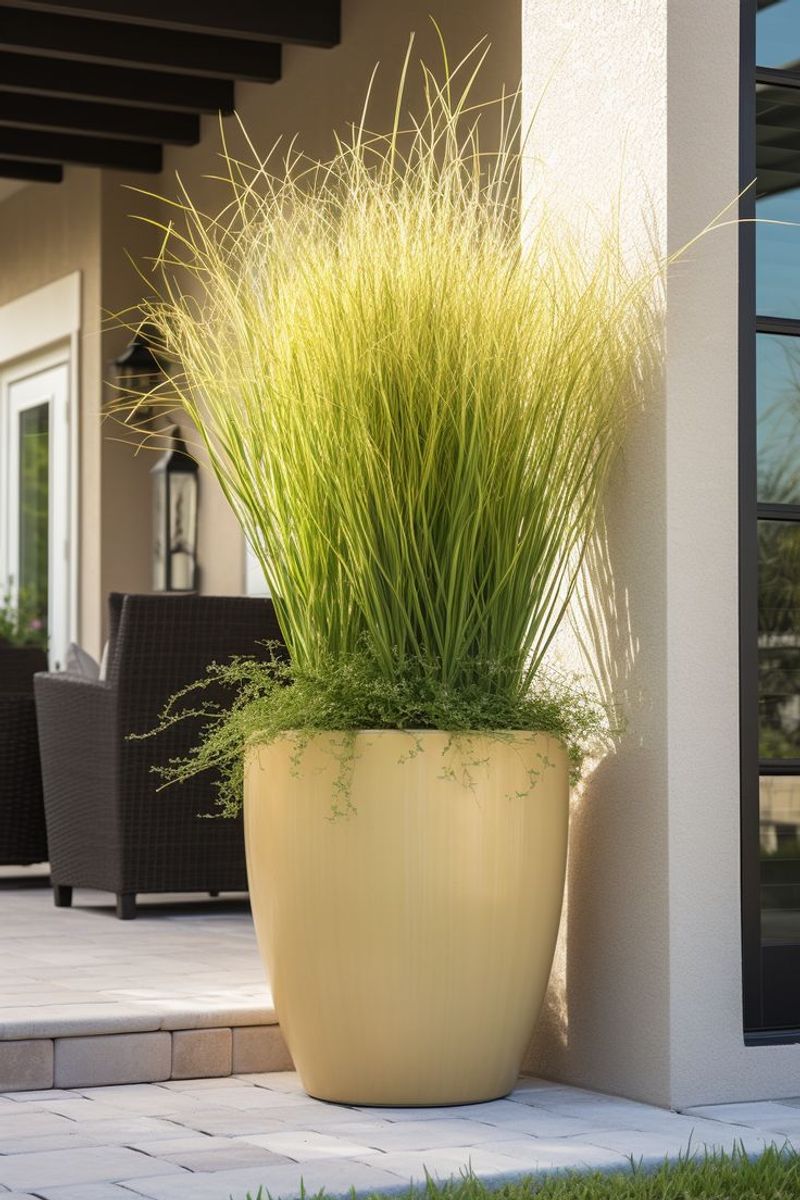
A single pot of lemongrass on your porch looks great and smells even better. The real value shows up when you treat it as one part of a larger, more thoughtful outdoor routine.
Container placement, airflow, clean surfaces, and trimmed edges all work together to make your porch less inviting to unwanted visitors. A well-kept porch simply gives pests fewer places to hide, breed, and settle in.
Think of lemongrass as your anchor plant, the one that sets the tone for a tidy, fragrant, purposeful space.
Around it, you can build habits like sweeping debris regularly, cutting back overgrown shrubs near the porch, and keeping the ground beneath containers clean and dry.
Those habits matter more than the plant itself when it comes to discouraging mosquitoes and reducing conditions that attract armadillos.
Extension resources from UF/IFAS consistently point out that integrated approaches work better than single solutions for managing pest pressure around the home. Lemongrass fits neatly into that kind of layered strategy.
Your Florida Garden Changes Every Week. Your Plan Should Too.
Gardening in Florida changes quickly throughout the season. Every Friday you’ll receive a simple weekly plan showing exactly what to plant, prune, fertilize, harvest, and protect so you never miss the right timing.
Use it as a visual reminder to check the porch, tidy the edges, and stay consistent with water and soil management throughout the season.
3. Standing Water Still Invites Mosquitoes First
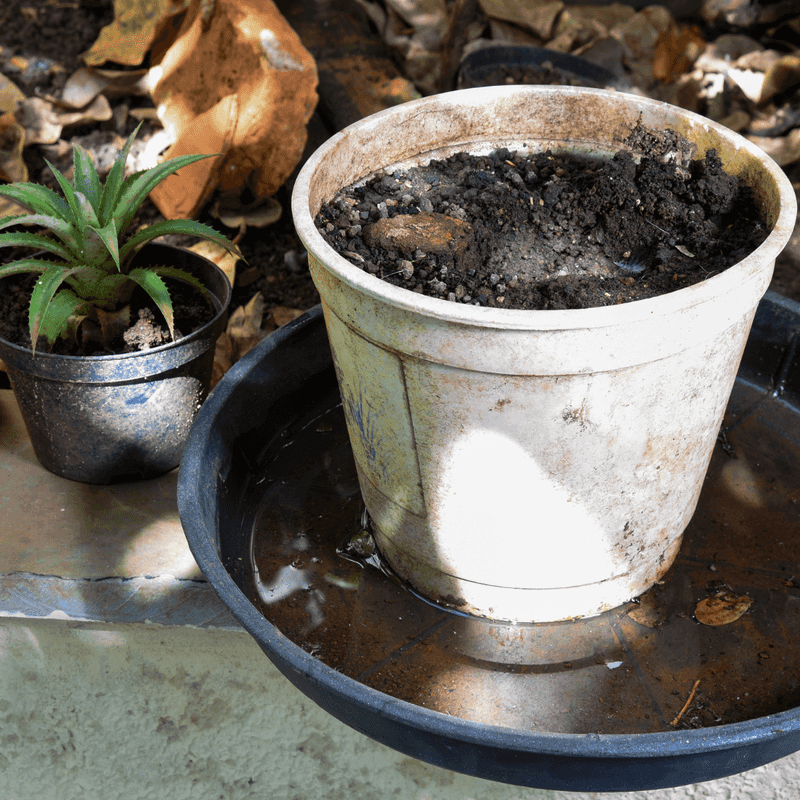
No porch plant, no matter how fragrant, can compete with a saucer full of stagnant water sitting right beneath it. Mosquitoes need water to complete their life cycle, and they are not picky about the container.
A pot saucer, a forgotten watering can, a bucket left out after a storm, or a clogged gutter can become a breeding site within just a few days.
UF/IFAS and Florida county mosquito control programs consistently highlight water source elimination as the single most effective step homeowners can take.
Checking containers after every rain event and emptying saucers that stay full makes a measurable difference.
Tipping over anything that collects water around the porch edges helps too. Bromeliads, a popular Florida porch plant, can also hold water in their cups and should be flushed regularly.
If you grow lemongrass in a pot, make sure it has drainage holes and avoid leaving the saucer filled for more than a day or two. A beautiful, fragrant plant sitting above a puddle of standing water is working against itself.
Water control is not optional when mosquitoes are a concern; it is the foundation that every other strategy builds on.
4. Soft Soil And Grubs Keep Armadillos Interested
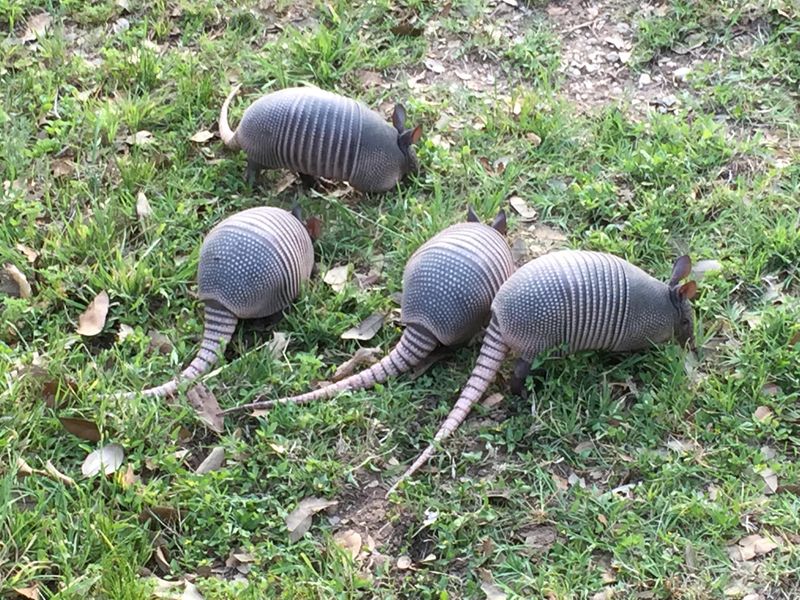
Armadillos are not wandering into yards looking for a plant they dislike. They are following their nose toward food, and that food is usually grubs, beetles, earthworms, and other soil insects living just beneath the surface.
Soft, moist, freshly watered soil near a porch or garden bed is practically an invitation to start digging.
The Florida Fish and Wildlife Conservation Commission explains that armadillos use their strong claws and sensitive snouts to locate insects underground. Overwatered beds, loose mulch, and compacted-free soil near the foundation of a house can all attract them.
Reducing the conditions that support heavy grub populations is a more reliable approach than hoping a plant’s scent will turn them away.
If grub activity in your lawn is significant, UF/IFAS recommends consulting your county extension office for guidance on appropriate lawn management.
Avoid overwatering beds near the porch, keep mulch layers reasonable in depth, and consider firming up soil in areas where armadillos have been active.
Do not attempt to trap, relocate, or handle armadillos yourself. If activity becomes persistent or damaging, contact a licensed wildlife professional for guidance that follows FWC recommendations.
5. Strong Leaves Can Help Shape A Cleaner Edge
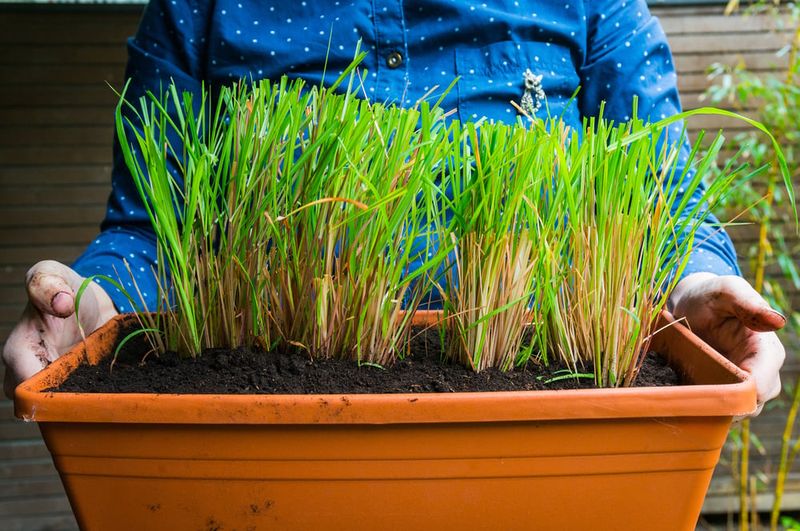
One of lemongrass’s most underused qualities is its ability to define space. Planted in containers along a walkway or placed at porch corners, its tall, upright blades create a bold, clean visual line.
That structure helps define an otherwise loose garden edge. A well-defined border does more than look good; it makes it easier to spot debris, moisture buildup, or signs of pest activity near the porch foundation.
Clutter and overgrown vegetation near entry points give small pests more places to move unnoticed. Lemongrass, when kept trimmed and healthy, works against that by keeping the edge open and easy to monitor.
It grows vigorously in warm weather, so giving it enough sun, proper drainage, and room to spread is important to prevent it from becoming a problem itself.
Overcrowded pots or bunched clumps pressed against a wall can trap moisture and debris at the base, which is the opposite of what you want.
Divide clumps when they get too large, remove brown or deceased material from the base regularly, and make sure air can move freely around the plant.
A healthy, well-maintained lemongrass border looks sharp and keeps the surrounding area tidier throughout the growing season.
6. Crushed Oils Matter More Than The Whole Plant
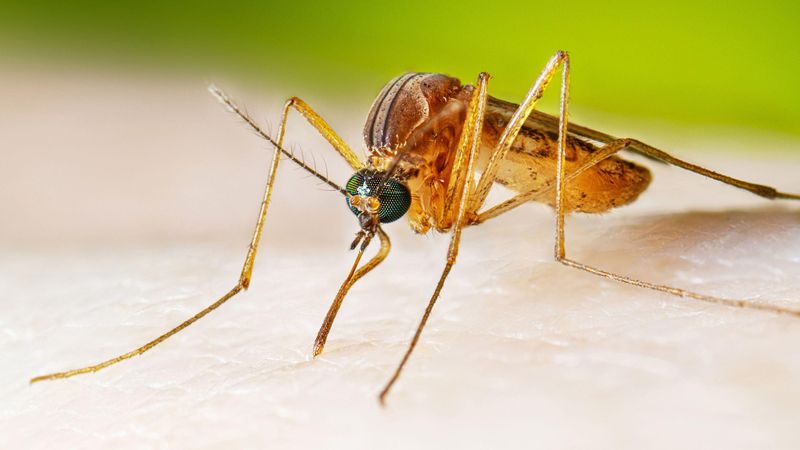
Rubbing a lemongrass leaf between your fingers releases a bright, sharp citrus scent that is genuinely pleasant. That smell comes from the plant’s natural oils, including citronellal and geraniol.
Some EPA-registered repellent products use formulated versions of these compounds, and studies have explored their effectiveness in those controlled forms. That is a very different situation from a potted plant passively scenting the air around your porch.
The concentration of active compounds released by a living plant is far lower than what is used in tested repellent formulations. A whole plant sitting in a corner does not create a reliable protective zone around people.
If mosquito bites are a real concern, use proven protection. Given the disease risks associated with mosquitoes in the Sunshine State, EPA-registered repellents containing DEET, picaridin, or oil of lemon eucalyptus are the recommended options.
This does not mean lemongrass has no value. It means understanding what it actually does well.
Enjoy the fragrance, use it as a design element, and let it support better porch habits. Just do not skip proven protection methods in favor of hoping the plant handles things on its own.
The science behind the oils and the experience of growing the plant are two separate conversations worth keeping apart.
7. Place Pots Where People Actually Gather
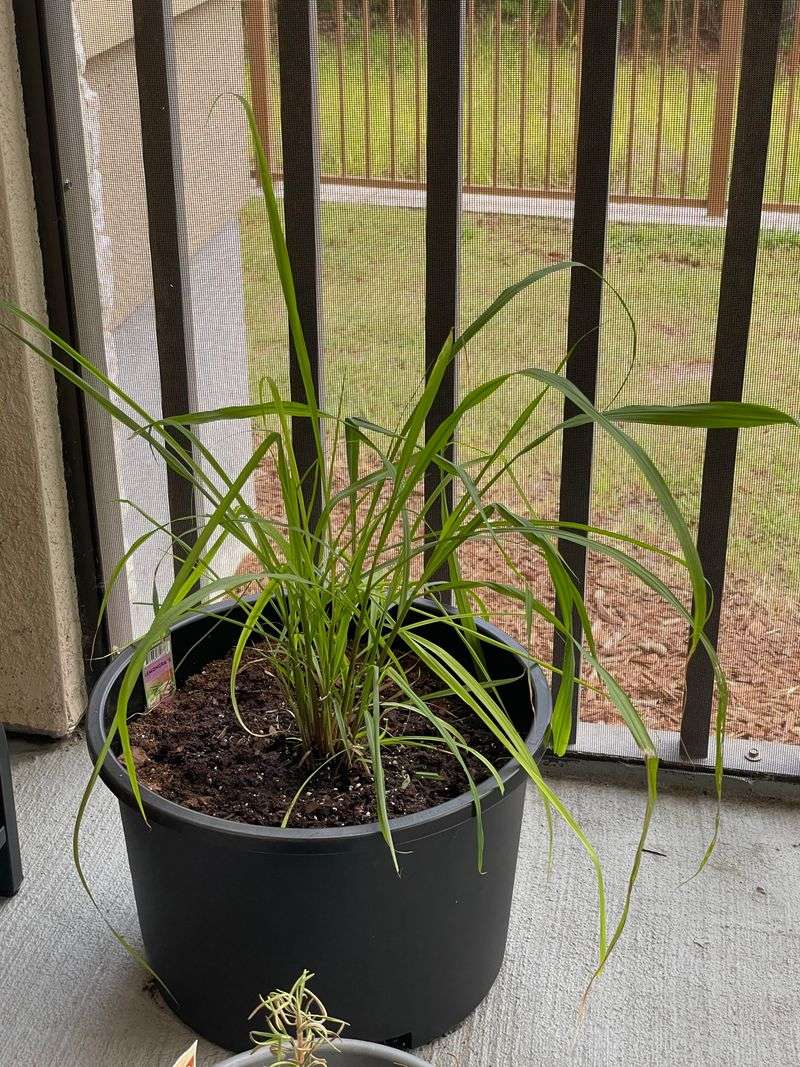
Tucking a lemongrass pot behind a potting bench where no one ever sits misses the whole point. For fragrance and design to work together, placement needs to follow foot traffic and seating patterns.
Near the chairs where you drink your morning coffee or along the steps where guests walk up, lemongrass gets noticed. Corners of a lanai where breezes move through are good spots too.
Practical placement also means thinking about what the pot needs to stay healthy. Lemongrass wants full sun, ideally six or more hours daily, along with a well-draining container and good airflow.
Avoid setting pots directly on surfaces that trap heat without drainage, and never let them sit in saucers that stay waterlogged. A plant struggling in too much shade or sitting in soggy soil will not look or smell its best.
Placement is also about avoiding problems. Pots blocking walkways create tripping hazards and make it harder to sweep and inspect the porch.
Keep containers accessible so you can check the soil, remove debris from the base, and empty any water that collects nearby.
Good placement is about comfort, beauty, and building the kind of consistent porch habits that actually keep things cleaner over time.
8. Use Lemongrass For Beauty And Better Habits
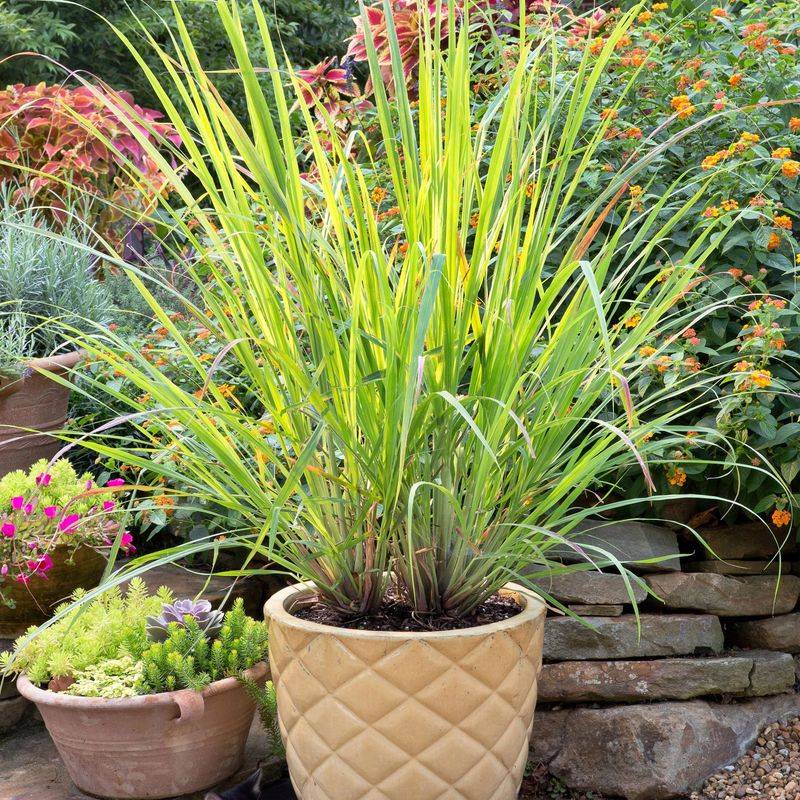
The best way to think about lemongrass is as a plant that earns its place through consistency, not magic. Every time you water it, check the soil, or admire the scent, you are also walking around your porch and paying attention to what is happening nearby.
That kind of regular attention is exactly what helps catch standing water early, notice soil disturbance from armadillo activity, and keep edges from becoming overgrown.
A fragrant, well-placed pot of lemongrass makes a porch feel cared for. And a cared-for porch is naturally less welcoming to pests.
Clean surfaces, dry saucers, trimmed borders, and reduced grub habitat all help discourage mosquitoes and armadillos. Together, they do more than any single plant ever could on its own.
Lemongrass just makes those habits easier to build and more pleasant to maintain.
Treat it as your outdoor anchor, the plant that reminds you to check the gutters, empty the saucers, firm up the mulch, and keep the porch swept. Use EPA-registered repellents when mosquito pressure is high.
Follow FWC and UF/IFAS guidance if armadillos become a persistent problem. Lemongrass sets the tone; the habits around it do the real work.