What Michigan Gardeners Should Do When Tomato Plants Set Their First Green Fruit
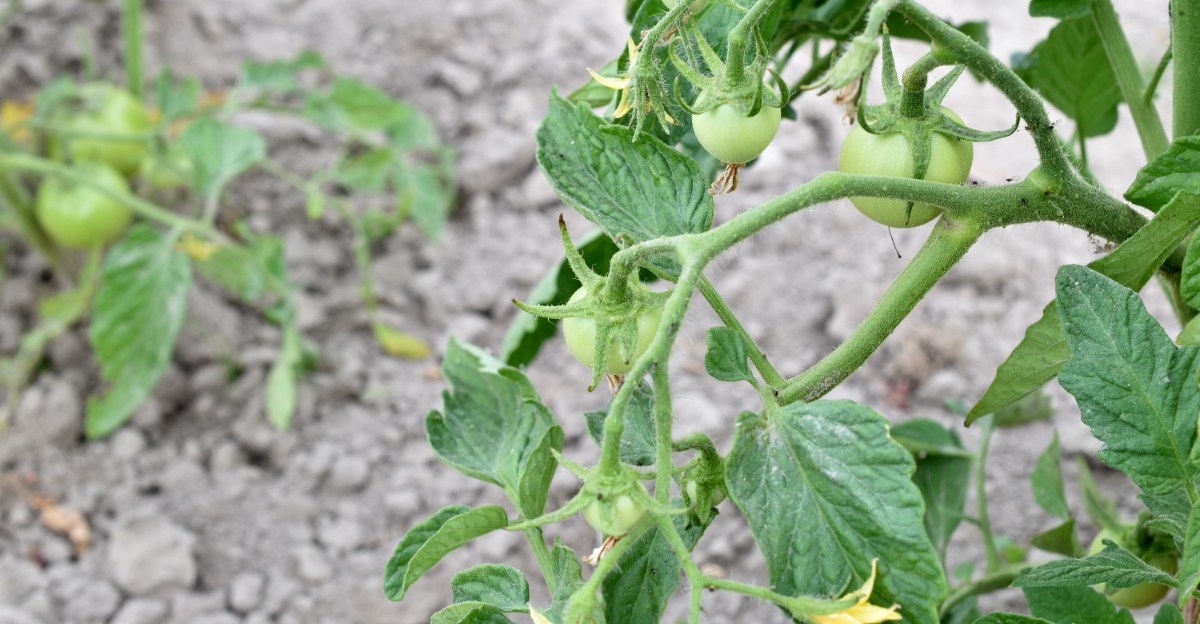
The moment a Michigan tomato plant sets its first green fruit feels like a milestone worth celebrating, and it is.
It is also the moment when the real work of the season shifts in a way most gardeners do not fully account for.
What the plant needs from this point forward is different from what got it to this stage.
Continuing with the same care routine that worked through establishment and flowering costs real harvest potential in a state where the warm season does not leave much margin for inefficiency.
A few targeted adjustments made right now change everything about how that first green fruit develops and how many more follow it before the season closes.
1. Start Watering More Evenly
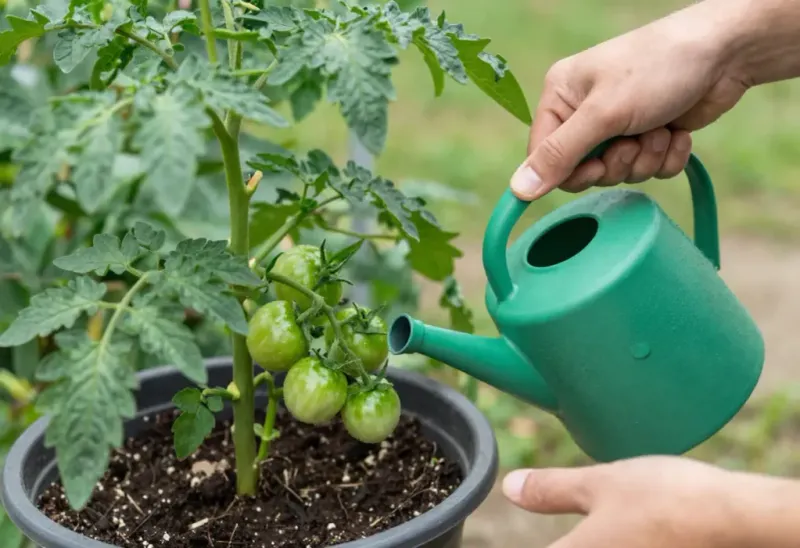
Steady moisture is one of the most powerful things you can give a tomato plant once that first green fruit appears.
Before fruit sets, watering can be a little casual, but once those small green tomatoes are forming, the rules change.
Developing fruit needs a consistent supply of water to grow properly, and Michigan’s warm July weather can dry out garden beds faster than you might expect. Big swings between dry soil and soaked soil are where problems start.
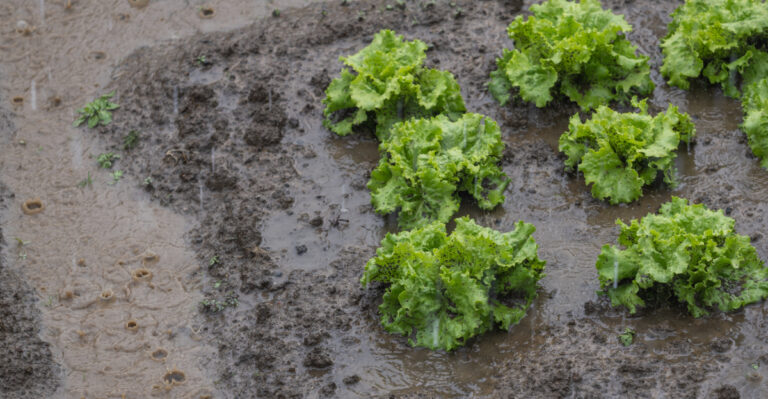
When a plant goes from parched to flooded and back again, the fruit can crack or develop rough, uneven texture.
Keeping moisture levels steady is much easier on the plant than trying to catch up after a dry stretch.
A good goal is to give your tomatoes about one to two inches of water per week, whether that comes from rain or your garden hose.
Check the soil a few inches down before watering rather than going by looks alone. If it feels dry at that depth, it is time to water deeply and slowly so the roots actually absorb it.
Consistent watering from this point forward is one of the simplest habits that pays off in a big way at harvest time.
2. Add Organic Mulch Around The Base
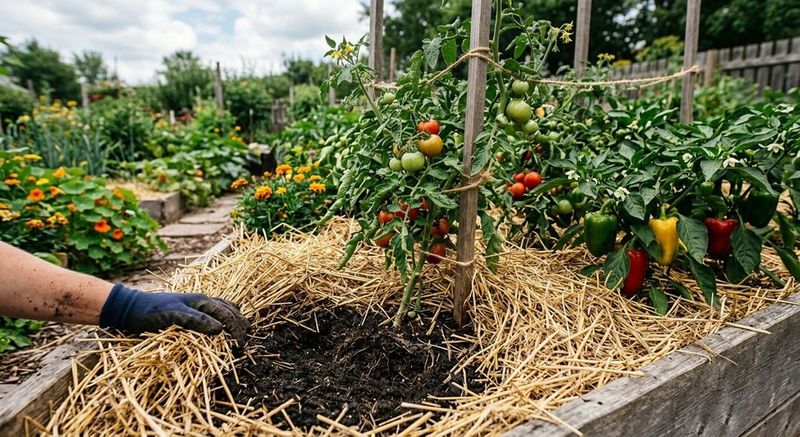
Once your tomato plants are sporting their first green fruits, mulching around the base is one of the smartest moves you can make.
By the time fruit sets in a Michigan garden, the soil has usually warmed up nicely, which makes this the perfect window to lock in that warmth and moisture with a good layer of organic mulch.
Straw, shredded leaves, and wood chips all work well for this job. Spread about two to three inches of mulch in a wide circle around each plant.
Mulch slows down water evaporation from the soil surface, which means you spend less time watering and your plants stay more hydrated between rain events.
It also keeps soil temperature more stable, which tomatoes genuinely appreciate during the back-and-forth weather Michigan summers can bring.
One thing to keep in mind is to leave a small gap between the mulch and the main stem of the plant.
Pressing mulch right up against the stem can trap moisture against the base and cause soft spots or rot over time. A gap of a few inches is all you need.
Your Michigan Garden Changes Every Week. Your Plan Should Too.
Gardening in Michigan changes quickly throughout the season. Every Friday you’ll receive a simple weekly plan showing exactly what to plant, prune, fertilize, harvest, and protect so you never miss the right timing.
Mulch also acts as a natural barrier that slows down weed growth, which is a bonus you will appreciate as the season gets busy and weeds start competing for the same water and nutrients your tomatoes need.
3. Avoid Heavy Nitrogen Feeding
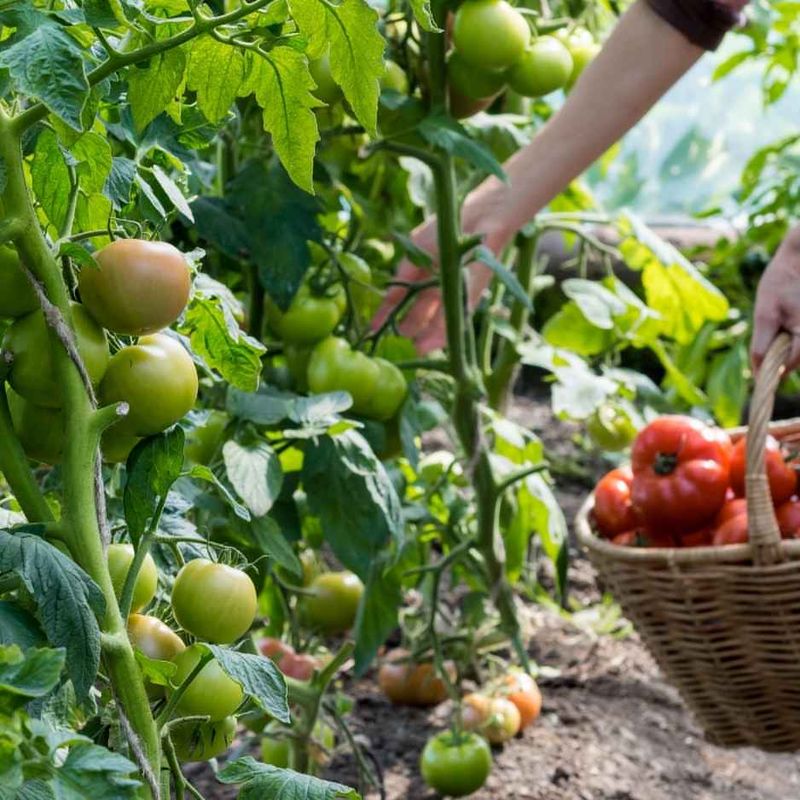
Nitrogen is a nutrient that tomato plants love early in the season when they are focused on building strong stems and leafy growth.
But once those first green tomatoes appear, the plant has shifted its energy toward producing fruit, and heavy nitrogen feeding at this stage can actually work against you.
Too much nitrogen after fruit set tends to push the plant into growing more leaves instead of putting energy into the tomatoes already forming.
You might end up with a big, beautiful, bushy plant that produces fewer tomatoes than expected. That is a frustrating outcome after months of care.
Overly lush, nitrogen-fed plants can also be more attractive to certain insects and may struggle with airflow issues in humid Michigan summers.
If you are unsure how much to feed, a soil test through Michigan State University Extension is a reliable way to know exactly what your garden actually needs.
Guessing with fertilizer often leads to overfeeding, which costs money and can stress the plant.
If your soil tested well before planting and you added compost, you may not need to add anything at all at this stage. When in doubt, less is more once green fruit is visible on the vine.
Patience and restraint with nitrogen now will reward you with fuller, better-formed tomatoes later in the season.
4. Side Dress When Fruit Starts Enlarging
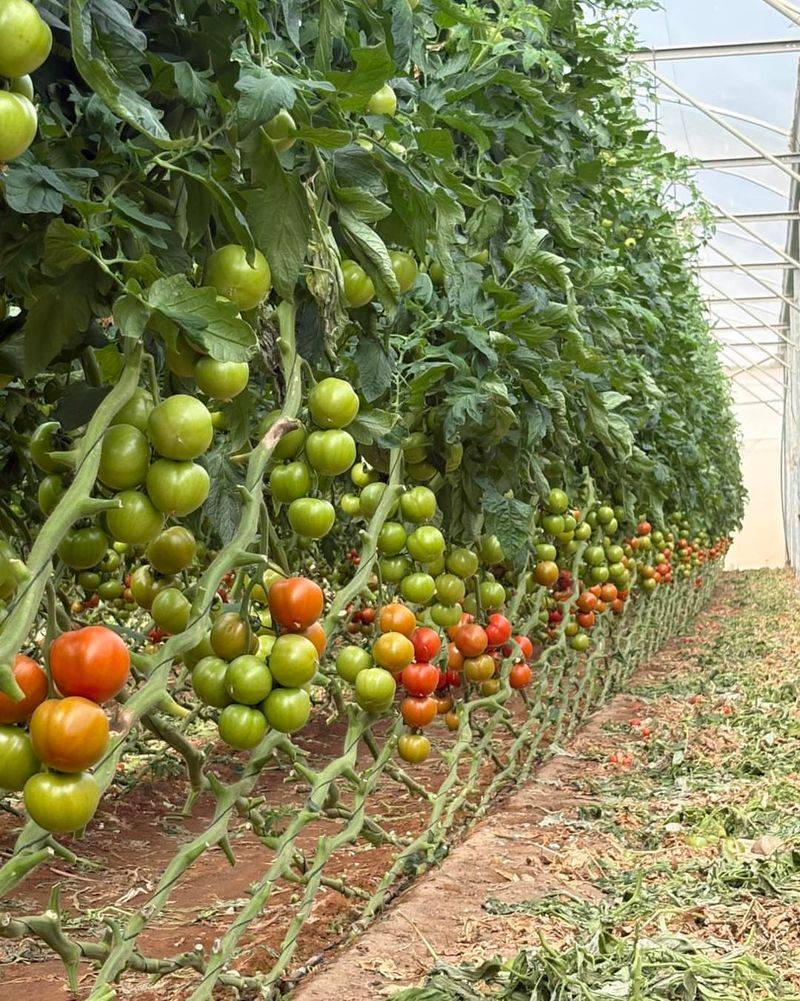
Watching your first green tomatoes shift from marble-sized to golf ball-sized is a satisfying sign, and it is also a useful timing cue for feeding.
Side dressing is a method where you apply a small amount of fertilizer in a narrow band or shallow trench a few inches away from the base of the plant.
This technique delivers nutrients close to the root zone without overwhelming the plant all at once.
A balanced fertilizer or one slightly lower in nitrogen and higher in phosphorus works well at this stage.
Some gardeners prefer using compost as a gentle side dressing, which releases nutrients slowly and also improves soil texture.
Either way, the goal is to give the plant a mild nutritional boost to support the fruit that is already swelling and forming.
After you side dress, water the area thoroughly if the weather has been dry. This helps move the nutrients down into the root zone where they can actually be used.
One important detail to remember is to keep the fertilizer off the plant’s leaves and stem. Direct contact with granular fertilizer can cause leaf burn, which is easy to avoid by staying a few inches away from the plant itself.
Timing this feeding with the first signs of fruit enlargement rather than guessing by the calendar gives Michigan home gardeners a more reliable approach to getting the most from their tomato plants.
5. Check For Blossom End Rot Early
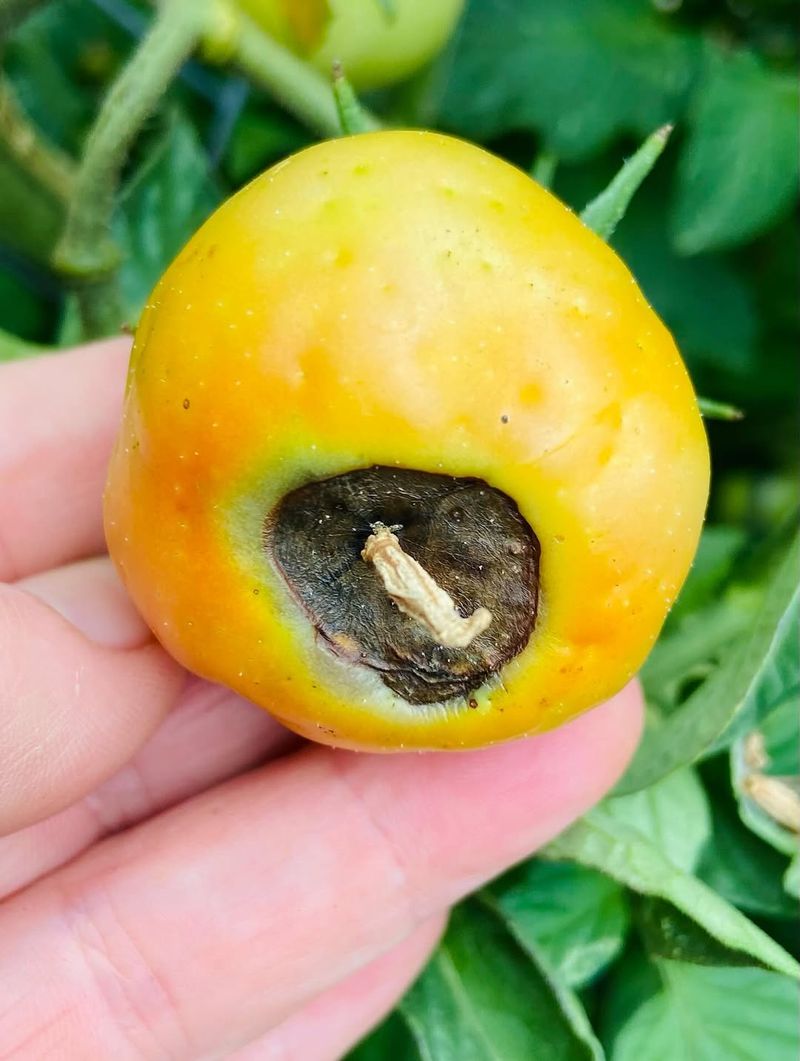
Spotting a dark, sunken spot on the bottom of a young green tomato can feel discouraging, but catching blossom end rot early gives you a real chance to turn things around.
This condition shows up as a leathery, brownish-black patch on the bottom of the fruit, and it tends to appear on the first tomatoes of the season more than any others.
Many gardeners assume blossom end rot means the soil is low in calcium, but the real story is a bit more nuanced.
The problem is usually about how calcium moves through the plant rather than how much is in the soil.
When soil moisture swings wildly from dry to wet, the plant cannot transport calcium efficiently to developing fruit, even if plenty of calcium is present in the ground.
The most effective prevention comes from the same habits that support the whole plant: steady, even watering, a good layer of mulch to hold soil moisture, and avoiding heavy nitrogen fertilizer that pushes rapid leafy growth.
Overfertilizing with nitrogen can cause calcium uptake issues even in healthy soil. If you already have some affected fruit, remove it so the plant can focus its energy on the remaining tomatoes.
Going forward, keeping moisture consistent is the single most reliable way to keep blossom end rot from spreading through your crop this season.
6. Support Plants Before Fruit Gets Heavy
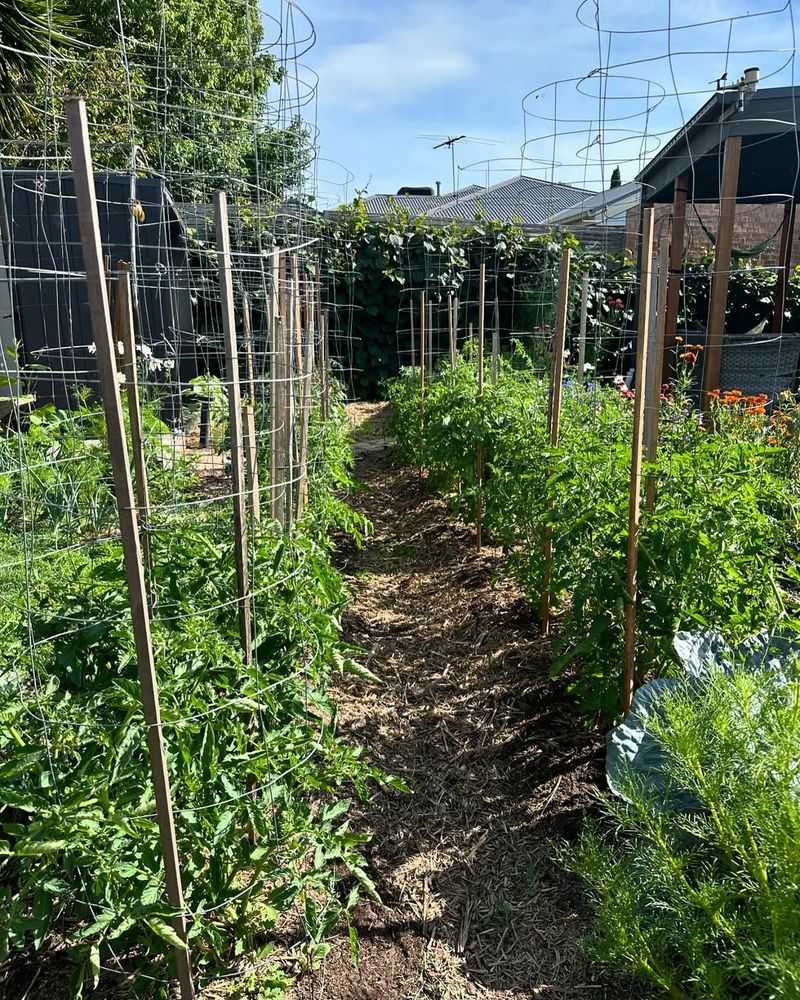
Green tomatoes seem small and light at first, but they add up fast.
A single indeterminate tomato plant can eventually carry several pounds of fruit at one time, and without proper support, heavy stems can bend or snap under that weight.
The moment you notice green fruit forming is the ideal time to check your cages, stakes, and trellises before things get crowded and heavy.
Walk through your garden and give each support a gentle tug. If a cage wobbles or a stake pulls out of the ground too easily, reinforce it now while the plants are still manageable.
Indeterminate varieties, which keep growing and producing all season long, are especially prone to getting top-heavy as summer moves along.
Keeping stems upright also makes it much easier to spot ripe fruit hiding inside a dense plant.
When you tie stems to a stake or trellis, use soft material like cloth strips or garden velcro rather than wire or rough twine that can cut into the stem as it grows. Tie loosely enough that there is a little room for the stem to expand.
Leaves that rest on the soil can stay wetter longer in Michigan’s humid summer air, so keeping growth lifted off the ground is a simple way to help your plants stay cleaner and easier to manage through the rest of the season.
7. Water At Soil Level
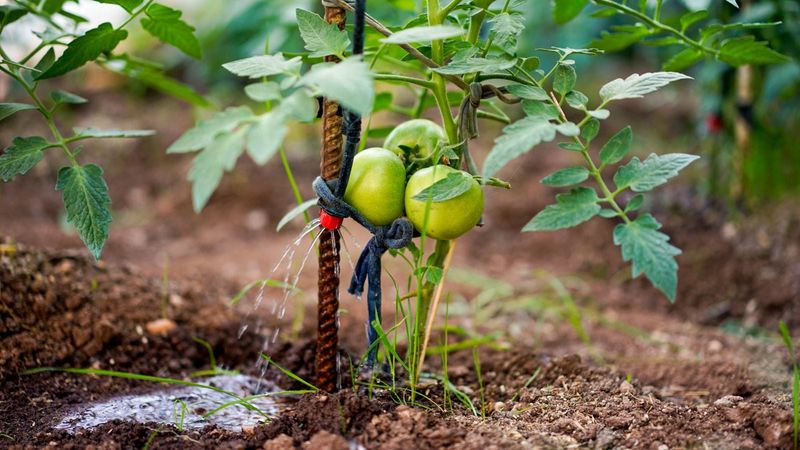
Where you aim the water matters more than most gardeners realize.
Watering at the soil level rather than spraying the whole plant from above is a small habit that pays off in a big way, especially once green tomatoes are forming and the season is picking up steam.
Roots absorb moisture from the soil, so that is exactly where water needs to go. When you water from above and drench the leaves and stems regularly, the plant canopy stays wet for longer stretches of time.
Michigan summers can be humid, and a consistently wet canopy creates conditions where fungal issues are more likely to develop.
Keeping the foliage drier by watering at the base is one of the easiest ways to help your plants stay cleaner and more manageable through a long growing season.
Soaker hoses and drip irrigation systems are excellent tools for delivering water right where it belongs, slowly and directly to the root zone.
If you water by hand with a hose, use a watering wand or hold the nozzle low to the ground so you can direct the flow to the soil without splashing the plant.
Watering slowly also gives the soil time to absorb moisture rather than letting it run off the surface.
Building this simple habit now, while the first green fruits are just getting started, sets a solid routine that will benefit your tomatoes all the way through harvest.
8. Watch Container Tomatoes Closely
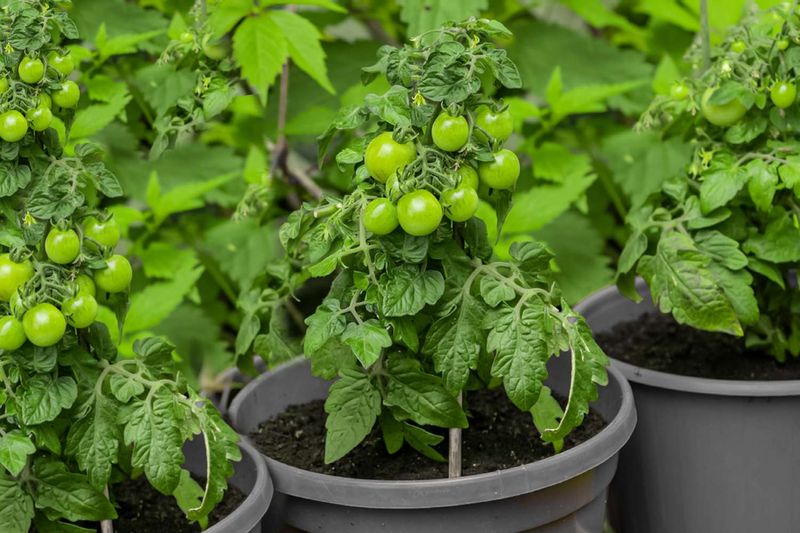
Growing tomatoes in containers is a popular choice for Michigan gardeners who have limited yard space or prefer the flexibility of a patio garden.
Once those first green tomatoes appear on a container plant, the game changes a little, because pots dry out much faster than garden beds and the stakes get higher when fruit is actively developing.
On a sunny Michigan patio or driveway, a large container can go from moist to bone dry in a single warm day.
That kind of rapid moisture loss is tough on developing tomatoes and can quickly lead to the same stress-related problems that affect in-ground plants, including cracking and uneven fruit texture.
Checking container moisture daily once fruit has set is not overreacting. It is just smart container gardening.
The best approach is to water deeply when the top inch or two of the potting mix feels dry rather than giving the plant a quick splash every morning regardless of how wet or dry it already is.
Deep watering encourages roots to grow downward through the container, which makes the plant more resilient overall.
Make sure your container has drainage holes so excess water can escape freely, because waterlogged roots are just as much of a problem as dry ones.
A layer of mulch on top of the potting mix can also help slow moisture loss between waterings, giving your container tomatoes a better chance at a strong harvest.
9. Keep A Simple Fruit Watch Routine
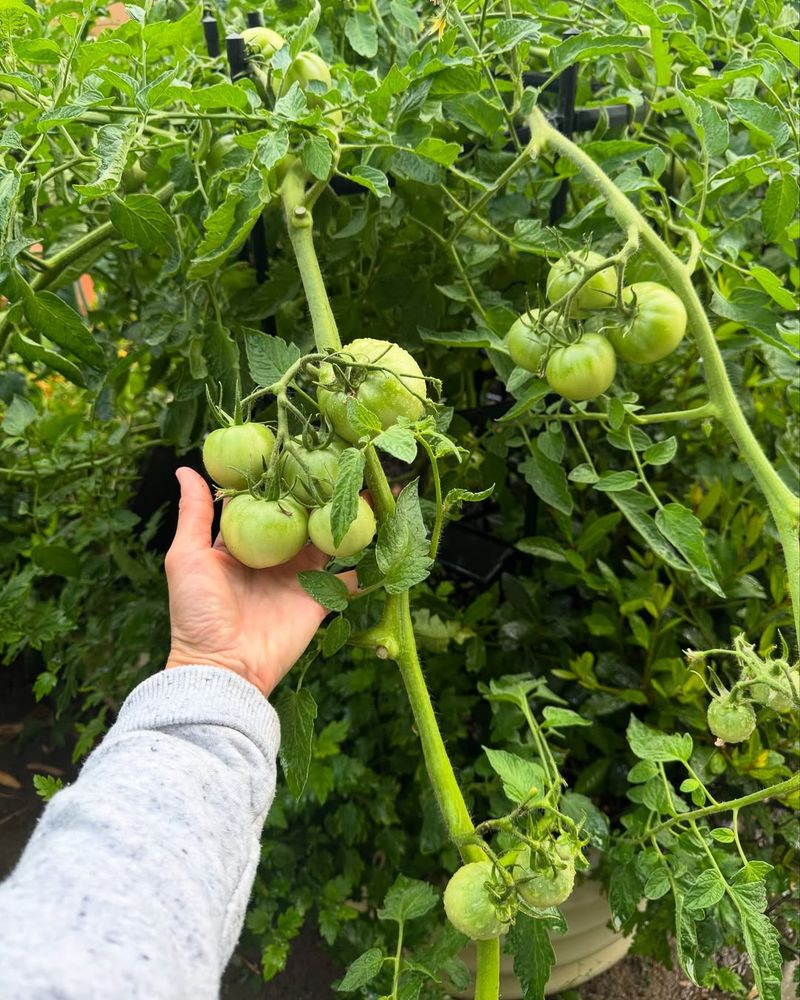
There is something genuinely enjoyable about walking through your garden every day or two once green tomatoes are hanging on the vine.
It feels less like a chore and more like checking in on something you have been rooting for all season.
Regular observation is one of the most underrated gardening habits, and it becomes especially valuable once fruit is actively developing.
A simple daily or every-other-day check gives you the chance to notice things early, before small issues become bigger ones.
You might spot a tie that has come loose and needs a gentle re-wrap, a stem that has grown too close to another and needs a little space, or the first early signs of a fruit problem that is much easier to address before it spreads.
You will also notice when the soil is getting dry and needs a deep watering before the plant shows stress.
One of the most exciting parts of this routine is watching for the first blush of color on your tomatoes.
That shift from solid green to the faintest hint of yellow, orange, or red is a signal that harvest is getting close, and you only catch it early if you are paying attention.
Keeping a simple garden notebook to jot down what you notice can also help you make better decisions next season. Michigan’s growing season is relatively short, so making the most of every week counts.