This Native Michigan Groundcover Spreads By Runners And That Is Exactly Why Gardeners Use It Under Trees
Bare soil beneath a Michigan tree can feel stubborn on purpose.
Grass thins until only dusty patches remain. Mulch looks tidy for a month, then slides, scatters, breaks down, or disappears beneath autumn leaves.
Tree roots compete hard for moisture, and the shade shifts just enough to make most lawn fixes disappointing.
A better answer is not always another bag of mulch.
Some native groundcovers solve the problem by moving slowly across open soil and rooting as they go. Instead of sitting in place as one lonely plant, they send out low stems that stitch bare patches together over time.
That spreading habit is exactly what makes them useful beneath trees, especially where mowing is awkward and mulch never seems to stay put.
The right plant still needs the right light, moisture, and patience. It will not cover a tree bed overnight.
So which native Michigan groundcover uses runners to turn open soil into a living carpet?
Start with the small woodland-edge plant that knows how to travel.
Choose Virginia Wild Strawberry
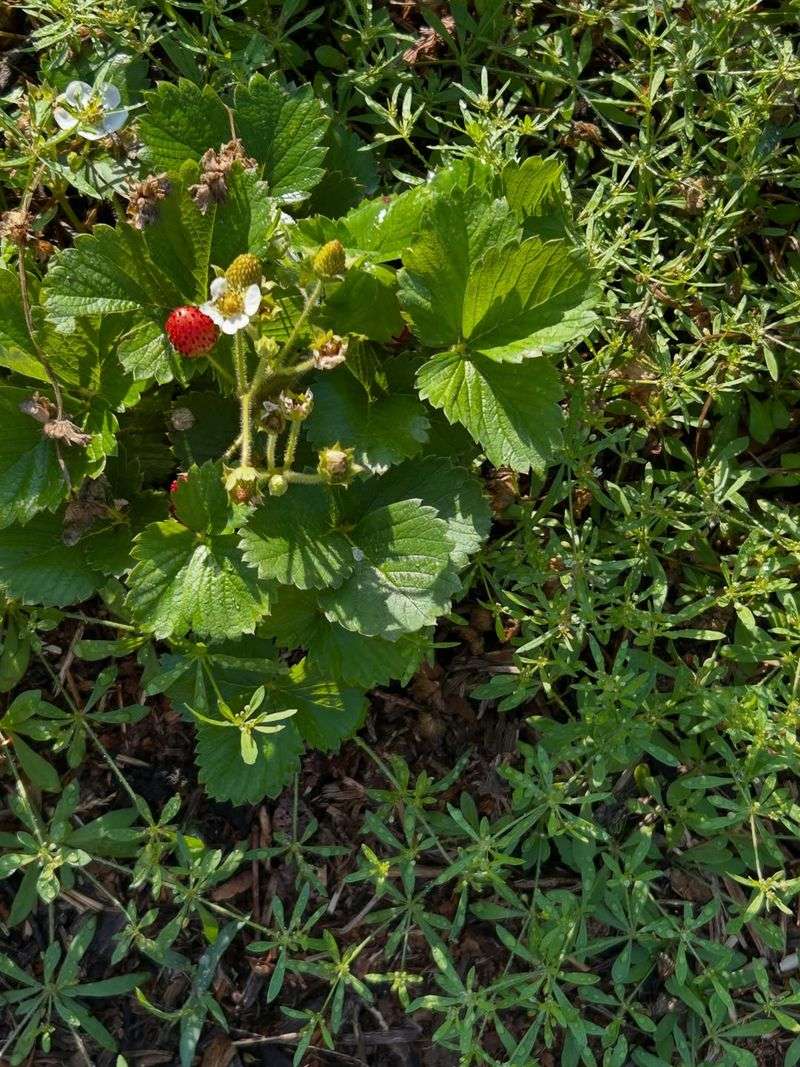
Virginia wild strawberry is the plant to know.
Botanically called Fragaria virginiana, this low-growing native belongs in Michigan landscapes where a soft, spreading groundcover makes more sense than struggling turf.
It stays close to the soil, spreads by runners, and brings real seasonal value to spots beneath open-canopy trees.
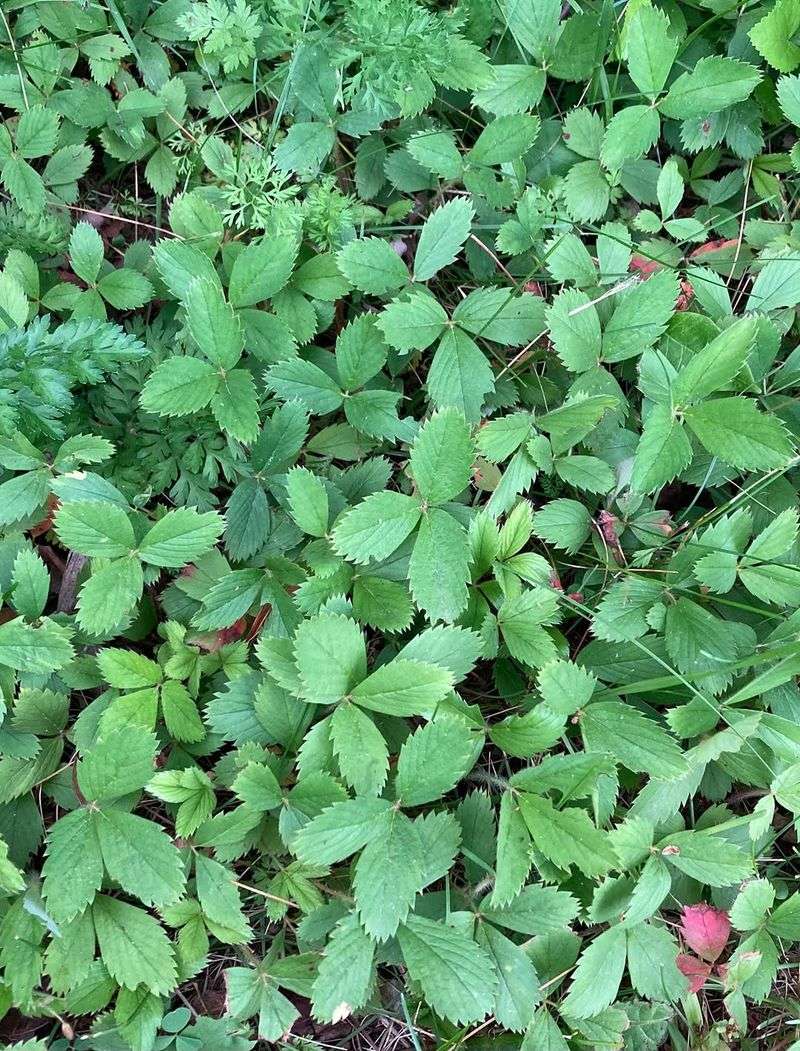
The leaves come in threes. Each leaf has three toothed leaflets on slender stalks.
The height stays modest. Most plants sit only three to six inches tall, which keeps the planting low and easy to read.
The foliage is attractive on its own. It has a slightly bluish-green tone and a firm texture that looks clean in naturalized beds.
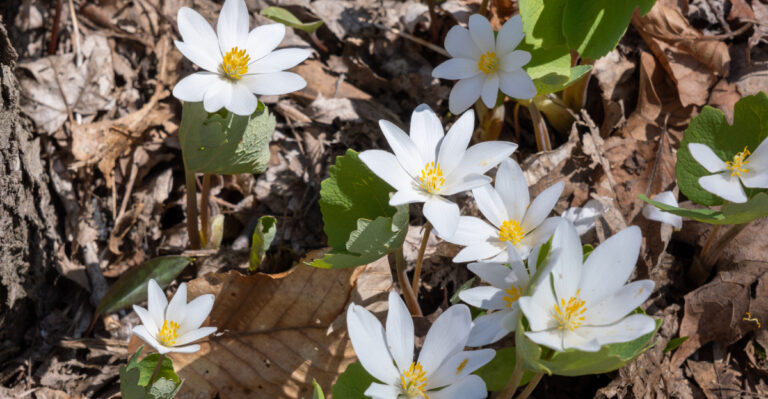
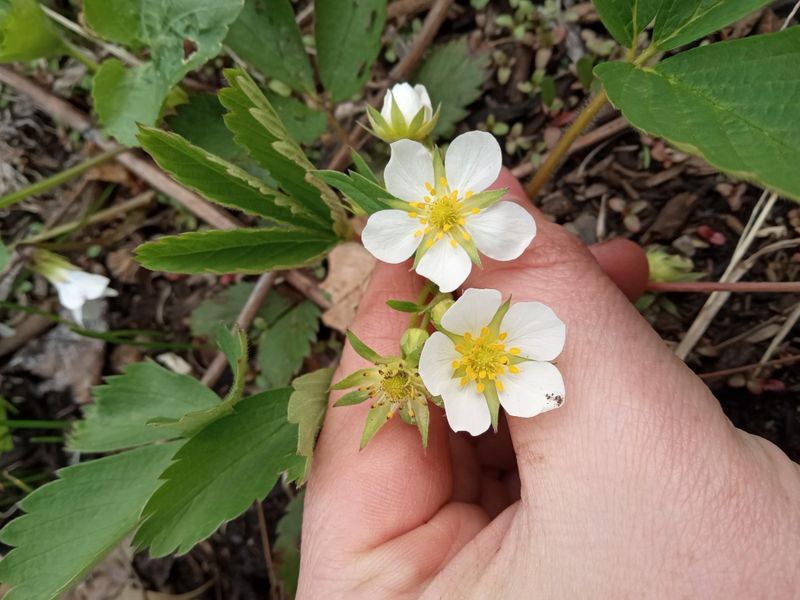
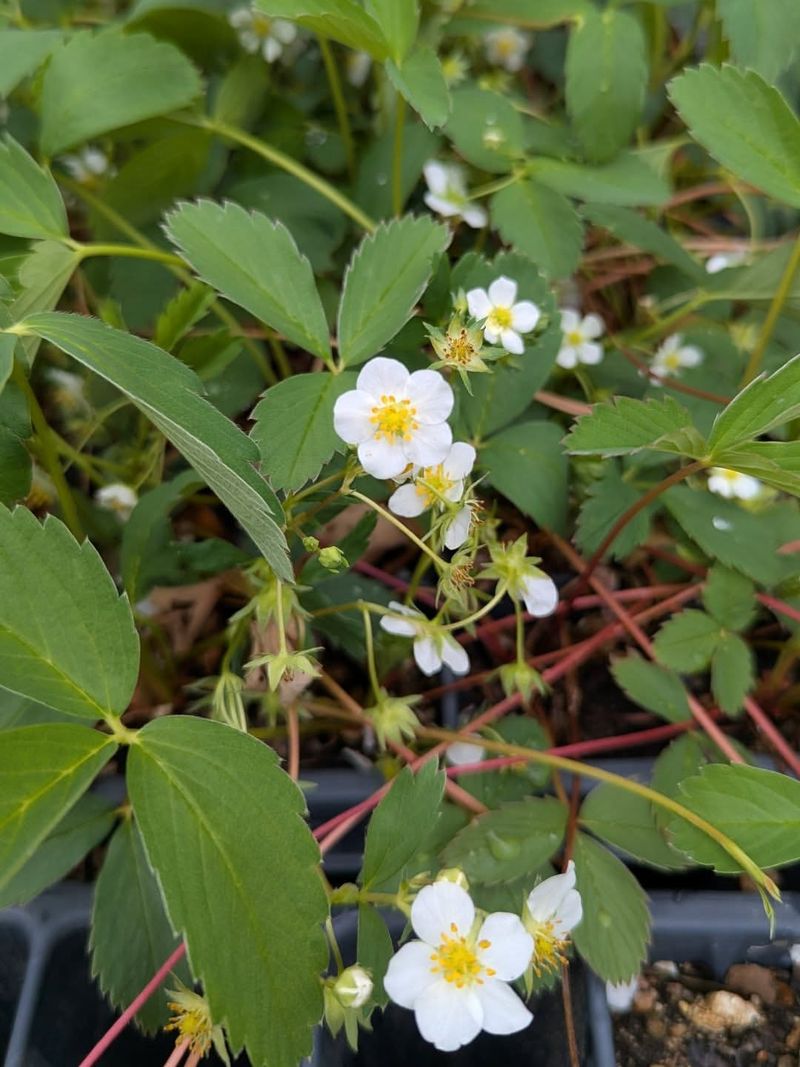
Spring brings white flowers. They are small, simple, and easy for pollinators to visit.
Tiny red fruit follows. The berries are much smaller than grocery-store strawberries but can be intensely flavorful when correctly identified.
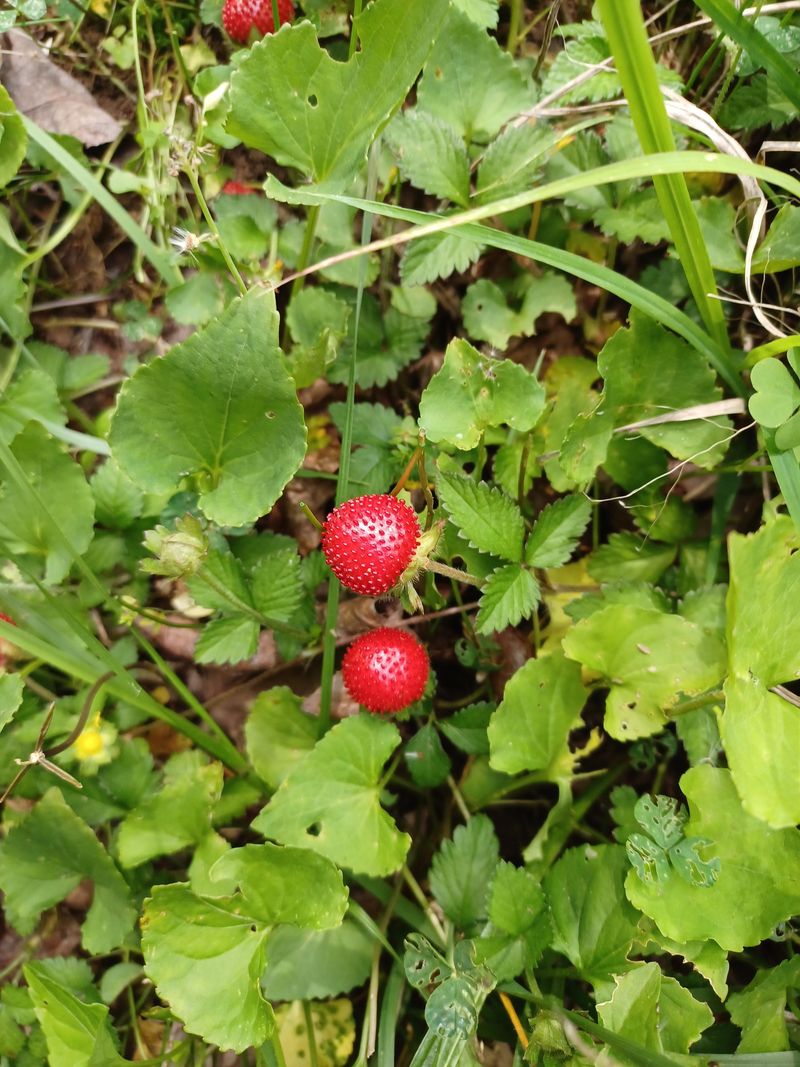
This is not mock strawberry. Mock strawberry has yellow flowers and bland fruit.
It is also not a cultivated garden strawberry. Those plants are bred for fruit size and production, not necessarily for native ecological fit.
Virginia wild strawberry belongs in the landscape because it fills space without getting tall, offers spring flowers, feeds wildlife, and spreads in a way gardeners can actually see.
That visible spreading habit is the key.
Let Runners Fill Open Ground
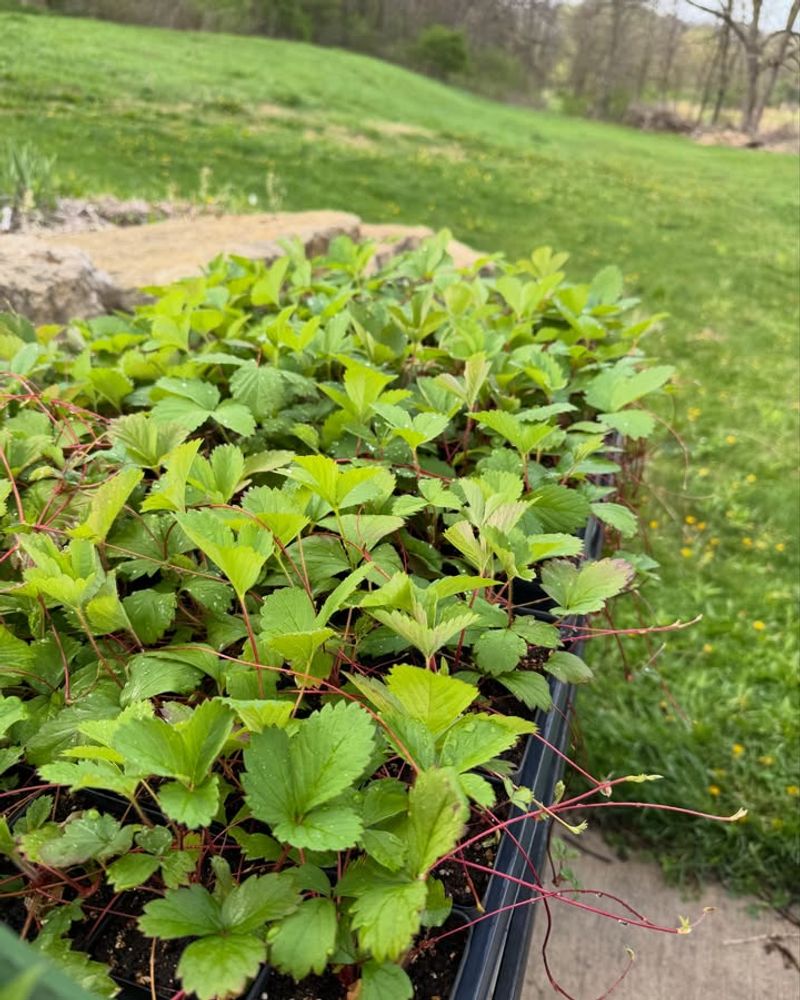
The runners are the whole reason this plant works.
Virginia wild strawberry spreads by aboveground stems called stolons. These thin runners move across the soil surface from the parent plant. At certain points along the runner, new little rosettes form and root into the soil.
That growth habit is perfect beneath trees. The plant does not need to be dug through the whole bed to spread.
Plant a few healthy plugs, give them room, and the runners begin connecting the empty spaces.
The spread is gradual but noticeable. One plant can send out several runners during the growing season.
Each runner can create daughter plants. Those new plants then help extend the colony further.
Your Michigan Garden Changes Every Week. Your Plan Should Too.
Gardening in Michigan changes quickly throughout the season. Every Friday you’ll receive a simple weekly plan showing exactly what to plant, prune, fertilize, harvest, and protect so you never miss the right timing.
Open soil becomes less exposed. The patch starts looking connected instead of dotted with separate plants.
This habit also makes management simple. Runners grow on the surface, so you can see where they are going.
No hidden rhizomes are sneaking deep underground. The plant is honest about its movement.
A snip controls direction. Clip a runner that heads across a path or into a bed where it does not belong.
Rooted daughter plants can be moved. That gives you free starts for another bare spot.
Virginia wild strawberry spreads because it is built to colonize open ground.
Under trees, that is not a flaw. It is the exact trait that makes the plant so useful.
Use It Beneath Light Tree Canopies
This groundcover performs best in bright, shifting shade.
The ideal tree canopy is not completely dark. Oaks, serviceberries, river birches, crabapples, and younger maples can create dappled light that moves across the soil through the day. That pattern gives the plant enough brightness to flower, fruit, and spread.
Morning sun is especially helpful. It supports growth without the harshest afternoon stress.
Woodland edges can work beautifully. The ground near a tree line often receives filtered light and decent airflow.
Open shade is better than heavy shade. A bed that feels dim all day may slow the plant too much.
Under high branches, the plant often has enough room and light. Low, dense limbs can make conditions harder.
Tree roots matter too. Large trees compete strongly for moisture near the surface.
Start with plugs rather than seed in tough spots. Established little plants have a better chance than tiny seedlings.
Water during the first dry summer. The runners need moisture to root where they touch the soil.
Do not dig aggressively around tree roots. Small planting holes protect the tree and the new groundcover.
Leaf litter can help over time. Deciduous trees add organic matter as leaves break down.
Virginia wild strawberry suits the places where shade is present but not oppressive.
Give it light that moves, soil that does not stay bone dry, and a little establishment care, and it can begin covering ground that grass never handled well.
Keep It Out Of Deep Shade
This groundcover performs best in bright, shifting shade.
The ideal tree canopy is not completely dark. Oaks, serviceberries, river birches, crabapples, and younger maples can create dappled light that moves across the soil through the day. That pattern gives the plant enough brightness to flower, fruit, and spread.
Morning sun is especially helpful. It supports growth without the harshest afternoon stress.
Woodland edges can work beautifully. The ground near a tree line often receives filtered light and decent airflow.
Open shade is better than heavy shade. A bed that feels dim all day may slow the plant too much.
Under high branches, the plant often has enough room and light. Low, dense limbs can make conditions harder.
Tree roots matter too. Large trees compete strongly for moisture near the surface.
Start with plugs rather than seed in tough spots. Established little plants have a better chance than tiny seedlings.
Water during the first dry summer. The runners need moisture to root where they touch the soil.
Do not dig aggressively around tree roots. Small planting holes protect the tree and the new groundcover.
Leaf litter can help over time. Deciduous trees add organic matter as leaves break down.
Virginia wild strawberry suits the places where shade is present but not oppressive.
Give it light that moves, soil that does not stay bone dry, and a little establishment care, and it can begin covering ground that grass never handled well.
Feed Spring Pollinators With Flowers
Deep shade is not the right place for this plant.
Virginia wild strawberry tolerates some shade, but it still needs enough light to build strong leaves, runners, flowers, and fruit. Beneath dense evergreen branches or tightly packed shrubs, it often stalls.
Norway spruce creates difficult conditions. The shade can be heavy, dry, and acidic.
White pine can be challenging too. Thick needles and surface roots reduce light and moisture.
Arborvitae rows often create dry darkness. Few low fruiting groundcovers thrive there.
In deep shade, flowers decrease. Fewer flowers mean fewer berries and less pollinator activity.
The leaves thin. Instead of forming a carpet, the patch may stay sparse.
Runners slow down. A plant that cannot gather enough energy will not spread well.
Dry evergreen soil adds more stress. Rain often gets intercepted by branches before reaching the ground.
Root competition becomes intense. The plant may survive but never fill in.
Choose better shade specialists for those spots. Pennsylvania sedge and Canadian wild ginger can handle lower-light woodland conditions more reliably.
Match the plant to the real site, not the site you wish existed.
Virginia wild strawberry is tough in the right setting, but deep, dry shade asks too much from it.
Leave Small Fruit For Wildlife
The spring flowers do more than decorate the ground.
Virginia wild strawberry blooms early enough to matter in Michigan gardens. Small native bees and early-season insects begin searching for food before many showier garden flowers open. A low patch of white strawberry flowers can help fill that gap.
The flowers are simple and accessible. Five white petals surround a yellow center.
Small bees can use them easily. Sweat bees, mining bees, and other native pollinators often work low flowers close to the soil.
The bloom height matters. Not every pollinator feeds high in the garden.
Ground-level flowers support small insects moving through leaf litter, grass edges, and woodland beds.
The plant is not a pollinator solution by itself. A single patch does not carry the whole spring season.
It becomes more valuable with companions. Native violets, wild columbine, woodland phlox, and spring-blooming shrubs can extend the menu.
Do not mow or trim the patch during bloom. That removes the flowers just as insects need them.
Avoid spraying nearby. Even low flowers can attract helpful insects.
Let some surrounding leaf litter remain. Many native bees nest or shelter near the ground.
The plant gives the shade bed a quiet spring purpose.
Before the fruit appears and before the runners begin racing, the flowers already help turn bare soil into habitat.
Trim Runners Away From Paths
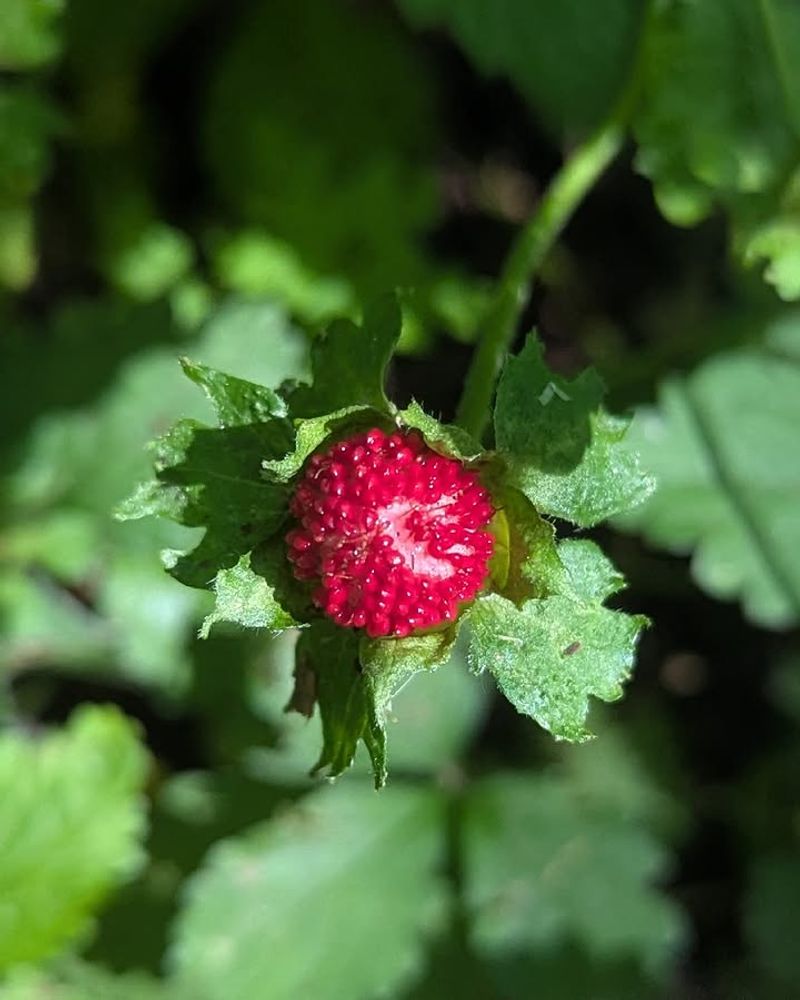
The berries are small, but they matter.
Virginia wild strawberry produces tiny red fruit after flowering. They are not the oversized berries people expect from grocery stores, but their flavor can be surprisingly rich.
Accurate identification comes first. No wild fruit should be tasted until the plant is correctly identified with confidence.
White flowers are a key clue. Mock strawberry, a common look-alike, has yellow flowers and much less appealing fruit.
Fruit production varies. Brighter light and steady moisture usually produce more berries.
Deep shade produces fewer. Dry soil can also reduce fruit set.
Do not expect a harvest bowl. This plant is more groundcover than fruit crop.
Wildlife often gets there first. Birds, chipmunks, small mammals, and turtles may all use the fruit.
That is not a loss. Feeding wildlife is part of the value.
The fruit also supports a more layered landscape. A tree bed becomes more than empty space beneath branches.
Leave berries where wildlife can find them. The planting does not need to be picked clean.
Keep the patch unsprayed. Fruit used by wildlife should not be coated with unnecessary chemicals.
Small fruit gives this groundcover another season of usefulness.
It covers soil, feeds pollinators, and then offers a tiny summer snack to the creatures moving through the yard.