Does Your Christmas Cactus Really Need Darkness To Bloom In Michigan
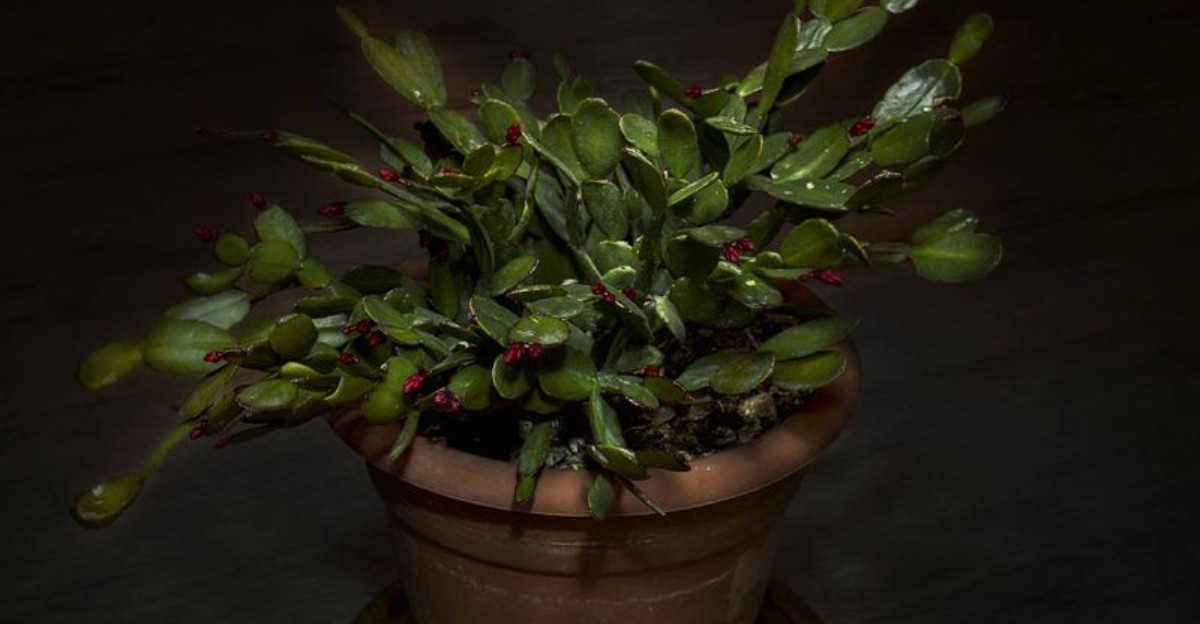
Every year, the advice repeats: give your Christmas cactus long, dark nights if you want flowers. Is it true? Mostly, yes.
The plant forms buds in response to shorter days, and it also likes cooler nights. Both signals work together. Michigan homes offer a bit of help, since days grow short naturally in fall.
Problems begin when a lamp, TV, or hallway light interrupts those long nights. Even a little light can confuse the plant and delay buds. That does not mean you need a closet or a cardboard box.
The details matter more than the myth. Knowing how much darkness is enough, and for how long, lets you create the right conditions without fuss. Then the holiday bloom has a real chance.
1. Darkness Helps, But It’s Not The Only Trigger
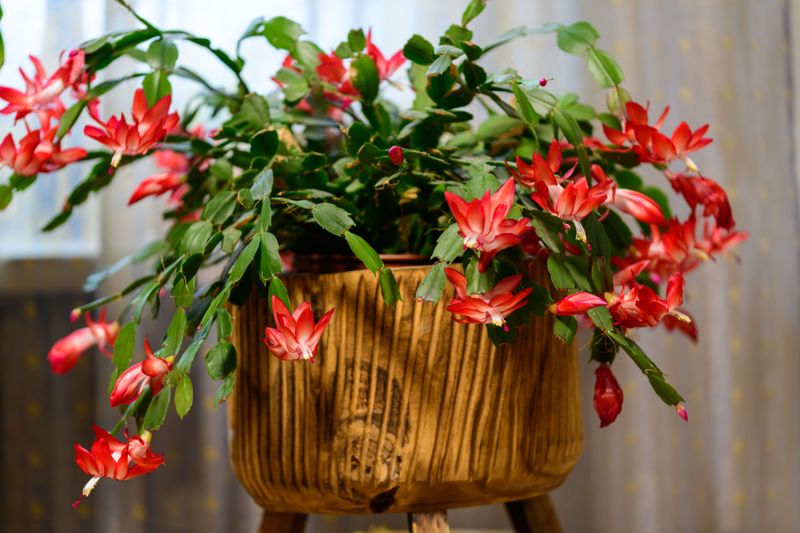
Ask ten gardeners how to make a Christmas cactus bloom, and at least half will tell you to lock it in a dark closet. That advice has been passed around for years, almost like a family recipe. It works, but it only tells part of the story.
Christmas cactus, known by its scientific name Schlumbergera, is a short-day plant. That means it forms flower buds when nights grow long.
However, it also responds to cool temperatures, and cool air alone can push the plant to set buds even when the nights are not very long.
So darkness is one key, but it is not the only key on the ring. Knowing about both triggers gives you options. Some homes have a quiet, dark spare room that is perfect for long nights.
Other homes stay chilly in certain corners, which makes the temperature method a better match.
Once you understand this, you can stop worrying about tucking your plant away every evening like a sleepy pet. Instead, you can pick the method that fits your daily routine and your house.
That makes the whole process feel less like a chore and more like a simple seasonal habit. Michigan happens to be an excellent place to grow these plants.
By late September, nights are already stretching out, and many homes have cool rooms, basements, or sunporches before the furnace runs full time. In other words, nature hands you both tools at once.
Keep that in mind as you read the rest of these tips. Your plant does not need perfection. It needs the right signal, and you have more than one way to send it.
2. Long Nights Work When Rooms Stay Warm
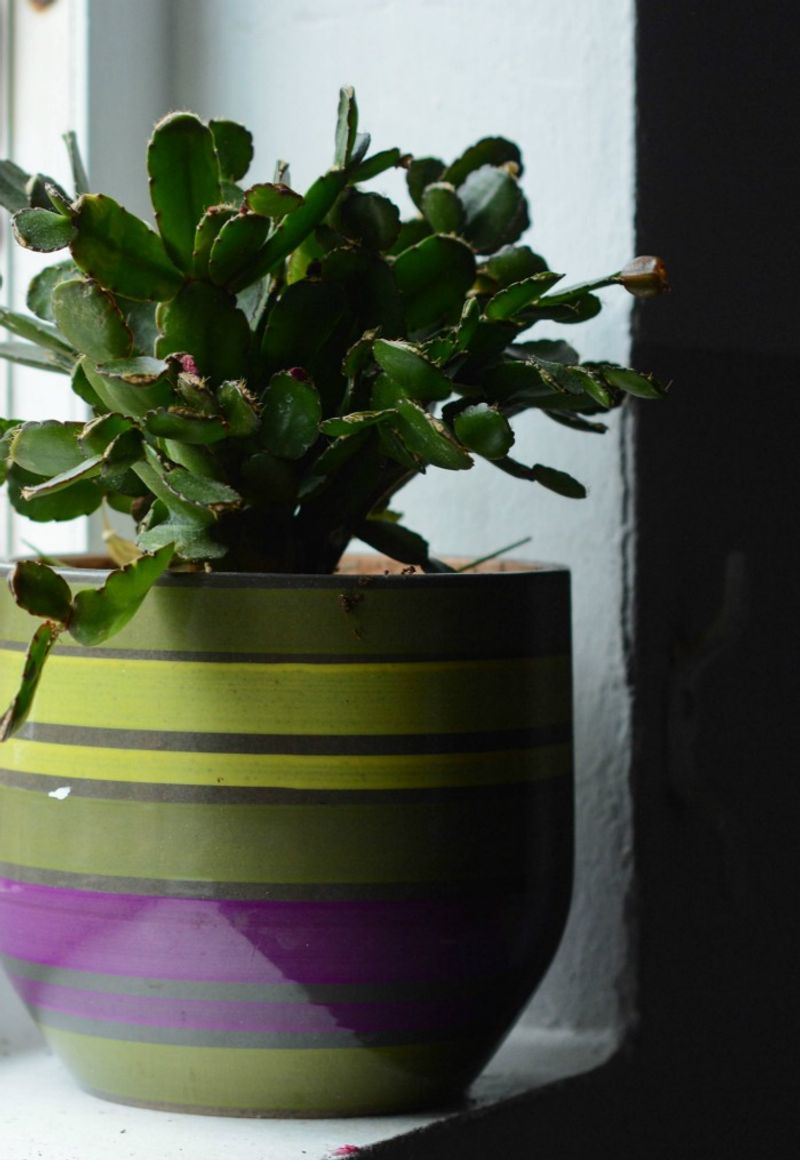
Warm homes feel wonderful on a chilly October evening, but your Christmas cactus may not agree. When indoor temperatures sit around 65 to 70°F, the plant leans fully on darkness to know when to bloom. In that case, long nights become the main signal.
Here is how it works. In warm rooms, a Christmas cactus needs about 12 to 14 hours of steady, uninterrupted darkness each night. It needs that routine for roughly six weeks to form flower buds, so patience pays off.
Starting in early fall, find a room that nobody uses after sunset. A guest bedroom or a quiet office can work nicely. If every room in your house gets evening light, you can cover the plant with a large cardboard box or carry it into a dark closet each night.
Your Michigan Garden Changes Every Week. Your Plan Should Too.
Gardening in Michigan changes quickly throughout the season. Every Friday you’ll receive a simple weekly plan showing exactly what to plant, prune, fertilize, harvest, and protect so you never miss the right timing.
Morning matters just as much. Bring the plant back to bright, indirect light during the day so it can keep making energy. A spot near an east-facing window is a great choice because the light is gentle and not harsh.
Setting a phone reminder can help, especially if you tend to forget. For example, covering the plant at 6 p.m. and uncovering it at 8 a.m. gives it a solid 14 hours. Small habits like this add up quickly.
Many Michigan families turn on the heat early once the frosty mornings roll in. That cozy warmth means the cool-temperature trigger may never kick in.
For these households, a reliable darkness schedule is the best way to coax those colorful blooms right on time for the holidays.
3. Cool Temperatures Can Do The Job On Their Own
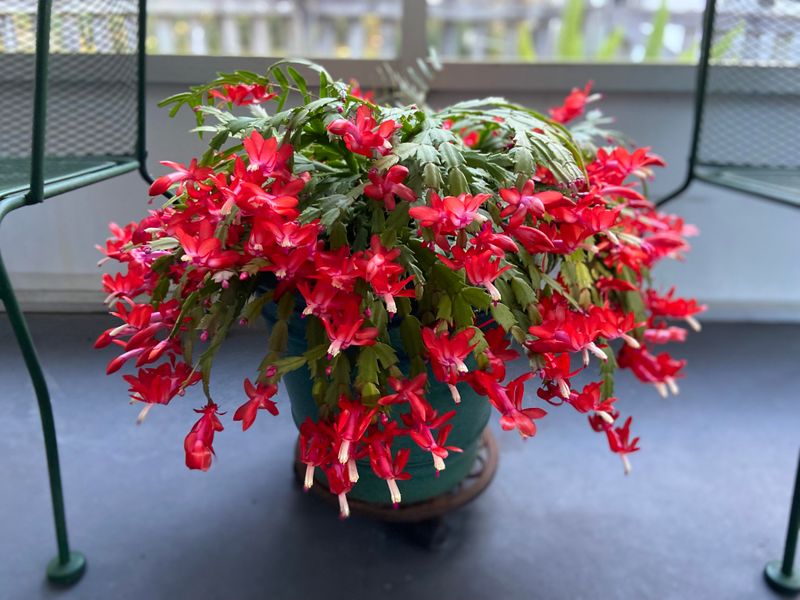
Some of the best blooms happen almost by accident. A Christmas cactus left in a chilly spare bedroom often explodes with buds while a pampered plant in the warm kitchen stays bare. The difference usually comes down to temperature.
When kept at about 50 to 55°F, a Christmas cactus will usually set buds no matter how long the nights are. Cool air tells the plant that the season is changing. That means a cool room can take the place of strict closet routines.
Finding the right spot is the main task. An unheated spare room, an enclosed porch that stays above freezing, or a space near a cool window can all work well. Leave the plant there for about six weeks in fall, and watch for tiny buds forming at the tips of the stems.
Cold drafts, though, are a different story. Temperatures below about 45°F can stress the plant and harm its tender stems. Keep it away from leaky doors, and check that the spot does not dip too low on frosty nights.
A simple indoor thermometer makes this easy. Place one near your plant for a few days to see how the temperature changes from day to night.
You might be surprised by how cool some corners of your home really get. Michigan autumns are practically built for this method.
Many homes have porches, mudrooms, or back bedrooms that stay naturally cool through October and November. For busy households, this may be the easiest path to holiday flowers, since the weather does most of the work for you.
4. Combine Both For The Best Results

Why choose one trick when you can use two? Experienced growers know that cool nights and long darkness make a powerful team. Together, they often lead to the fullest, most reliable flower show of the year.
The reason is simple. Both signals tell the plant the same message, so it responds more strongly. A Christmas cactus that gets cool temperatures and long nights tends to set buds more consistently and often in greater numbers.
Summer is the perfect time to start. Many gardeners move their plants outdoors to a shaded spot on a porch or under a tree. Keep it there into early fall, letting the shorter days and cooler air work their magic naturally.
Once nighttime temperatures drop toward about 50°F, bring the plant inside. Set it in a cool room where the lights stay off at night. This keeps both triggers going without much extra effort on your part.
Watering also deserves a small change during this stage. Water a little less than usual, letting the top inch of soil dry before giving the plant a drink. Slightly drier soil helps the plant focus on making buds instead of new leafy growth.
Michigan weather lines up beautifully with this plan. September brings crisp evenings and noticeably longer nights, often before the first frost arrives.
Just keep an eye on the forecast, since an early cold snap can sneak in, and bring your plant indoors before temperatures fall near 45°F. With a little timing, nature gives you a head start on a spectacular bloom.
5. Stray Light Can Interrupt The Process
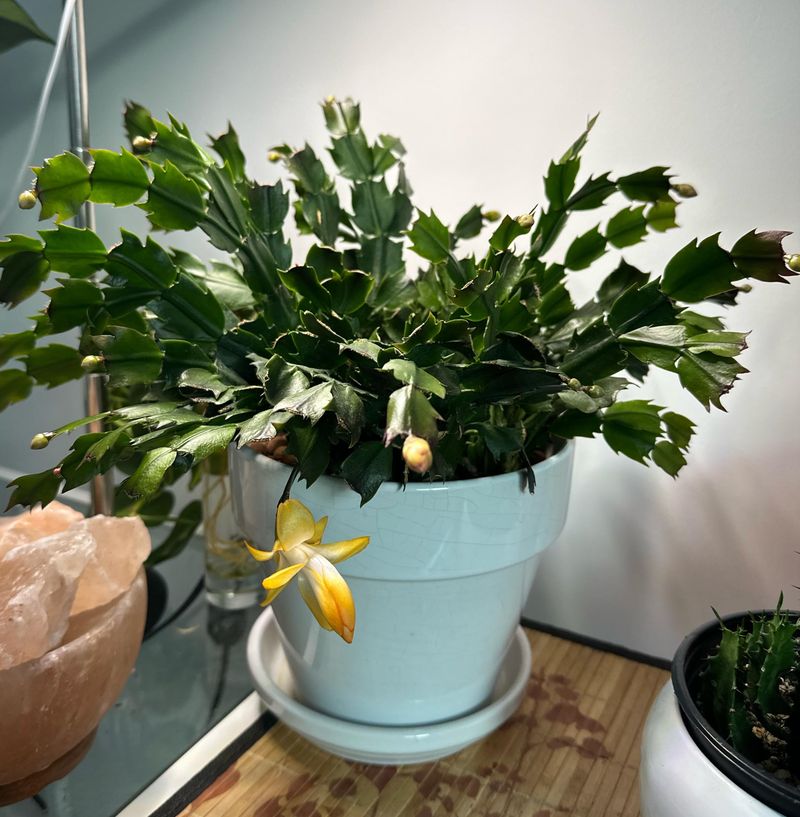
A single lamp might seem harmless. Yet for a Christmas cactus relying on long nights, even a short burst of light can reset its internal clock. One evening of bright light may not ruin everything, but repeated interruptions can delay or stop bud formation.
Plants measure night length with special light-sensing pigments in their leaves. When light breaks up the darkness, the plant may act as if the night was short. As a result, it keeps growing stems instead of making flowers.
Common sources are easy to miss. Hallway lights, TV screens, porch lights, and even streetlights shining through a window can reach your plant. Holiday decorations that go up early in November can sneak in too.
Walk through the room after dark to check. Turn off the main lights and look around for any glow. If you can easily read a book near the plant, it is probably getting too much light.
Fixing the problem is usually simple. Close the curtains, move the plant away from doorways, or use a box cover at night. Some people tape a note on the light switch as a friendly reminder for family members.
In Michigan, early darkness means many families switch on lamps by 5 p.m. in late fall. That makes stray light a bigger issue than many people expect.
Keep in mind that a cool room helps here, since plants kept near 50 to 55°F are much less sensitive to these light interruptions.
6. Bud Drop Often Comes From Sudden Changes
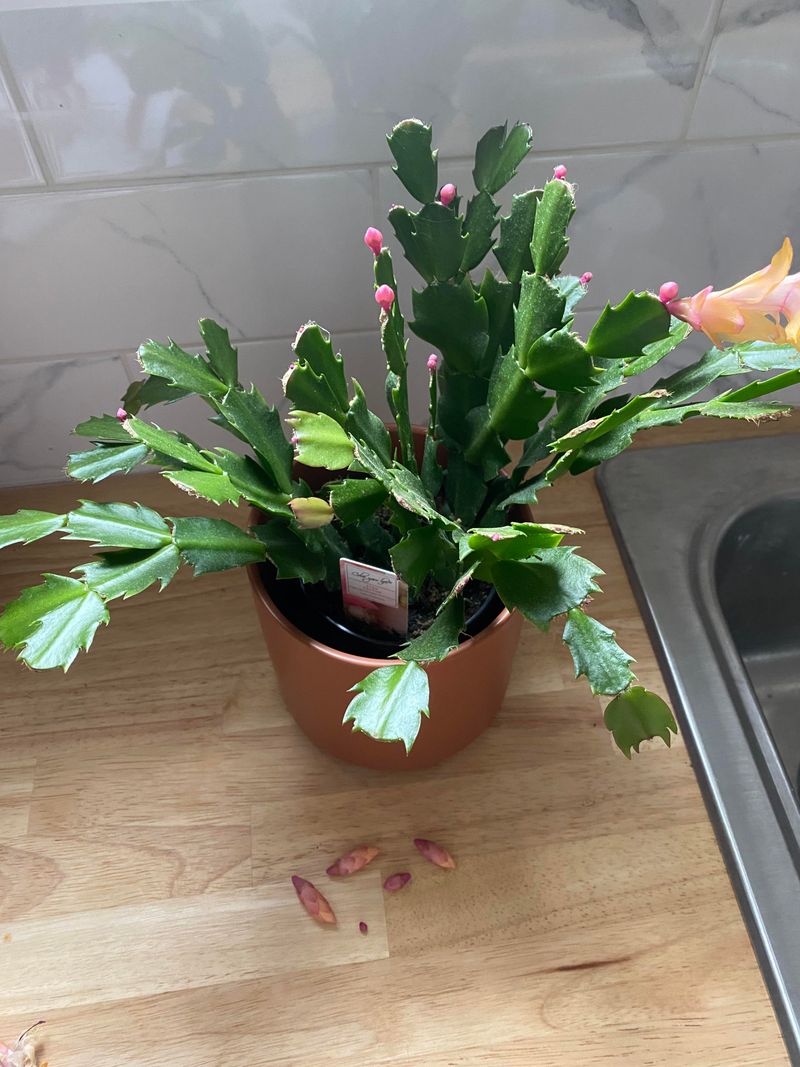
Few things feel more disappointing than watching plump buds tumble onto the windowsill. You did everything right, the buds appeared, and then they suddenly fell. Most of the time, the cause is a quick change in the plant’s surroundings.
Christmas cactus likes steady conditions once buds form. Big swings in temperature, light, or water can stress it. When that happens, the plant drops buds to save energy.
Moving the plant is one common trigger. Gardeners often carry it from a cool room straight into a warm, bright living room to show off the blooms. Instead, wait until the buds show a little color, then move it gently and pick a spot without heat vents or drafts nearby.
Watering mistakes play a role too. Soil that stays soggy or turns bone dry can both cause trouble. Aim for evenly moist soil, watering when the top inch feels dry to the touch.
Dry indoor air is another sneaky problem. Michigan furnaces run hard in winter, which pulls moisture from the air. Placing the pot on a tray filled with pebbles and a bit of water can add helpful humidity around the plant.
Also, avoid spots near fireplaces, space heaters, or outside doors that open often. A blast of icy January air or a hot draft can upset the plant fast. With calm, steady care, those buds will usually stay put and open into the bright flowers you have been waiting for.
7. Timing Your Routine For Holiday Blooms
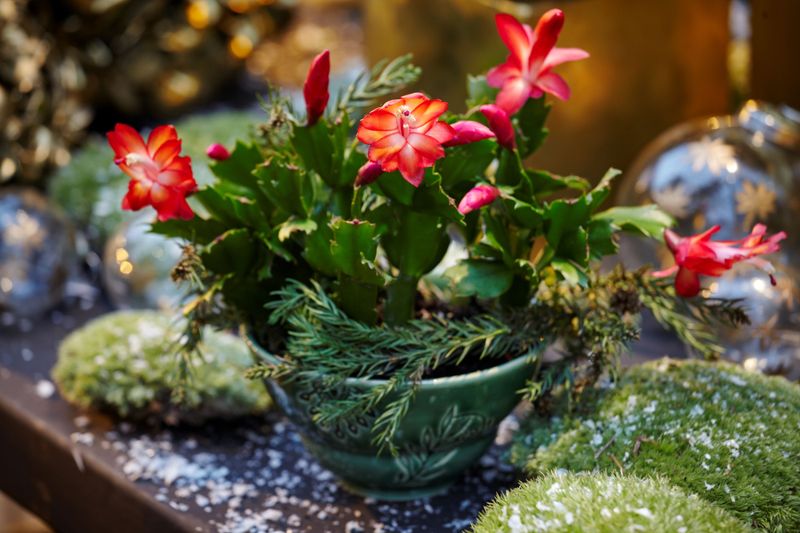
Blooms on Christmas morning feel like a gift from the plant itself. Getting that perfect timing takes a little planning, but it is very doable. Counting backward on the calendar is the secret.
Buds usually take about six to eight weeks to form and open after the triggers begin. For flowers by late December, start long nights or cool temperatures around late September to mid-October. Mark the date on your calendar so you can track progress.
Here is a helpful detail many people miss. Lots of plants sold as Christmas cactus in stores are actually Thanksgiving cactus, a close cousin.
Thanksgiving cactus has pointed, claw-like edges on its stem segments, while true Christmas cactus has smoother, rounded edges, and the Thanksgiving type tends to bloom a few weeks earlier.
Knowing which plant you have helps you plan. If yours blooms in November every year, it may simply be a Thanksgiving cactus doing exactly what it should. That is still a lovely result.
After flowering ends, give the plant a short rest. Water lightly for a few weeks, then return to normal care in spring. A light trim in late spring encourages more branches, which means more tips for flowers next season.
For Michigan growers, the calendar and the weather work hand in hand. Cool fall evenings arrive right when the plant needs them.
With a bit of timing, your Christmas cactus can become a cherished holiday tradition, blooming brightly while snow piles up outside the window year after year.