Pennsylvania Plants That Sting Or Burn When You Touch Them
A single brush against the wrong roadside weed can leave blisters that show up two days later. Sunlight actually triggers the burn, so the plant needs a sunny partner in crime before it can hurt you.
Other Pennsylvania plants work much faster, firing tiny hollow hairs into your skin like miniature glass needles. Those hairs carry histamine and other irritants, so the sting arrives within seconds of a careless touch.
I have to admit that I learned this lesson the hard way while weeding a shady creek bank in shorts. You need sharp eyes here, because several of these troublemakers look like harmless wildflowers or garden herbs.
Some are native neighbors that feed wildlife, while others are invasive outlaws on Pennsylvania noxious weed lists. Can you guess which leafy culprit along your favorite summer trail deserves the most respect from you?
1. Stinging Nettle
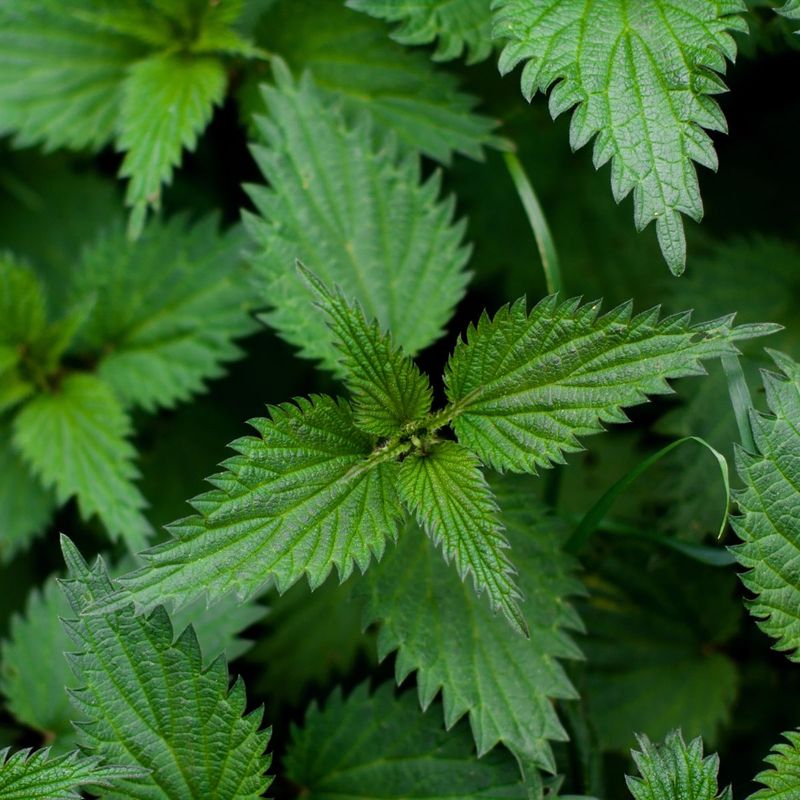
Brush a bare ankle against this weed and you will feel a fiery prickle almost before you see it. The burn comes from hollow hairs that snap off and inject histamine and other irritating chemicals into skin.
Stinging nettle, Urtica dioica, grows two to six feet tall on square stems that rarely branch much. Its leaves sit in opposite pairs with coarse saw-toothed edges and a pointed heart or lance shape.
Thin drooping strings of tiny green flowers dangle from where the leaves meet the stem in summer. You will find it in damp, rich soil along streams, ditches, floodplains, and around old compost piles.
Both a native subspecies and an introduced European subspecies grow across nearly every county in Pennsylvania. Personally, I respect nettle because caterpillars of the red admiral butterfly depend on its leaves for food.
Small white welts usually appear right away, and the sting fades within minutes or a few hours. An itchy tingle can linger longer, which feels annoying but is rarely anything serious for most people.
Avoid rubbing the spot right away, since that pushes broken hairs deeper and spreads the irritation around. Let the skin dry first, then wash gently with soap and water to clear away the leftover hairs.
Thick gloves plus long sleeves make weeding a nettle patch far more comfortable for any home gardener. Cooked young leaves lose their sting, so many foragers happily turn spring nettle tops into tasty soup.
2. Giant Hogweed
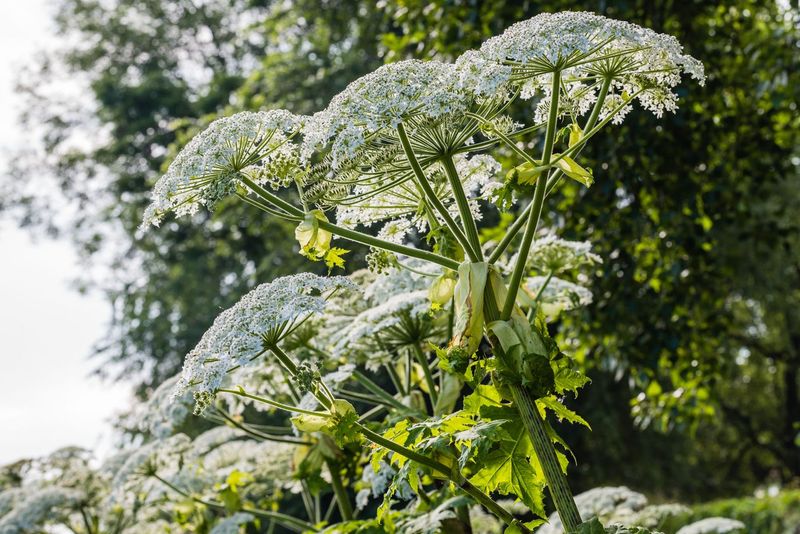
Few weeds look as dramatic as a twelve-foot stalk wearing white flower umbrellas wider than a patio table.
Giant hogweed, Heracleum mantegazzianum, can reach eight to fourteen feet and occasionally tops twenty feet tall.
Its hollow stems grow two to four inches thick, splashed with purple-red blotches and coarse white bristles. Deeply cut leaves can stretch five feet wide, and flower heads reach two and a half feet across.
Watery sap holds chemicals called furanocoumarins, which react with sunlight and cause a condition called phytophotodermatitis. Painful burns and blisters usually show up within one or two days, and scars can last a long time.
Sap in the eyes is especially serious, because it can cause temporary or even permanent vision loss. I can’t imagine a worse surprise than a weekend cleanup that ends in the emergency room.
This Caucasus native sits on both Pennsylvania and federal noxious weed lists, so selling or planting it is illegal.
Seeds can float downstream, which explains why scattered patches often pop up along creeks and drainage ditches.
Please skip the mower and the string trimmer near any suspected plant, since both can spray sap everywhere. If contact happens, wash right away with soap and cold water, then keep the skin shaded for 48 hours.
Report possible sightings to the state Department of Agriculture hotline at 1-877-464-9333 for expert identification and removal.
Many reports turn out to be look-alikes, but specialists would much rather check a harmless plant than miss one.
3. Wild Parsnip
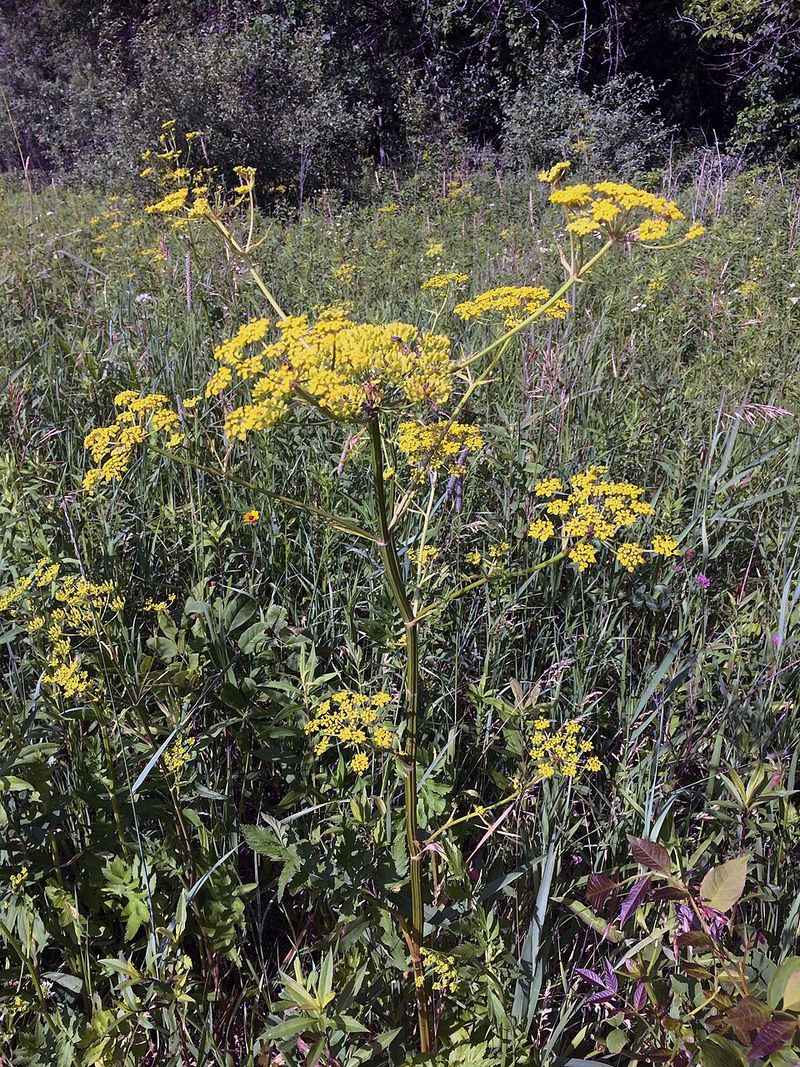
Those cheerful yellow flower clusters waving along summer highways look friendly enough to pick for a kitchen bouquet. Please resist, because wild parsnip sap can leave burns and blisters that rival a bad sunburn on steroids.
Pastinaca sativa is the same species as the garden parsnip, introduced long ago from Europe as a food crop.
Escaped plants now spread across sunny roadsides, railroad grades, old fields, and unmowed banks throughout much of Pennsylvania.
During its first year, the plant hides as a low rosette of leaves with toothed oval leaflets. In year two, it sends up a grooved, hollow stem two to five feet tall before flowering.
Flat yellow umbrellas four to eight inches across bloom from June into early August, followed by papery seeds.
You might notice it resembles golden alexanders, a native wildflower that blooms earlier in spring with smaller clusters.
Like hogweed, its sap carries furanocoumarins that react with sunlight on your skin to cause phytophotodermatitis. Blisters appear one or two days later, and dark marks can linger for months or even years.
Wear gloves and eye protection whenever you pull or cut this plant, and cover every inch of skin. String trimmers can spray sap across bare legs, so save that chore for long pants and cloudy weather.
If sap touches skin, wash with soap and cold water and stay out of the sun for 48 hours. The state lists wild parsnip as a Class B noxious weed, so removing it helps native meadows recover.
4. Poison Ivy
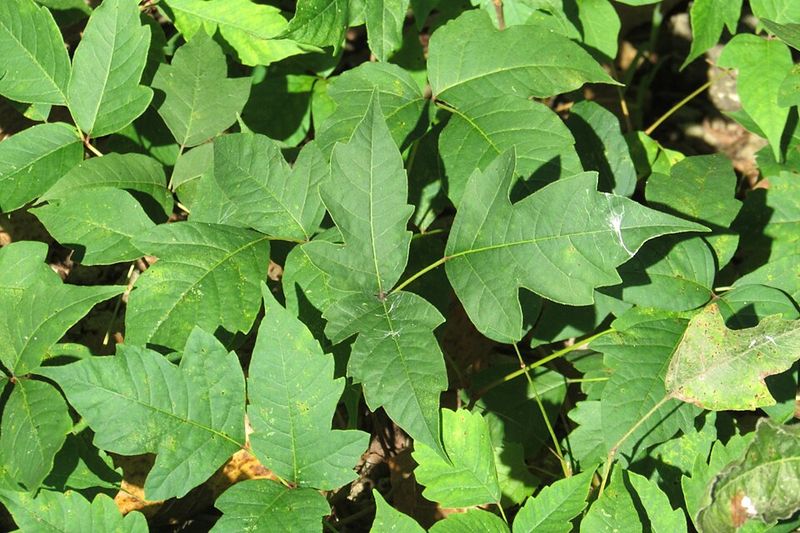
Most people react to urushiol, an invisible oil that hides in the leaves, stems, roots, and berries of poison ivy. That oil clings to dog fur and garden tools, ready to cause trouble long after your first contact.
Toxicodendron radicans is a native shape-shifter that can creep along the ground or climb trees over fifty feet. Leaves come in groups of three, and the middle leaflet usually sits on a noticeably longer stalk.
Leaf edges may look smooth or coarsely notched, and the surface can appear shiny or dull depending on conditions.
Spring leaves often emerge reddish before turning green, and fall paints them bright shades of orange and red.
Older vines look like fuzzy brown ropes because they are covered in hairy aerial rootlets gripping the bark. I love that birds happily eat the whitish berries in fall and winter, spreading the seeds far and wide.
The rash may take a day or more to show up, then itch and blister for a couple of weeks. Washing skin with soap and cool water soon after exposure can remove much of the oil before it binds.
Waterproof gloves and long pants help a lot, and you should wash work clothes separately from the family laundry. Please skip the burn pile, because smoke carrying urushiol can seriously irritate your lungs and eyes.
Repeated cutting or careful pulling with protection can manage small patches around fences and garden beds over time.
Bag the pieces instead of composting them, since the oil can stay active on plant debris for a long time.
5. Poison Sumac
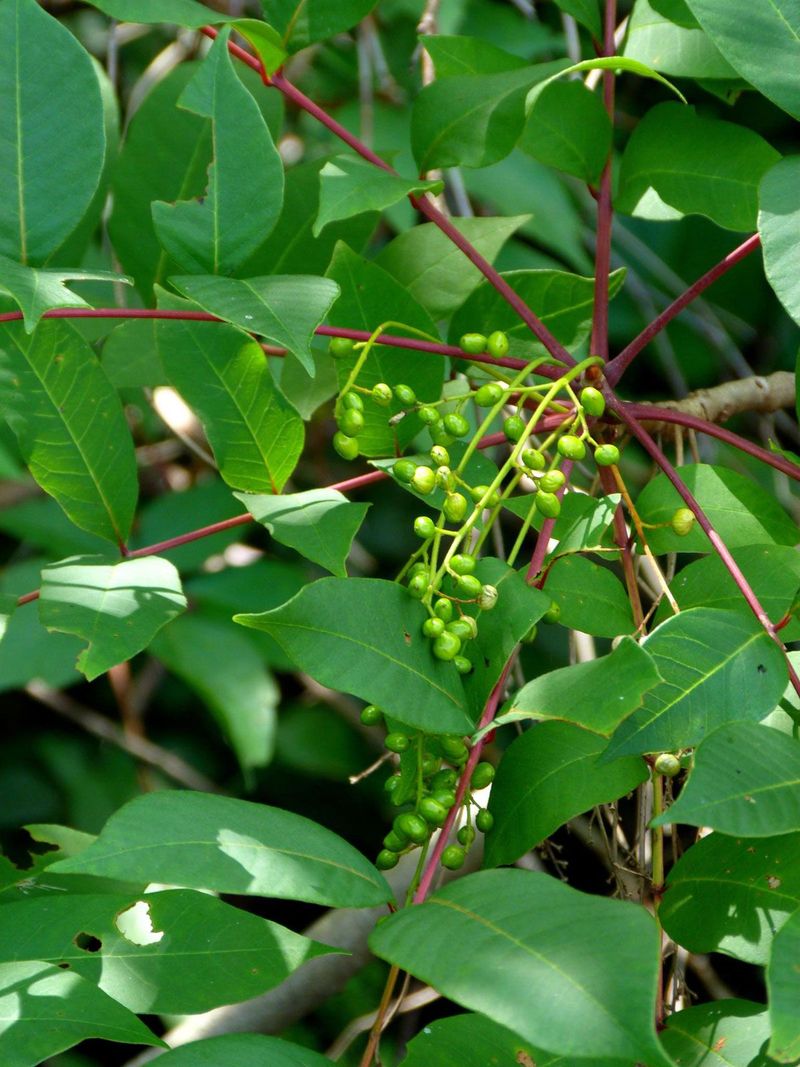
Gorgeous orange spring leaves and scarlet fall color make poison sumac one of the prettiest troublemakers in any swamp.
Many experts consider its urushiol more potent than poison ivy, thanks to slight differences in chemical structure.
Toxicodendron vernix is a native shrub or small tree that occasionally reaches twenty-five feet or more in height.
Each leaf holds seven to thirteen smooth-edged oval leaflets lined up on a reddish stem with one at the tip.
Loose clusters of small yellowish-green flowers open in early summer, then become drooping whitish berries by late summer. Those pale berries help separate it from harmless sumacs, which carry upright clusters of fuzzy red fruit instead.
Unlike poison ivy, this plant is an obligate wetland species that insists on soggy ground year-round. Look for it in open swamps and boggy fens, mostly in eastern Pennsylvania with scattered spots farther west.
Contact causes an itchy blistering rash much like poison ivy, though reactions are often stronger and more widespread.
Treatment matches poison ivy care, starting with a prompt wash using soap and cool water after exposure.
Personally, I find this plant fascinating, because most hikers walk right past it without knowing it exists.
You need waterproof boots and long sleeves before exploring boggy trails or wading into marshy birding spots.
Smoke from burning poison sumac can cause severe lung swelling, so keep it far away from any brush fire. If you garden near wetlands, learning this one shrub could save you a miserable couple of weeks.
6. Wood Nettle
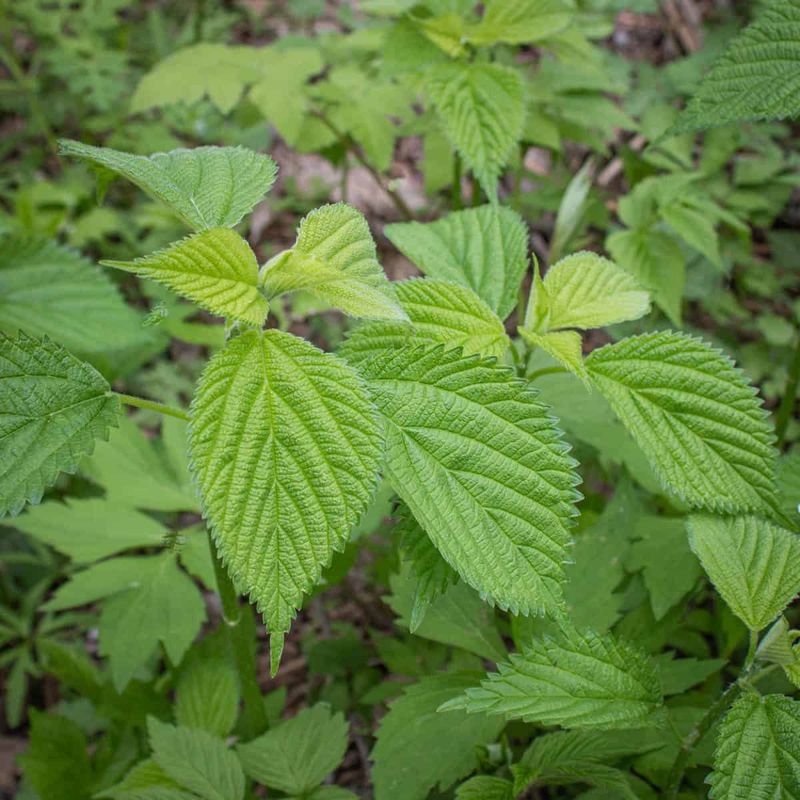
Hikers along shady creek trails often meet this native stinger at exactly knee height, usually through thin summer pants.
Some people say its sting feels even sharper than the classic stinging nettle, and I tend to agree.
Wood nettle, Laportea canadensis, grows up to four feet tall in rich bottomland woods and damp seeps near streams. It handles deep shade well, though you will also spot patches along partly sunny trail edges.
Broad toothed leaves three to six inches long grow alternately on long hairy stalks up the stem. That alternate pattern is your best clue, because stinging nettle leaves grow in neat opposite pairs instead.
Tiny greenish flowers cluster near the upper leaf joints, so the plant rarely catches your eye before it bites.
Its hollow hairs carry silica tips that snap off and deliver histamine plus other irritating compounds into skin.
Expect red itchy welts and a burning tingle that usually eases within a few hours for most people. Some hairs can poke through light fabric, so thick leather gloves work far better than cotton ones.
An antihistamine cream or a paste of baking soda and water may help calm the irritation afterward. What surprises me most is that this plant feeds red admiral caterpillars and supports woodland insects too.
If a patch shows up along your woodland garden path, simply reroute the trail rather than fighting it. Native plants like this one belong in moist woods, and a little distance keeps everyone comfortable.
7. Cow Parsnip
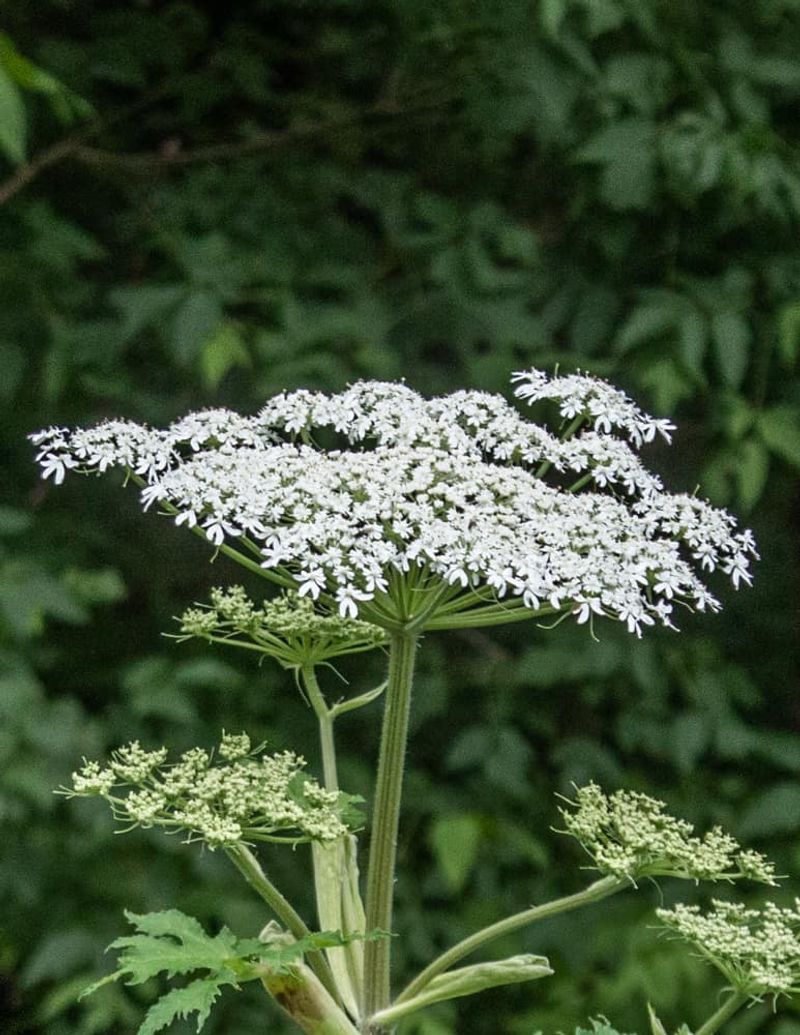
North America’s only native hogweed species looks like a friendlier cousin, yet its sap still packs a sunny surprise. Cow parsnip, Heracleum maximum, carries the same light-activated furanocoumarins found in giant hogweed, usually in milder doses.
Plants typically grow six to nine feet tall with thick, hollow, grooved stems covered in soft fuzzy hairs. Big leaves split into three broad leaflets, each lobed like a maple leaf with toothed edges.
Flat white flower clusters six to twelve inches across bloom from late spring into midsummer and attract many pollinators.
I love watching beetles and flies crowd those wide platforms like shoppers at a busy farmers market.
Look for it along stream banks and shaded roadsides, where moist soil keeps those giant leaves happy. Telling it apart from giant hogweed matters, since one is a welcome native and the other is illegal.
Cow parsnip stems are green and fuzzy without the purple blotches and stiff bristles that mark giant hogweed. Its leaves look more palm-shaped, while hogweed leaves are deeply cut and can stretch five feet wide.
Sap on skin plus sunshine can bring anything from a mild rash to painful blisters and lingering discoloration.
Healing may take weeks or months, and some people end up with scars from a careless afternoon of trimming.
Wear gloves and long sleeves when working nearby, and wash any sap away with soap and water quickly. Keep exposed skin out of direct sunlight for 48 hours, and call a doctor if blisters spread.