This Recycled Bottle Trick Gives New Jersey Gardeners Fresh Herbs All Winter Long
A cotton shoelace and an empty soda bottle kept my basil alive through a whole New Jersey January. I laughed when I first read about it. Then I tried it, and the joke was on me.
That thin strip of fabric pulls water upward like a tiny straw. Scientists call it capillary action, and it is the same force that moves water through paper towels. Your herbs get a steady sip instead of a flood or a drought.
Here in New Jersey, the first hard frost often arrives in October or early November. Most tender herbs give up shortly after. Grocery store sprigs cost a few dollars and wilt in days, which always stings a little.
I kept snipping fresh parsley while snow piled up on the porch. My recycling bin suddenly looked like a garden center. Your trash can is a greenhouse in disguise.
That Empty Soda Bottle Hides A Clever Watering Secret
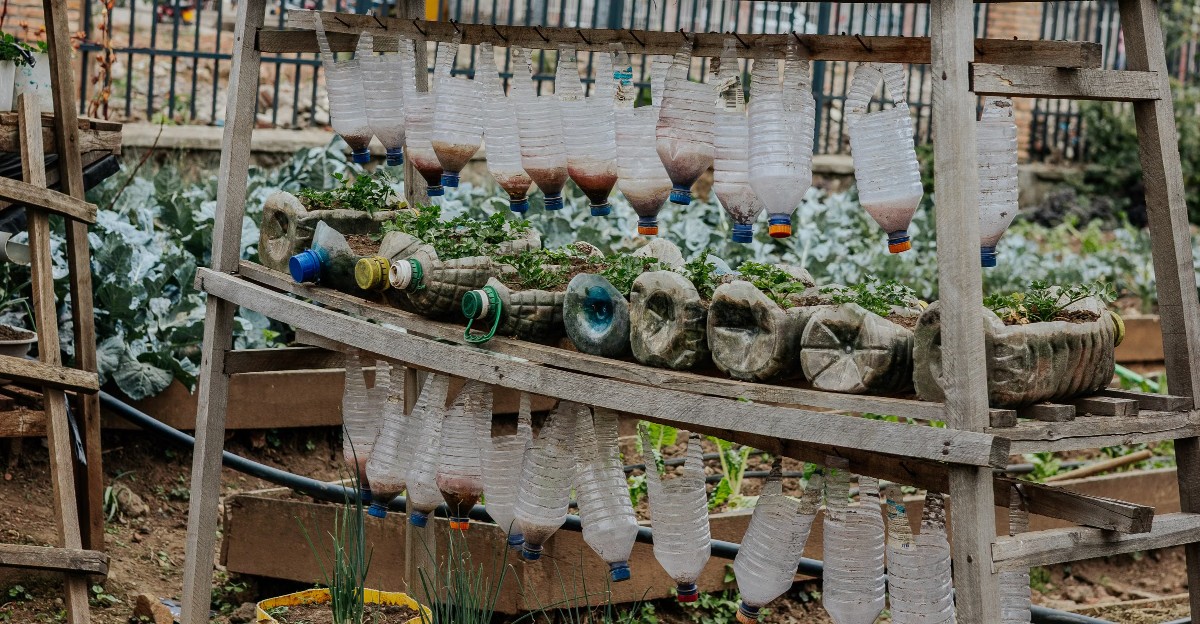
Trash day changed for me the moment I learned what a bottle could do. A plain plastic bottle, cut and flipped, becomes a small self-watering planter. The top half holds soil, and the bottom half holds water.
The magic sits in a wick made of cotton string or cloth. Water climbs the fibers by capillary action, the same way a paper towel soaks up a spill. Soil above stays evenly moist, so roots rarely sit in a puddle or dry out completely.
Steady moisture matters a lot indoors during winter. Furnace heat dries the air, and small pots can lose water fast.
Many university extension guides point out that uneven watering is one of the top reasons houseplants struggle.
Wicking planters are not new, either. Commercial self-watering pots and the popular grow boxes use the same basic idea. Your version just costs nothing.
Fun fact: cotton works better than many synthetic strings because its fibers absorb water readily. Nylon and polyester often repel moisture, so the reservoir stays full while the soil goes thirsty.
Old cotton shoelaces, strips cut from a worn T-shirt, or kitchen twine made from natural fibers all do the job nicely.
Build Your Bottle Herb Planter In About Ten Minutes
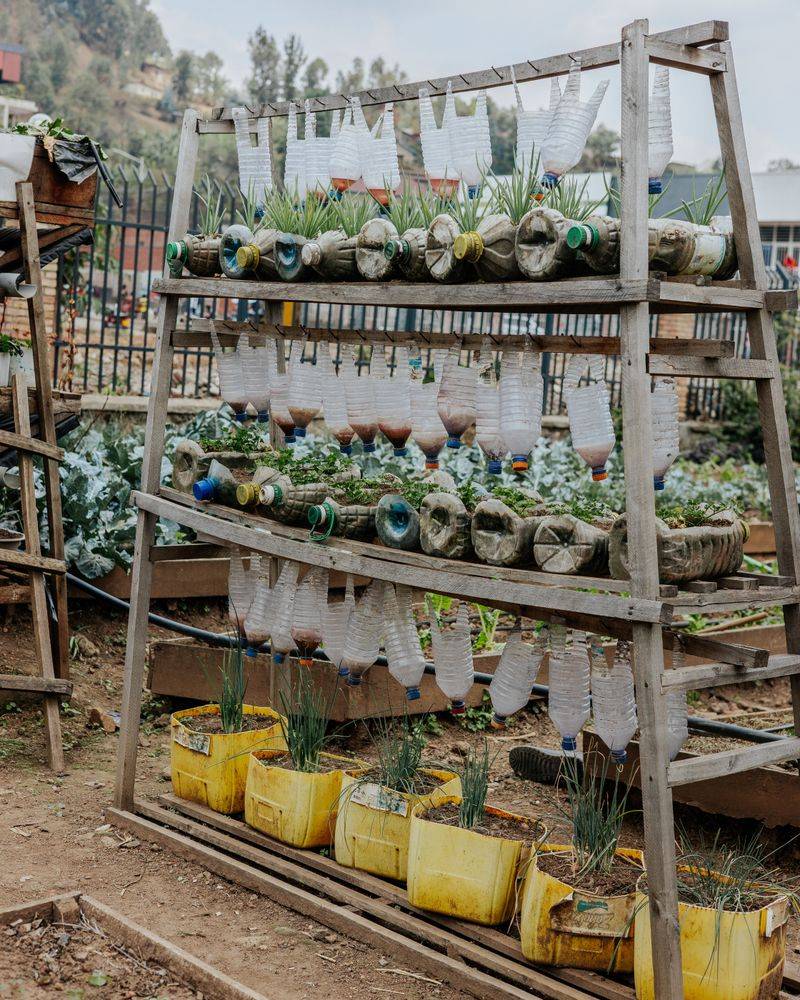
Grab scissors, a clean bottle, and a 6 to 8 inch piece of cotton string. A 2-liter soda bottle gives roots more space than a small water bottle, so I lean toward the big ones. Peel off the label and rinse it well.
Cut the bottle about one-third of the way down from the top. Poke a small hole in the cap, thread the string through, and leave about 4 to 6 inches hanging below. Screw the cap back on.
Flip the top section upside down and set it into the bottom half. The wick should dangle into the lower chamber.
Fill the top with a light, well-draining potting mix, not garden soil, which packs down and can carry pests indoors.
Tuck in a seedling or a few seeds. Water from the top until drips reach the reservoir, then add water below so the wick sits submerged.
One herb per bottle works best. Crowding several plants into a tiny space leads to weak growth and fast-drying soil. A strip of tape or a marker label on each bottle also helps you remember what you planted.
A Sunny South-Facing Window Keeps Basil From Going Leggy
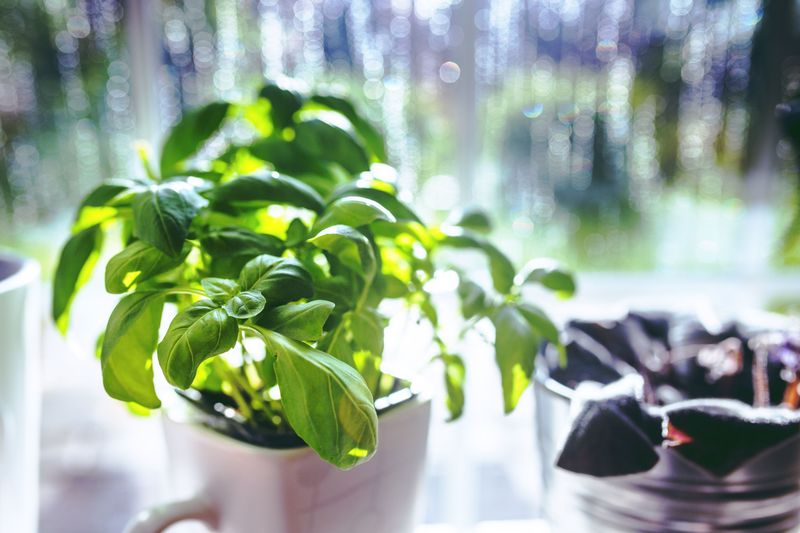
Light is the real boss of indoor herbs. Winter days in New Jersey shrink to roughly nine and a half hours of daylight around the December solstice. Your plants notice that change even more than you do.
Set your bottles in a south-facing window if you have one. West-facing glass works as a backup.
Most culinary herbs want at least six hours of direct sun, according to extension guidance from schools like Illinois and Rutgers.
Stretched, floppy stems with big gaps between leaves tell you the light is too weak. I learned this the hard way with a basil plant that looked like a skinny teenager. A simple LED grow light fixed it within a couple of weeks.
Run supplemental lights about 12 to 14 hours a day. Keep the bulbs a few inches above the leaves, since light strength drops quickly with distance. An inexpensive outlet timer saves you from remembering every morning.
Give each bottle a quarter turn every few days. Herbs lean toward the window, and turning them keeps growth even and sturdy. Clear plastic bottles can let light reach roots and grow algae, so a sleeve of paper helps.
Parsley And Chives Handle Indoor Winters Best
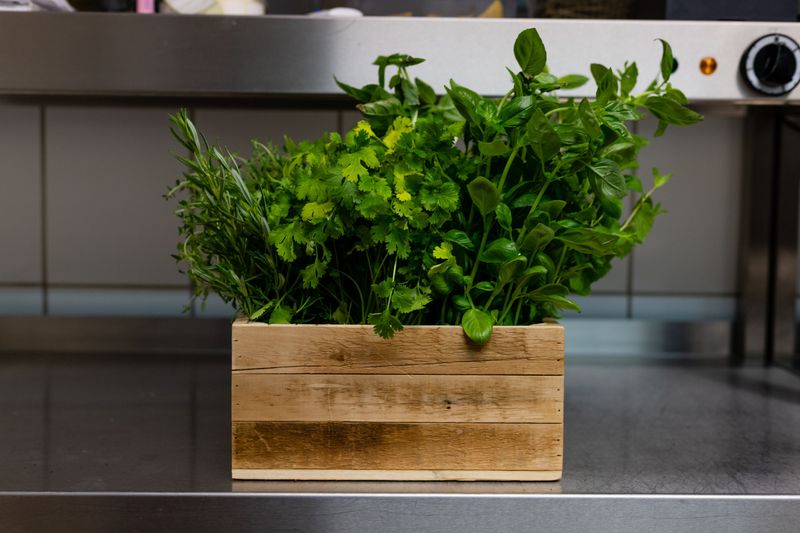
Picky eaters exist in the herb world too. Some plants shrug off a cozy kitchen, while others sulk until spring. Choosing well saves a lot of frustration, especially through a long New Jersey winter.
Parsley and chives are my easygoing favorites. Both tolerate moderate light and keep pushing out new growth after cutting. You can even dig a clump of chives from a New Jersey garden in fall and pot it up.
Rosemary and thyme come from sunny Mediterranean hillsides. They want bright light and soil that dries a bit between drinks.
For these two, a shorter wick or a lower water level in the reservoir keeps roots from staying too wet.
Basil loves warmth and struggles below about 50 degrees. Keep it away from chilly glass at night.
Mint grows with wild enthusiasm and does fine in a bottle, which neatly contains its spreading roots.
Oregano and sage also adapt well indoors with plenty of sun. Start with the two or three herbs you cook with most. A small, well-loved collection beats a crowded shelf of struggling plants.
Cilantro, by the way, tends to bolt quickly, so sowing a few seeds every few weeks keeps the supply coming, even when the New Jersey cold settles in.
Soggy Soil In The Bottle Means Your Herbs Need A Break
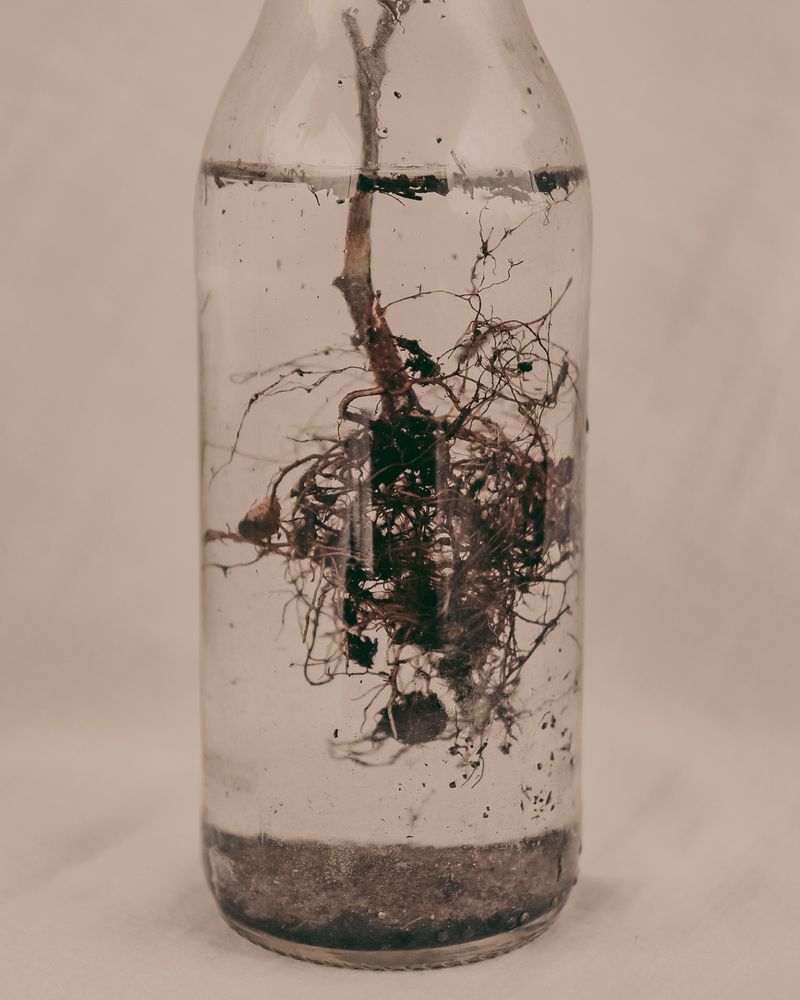
Too much love drowns more indoor herbs than neglect does. Plants grow slowly in winter’s low light, so they drink less.
A wick system helps, but it cannot read your mind. Poke a finger into the top inch of soil before topping off the reservoir. Damp is fine. Soggy, sour-smelling soil means you should let the water level drop for a few days.
Yellowing lower leaves and tiny black fungus gnats are common warning signs. Gnat larvae thrive in constantly wet mix. Letting the surface dry out between refills usually brings their numbers down.
Change the reservoir water every week or two instead of just adding more. Stale water can grow algae and bacteria.
A quick rinse of the bottom half keeps things fresh. Watch the wick itself, too. Cotton can break down after a few months of constant moisture. Swapping in a new piece takes about a minute and keeps water moving smoothly.
Drier herbs like rosemary and thyme may prefer a reservoir filled only halfway. Thirstier basil and parsley usually enjoy a fuller one. Adjusting by plant type is easy once you watch them for a week or two.
Dry Furnace Air And Cold Window Glass Stress Herb Leaves
Crispy brown leaf tips puzzled me for weeks before I blamed the heater. Indoor humidity in winter can fall below 30 percent once the furnace kicks on. Many herbs prefer something closer to 40 or 50 percent.
Grouping your bottles together creates a slightly moister pocket of air. A tray of pebbles with a shallow layer of water underneath adds a bit more. Keep the bottle bottoms above the waterline.
Cold drafts cause trouble too. Window glass can feel icy on a January night, and basil leaves touching it may blacken.
Slide plants back a few inches after sunset or tuck a towel along the sill. Hot air vents are just as rough. Blowing heat dries soil and leaves fast. Aim for a steady room temperature of about 60 to 75 degrees.
Gentle air movement still matters. A small fan on low, or simply an open room, helps prevent powdery mildew and other fungal problems. Stagnant, damp air invites them.
Misting leaves is popular but only raises humidity for a few minutes. Grouping and pebble trays give longer-lasting results with far less effort on your part.
Regular Snipping Turns One Bottle Of Basil Into Weeks Of Harvests
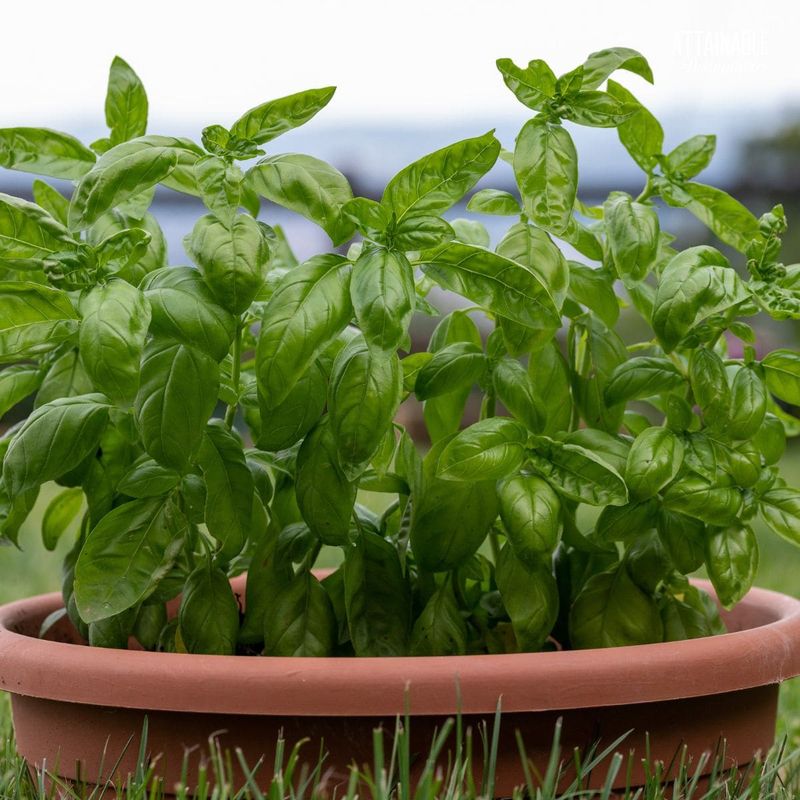
Scissors might be the best fertilizer you own. Pinching off stem tips encourages herbs to branch, creating bushier plants with more leaves.
Basil especially rewards a regular trim. Cut just above a pair of leaves. New shoots sprout from that spot. Try not to remove more than about one-third of the plant at once, so it keeps enough foliage to feed itself.
Feed lightly while growth is slow. A diluted liquid fertilizer once a month is plenty during winter, and some gardeners skip it until days lengthen in February. Too much food makes soft, bland leaves.
Once spring arrives, many bottle herbs can move outdoors. Wait until after your last frost, which runs from about mid-April in southern New Jersey to early May up north. Harden them off gradually over a week first.
Save every promising bottle you find. Each one is a future pot for lettuce, scallions, or more herbs next fall. I keep a small stack by the back door now.
Fresh flavor in February feels like a small victory. One cotton string and some curiosity are all it takes to start your own.